
Kilimanjaro Porters
Kilimanjaro porters are the local mountain crew who carry tents, food, water and climbers' duffel bags between camps, set up camp and support every climb. Porter welfare standards promoted by the Kilimanjaro Porters Assistance Project (KPAP) include a maximum load of 20 kg, a fair daily wage, proper meals, warm gear and shelter. Climbers usually tip porters about US$6 to US$10 per day each. Choosing an ethical operator is the best way to support the people who make your climb possible.
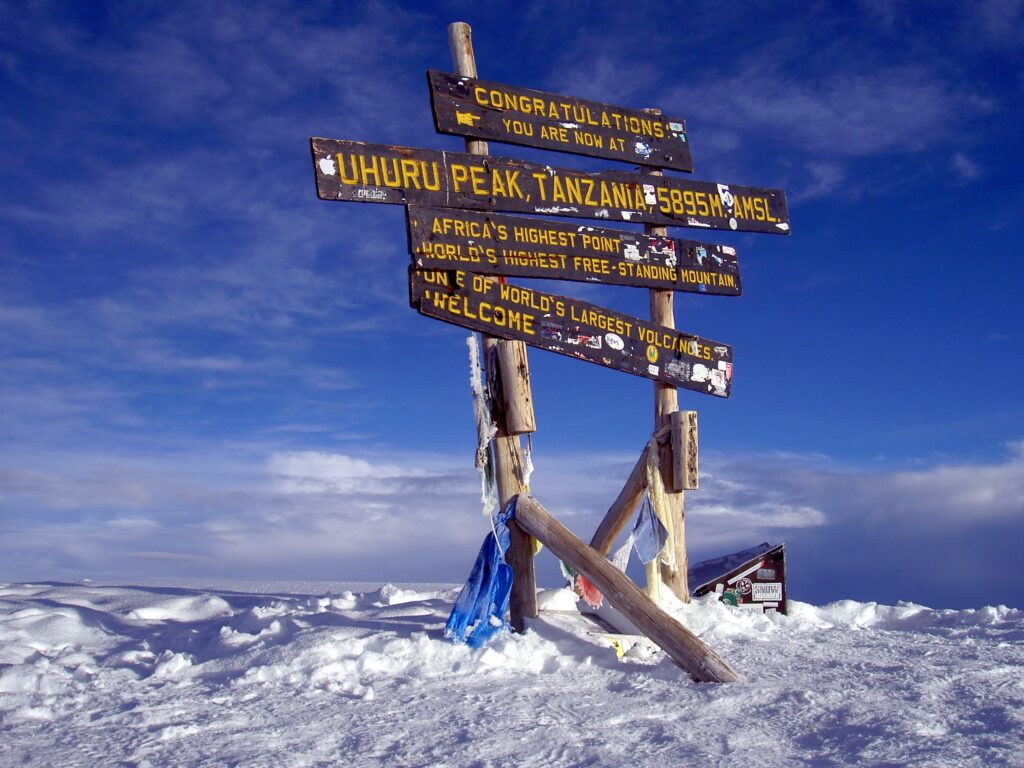
Kilimanjaro porters are the hardworking backbone of every single climb on Africa's highest mountain. They carry the tents, food, water, cooking equipment and your duffel bag, set up camp before you arrive and often greet you with a song at the summit or the final gate. This guide explains the roles in a Kilimanjaro mountain crew, a typical day in a porter's life, the welfare standards that matter, how to choose an ethical operator, how much to tip and simple ways you can support porters, so that your climb truly benefits the local people who make it all possible.
Kilimanjaro Mountain Crew Roles
A Kilimanjaro climb is run by a full mountain crew, and every crew member has a clear job that keeps you safe, fed and comfortable. The tabs below explain the main roles you will meet on the mountain, from the lead guide who makes safety decisions to the porters who carry the camp between sites. Each tab describes what the role involves, the typical number on a climb and a widely used daily tipping guideline where one exists. Learning their names and roles in the first day or two helps you build a warm relationship with the whole crew.
Lead Mountain Guide
Leads the climb and makes every safety decision
The lead guide is in charge of the whole climb. Licensed by Kilimanjaro National Park and trained in wilderness first aid, the lead guide sets the pace, runs the daily health checks with a pulse oximeter, decides when to rest or descend and leads the summit push. Most lead guides worked for years as porters and assistant guides first.
Assistant Guide
Supports the lead guide and walks with climbers
Assistant guides walk with climbers, help monitor their health and make sure nobody walks alone if they need to slow down or descend. On summit night they stay close to climbers who need extra support. Many assistant guides are training to become lead guides, so they are knowledgeable, encouraging and happy to share stories about the mountain and Tanzanian culture.
Mountain Cook
Prepares every meal and safe drinking water
The mountain cook produces three hot meals a day in a small cooking tent, often at high altitude and in cold weather. Breakfast, lunch and dinner are freshly prepared, with snacks and hot drinks at camp, and the cook boils or treats drinking water for everyone. Good food keeps your energy up for the long summit night.
Camp Waiter
Serves meals and keeps the dining tent running
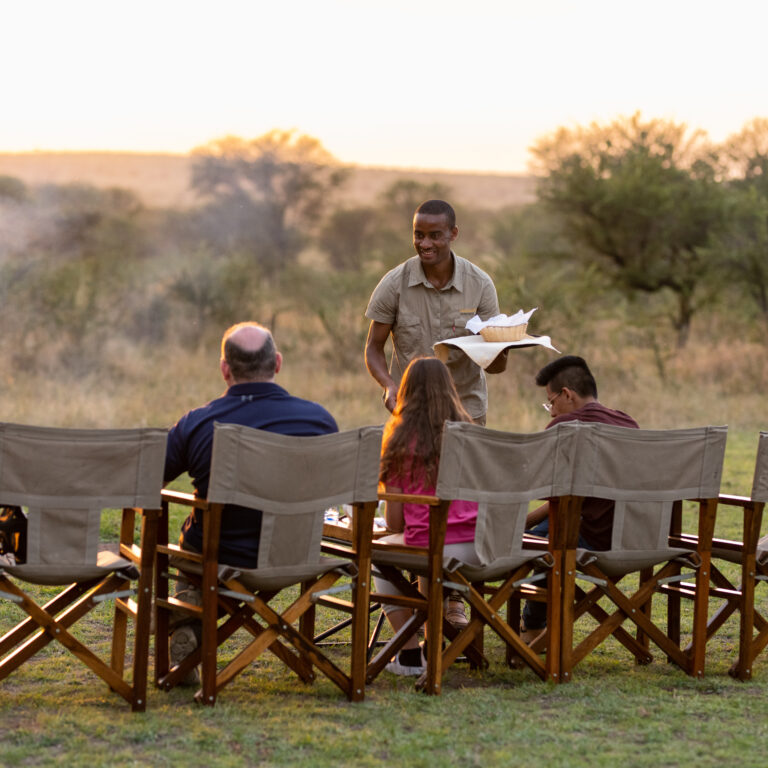
On many climbs one crew member acts as a camp waiter. He brings warm water for washing in the morning and evening, serves meals and hot drinks in the dining tent, checks whether you need anything and helps the cook. The waiter is often the crew member you see most at camp, and many climbers remember his cheerful wake-up call.
Kilimanjaro Porter
Carries the camp, food, water and duffel bags
Porters carry everything needed for the climb: tents, sleeping mats, the dining tent, food, fuel, water and your duffel bag. Each individual load should stay within the 20 kg limit set by porter welfare standards. Porters usually leave camp after you, overtake you on the trail and have your tents ready long before you arrive.
Toilet Tent Porter
Carries and cleans the private toilet tent
If you choose a private toilet tent, a dedicated porter carries it between camps, sets it up and keeps it clean throughout the climb. It is one of the hardest jobs on the mountain, yet it makes a big difference to your comfort. Remember this crew member when you hand out tips at the end of the climb.
Personal Porter (Optional)
Carries your daypack on request
Some climbers book an optional personal porter who carries their daypack, leaving them free to walk with only a water bottle and camera. It can really help older climbers, people with back or knee problems and anyone who wants to save energy for summit night. A personal porter walks close beside you all day long.
A Day in the Life of a Kilimanjaro Porter
A porter's day on Kilimanjaro is long and physically demanding, and it starts well before climbers wake up. Understanding exactly what porters do between camps helps you appreciate their hard work and explains why fair treatment matters so much. The simple timeline below shows a typical day on a camping route, from packing up in the early morning to finally settling in after dinner. Times vary with the route, the weather and the length of each day's walk, but the pattern is similar on most climbs, and porters repeat it every single day until the climb is complete.
- Early morningWake before climbers, boil water and help the cook prepare breakfast.
- After breakfastPack tents, mats and the kitchen, weigh loads and set off with their bundles.
- On the trailOvertake climbers, walk steadily to the next camp and rest briefly on the way.
- AfternoonArrive first, pitch tents, set up the dining tent and fetch water.
- EveningHelp serve dinner, eat together as a crew and sleep in shared crew tents.
Kilimanjaro Porter Welfare Standards
Porter welfare has improved greatly on Kilimanjaro over the last two decades, but standards still vary widely between operators. The Kilimanjaro Porters Assistance Project, known as KPAP, was founded in 2003 to improve working conditions on the mountain. Its Partner for Responsible Travel programme regularly monitors climbs and sets standards for wages, loads, food, shelter and equipment. The six cards below summarise the porter welfare standards that matter most to climbers. When you compare operators, ask each one how it meets these standards, and look for companies that can explain their approach clearly, honestly and openly in writing.
Porters are paid a fair daily wage on time, separately from tips.
Each porter carries no more than 20 kg of climb equipment.
Porters eat the same nutritious meals three times a day as the rest of the crew.
Porters sleep in proper tents with mats and warm sleeping bags.
Porters have suitable jackets, boots, gloves and rain gear for high altitude.
Sick or injured porters are treated and evacuated just like climbers.
Ethical Operator Checklist
Use this simple checklist to compare Kilimanjaro operators fairly on how they treat their porters and crew. Each point reflects a welfare standard that a responsible company should be able to explain clearly, ideally in writing, before you book. Tick each one off when you are satisfied with the operator's answer. A company that meets every point is very likely to treat its whole mountain crew fairly. If an operator avoids your questions, cannot explain how it pays and equips porters or offers a price that seems far too low, consider choosing another company for your Kilimanjaro climb.
Ethical Kilimanjaro operator checklist 8 checks
This operator meets every porter welfare check.
Tipping Kilimanjaro Porters and Crew
Tips are a very important part of a porter's income and a traditional way to thank the crew at the end of a Kilimanjaro climb. They are not usually included in the package price, so plan for them separately and bring clean US dollar or Tanzanian shilling notes. The table below shows widely used daily tipping guidelines for each crew role. Multiply the rate by the number of days and crew members, and ask your operator for the exact crew list for your chosen route. Tips are normally handed over at a short, happy ceremony after the climb.
| Crew role | Suggested tip |
|---|---|
| Lead guide | US$20–25 per day |
| Assistant guide | US$15–20 per day |
| Cook | US$12–15 per day |
| Porter, waiter or toilet porter | US$6–10 per day |
How Climbers Can Support Porters
Beyond choosing an ethical operator and tipping your crew fairly, there are simple everyday ways to show respect for the people who carry your camp up the mountain. The six practical suggestions below are easy to follow and make a real difference to porters' working conditions and morale. Small gestures, such as learning a few words of Swahili or thanking the crew at camp, are always warmly appreciated by the crew. Practical choices, such as packing within your weight limit or donating good gear, help porters directly long after your climb is over and you have returned home safely.
Keep your duffel bag within the weight limit your operator gives you.
Greetings like jambo and asante sana go a long way with the crew.
Thank porters at camp and on the trail; they work incredibly hard.
Give warm clothing or boots to porter programmes rather than leaving them behind.
Follow the guidelines and make sure every crew member receives a share.
Book with an operator that can explain its porter welfare standards.
Kilimanjaro Porters: FAQs
What do Kilimanjaro porters do?
Kilimanjaro porters carry everything needed for the climb, including tents, sleeping mats, the dining tent, food, fuel, water and climbers' duffel bags. They pack and set up camp every day, fetch water and help the cook. Porters usually leave camp after climbers, overtake them on the trail and have camp ready when they arrive.
How much weight do Kilimanjaro porters carry?
Porter welfare standards set a maximum load of 20 kg of climb equipment per porter, in addition to their own personal belongings. Kilimanjaro National Park weighs loads at the gates. Responsible operators hire enough porters to keep every load within the limit and ask climbers to keep their duffel bags within a set weight.
How many porters do I need on Kilimanjaro?
The number depends on the route, the number of days and the comfort level of your climb. Operators in KPAP's Partner for Responsible Travel programme employ at least three porters per climber on most routes, or two per climber on the Marangu Route, where huts replace sleeping tents.
What is KPAP?
KPAP is the Kilimanjaro Porters Assistance Project, founded in 2003 as part of the International Mountain Explorers Connection. It works to improve porter working conditions by lending mountain clothing, offering free education, monitoring climbs and running the Partner for Responsible Travel programme for tour operators.
How much should I tip Kilimanjaro porters?
A widely used guideline is US$6 to US$10 per porter per day, with higher amounts for the lead guide, assistant guides and cook. Multiply by the number of days and porters on your climb, and hand tips over at the end of the climb, ideally making sure every crew member receives a share.
Are Kilimanjaro porters paid fairly?
Pay varies between operators. Responsible companies pay porters a fair daily wage on time, separately from tips, and provide meals, shelter and warm gear. Ask each operator how it pays and equips its porters, and look for clear answers. Very cheap climbs often save money by underpaying the crew.
Do porters eat and sleep properly on the mountain?
On a well-run climb, porters eat three nutritious meals a day and sleep in proper crew tents with mats and warm sleeping bags. These are key porter welfare standards. If an operator cannot explain how it feeds and shelters its crew, consider choosing another company.
Can I hire a personal porter on Kilimanjaro?
Yes. Many operators offer an optional personal porter who carries your daypack, so you walk with only a water bottle and camera. It can really help older climbers, people with back or knee problems and anyone who wants to save energy for summit night. Ask your operator in advance.
How do I choose an ethical Kilimanjaro operator?
Ask how the company pays porters, how it keeps loads within 20 kg, what meals, tents and sleeping gear the crew receives, whether porters have warm clothing and how sick crew members are treated. Check whether the operator takes part in a porter welfare programme, and read recent independent reviews.
How can I support Kilimanjaro porters?
Book with an ethical operator, keep your duffel bag within the weight limit, tip fairly, learn a few words of Swahili and thank the crew. You can also donate good warm clothing or boots to porter programmes. These simple actions make a real difference to the people who make your climb possible.
More Kilimanjaro Guides
Climb Kilimanjaro Responsibly
Tell us your dates and route, and our Arusha mountain team will plan a safe, private climb with a clear quote that explains your crew and tipping guidelines.
Start Planning