
Kilimanjaro Pictures
Kilimanjaro Pictures
Mount Kilimanjaro pictures capture one of the most iconic landscapes in Africa, attracting photographers, climbers, and travelers seeking breathtaking Mount Kilimanjaro photography experiences in Tanzania. Rising above the savannah as the highest free-standing mountain in the world, Kilimanjaro offers dramatic scenery, from lush rainforests to icy summit views. These Kilimanjaro photos are widely shared across travel blogs, safari guides, and adventure platforms because they showcase the mountain’s changing ecosystems and majestic beauty. Whether captured during a Tanzania safari or a dedicated Kilimanjaro climbing expedition, every image tells a story of endurance and natural wonder. From sunrise shots to glacier reflections, Kilimanjaro photography remains a top keyword for travel enthusiasts exploring Africa’s most famous peak and unforgettable landscapes. These images inspire global tourism and highlight Tanzania’s natural heritage beautifully today widely.
Early Pictures of Mt Kilimanjaro
Early pictures of Mount Kilimanjaro date back to the 19th and early 20th centuries, when European explorers first documented Africa’s highest peak. These historical Kilimanjaro images were captured using basic film cameras, showing snow-capped peaks, dense forests, and untouched wilderness. They played a major role in introducing Kilimanjaro photography to the world. Many Mount Kilimanjaro climbing early Kilimanjaro photos were taken by explorers like Hans Meyer and Ludwig Purtscheller during their first successful summit expeditions. Today, these vintage Kilimanjaro pictures are preserved in archives and museums, offering a powerful visual record of climate change, glacier retreat, and the mountain’s evolving natural beauty over time.
Kilimanjaro Zones and Scenic Beauty
Mount Kilimanjaro pictures reveal distinct ecological zones that make it a photographer’s paradise in Tanzania. From lush rainforest at the base to icy summit glaciers, each zone offers unique Kilimanjaro photography opportunities. These transitions create dramatic contrasts, making Kilimanjaro photos highly popular for travel blogs and safari content. The mountain’s scenic beauty changes with altitude, light, and weather conditions, offering endless creative inspiration. Capturing these zones helps showcase Kilimanjaro as one of Africa’s most visually diverse and iconic natural landmarks.
Moorland Zone
The Moorland Zone of Mount Kilimanjaro offers some of the most striking Kilimanjaro pictures for nature lovers and photographers. Located above the rainforest, this area features giant lobelias, senecio plants, and wide open landscapes that create surreal Kilimanjaro photography scenes. The light is often soft and dramatic, making it perfect for capturing atmospheric Kilimanjaro photos during trekking expeditions. Cloud formations rolling over rocky terrain add depth and mood to every image. This zone is a favorite among Tanzania safari and climbing enthusiasts seeking unique landscapes that highlight Kilimanjaro’s ecological diversity and breathtaking natural beauty.
Rainforest Zone
The Rainforest Zone on Mount Kilimanjaro is a lush paradise for capturing vibrant Kilimanjaro pictures filled with greenery and wildlife. Dense vegetation, towering trees, and misty trails create magical Kilimanjaro photography opportunities. This zone is home to monkeys, exotic birds, and colorful plant life, making Kilimanjaro photos rich in biodiversity. Sunlight filtering through thick canopy layers produces stunning natural lighting effects that enhance every image. Many Tanzania safari travelers and climbers consider this section the most photogenic starting point of their Kilimanjaro journey, offering immersive scenery that reflects the mountain’s tropical and ecological richness.
Alpine Desert
The Alpine Desert zone of Mount Kilimanjaro delivers some of the most dramatic Kilimanjaro pictures due to its harsh and surreal landscape. Characterized by volcanic rock, dry winds, and minimal vegetation, this region creates powerful Kilimanjaro photography scenes with high contrast and raw natural textures. The vast openness allows photographers to capture endless horizons under intense sunlight and shifting shadows. Kilimanjaro photos taken here often highlight the mountain’s extreme climate transition. This zone is essential for Tanzania safari and climbing visuals, showcasing the rugged beauty and challenging environment of Africa’s highest peak.
Summit/Arctic Zone
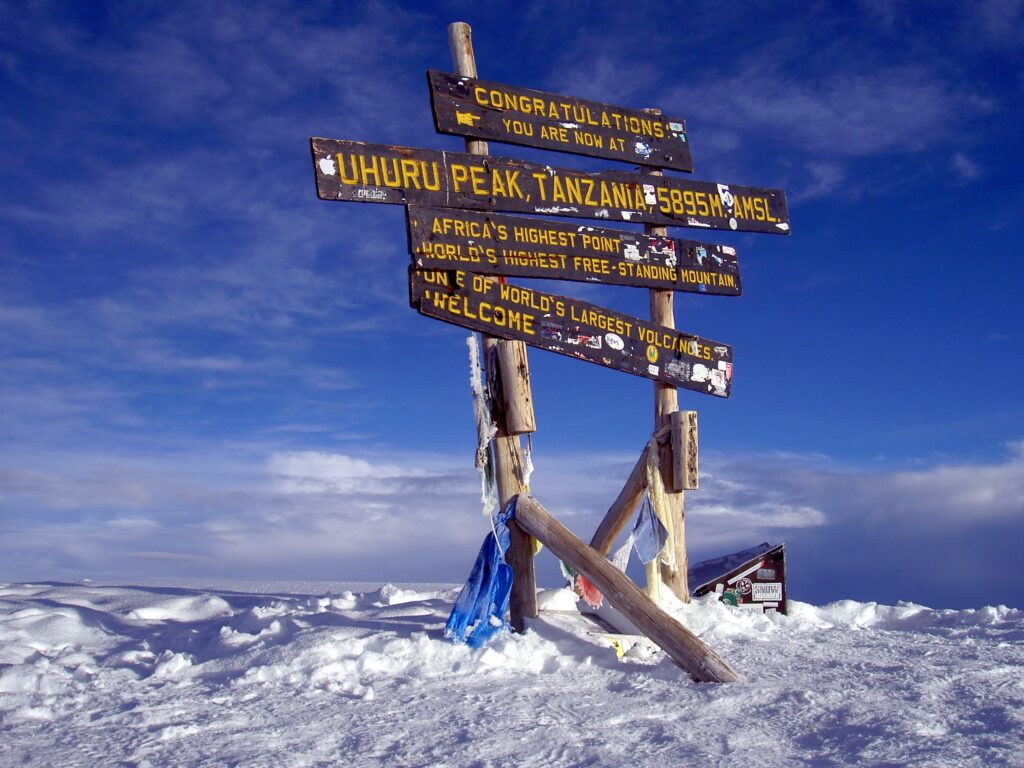
The Summit or Arctic Zone of Mount Kilimanjaro produces some of the most iconic Kilimanjaro pictures, featuring glaciers, ice fields, and snow-covered terrain. This extreme environment offers breathtaking Kilimanjaro photography opportunities at Uhuru Peak, the highest point in Africa. Kilimanjaro photos taken here often show golden sunrise views above the clouds, creating unforgettable visual moments. Despite freezing temperatures and thin air, climbers are rewarded with world-class scenery that defines Tanzania’s natural wonder. This zone represents the ultimate achievement in Kilimanjaro climbing and remains a top destination for adventure photography enthusiasts worldwide.
Top 10 Spots to Capture the Best Kilimanjaro Pictures
The best Kilimanjaro pictures are captured from iconic locations such as Barranco Valley, Shira Plateau, Lava Tower, Barranco Wall, The Saddle, Mawenzi Peak, Crater Camp, Southern Ice Field, Uhuru Peak, and Reusch Crater. Each location offers unique Kilimanjaro photography angles, from dramatic cliffs to glacier views. These spots are highly recommended for Tanzania safari travelers and climbers seeking professional-quality Kilimanjaro photos. Lighting, altitude, and landscape diversity make these areas ideal for unforgettable mountain photography experiences.
The Barranco Valley
Barranco Valley is one of the most photogenic locations for capturing Kilimanjaro pictures, offering dramatic scenery and unique geological formations. Known for its giant groundsels and towering cliffs, this valley provides exceptional Kilimanjaro photography opportunities. Misty mornings and golden evening light create atmospheric Kilimanjaro photos that highlight the valley’s depth and beauty. Climbers often pause here during their Tanzania safari trek to take memorable shots of the surrounding landscapes. The combination of rugged terrain and lush vegetation makes Barranco Valley a must-visit destination for photographers seeking iconic Mount Kilimanjaro imagery.
Shira Plateau
Shira Plateau offers expansive views perfect for capturing breathtaking Kilimanjaro pictures across wide horizons. As one of the oldest volcanic formations on Mount Kilimanjaro, it provides stunning Kilimanjaro photography scenes with open skies, rolling clouds, and distant peaks. The plateau is ideal for panoramic Kilimanjaro photos during sunrise and sunset, making it a favorite stop for Tanzania safari trekkers. Its high altitude and unique geological features create dramatic lighting conditions that enhance every image. Photographers often highlight the sense of space and isolation found in this remarkable section of the mountain.
Lava Tower
Lava Tower is a striking landmark for capturing powerful Kilimanjaro pictures featuring volcanic rock formations and rugged terrain. Standing at high altitude, it provides excellent Kilimanjaro photography opportunities with dramatic skies and contrasting landscapes. Kilimanjaro photos taken here often showcase climbers adjusting to altitude while surrounded by raw natural beauty. The harsh environment and unique rock structures make it a popular stop on Tanzania safari trekking routes. Photographers value Lava Tower on Mount Kilimanjaro for its bold textures, shifting light, and unforgettable mountain atmosphere that defines Kilimanjaro’s volcanic origin.
Barranco Wall
Barranco Wall is a dramatic cliff face that offers some of the most thrilling Kilimanjaro pictures for adventure photography. Climbers ascending this section create dynamic Kilimanjaro photography moments filled with action and scale. The steep rock face, combined with panoramic valley views, makes Kilimanjaro photos here visually powerful and engaging. Early morning light enhances textures and shadows, creating depth in every image. This iconic section of the Tanzania safari climbing route is both challenging and visually rewarding, making it a favorite among photographers capturing real expedition experiences on Mount Kilimanjaro.
The Saddle
The Saddle, located between Mawenzi and Kibo peaks, provides unique Kilimanjaro pictures featuring vast barren landscapes and high-altitude terrain. This open expanse is ideal for Kilimanjaro photography that highlights isolation and scale. Kilimanjaro photos taken here often show endless rocky plains under dramatic skies, emphasizing the mountain’s extreme environment. The Saddle is a key transition zone for climbers on their Tanzania safari ascent toward the summit. Photographers appreciate its minimalist beauty, strong contrasts, and powerful sense of wilderness that defines the upper reaches of Mount Kilimanjaro.
Mawenzi Peak
Mawenzi Peak offers dramatic Kilimanjaro pictures characterized by jagged rock formations and rugged alpine scenery. This secondary peak provides striking Kilimanjaro photography opportunities with sharp ridges and shadowed valleys. Kilimanjaro photos taken here often emphasize the wild, untouched nature of Tanzania’s volcanic landscapes. The peak’s steep structure creates dynamic compositions for adventure photographers. Although not commonly climbed, Mawenzi remains a visual highlight for those exploring Kilimanjaro’s eastern side during a Tanzania safari trek. Its raw beauty and challenging terrain make it one of the most photogenic areas on the mountain.
Crater camp
Crater Camp offers rare and exclusive Kilimanjaro pictures taken inside the volcanic summit crater. This high-altitude location provides extraordinary Kilimanjaro photography opportunities with glaciers, ash pits, and surreal landscapes. Kilimanjaro photos captured here are among the most unique in the world, showing climbers in extreme environments close to the summit. The lighting conditions and icy textures create dramatic visual effects perfect for professional photography. As part of a Tanzania safari climbing experience, Crater Camp represents one of the most challenging yet rewarding photographic destinations on Mount Kilimanjaro.
The Southern Ice Field
The Southern Ice Field is one of the most iconic areas for capturing Kilimanjaro pictures, featuring glaciers and ice formations. This region provides stunning Kilimanjaro photography scenes with reflective ice surfaces and dramatic light conditions. Kilimanjaro photos taken here highlight the effects of climate change as glaciers slowly recede. The bright sunlight and frozen terrain create surreal contrasts that attract photographers worldwide. Located near the summit route, it is a highlight for Tanzania safari climbers seeking unforgettable visual experiences on Africa’s highest peak.
Uhuru Peak
Uhuru Peak is the ultimate destination for capturing legendary Kilimanjaro pictures at Africa’s highest point. Standing at 5,895 meters, it offers unmatched Kilimanjaro photography opportunities above the clouds. Kilimanjaro photos taken here often feature sunrise views, ice-covered signs, and climbers celebrating success. The extreme altitude and breathtaking scenery make it the most rewarding location on any Tanzania safari climbing journey. Mount Kilimanjaro Climbing Tours Photographers consider Uhuru Peak the crown jewel of Mount Kilimanjaro imagery, symbolizing achievement, endurance, and natural beauty.
The Reusch Crater
The Reusch Crater provides rare and dramatic Kilimanjaro pictures inside the volcanic summit area of Mount Kilimanjaro. This hidden geological feature offers unique Kilimanjaro photography opportunities with ash fields, ice formations, and crater walls. Kilimanjaro photos captured here showcase the mountain’s volcanic history and extreme environment. It is a less-traveled but visually powerful location for Tanzania safari climbers seeking exclusive imagery. The crater’s eerie silence and surreal landscape make it one of the most fascinating photographic spots on the mountain.
Tips for Taking Stunning Shots on Mount Kilimanjaro
Capturing stunning Kilimanjaro pictures requires preparation, timing, and the right equipment. Use a lightweight camera suitable for high-altitude Kilimanjaro photography, and always protect gear from dust, cold, and moisture. Early morning and late afternoon provide the best natural lighting for Kilimanjaro photos. Adjust settings for changing weather conditions across different zones during your Tanzania safari trek. Composition is key—include climbers, landscapes, and cloud layers for depth. Carry spare batteries, as cold temperatures drain power quickly. Patience is essential when photographing Mount Kilimanjaro, as weather shifts rapidly and creates unique opportunities for dramatic shots. Always prioritize safety while capturing unforgettable summit moments.
Capture Kilimanjaro's Essence, Frame by Stunning Frame
Capturing Kilimanjaro pictures is about more than photography; it is about telling the story of Africa’s highest mountain through every frame. From rainforest trails to icy summit views, Kilimanjaro photography reveals the mountain’s ever-changing beauty and emotional power. Each Kilimanjaro photo reflects a journey of endurance, discovery, and natural wonder experienced during a Tanzania safari or climbing expedition. Kilimanjaro images are free. Mount Kilimanjaro pictures before and after. Mount Kilimanjaro pictures. Kilimanjaro pictures google. Picture of Mount Kilimanjaro erupting. Mount Kilimanjaro photos download. Kilimanjaro Wallpaper 4k. Current picture of Mt Kilimanjaro. By focusing on light, landscape, and atmosphere, photographers can create timeless images that showcase the essence of Mount Kilimanjaro. Every frame becomes a memory of adventure, making Kilimanjaro one of the most photographed and inspiring mountains in the world.
Why is Kilimanjaro so special?
Mount Kilimanjaro is special because it is Africa’s highest peak and the world’s tallest free-standing mountain, rising dramatically above the plains of Tanzania. Its uniqueness comes from its five distinct ecological zones, ranging from rainforest to arctic summit, all within one mountain. Kilimanjaro is also one of the most iconic trekking destinations for Tanzania safari and adventure tourism. Climbers experience breathtaking Kilimanjaro views, rare wildlife, and ever-changing landscapes. Unlike technical climbs, it is a walkable mountain, making it accessible yet challenging. Its snow-capped summit near the equator adds to its global fame and extraordinary natural beauty.
How does Mount Kilimanjaro look like
Mount Kilimanjaro looks like a massive, snow-capped volcanic mountain rising alone above the flat plains of northern Tanzania. Its three volcanic cones—Kibo, Mawenzi, and Shira—create a dramatic silhouette visible from far distances. The mountain’s appearance changes with altitude, showing lush green forests at the base, moorlands in the middle, and icy glaciers at the top. During sunrise and sunset, Kilimanjaro glows with golden and pink tones, making it a favorite subject for Kilimanjaro photography. From afar, it appears like a floating island of ice and rock, dominating the surrounding savannah landscape.
Do you need oxygen in Kilimanjaro?
Most climbers do not need supplemental oxygen to climb Mount Kilimanjaro, as it is a non-technical trekking peak. However, the high altitude—reaching 5,895 meters—means oxygen levels are significantly lower near the summit. Climbers rely on proper acclimatization, slow ascent, and good physical conditioning during their Tanzania safari trekking journey. Guides monitor altitude sickness symptoms carefully to ensure safety. In rare emergency cases, bottled oxygen may be used, but it is not part of standard climbing equipment. With the right preparation and pacing, most climbers successfully reach Uhuru Peak without oxygen support.
Can a beginner climb Kilimanjaro?
Yes, beginners can climb Mount Kilimanjaro because it does not require technical climbing skills such as ropes or mountaineering experience. However, it is still a physically demanding high-altitude trek. Many first-time climbers successfully reach the summit through proper preparation, slow ascent routes, and guided Tanzania safari trekking packages. Fitness training, mental endurance, and choosing longer routes like Lemosho or Machame improve success rates. Professional guides provide support, safety checks, and acclimatization strategies throughout the journey. With determination and the right itinerary, even beginners can achieve the incredible goal of standing at Uhuru Peak, Africa’s highest point.
Final Thought
Kilimanjaro pictures continue to inspire travelers, photographers, and adventure seekers from around the world. As one of the most iconic landscapes in Africa, Mount Kilimanjaro offers endless opportunities for breathtaking Kilimanjaro photography across its diverse ecological zones. From lush forests to icy summit peaks, every Kilimanjaro photo tells a powerful story of nature and human achievement. Whether taken during a Tanzania safari or a full climbing expedition, these images preserve the mountain’s timeless beauty and cultural significance. Kilimanjaro remains a global symbol of adventure, endurance, and natural wonder. Capturing it through photography ensures its legacy continues to inspire future generations of explorers and dreamers worldwide.
Kilimanjaro Pictures: FAQs
Is there a minimum age to climb Kilimanjaro?
Kilimanjaro National Park generally requires climbers to be at least ten years old to attempt the summit, and there is no strict upper age limit. Every climber should be in good health and fitness. Older trekkers and anyone with medical conditions should consult a healthcare professional before booking and choose a longer, gradual route.
How hard is it to climb Kilimanjaro?
Kilimanjaro is a non-technical trek, so no climbing experience is needed, but it is a serious high-altitude challenge. Long walking days, cold temperatures and thin air on summit night make it demanding. Good fitness, gradual acclimatization, a slow pace and an experienced guide greatly improve your chances of reaching Uhuru Peak at 5,895 metres.
Which Kilimanjaro route is best for beginners?
Longer routes such as Lemosho on an eight-day itinerary and Machame on seven days are excellent for beginners because they allow gradual acclimatization. Marangu offers hut accommodation but is shorter, so adding an extra day is wise. The Northern Circuit is the longest and most gradual option for those with more time.
When is the best time to climb Kilimanjaro?
The drier months from January to early March and June to October are the best times to climb Kilimanjaro, offering clearer skies and better trail conditions. April and May bring the long rains and November the short rains, making trails wetter. Summit night is cold all year, so warm layers are essential.
Do I need a guide to climb Kilimanjaro?
Yes, all climbers must trek with a licensed guide and an authorised crew; independent climbing is not permitted. Guides manage the route, pace, safety and altitude monitoring, while porters and cooks carry equipment and prepare meals. Choosing a reputable operator with responsible porter practices is essential for a safe climb.
How can I avoid altitude sickness on Kilimanjaro?
Choose a longer itinerary, walk slowly or pole pole, drink plenty of water, eat well and follow the climb-high, sleep-low principle. Tell your guide immediately about headaches, nausea or dizziness. Consult a doctor before your trip about altitude medication, and remember that descending is the most effective treatment if symptoms worsen.
What should I pack for Kilimanjaro?
Pack layered clothing, a warm down jacket, waterproof jacket and trousers, broken-in hiking boots, warm gloves, a hat, a sleeping bag rated for sub-zero nights, a headlamp and trekking poles. Add sunscreen, sunglasses, water bottles, snacks and personal medication. Porters carry your main bag, so keep your daypack light.
Can I see the Big Five in Tanzania?
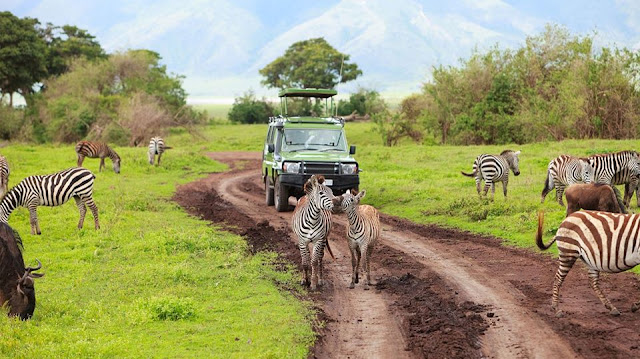
Yes, Tanzania is one of the best countries to see the Big Five: lion, leopard, elephant, buffalo and rhino. The Ngorongoro Crater offers a strong chance of seeing all five in a single day, including the rare black rhino, while the Serengeti is famous for big cats and Tarangire for large elephant herds. Sightings are never guaranteed.
Climb Kilimanjaro With Confidence
Tell us your dates and fitness, and our experienced mountain team will plan a safe, well-acclimatized private climb.