Kilimanjaro Packing Mistakes
Kilimanjaro Packing Mistakes
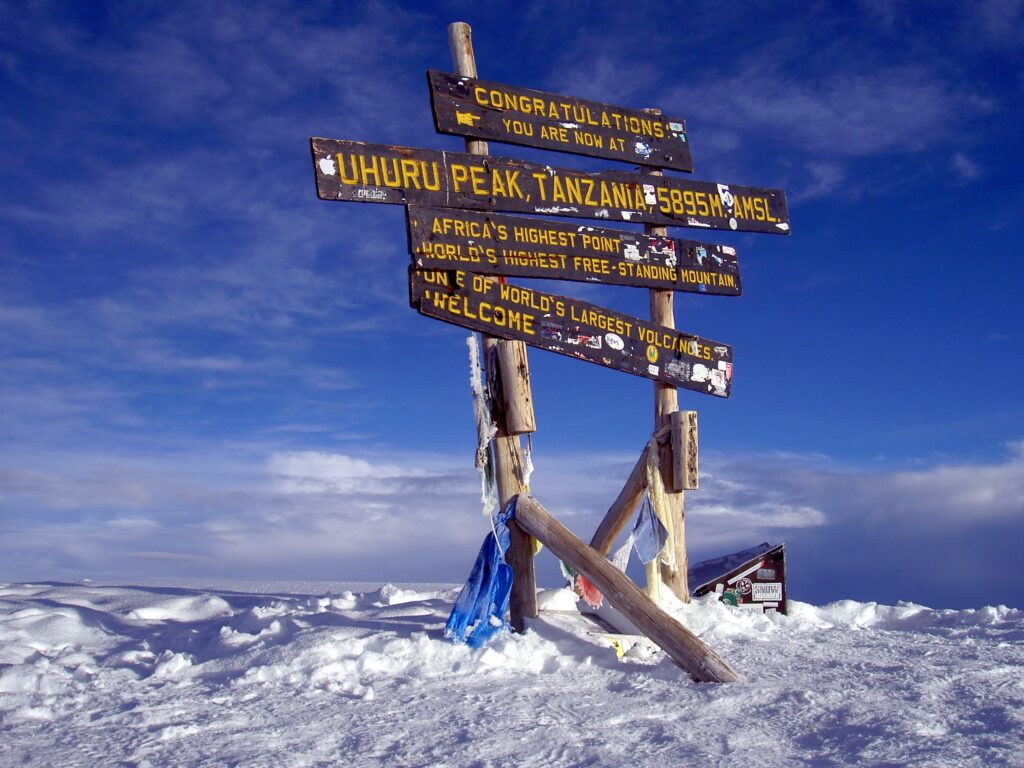
Climbing Mount Kilimanjaro is a once-in-a-lifetime adventure, but poor packing choices can quickly turn a dream trek into a difficult struggle. Many climbers underestimate the mountain’s extreme altitude, unpredictable weather, and physical demands, leading to common Kilimanjaro packing mistakes. From overpacking unnecessary gear to forgetting essential cold-weather clothing, these errors can affect your comfort, safety, and summit success. A well-prepared Kilimanjaro packing list is crucial for maximizing your chances of reaching Uhuru Peak while enjoying the journey. Whether you’re planning a luxury Kilimanjaro climb or a budget trek, understanding what not to pack—and what you must bring—can make all the difference. In this guide, we explore the most common Kilimanjaro packing mistakes and how to avoid them for a safe, successful, and unforgettable African trekking experience.
Overpacking Too Much Gear
One of the most common Kilimanjaro packing mistakes is bringing too much gear. Many trekkers assume they need multiple outfit options, excessive gadgets, or backup items “just in case.” However, overpacking adds unnecessary weight, making your climb more exhausting. Porters on Kilimanjaro have strict weight limits, typically around 15 kg (33 lbs), meaning extra items may need to be left behind. A heavy duffel bag can also complicate logistics and slow down your trek. Focus on a minimalist Kilimanjaro packing list with essential clothing layers, lightweight equipment, and multipurpose items. Prioritize function over fashion and avoid duplicates. Remember, every extra kilogram impacts your energy levels at high altitude. Packing smart, not heavy, is key to a successful Kilimanjaro climb and ensures you stay comfortable and efficient throughout the journey.
Underestimating Cold Weather Conditions
Many climbers underestimate how cold Mount Kilimanjaro can get, especially near the summit. Temperatures at Uhuru Peak can drop to -20°C (-4°F) or lower. Packing insufficient cold-weather gear is a serious mistake that can lead to discomfort or even hypothermia. Essential items include a high-quality down jacket, thermal base layers, insulated gloves, and a warm hat. Layering is crucial for adapting to changing temperatures throughout the trek. Avoid cotton clothing, as it retains moisture and increases heat loss. Proper cold-weather preparation ensures you stay warm during summit night, which is the most challenging part of the climb. Investing in high-performance trekking gear is not just about comfort—it’s about safety and increasing your chances of reaching the summit successfully.
Ignoring the Proper Layering System
A proper layering system is essential for Kilimanjaro, yet many trekkers pack incorrectly by bringing bulky single-layer clothing instead of multiple lightweight layers. The key to staying comfortable on the mountain is adaptability. Weather conditions change rapidly, from hot and sunny at lower altitudes to freezing at higher elevations. A good layering system includes moisture-wicking base layers, insulating mid-layers, and a waterproof outer shell. This approach allows you to add or remove layers as needed. Without proper layering, you risk overheating, sweating excessively, or becoming too cold—all of which can affect your performance. Smart layering improves temperature regulation, reduces fatigue, and enhances your overall trekking experience. Understanding how to dress for Kilimanjaro is just as important as what you pack.
Packing the Wrong Footwear
Choosing the wrong footwear is a critical Kilimanjaro packing mistake. Regular sneakers or poorly fitted boots can lead to blisters, foot pain, and discomfort during long trekking days. High-quality, waterproof hiking boots with good ankle support are essential for navigating rocky and uneven terrain. It’s equally important to break in your boots before the climb to avoid painful hotspots. Additionally, packing proper trekking socks made of wool or synthetic materials helps keep your feet dry and warm. Avoid cotton socks, as they trap moisture. Comfortable feet are crucial for maintaining stamina and enjoying your trek. Investing in the right footwear ensures stability, reduces injury risk, and significantly improves your chances of completing your Kilimanjaro adventure successfully.
Forgetting Essential Accessories
Small accessories can make a big difference on Kilimanjaro, yet many trekkers forget them. Items like a headlamp, sunglasses, sunscreen, lip balm, and trekking poles are often overlooked but are essential for comfort and safety. A headlamp is crucial for summit night, which begins in the dark. UV protection is also important due to strong sun exposure at high altitudes. Neglecting these essentials can lead to avoidable discomforts such as sunburn, chapped lips, or difficulty navigating in low light. Packing a comprehensive Kilimanjaro gear checklist helps ensure you don’t miss these critical items. Paying attention to the details can significantly enhance your trekking experience and prevent unnecessary challenges on the mountain.
Not Packing Enough Water Storage
Hydration is vital for acclimatization and overall health on Kilimanjaro, yet many climbers fail to pack sufficient water storage. Carrying only one small bottle is not enough for long trekking days. It’s recommended to have a hydration system with at least 2–3 liters of capacity, such as water bottles or a hydration bladder. Dehydration can worsen altitude sickness symptoms and reduce your energy levels. Additionally, consider insulated bottle covers to prevent water from freezing at higher altitudes. Staying properly hydrated improves performance, aids acclimatization, and enhances your chances of reaching the summit. Planning your water storage carefully is a simple but essential part of a successful Kilimanjaro packing strategy.
Bringing Low-Quality Sleeping Gear
A good night’s sleep is crucial for recovery on Kilimanjaro, but many trekkers bring low-quality sleeping bags that are not suitable for extreme cold. Temperatures can drop significantly at higher camps, making a high-quality four-season sleeping bag essential. Look for a bag rated for at least -10°C to -20°C. A sleeping bag liner can add extra warmth and comfort. Poor sleeping gear can lead to restless nights, fatigue, and reduced performance during the climb. Investing in proper sleeping equipment ensures you stay warm and well-rested, which is critical for maintaining energy levels and tackling the challenging summit push. Comfortable sleep directly impacts your overall trekking success.
Ignoring Rain Protection
The weather on Kilimanjaro can be unpredictable, especially during the rainy seasons. Many climbers make the mistake of not packing adequate rain protection. A waterproof jacket, rain pants, and a backpack rain cover are essential items. Getting wet during the trek can lead to discomfort, cold exposure, and even illness. High-quality waterproof gear keeps you dry and helps maintain body temperature. Quick-drying clothing is also beneficial in case you do get wet. Proper rain protection ensures you stay comfortable and focused, regardless of weather conditions. Preparing for rain is a key part of any Kilimanjaro packing list and should never be overlooked.
Packing Cotton Clothing
Cotton clothing is a poor choice for Kilimanjaro, yet many trekkers still pack it. Cotton absorbs moisture and dries slowly, which can lead to chills and discomfort in cold conditions. Instead, opt for moisture-wicking fabrics like merino wool or synthetic materials. These fabrics keep you dry, regulate body temperature, and reduce odor. Proper clothing choices are essential for maintaining comfort and performance on the mountain. Avoiding cotton is a simple but important step in preparing for a successful Kilimanjaro climb. Choosing the right materials can make a significant difference in your overall trekking experience.
Skipping First Aid and Personal Medications
Many climbers underestimate the importance of a personal first aid kit. While guides carry medical supplies, having your own essentials is crucial. Items like blister treatment, pain relievers, altitude sickness medication, and personal prescriptions should always be included. Minor health issues can quickly become major problems if not addressed promptly. Being prepared with basic medical supplies ensures you can manage small issues before they escalate. A well-stocked first aid kit contributes to your safety and peace of mind during the trek. Proper preparation is key to handling unexpected situations on Kilimanjaro.
Not Testing Gear Before the Climb
Another common mistake is bringing brand-new gear without testing it beforehand. Whether it’s hiking boots, backpacks, or clothing, untested gear can cause discomfort or fail when you need it most. It’s important to break in your boots, test your backpack fit, and ensure all equipment functions properly before your trip. Training hikes are a great opportunity to identify any issues. Testing your gear helps you avoid surprises and ensures everything works as expected. Preparation and familiarity with your equipment are essential for a smooth and successful Kilimanjaro climb.
Forgetting Snacks and Energy Foods
Nutrition plays a vital role in maintaining energy levels during the climb, yet many trekkers forget to pack personal snacks. While meals are provided, having your favorite energy bars, nuts, or chocolates can provide quick boosts during long trekking days. High-energy snacks are especially useful during summit night. Eating regularly helps maintain stamina and prevents fatigue. Packing lightweight, calorie-dense foods ensures you stay energized throughout the trek. Proper nutrition is a key component of a successful Kilimanjaro experience.
Packing Heavy Electronics
Bringing too many electronic devices is another common Kilimanjaro packing mistake. Laptops, multiple cameras, and unnecessary gadgets add weight and are often impractical on the mountain. Focus on essential electronics like a camera, phone, and power bank. Keep in mind that charging options are limited, so battery management is crucial. Lightweight and durable devices are ideal for trekking. Reducing electronic clutter helps lighten your load and allows you to focus on the experience. Simplicity is key when it comes to packing for Kilimanjaro.
Ignoring Altitude-Specific Needs
Altitude affects everyone differently, yet many climbers fail to prepare for it properly. Packing items like altitude sickness medication, electrolyte supplements, and hydration aids is essential. Understanding the symptoms of altitude sickness and being prepared to manage them is crucial for safety. Proper acclimatization and hydration are key factors in preventing altitude-related issues. Being proactive about altitude preparation increases your chances of reaching the summit safely. Packing with altitude in mind is a critical aspect of Kilimanjaro preparation.
Poor Organization of Gear
Disorganized packing can make your trek more stressful than necessary. Struggling to find items in your bag wastes time and energy. Use packing cubes or dry bags to organize your gear efficiently. Keep essential items easily accessible, especially during trekking hours. Proper organization ensures a smoother daily routine and allows you to focus on the climb. A well-organized bag improves efficiency and reduces frustration. Smart packing techniques can greatly enhance your overall Kilimanjaro experience.
Not Following a Professional Packing List
Many trekkers rely on guesswork instead of following a professional Kilimanjaro packing list. This often leads to missing essential items or bringing unnecessary gear. Reputable tour operators provide detailed packing lists based on experience and safety standards. Following these guidelines ensures you are fully prepared for the climb. A professional packing list covers everything from clothing and gear to accessories and medical supplies. Trusting expert advice helps you avoid common mistakes and improves your chances of a successful summit. Preparation is the foundation of a safe and enjoyable Kilimanjaro adventure.
Final Thought
Avoiding these common Kilimanjaro packing mistakes can make the difference between a challenging struggle and an unforgettable success on Mount Kilimanjaro. Smart packing is not about bringing more—it’s about bringing the right gear. By focusing on essentials, preparing for extreme weather, and following expert advice, you can enhance your comfort, safety, and performance. Whether you’re a first-time trekker or an experienced climber, careful preparation ensures you are ready for every stage of the journey. A well-planned Kilimanjaro packing list is your key to reaching Uhuru Peak and enjoying one of the world’s most iconic trekking adventures.
Kilimanjaro Packing Mistakes: FAQs
What is the most common Kilimanjaro packing mistake?
The most common Kilimanjaro packing mistake is underestimating the mountain’s extreme weather conditions. Many climbers assume Africa is always warm and fail to prepare for sub-zero temperatures at higher altitudes. This leads to inadequate gear, especially lacking proper insulation layers, gloves, and thermal clothing. Another frequent error is overpacking unnecessary items, making backpacks too heavy and exhausting to carry.
Why is layering important when packing for Kilimanjaro?
Layering is one of the most important Kilimanjaro packing strategies because the mountain has multiple climate zones, each with drastically different temperatures. Starting in warm rainforest conditions and ending in freezing alpine desert, climbers must adapt quickly to changing weather. A proper layering system includes base layers for moisture control, mid-layers for insulation, and outer shells for wind and rain protection.
Can I wear regular clothes on Kilimanjaro?
Wearing regular clothes on Kilimanjaro is not recommended due to the mountain’s harsh and unpredictable conditions. Everyday clothing, such as cotton t-shirts and jeans, does not provide the insulation, moisture-wicking, or weather resistance needed for high-altitude trekking. Cotton retains moisture, which can make you cold and uncomfortable, especially in freezing temperatures. Instead, climbers should invest in technical trekking gear designed for extreme environments.
What happens if I don’t pack proper cold-weather gear for Kilimanjaro?
Failing to pack proper cold-weather gear for Kilimanjaro can have serious consequences, especially at higher altitudes where temperatures drop below freezing. Without adequate insulation, climbers risk hypothermia, frostbite, and extreme discomfort, which can force an early descent. The summit push, typically attempted at night, is the coldest part of the climb, making proper gear essential. Items like insulated jackets, thermal gloves, hats, and warm socks are critical for survival in these conditions.
Do I really need a high-quality sleeping bag for Kilimanjaro?
Yes, a high-quality sleeping bag is essential for a successful Kilimanjaro climb. Nighttime temperatures on the mountain can drop significantly, especially at higher camps, making a warm sleeping bag crucial for rest and recovery. A sleeping bag rated for at least -10°C to -20°C is recommended for optimal warmth. Without proper insulation during sleep, your body cannot recover effectively, leading to fatigue and reduced performance the next day.
How much weight should I pack for Kilimanjaro?
One of the biggest Kilimanjaro packing mistakes is carrying too much weight. Most trekking operators recommend a duffel bag limit of around 15 kg (33 lbs), which is typically carried by porters. Your personal daypack should be lightweight, usually between 5–7 kg, containing essentials like water, snacks, layers, and valuables. Overpacking can lead to unnecessary fatigue, making the climb more challenging and reducing your chances of reaching the summit.
Are trekking poles necessary for Kilimanjaro?
Trekking poles are highly recommended for climbing Kilimanjaro, although they are not strictly mandatory. They provide stability, reduce strain on your knees, and improve balance, especially during steep ascents and descents. The descent is often more physically demanding than the climb, and trekking poles help absorb impact, preventing injuries. Many experienced climbers consider them an essential part of their Kilimanjaro packing list.
Should I bring my own snacks for the Kilimanjaro climb?
Yes, bringing your own snacks for the Kilimanjaro climb is highly recommended. While most guided Kilimanjaro tours provide meals, personal snacks can help maintain your energy levels between meals, especially during long trekking days. High-energy snacks like energy bars, nuts, dried fruits, and chocolate are ideal choices. Appetite often decreases at high altitudes, so having familiar, पसंद snacks can encourage you to eat and maintain your strength.
Is Kilimanjaro rain gear necessary even in the dry season?
Yes, rain gear is essential for Kilimanjaro, even during the dry season. Weather on the mountain is unpredictable, and rain can occur at any time, particularly in the rainforest zone. A high-quality waterproof jacket and pants are crucial for staying dry and comfortable. Without proper rain protection, you risk getting wet, which can lead to cold exposure and discomfort as temperatures drop.
What electronics should I bring to Kilimanjaro?
When packing electronics for Kilimanjaro, it’s important to focus on essential and practical items. A headlamp is crucial for early morning or nighttime trekking, especially during the summit push. Power banks are necessary since there are no charging facilities on the mountain. Cameras or smartphones are great for capturing the incredible landscapes, but they should be protected from cold and moisture.
Climb Kilimanjaro With Confidence
Tell us your dates and fitness, and our experienced mountain team will plan a safe, well-acclimatized private climb.