
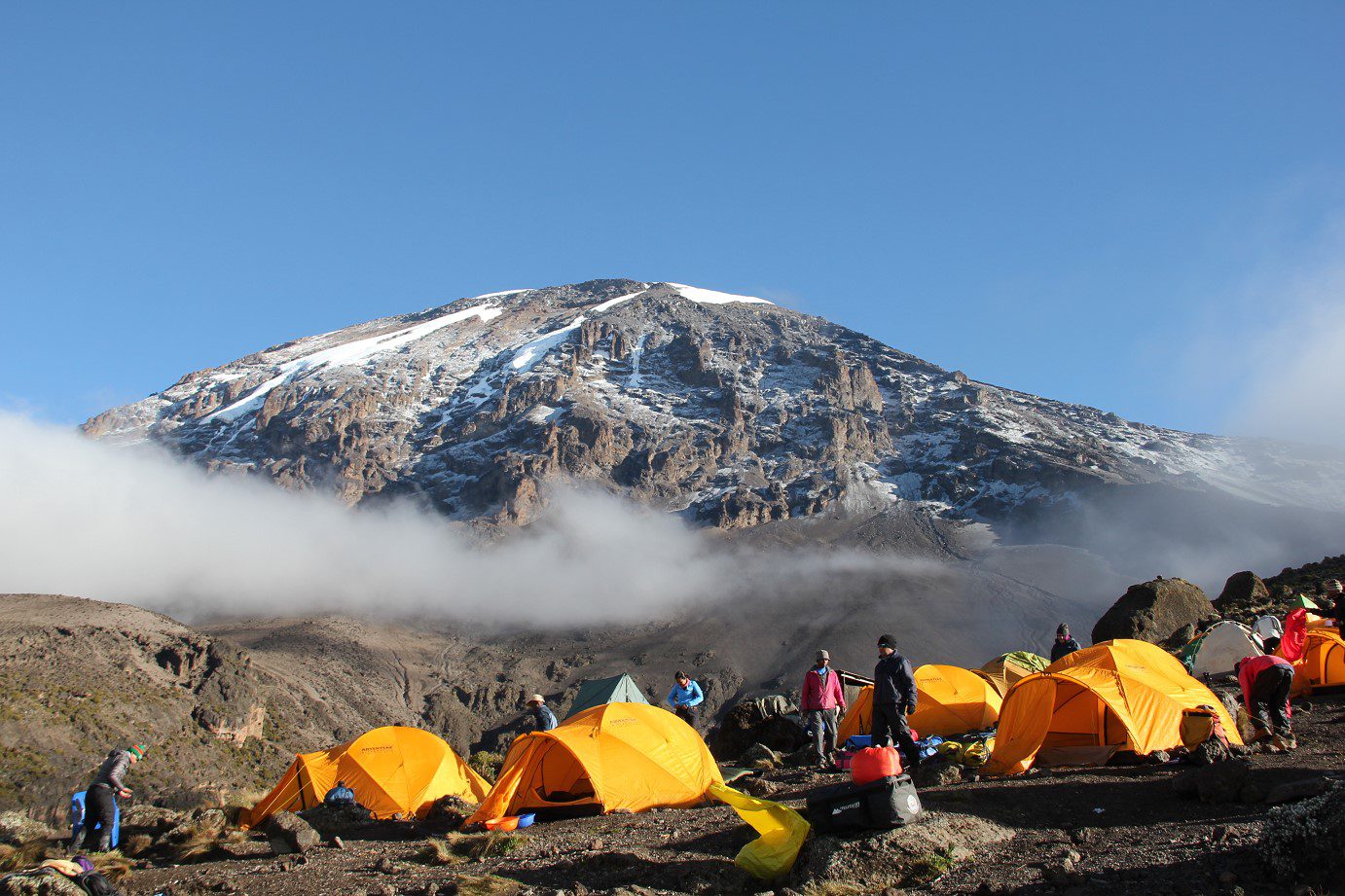
Kilimanjaro now has high-speed internet
High-Speed Internet on Kilimanjaro at a Glance
Mount Kilimanjaro, the iconic “Roof of Africa,” has entered a new digital era with the introduction of high-speed internet connectivity along key trekking routes and nearby accommodation zones. Once considered a complete digital blackout zone, Kilimanjaro is now increasingly connected through modern satellite technologies such as Starlink and improved network infrastructure in surrounding regions. This development is transforming how climbers, tour operators, and guides experience the mountain. Real-time communication, live sharing of summit journeys, and emergency coordination are now more efficient than ever. The availability of high-speed internet on Kilimanjaro is also boosting tourism marketing, enabling climbers to stay connected while still enjoying the raw wilderness of Kilimanjaro National Park. This shift represents a balance between adventure and digital convenience, making Kilimanjaro more accessible to modern travelers, digital nomads, and international trekking enthusiasts seeking both nature and connectivity.
High-Speed Internet on Kilimanjaro: A New Era of Connectivity
The introduction of high-speed internet on Kilimanjaro marks a revolutionary shift in mountain tourism and adventure travel in Tanzania. Previously, climbers experienced complete disconnection for days, but now selected camps and lodges along popular routes offer reliable satellite-based Wi-Fi. This advancement enhances safety, allowing guides and operators to coordinate rescue operations and weather updates instantly. The connectivity is especially useful for international climbers who need to stay in touch with families or manage remote work. While still not available everywhere on the mountain, the growing network coverage is steadily expanding. This blend of wilderness and digital access is reshaping the climbing experience while preserving the natural beauty of the mountain environment.
Starlink and Satellite Technology Transforming the Mountain
Satellite internet, particularly Starlink, has played a major role in bringing high-speed internet to Kilimanjaro. Unlike traditional mobile networks, satellite systems provide coverage in remote and high-altitude environments where infrastructure is limited. This innovation ensures that climbers can access stable connectivity even in challenging terrain. Many trekking operators are adopting portable satellite units to support guides and expedition teams. This technology not only improves communication but also enhances safety monitoring and emergency response. It also enables real-time blogging and video sharing from high camps, making Kilimanjaro one of the most digitally accessible high-altitude destinations in the world today.
- Works in remote, high-altitude areas
- Portable units for guides and teams
- Can be affected by heavy cloud and wind
- Better at lower elevations
- Patchy higher on the mountain
- Needs ground infrastructure
Internet Availability Along Popular Climbing Routes
Internet access on Kilimanjaro is not uniform but strategically available along major climbing routes such as Marangu, Machame, and Lemosho. At lower elevations and selected camps, climbers can connect through Wi-Fi hotspots or satellite terminals. As altitude increases, connectivity may become weaker or intermittent due to terrain and weather conditions. However, base camps and certain huts are increasingly equipped with stable internet solutions. This allows trekkers to check updates, share experiences, and communicate before heading into higher, more remote zones. The gradual expansion of coverage ensures that climbers experience both digital convenience and authentic wilderness immersion throughout their journey.
Impact on Safety and Emergency Response
One of the most important benefits of high-speed internet on Kilimanjaro is improved safety and emergency response. Climbers facing altitude sickness, injuries, or extreme weather conditions can now be supported faster through real-time communication systems. Guides can instantly contact park authorities or medical teams, reducing response time significantly. This digital improvement enhances overall expedition safety without compromising the natural experience. In addition, weather forecasting updates are more accurate and accessible, helping climbers make informed decisions. The integration of internet technology into high-altitude rescue systems represents a major advancement in African mountain tourism safety standards.
Benefits for Tourists and Modern Travelers
Modern travelers climbing Kilimanjaro now enjoy the rare combination of wilderness adventure and digital connectivity. High-speed internet allows tourists to share summit moments instantly on social media, conduct remote work, and stay connected with loved ones. For many climbers, especially international visitors, staying connected reduces anxiety and enhances comfort during the expedition. It also enables real-time travel documentation, which boosts tourism marketing for Tanzania globally. While some trekkers prefer complete digital detox, others appreciate the flexibility of optional connectivity. This dual experience makes Kilimanjaro one of the most unique trekking destinations in the world.
Challenges of Providing Internet at High Altitudes
Despite technological progress, delivering high-speed internet on Kilimanjaro remains challenging due to extreme altitude, weather conditions, and rugged terrain. Heavy clouds, snow, and wind can occasionally disrupt satellite signals. Maintaining equipment at high elevations also requires logistical effort and specialized support teams. Power supply is another limitation, as solar and portable generators must be used to sustain connectivity systems. These challenges mean that internet availability is still not fully consistent across all routes. However, continuous investment and innovation are gradually improving stability and coverage across the mountain.
Role of Tourism Operators in Digital Expansion
Tour operators in Tanzania are playing a major role in introducing and maintaining internet services on Kilimanjaro. Many companies now offer “connected climbing packages” that include Wi-Fi access at selected camps. Operators use connectivity to enhance guest experience, provide real-time updates, and improve logistics coordination. This also helps in managing group safety and itinerary tracking more efficiently. Some premium expeditions even offer dedicated communication devices for clients. The involvement of tourism companies ensures that internet access is not just a technological upgrade but also a value-added service for climbers seeking comfort and reliability.
Environmental Considerations and Sustainable Connectivity
Introducing high-speed internet on Kilimanjaro also raises important environmental considerations. The installation of satellite systems and communication equipment must be carefully managed to avoid disturbing the fragile mountain ecosystem. Conservation authorities ensure that infrastructure is minimal and non-invasive, preserving the natural beauty of the mountain. Solar-powered systems are often preferred to reduce carbon footprint. Balancing digital innovation with environmental protection is essential to maintaining the integrity of this UNESCO World Heritage site. Sustainable connectivity ensures that future generations can enjoy both technological benefits and untouched natural landscapes.
Digital Nomad Opportunities on Kilimanjaro
The availability of the internet on Kilimanjaro is opening new opportunities for digital nomads and remote professionals. While full remote work from summit zones is still limited, lower camps and lodges now support basic online connectivity. This allows adventurous professionals to combine travel and productivity in one of the world’s most iconic destinations. Although climbers still prioritize trekking, the option to stay partially connected adds flexibility. This trend reflects the global rise of work-from-anywhere lifestyles, extending even into high-altitude adventure tourism in East Africa.
- Lower camps and lodges
- Basic online tasks
- Short check-ins
- Full remote work at high camps
- Video calls near the summit
- Relying on constant signal
Future of Connectivity on Mount Kilimanjaro
The future of internet connectivity on Kilimanjaro is expected to expand further, with stronger satellite networks and improved coverage across all major routes. Experts predict more stable Wi-Fi zones at higher camps and possibly near summit approaches in the coming years. As technology advances, climbers will likely experience smoother communication without compromising the wilderness feel. Tanzania continues to invest in modern tourism infrastructure while preserving the natural heritage of the mountain. This balance will define the future of connected adventure travel in East Africa.
- 2022Broadband launched up to Horombo Huts (3,720 m)
- TodayCoverage expanding along popular routes
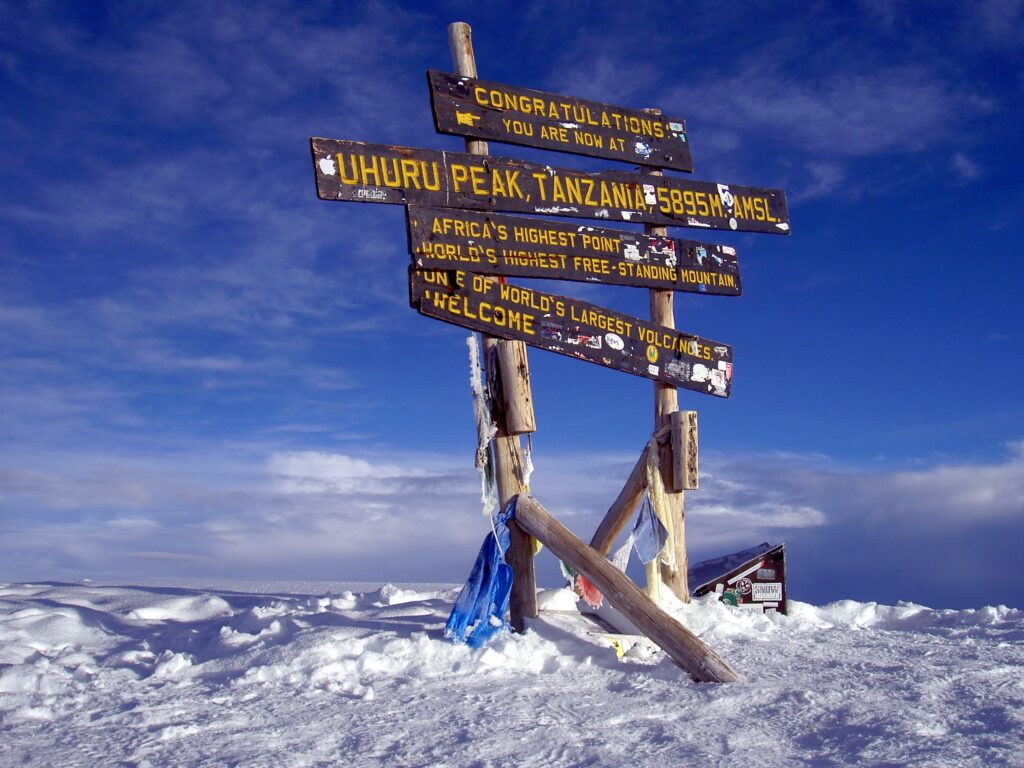
- FuturePlanned coverage up to Uhuru Peak (5,895 m)
Economic and Tourism Growth Impact
The introduction of high-speed internet on Kilimanjaro is also contributing to economic growth in Tanzania’s tourism sector. Better connectivity enhances marketing, improves tourist satisfaction, and attracts higher-value travelers. Tour operators benefit from improved communication and operational efficiency, while local communities gain from increased visitor interest. This technological advancement strengthens Kilimanjaro’s position as a world-class trekking destination, combining natural beauty with modern convenience. The result is a more competitive and globally appealing tourism industry.
Final Thought: Stay Connected, Stay Present
The arrival of high-speed internet on Mount Kilimanjaro represents a powerful blend of tradition and innovation. While the mountain remains a symbol of raw natural adventure, connectivity is reshaping how people experience it. From safety improvements to real-time storytelling and digital nomad opportunities, internet access is redefining modern trekking in Tanzania. Yet, the essence of Kilimanjaro remains unchanged—majestic, challenging, and deeply inspiring. The key is balance: staying connected when needed while still embracing the silence and beauty of the mountain. As of August 2022, the Tanzanian government installed high-speed broadband internet on Mount Kilimanjaro. Coverage initially extended up to 3,720 meters (12,200 feet) near Horombo Huts, with plans to cover the entire mountain, including the Uhuru Peak summit at 5,895 meters (19,341 feet), to enhance safety, tourism, and real-time communication.
Internet on Kilimanjaro: Frequently Asked Questions
Is there internet on Mount Kilimanjaro?
Yes. In August 2022, the Tanzanian government launched high-speed broadband on Mount Kilimanjaro. Coverage initially reached about 3,720 metres near Horombo Huts on the Marangu route, with plans to extend it to Uhuru Peak. Satellite technology also supports some camps and operators, but coverage varies, so treat it as a bonus rather than a guarantee.
Is there Wi-Fi at the summit of Kilimanjaro?
Not reliably. Plans aim to extend coverage up to Uhuru Peak at 5,895 metres, but connectivity on the upper mountain remains limited and can be interrupted by cloud, wind and terrain. Most climbers enjoy the summit without a connection and share their photos once they are back at lower camps.
Can I use my mobile phone while climbing Kilimanjaro?
Often, yes, at lower and some mid-mountain camps, especially with a local SIM card, but the signal can be patchy or absent higher up. Keep your phone in flight mode to save battery, carry a power bank and use it mainly as a camera. Your guides carry their own communication equipment.
Does internet make climbing Kilimanjaro safer?
It helps. Better connectivity lets guides contact park authorities and medical teams faster and access real-time weather updates. However, safety still depends on experienced guides, daily health checks, proper acclimatisation and a sensible route choice. Always travel with comprehensive insurance that covers high-altitude rescue.
Can I charge my phone on Kilimanjaro?
There is no mains power on most of the mountain, so bring a high-capacity power bank and spare batteries. Some operators carry solar chargers. Cold drains batteries quickly at high altitude, so keep your phone and power bank in an inside pocket or your sleeping bag at night.
Can I work remotely while climbing Kilimanjaro?
Only in a limited way. Lower camps and lodges may support basic online tasks and short check-ins, but full remote work at high camps is not realistic, and video calls near the summit are unlikely. Plan to be mostly offline during the climb and use your connectivity for essential messages.
Which Kilimanjaro route has the best internet connection?
The Marangu route generally has the best connectivity, because the 2022 broadband installation reached Horombo Huts at about 3,720 metres. On other routes, such as Machame and Lemosho, signal varies by camp and weather. Ask us about current coverage on your chosen route when planning your climb.
Should I share my climb on social media?
Many climbers enjoy sharing their journey with family and friends, and real-time posts can be very rewarding. Ask your crew before photographing them, protect your battery, and take time to enjoy the moment before posting. Remember that connectivity can drop, so be patient and save uploads for camp.
Plan Your Kilimanjaro Climb
Tell us your dates and preferred route, and our Tanzania-based team will design a private Kilimanjaro climb with expert guides, safety equipment and advice on staying connected.




Social Media and Real-Time Expedition Sharing
High-speed internet on Kilimanjaro has transformed how climbers share their journey with the world. Social media platforms now feature real-time updates from trekkers reaching glaciers, camps, and summit points. This instant sharing enhances tourism visibility and inspires future climbers. It also allows families and friends to follow expeditions as they happen. Many climbers now document their journey through photos, videos, and blogs while still on the mountain. This digital storytelling has turned Kilimanjaro into a global stage for adventure content creation.