
What gear and clothing to pack for Kilimanjaro
What gear and clothing to pack for Kilimanjaro
Climbing Mount Kilimanjaro, Africa’s tallest peak, is an adventure of a lifetime that requires careful preparation. Proper gear and clothing are essential for safety, comfort, and success. Packing the right items ensures you can tackle extreme temperatures, high altitudes, and unpredictable weather. Kilimanjaro treks involve everything from tropical forest hikes to icy summit conditions, so climbers must be ready for all environments. Key considerations include layering clothing for warmth, choosing durable footwear, and selecting equipment that supports trekking efficiency. Whether you’re on a Machame, Marangu, or Lemosho route, the right packing list improves your summit chances. This guide covers all essential clothing and gear, from base layers to accessories, to help you plan a safe, successful Kilimanjaro climb.
Key Clothing (Layering System)
Base Layers
Base layers, or moisture-wicking clothing, are crucial for Kilimanjaro treks. They keep sweat away from your skin, reducing the risk of hypothermia. Lightweight synthetic or merino wool tops and bottoms are ideal because they dry quickly and provide thermal comfort. Breathable base layers regulate body temperature in varying climates, from the rainforest at Kilimanjaro’s base to cold alpine zones. Avoid cotton, as it retains moisture and can chill the body. Kilimanjaro Packing List: at least two base layer sets allow rotation during multi-day hikes, including “Kilimanjaro base layers,” “moisture-wicking clothing,” and “best trekking clothes.” For both men and women, fitted but flexible base layers ensure comfort during steep ascents, making them the foundation of your Kilimanjaro clothing system.
Mid Layers
Mid layers provide insulation and retain body heat on Kilimanjaro’s colder slopes. Popular choices include fleece jackets, lightweight down vests, or synthetic insulated pullovers. This layer traps warmth without adding bulk, keeping climbers comfortable during rest stops and high-altitude climbs. Mid layers should be versatile and breathable, allowing moisture to escape while maintaining warmth. Layering is key: a mid-layer over a base layer offers flexibility to adjust for temperature changes. “Kilimanjaro mid layers,” “fleece for trekking,” and “insulated hiking jacket.” Pack at least one mid-layer for early morning starts and summit day. This piece bridges your base layer and outer shell, making it an essential component of successful Kilimanjaro clothing.
Insulation Layer
The insulation layer, often a down or synthetic jacket, protects against extreme cold at Kilimanjaro’s summit. Lightweight, compressible jackets are ideal, offering a high warmth-to-weight ratio. Summit day temperatures can drop below freezing, making this layer critical. Look for jackets with a hood and adjustable cuffs for maximum heat retention.” Layering over mid layers ensures a snug fit and maintains core warmth. Climbers often pack a lightweight insulated jacket separately for summit day, prioritizing portability and warmth. Proper insulation prevents altitude-related cold stress, enhances energy efficiency, and supports safe, comfortable trekking in Kilimanjaro’s harsh alpine conditions.
Outer Layer (Shell)
Your outer shell protects against wind, rain, and snow on Kilimanjaro. Waterproof, breathable jackets and pants are essential for unpredictable mountain weather. Gore-Tex or similar materials provide windproof, water-resistant protection while allowing moisture escape. A well-fitted shell prevents heat loss during windy summit climbs, including “Kilimanjaro waterproof jacket,” “trekking rain gear,” and “windproof hiking shell.” Look for jackets with adjustable hoods, ventilation zippers, and reinforced shoulders for backpack comfort. Outer pants should be lightweight, water-resistant, and durable. A good shell layer ensures climbers stay dry, protected, and flexible in any weather, complementing base, mid, and insulation layers to form a complete Kilimanjaro clothing system.
Hiking Gear
Essential hiking gear ensures safety and comfort on Kilimanjaro trails. Trekking boots with ankle support and durable soles prevent injuries on rocky paths. High-performance socks, gaiters, and moisture-wicking t-shirts enhance comfort. Lightweight trekking poles reduce knee strain and improve balance. Kilimanjaro hiking gear,” trekking equipment,” and “best gear for Kilimanjaro.” Sun protection gear, including sunglasses and UV hats, is critical in high-altitude zones. Carrying a compact rain poncho, gloves, and a hydration pack supports unpredictable weather and strenuous climbs. Proper hiking gear increases endurance, minimizes injuries, and makes multi-day trekking manageable, ensuring a smoother, more enjoyable Kilimanjaro adventure.
Head/Hands
Protecting extremities is vital for summit success. Thermal gloves, liners, and mittens keep hands warm, while balaclavas or neck gaiters protect the face from wind and cold. Sun hats, caps, and UV sunglasses shield against high-altitude sun exposure. Kilimanjaro gloves,” head protection for trekking,” and “summit accessories.” Layering gloves allows removal during warmer, lower-altitude hikes. A lightweight beanie or fleece cap under the hood prevents heat loss from the head. Proper hand and head protection improves circulation, prevents frostbite, and ensures climbers remain focused and comfortable during challenging sections of the Kilimanjaro trek.
Crucial Gear and Equipment
Climbing Mount Kilimanjaro demands the right gear to ensure safety, comfort, and a successful summit. Whether trekking via the Machame, Marangu, or Lemosho routes, your equipment must be carefully selected for extreme weather, altitude, and multi-day hiking conditions. Essential Kilimanjaro gear includes reliable clothing layers, thermal wear, waterproof jackets, trekking boots, hydration systems, headlamps, and durable sleeping bags. Choosing high-quality trekking equipment reduces fatigue, prevents altitude sickness, and enhances overall experience. Many climbers also recommend packing lightweight, multi-functional gear to balance weight and functionality. Trust experienced tour operators for Kilimanjaro packing tips, ensuring your checklist covers every necessity for a safe climb.
Footwear
Proper footwear is a non-negotiable element for your Kilimanjaro climb. Invest in sturdy, waterproof hiking boots with excellent ankle support and grippy soles for steep rocky trails and muddy paths. Break them in weeks before departure to prevent blisters. Many climbers pair boots with breathable trekking socks, moisture-wicking liners, and gaiters to keep dirt and snow out. Lightweight trail shoes or camp shoes are useful for evenings at base camps. Footwear selection affects altitude hiking safety, comfort, and performance, making it crucial to choose quality brands designed for trekking high-altitude peaks. Always carry spare socks for dry comfort.
Sleeping Bag
A reliable sleeping bag is essential for staying warm at Kilimanjaro’s high-altitude camps, where temperatures can drop below -10°C. Opt for a four-season, down or synthetic sleeping bag rated for extreme cold. Mummy-style sleeping bags retain heat efficiently, while compression sacks reduce space in your backpack. Lightweight yet insulated bags are ideal for balancing comfort and portability. Many climbers also use liners for added warmth and hygiene. Investing in a high-quality sleeping bag ensures restful nights, reduces fatigue, and helps prevent hypothermia, making it a critical item on any Mount Kilimanjaro packing list.
Bags
Choosing the right bags for your Kilimanjaro trek is vital for convenience and organization. A durable, weatherproof duffel bag is ideal for porter transport, while a daypack holds essentials like water, snacks, layers, and cameras. Look for bags with multiple compartments, adjustable straps, and rain covers for unpredictable mountain weather. Many trekkers also use packing cubes for clothing and gear separation. Lightweight yet sturdy backpacks improve mobility and comfort. Proper bag selection ensures smooth logistics during portered climbs and self-supported treks, making Kilimanjaro packing and gear preparation more efficient and stress-free for all types of climbers.
Trekking Poles
Trekking poles are indispensable for Kilimanjaro hiking, especially on steep ascents and descents. They reduce strain on knees, ankles, and joints, improving balance on rocky and uneven terrain. Adjustable, lightweight poles with comfortable grips and shock-absorbing features are recommended. Collapsible poles fit easily into duffel bags or daypacks. Using poles correctly enhances stamina and endurance, making long trekking days more manageable. Many guides emphasize poles for altitude acclimatization, as they allow climbers to maintain a steady pace, conserve energy, and reduce the risk of slips or falls during summit attempts on Mount Kilimanjaro.
Hydration
Hydration is critical when climbing Mount Kilimanjaro, as high altitudes increase fluid loss. Bring reusable water bottles, hydration bladders, or insulated flasks to maintain water intake throughout the day. Aim for 3–4 liters daily, adding electrolyte powders to prevent dehydration and altitude sickness. Hydration systems compatible with backpacks allow hands-free sipping while trekking. Keeping water accessible encourages frequent drinking, which is essential for energy, focus, and overall health on long ascents. Proper hydration is a key part of Kilimanjaro preparation tips, ensuring climbers remain safe, energized, and ready for summit success.
Headlamp
A reliable headlamp is essential for Mount Kilimanjaro climbs, where summit attempts often start before dawn. Opt for LED headlamps with adjustable brightness, a lightweight design, and long battery life. Carry extra batteries or a rechargeable power source. Hands-free lighting is invaluable for navigating rocky trails, cooking at camp, and emergencies. A headlamp also improves safety during early morning hikes, allowing climbers to maintain pace and avoid accidents. Including a high-quality headlamp in Kilimanjaro packing gear is crucial for comfort, convenience, and successful navigation of nighttime and low-light trekking conditions.
Accessories
Accessories complete your Kilimanjaro packing list, enhancing comfort and protection. Bring hats, gloves, scarves, and balaclavas for warmth. Sunglasses with UV protection, sunscreen, and lip balm prevent sunburn and snow glare. Quick-dry towels, trekking gaiters, and waterproof gloves protect against wet conditions. Small first aid kits, trekking maps, and multi-tools increase safety and preparedness. Accessories like camera equipment, power banks, and snacks improve convenience. Thoughtful selection of trekking accessories for Kilimanjaro ensures climbers remain comfortable, safe, and well-prepared for unpredictable mountain conditions, whether on day hikes or summit nights.
Duffel Bag
A durable duffel bag is essential for porters to carry your Kilimanjaro trekking gear efficiently. Choose water-resistant, rugged designs with reinforced handles and easy-open zippers. Many climbers opt for large duffels to fit sleeping bags, extra layers, and personal items while keeping weight under porter limits (typically 15–20 kg). Compression straps help organize gear and prevent movement during transit. A well-chosen duffel bag simplifies logistics, reduces stress, and protects your belongings from rain and dust. Selecting the right duffel is a cornerstone of Mount Kilimanjaro packing advice, ensuring a smooth and hassle-free trekking experience.
Packing Checklist Tips
Preparing for a Kilimanjaro climb requires a precise packing checklist to ensure safety, comfort, and success. Essential items include base layers, thermal tops, waterproof jackets, trekking pants, gloves, and hats, tailored for cold, high-altitude conditions. Footwear is crucial: sturdy, waterproof hiking boots with good traction prevent slips and blisters. Don’t forget socks, gaiters, sunglasses, headlamps, trekking poles, and hydration packs. Using a checklist helps prevent forgotten gear, ensures proper layering for fluctuating temperatures, and reduces last-minute stress. Optimal packing enhances Kilimanjaro trekking experiences, prevents altitude-related issues, and supports safety on Kilimanjaro climbs, whether you’re a first-timer or seasoned hiker.
Packing Aids
Using packing aids is essential for organized, lightweight Kilimanjaro treks. Compression sacks and packing cubes save space while keeping clothing dry and separated. Dry bags protect electronics, cameras, and documents from rain and condensation. Waterproof covers for backpacks shield gear from unexpected downpours during rainy seasons. Consider a daypack for summit essentials like snacks, extra layers, and a camera. Small items like travel pouches and zip locks keep toiletries and medications secure. Efficient packing aids prevent overpacking, balance weight distribution, and maintain accessibility. These tools are vital for mountain climbing safety, comfort, and convenience on Kilimanjaro trekking routes.
Weights
Managing backpack weight is crucial for stamina on Kilimanjaro. Experts recommend keeping your pack between 12–18 kg (25–40 lbs) for multi-day treks. Overweight bags cause fatigue, joint strain, and slower acclimatization. Prioritize lightweight clothing, minimal electronics, and multipurpose gear. Share heavy items with guides if possible, such as tents or cooking equipment, common on group climbs. Check airline baggage allowances when flying to Kilimanjaro International Airport (JRO). Using ultralight gear, compressible layers, and compact trekking tools ensures you carry only essentials. Weight management improves hiking efficiency, reduces injury risk, and enhances your chance of summiting Kilimanjaro successfully.
Summit Night
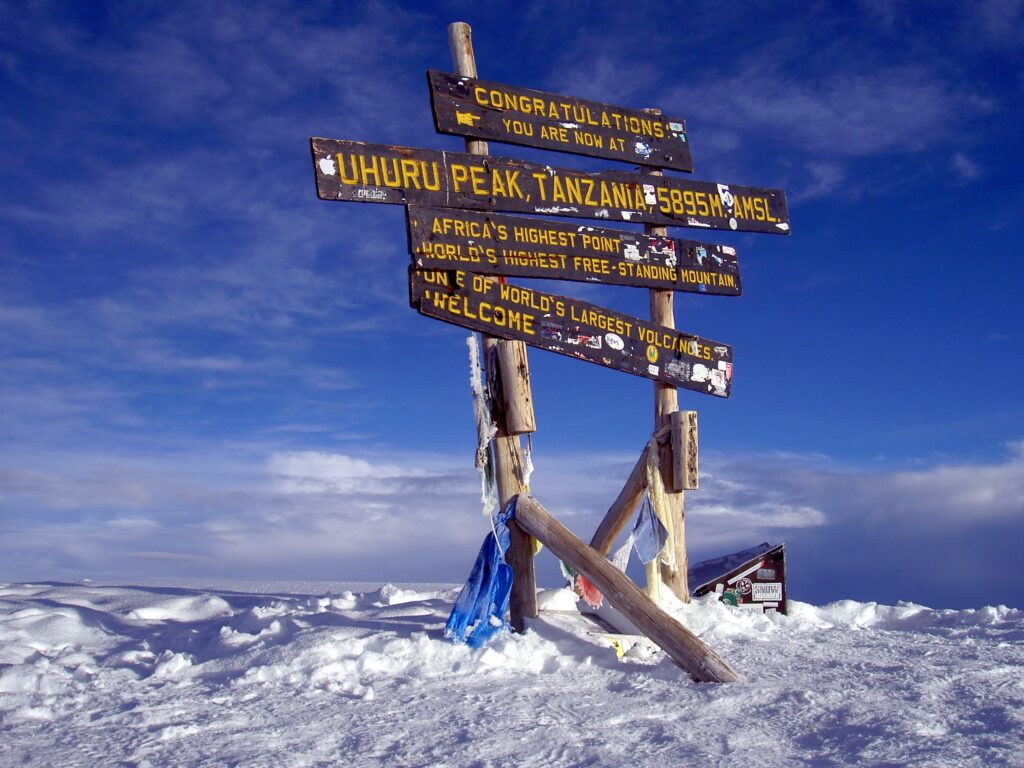
Summit night is the most challenging phase of the Kilimanjaro trek, requiring specialized gear and clothing. Bring insulated jackets, down pants, thermal gloves, hats, and balaclavas to combat -10°C to -20°C temperatures. High-energy snacks, water, and headlamps are essential for energy and visibility. Layering is critical: base, mid, and outer layers allow temperature adjustments during intense climbing. Lightweight trekking poles improve balance on icy terrain. Adequate hydration and small electrolyte packs prevent altitude fatigue. Packing for summit night ensures climbers stay warm, energized, and safe while achieving the rewarding Kilimanjaro summit sunrise experience, a pinnacle bucket-list adventure.
Footwear & Personal Items
Hiking Boots
Choosing the right hiking boots for Kilimanjaro is critical for safety and comfort. Sturdy, waterproof, and well-broken-in boots prevent blisters, ankle injuries, and slipping on rocky terrain. High-cut boots provide ankle support on steep trails, while breathable designs reduce overheating. Popular hiking boot brands for Kilimanjaro climbers include Salomon, Lowa, and Merrell. Packing durable trekking footwear ensures you can tackle Marangu, Machame, or Lemosho routes confidently while maximizing stability, traction, and overall climbing performance.
Camp Shoes
Lightweight camp shoes are essential for relaxing after long trekking days. Sandals or sneakers provide comfort at base camps, reducing fatigue from heavy hiking boots. Breathable and easy-to-dry shoes prevent fungal infections and let your feet recover overnight. Many climbers bring flip-flops for showering and short walks around camp. Investing in reliable camp footwear ensures your toes stay protected, comfortable, and refreshed, enhancing your overall Kilimanjaro experience while minimizing the risk of blisters or discomfort.
Gaiters
Gaiters protect your lower legs and boots from mud, rocks, snow, and scree during Kilimanjaro climbs. Lightweight, waterproof, and durable gaiters prevent debris from entering your boots, reducing blisters and maintaining foot warmth. Essential for wet or snowy sections of the Machame or Lemosho routes, gaiters increase overall hiking efficiency. Opt for adjustable, breathable designs for comfort in variable weather. Climbing Kilimanjaro without gaiters increases exposure to harsh conditions, making this item a must-have for safety and practicality.
Sunglasses
High-quality, UV-protected sunglasses are crucial to protect your eyes from Kilimanjaro’s intense sunlight and high-altitude glare. Polarized lenses reduce snow blindness and eye strain while enhancing visibility of rocky trails. Wraparound designs prevent wind and dust from irritating your eyes. Essential for routes like Rongai or Shira, sunglasses complement hats and sunscreen to prevent long-term eye damage. Investing in durable, lightweight sunglasses ensures a safer, more comfortable climb while maintaining optimal vision during sunrise summits and daytime trekking.
Toiletries
A compact, travel-friendly toiletries kit is key for hygiene on Kilimanjaro. Include biodegradable soap, toothbrush, toothpaste, moisturizer, sunscreen, lip balm, and hand sanitizer. Cold, dry, and high-altitude conditions can cause chapped lips, dry skin, and dehydration, making personal care essential. Pack quick-dry towels, wet wipes, and any necessary medications. Lightweight, refillable containers reduce backpack weight while ensuring all essentials are accessible. Proper hygiene boosts comfort, prevents illness, and keeps you energized for summit day.
Documentation
Passport, Yellow Fever Certificate, and Insurance Documents
Proper documentation is critical for a Kilimanjaro climb. Carry your passport for border entry and route registration, along with a yellow fever vaccination certificate if required. Travel insurance documents covering medical emergencies, altitude sickness, and evacuation are essential. Keep copies in waterproof pouches to prevent loss or damage. Ensuring all paperwork is accurate, current, and accessible simplifies check-ins with park authorities and guides. Adequate documentation provides peace of mind, allowing you to focus on climbing Kilimanjaro safely and efficiently.
Final Thought
Packing the right gear and clothing is crucial for Kilimanjaro success. Layering systems, high-quality footwear, essential equipment, and protective accessories ensure comfort, safety, and summit readiness. From base layers to outer shells, every item contributes to energy conservation and altitude adaptation. Proper preparation minimizes the risks of cold, fatigue, or altitude sickness. Researching top-rated gear, checking reviews, and selecting trusted brands improve performance. Whether climbing via Machame, Marangu, or Lemosho routes, a well-planned packing list supports a smooth, rewarding adventure. Prioritize comfort, functionality, and durability in each choice, ensuring your Kilimanjaro trek is safe, enjoyable, and unforgettable. Include “Kilimanjaro packing list,” “mountain trekking gear,” and “best Kilimanjaro clothing.”
What gear and clothing to pack for Kilimanjaro: FAQs
What is the essential gear for climbing Kilimanjaro?
The essential gear for climbing Mount Kilimanjaro includes layered clothing, sturdy hiking boots, a warm sleeping bag, a backpack, trekking poles, and waterproof outerwear. Because the mountain has multiple climate zones, from rainforest to arctic summit conditions, your gear must handle both heat and extreme cold. A high-quality daypack carries water, snacks, and extra clothing, while a larger duffel bag is transported by porters.
What clothing layers should I pack for Kilimanjaro?
Clothing for Kilimanjaro should follow a layered system: base layer, mid layer, and outer shell. The base layer should be moisture-wicking to keep sweat away from your skin. The mid layer provides insulation, such as fleece or lightweight down jackets, to retain body heat in colder zones. The outer layer must be waterproof and windproof to protect against rain, snow, and strong winds near the summit.
Do I need waterproof clothing for Kilimanjaro?
Yes, waterproof clothing is essential for climbing Kilimanjaro. The mountain has unpredictable weather patterns, especially in the rainforest and moorland zones where rain is frequent. A waterproof jacket and rain pants protect you from getting wet and cold, which can quickly lead to discomfort or even hypothermia. Even if the forecast looks clear, weather on Mount Kilimanjaro can change rapidly.
What type of backpack is best for Kilimanjaro?
A daypack between 25–35 liters is ideal for Kilimanjaro climbs. This backpack carries essential items such as water, snacks, extra clothing layers, sunscreen, and a rain jacket. It should be lightweight, comfortable, and have adjustable straps for proper weight distribution. Good padding on the shoulders and back improves comfort during long trekking days on Mount Kilimanjaro. Many climbers also choose backpacks with hydration bladder compatibility for easy water access.
Do I need trekking poles for Kilimanjaro?
Trekking poles are highly recommended for climbing Kilimanjaro. They provide balance, reduce strain on knees, and improve stability on steep and uneven terrain. During descents, especially on volcanic scree, poles help absorb impact and reduce pressure on joints. On ascents, they assist in distributing weight and improving rhythm. Many climbers find them especially useful on summit night when fatigue is high.
What sleeping bag rating do I need for Kilimanjaro?
For Kilimanjaro, a sleeping bag rated between -10°C to -20°C is recommended. Temperatures at high camps on Mount Kilimanjaro can drop below freezing, especially during summit preparation nights. A high-quality insulated sleeping bag ensures warmth, comfort, and proper rest, which is essential for endurance. Down-filled bags are lightweight and highly efficient, while synthetic bags perform better in damp conditions. A sleeping bag liner can add extra warmth and hygiene.
What Kilimanjaro footwear should I bring besides boots?
Besides main hiking boots, climbers should bring lightweight camp shoes or sandals for use at campsites. After long trekking days on Mount Kilimanjaro, your feet need to rest and breathe. Camp shoes help reduce pressure, improve circulation, and provide comfort in the evenings. They are also useful for walking around tents and shared camp areas. Choose slip-on, insulated, or waterproof options depending on camp conditions.
How many clothing sets should I pack for Kilimanjaro?
You should pack at least two to three sets of trekking clothing for Kilimanjaro. One set is worn during the hike, another serves as a backup, and a third is useful for camps or emergencies. Since laundry is not available on Mount Kilimanjaro routes, rotation is important for hygiene and comfort. Base layers, fleece jackets, and trekking pants should be easy to dry and quick to change.
What Kilimanjaro gloves and headgear do I need?
Warm gloves and headgear are essential for Kilimanjaro, especially during summit night. Temperatures on Mount Kilimanjaro can drop well below freezing near the summit. You need a combination of lightweight gloves for daytime trekking and insulated, waterproof gloves for extreme cold. A warm hat or beanie helps retain body heat, while a sun hat is necessary for lower-altitude sun exposure.
Do I need special clothing for Kilimanjaro summit night?
Yes, summit night requires specialized warm clothing due to extreme cold and wind at high altitude on Mount Kilimanjaro. You will need thermal base layers, an insulated down jacket, waterproof outer shell, thick gloves, a warm hat, and thermal socks. Layering is essential because temperatures can drop below freezing while you are climbing in darkness. Windproof protection is also important to maintain body heat.
Climb Kilimanjaro With Confidence
Tell us your dates and fitness, and our experienced mountain team will plan a safe, well-acclimatized private climb.