Kilimanjaro Climb Peaks
Kilimanjaro Climb Peaks
Rising majestically above the plains of Mount Kilimanjaro, this iconic African peak is a bucket-list destination for trekkers, adventure seekers, and nature lovers worldwide. Known as the “Roof of Africa,” Kilimanjaro offers a once-in-a-lifetime trekking experience through diverse ecosystems, from lush rainforest to alpine desert and icy summit glaciers. A Kilimanjaro climb combines breathtaking peaks, ancient volcanic cones, dramatic cliffs, and historic milestones. Whether you choose Machame, Lemosho, or Marangu routes, every step reveals geological wonders and panoramic views.
Kilimanjaro Climb Peaks & Volcanic Cones
Kibo (5,895m / 19,341 ft)
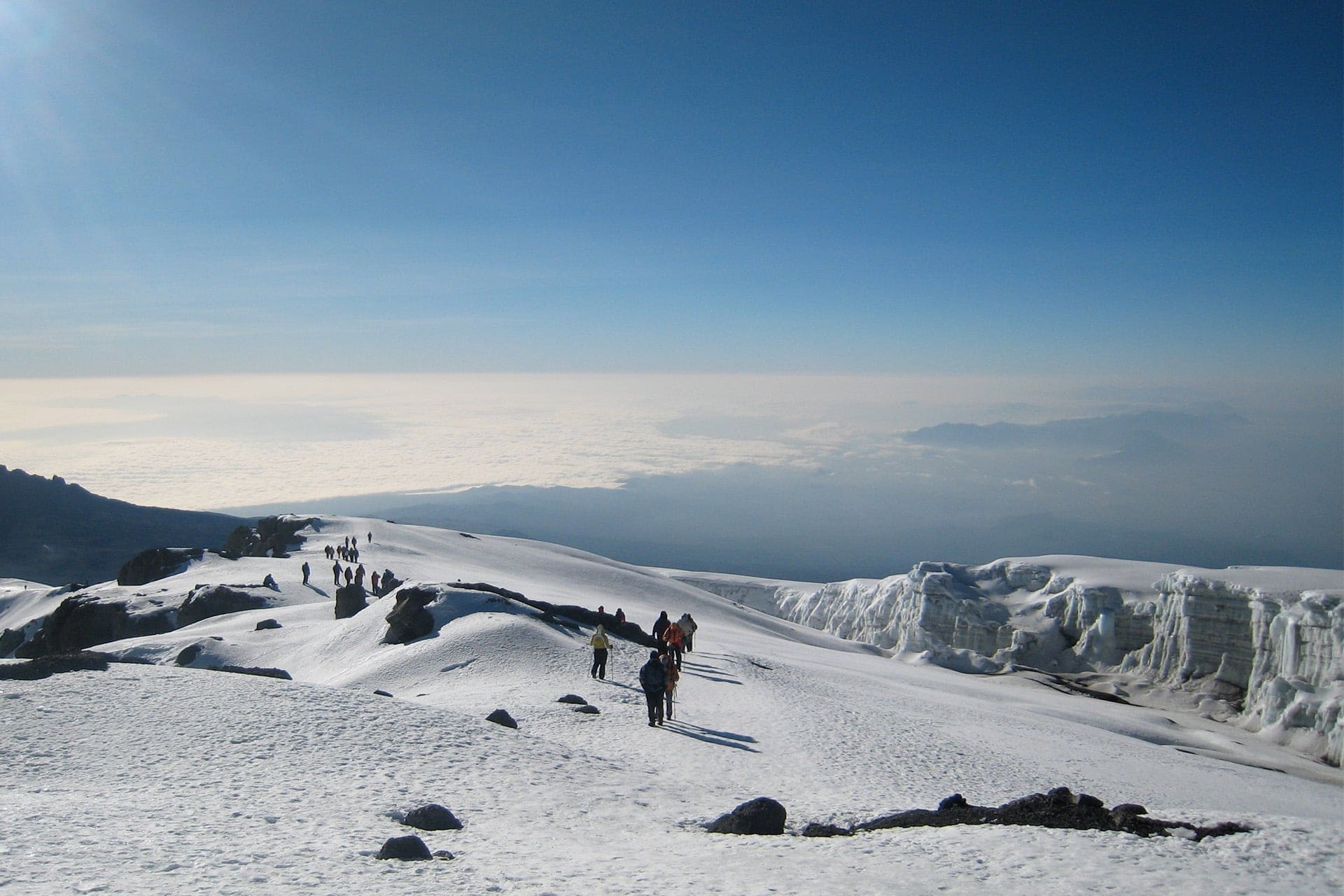
Kibo is the highest and most famous volcanic cone of Mount Kilimanjaro, attracting thousands of climbers aiming to reach Uhuru Peak, Africa’s highest point. This dormant volcano dominates Kilimanjaro trekking routes and is the ultimate goal for summit seekers. The climb to Kibo features alpine desert terrain, freezing temperatures, and high-altitude challenges, making acclimatization essential for success.From the crater rim, climbers witness breathtaking sunrise views above the clouds. Kibo’s vast summit plateau and glaciers create an unforgettable landscape, making it a top destination for photographers, hikers, and luxury or budget Kilimanjaro climbing tours.
Mawenzi (5,149 m / 16,893 ft)
Mawenzi, the second-highest peak of Mount Kilimanjaro, is a jagged volcanic cone known for its dramatic cliffs and rugged beauty. Unlike Kibo, Mawenzi is technically challenging and rarely climbed, making it a striking backdrop for trekkers on routes like Rongai and Northern Circuit. Its sharp ridges and deep valleys create one of Kilimanjaro’s most scenic landscapes. Key outlines, such as Mawenzi peak views, Kilimanjaro's rugged terrain, and scenic trekking routes, frequently rank in search engines. Mawenzi offers incredible photography opportunities, especially during sunrise and sunset when shadows enhance its dramatic silhouette. Though not a summit goal for most climbers, it remains an essential highlight of the Kilimanjaro climbing experience.
Shira (3,962m / 13,000 ft)
Shira is the oldest volcanic cone on Mount Kilimanjaro, now collapsed into the expansive Shira Plateau. This area is a key highlight for climbers on Lemosho and Shira routes, offering gentle acclimatization and spectacular panoramic views. The plateau features unique vegetation, open landscapes, and occasional wildlife sightings, making it one of the most scenic sections of Kilimanjaro trekking tours. Popular searches include Shira Plateau trekking, Kilimanjaro acclimatization routes, and scenic hiking in Tanzania. The relatively moderate altitude compared to Kibo makes Shira ideal for adjusting to high elevations. Its wide-open spaces and stunning sunsets create a memorable introduction to the mountain’s volcanic history and natural beauty.
Kilimanjaro Cliffs, Craters & Key Features
Uhuru Peak
Uhuru Peak, located on Kibo’s summit, is the highest point in Africa and the ultimate goal of any Mount Kilimanjaro climb. Reaching this iconic summit is a life-changing achievement celebrated by trekkers worldwide. The journey to Uhuru Peak involves a midnight ascent, extreme cold, and thin air, testing endurance and determination. At sunrise, climbers are rewarded with breathtaking views over glaciers and clouds. This moment symbolizes triumph, making Uhuru Peak one of the most sought-after adventure travel experiences globally.
Barranco Wall
The Barranco Wall is one of the most exciting and scenic challenges on Mount Kilimanjaro trekking routes. Often called the “Breakfast Wall,” it involves a non-technical scramble that rewards climbers with stunning views. Outlines such as Barranco Wall climb, Kilimanjaro adventure trekking, and scenic climbing routes rank highly online. Despite its intimidating appearance, the climb is safe with experienced guides. Reaching the top provides panoramic views of valleys and glaciers. The Barranco Wall adds adventure and variety to the Kilimanjaro experience, making it a favorite highlight among trekkers.
Kibo Crater & Ash Pit
Kibo Crater and its inner Ash Pit showcase the volcanic origins of Mount Kilimanjaro. This crater offers a surreal, moon-like landscape that fascinates geology enthusiasts and climbers alike.Some extended expeditions allow trekkers to explore this area, providing a unique perspective beyond the summit. The Ash Pit, located at the crater’s center, is a reminder of the mountain’s dormant volcanic activity.
Lava Tower
The Lava Tower is a dramatic rock formation on Mount Kilimanjaro, standing at 4,630 meters and playing a crucial role in acclimatization. Trekkers ascend to this point before descending to sleep lower, improving their chances of summit success, such as Lava Tower altitude training, Kilimanjaro acclimatization hike, and Machame route highlights are popular. The tower’s towering structure and surrounding alpine desert create a striking landscape. It is both a physical challenge and a key milestone in the climb.
Kilimanjaro Climb Glaciers
Rebmann Glacier
Rebmann Glacier is one of the remaining ice formations on Mount Kilimanjaro, offering a glimpse into the mountain’s icy past. These glaciers are rapidly shrinking, making them a rare and valuable sight for climbers. Key focuses like Kilimanjaro glaciers melting, Rebmann Glacier views, and climate change rank highly. The glacier’s shimmering ice contrasts with the volcanic terrain, creating breathtaking scenery. Seeing the Rebmann Glacier is a reminder of the mountain’s unique environment and the impact of global climate change.
Furtwängler Glacier
Furtwängler Glacier, located near Uhuru Peak, is another iconic ice feature on Mount Kilimanjaro. It is one of the most photographed glaciers due to its proximity to the summit, such as Furtwängler Glacier summit views, Kilimanjaro ice fields, and Africa glacier trekking are popular in search engines. This glacier offers a stunning contrast between snow and volcanic rock. Its presence enhances the magical atmosphere of the summit, making it a memorable highlight for climbers.
Kilimanjaro Climb Milestones & Key Points
Stella Point
Stella Point is a major milestone on the crater rim of Mount Kilimanjaro. Reaching this point is a significant achievement, as it marks the final stretch to Uhuru Peak. Key outlines like Stella Point altitude, Kilimanjaro summit push, and trekking milestones are popular. The sunrise views from Stella Point are breathtaking, motivating climbers to continue. It is a moment of encouragement and determination during the final ascent.
Gilman’s Point
Gilman’s Point is another important landmark on Mount Kilimanjaro, located on the crater rim. Many climbers reach this point before proceeding to Uhuru Peak. Highlight outline, such as Gilman’s Point climb, Kilimanjaro crater rim, and summit routes, are widely used. The steep ascent to Gilman’s Point is challenging but rewarding. It provides stunning views and a sense of accomplishment for trekkers.
Mweka Gate
Mweka Gate marks the end of a successful Mount Kilimanjaro climb. Located in the rainforest zone, it is where climbers receive their summit certificates. Key highlights like the Kilimanjaro descent route, Mweka Gate finish, and trekking completion are popular. After days of trekking, reaching this point is a moment of celebration. The lush surroundings contrast with the summit’s harsh environment, completing the journey.
Final Thought
Climbing Mount Kilimanjaro is more than reaching the summit—it’s a journey through volcanic landscapes, towering peaks, ancient glaciers, and unforgettable milestones. From Kibo’s heights to the Barranco Wall and icy glaciers, every step tells a story of adventure and discovery.
Kilimanjaro Climb Peaks: FAQs
What are the main peaks of Mount Kilimanjaro?
The main peaks of Mount Kilimanjaro are Kibo, Mawenzi, and Shira, forming Africa’s tallest mountain and a top destination for Tanzania safari and Kilimanjaro climbing tours. Kibo is the highest and most climbed summit, while Mawenzi is rugged and technical, attracting experienced trekkers. Shira, the oldest cone, has mostly eroded into a plateau. These iconic peaks make Kilimanjaro a bucket-list adventure, offering diverse landscapes, scenic trekking routes, and breathtaking views.
Which volcanic cone is the highest on Kilimanjaro?
The highest volcanic cone on Mount Kilimanjaro is Kibo, standing at 5,895 meters (19,341 feet). Kibo is a dormant stratovolcano and home to the famous Uhuru Peak, making it the ultimate goal for most Kilimanjaro climbers. Unlike Mawenzi and Shira, Kibo has a symmetrical cone shape and features glaciers, a crater, and an ash pit. Its accessibility via popular routes like Machame and Marangu makes it ideal for trekking adventures.
What is Uhuru Peak, and why is it famous?
Uhuru Peak is the highest point on Mount Kilimanjaro and the tallest free-standing mountain summit in the world, reaching 5,895 meters. Located on Kibo’s crater rim, Uhuru Peak symbolizes achievement, freedom, and adventure— “Uhuru” means freedom in Swahili. It is famous for being Africa’s highest point and a top bucket-list destination for trekkers globally. Reaching Uhuru Peak requires endurance, acclimatization, and determination, making it a rewarding challenge.
What is the Barranco Wall on Kilimanjaro?
The Barranco Wall is one of the most exciting and scenic sections of a Kilimanjaro climb, located on the southern slopes of the mountain. Often called the “Breakfast Wall,” it is typically climbed in the morning and involves a non-technical scramble rather than actual rock climbing. This steep ridge offers dramatic views of glaciers, valleys, and the Karanga Valley below. Despite its intimidating appearance, it is safe and manageable with guides.
Can climbers visit Kibo Crater and the Ash Pit?
Yes, climbers can visit Kibo Crater and the Ash Pit, but it usually requires special arrangements and an extra day at high altitude. The crater is a volcanic caldera at the summit of Kibo, offering a unique lunar-like landscape. The Ash Pit lies at the center, showcasing Kilimanjaro’s volcanic origins.
What is the Lava Tower and why is it important?
The Lava Tower is a prominent volcanic rock formation on Mount Kilimanjaro, standing at about 4,630 meters. It is a key acclimatization point on popular routes like Machame and Lemosho. Climbers ascend to the Lava Tower during the day and then descend to sleep at a lower altitude, following the “climb high, sleep low” principle. This helps the body adjust to reduced oxygen levels and increases summit success rates.
Are there glaciers on Mount Kilimanjaro?
Yes, Mount Kilimanjaro is famous for its glaciers, located near the summit of Kibo. These ice formations, including the Furtwängler Glacier, are among the last remaining equatorial glaciers in the world. They create a striking contrast against the volcanic landscape and are a major attraction for climbers and photographers. However, due to climate change, Kilimanjaro’s glaciers are rapidly shrinking, making them a rare and precious sight.
What is Stella Point on Kilimanjaro?
Stella Point is a significant landmark on the crater rim of Kibo, located at 5,756 meters. It is often the first major summit point reached by climbers on routes like Machame and Lemosho before continuing to Uhuru Peak. Named after Estella Latham, Stella Point offers breathtaking sunrise views over the clouds and glaciers. Many climbers consider reaching Stella Point a major achievement, as it marks the end of the steep ascent.
What is Gilman’s Point, and how is it different from Uhuru Peak?
Gilman’s Point is another key summit marker on Kilimanjaro’s crater rim, located at 5,685 meters. It is commonly reached via the Marangu Route and is considered one of the official summit points. However, it is lower than Uhuru Peak and does not represent the highest point of the mountain. The main difference is that Uhuru Peak is the true summit, while Gilman’s Point is an intermediate goal.
Where does the Kilimanjaro climb start and end?
A Kilimanjaro climb typically starts at designated park gates within Kilimanjaro National Park, such as Marangu Gate, Machame Gate, or Lemosho Gate. These entry points vary depending on the chosen route and trekking itinerary. Climbers ascend through diverse ecosystems—from rainforest to alpine desert—before reaching the summit at Uhuru Peak. The descent usually follows the same or a different route, ending at exit gates like Mweka Gate.
Climb Kilimanjaro With Confidence
Tell us your dates and fitness, and our experienced mountain team will plan a safe, well-acclimatized private climb.