How to Climb Kilimanjaro Without the Crowds
To climb Kilimanjaro without the crowds, choose a quieter route such as the Northern Circuit, Lemosho or Rongai, climb in the quieter months of March, April, May or November, start mid-week rather than at the weekend and avoid summit nights around the full moon and major holidays. A longer itinerary spreads you away from the busiest camps, and a private, tailor-made climb lets you set your own pace and timing on the trail.
Kilimanjaro is one of the world's most popular high-altitude treks, and on the busiest routes and dates its camps, trails and summit ridge can feel crowded, especially in the dry seasons. The good news is that a few simple, well-planned choices make a big difference to your experience on the mountain. This guide explains eight proven ways to climb Kilimanjaro without the crowds, compares the routes by crowd level, shows the quietest months, highlights the busiest hotspots on the mountain and gives you a checklist for planning a peaceful, private climb that still has excellent acclimatisation, safety and summit views.
8 Ways to Climb Kilimanjaro Without the Crowds
There is no single secret to a quiet Kilimanjaro climb, but combining several of the proven strategies below makes a real difference to how busy the mountain feels. The eight tabs below explain each way to avoid the crowds, why it works, any trade-off to consider, who it suits best and the quietest option available. The most effective choices by far are your route and your season, followed by your start day and the length of your itinerary. Our Arusha mountain team can combine all of them in a private, tailor-made itinerary built carefully around your own dates.
Choose a Less Crowded Route
Fewer climbers start on remote routes
Remote gates mean longer transfers
Your route choice has the biggest effect on crowds. Machame and Marangu are the busiest routes because they are well known and start close to Moshi. The Northern Circuit, Rongai and the quieter early sections of Lemosho see far fewer climbers, and they also offer excellent acclimatisation. Choosing one gives you peaceful trails and quieter camps.
Compare Routes →Climb Outside Peak Season
Far fewer climbers outside the dry seasons
More chance of rain and cloud
The busiest months are January to February and June to October, when the weather is driest. Climbing in March, April, May or November means far fewer people on the trails and at camps. These months are wetter, but many climbers enjoy quiet camps, green landscapes and dramatic clouds. The northern Rongai side usually stays drier in the rainy months.
Best Time to Climb →Start Your Climb Mid-Week
Many climbers start at the weekend
Fits less easily around work leave
Many climbers start on a Saturday or Sunday, so gates and first camps are often busier then. Starting on a Tuesday or Wednesday instead spreads you well away from the busiest flow of climbers for the whole trip, including summit night. With a private climb, you can choose any start day that suits your travel plans.
How to Book →Avoid Full-Moon Summit Nights
Full-moon summits are popular for the light
Darker summit night by headlamp
Summit nights around the full moon are popular because moonlight lights up the trail and glaciers, so the summit ridge can be busier then. If quiet matters more than moonlight, summit away from the full moon. A headlamp gives all the light you need, and on a clear dark night the stars above Kilimanjaro are spectacular.
Full Moon Climbs →Choose a Longer Itinerary
Extra days move you away from the main flow
Extra days add to the cost
A longer itinerary of eight or nine days improves acclimatisation and also changes when you reach the busiest points on the mountain. Many climbers move in step on six and seven-day itineraries, so adding a day helps you avoid reaching Barranco, Barafu or the summit with them. You also have more time to rest and enjoy the scenery.
Acclimatisation Tips →Book a Private, Tailor-Made Climb
Your own guide team and flexible timing
Costs more than sharing with strangers
A private climb means your own guide, cook and porters, with an itinerary built around you rather than a fixed schedule. You choose your route, start day and number of days, and your guide can adjust daily timings to avoid the busiest moments on the trail. We arrange every Kilimanjaro climb as a private, tailor-made trip.
Private Climbs →Time Your Days on the Trail
Most climbers leave camp at similar times
Early starts mean colder mornings
On busy days, many climbers leave camp at the same time after breakfast. Your guide can help you start a little earlier or later to avoid queues at well-known pinch points such as the Barranco Wall. Taking lunch at a quieter spot and letting faster climbers pass both help your day feel calmer and more relaxed.
A Typical Day →Use Quieter Camps
Alternative camps spread climbers out
Some camps need longer walking days
Some routes offer alternative campsites that are quieter than the main ones. The Northern Circuit uses remote camps such as Moir Hut, Buffalo Camp and School Hut, while some itineraries include Crater Camp near the summit for a very special night. Your guide will recommend camps that balance quiet surroundings with good acclimatisation and safe walking distances for you.
Kilimanjaro Campsites →Kilimanjaro Routes by Crowd Level
Crowd levels vary a great deal between Kilimanjaro routes, because some are better known, closer to Moshi or shorter, while others start from remote gates or circle the quieter sides of the mountain. The table below compares the main routes by typical length, crowd level and the busiest section on each, so you can choose the route that best matches the peaceful experience you want. Remember that most of the southern routes merge before the summit, so even quiet routes become noticeably busier on the final approach. The Northern Circuit and Rongai summit from the quieter eastern side instead.
| Route | Days | Crowd level | Busiest section |
|---|---|---|---|
| Northern Circuit | 8–9 days | Very low | Crater rim at the summit |
| Rongai | 6–7 days | Low | Final approach to Gilman’s Point |
| Lemosho | 7–8 days | Low, then moderate | After joining Machame at Barranco |
| Shira | 7–8 days | Low, then moderate | After joining Machame |
| Umbwe | 6–7 days | Low, then moderate | After joining at Barranco |
| Marangu | 5–6 days | High | Huts and the Kibo summit trail |
| Machame | 6–7 days | Very high | Barranco Wall and Barafu Camp |
Quietest Months to Climb Kilimanjaro
Kilimanjaro's busiest months match the dry seasons and the main holiday periods in Europe and North America, when the weather is most reliable and many travellers have time off. The table below shows how busy the mountain usually is throughout the year and what the weather is typically like, so you can weigh up quiet trails against drier, clearer conditions. If you must climb in the busy season, combine a quieter route with a mid-week start and a longer itinerary. If you can be flexible, the shoulder and rainy months offer the most peaceful climbs of the year.
| Months | Crowds | Weather |
|---|---|---|
| January – February | Busy | Dry, clear and cold at night |
| March | Quieter | Dry early, long rains begin later |
| April – May | Quietest | Long rains, mud and cloud |
| June – October | Busiest | Dry and clear; peak season |
| November | Quiet | Short rains with afternoon showers |
| December | Busy around the holidays | Mostly dry and warmer |
Kilimanjaro Crowd Hotspots
Even on the quieter routes, a few places on Kilimanjaro tend to become busy because several routes meet there or because everyone climbs them at similar times. The table below lists the main crowd hotspots on the mountain, the routes that pass through them and a practical tip for each. Knowing exactly where congestion usually happens helps you and your guide plan your timing so you can pass through these points more calmly. Remember to stay calm and patient, follow your guide's pace and give way politely to porters carrying heavy loads on narrow and steep sections of trail.
| Hotspot | Routes | Tip |
|---|---|---|
| Barranco Wall | Machame, Lemosho, Shira, Umbwe | Leave camp a little earlier or later than the main flow |
| Lava Tower | Machame, Lemosho, Shira | Take lunch slightly away from the busiest area |
| Barafu Camp | Southern routes before the summit | Choose a longer itinerary or a quieter high camp |
| Stella Point and crater rim | All southern routes | Walk steadily and avoid full-moon summit nights |
| Gilman’s Point | Marangu, Rongai, Northern Circuit | Start summit night at the time your guide advises |
| Mweka descent | Most routes | Enjoy the descent at a relaxed pace |
Quiet Climb Planning Checklist
Use this checklist to plan a quiet Kilimanjaro climb and make sure you have combined the most effective strategies. Each item reflects one of the key choices explained in this guide, from your route and season to your start day, summit night and type of climb. Tick each one off once it is part of your plan. You do not need every box ticked to enjoy a peaceful climb, but the more you combine, the quieter your trails, camps and summit morning are likely to be. Share the completed list with our team when you request your private quote.
Quiet Kilimanjaro climb checklist 8 items
Your plan combines every strategy. Time to request your private quote!
Climbing Kilimanjaro Without the Crowds: FAQs
What is the least crowded route on Kilimanjaro?
The Northern Circuit is the least crowded route on Kilimanjaro. After the Shira Plateau it leaves the busy southern trails and circles the remote northern slopes, where you may see very few other climbers. Rongai is also quiet, and Lemosho is peaceful in its first days before joining Machame at Barranco.
What is the busiest route on Kilimanjaro?
Machame is usually the busiest route, followed by Marangu. Both are well known, start close to Moshi and are popular on six or seven-day itineraries. Busy points include Machame and Barranco camps, the Barranco Wall and Barafu Camp before the summit. Lemosho, Shira and Umbwe also join this trail and become busier after Barranco.
When is Kilimanjaro least crowded?
Kilimanjaro is quietest in April and May during the long rains, and in November during the short rains. March is also quieter than the peak months. These months are wetter, so bring good rain gear, but you will enjoy far quieter trails and camps. The busiest months are January to February and June to October.
Does starting mid-week really help?
Yes. Many climbers start on a Saturday or Sunday, so gates and camps are often busier on those days. Starting on a Tuesday or Wednesday spreads you away from the busiest flow of climbers for the whole climb, including summit night. With a private climb, you can choose any start day.
Should I avoid the full moon on Kilimanjaro?
Full-moon summit nights are popular because the moonlight lights the trail, so the summit ridge can be busier. If you want a quiet summit, plan your summit night away from the full moon. If you would love a moonlit summit, choose the full moon and combine it with a quieter route and a mid-week start.
Does a longer itinerary avoid crowds?
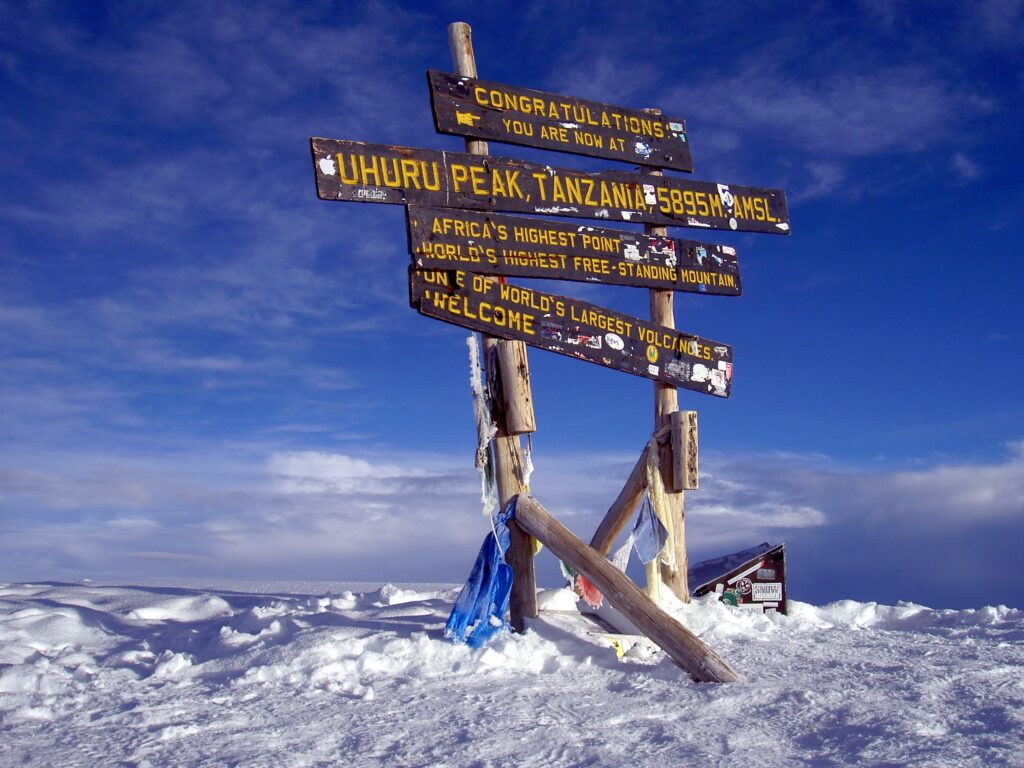
Often, yes. Many climbers follow similar six and seven-day itineraries, so adding a day changes when you reach busy points such as Barranco, Barafu and the summit. Longer itineraries also improve acclimatisation and your chance of reaching Uhuru Peak, so they are a good choice for most climbers.
Is a private climb less crowded?
A private climb does not empty the mountain, but it gives you control. You choose your route, start day and number of days, and your guide can adjust daily timings to avoid busy moments. You also walk with your own guide team rather than strangers, which makes the experience far more personal and relaxed.
Is the Northern Circuit worth the extra days?
For most climbers who want quiet trails, yes. The Northern Circuit takes eight or nine days, which adds park fees and crew costs, but it offers the best acclimatisation of any route, very few other climbers and views of almost every side of Kilimanjaro. It is ideal for photographers and anyone seeking solitude.
Are the summit and crater rim always busy?
Most southern routes meet before the summit, so Stella Point and the crater rim can be busy around sunrise in peak season. Climbing in quieter months, avoiding the full moon and approaching from the Northern Circuit or Rongai side all help. Your guide will time your summit push to suit your pace and the conditions.
How can Foot Slopes help me avoid the crowds?
We arrange every Kilimanjaro climb as a private, tailor-made trip. Our Arusha team recommends the quietest route for your fitness and dates, suggests a mid-week start and suitable summit night, and plans an itinerary with good acclimatisation. Tell us your dates and we will send a clear, itemised quote.
More Kilimanjaro Guides
Plan a Quiet Kilimanjaro Climb
Tell us your dates and how much solitude you want, and our Arusha mountain team will recommend the quietest route, start day and itinerary for your private climb.
Start Planning