How Far in Advance to Book an African Safari
How Far in Advance to Book an African Safari
How far in advance should you book an African safari? For most travellers, the ideal window is nine to twelve months ahead, extending to twelve to eighteen months for peak season, the Great Migration and exclusive camps. Low and shoulder seasons can often be booked three to six months in advance. This guide explains why early booking matters, the ideal safari booking timeline, lead times for the Serengeti, Ngorongoro Crater, Kilimanjaro and Zanzibar, seasonal advice and expert booking tips. Plan your private tailor-made Tanzania safari early with Foot Slopes Tours and Safaris and secure the very best safari experiences.
- 112–18 months out: choose your season, parks and travel style
- 29–12 months: confirm lodges, guides and any permits
- 36–9 months: book international flights and travel insurance
- 43–6 months: sort visas, vaccinations and packing
Why Book Your African Safari Early?
Booking your African safari early is the smartest way to secure the trip you dream about. The best lodges and tented camps in Tanzania have only a handful of rooms, and the most popular ones fill many months ahead, especially from June to October. Early booking gives you the widest choice of accommodation, better value, guaranteed peak-season availability, time to tailor your itinerary and access to the most experienced guides and vehicles. It also leaves time for flights, visas, vaccinations and insurance. In short, planning ahead turns a good safari into an exceptional, stress-free private tailor-made Tanzania safari adventure.
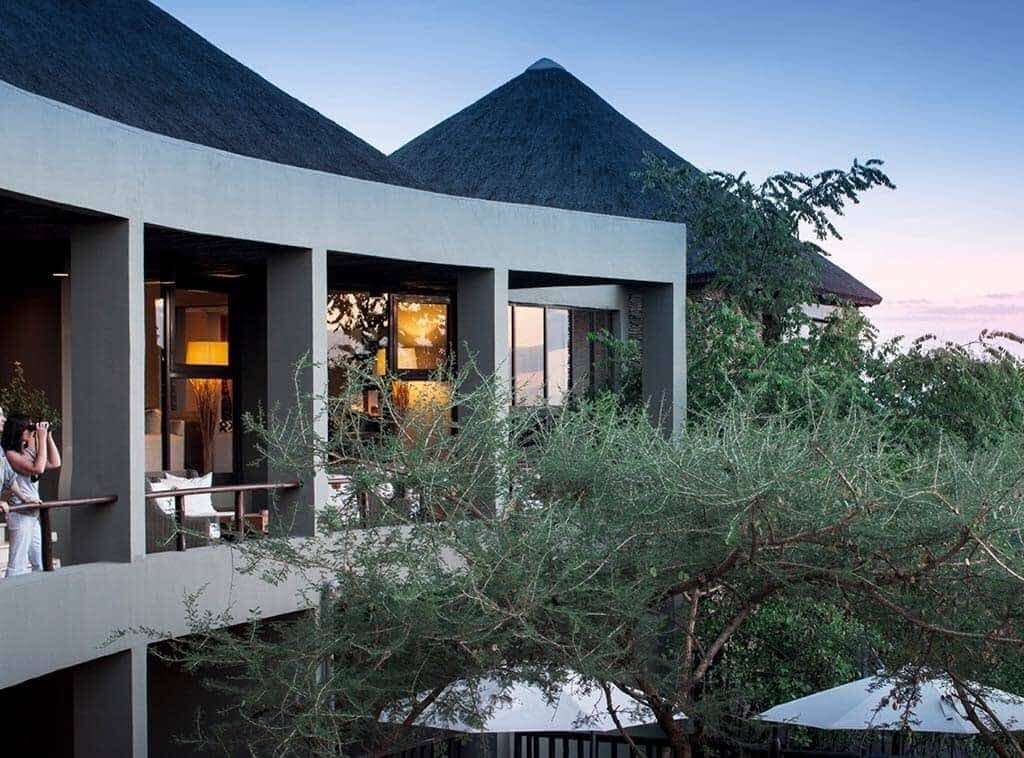
Best Lodges and Camps
Widest choice of stays
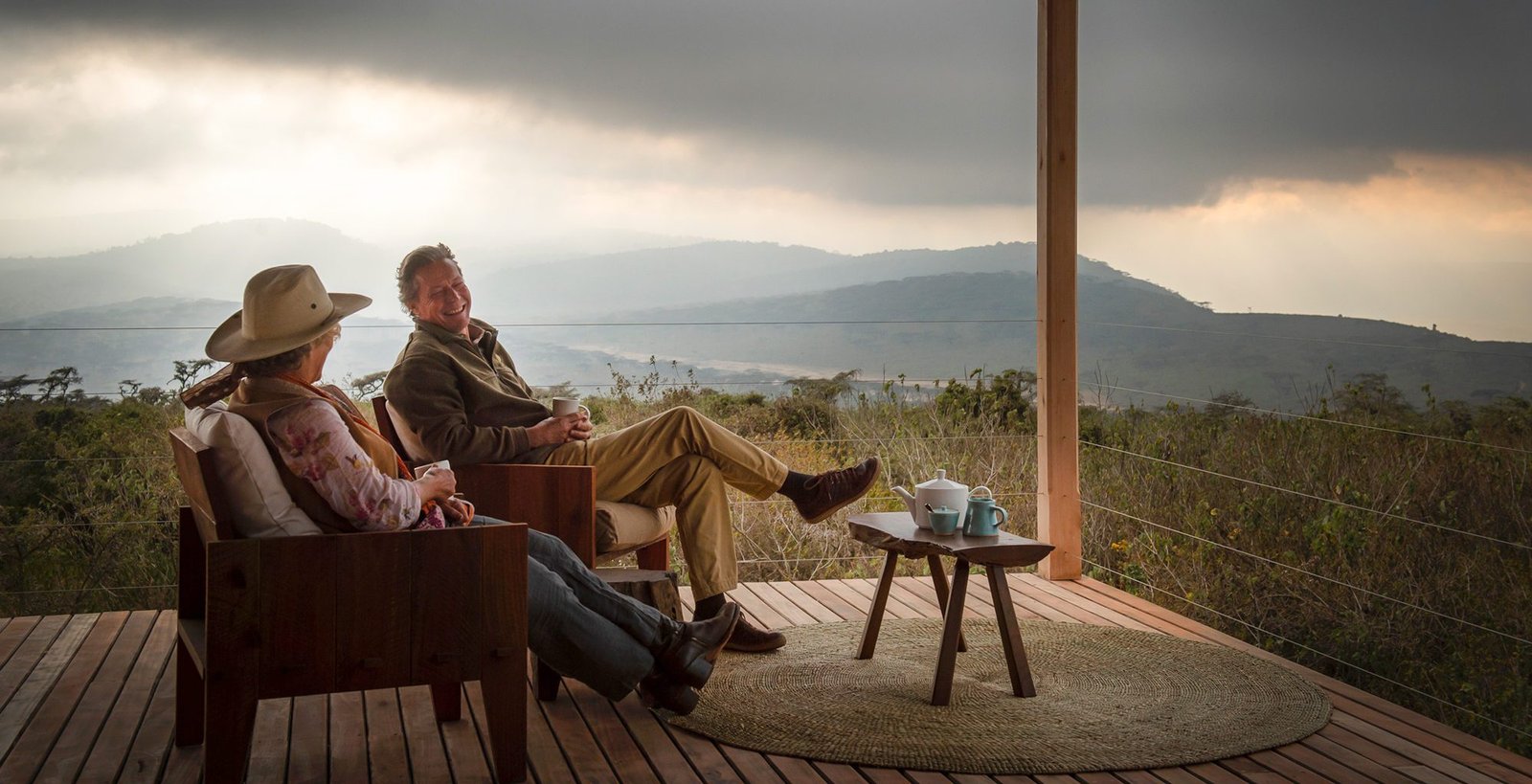
The most sought-after safari lodges and tented camps have limited rooms, often fewer than twenty. Booking early secures properties in prime locations, such as camps close to the Great Migration or lodges on the Ngorongoro Crater rim. Waiting usually means accepting whatever remains, which can cost you location, comfort and valuable game-viewing time. Book early to avoid disappointment.
View Safari Lodges →How Far in Advance Should You Book an African Safari?
The ideal booking window for an African safari depends on your travel dates, destinations and accommodation style. As a general rule, book nine to twelve months ahead for most trips, twelve to eighteen months for peak season and the Great Migration, and eighteen to twenty-four months for exclusive boutique camps or fixed holiday dates. Low and shoulder seasons are more flexible, often allowing three to six months' notice. Last-minute safaris are sometimes possible but offer limited choice. Explore the booking timeline below to find the right window for your private tailor-made Tanzania safari and plan with complete confidence and ease.

18 to 24 Months Ahead
Boutique camps and fixed dates
Book eighteen to twenty-four months ahead for exclusive boutique camps with very few rooms, school holidays, festive dates, milestone celebrations or larger groups needing several rooms together. This window gives you first choice of the most coveted properties and guides, and plenty of time to save, prepare and plan every detail of your journey. Exclusive camps reward early planners.
Exclusive Lodges →How Far in Advance to Book by Tanzania Destination
Each Tanzanian destination has its own booking pattern, shaped by demand, seasonality and the number of lodges available. The Serengeti and Ngorongoro Crater are the most popular and fill fastest during peak months, while Tarangire and Lake Manyara offer a little more flexibility. Kilimanjaro climbs require advance planning for preferred dates, routes and fitness preparation, and Zanzibar's best beachfront resorts sell out early during holidays. Booking six to twelve months ahead suits most destinations, with longer lead times for peak dates. Use the destination guide below to plan the perfect booking timeline for your private tailor-made Tanzania safari adventure.
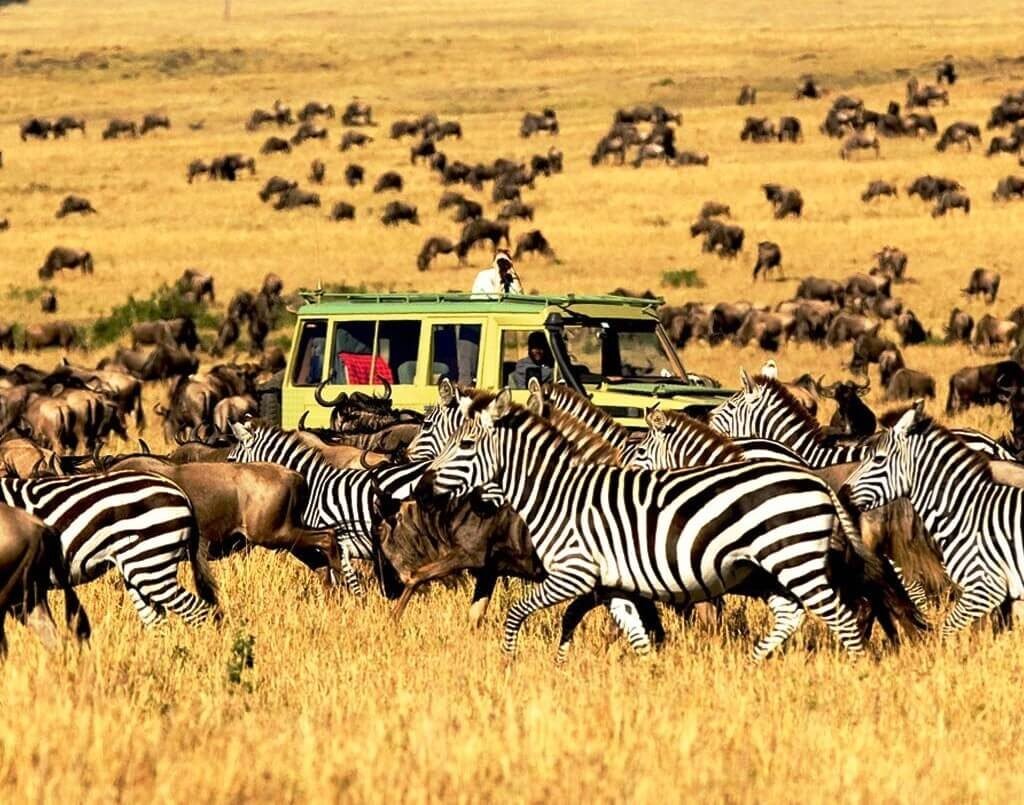
Serengeti National Park
Great Migration camps
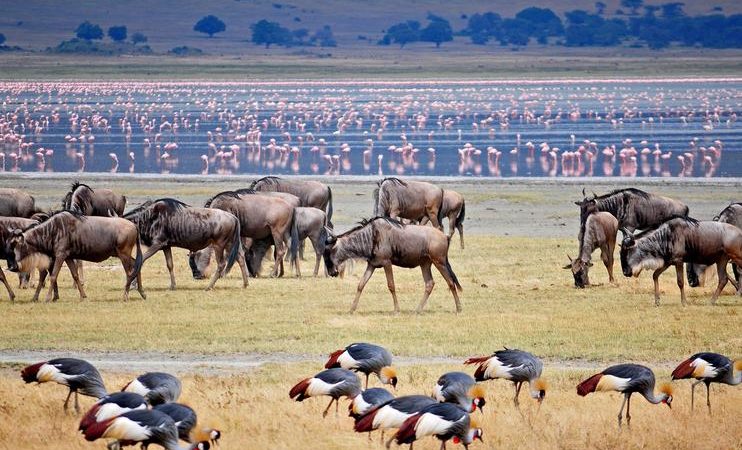
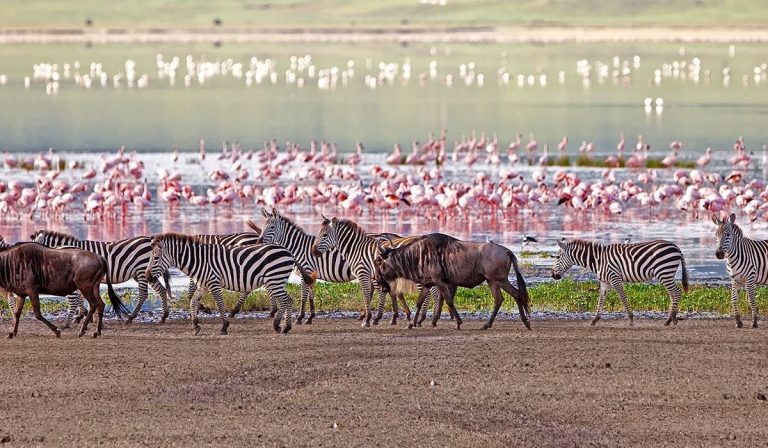
Book a Serengeti safari six to twelve months ahead, and twelve to eighteen months for Great Migration river crossings from July to October or calving season from January to March. Camps near the herds have limited space and fill quickly. For off-peak travel, three to six months may be enough with flexible lodge choices. Balloon flights also fill early.
Explore Serengeti →Booking Lead Times by Safari Style
Your safari style also shapes how far in advance you should book. Luxury safaris rely on exclusive lodges with very few rooms, so they need the longest lead times. Honeymoon safaris often involve special suites and fixed wedding dates, while family safaris depend on school holidays and family rooms that sell out early. Great Migration safaris require camps positioned near the herds, and photography safaris need specialist guides and vehicles. Whatever your style, early planning gives you the best choice. Explore the booking advice below to match your safari style with the ideal booking window and plan with confidence.
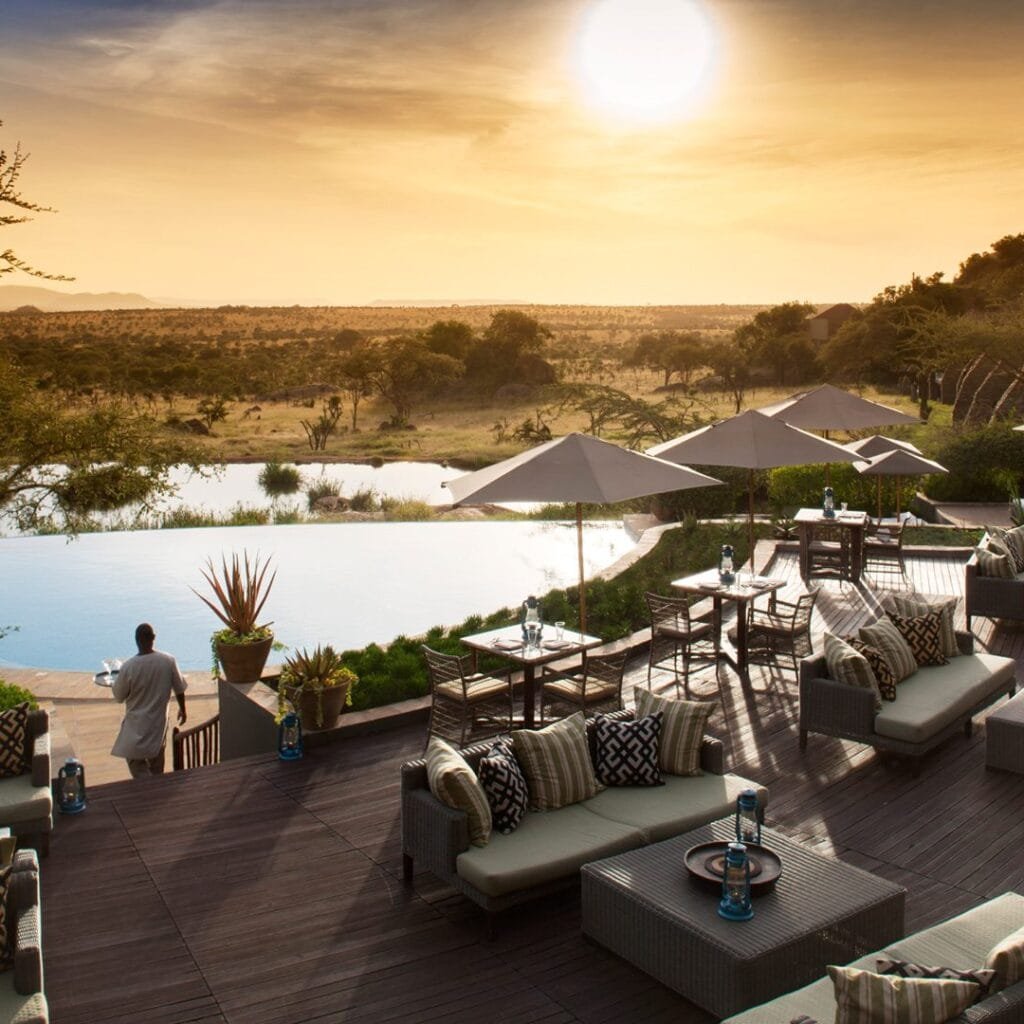
Luxury Safari
Exclusive lodges and private guides
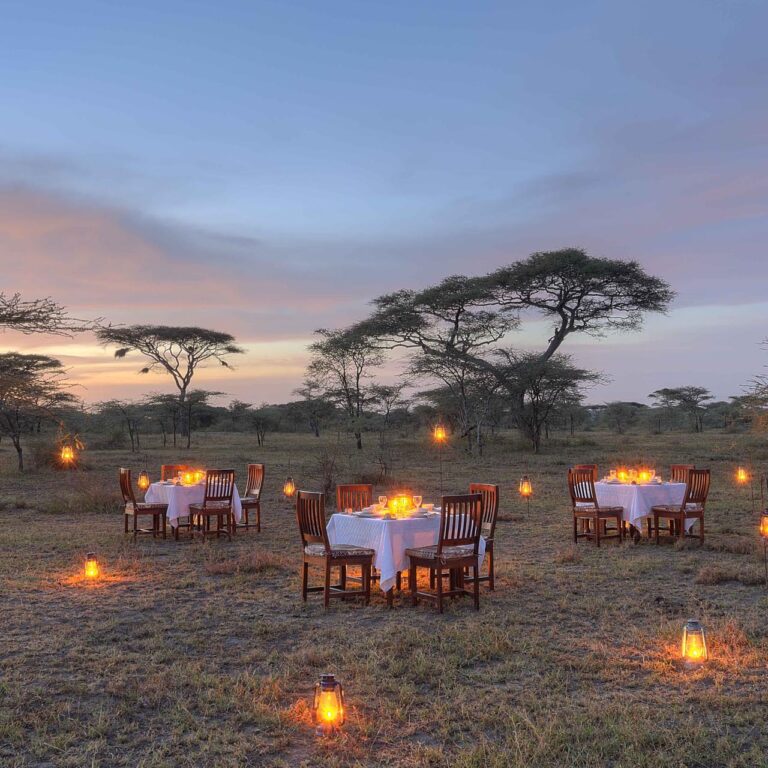
Start planning a luxury safari nine to twelve months ahead, and twelve to eighteen months for peak season. Exclusive lodges, intimate tented camps and the most experienced private guides are reserved early by discerning travellers. Booking well in advance secures private plunge pools, prime locations and special experiences such as balloon flights and bush dinners.
Luxury Safaris →Why Book a Private Tailor-Made Safari Early
Booking a private tailor-made safari early gives you complete control over every detail of your journey. With more time, your planner can match each night to the right lodge, position you near the Great Migration, secure a dedicated guide and customised 4x4 vehicle, and add special experiences such as balloon flights, bush dinners or cultural visits. Early planning also allows flexible routing, smoother flight connections and time to prepare documents and health requirements. Instead of compromising on what is left, you choose exactly what you want, creating a seamless, personal and unforgettable Tanzania safari designed entirely around you.
When to Book for Each Tanzania Safari Season
Tanzania's safari seasons affect demand, prices and how far in advance you should book. The dry season from June to October is the busiest and requires the longest lead times. The short rains of November and December are quieter, offering more flexibility. January to March brings calving season in the southern Serengeti, which is increasingly popular. The long rains of April and May are the quietest period, often with excellent availability and value. Understanding each season helps you choose the right booking window for your private tailor-made safari, securing the lodges, guides and special experiences you want most.
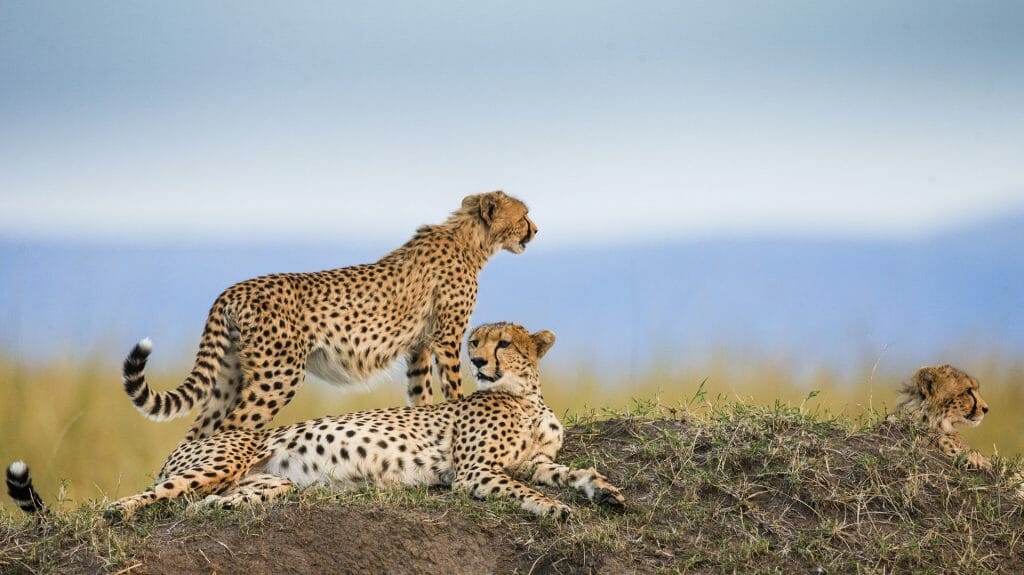
Dry Season (June to October)
Peak demand
The dry season is peak safari time, with excellent game viewing and Great Migration river crossings in the northern Serengeti. Demand is highest, especially in July and August, so book twelve to eighteen months ahead for the best camps. Flights and popular activities such as balloon safaris also fill quickly during these months. Book as early as possible.
Best Time to Visit →Factors That Affect Your Safari Booking Timeline
Several factors influence how far in advance you should book your African safari. Travel style matters most: exclusive boutique camps with few rooms need the longest notice, while flexible travellers can sometimes book later. Your destination counts too, as the Serengeti, Ngorongoro Crater and Great Migration areas fill fastest. Group size affects availability, because families and larger parties need several rooms together. Fixed dates such as school holidays, anniversaries or festive periods call for earlier booking, while flexible dates offer more choice. Special activities, domestic flights and Kilimanjaro climbs also benefit from early reservations, ensuring a smooth, well-coordinated itinerary.
High Season vs Low Season: How Far Ahead to Book
The difference between high and low season has a major impact on your booking timeline. In high season, roughly June to October and the festive holidays, wildlife viewing is excellent and demand is at its peak, so book at least six to twelve months ahead, and twelve to eighteen months for the most popular camps. In low season, including the lush green months, parks are quieter and lodges more available, so three to six months is often enough. Low season can offer better value and fewer crowds, but flexibility helps, as weather and wildlife movements are less predictable.
Step-by-Step Guide to Booking Your African Safari
Booking an African safari is simple when you follow a clear process. Start by defining your priorities and travel dates, then choose the right season and destinations. Request a tailored proposal from a reputable local operator, refine the itinerary together and confirm with a deposit to secure lodges and guides. Next, book international flights and comprehensive travel insurance, then arrange visas, vaccinations and packing. Following these steps in order ensures nothing is overlooked and that your private tailor-made Tanzania safari is confirmed early, leaving you free to enjoy the excitement of counting down to your unforgettable African adventure.

Define Your Priorities
Wildlife, style and budget
Decide what matters most: the Great Migration, big cats, elephants, birdlife, photography, romance or family fun. Agree on your preferred comfort level, pace, trip length and budget. These priorities guide every booking decision, from parks and lodges to activities, and help your planner design an itinerary that truly reflects your dream safari. Write your priorities down before requesting quotes.
Start Planning →The Risks of Last-Minute Safari Booking
Waiting until the last minute to book your African safari can bring several disadvantages. Your preferred lodges, camps and guides may already be fully booked, particularly during peak season and around the Great Migration. Prices are often higher as availability shrinks, and international flights booked late tend to cost more and involve inconvenient connections. You may need to accept a pre-set itinerary with little room for personal touches or special experiences. Rushed planning also increases the chance of mistakes with visas, vaccinations or insurance. Booking early avoids these risks and gives you a calmer, more rewarding safari experience.
What Else to Book Early for Your Tanzania Safari
Securing your safari accommodation is only part of the plan. Several other elements also benefit from early booking, because they have limited capacity or rising prices closer to departure. International flights, domestic flights between parks, hot air balloon safaris, Kilimanjaro climbing dates, Zanzibar beachfront stays and travel insurance should all be arranged soon after your safari is confirmed. Coordinating everything together ensures smooth connections, avoids disappointment and gives you better choice and value. Your local safari specialist can manage most of these bookings for you, keeping your entire Tanzania journey organised in one seamless, carefully coordinated travel itinerary.

International Flights
Better schedules and fares
Book long-haul flights soon after your safari dates are confirmed. Early booking usually offers better schedules, more convenient connections and a wider choice of fares, while last-minute flights cost more and may involve long layovers. For the northern safari circuit, Kilimanjaro International Airport is the most convenient arrival point for most travellers. Share your flight details with your planner.
Getting to Tanzania →Can You Book a Last-Minute African Safari?
Yes, a last-minute African safari is sometimes possible, especially during low and shoulder seasons such as November, early December, April and May. Lodges may have unexpected availability, and flexible travellers can find rewarding options. However, peak months from June to October and festive holidays are rarely suitable for short-notice bookings, as the best camps sell out far in advance. To succeed with a last-minute safari, stay flexible on dates, lodges and routes, act quickly when availability appears and work with a local operator who can check live availability across many camps and propose suitable, rewarding alternatives quickly and confidently.
Understanding Safari Deposits, Payments and Cancellation Policies
Before confirming your safari, take time to understand the booking terms. Most operators request a deposit to secure lodges, guides and vehicles, with the balance due some weeks before departure. Lodges often have their own payment schedules and cancellation policies, which can be stricter in peak season. Read the terms carefully, including what happens if you change dates or cancel, and ask your operator to explain anything unclear. Buying comprehensive travel insurance as soon as you pay your deposit protects your investment. Clear, transparent terms from a trusted local operator give you complete confidence when booking your safari early.
Booking Deposit
Secure lodges and guides
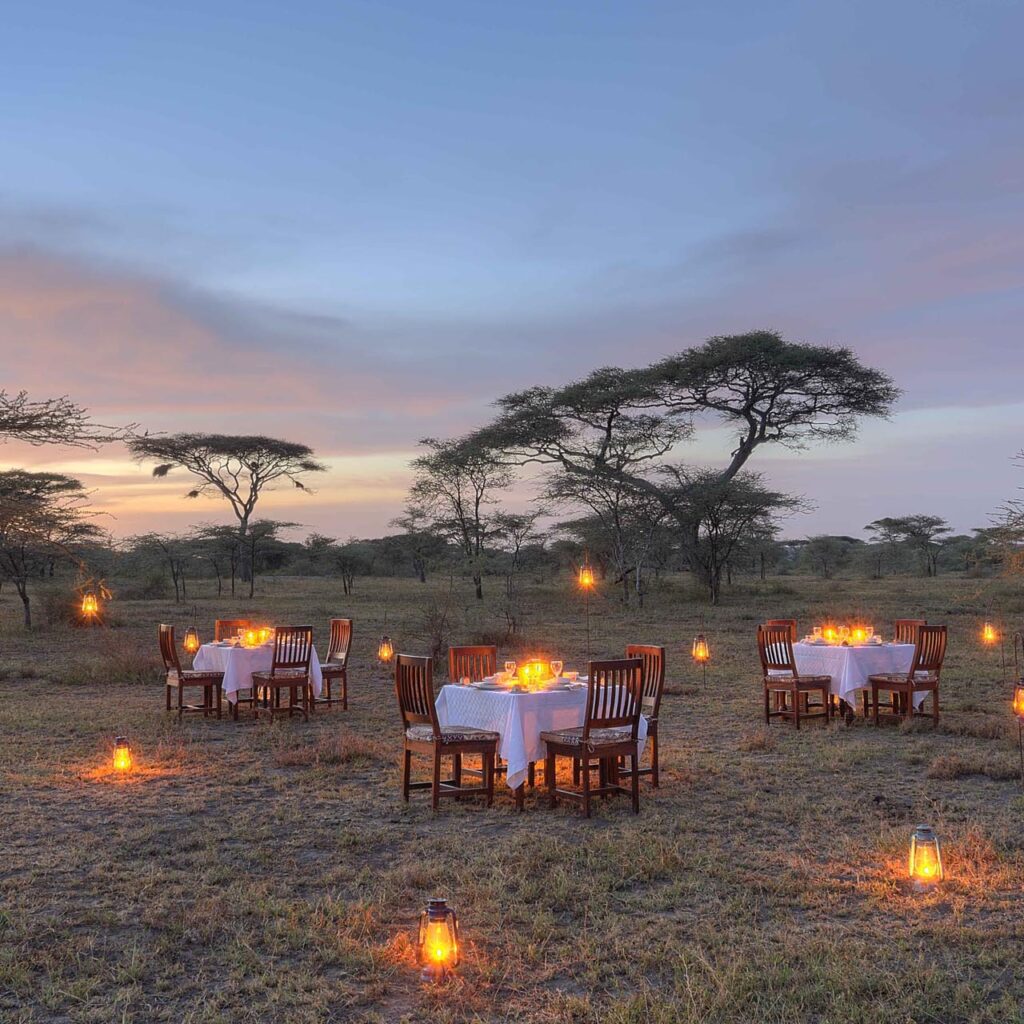
A deposit confirms your safari and allows your operator to reserve lodges, tented camps, guides, vehicles and activities on your behalf. Without it, rooms are usually held only provisionally and may be released in busy months. Ask your operator how much is required, when it is due and exactly which services it secures before you pay.
Luxury Safari Packages →Expert Tips for Booking Your African Safari
A few expert tips can make booking your African safari easier, better value and more rewarding. Flexibility with dates and lodges opens up more options, while shoulder seasons offer fewer crowds and good value. Booking directly with a reputable local operator usually brings clearer communication and better local knowledge than going through a middleman. Reading reviews, checking booking terms and planning visas and vaccinations early all help avoid surprises. Follow the tips below to plan confidently, secure the best lodges and guides, and enjoy a smooth, private tailor-made Tanzania safari from first enquiry to your final, unforgettable game drive.
Be Flexible with Dates
More options and value
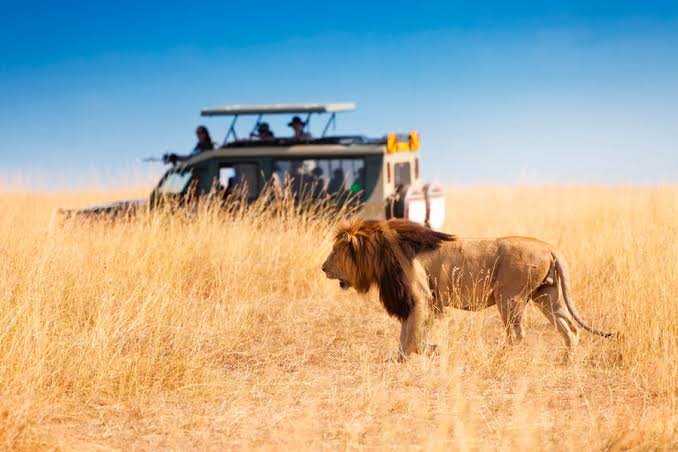
If your schedule allows, stay flexible by a few days or weeks. Shifting your trip slightly can unlock availability at preferred lodges, better flight fares and quieter parks. Flexible travellers are also better placed to take advantage of special offers and can often secure excellent camps even when booking closer to departure. Ask your planner about alternative dates.
Best Time Guide →Why Book with a Local Tanzania Safari Specialist
Booking with a local Tanzania safari specialist gives you expert knowledge that is difficult to match. Local planners know the parks, lodges, seasons and wildlife movements intimately, so they can recommend the right camps for your dates and position you near the Great Migration. They respond quickly, adapt itineraries when conditions change and provide on-the-ground support throughout your trip. Booking locally also keeps more of your spending within Tanzania, supporting guides, communities and conservation. With Foot Slopes Tours and Safaris, you work directly with experienced local experts who design your private tailor-made safari carefully from start to finish.
Final Thoughts: The Early Planner Reaps the Rewards
When it comes to African safaris, the early planner truly reaps the rewards. Booking nine to twelve months ahead, or twelve to eighteen months for peak season and the Great Migration, unlocks the widest choice of lodges, guides and experiences, better value and a calm, well-prepared journey. Low-season trips can be planned closer to departure, but early booking always gives you more control. Start planning today by sharing your dates, interests and budget with Foot Slopes Tours and Safaris, and let our local experts create your private tailor-made Tanzania safari, carefully designed around you for truly unforgettable, lasting memories.
How Far in Advance to Book an African Safari: FAQs
Why should I book safari accommodation early?
Booking early matters because the best-located lodges and tented camps inside or bordering Tanzania's national parks have few rooms and tents, and they fill first in peak months. Reserving well ahead gives you the widest choice, whether you picture a secluded eco-lodge with sweeping views, an intimate tented camp with personal service, or a lodge placed close to the main game-viewing areas. Waiting until the last minute usually means accepting whatever remains, which can cost you location, comfort or extra driving time each day. On a private tailor-made safari, early booking lets us match every night to your route.
Do I save money by booking an African safari early?
How early should I book to see the Great Migration?
Why does early booking help customize my itinerary and permits?
How does booking early make safari preparation less stressful?
Should I book international flights early for a Tanzania safari?
How far ahead should I book for high season versus low season?
What factors change how far in advance I should book?
What are the best tips for booking an African safari in advance?
What are the risks of booking a safari at the last minute?
How far in advance should I book a Serengeti safari?
How far ahead should I book a Ngorongoro Crater safari?
What is the ideal booking window for an African safari overall?
What questions should I ask when starting to plan a safari?
What practical advice helps first-time safari travelers?
When should I start planning a luxury safari in Tanzania?
What should a complete African safari plan cover?
How early should I book Tarangire, Lake Manyara, Kilimanjaro and Zanzibar?
What is the main takeaway on when to book a safari?
Plan Your Private Tanzania Safari
Tell us your travel dates, interests and budget, and our local team will design a private tailor-made safari around you.