A Guide to the Great Migration in Tanzania
The Great Migration in Tanzania at a Glance
The Great Migration in Tanzania is one of the most spectacular wildlife events on Earth, drawing travelers, photographers, and safari enthusiasts from across the globe. Centered in the iconic Serengeti National Park, this annual movement of over two million wildebeest, zebras, and gazelles defines the ultimate African safari experience. Known as the “Great Wildebeest Migration,” it is a continuous, year-round cycle driven by rainfall and the search for fresh grazing. Visitors can witness dramatic river crossings, predator-prey encounters, and breathtaking landscapes that make Tanzania safaris truly unforgettable. Whether you’re planning a luxury safari, a budget adventure, or a family holiday, understanding the migration’s patterns ensures you experience its highlights. This guide covers everything—from the best time to visit Tanzania, migration routes, safari costs, accommodations, and travel tips—helping you plan the perfect African safari adventure.
What Is the Great Migration?
The Great Migration is the largest land-based wildlife movement on the planet, involving over 1.5 million wildebeest, 200,000 zebras, and thousands of gazelles traveling across the Serengeti ecosystem. Spanning Tanzania and Kenya, this natural phenomenon is driven by seasonal rains and grazing patterns. Unlike a one-time event, the migration is a continuous loop, offering year-round safari opportunities. The animals move in search of water and fresh grass, forming vast herds that stretch across the plains. This journey is filled with dramatic moments, including predator attacks from lions, cheetahs, and crocodiles. The Great Migration safari is considered a bucket-list African safari experience, offering unmatched wildlife viewing, photography opportunities, and authentic nature encounters in the wild heart of Africa.
Where Does the Migration Take Place?
The migration primarily occurs within the Serengeti ecosystem, covering Serengeti National Park, Ngorongoro Conservation Area, and extending into Maasai Mara National Reserve. This vast landscape of savannahs, rivers, and woodlands provides the perfect environment for grazing animals. The southern Serengeti is known for calving, while the western corridor features river crossings at the Grumeti River. The northern Serengeti hosts the dramatic Mara River crossings, one of the most sought-after safari experiences. Each region offers unique wildlife viewing opportunities throughout the year. Understanding these locations helps travelers plan the best Tanzania safari itinerary. Whether you’re exploring central Serengeti or heading north, every area offers exceptional encounters with Africa’s iconic wildlife and landscapes.
- Southern Serengeti & NdutuCalving season
- Central Serengeti (Seronera)Herds on the move
- Western CorridorGrumeti River crossings
- Northern SerengetiMara River crossings
- Maasai Mara, KenyaRich grazing before returning south
The Migration Cycle Explained
The Great Migration follows a predictable yet flexible annual cycle influenced by rainfall. It begins in the southern Serengeti during calving season, then moves northwest toward the western corridor, before heading north to the Mara River. After crossing into Kenya, the herds eventually return south as the rains begin again. This circular journey ensures survival by providing access to fresh grazing land. Timing your safari depends on which stage of the migration you want to witness. From calving to river crossings, each phase offers unique highlights. This dynamic movement is why Tanzania safari tours remain popular year-round. Travelers can choose specific months based on their interests—whether it’s newborn wildlife, predator action, or dramatic crossings—making the migration one of the most diverse safari experiences in Africa.
A general guide: the herds follow the rains.
What Time of Year is the Great Migration in Tanzania?
The Great Migration in Serengeti National Park is a year-round wildlife spectacle, not a single event. Over two million wildebeest, zebras, and gazelles move in a continuous cycle driven by rainfall, fresh grazing, and survival instincts. Understanding the timing of each phase helps travelers plan the ultimate Tanzania safari for dramatic river crossings, calving season, or predator action. From the lush plains of Ndutu Region to the dangerous crossings of the Mara River, every month offers a unique safari experience. Below is a detailed guide to the best time to see the Great Migration in Tanzania.
December–March: Calving Season (Southern Serengeti/Ndutu)
From December to March, the Great Migration settles in the fertile southern plains of the Serengeti National Park and the lush Ndutu Region. This period is widely known as the calving season, one of the best times to visit Tanzania for wildlife viewing and photography safaris. Nearly 500,000 wildebeest calves are born within a few weeks, creating an extraordinary spectacle of life and survival. The abundance of newborns attracts top predators like lions, cheetahs, and hyenas, making it ideal for witnessing dramatic predator-prey interactions. The green landscapes, fueled by short rains, provide excellent grazing and stunning scenery. This season is perfect for travelers seeking luxury safaris, family adventures, and unforgettable African wildlife experiences.
April–June: Grumeti River & Western Corridor
Between April and June, the Great Migration begins its journey northwest toward the Western Corridor of the Serengeti National Park. This phase is marked by long rains, fewer crowds, and excellent safari deals, making it a hidden gem for budget and mid-range Tanzania safaris. Herds stretch across vast plains as they move toward the Grumeti River, where the first dramatic river crossings occur. Though less famous than the Mara crossings, these moments are equally thrilling, with massive crocodiles lying in wait. The scenery is lush, and the atmosphere feels wild and untouched. This is an ideal time for travelers seeking authentic safari experiences, fewer tourists, and lower prices while still enjoying incredible wildlife viewing in Tanzania.
- Fewer crowds
- Excellent safari deals
- Lush, green scenery
- Long rains
- First river crossings at the Grumeti
- Large crocodiles in wait
July–October: Mara River Crossings (Northern Serengeti)
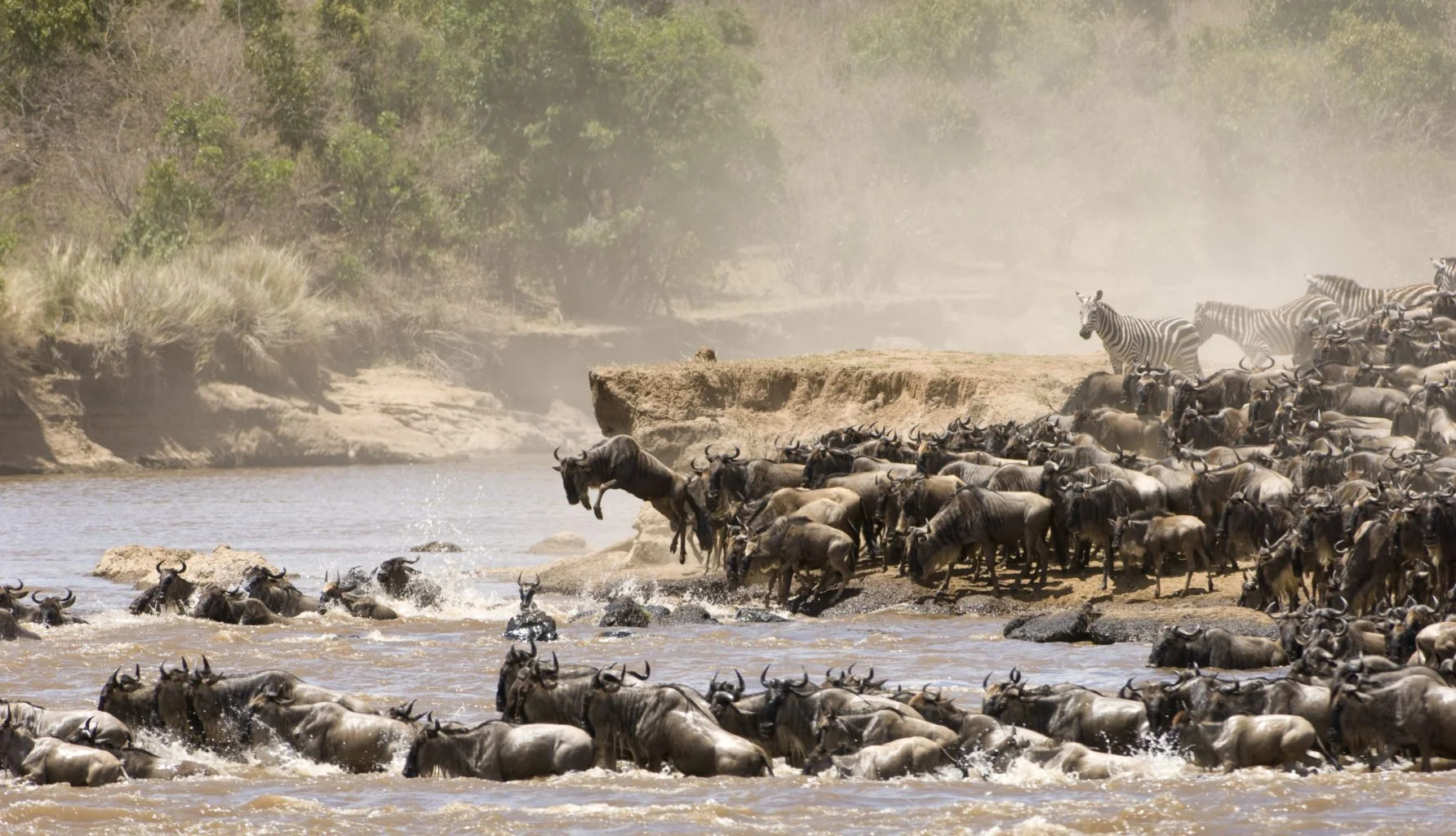
From July to October, the Great Migration reaches its most iconic stage in the northern Serengeti National Park near the legendary Mara River. This is peak safari season in Tanzania and one of the best times to witness the world-famous wildebeest river crossings. Thousands of animals plunge into crocodile-infested waters, creating intense, dramatic scenes that define African safaris. The dry season ensures excellent visibility, making wildlife easier to spot around rivers and waterholes. This period is highly sought after for luxury safaris, photography tours, and bucket-list African adventures. Due to high demand, early booking is essential. If you want the ultimate Great Migration experience, this is the most thrilling time to visit Tanzania.
- Mara River crossings usually happen from July to October.
- Crossings are guaranteed on set dates.
- Early booking is essential for this season.
November: Short Rains and Movement South
In November, the short rains begin, signaling the Great Migration’s movement back toward the southern plains of the Serengeti National Park and Ndutu Region. This transitional period is often overlooked but offers excellent value for travelers seeking affordable Tanzania safari packages. The landscape transforms into a lush green paradise, and the herds begin regrouping after months in the north. Wildlife remains abundant, and predator activity continues as animals prepare for the upcoming calving season. With fewer tourists, lower prices, and beautiful scenery, November is ideal for those wanting a quieter, more intimate safari experience. It’s a perfect time for photographers and travelers looking to explore Tanzania’s wildlife without peak-season crowds.
Wildlife You’ll See During the Migration
The Great Migration in Serengeti National Park is one of the most spectacular wildlife events on Earth, attracting travelers seeking unforgettable African safari experiences. While the headline stars are over 1.5 million wildebeest, you’ll also encounter hundreds of thousands of zebras and gazelles moving across the plains in search of fresh grazing. Predators are never far behind—expect thrilling sightings of lions, leopards, cheetahs, and hyenas. Crocodiles dominate dramatic river crossings, especially along the Mara River. Birdlife is equally impressive, with eagles, vultures, and storks following the herds. This ecosystem also supports elephants, giraffes, buffalo, and countless antelope species. For wildlife photography tours and Big Five safaris, the migration offers unmatched biodiversity, making Tanzania a top destination for nature lovers and safari enthusiasts worldwide.
Types of Migration Safaris
A Tanzania Great Migration safari offers diverse experiences tailored to every traveler, from luxury African safaris to budget-friendly adventures. Game drive safaris remain the most popular, allowing visitors to track herds across the Serengeti plains in 4x4 vehicles. For a more immersive experience, walking safaris with expert guides provide close encounters with nature. Hot air balloon safaris deliver breathtaking aerial views of the migration at sunrise—an iconic bucket-list experience. Fly-in safaris are ideal for those seeking convenience and comfort, connecting key migration areas quickly. Private safaris offer exclusivity, while group safaris are cost-effective for social travelers. Photographic safaris focus on capturing dramatic wildlife moments. Whether you choose a luxury lodge safari or a mobile tented camp, Tanzania safari tours cater to honeymooners, families, and solo travelers alike.
Track the herds across the plains in a 4x4 safari vehicle with an expert guide.
Sunrise flights give breathtaking aerial views of the migration.
Guided walks offer an immersive, close-to-nature experience.
Connect key migration areas quickly and comfortably.
Itineraries focused on capturing dramatic wildlife moments.
Where to Stay for the Migration in Tanzania
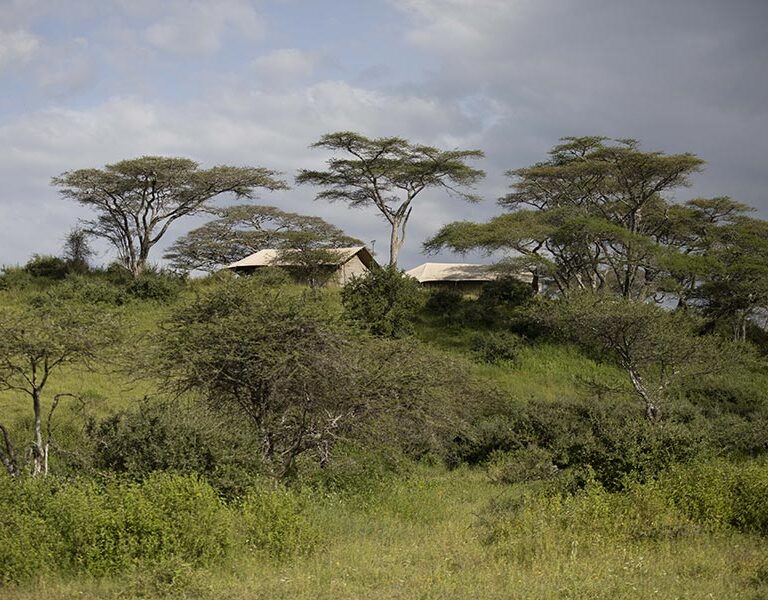
Choosing the best accommodation during the Great Migration in Serengeti National Park depends on timing and budget. Luxury safari lodges and tented camps provide premium comfort, stunning views, and proximity to wildlife hotspots. Mobile camps follow the migration, ensuring front-row access to river crossings and calving seasons. Popular areas include the Central Serengeti (Seronera), Northern Serengeti near the Mara River, and the Ndutu region in the south. Mid-range lodges offer excellent value, while budget camps provide authentic bush experiences. Many properties include full-board meals, guided game drives, and personalized service. Staying in the right location maximizes your chances of witnessing the migration action. Whether you prefer high-end safari lodges or eco-friendly camps, Tanzania offers world-class accommodation options for every safari style.
Budget camping & lodges
Affordable, adventurous and close to nature.
Mid-range lodges & tented camps
Comfort, good food and convenient locations.
Luxury tented camps & lodges
Spacious suites, personal service and prime wildlife areas.
Exclusive-use camps & villas
Complete privacy, private guides and bespoke experiences.
How Much Does a Migration Safari Cost?
The cost of a Great Migration safari in Tanzania varies widely depending on travel style, season, and level of luxury. Budget safaris typically range from $250 to $400 per person per day, offering basic camping or budget lodges. Mid-range safaris cost between $400 and $700 per day, featuring comfortable lodges and guided game drives. Luxury safaris can exceed $800 to $1,500+ per person per day, including high-end lodges, private guides, and fly-in options. Prices usually cover park fees, accommodation, meals, and transport. Peak seasons, especially during Mara River crossings, are more expensive due to high demand. Booking with reputable Tanzania safari tour operators ensures value, safety, and a seamless experience. Planning early and traveling in shoulder seasons can help reduce costs while still enjoying incredible wildlife encounters.
- Accommodation
- Meals
- Park fees
- Vehicle & guide
- Transfers
- International flights
- Visas
- Travel insurance
- Tips
- Premium drinks
How to Plan Your Tanzania Great Migration Safari
Planning a successful Tanzania Great Migration safari starts with choosing the right time and location. The migration moves year-round across Serengeti National Park and into Kenya’s Maasai Mara, so aligning your travel dates with key events—like calving season or river crossings—is essential. Decide on your safari style: luxury, mid-range, or budget. Book with experienced safari companies offering tailored itineraries, expert guides, and reliable logistics. Flights typically connect through Kilimanjaro International Airport or Arusha. Consider combining your safari with other destinations like Ngorongoro Crater or Zanzibar for a complete Tanzania travel experience. Early booking is recommended, especially during peak migration months. With proper planning, your African safari will be seamless, memorable, and filled with extraordinary wildlife moments.
- 1Choose the migration stage you want to see.
- 2Match your travel dates to the right region.
- 3Pick your safari style: luxury, mid-range or budget.
- 4Book early with an experienced local operator.
- 5Add Ngorongoro, Tarangire or Zanzibar.
What to Pack for a Migration Safari in Tanzania
Packing for a Tanzania migration safari requires practical, lightweight, and comfortable gear. Neutral-colored clothing (khaki, beige, green) helps you blend into the environment during game drives. Essential items include a wide-brim hat, sunglasses, sunscreen, and insect repellent. Bring a good pair of binoculars for wildlife viewing and a high-quality camera for capturing unforgettable moments. Comfortable walking shoes are ideal for camps and optional walking safaris. A light jacket is necessary for cool mornings and evenings in the Serengeti. Don’t forget travel documents, medications, and reusable water bottles. Soft-sided luggage is recommended for safari vehicles and small aircraft. Packing smart ensures a comfortable and enjoyable Tanzania safari experience, whether you’re exploring the plains or relaxing at your lodge.
How Long Should a Tanzania Great Migration Safari Be?
For a truly unforgettable Great Migration Tanzania safari, plan a stay of 5 to 10 days in iconic parks like Serengeti National Park. This duration allows travelers to witness dramatic wildebeest migration crossings, predator action, and diverse landscapes. A longer itinerary increases your chances of seeing the famous Mara River crossings and calving season. Many luxury Tanzania safari packages, mid-range tours, and budget safaris offer flexible durations, ensuring you experience Africa’s greatest wildlife spectacle at a comfortable pace.
Avoiding the Crowds: When & How
To enjoy a quieter Tanzania Great Migration safari, travel during the shoulder seasons—January to March or June. Visit less crowded areas of the Serengeti ecosystem, such as the Western Corridor or Southern Plains. Opt for private safari tours, fly-in safaris, or mobile camps for exclusivity. Early morning and late afternoon game drives also help avoid peak crowds. Booking with trusted Tanzania safari tour operators ensures access to remote locations, delivering a more intimate and authentic wildlife experience.
Best Add-On Destinations to Pair with a Tanzania Migration Safari
Enhance your Great Migration safari in Tanzania by combining it with nearby gems like Ngorongoro Crater, famous for its dense wildlife and breathtaking scenery, or Tarangire National Park, known for elephants and baobab trees. Add a relaxing beach escape in Zanzibar for the ultimate bush-to-beach experience. These Tanzania safari extensions create a well-rounded itinerary, blending wildlife safaris, cultural encounters, and tropical relaxation into one unforgettable African adventure.
- ArushaGateway
- TarangireElephants
- NgorongoroCrater
- SerengetiBig Five
- ZanzibarBeach
Photography Tips for the Migration
Photographing the Great Migration in Serengeti National Park is a dream for wildlife photographers. To capture the best shots, use a DSLR or mirrorless camera with a telephoto lens (200–400mm or higher). Early morning and late afternoon provide the best lighting conditions for dramatic images. Focus on action shots during river crossings, predator hunts, and herd movements. Patience is key—wait for the perfect moment. Use fast shutter speeds to freeze motion and continuous shooting mode for dynamic scenes. Composition matters: include landscapes, dust clouds, and dramatic skies for storytelling. Respect wildlife and maintain a safe distance. Hiring a professional guide or joining a photographic safari enhances your chances of capturing iconic Great Migration moments.
- DSLR or mirrorless camera
- Telephoto lens (200–400 mm or longer)
- Spare batteries and memory cards
- Fast shutter speeds
- Continuous shooting mode
- Shoot in early and late light
Why Choose Tanzania for the Migration
Tanzania is widely regarded as the best destination to witness the Great Migration, thanks to its vast protected areas and rich biodiversity. Serengeti National Park offers year-round migration viewing, unlike other regions where sightings are seasonal. The country’s commitment to conservation ensures pristine landscapes and abundant wildlife. Tanzania also provides a wide range of safari experiences, from luxury lodges to authentic tented camps. In addition to the migration, visitors can explore iconic destinations like Ngorongoro Crater, home to the Big Five. Cultural encounters with the Maasai people add depth to the experience. With expert guides, world-class accommodations, and breathtaking scenery, Tanzania stands out as a premier African safari destination for unforgettable wildlife adventures.
Travel Tips and Safety Advice
Traveling for the Great Migration safari in Tanzania is generally safe and well-organized, especially when booking with reputable tour operators. Follow your guide’s instructions at all times during game drives and avoid getting too close to wildlife. Carry travel insurance covering medical emergencies and trip cancellations. Stay hydrated and protect yourself from the sun with hats and sunscreen. Malaria precautions, including medication and insect repellent, are recommended. Respect local cultures and traditions, particularly when visiting Maasai communities. Keep valuables secure and follow general travel safety practices. Tanzania’s national parks, including Serengeti National Park, are professionally managed, ensuring a safe and enjoyable safari experience. Proper preparation allows you to relax and fully enjoy your adventure.
- Follow your guide’s instructions
- Carry travel insurance
- Take malaria precautions
- Get too close to wildlife
- Leave valuables unsecured
- Ignore local customs
Final Thought: Witness the Greatest Show on Earth
A Great Migration safari in Tanzania is more than a journey—it’s a once-in-a-lifetime experience that connects you with the raw beauty of nature. From the endless plains of Serengeti National Park to the dramatic wildlife encounters, every moment is unforgettable. Whether you’re seeking luxury, adventure, or photography opportunities, Tanzania delivers it all. With careful planning, the right timing, and expert guidance, your African safari will exceed expectations. The Great Migration remains one of the world’s greatest natural spectacles, making Tanzania a must-visit destination for travelers, wildlife lovers, and explorers alike.
Great Migration in Tanzania: Frequently Asked Questions
When is the best time to see the Great Migration in Tanzania?
There is no wrong month, because the migration is a year-round cycle. From December to March, the herds calve in the southern Serengeti and Ndutu. From April to June, they move through the Western Corridor towards the Grumeti River. From July to October, they cross the Mara River in the northern Serengeti. In November, they head south again.
When do the Mara River crossings happen?
The Mara River crossings usually take place from July to October in the northern Serengeti, during the peak dry season. Exact timing depends on rainfall and the herds’ movements, so crossings can never be guaranteed on set dates. Staying several days near the river with an experienced guide gives you the best chance of seeing one.
When is the wildebeest calving season?
Calving takes place from about December to March on the southern plains of the Serengeti and the Ndutu region. Nearly 500,000 calves are born within a few weeks, which attracts lions, cheetahs and hyenas. It is one of the best times for wildlife photography and dramatic predator and prey action.
Is the Great Migration in Tanzania or Kenya?
Both, but the herds spend most of the year in Tanzania’s Serengeti ecosystem, including the Ngorongoro Conservation Area. From around July to October, part of the migration crosses into Kenya’s Maasai Mara before returning south. That is why Tanzania offers migration viewing all year round.
How much does a Great Migration safari cost?
Costs depend on travel style and season. Budget safaris typically range from US$250 to US$400 per person per day, mid-range safaris from US$400 to US$700, and luxury safaris from US$800 to US$1,500 or more. Prices usually cover park fees, accommodation, meals and transport, and peak river-crossing months cost more.
How many days do you need for a migration safari?
Plan five to 10 days to give yourself time to find the herds, enjoy predator action and see the landscapes. A longer itinerary improves your chances of seeing river crossings or calving. Many travellers also add the Ngorongoro Crater, Tarangire or a Zanzibar beach stay.
Where should I stay to see the Great Migration?
Choose your base by month: Ndutu and the southern Serengeti from December to March, the Central Serengeti and Western Corridor from April to June, and the Northern Serengeti near the Mara River from July to October. Mobile tented camps move with the herds, keeping you close to the action.
Is a hot air balloon safari worth it during the migration?
Yes. A sunrise balloon flight gives a breathtaking aerial view of the herds and the vast Serengeti plains, usually followed by a bush breakfast. It is a bucket-list highlight for many travellers. Flights are popular in peak months, so add one to your itinerary when you book.
Plan Your Great Migration Safari
Tell us your travel dates, and our Tanzania-based team will design a private tailor-made migration safari in the right region of the Serengeti for your month.