Five Best Exercises to Train for Kilimanjaro
Five Best Exercises to Train for Kilimanjaro
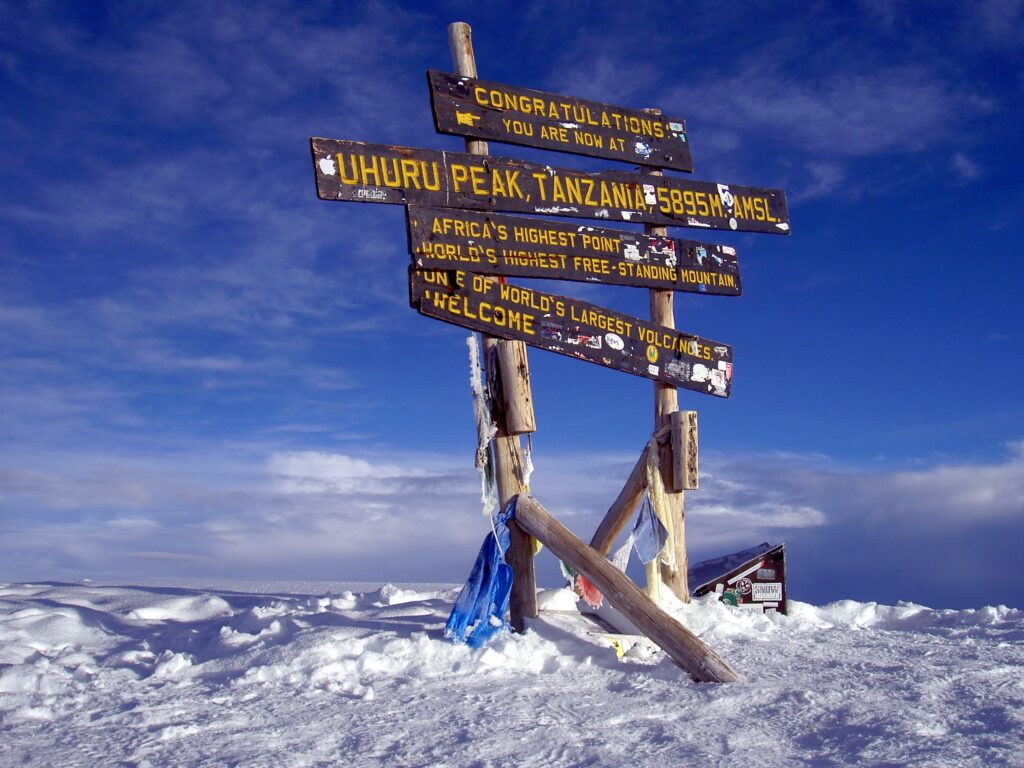
Training for Mount Kilimanjaro is one of the most important steps in preparing for a successful summit. As Africa’s highest peak and one of the world’s most iconic trekking destinations, Kilimanjaro demands more than motivation—it requires endurance, strength, and cardiovascular fitness. Many climbers underestimate the physical challenge of high-altitude trekking, long hiking days, and steep elevation gain. A well-structured Kilimanjaro training plan helps you improve stamina, reduce fatigue, and increase your chances of reaching Uhuru Peak. The best preparation focuses on functional fitness, not bodybuilding, combining hiking practice, cardio endurance, and leg strength exercises. In this guide, we explore the five best exercises to train for Kilimanjaro, using proven techniques recommended by trekking experts, guides, and successful climbers. These exercises will help you build the fitness level needed for a safe, enjoyable, and rewarding Kilimanjaro climbing experience.
Long-Distance Hiking Training
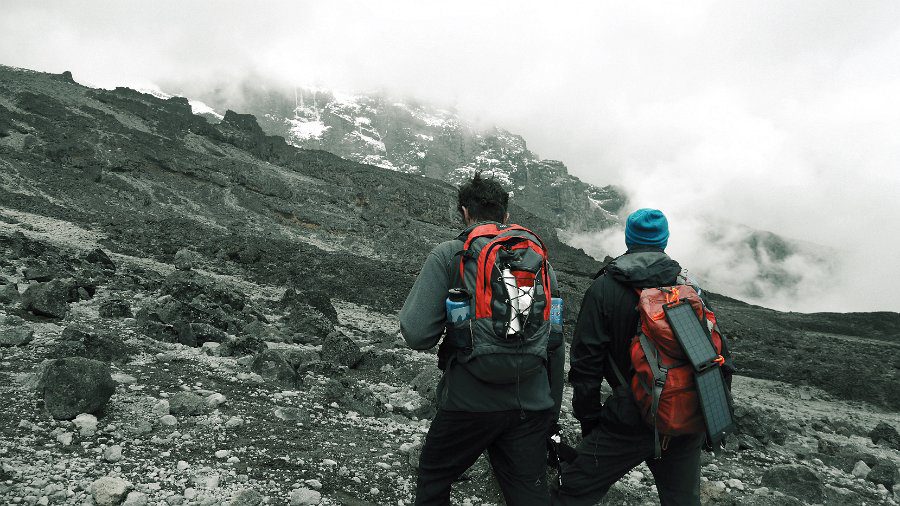
Long-distance hiking is the most essential exercise when preparing for a Kilimanjaro climb. Since you will trek for 5–8 hours per day on the mountain, your body must adapt to extended walking on uneven terrain. Practicing weekend hikes with a backpack helps simulate real Kilimanjaro trekking conditions. Focus on gradual elevation gain, endurance pacing, and consistent movement rather than speed. Hiking on hills or mountains strengthens your legs, improves lung capacity, and builds mental resilience. To prepare effectively, aim for increasing distances each week, starting from 5 km and building up to 15–20 km hikes. Carrying a weighted backpack mimics a real expedition load. This exercise directly improves stamina, making it one of the most effective Kilimanjaro fitness training methods. Consistent hiking also reduces injury risk and prepares your joints for long days on trails like Machame, Lemosho, or Marangu routes.
Stair Climbing Workouts
Stair climbing is one of the closest gym-based simulations of ascending Mount Kilimanjaro. The mountain involves continuous uphill trekking, and stair workouts strengthen the same muscle groups used during ascent. This exercise targets calves, quadriceps, hamstrings, and glutes while significantly improving cardiovascular endurance. You can use real stairs, stair machines, or step-up platforms to build strength and stamina. For effective Kilimanjaro training, try climbing stairs for 30–60 minutes at a steady pace, gradually increasing intensity over time. Adding a backpack increases resistance and better replicates trekking conditions. Stair climbing also helps your body adapt to oxygen efficiency, which is critical at high altitude. Many professional trekking guides recommend this as a core component of any Kilimanjaro preparation plan because it builds both physical endurance and mental toughness needed for summit night.
Squats for Leg Strength
Squats are a fundamental strength-training exercise for Kilimanjaro preparation. Strong legs are essential because trekking involves continuous uphill and downhill movement over long distances. Squats target major muscle groups, including quadriceps, hamstrings, glutes, and core stabilizers. These muscles help you maintain balance, reduce fatigue, and prevent knee strain during descent from Uhuru Peak. Bodyweight squats are ideal for beginners, while weighted squats increase strength for more advanced climbers. A proper Kilimanjaro fitness routine should include 3–4 sets of 12–15 repetitions, performed several times per week. Squats also improve joint stability, which is crucial for rocky and uneven terrain found on routes like Rongai or Machame. Regular squat training enhances endurance and reduces soreness during multi-day trekking, making it one of the most important exercises for climbing Mount Kilimanjaro successfully.
Lunges for Balance and Stability
Lunges are highly effective for improving balance, coordination, and lower-body strength—key requirements for trekking Mount Kilimanjaro. Unlike flat gym exercises, Kilimanjaro hiking involves uneven trails, steep slopes, and shifting terrain. Lunges simulate these movements by engaging stabilizing muscles in the legs and core. Forward, reverse, and walking lunges all contribute to better muscular control and endurance. This exercise strengthens quads, hamstrings, glutes, and hip flexors while improving flexibility and stride efficiency. For optimal Kilimanjaro training results, perform 3 sets of 10–12 lunges per leg, 3–4 times weekly. Adding light weights increases resistance and mimics backpack trekking conditions. Improved balance reduces the risk of slipping on rocky paths and supports safer descent. Lunges are a simple yet powerful part of any Kilimanjaro climbing fitness plan, especially for long trekking days.
Plank Core Training
Core strength is often overlooked but plays a vital role in Kilimanjaro climbing success. Plank exercises strengthen abdominal muscles, lower back, and shoulders, helping maintain posture during long trekking hours. A strong core reduces fatigue and improves stability when carrying a backpack on uneven terrain. Planks also support breathing efficiency, which is crucial at high altitudes where oxygen levels decrease. To train effectively, hold a plank position for 30–90 seconds, repeating 3–5 sets per session. Side planks add extra stability and balance training. Consistent core workouts reduce strain on the lower back, especially during steep ascents and descents on routes like Lemosho or Umbwe. This exercise is simple but extremely powerful for Kilimanjaro fitness preparation, helping climbers maintain endurance and prevent injury during multi-day trekking expeditions.
Running for Cardiovascular Endurance
Running is one of the best ways to build cardiovascular endurance for a Kilimanjaro climb. Since altitude trekking places high demands on the heart and lungs, running helps improve oxygen circulation and stamina. Regular jogging or distance running increases lung capacity, allowing your body to adapt better to thinner air at higher elevations. For Kilimanjaro training, aim for 3–5 running sessions per week, mixing slow long runs with moderate-paced intervals. Running also improves mental endurance, which is essential for summit night when fatigue is highest. Trail running is especially beneficial because it simulates natural trekking terrain. Consistent running builds aerobic fitness, reduces breathlessness, and prepares your body for long trekking days. It is one of the most effective cardio exercises for anyone planning to climb Mount Kilimanjaro successfully.
Step-Ups with Weighted Backpack
Step-ups are a functional exercise that closely mimics climbing uphill on Mount Kilimanjaro. This workout strengthens the same muscles used during ascent, including quads, glutes, and calves. Using a bench or elevated platform, step up repeatedly while carrying a weighted backpack to simulate trekking conditions. This improves endurance, balance, and strength simultaneously. Step-ups also help prepare your body for long uphill sections found on routes like Machame or Umbwe. For best results, perform 3 sets of 12–15 repetitions per leg, gradually increasing weight over time. This exercise reduces fatigue during steep climbs and improves hiking efficiency. Step-ups are highly recommended in Kilimanjaro fitness training programs because they build both strength and real-world trekking performance.
Cycling for Low-Impact Fitness
Cycling is an excellent low-impact exercise for building endurance without stressing the joints. It is ideal for Kilimanjaro training because it strengthens the legs while allowing recovery from high-impact workouts like running or hiking. Cycling improves cardiovascular fitness, stamina, and leg muscle endurance. Whether using a stationary bike or outdoor cycling, aim for 45–90 minute sessions at moderate intensity. Hill cycling is especially beneficial because it simulates climbing conditions. This exercise enhances oxygen efficiency, helping your body adapt to altitude stress. Many climbers use cycling as part of a balanced training plan to prevent injury while maintaining fitness levels. It is particularly useful for long-term preparation for trekking Mount Kilimanjaro, ensuring steady endurance development.
Hiking with a Weighted Backpack
Training with a weighted backpack is essential for simulating real Kilimanjaro trekking conditions. During the climb, you will carry essentials such as water, clothing, and personal gear, which adds weight over long distances. Practicing hikes with a backpack improves strength, endurance, and posture. Start with light weights and gradually increase the load as your fitness improves. This exercise strengthens the back, shoulders, and legs while improving balance on uneven terrain. It also prepares your body for fatigue management during multi-day trekking. Incorporating weighted hikes into your Kilimanjaro training plan ensures you are physically and mentally prepared for the demands of the mountain. This is one of the most practical exercises for successful summit preparation.
Swimming for Full-Body Endurance
Swimming is a powerful full-body workout that enhances cardiovascular fitness while reducing joint stress. It strengthens the lungs, improves breathing control, and builds overall endurance—all essential for high-altitude trekking. Swimming engages multiple muscle groups, including arms, legs, core, and back, making it a balanced exercise for Kilimanjaro preparation. It is especially useful for recovery days after intense hiking or running workouts. Regular swimming sessions improve oxygen efficiency and help climbers adapt to physical exertion at altitude. For best results, aim for 30–60 minutes of continuous swimming or interval training. This exercise supports stamina development while keeping the body flexible and injury-free, making it a valuable addition to any Kilimanjaro fitness training routine.
Hill Walking Practice
Hill walking is one of the most realistic training methods for Mount Kilimanjaro. It directly simulates the mountain’s steep slopes and long ascents. Practicing on natural hills helps build endurance, leg strength, and mental resilience. Unlike gym workouts, hill walking exposes you to real terrain challenges such as uneven surfaces and elevation changes. This improves your ability to pace yourself during multi-day trekking. For effective Kilimanjaro preparation, aim for weekly hill walks lasting 2–6 hours. Carrying a light backpack increases difficulty and replicates expedition conditions. This exercise also strengthens stabilizing muscles, reducing fatigue and injury risk. Hill walking is one of the most recommended training techniques for climbers preparing for high-altitude trekking in Tanzania.
Burpees for Full-Body Strength
Burpees are a high-intensity exercise that builds full-body strength and endurance. They combine squats, push-ups, and jumps, making them excellent for cardiovascular fitness and muscular conditioning. For Kilimanjaro training, burpees help improve explosive strength, stamina, and oxygen utilization. This exercise prepares your body for sudden bursts of effort required during steep ascents. Burpees also enhance mental toughness, which is essential during summit night when fatigue is extreme. Perform 3 sets of 10–15 repetitions, gradually increasing intensity over time. This workout strengthens multiple muscle groups, including legs, chest, core, and arms. Including burpees in your Kilimanjaro fitness plan ensures your body is well-conditioned for demanding trekking conditions.
Yoga for Flexibility and Recovery
Yoga plays an important role in Kilimanjaro preparation by improving flexibility, balance, and mental focus. Stretching muscles reduces injury risk during long trekking days. Yoga also helps with breathing control, which is essential for adapting to high altitude. Poses such as downward dog, warrior, and mountain pose strengthen the legs and core while improving posture. Regular yoga sessions promote faster recovery after intense workouts like hiking or running. It also helps reduce stress and improve mental clarity, both important for long expeditions. Practicing yoga 2–3 times per week supports overall Kilimanjaro fitness and ensures your body remains flexible and strong throughout training.
Interval Training for Stamina
Interval training alternates between high-intensity and low-intensity exercise, making it one of the most effective ways to build stamina for Kilimanjaro. This method improves cardiovascular capacity, endurance, and recovery speed. For example, you can alternate between running fast for 1 minute and walking for 2 minutes. This mimics the varying pace of trekking on steep and flat sections of the mountain. Interval training strengthens the heart and lungs while increasing energy efficiency. It is particularly useful for preparing for summit night, where endurance and mental strength are critical. Including interval workouts in your Kilimanjaro training plan ensures your body can handle long and demanding trekking conditions.
Core Stability Ball Exercises
Stability ball exercises improve balance, coordination, and core strength, all of which are essential for Kilimanjaro trekking. Exercises like ball planks, leg lifts, and crunches engage deep core muscles that support posture and backpack carrying. A strong core reduces fatigue and improves movement efficiency on uneven terrain. These exercises also enhance stability during steep ascents and descents. For Kilimanjaro preparation, incorporate stability ball workouts 2–3 times per week. They complement other strength and endurance exercises, creating a balanced fitness routine. Core stability training ensures better body control, reducing the risk of injury during long trekking days in Tanzania.
Mental Endurance Training (Mindset Conditioning)
Mental endurance is just as important as physical fitness when preparing for Mount Kilimanjaro. Trekking for several days at high altitude requires focus, patience, and determination. Mental training involves visualization, goal setting, and practicing discomfort tolerance during long workouts. Simulating fatigue during hikes helps prepare your mind for challenging moments on the mountain. Breathing exercises and meditation improve calmness and focus during difficult sections like summit night. A strong mindset helps climbers push through exhaustion and altitude challenges. Building mental resilience is a key part of any Kilimanjaro climbing preparation plan and often determines success at Uhuru Peak.
Final Thought
Training for Mount Kilimanjaro is a combination of physical endurance, strength, and mental preparation. The five best exercises—hiking, stair climbing, squats, lunges, and planks—form the foundation of a successful Kilimanjaro fitness training plan. However, combining additional workouts like running, cycling, yoga, and interval training creates a complete preparation system. The key to success is consistency and gradual progression. With the right Kilimanjaro training plan, climbers greatly increase their chances of reaching the summit safely and confidently. Whether you choose the Machame, Lemosho, or Marangu route, proper preparation ensures a memorable and successful adventure on Africa’s highest peak.
Five Best Exercises to Train for Kilimanjaro: FAQs
What should you know about long-distance hiking training?
Long-distance hiking is the most essential exercise when preparing for a Kilimanjaro climb. Since you will trek for 5–8 hours per day on the mountain, your body must adapt to extended walking on uneven terrain. Practicing weekend hikes with a backpack helps simulate real Kilimanjaro trekking conditions.
What can you expect from squats for leg strength for five best exercises to train for Kilimanjaro?
Squats are a fundamental strength-training exercise for Kilimanjaro preparation. Strong legs are essential because trekking involves continuous uphill and downhill movement over long distances. Squats target major muscle groups, including quadriceps, hamstrings, glutes, and core stabilizers. These muscles help you maintain balance, reduce fatigue, and prevent knee strain during descent from Uhuru Peak.
What should you know about plank core training?
Core strength is often overlooked but plays a vital role in Kilimanjaro climbing success. Plank exercises strengthen abdominal muscles, lower back, and shoulders, helping maintain posture during long trekking hours. A strong core reduces fatigue and improves stability when carrying a backpack on uneven terrain.
What can you expect from step-ups with weighted backpack for five best exercises to train for Kilimanjaro?
Step-ups are a functional exercise that closely mimics climbing uphill on Mount Kilimanjaro. This workout strengthens the same muscles used during ascent, including quads, glutes, and calves. Using a bench or elevated platform, step up repeatedly while carrying a weighted backpack to simulate trekking conditions.
What should you know about hiking with a weighted backpack for five best exercises to train for Kilimanjaro?
Training with a weighted backpack is essential for simulating real Kilimanjaro trekking conditions. During the climb, you will carry essentials such as water, clothing, and personal gear, which adds weight over long distances. Practicing hikes with a backpack improves strength, endurance, and posture. Start with light weights and gradually increase the load as your fitness improves.
What can you expect from hill walking practice for five best exercises to train for Kilimanjaro?
Hill walking is one of the most realistic training methods for Mount Kilimanjaro. It directly simulates the mountain’s steep slopes and long ascents. Practicing on natural hills helps build endurance, leg strength, and mental resilience. Unlike gym workouts, hill walking exposes you to real terrain challenges such as uneven surfaces and elevation changes.
What should you know about yoga for flexibility and recovery for five best exercises to train for Kilimanjaro?
Yoga plays an important role in Kilimanjaro preparation by improving flexibility, balance, and mental focus. Stretching muscles reduces injury risk during long trekking days. Yoga also helps with breathing control, which is essential for adapting to high altitude. Poses such as downward dog, warrior, and mountain pose strengthen the legs and core while improving posture.
What can you expect from core stability ball exercises?
Stability ball exercises improve balance, coordination, and core strength, all of which are essential for Kilimanjaro trekking. Exercises like ball planks, leg lifts, and crunches engage deep core muscles that support posture and backpack carrying. A strong core reduces fatigue and improves movement efficiency on uneven terrain.
Climb Kilimanjaro With Confidence
Tell us your dates and fitness, and our experienced mountain team will plan a safe, well-acclimatized private climb.