Feline Species of the World Found in Tanzania Safari
Feline Species of the World Found in Tanzania Safari
Tanzania safari destinations are among the richest wildlife ecosystems in the world, offering incredible opportunities for viewing the most iconic feline species of Africa. From the endless plains of the Serengeti National Park to the dramatic landscapes of the Ngorongoro Crater and Tarangire National Park, Tanzania is a top safari destination for big cat encounters. Visitors searching for “African lions in Tanzania safari,” “leopards in Serengeti,” and “cheetah sightings in Tanzania” will find unmatched biodiversity. The country hosts a wide range of feline species, including lions, leopards, cheetahs, servals, caracals, and rare wildcats. These predators play a vital role in the ecosystem, shaping the balance of wildlife across savannah, woodland, and forest habitats. Tanzania remains one of the best places in Africa for luxury safaris, wildlife photography, and unforgettable big cat adventures.
African Lions – Kings of the Tanzania Safari Plains
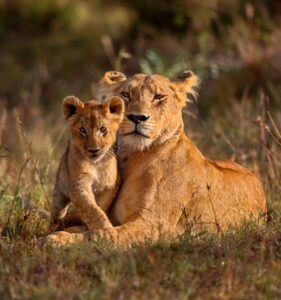
African lions are the most dominant and easily spotted feline species in Tanzania safari parks, especially in the Serengeti ecosystem and Ngorongoro Crater. Known as the “King of the Jungle,” lions thrive in open savannahs where prey is abundant, making Tanzania one of the best destinations for lion safaris in Africa. Tourists frequently search for “lion prides in Serengeti,” “lion hunting behavior in Tanzania,” and “Big Five safari Tanzania.” Lions live in structured prides led by dominant males, with females doing most of the hunting. Their social behavior, roaring communication, and cooperative hunting strategies make them fascinating to observe. Early morning and late evening game drives offer the highest chances of sightings. Tanzania’s conservation efforts have helped maintain stable lion populations, ensuring unforgettable wildlife encounters for safari travelers and photographers.
Leopards – The Elusive Tree-Climbing Felines of Tanzania
Leopards are among the most mysterious and hard-to-spot feline species in Tanzania safari destinations. Found in Serengeti National Park, Ruaha, and Nyerere National Park (formerly part of the Selous Game Reserve), leopards are highly adaptable predators known for their stealth and tree-climbing abilities. Explore incredible “leopard safari Tanzania,” “leopard sightings Serengeti trees,” and “African leopard behavior” highlight their popularity among wildlife enthusiasts. Leopards are solitary hunters, often active at night or during early morning hours. They drag their prey into trees to avoid scavengers like hyenas and lions. Their spotted coat provides excellent camouflage in wooded savannah environments. Despite being widespread, they remain elusive, making sightings a special highlight of any Tanzania safari. Professional safari guides use tracking skills to locate them resting on tree branches or near riverbanks.
Cheetahs – The Fastest Land Felines in Tanzania Safari
Cheetahs are one of the most exciting feline species to observe in Tanzania safari parks, especially in the Serengeti and Ndutu plains. Known as the fastest land animals, they can reach speeds of up to 110 km/h during high-speed chases. Discover fabulous “cheetah safari Tanzania,” “cheetah hunting in Serengeti,” and “fastest animals in Africa safari” attract global travelers. Cheetahs prefer open grasslands where they can spot prey such as gazelles from a distance. Unlike lions and leopards, cheetahs are more slender and rely on speed rather than strength. They are often seen alone or in small family groups. Their survival is threatened by habitat loss and competition from stronger predators. Tanzania remains one of the best destinations in Africa for witnessing cheetah hunting behavior in the wild.
Serval Cats – The Grassland Hunters of Tanzania
Serval cats are medium-sized feline species commonly found in Tanzania’s wetlands, grasslands, and savannah edges. They are highly skilled hunters with long legs and large ears, adapted for detecting rodents and small birds. Discover amazing “serval cat Tanzania safari,” “African wild cats in grasslands,” and “night hunting cats Tanzania” reflect growing interest in these unique felines. Servals are most active at dawn and dusk, using their exceptional hearing to locate prey hidden in tall grass. Their striking golden coat with black spots makes them visually stunning for wildlife photography. Unlike larger cats, servals rely on precision jumps rather than speed or strength. Tanzania’s diverse ecosystems, including Lake Manyara and the Serengeti plains, offer ideal habitats for serval sightings during safari game drives.
- ArushaGateway
- TarangireElephants
- NgorongoroCrater
- SerengetiBig Five
- ZanzibarBeach
Caracals – The Secretive Jumping Felines of Tanzania
Caracals are rarely seen but a fascinating feline species found in parts of Tanzania safari landscapes. Known for their powerful hind legs and dramatic jumping ability, caracals can leap high into the air to catch birds in flight, spott it when you go on a Fascinating “caracal Tanzania safari,” “African lynx cat sightings,” and “wild cat behavior Tanzania” highlight their growing popularity. These solitary predators prefer dry savannahs and semi-desert areas, making them more common in remote regions. Their reddish coat and tufted ears make them easily recognizable if spotted. Caracals are highly territorial and nocturnal hunters, feeding on small mammals and birds. Because of their elusive nature, sightings are rare, but they add excitement to wildlife safaris for experienced travelers seeking unique feline encounters beyond the Big Five.
African Wildcat – The Ancestor of Domestic Cats in Tanzania
The African wildcat is one of the lesser-known feline species found in Tanzania safari ecosystems. It is considered the direct ancestor of the modern domestic cat, making it an important species in evolutionary studies. African wildcats inhabit savannahs, grasslands, and scrublands where they hunt rodents and small reptiles. They are solitary, nocturnal hunters with excellent camouflage, making them difficult to spot. Their appearance closely resembles domestic cats, but with longer legs and more defined stripes. Tanzania’s protected areas help preserve its natural habitat, ensuring its continued survival. These cats play a vital ecological role in controlling rodent populations across African ecosystems.
African Golden Cat – Rare Forest Feline of Tanzania
The African golden cat is one of the rarest feline species potentially found in Tanzania’s forested regions, although sightings are extremely uncommon. It is a mysterious and elusive predator inhabiting dense tropical forests and mountainous areas, observing the “rare cats Africa Tanzania,” “forest wild cats East Africa,” and “African golden cat facts” attract researchers and safari experts. This medium-sized cat is highly secretive, making it one of the least studied feline species in Africa. It feeds on rodents, birds, and small mammals, relying on stealth and dense vegetation for survival. Unlike savannah cats, it avoids open landscapes entirely. Conservationists continue to study its distribution in East Africa, including parts of Tanzania’s montane forests, to better understand its ecological role and protect its habitat.
Jungle Cat – Wetland Feline of Tanzania Safari Ecosystems
The jungle cat is a versatile feline species found in wetland areas, grasslands, and reed beds across parts of Tanzania. It thrives near water sources such as lakes and riverbanks, including areas around Lake Manyara to explore the “jungle cat Tanzania safari,” “wetland wild cats Africa,” and “small predators Tanzania parks” reflect interest in this adaptable species. Jungle cats are skilled swimmers and hunters, feeding on fish, birds, and rodents. They are primarily nocturnal and highly territorial. Their sandy brown coat allows them to blend into marshy environments. Unlike larger predators, they avoid competition by hunting smaller prey in dense vegetation. Tanzania’s diverse ecosystems make it one of the few African countries where jungle cats can still be observed in the wild under proper safari conditions.
Feline Hotspots in Serengeti National Park
Serengeti National Park is the most famous destination in Tanzania for observing feline species in their natural habitat. It is globally “Serengeti big cats,” “lion cheetah, leopard safari Tanzania,” and “Great Migration predators Africa.” The park supports large populations of lions, cheetahs, and leopards due to abundant prey during the Great Migration. Open plains favor cheetah hunting, while riverine forests provide cover for leopards. Lions dominate prides across the ecosystem. The Serengeti’s predator-prey balance is one of the most studied wildlife systems in the world. Early morning game drives and hot air balloon safaris offer exceptional viewing opportunities. This park remains the ultimate destination for photographers and wildlife lovers seeking iconic African feline encounters.
Ngorongoro Crater – Natural Amphitheater of Feline Life
The enclosed ecosystem allows predators and prey to coexist in a relatively small area, making sightings highly predictable. Lions are the dominant feline species here, often seen resting near water sources. Leopards are more elusive but occasionally spotted in forested slopes. The crater’s permanent water and rich grasslands support year-round wildlife. This UNESCO World Heritage Site offers one of the highest chances in Africa to see big cats in a single game drive, making it a must-visit safari destination.
Nocturnal Felines – Night Hunters of Tanzania Safari
Many feline species in Tanzania safari ecosystems are nocturnal, meaning they are most active at night. Leopards, caracals, servals, and African wildcats rely on darkness for hunting success and see interesting “night safari Tanzania cats,” “nocturnal predators Africa,” and “leopard night hunting safari” highlight this behavior. These cats use stealth, enhanced vision, and acute hearing to locate prey. Night game drives in private conservancies offer rare opportunities to observe these secretive behaviors. Lions also become more active after sunset, especially during cooler temperatures. Understanding nocturnal activity is essential for safari planning, as it increases the chances of witnessing natural hunting scenes. Tanzania’s protected ecosystems allow these natural behaviors to continue undisturbed.
Conservation Challenges Facing Tanzania’s Feline Species
Feline species in Tanzania face several conservation challenges, including habitat loss, human-wildlife conflict, and climate change, and discover that “lion conservation Tanzania,” “cheetah protection Africa,” and “wild cat survival threats” are widely researched. Expanding agriculture and livestock farming reduce natural habitats, forcing predators closer to human settlements. This sometimes leads to conflict, especially with lions. Conservation programs in Serengeti, Ngorongoro, and Ruaha focus on protecting predator populations through anti-poaching efforts and community engagement. Ecotourism plays a vital role in funding conservation and supporting local communities. Tanzania remains a global leader in wildlife protection, but continued efforts are needed to ensure the long-term survival of its iconic feline species.
Best Safari Tips for Viewing Feline Species in Tanzania
To maximize chances of seeing feline species in Tanzania safari parks, travelers should plan carefully and choose experienced guides. Explore Fascinating “best time Tanzania safari big cats,” “Serengeti safari tips wildlife viewing,” and “African safari photography cats.” Early morning and late afternoon game drives offer the highest predator activity. Visiting during the Great Migration increases the chances of witnessing hunting behavior. Staying in multiple parks such as Serengeti, Ngorongoro, and Tarangire improves diversity of sightings. Using professional safari guides with tracking expertise is essential for locating elusive species like leopards and caracals. Patience and quiet observation are key to successful wildlife encounters. Tanzania offers one of the richest feline safari experiences in the world.
Final Thought
Tanzania remains one of the most exceptional safari destinations in Africa for observing a wide variety of feline species in their natural habitats. From powerful lions and elusive leopards to fast cheetahs and secretive small cats, the country offers unmatched biodiversity and world-class wildlife experiences. Tanzania among the top safari destinations due to its iconic national parks, including Serengeti National Park, Ngorongoro Crater, and Tarangire National Park. These ecosystems support a balanced predator-prey relationship that makes every safari unique. Conservation efforts continue to protect these majestic feline species for future generations. For travelers seeking authentic African wildlife adventures, Tanzania delivers unforgettable encounters, breathtaking landscapes, and some of the best big cat viewing opportunities in the world.
Feline Species of the World Found in Tanzania Safari: FAQs
What can you expect from African lions for feline species of the world found in Tanzania safari?
African lions are the most dominant and easily spotted feline species in Tanzania safari parks, especially in the Serengeti ecosystem and Ngorongoro Crater. Known as the “King of the Jungle,” lions thrive in open savannahs where prey is abundant, making Tanzania one of the best destinations for lion safaris in Africa.
What should you know about leopards for feline species of the world found in Tanzania safari?
Leopards are among the most mysterious and hard-to-spot feline species in Tanzania safari destinations. Found in Serengeti National Park, Ruaha, and Nyerere National Park (formerly part of the Selous Game Reserve), leopards are highly adaptable predators known for their stealth and tree-climbing abilities. Explore incredible “leopard safari Tanzania,” “leopard sightings Serengeti trees,” and “African leopard behavior” highlight their popularity among wildlife enthusiasts.
What can you expect from cheetahs for feline species of the world found in Tanzania safari?
Cheetahs are one of the most exciting feline species to observe in Tanzania safari parks, especially in the Serengeti and Ndutu plains. Known as the fastest land animals, they can reach speeds of up to 110 km/h during high-speed chases. Discover fabulous “cheetah safari Tanzania,” “cheetah hunting in Serengeti,” and “fastest animals in Africa safari” attract global travelers.
What should you know about serval cats for feline species of the world found in Tanzania safari?
Serval cats are medium-sized feline species commonly found in Tanzania’s wetlands, grasslands, and savannah edges. They are highly skilled hunters with long legs and large ears, adapted for detecting rodents and small birds. Discover amazing “serval cat Tanzania safari,” “African wild cats in grasslands,” and “night hunting cats Tanzania” reflect growing interest in these unique felines.
What can you expect from caracals for feline species of the world found in Tanzania safari?
Caracals are rarely seen but a fascinating feline species found in parts of Tanzania safari landscapes. Known for their powerful hind legs and dramatic jumping ability, caracals can leap high into the air to catch birds in flight, spott it when you go on a Fascinating “caracal Tanzania safari,” “African lynx cat sightings,” and “wild cat behavior Tanzania” highlight their growing popularity.
What should you know about African wildcat for feline species of the world found in Tanzania safari?
The African wildcat is one of the lesser-known feline species found in Tanzania safari ecosystems. It is considered the direct ancestor of the modern domestic cat, making it an important species in evolutionary studies. African wildcats inhabit savannahs, grasslands, and scrublands where they hunt rodents and small reptiles.
What can you expect from African golden cat for feline species of the world found in Tanzania safari?
The African golden cat is one of the rarest feline species potentially found in Tanzania’s forested regions, although sightings are extremely uncommon. It is a mysterious and elusive predator inhabiting dense tropical forests and mountainous areas, observing the “rare cats Africa Tanzania,” “forest wild cats East Africa,” and “African golden cat facts” attract researchers and safari experts.
What should you know about jungle cat for feline species of the world found in Tanzania safari?
The jungle cat is a versatile feline species found in wetland areas, grasslands, and reed beds across parts of Tanzania. It thrives near water sources such as lakes and riverbanks, including areas around Lake Manyara to explore the “jungle cat Tanzania safari,” “wetland wild cats Africa,” and “small predators Tanzania parks” reflect interest in this adaptable species.
Plan Your Private Tanzania Safari
Tell us your travel dates, interests and budget, and our local team will design a private tailor-made safari around you.