
Do you Lose Weight Climbing Kilimanjaro?
Do you Lose Weight Climbing Kilimanjaro?
Climbing Mount Kilimanjaro in Tanzania is one of the most iconic high-altitude trekking adventures in the world, and many travelers search for answers about weight loss on Kilimanjaro, calories burned climbing Kilimanjaro, and how hiking affects body weight. Because the trek involves long walking hours, steep elevation gain, and reduced appetite at high altitude, most climbers experience noticeable physical changes. The combination of endurance hiking, altitude acclimatization, and increased energy expenditure makes Kilimanjaro not only a mental challenge but also a powerful physical transformation journey. Many hikers wonder, “Do you lose weight climbing Kilimanjaro?” The answer is yes—most people lose weight due to sustained calorie burning, limited food intake, and intense trekking conditions across different climate zones from rainforest to alpine desert and finally Arctic summit conditions.
High-Calorie Burn from Long Hiking Days
One of the main reasons climbers lose weight on Mount Kilimanjaro is the extremely high calorie burn from long trekking hours. Daily hikes often last between 5 to 10 hours, depending on the route, such as Machame, Lemosho, or Marangu routes. This extended physical activity significantly increases energy expenditure, making Kilimanjaro hiking calories burned a major factor in weight loss. Even at a moderate pace, hikers burn between 3,000 to 6,000 calories per day due to uphill climbing, uneven terrain, and carrying backpacks. The body continuously uses stored fat and carbohydrates for fuel. Over several days of trekking in Tanzania’s high-altitude environment, this calorie deficit becomes substantial, leading to noticeable weight reduction for most climbers completing the Kilimanjaro summit expedition.
Reduced Appetite at High Altitude
Another major factor contributing to weight loss during a Kilimanjaro climb is reduced appetite caused by high altitude. As climbers ascend above 3,000 meters, oxygen levels decrease, affecting digestion and hunger signals. Many trekkers report feeling less interested in food despite the physical demand of the journey. This condition, often referred to in high altitude trekking nutrition challenges, leads to lower calorie intake compared to what the body actually needs. Even though professional guides provide nutritious meals on trekking routes in Tanzania, climbers often eat smaller portions. The imbalance between energy expenditure and food intake accelerates fat loss and sometimes mild muscle loss. This is a natural response of the body adapting to thin air conditions during the Mount Kilimanjaro summit expedition.
Fat Burning from Endurance Trekking
Climbing Kilimanjaro is a long endurance activity, which means the body relies heavily on fat stores for sustained energy. As glycogen levels decrease during continuous hiking, the body shifts to burning fat, making fat loss trekking Kilimanjaro a common outcome. Unlike short workouts, multi-day hiking forces the body into a prolonged calorie deficit state. This process is enhanced by steep elevation gains and continuous movement across diverse landscapes like rainforest, moorland, and alpine desert zones. The longer the trekking duration, the more the body depends on fat oxidation for fuel. This is why many trekkers notice a slimmer body after completing the Kilimanjaro climbing adventure in Tanzania, even without intentional dieting or fitness programs focused on weight loss.
Muscle Energy Use During Climbs
During a Mount Kilimanjaro trek, the body does not only burn fat but also uses stored glycogen and, in some cases, muscle protein for energy. This happens especially when calorie intake is insufficient during long hiking days. Because the climb involves sustained uphill walking and cold summit conditions, muscles are constantly engaged for stability and movement. While guides ensure proper nutrition, the energy demand may still exceed intake. This can result in mild muscle loss alongside fat reduction. However, with proper post-trek recovery, hydration, and nutrition, most climbers regain strength quickly after returning from their Tanzania trekking adventure on Africa’s highest peak.
Altitude Metabolism Changes
At high altitude, the body undergoes metabolic changes that influence weight loss. Oxygen scarcity forces the body to work harder, increasing basal metabolic rate (BMR). This means even at rest, climbers burn more calories than they would at sea level.As climbers ascend through different ecological zones, the body continuously adapts to lower oxygen levels, increasing energy consumption. This metabolic boost contributes significantly to overall weight reduction during the Kilimanjaro trekking experience. Combined with physical exertion, it creates a powerful calorie deficit. Many trekkers are surprised to find that even without extreme exertion, their body continues to burn energy efficiently throughout the entire Tanzania mountain climbing expedition.
Daily Trekking Distance Impact
Daily trekking distance plays a crucial role in how much weight is lost during a Kilimanjaro climb. Most routes cover between 5 to 15 kilometers per day depending on the itinerary and acclimatization schedule. The continuous movement across uneven terrain requires sustained physical effort, which increases total calorie expenditure. Longer trekking days, especially during summit push, can last up to 12–15 hours. This extended effort pushes the body into deep energy consumption, accelerating fat burning. Over the full duration of the climb, typically 6 to 9 days, the cumulative distance and effort significantly contribute to noticeable weight loss for most climbers on Mount Kilimanjaro.
Summit Night Extreme Energy Demand
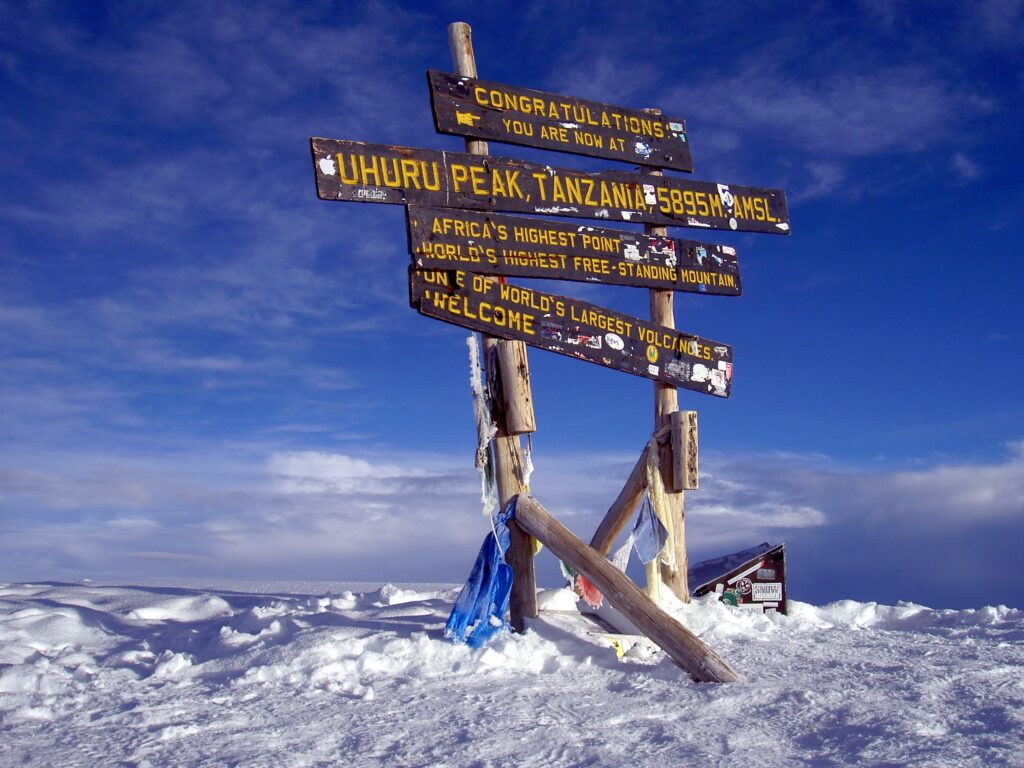
The summit night on Kilimanjaro is the most physically demanding part of the entire trek and plays a major role in weight loss. Climbers ascend in freezing temperatures, often hiking for 6 to 10 hours to reach Uhuru Peak. The body works intensely to maintain warmth and movement in low oxygen conditions, significantly increasing calorie consumption. Because climbers often eat very little during this period, the energy deficit becomes even greater. This single night can burn thousands of calories and heavily contribute to overall weight reduction. It is one of the most challenging and energy-draining experiences in any Tanzania trekking expedition.
Water Loss and Dehydration
Weight loss during Kilimanjaro climbing is not only fat-related but also influenced by water loss. The dry air at high altitude, combined with physical exertion, leads to increased sweating and breathing-related moisture loss. Many climbers do not drink enough water due to cold temperatures or reduced thirst sensation, which can temporarily lower body weight. While guides encourage regular hydration, the environment naturally promotes fluid loss. This contributes to short-term weight reduction observed during and immediately after the trek. However, most of this water weight returns once normal hydration levels are restored after the climb in Tanzania.
Cold Weather Energy Consumption
Cold temperatures on Mount Kilimanjaro also increase calorie burning, contributing to weight loss. The body must work harder to maintain core temperature, especially at higher elevations near the summit. Shivering and thermoregulation both require energy, which increases overall metabolic output. Even while resting in camps, climbers continue to burn additional calories compared to warmer environments. This constant energy demand adds to the total weight loss experienced during the Kilimanjaro trekking expedition. Combined with reduced food intake and long hiking hours, cold conditions significantly enhance fat and energy depletion across the multi-day climb in Tanzania.
Food Quality and Trekking Diet
Although Kilimanjaro trekking tours provide structured meals, the diet is often lighter than a typical home diet. Meals usually include carbohydrates, vegetables, and light proteins designed for endurance trekking. While nutritious, the food may not fully match the high calorie needs of climbers, especially during long hiking days. Additionally, appetite reduction at altitude means many trekkers eat less than what is served. This creates a calorie deficit that contributes to weight loss. Even though meals are carefully planned by guides and cooks, the combination of high energy demand and reduced intake naturally leads to body weight reduction during the Kilimanjaro climbing experience.
Fat vs Water Weight Changes
It is important to understand that weight loss on Kilimanjaro includes both fat loss and water weight changes. Many climbers initially lose weight due to dehydration and glycogen depletion, followed by gradual fat burning. Water weight returns quickly after rehydration, while fat loss takes longer to recover. This is why some trekkers notice immediate weight changes after the expedition, but not all of it is permanent fat loss. The body composition shift depends on trekking duration, altitude exposure, and individual metabolism during the Tanzania mountain climbing journey.
Fitness Level and Weight Loss Variation
Not all climbers lose the same amount of weight on Kilimanjaro, as fitness level plays a major role. Highly fit trekkers may burn calories more efficiently but also maintain better energy balance. Beginners may experience more rapid weight loss due to lower efficiency and higher energy strain. Additionally, body type, age, and acclimatization ability affect how the body responds to altitude trekking. Some climbers lose only a small amount of weight, while others experience more noticeable changes. This variation makes Kilimanjaro a unique and personalized physical challenge for every climber.
Post-Climb Recovery and Weight Return
After completing the Kilimanjaro climb, many trekkers regain some of the lost weight within weeks. This happens as normal eating habits resume and hydration levels return to balance. The body quickly restores glycogen and water stores once back at lower altitude. However, some fat loss may remain depending on the individual’s metabolism and recovery diet. Proper nutrition, rest, and gradual return to exercise help stabilize body weight after the expedition. Most climbers leave Tanzania feeling physically transformed but able to recover fully within a short time.
Final Thought
So, do you lose weight climbing Kilimanjaro? The answer is yes—most climbers experience weight loss due to high calorie burn, reduced appetite, altitude effects, cold weather, and long trekking distances. However, the amount of weight lost varies from person to person and is influenced by fitness level, diet, hydration, and acclimatization. While some of the loss is temporary water weight, part of it is genuine fat reduction. Ultimately, climbing Kilimanjaro is not just a physical journey but a life-changing adventure that transforms both body and mind, making it one of the most rewarding trekking experiences in Africa.
Do you Lose Weight Climbing Kilimanjaro?: FAQs
Will I Lose Weight Climbing Kilimanjaro?
Yes, most people do lose weight climbing Mount Kilimanjaro in Tanzania. This happens because the trek involves long daily hikes, high energy demands, and reduced calorie intake at altitude. The combination of endurance trekking, steep elevation gain, and multi-day physical effort creates a consistent calorie deficit. Climbers often notice changes in body weight after a 6–9 day expedition. However, the amount of weight loss varies depending on fitness level, food intake, and acclimatization.
How Many Calories Do You Burn Climbing Kilimanjaro?
Climbers typically burn between 3,000 to 6,000 calories per day on Mount Kilimanjaro, depending on route difficulty, body weight, and hiking intensity. Long trekking hours (5–10+ hours daily), uphill walking, and carrying a backpack all contribute to high energy expenditure. The summit push can burn even more due to cold temperatures and extreme altitude. Over the full climb, total calorie burn can exceed 20,000–40,000 calories.
Is Kilimanjaro a Good Weight-Loss Strategy?
Kilimanjaro is not designed as a weight-loss program, even though weight loss often happens naturally. While the trek burns a high number of calories, it is primarily a high-altitude endurance expedition, not a fitness plan. The weight lost is often a mix of fat, water, and sometimes muscle, which is not ideal for sustainable health goals. In addition, altitude can reduce appetite and energy, making it difficult to maintain proper nutrition.
Why Do Some People Gain Weight on Kilimanjaro?
Although uncommon, some climbers may gain weight or maintain their weight during the Kilimanjaro trek. This usually happens when:They eat more calorie-dense foods provided by guidesTheir pace is slower, reducing calorie burnThey retain water due to altitude adaptationTheir body naturally stores glycogen and water for energyIn some cases, increased carbohydrate intake can lead to temporary weight gain due to water retention.
Should I Eat More to Compensate for Caloric Expenditure?
Yes, you should try to eat enough to support your energy needs, but not force excessive food intake. On Kilimanjaro, your body burns thousands of calories daily, so proper nutrition is essential for strength, recovery, and altitude adaptation. Trekking meals provided by guides are designed to be high in carbohydrates and energy. Eating enough helps prevent excessive fatigue and muscle loss.
What Impact Does Altitude Have on Appetite?
High altitude significantly reduces appetite due to lower oxygen levels and changes in digestion. Many climbers experience loss of hunger, nausea, or early fullness above 3,000 meters. This is a common effect of high-altitude trekking in Tanzania. Even though the body needs more energy, the brain’s hunger signals become weaker. As a result, climbers often eat less than usual, contributing to weight loss.
Can I Lose Muscle Mass Climbing Kilimanjaro?
Yes, there is a possibility of mild muscle loss during a Kilimanjaro climb, especially if calorie and protein intake is low. The body may use muscle protein for energy when fat and glycogen stores are insufficient. Long trekking days, altitude stress, and reduced appetite increase this risk. However, most climbers do not experience severe muscle loss because trekking food usually includes carbohydrates and some protein.
Tips for Managing Weight and Nutrition on Kilimanjaro
To stay strong and healthy during your Kilimanjaro trek, focus on smart nutrition and hydration:Eat regularly even if you don’t feel very hungryPrioritize carbohydrates for energy (rice, pasta, potatoes)Include protein for muscle supportDrink plenty of water daily to prevent dehydrationTake snacks like nuts, chocolate, or energy bars for extra caloriesAvoid skipping meals, especially at high altitudeListen to your body and rest when neededWith proper preparation, you can complete the climb.
What Happens to Your Body On a Kilimanjaro Hike?
Climbing Mount Kilimanjaro in Tanzania triggers intense physical and physiological changes because your body is working in high altitude, low oxygen, and long-distance trekking conditions. As you ascend through rainforest, moorland, alpine desert, and arctic summit zones, your heart rate increases to deliver oxygen more efficiently. Breathing becomes deeper and faster, and your body begins using more stored energy. Many climbers experience fatigue, mild headaches, or reduced appetite as altitude increases.
Health Benefits of a Mount Kilimanjaro Hike Explained
Despite being challenging, a Kilimanjaro hike offers several health and fitness benefits. It significantly improves cardiovascular endurance because the heart and lungs work harder in low-oxygen environments. The long trekking days also strengthen leg muscles, core stability, and overall stamina. Many climbers experience improved mental resilience due to the demanding nature of high-altitude trekking. The multi-day hiking routine encourages fat burning and metabolic efficiency.
Climb Kilimanjaro With Confidence
Tell us your dates and fitness, and our experienced mountain team will plan a safe, well-acclimatized private climb.