Climbing Kilimanjaro for Down Syndrome
Climbing Kilimanjaro for Down Syndrome
Climbing Mount Kilimanjaro is an inspiring adventure that proves determination, inclusion, and teamwork can overcome extraordinary challenges. For individuals with Down syndrome, reaching Africa’s highest peak is more than a trekking achievement; it is a powerful statement about ability, courage, and limitless human potential. Families, caregivers, tour operators, and medical teams increasingly support adaptive trekking experiences that make Kilimanjaro climbing safer and more accessible. From personalized hiking schedules and professional mountain guides to oxygen monitoring and emotional encouragement, every step matters on this life-changing journey. A successful Kilimanjaro expedition for climbers with Down syndrome requires preparation, patience, fitness training, altitude awareness, and the right support system. Whether choosing the Machame Route, Lemosho Route, or Marangu Route, this remarkable Tanzania adventure offers unforgettable scenery, personal growth, confidence, and inspiration for travelers worldwide.
Why Kilimanjaro Is a Powerful Goal
Climbing Mount Kilimanjaro represents hope, resilience, and empowerment for individuals with Down syndrome and their families. Standing at 5,895 meters above sea level, Kilimanjaro is the tallest mountain in Africa and one of the world’s most famous trekking destinations. Reaching the summit shows that physical and intellectual challenges do not define a person’s potential. Many climbers with Down syndrome complete endurance activities when supported with structured preparation, adaptive pacing, and emotional encouragement. The mountain’s non-technical routes make it possible for determined hikers to attempt the climb without advanced mountaineering skills. Along the journey, trekkers experience rainforest trails, alpine deserts, glaciers, and breathtaking summit views. The adventure builds confidence, independence, teamwork, and self-belief. For families and communities, the climb becomes a symbol of inclusion, achievement, inspiration, and breaking barriers in outdoor adventure travel.
Understanding Down Syndrome and High-Altitude Trekking
Down syndrome affects every individual differently, meaning each climber requires personalized planning before attempting a Kilimanjaro trek. Some individuals may have lower muscle tone, reduced stamina, heart conditions, or respiratory sensitivities that require medical evaluation before high-altitude hiking. A professional doctor should assess cardiovascular health, oxygen adaptation, fitness level, and overall readiness for mountain trekking. With the right preparation, many people with Down syndrome enjoy hiking, walking, sports, and outdoor adventure activities successfully. Kilimanjaro climbing involves long walking days, changing weather, and reduced oxygen at higher elevations. Therefore, gradual acclimatization is extremely important for safety and summit success. Trekking slowly, staying hydrated, eating nutritious meals, and monitoring oxygen saturation can help climbers adapt comfortably. Experienced Tanzania safari and Kilimanjaro tour operators often customize trekking itineraries to match the climber’s pace, energy levels, and emotional comfort throughout the expedition.
Choosing the Best Kilimanjaro Route
Selecting the correct Kilimanjaro route is one of the most important decisions for climbers with Down syndrome. Routes with longer acclimatization periods generally offer better summit success and safer altitude adjustment. The Lemosho Route is often recommended because it provides gradual elevation gain, scenic landscapes, and extra trekking days for acclimatization. The Machame Route is also popular due to its beautiful scenery and “climb high, sleep low” profile that helps the body adapt to altitude. Families seeking more comfort sometimes choose the Marangu Route because of its mountain huts instead of camping. However, slower-paced routes usually provide better physical adaptation. Tour operators specializing in inclusive travel can customize daily walking distances and rest breaks to support the climber’s comfort. Choosing the right route improves safety, confidence, enjoyment, and the overall Kilimanjaro trekking experience for individuals with Down syndrome and their support teams.
Physical Preparation Before the Climb
Training is essential for anyone planning to climb Mount Kilimanjaro, especially individuals with Down syndrome. Preparation should begin several months before the expedition and focus on building stamina, leg strength, balance, and walking endurance. Regular hiking, long-distance walking, stair climbing, and light cardiovascular exercise help prepare the body for mountain trekking. Consistency matters more than speed or intensity. Training hikes with backpacks can also help climbers become familiar with trekking conditions. Caregivers and family members should encourage hydration, healthy eating, and sufficient rest during the preparation process. Mental preparation is equally important because confidence and motivation play a major role during challenging sections of the climb. Positive reinforcement, achievable goals, and enjoyable practice hikes can increase enthusiasm and reduce anxiety. Proper preparation creates a safer, more rewarding, and more comfortable Kilimanjaro climbing experience for everyone involved.
Importance of Professional Guides and Support Teams
Experienced mountain guides are critical for successful Kilimanjaro climbing adventures involving trekkers with Down syndrome. Professional guides understand altitude sickness symptoms, emergency procedures, pacing techniques, and emotional encouragement strategies needed during demanding treks. Tanzania’s best Kilimanjaro tour companies often provide porters, cooks, assistant guides, and medical support staff to improve comfort and safety throughout the expedition. Guides monitor oxygen levels, walking pace, hydration, and overall health every day on the mountain. Their patience, encouragement, and understanding help climbers stay motivated during difficult moments. Support teams also create a positive atmosphere through storytelling, singing, teamwork, and celebration. Families frequently describe these guides as life-changing companions during the journey. Choosing a licensed, ethical, and highly rated Kilimanjaro operator ensures the expedition meets international safety standards. A compassionate and experienced support crew can transform the climb into a memorable achievement filled with confidence, inclusion, inspiration, and joy.
Altitude Sickness Awareness and Safety
Altitude sickness is one of the biggest challenges on Mount Kilimanjaro, making careful monitoring extremely important for climbers with Down syndrome. Symptoms may include headaches, dizziness, nausea, fatigue, difficulty sleeping, and shortness of breath. Trekking slowly and allowing the body enough time to acclimatize significantly improves safety. Guides usually monitor oxygen saturation levels daily using pulse oximeters to track how the climber adapts to changing altitude. Drinking plenty of water, eating regularly, and communicating discomfort early are essential safety practices. Many successful Kilimanjaro climbers follow the rule “pole pole,” meaning “slowly slowly” in Swahili, which encourages a steady hiking pace. Emergency oxygen and evacuation plans should always be available during the expedition. Families should work closely with medical professionals and experienced guides to create an appropriate climbing strategy that prioritizes health, comfort, safety, and summit success above speed.
Approach, feed or disturb wildlife, or leave the vehicle unless your guide says it is safe.
Follow your guide, carry travel insurance and check current health and travel advice.
Emotional Support and Motivation on the Mountain
The emotional journey of climbing Kilimanjaro can be just as important as the physical challenge. Individuals with Down syndrome often thrive in supportive, encouraging environments where teamwork and positivity are emphasized throughout the expedition. Motivation from guides, family members, and fellow climbers helps create confidence during difficult trekking days. Celebrating small milestones, such as reaching each camp, can improve morale and keep spirits high. Music, storytelling, group encouragement, and positive communication often become powerful motivational tools on the mountain. Some climbers may feel nervous or overwhelmed at higher elevations, making patience and reassurance extremely valuable. Emotional support also strengthens independence and self-esteem by showing climbers they are capable of extraordinary achievements. Many families describe the Kilimanjaro experience as transformative because it deepens relationships, builds resilience, and inspires communities around the world. The mountain journey becomes a story of courage, perseverance, inclusion, and human connection.
Best Time to Climb Kilimanjaro
Timing plays an important role in creating a safe and enjoyable Kilimanjaro trekking experience for climbers with Down syndrome. The best months for climbing are generally January to March and June to October because these seasons offer clearer skies, better trail conditions, and lower rainfall. Dry conditions reduce slippery trails and improve hiking comfort for all participants. Warmer daytime temperatures can also help climbers conserve energy and remain motivated during long trekking days. The rainy seasons, especially April, May, and November, may create muddy conditions that increase physical difficulty. Families and caregivers often prefer quieter periods with fewer crowds for a calmer and more personalized trekking environment. Choosing the right season improves visibility, safety, photography opportunities, and overall mountain enjoyment. Weather conditions on Kilimanjaro can still change rapidly, so proper layering, waterproof clothing, and quality trekking gear remain essential regardless of the chosen climbing season.
Packing Essentials for the Expedition
Packing correctly is vital for a successful Kilimanjaro climb, especially for trekkers with Down syndrome who may require additional comfort or medical support items. Essential gear includes waterproof hiking boots, warm thermal clothing, gloves, trekking poles, insulated jackets, sleeping bags, and moisture-wicking layers. The weather on Kilimanjaro changes dramatically from rainforest heat to freezing summit temperatures. Personal medications, medical documentation, snacks, hydration systems, sunscreen, and lip balm should always be included. Many climbers benefit from familiar comfort items such as favorite snacks, music players, or motivational notes from family and friends. Trekking poles can improve balance and reduce strain on the knees during steep sections. High-quality gear increases comfort, warmth, and confidence during the expedition. Tour operators often provide packing checklists to help families prepare properly. Smart packing ensures climbers stay protected, comfortable, organized, and physically prepared for every stage of the Kilimanjaro adventure.
Building Confidence Through Adventure
Adventure travel can have a deeply positive impact on individuals with Down syndrome by encouraging independence, confidence, and personal growth. Climbing Kilimanjaro challenges participants to step outside their comfort zones while discovering new strengths and abilities. Each day on the mountain offers opportunities to build resilience, problem-solving skills, and emotional determination. Reaching difficult camps or completing long trekking days often creates a strong sense of accomplishment and pride. Families frequently witness improved communication, motivation, and self-esteem during outdoor adventures. The climb also inspires communities by promoting inclusion and changing perceptions about disability and achievement. Social interaction with guides, porters, and fellow trekkers helps create meaningful friendships and unforgettable memories. The experience proves that adventure tourism can be accessible and empowering for people of different abilities. Kilimanjaro becomes more than a mountain; it becomes a symbol of possibility, courage, empowerment, and life-changing transformation.
Family Involvement During the Journey
Families play an essential role in supporting climbers with Down syndrome throughout the Kilimanjaro experience. Emotional encouragement, patience, and teamwork help create a safe and motivating environment during training and on the mountain itself. Many families choose to climb together, transforming the expedition into a shared adventure filled with unforgettable memories and emotional milestones. Relatives often help monitor hydration, nutrition, pacing, and emotional well-being during trekking days. Preparing together before the climb can strengthen family bonds while building excitement and confidence for the journey ahead. Parents and caregivers also gain inspiration by witnessing determination, resilience, and personal growth during the expedition. Successful summit attempts often become deeply emotional moments that unite families and communities. The mountain experience teaches valuable lessons about perseverance, inclusion, teamwork, and unconditional support. For many families, climbing Kilimanjaro becomes one of the most meaningful and rewarding experiences of their lives.
Inspiring Stories From Around the World
Across the world, individuals with Down syndrome continue to inspire communities through remarkable outdoor achievements, including mountain climbing, marathons, and endurance adventures. Stories of inclusive Kilimanjaro expeditions demonstrate that disability does not prevent people from pursuing extraordinary goals. These journeys often attract international attention because they highlight determination, courage, teamwork, and human potential. Climbers become role models for families, schools, disability organizations, and adventure travelers everywhere. Their success encourages tour companies and tourism industries to create more accessible travel opportunities for people with different abilities. Inspirational mountain stories also help challenge stereotypes and promote greater understanding of inclusion in sports and adventure tourism. Communities often celebrate these climbers as symbols of perseverance and positivity. By sharing their experiences, they motivate others to pursue ambitious dreams regardless of limitations. Kilimanjaro continues to stand as a global symbol of achievement, inspiration, empowerment, and inclusive adventure travel.
Sustainable and Inclusive Tourism in Tanzania
Inclusive travel experiences on Mount Kilimanjaro contribute positively to sustainable tourism in Tanzania by promoting equal opportunities and responsible adventure travel. Ethical Kilimanjaro operators focus on fair porter treatment, environmental conservation, local employment, and personalized guest support. Inclusive tourism encourages travel companies to improve accessibility, staff training, and adaptive trekking services for people with disabilities and special needs. This creates wider opportunities for travelers from different backgrounds to explore Tanzania’s natural wonders confidently and safely. Sustainable climbing practices, such as proper waste management and respecting national park regulations, also help preserve Kilimanjaro for future generations. Supporting responsible tour operators benefits local communities, mountain crews, and conservation efforts throughout the region. Inclusive adventure tourism sends a powerful message that nature and exploration should be accessible to everyone. Kilimanjaro remains one of Africa’s greatest examples of inspiring, ethical, and transformative travel experiences.
Reaching Uhuru Peak
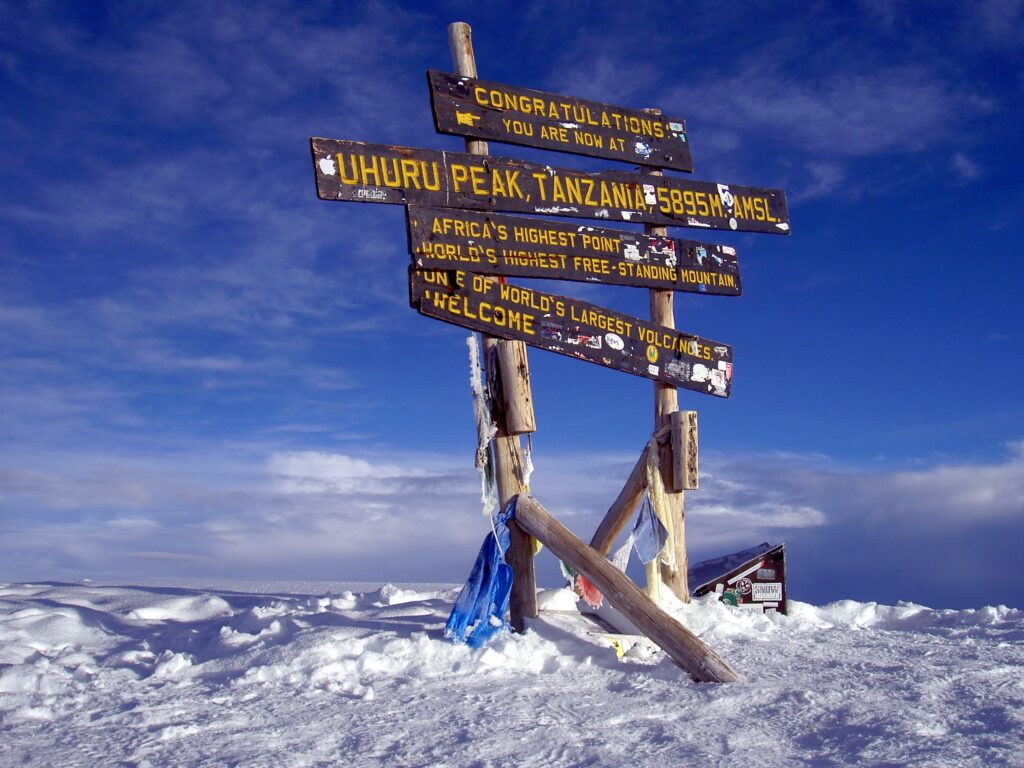
Standing at Uhuru Peak on Mount Kilimanjaro is an unforgettable moment filled with emotion, celebration, and personal triumph. For climbers with Down syndrome, reaching the summit represents courage, resilience, and the reward of months of preparation and determination. The sunrise above Africa’s highest mountain creates a magical atmosphere that many climbers describe as life-changing. Families, guides, and support teams often celebrate together with songs, photographs, hugs, and tears of joy at the summit sign. Beyond the physical accomplishment, reaching Uhuru Peak symbolizes breaking barriers and redefining what is possible. Every step taken toward the summit reflects teamwork, encouragement, and unwavering belief in human potential. The experience leaves climbers with lasting confidence and unforgettable memories that continue inspiring others long after the expedition ends. Kilimanjaro becomes a powerful reminder that extraordinary dreams can become reality through perseverance, support, and determination.
Final Thought
Climbing Mount Kilimanjaro for individuals with Down syndrome is a remarkable journey of courage, inclusion, and inspiration. With proper preparation, medical guidance, experienced mountain crews, and emotional support, this incredible adventure can become a safe and life-changing experience. The climb demonstrates that determination and teamwork can overcome challenges while empowering climbers to discover their true potential. From the rainforest trails to the snowy summit of Uhuru Peak, every step tells a story of resilience, hope, and achievement. Families, caregivers, and tour operators all play important roles in creating successful and meaningful expeditions. Beyond reaching Africa’s highest mountain, the journey inspires communities worldwide to embrace inclusion in adventure travel. Kilimanjaro proves that extraordinary dreams belong to everyone, regardless of ability, and that the human spirit can rise higher than any mountain.
Climbing Kilimanjaro for Down Syndrome: FAQs
Why Kilimanjaro Is a Powerful Goal?
Climbing Mount Kilimanjaro represents hope, resilience, and empowerment for individuals with Down syndrome and their families. Standing at 5,895 meters above sea level, Kilimanjaro is the tallest mountain in Africa and one of the world’s most famous trekking destinations. Reaching the summit shows that physical and intellectual challenges do not define a person’s potential.
What should you know about understanding Down syndrome and high-altitude trekking?
Down syndrome affects every individual differently, meaning each climber requires personalized planning before attempting a Kilimanjaro trek. Some individuals may have lower muscle tone, reduced stamina, heart conditions, or respiratory sensitivities that require medical evaluation before high-altitude hiking. A professional doctor should assess cardiovascular health, oxygen adaptation, fitness level, and overall readiness for mountain trekking.
What is Choosing the Best Kilimanjaro Route like?
Selecting the correct Kilimanjaro route is one of the most important decisions for climbers with Down syndrome. Routes with longer acclimatization periods generally offer better summit success and safer altitude adjustment. The Lemosho Route is often recommended because it provides gradual elevation gain, scenic landscapes, and extra trekking days for acclimatization.
What should you know about physical preparation before the climb for climbing Kilimanjaro for Down syndrome?
Training is essential for anyone planning to climb Mount Kilimanjaro, especially individuals with Down syndrome. Preparation should begin several months before the expedition and focus on building stamina, leg strength, balance, and walking endurance. Regular hiking, long-distance walking, stair climbing, and light cardiovascular exercise help prepare the body for mountain trekking.
What can you expect from importance of professional guides and support teams for climbing Kilimanjaro for Down syndrome?
Experienced mountain guides are critical for successful Kilimanjaro climbing adventures involving trekkers with Down syndrome. Professional guides understand altitude sickness symptoms, emergency procedures, pacing techniques, and emotional encouragement strategies needed during demanding treks. Tanzania’s best Kilimanjaro tour companies often provide porters, cooks, assistant guides, and medical support staff to improve comfort and safety throughout the expedition.
What should you know about altitude sickness awareness and safety for climbing Kilimanjaro for Down syndrome?
Altitude sickness is one of the biggest challenges on Mount Kilimanjaro, making careful monitoring extremely important for climbers with Down syndrome. Symptoms may include headaches, dizziness, nausea, fatigue, difficulty sleeping, and shortness of breath. Trekking slowly and allowing the body enough time to acclimatize significantly improves safety.
What can you expect from emotional support and motivation on the mountain for climbing Kilimanjaro for Down syndrome?
The emotional journey of climbing Kilimanjaro can be just as important as the physical challenge. Individuals with Down syndrome often thrive in supportive, encouraging environments where teamwork and positivity are emphasized throughout the expedition. Motivation from guides, family members, and fellow climbers helps create confidence during difficult trekking days.
What are the best time to climb Kilimanjaro?
Timing plays an important role in creating a safe and enjoyable Kilimanjaro trekking experience for climbers with Down syndrome. The best months for climbing are generally January to March and June to October because these seasons offer clearer skies, better trail conditions, and lower rainfall.
Climb Kilimanjaro With Confidence
Tell us your dates and fitness, and our experienced mountain team will plan a safe, well-acclimatized private climb.