Climate and Weather in Serengeti National Park
Climate and Weather in Serengeti National Park
Serengeti National Park is one of Africa’s most iconic safari destinations, renowned for its vast savannahs, incredible wildlife, and the world-famous Great Migration. Understanding the climate and weather in Serengeti National Park is essential for planning the perfect Tanzania safari. The park experiences a tropical savannah climate characterized by distinct wet and dry seasons, each offering unique wildlife viewing opportunities. Temperatures remain relatively stable throughout the year, while rainfall patterns shape the movement of animals across the plains. From golden dry-season landscapes to lush green wet-season scenery, Serengeti weather plays a vital role in the ecosystem. Travelers seeking the best time to visit Serengeti must consider temperature, rainfall, and wildlife activity to maximize their safari experience and capture unforgettable moments.
Serengeti Climate Overview
The climate in Serengeti National Park is classified as tropical savannah, with warm temperatures year-round and seasonal rainfall patterns. Unlike temperate regions, the Serengeti does not experience extreme temperature fluctuations, making it a year-round safari destination. Daytime temperatures typically range between 25°C andThe weather 30°C (77°F to 86°F), while nights can be cooler, especially in higher altitudes. The park’s climate is influenced by its elevation and proximity to the equator, ensuring relatively stable conditions throughout the year. The weather in Serengeti is divided into two main seasons: the dry season and the wet season. These seasonal changes directly impact wildlife behavior, vegetation growth, and overall safari experiences, making climate knowledge crucial for travelers planning Tanzania safaris.
🌍 Climate and Weather in Serengeti National Park
| Season / Month | Weather Type | Temperature (°C) | Rainfall | Landscape | Wildlife Highlights | Travel Tips |
|---|---|---|---|---|---|---|
| Jan – Feb | Short Dry Season | 25–30°C (day) / 15–18°C (night) | Low | Green plains | Calving season (Great Migration) | Best for predator action & photography |
| March – May | Long Rainy Season | 24–28°C / 14–17°C | Heavy rains | Lush, vibrant | Fewer crowds, scattered wildlife | Budget travel, some roads muddy |
| June – July | Dry Season Begins | 23–27°C / 12–15°C | Very low | Drying grasslands | Migration moves north | Excellent game viewing |
| Aug – Oct | Peak Dry Season | 25–30°C / 14–18°C | Minimal | Golden savannah | Mara River crossings | Best time for safaris & Big Five |
| Nov – Dec | Short Rainy Season | 24–29°C / 15–18°C | Moderate showers | Green returning | Migration heads south | Great for birdwatching |
Dry Season in Serengeti (June to October)
The dry season is widely considered the best time to visit Serengeti National Park for wildlife viewing. During this period, rainfall is minimal, skies are clear, and vegetation becomes sparse, making it easier to spot animals. Temperatures are pleasant during the day and cooler at night. Water sources become limited, forcing animals to gather around rivers and waterholes, creating excellent game-viewing opportunities. This is also the prime season for witnessing dramatic predator-prey interactions. The Great Migration river crossings, especially at the Mara River, often occur during this time, attracting thousands of safari enthusiasts. The dry season offers ideal conditions for photography, with golden landscapes and high visibility enhancing the overall Serengeti safari experience.
Wet Season in Serengeti (November to May)
The wet season in Serengeti National Park transforms the landscape into a lush, green paradise. This period is divided into short rains (November to December) and long rains (March to May). Rainfall rejuvenates the plains, providing abundant grazing for herbivores and attracting migratory birds. Although some roads may become muddy, the wet season offers fewer crowds and lower safari costs. Wildlife remains abundant, and the scenery is breathtaking, making it a favorite for photographers. The calving season, which occurs between January and February, is a highlight, as thousands of wildebeest give birth, attracting predators and creating dramatic wildlife encounters. The Serengeti weather during this season is ideal for those seeking a quieter, more intimate safari experience.
Temperature Patterns Throughout the Year
Temperatures in Serengeti National Park remain relatively consistent due to its equatorial location. Daytime temperatures typically range from 24°C to 30°C (75°F to 86°F), while nighttime temperatures can drop to around 14°C to 18°C (57°F to 64°F). The coolest months are June and July, while October tends to be the warmest. Despite the warmth, the climate is generally comfortable due to low humidity during the dry season. Higher altitude areas may experience cooler conditions, especially in the early morning and evening. Understanding Serengeti temperature patterns helps travelers pack appropriately and prepare for varying conditions during their safari, ensuring a comfortable and enjoyable experience in Tanzania’s most famous national park.
Rainfall Patterns in Serengeti
Rainfall in Serengeti National Park is seasonal and varies across different regions of the park. The northern and western areas receive slightly more rainfall compared to the southern plains. The short rains typically occur in November and December, bringing brief showers that rarely disrupt safari activities. The long rains from March to May are heavier and more consistent, sometimes making certain roads challenging to navigate. Annual rainfall averages between 500mm and 1,200mm, depending on location. These rainfall patterns are essential for sustaining the Serengeti ecosystem, supporting grass growth, and influencing the migration of wildlife. Travelers planning a Serengeti safari should consider rainfall trends to choose the best time based on their preferences.
The Great Migration and Weather
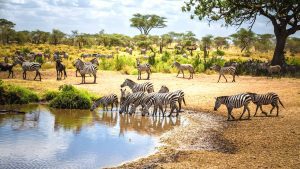
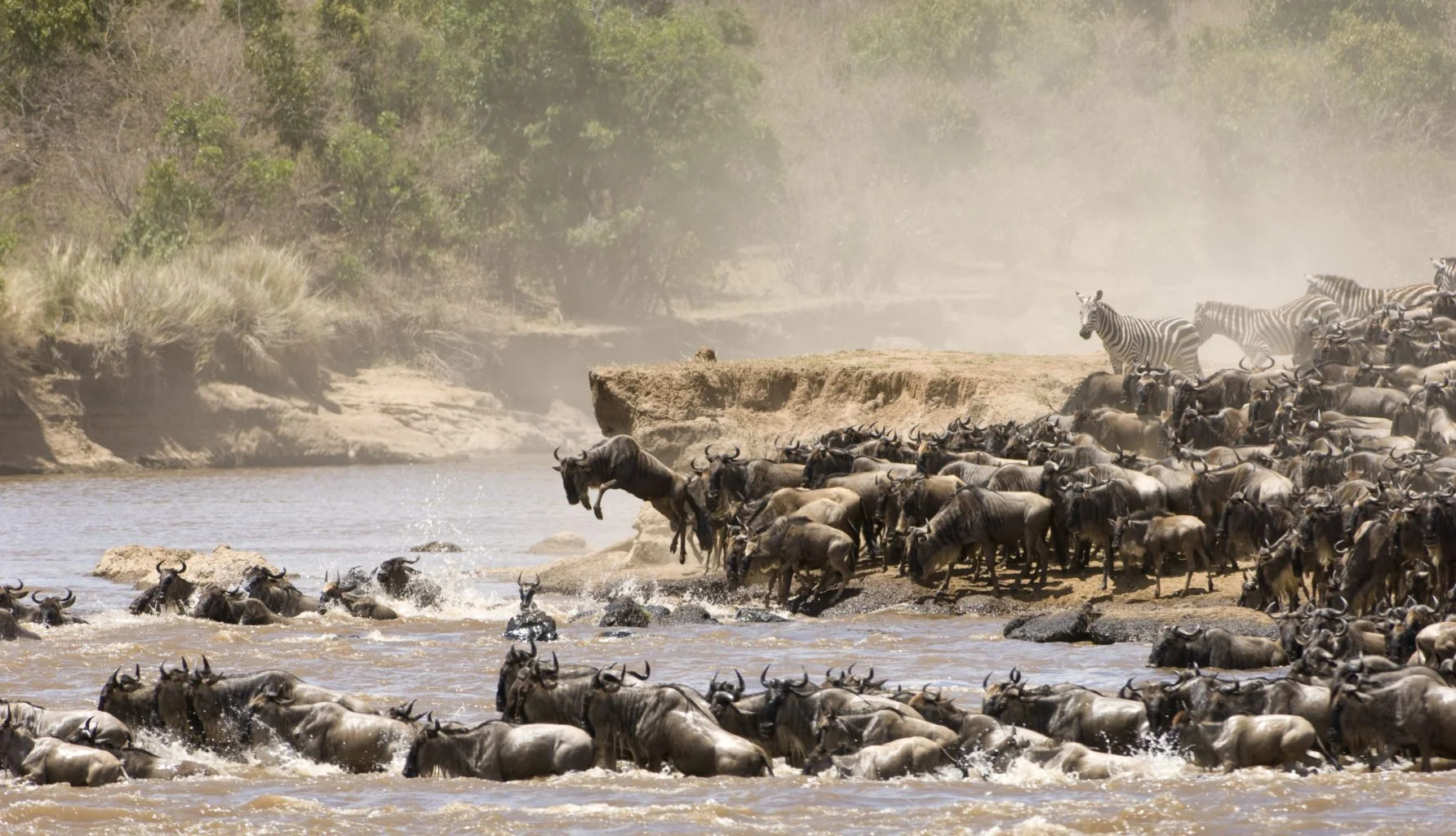
The Great Migration in Serengeti National Park is closely tied to seasonal weather patterns. Millions of wildebeest, zebras, and gazelles move across the plains in search of fresh grazing and water. During the wet season, the herds gather in the southern Serengeti, where nutrient-rich grasses support calving. As the dry season approaches, the animals migrate northward toward the Mara River. Weather conditions, particularly rainfall, determine the timing and route of this migration. Understanding Serengeti weather is key to witnessing different stages of the migration, from calving season to dramatic river crossings. This natural phenomenon is one of the greatest wildlife spectacles on Earth and a major highlight of Tanzania safaris.
A general guide: the herds follow the rains.
Best Time to Visit Serengeti
The best time to visit Serengeti National Park depends on what travelers want to experience. For prime wildlife viewing and the Great Migration river crossings, the dry season (June to October) is ideal. For lush landscapes, fewer crowds, and the calving season, the wet season (January to February) is perfect. Each season offers unique advantages, making Serengeti a year-round destination. Photographers may prefer the green season for vibrant scenery, while adventure seekers may opt for the dry season for dramatic wildlife encounters. Understanding the Serengeti climate and weather helps travelers plan their safari according to their interests, ensuring an unforgettable African safari experience.
Wildlife Behavior and Weather
The weather in Serengeti National Park significantly influences wildlife behavior. During the dry season, animals congregate around water sources, making them easier to spot. Predators take advantage of these conditions, leading to increased hunting activity. In the wet season, animals spread out across the plains due to abundant water and grazing opportunities. This dispersal can make wildlife sightings more challenging but offers a more natural and less crowded experience. Seasonal changes also affect breeding cycles, migration patterns, and predator-prey dynamics. Understanding how Serengeti weather impacts wildlife behavior enhances the safari experience, allowing travelers to anticipate animal movements and maximize their chances of witnessing incredible wildlife encounters.
Birdwatching and Seasonal Weather
Serengeti National Park is a paradise for birdwatchers, with over 500 bird species recorded. Weather plays a crucial role in bird activity, particularly during the wet season when migratory birds arrive from Europe and Asia. The lush vegetation and abundant water sources create ideal conditions for birdlife. Brightly colored species and breeding plumage make this season especially rewarding for photography. During the dry season, resident birds are easier to spot due to reduced vegetation. Whether visiting during the wet or dry season, birdwatching in Serengeti offers incredible opportunities to observe diverse avian species in their natural habitat, making it a must-do activity for nature enthusiasts.
Landscape Changes Across Seasons
The Serengeti landscape undergoes dramatic transformations throughout the year due to changing weather conditions. During the dry season, the plains turn golden and dusty, creating classic African safari scenery. In contrast, the wet season brings vibrant greenery, blooming flowers, and dramatic skies. These seasonal changes not only affect the visual appeal of the park but also influence wildlife distribution and behavior. Photographers often prefer the green season for its rich colors, while others favor the dry season for its iconic savannah views. Understanding how Serengeti weather shapes the landscape helps travelers appreciate the park’s dynamic beauty and choose the best time for their preferred experience.
Packing for Serengeti Weather
Packing for Serengeti National Park requires careful consideration of the climate and weather conditions. Lightweight, breathable clothing is essential for daytime, while warmer layers are recommended for cool mornings and evenings. Neutral-colored clothing is ideal for safaris, as it blends with the environment and avoids attracting insects. During the wet season, waterproof gear and sturdy footwear are necessary due to muddy conditions. Sunscreen, hats, and sunglasses are important year-round due to the strong equatorial sun. Understanding Serengeti weather ensures travelers are well-prepared for varying conditions, enhancing comfort and enjoyment during their Tanzania safari adventure.
Photography and Weather Conditions
The weather in Serengeti National Park plays a significant role in photography. The dry season offers clear skies and excellent visibility, ideal for capturing wildlife in action. The wet season, on the other hand, provides dramatic lighting, lush landscapes, and vibrant colors. Early mornings and late afternoons, known as the golden hours, offer the best lighting conditions regardless of the season. Rainstorms can create stunning skies and unique photographic opportunities. Understanding the Serengeti climate allows photographers to plan their shoots effectively, ensuring they capture the beauty and diversity of the park in all its seasonal glory.
Safari Costs and Seasonal Weather
Serengeti safari costs are influenced by seasonal weather patterns. The dry season is considered peak season, with higher prices due to increased demand and optimal wildlife viewing conditions. The wet season, particularly during the long rains, is considered low season, offering more affordable safari packages and fewer crowds. Many lodges and camps provide discounts during this period, making it an attractive option for budget-conscious travelers. Understanding how Serengeti weather affects pricing helps travelers plan their safari according to their budget while still enjoying a memorable experience in one of Africa’s top safari destinations.
- Accommodation
- Meals
- Park fees
- Vehicle & guide
- Transfers
- International flights
- Visas
- Travel insurance
- Tips
- Premium drinks
Accessibility and Road Conditions
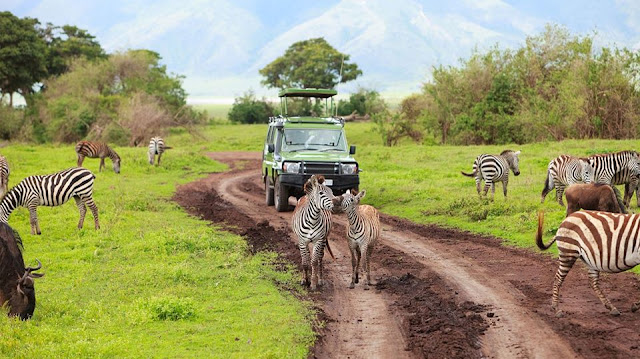
Weather conditions in Serengeti National Park can impact accessibility and road conditions. During the dry season, roads are generally in good condition, making it easier to navigate the park. In contrast, the wet season can bring muddy and slippery roads, particularly during the long rains. Some remote areas may become temporarily inaccessible. However, experienced safari guides are well-equipped to handle these conditions, ensuring safe travel. For those seeking convenience, fly-in safaris are an excellent option year-round. Understanding Serengeti weather helps travelers choose the best mode of transport and plan their safari logistics effectively.
Eco-System and Climate Balance
The Serengeti ecosystem is intricately linked to its climate and weather patterns. Seasonal rainfall supports grass growth, which sustains herbivores and, in turn, predators. This delicate balance ensures the survival of diverse species and maintains the park’s ecological integrity. Climate change poses potential challenges, affecting rainfall patterns and wildlife movements. Conservation efforts are crucial to preserving this уникe ecosystem. Understanding the relationship between the Serengeti climate and its ecosystem highlights the importance of sustainable tourism and responsible travel practices, ensuring future generations can continue to experience the magic of Serengeti National Park.
Travel Tips Based on Weather
Planning a Serengeti safari requires aligning travel dates with weather conditions and personal preferences. For first-time visitors, the dry season offers the best wildlife viewing opportunities. For those seeking fewer crowds and lower costs, the wet season is ideal. Booking accommodations in advance is recommended during peak season. Travelers should also consider travel insurance, especially during the rainy season. Consulting with experienced tour operators can help tailor the safari experience to match weather conditions. By understanding Serengeti weather, travelers can make informed decisions, ensuring a smooth, enjoyable, and unforgettable safari adventure in Tanzania.
Final Thought
Climate and weather in Serengeti National Park are more than just environmental factors—they shape every aspect of the safari experience. From the Great Migration to breathtaking landscapes and diverse wildlife, each season offers something unique. Whether you prefer the golden plains of the dry season or the lush beauty of the wet season, Serengeti remains a year-round destination for adventure and discovery. By understanding the Serengeti climate, travelers can plan their journey wisely, maximizing wildlife encounters and enjoying the park’s natural wonders. Ultimately, Serengeti’s ever-changing weather is what makes it one of the most extraordinary safari destinations in the world.
Climate and Weather in Serengeti National Park: FAQs
What is the Serengeti climate Overview like?
The climate in Serengeti National Park is classified as tropical savannah, with warm temperatures year-round and seasonal rainfall patterns. Unlike temperate regions, the Serengeti does not experience extreme temperature fluctuations, making it a year-round safari destination. Daytime temperatures typically range between 25°C andThe weather 30°C (77°F to 86°F), while nights can be cooler, especially in higher altitudes.
What can you expect from dry season in Serengeti (June to October)?
The dry season is widely considered the best time to visit Serengeti National Park for wildlife viewing. During this period, rainfall is minimal, skies are clear, and vegetation becomes sparse, making it easier to spot animals. Temperatures are pleasant during the day and cooler at night.
What is the temperature patterns throughout the year for climate and weather in Serengeti national park like?
Temperatures in Serengeti National Park remain relatively consistent due to its equatorial location. Daytime temperatures typically range from 24°C to 30°C (75°F to 86°F), while nighttime temperatures can drop to around 14°C to 18°C (57°F to 64°F). The coolest months are June and July, while October tends to be the warmest.
What is the the Great migration and weather like?
The Great Migration in Serengeti National Park is closely tied to seasonal weather patterns. Millions of wildebeest, zebras, and gazelles move across the plains in search of fresh grazing and water. During the wet season, the herds gather in the southern Serengeti, where nutrient-rich grasses support calving.
What is the wildlife behavior and weather like?
The weather in Serengeti National Park significantly influences wildlife behavior. During the dry season, animals congregate around water sources, making them easier to spot. Predators take advantage of these conditions, leading to increased hunting activity. In the wet season, animals spread out across the plains due to abundant water and grazing opportunities.
What is the landscape changes across seasons for climate and weather in Serengeti national park like?
The Serengeti landscape undergoes dramatic transformations throughout the year due to changing weather conditions. During the dry season, the plains turn golden and dusty, creating classic African safari scenery. In contrast, the wet season brings vibrant greenery, blooming flowers, and dramatic skies. These seasonal changes not only affect the visual appeal of the park but also influence wildlife distribution and behavior.
What is the photography and weather conditions like?
The weather in Serengeti National Park plays a significant role in photography. The dry season offers clear skies and excellent visibility, ideal for capturing wildlife in action. The wet season, on the other hand, provides dramatic lighting, lush landscapes, and vibrant colors. Early mornings and late afternoons, known as the golden hours, offer the best lighting conditions regardless of the season.
What should you know about accessibility and road conditions for climate and weather in Serengeti national park?
Weather conditions in Serengeti National Park can impact accessibility and road conditions. During the dry season, roads are generally in good condition, making it easier to navigate the park. In contrast, the wet season can bring muddy and slippery roads, particularly during the long rains.
Plan Your Private Tanzania Safari
Tell us your travel dates, interests and budget, and our local team will design a private tailor-made safari around you.