The best time to visit Serengeti National Park depends on what kind of safari experience you’re seeking—whether it’s witnessing the Great Migration, spotting predators, enjoying fewer crowds, or finding the best safari prices. This world-famous destination offers year-round wildlife viewing, making it one of the top African safari destinations for luxury safaris, family safaris, honeymoon safaris, and budget tours alike. From the calving season in the southern plains to dramatic river crossings in the north, each month delivers something unique. Understanding Serengeti weather, migration patterns, and peak vs low seasons helps travelers plan the perfect Tanzania safari. Whether you’re departing from Arusha, Zanzibar, or Dar es Salaam, timing your trip correctly ensures unforgettable game drives, incredible wildlife photography, and the ultimate bucket-list African safari adventure.
January to March – Calving Season Magic
January, February, and March are some of the best times to visit Serengeti for witnessing the Great Migration calving season in the Ndutu plains. Thousands of wildebeest give birth daily, attracting predators like lions, cheetahs, and hyenas, making it perfect for dramatic wildlife encounters. This is peak safari season for photographers seeking action-packed scenes and close predator-prey interactions. The landscape is lush and green due to short rains, offering stunning scenery and excellent grazing conditions. Birdwatching is also exceptional during this time. Temperatures are warm, and crowds are moderate compared to peak months. This period is ideal for luxury safaris, family trips, and honeymoon safaris, looking for a unique and intimate experience. It’s also considered one of the most affordable high-quality safari periods.
April to May – Green Season & Low Crowds
April and May mark the long rainy season in Serengeti, often considered the low season. However, this is one of the best times for budget safaris, discounted luxury lodges, and fewer crowds. The landscape transforms into a lush green paradise, offering breathtaking scenery and excellent photography conditions. Wildlife is still abundant, though migration herds begin moving northwest. Roads can be muddy, making some areas less accessible, but experienced safari guides ensure rewarding game drives. Birdlife is at its peak, making it ideal for birdwatchers. If you’re seeking peaceful, crowd-free safari experiences and lower costs, this is a hidden gem period. It’s also great for travelers looking for sustainable and eco-friendly safari travel with fewer environmental impacts.
June – Start of Dry Season & Migration Movement
June marks the beginning of the dry season and is a fantastic time to visit Serengeti as the Great Migration moves toward the western corridor. The weather becomes cooler and drier, improving road conditions and game drive accessibility. Wildlife viewing becomes easier as animals gather near water sources. This month is less crowded than peak season, offering a balance between great wildlife sightings and fewer tourists. It’s an ideal time for those seeking mid-range and luxury safaris without peak-season prices. The Grumeti River crossings may begin late in June, providing thrilling safari moments. This is also a great time for photography, with golden light and dramatic landscapes enhancing the safari experience.
July – Peak Season & River Crossings Begin
July is one of the most popular months to visit Serengeti, marking the peak dry season and the start of dramatic river crossings in the western corridor. Wildebeest herds face crocodile-infested rivers, creating one of Africa’s most iconic wildlife spectacles. This is peak safari season, meaning higher prices and more visitors, especially in premium lodges and camps. The weather is cool, dry, and ideal for game drives. Wildlife viewing is exceptional, as animals concentrate around water sources. This is perfect for luxury safaris, photographic tours, and bucket-list travelers seeking unforgettable moments. Early booking is essential due to high demand. Despite crowds, the experience is unmatched and highly rewarding.
August – Northern Serengeti Drama
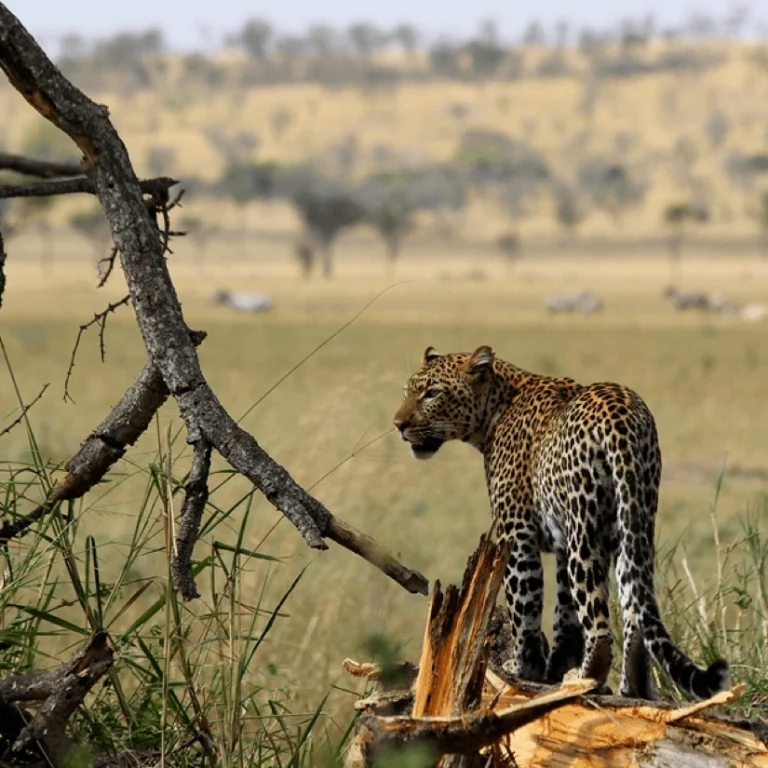
August is one of the best times to visit Serengeti for witnessing the Great Migration river crossings in the northern region near the Mara River. This is peak safari season, with spectacular wildlife action as herds attempt dangerous crossings. Predator activity is high, making it ideal for wildlife photography and documentaries. The weather remains dry and cool, perfect for game drives. Luxury safari camps in northern Serengeti offer premium experiences but require early reservations. This is also a great time for combining Serengeti with Maasai Mara safaris. While prices are high, the experience is once-in-a-lifetime. Expect crowds in popular areas, but also unmatched wildlife encounters.
September – Continued Migration & Fewer Crowds
September offers a continuation of the northern Serengeti migration experience, but with slightly fewer tourists compared to August. The herds remain near the Mara River, providing excellent opportunities for river crossings and predator sightings. The weather is still dry and pleasant, making it ideal for game drives and walking safaris. This is a great time for travelers seeking a balance between peak wildlife action and more relaxed safari conditions. Accommodation availability improves slightly, though booking is still recommended. September is perfect for honeymoon safaris, photography tours, and luxury travel experiences without the peak-season intensity of August.
October – Shoulder Season Advantage
October is considered a shoulder season in Serengeti, offering great wildlife viewing with fewer crowds and slightly lower prices. The migration herds begin moving southwards, and predator activity remains strong. The weather is dry early in the month, with occasional short rains toward the end. This is a fantastic time for travelers seeking value-for-money safaris, including mid-range and luxury options. Game viewing remains excellent, especially near water sources. The landscape starts to transition, offering a mix of dry and green scenery. October is ideal for flexible travelers who want great experiences without peak-season crowds.
November – Short Rains & Scenic Beauty
November brings short rains to Serengeti, transforming the landscape into a vibrant green ecosystem. While some travelers avoid this period, it offers unique advantages such as fewer tourists, lower safari costs, and excellent photography conditions. The migration begins returning to the southern plains, setting the stage for the calving season. Birdwatching is exceptional, with migratory species arriving. Game drives remain rewarding despite occasional showers. This is a great time for budget travelers, solo adventurers, and those seeking peaceful safari experiences. The dramatic skies and lush scenery make it a hidden gem for photographers.
December – Festive Season Safari
December is a popular time to visit the Serengeti, especially during the festive holiday season. The migration herds return to the southern plains, and wildlife viewing remains excellent. The landscape is green and beautiful, offering stunning photographic opportunities. This is peak travel season, with high demand for lodges and camps. Prices increase, especially for luxury safari packages. The weather is warm with occasional showers. December is ideal for family safaris, honeymoon trips, and end-of-year celebrations. Early booking is essential to secure the best accommodations and safari experiences.
Best Time for the Great Migration
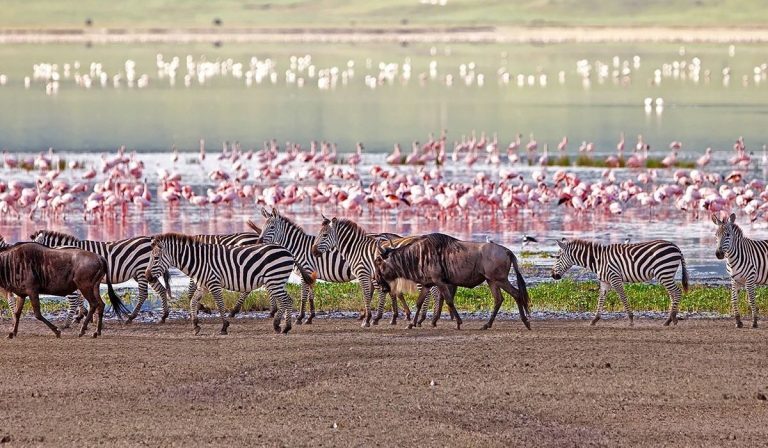
The Great Migration is a year-round event in Serengeti, but its highlights vary by season. The calving season (January–March) offers predator action, while river crossings (July–September) provide dramatic scenes. Choosing the best time depends on which phase you want to experience. For photographers and wildlife enthusiasts, timing is crucial. Each phase offers unique safari moments, from newborn wildebeest to massive herd movements. Understanding migration patterns helps travelers plan the ultimate African safari adventure.
Best Time for Wildlife Viewing
Wildlife viewing in Serengeti is excellent year-round, but the dry season (June–October) is considered the best. Animals gather near water sources, making them easier to spot. Vegetation is thinner, improving visibility during game drives. Predator activity is also higher during this period. However, the green season offers unique advantages such as fewer crowds and scenic beauty. Whether you choose peak or low season, Serengeti delivers unforgettable wildlife encounters.
Best Time for Budget Safaris
For budget travelers, the best time to visit the Serengeti is during the low season (April–May and November). Safari prices drop significantly, and lodges offer discounts. While rain may occur, the experience remains rewarding with fewer tourists and lush landscapes. This is ideal for affordable Tanzania safaris, solo travel, and eco-friendly adventures. You can enjoy high-quality experiences at a fraction of peak-season costs.
Best Time for Luxury & Honeymoon Safaris
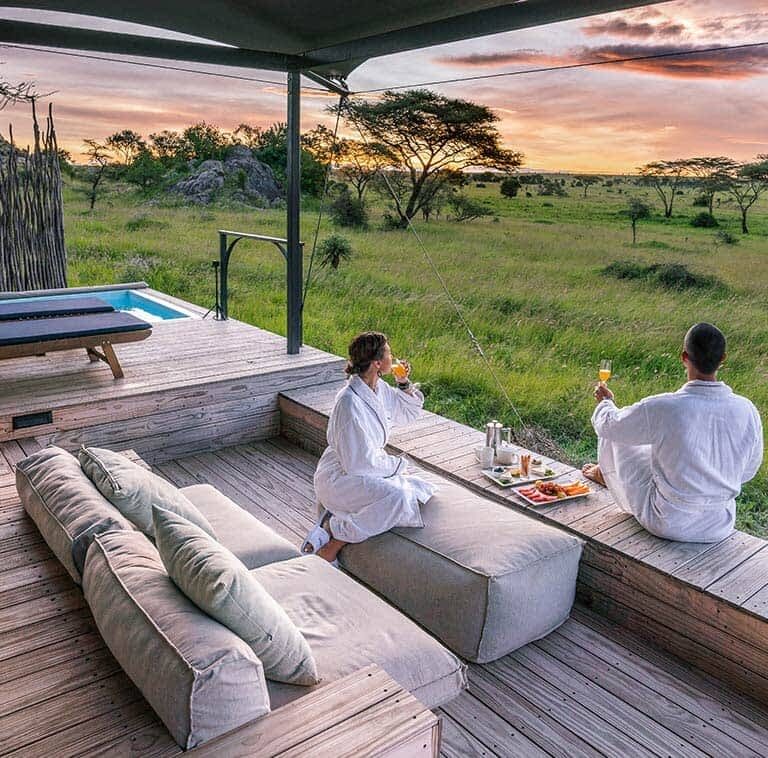
Luxury and honeymoon safaris are best during the dry season (June–October) and festive season (December). These periods offer premium wildlife experiences, excellent weather, and top-tier accommodations. Northern Serengeti camps during migration crossings provide exclusive and unforgettable moments. For romantic experiences, private lodges and fly-in safaris enhance comfort and convenience. Early booking ensures access to the best luxury safari packages. The best time to visit Serengeti National Park ultimately depends on your travel goals, budget, and desired safari experience. Whether you seek the thrill of the Great Migration, peaceful green landscapes, or luxury safari comfort, Serengeti offers something extraordinary every month of the year. By aligning your travel dates with seasonal highlights, you can create a truly unforgettable Tanzania safari.
When is the absolute best time to visit Serengeti National Park
The best time to visit Serengeti National Park depends on your safari goals, but June to October is widely considered the best overall period. This is the dry season, when wildlife viewing is at its peak because animals gather around water sources and vegetation is thinner, making sightings easier. If you’re specifically interested in the Great Migration, January to March offers the calving season, while July to September delivers dramatic river crossings. Each season offers a unique safari experience, so there isn’t a single “perfect” time—only the best time for your interests. Whether you’re planning a luxury safari, family safari, or honeymoon safari, Serengeti is a year-round destination with unforgettable wildlife encounters.
What is the best time to see the Serengeti Great Migration
The Great Migration in Serengeti is a year-round phenomenon, but the best viewing times vary by location and season. From January to March, the southern plains host the calving season, where thousands of wildebeest are born daily. Between June and July, the herds move toward the western corridor, and by August to September, they reach the northern Serengeti for dramatic Mara River crossings. These crossings are among the most sought-after wildlife spectacles in Africa. Choosing the best time depends on which phase you want to witness. For photographers and safari enthusiasts, timing your visit around migration patterns ensures a truly iconic Tanzania safari experience.
Is Serengeti National Park worth visiting in the rainy season
Yes, visiting Serengeti National Park during the rainy season (April to May and November) can be incredibly rewarding. Known as the green season, this period offers lush landscapes, fewer crowds, and lower safari costs. While some roads may be muddy, wildlife viewing remains excellent, and birdwatching is at its peak due to migratory species. Photographers especially love this season for its dramatic skies and vibrant scenery. It’s also an ideal time for budget safaris and eco-conscious travel. If you don’t mind occasional showers, the rainy season provides a peaceful and scenic safari experience that differs from the busy dry season.
When is the cheapest time to visit Serengeti National Park
The cheapest time to visit Serengeti National Park is during the low season, particularly in April and May, and to some extent in November. During these months, many lodges and safari operators offer significant discounts, making it ideal for budget travelers. Although this coincides with the rainy season, the experience remains rewarding with fewer tourists and beautiful green landscapes. Flights and accommodation costs are generally lower, allowing travelers to enjoy a high-quality Tanzania safari at a reduced price. This period is perfect for solo travelers, couples, and anyone looking for value-for-money safari packages without compromising on wildlife experiences.
What is the best time for wildlife viewing in Serengeti National Park
Wildlife viewing in Serengeti is best during the dry season from June to October. During this period, animals gather around rivers and waterholes, making them easier to spot. The vegetation is less dense, improving visibility during game drives. Predator activity is also higher, increasing chances of witnessing dramatic hunting scenes. However, the green season offers its own advantages, including fewer crowds and scenic beauty. Regardless of when you visit, Serengeti is one of the best wildlife destinations in Africa, offering year-round opportunities to see the Big Five and a wide variety of other animals in their natural habitat.
Is Serengeti National Park crowded during peak season
Yes, Serengeti National Park can be crowded during peak season, especially from July to September when the Great Migration river crossings attract visitors from around the world. Popular areas like the northern Serengeti and Mara River crossings tend to see higher concentrations of safari vehicles. However, the park is विशाल and offers plenty of remote areas where you can still enjoy exclusive experiences. Choosing private reserves, luxury camps, or less-visited regions can help avoid crowds. Traveling during shoulder seasons like June or October also provides a balance between excellent wildlife viewing and fewer tourists.
What is the best time for a luxury safari in Serengeti National Park
The best time for a luxury safari in Serengeti National Park is during the dry season from June to October and the festive period in December. These months offer excellent weather, prime wildlife viewing, and access to high-end lodges and tented camps. Northern Serengeti is particularly popular during migration crossings, providing exclusive and premium safari experiences. Luxury travelers can also enjoy fly-in safaris, private guides, and personalized itineraries. Early booking is essential due to high demand. For honeymoon safaris or VIP experiences, this period ensures comfort, adventure, and unforgettable moments in one of Africa’s most iconic safari destinations.
What is the best time for a Serengeti National Park honeymoon safari
The best time for a honeymoon safari in Serengeti National Park is during the dry season (June to October) or December. These months offer romantic weather, clear skies, and incredible wildlife experiences. Luxury lodges provide private settings, candlelit dinners, and exclusive game drives, perfect for couples. The Great Migration river crossings add an extra layer of excitement for adventurous honeymooners. Alternatively, January to March offers a quieter, more intimate atmosphere with beautiful green landscapes and fewer crowds. Combining Serengeti with Zanzibar beaches creates the ultimate romantic African safari honeymoon experience.
How does weather affect Serengeti safari experience
Weather plays a crucial role in shaping your Serengeti safari experience. During the dry season, clear skies and minimal rainfall make game drives easier and wildlife more visible. In contrast, the rainy season brings lush landscapes, dramatic skies, and excellent photography conditions, but may include occasional travel challenges due to muddy roads. Temperatures remain relatively warm year-round, though mornings and evenings can be cool. Understanding seasonal weather patterns helps travelers plan accordingly, ensuring a comfortable and enjoyable safari. Regardless of the season, Serengeti offers incredible wildlife encounters and breathtaking natural beauty.
Can I visit Serengeti National Park year-round
Yes, Serengeti is a year-round safari destination with unique experiences in every season. The dry season (June to October) is best for wildlife viewing, while the green season (November to May) offers lush scenery, fewer crowds, and excellent birdwatching. The Great Migration moves throughout the park, meaning there’s always something to see regardless of when you visit. Accessibility and accommodation availability may vary slightly depending on weather conditions, but overall, Serengeti remains one of the most reliable safari destinations in Africa. With proper planning, you can enjoy an unforgettable safari at any time of the year.
When should I book a Serengeti Safari
It’s recommended to book your Serengeti safari at least 6 to 12 months in advance, especially if you plan to travel during peak season (June to October or December holidays). Luxury lodges and migration camps fill up quickly due to high demand. Early booking ensures better availability, preferred accommodations, and competitive pricing. For low-season travel, booking a few months in advance may be sufficient. Working with a trusted safari operator helps secure the best itinerary tailored to your preferences. Planning ahead guarantees a smooth and well-organized Tanzania safari experience.
What is the best time for photography Safari in Serengeti
The best time for photography safari in Serengeti depends on your style and subject. The dry season (June to October) offers excellent wildlife visibility and golden lighting conditions, ideal for capturing dramatic scenes. The green season (November to May) provides vibrant landscapes, fewer crowds, and unique compositions with dramatic skies. The calving season (January to March) is perfect for capturing predator action and newborn animals. Early mornings and late afternoons offer the best light for photography year-round. Serengeti is a paradise for photographers, offering endless opportunities for stunning wildlife and landscape shots.
Is Serengeti suitable for family travel year-round
Yes, Serengeti is suitable for family safaris throughout the year, though the best time depends on your preferences. The dry season offers easier wildlife viewing and comfortable travel conditions, making it ideal for families with children. Many lodges provide family-friendly accommodations, guided activities, and educational experiences. The green season can also be enjoyable for families seeking quieter experiences and lower costs. Safety, accessibility, and engaging wildlife encounters make Serengeti a top choice for family travel. With proper planning, families can enjoy an unforgettable and enriching safari adventure in any season.