Amazing Sights to See While Climbing Kilimanjaro
Amazing Sights to See While Climbing Kilimanjaro
Climbing Mount Kilimanjaro is one of the greatest adventure travel experiences in Africa. Known as the tallest mountain in Africa and the world’s highest free-standing mountain, Kilimanjaro attracts thousands of trekkers, photographers, wildlife lovers, and adventure seekers every year. A Kilimanjaro climbing tour offers more than reaching Uhuru Peak; it is a journey through breathtaking landscapes, diverse ecosystems, volcanic scenery, glaciers, rainforests, alpine deserts, and unforgettable African sunsets. Every route on Kilimanjaro reveals stunning panoramic views, unique plants, rare wildlife, and dramatic mountain terrain. From the lush rainforest of Kilimanjaro National Park to the snow-capped summit, hikers experience changing climates and incredible scenery within a few days. Whether you choose the Machame Route, Lemosho Route, Marangu Route, or Rongai Route, the mountain rewards climbers with magical sights that create lifelong memories and extraordinary photographic opportunities.
The Lush Rainforest Zone
The rainforest zone is one of the first amazing sights climbers encounter on Mount Kilimanjaro. This dense tropical forest is rich with giant trees, moss-covered branches, colorful flowers, and exotic wildlife. As hikers begin their Kilimanjaro trek, they often hear birds singing and monkeys moving through the canopy. The cool air, misty atmosphere, and green surroundings create an enchanting environment unlike anywhere else in Tanzania. Climbers may spot blue monkeys, colobus monkeys, and unique tropical birds along the trail. The rainforest is especially beautiful during the early morning when sunlight filters through the trees. This ecosystem also supports rare plant species found only on Kilimanjaro. The rainforest zone is a major highlight for photographers and nature lovers because it offers a peaceful introduction to Africa’s most iconic mountain while showcasing the incredible biodiversity of Kilimanjaro National Park.
Giant Senecios and Lobelias
One of the most unique sights while climbing Kilimanjaro is the presence of giant senecios and giant lobelias in the moorland zone. These strange-looking plants make hikers feel as if they are walking through another world. Found only on high-altitude East African mountains, these remarkable plants have adapted to survive freezing temperatures and intense sunlight. Their towering stems and prehistoric appearance create unforgettable scenery along routes like Machame and Lemosho. The giant senecios often stand several meters tall and are surrounded by volcanic rocks and rolling hills. During sunrise and sunset, the plants create dramatic silhouettes against the sky, making them popular subjects for landscape photography. Many climbers describe this section of Kilimanjaro as magical and surreal. The moorland zone also offers sweeping views of valleys, clouds, and distant peaks, adding to the mountain’s extraordinary beauty and adventure experience.
Shira Plateau’s Scenic Beauty
The Shira Plateau is among the most breathtaking places on Mount Kilimanjaro. Formed from ancient volcanic activity, this vast plateau features open landscapes, dramatic lava formations, and panoramic mountain views. Located at high altitude, the Shira Plateau allows trekkers to experience incredible scenery while acclimatizing to the thinner air. The area is filled with alpine vegetation, giant groundsels, and wide-open skies that stretch endlessly across the horizon. On clear days, climbers enjoy spectacular views of Kibo Peak and Mount Meru in the distance. Sunrise and sunset over the plateau create unforgettable golden colors that transform the landscape into a photographer’s dream. Many trekkers camp here and spend time admiring the peaceful wilderness surrounding them. The Shira Plateau is also one of the best places for stargazing on Kilimanjaro because the night skies are incredibly clear and filled with brilliant stars.
Lava Tower’s Volcanic Landscape
Lava Tower is one of the most dramatic geological sights on Kilimanjaro. Rising from the alpine desert at approximately 4,600 meters, this towering volcanic rock formation reminds climbers of the mountain’s powerful volcanic history. The dark lava stones contrast beautifully with the surrounding desert landscape and distant snowy summit. Reaching Lava Tower is an important part of acclimatization during many Kilimanjaro climbs, especially on the Machame and Lemosho routes. The scenery here feels wild, remote, and almost lunar. Strong winds, rugged terrain, and open skies create an adventurous atmosphere that climbers never forget. Photographers love capturing the dramatic shadows and textures around Lava Tower. The area also provides spectacular views of valleys below and glaciers above. Standing near Lava Tower gives trekkers a deeper appreciation of Kilimanjaro’s ancient volcanic origins and the immense natural forces that shaped Africa’s tallest mountain over millions of years.
Barranco Wall’s Stunning Views
The Barranco Wall is one of the most famous landmarks on Mount Kilimanjaro and a favorite highlight for many trekkers. Although it appears intimidating from below, the climb is exciting rather than technical. As hikers ascend the rocky wall, they are rewarded with spectacular panoramic views of glaciers, valleys, cliffs, and clouds floating beneath them. The route winds through narrow pathways and natural rock formations, creating an adventurous trekking experience. Climbers often pause to admire the scenery and take photographs of the dramatic mountain landscape. The Barranco Wall also offers incredible views of the Heim Glacier and Kibo Peak towering above the trail. Reaching the top of the wall gives trekkers a strong sense of achievement and confidence for the journey ahead. Many people consider this section one of the most scenic and memorable parts of the Kilimanjaro climbing adventure due to its breathtaking beauty and excitement.
The Alpine Desert Zone
The alpine desert zone presents a completely different landscape from the rainforest and moorland below. This dry, rocky environment features sparse vegetation, volcanic terrain, and endless mountain views. The dramatic scenery makes climbers feel as though they are trekking across another planet. During the day, the sun shines intensely across the barren landscape, while nights become extremely cold under crystal-clear skies. The alpine desert offers incredible opportunities for landscape photography because of its wide-open views and striking contrasts between dark volcanic rock and bright blue skies. Trekkers can see glaciers, valleys, and distant peaks from this high-altitude environment. Silence dominates the alpine desert, creating a peaceful and reflective atmosphere during the climb. This zone also provides some of the best views of Kibo Peak and the summit trail ahead. The raw beauty of the alpine desert leaves a lasting impression on every Kilimanjaro climber.
Spectacular African Sunrises
Watching the sunrise on Mount Kilimanjaro is one of the most unforgettable moments of the entire trek. Early each morning, climbers witness golden light spreading across the African plains, valleys, and clouds below. The colors shift from deep blue to orange, pink, and bright gold as the sun rises above the horizon. These magical sunrises create breathtaking views that inspire photographers and adventure travelers from around the world. At higher altitudes, the clear atmosphere makes the sunrise even more dramatic and vibrant. Trekkers often stop silently along the trail to admire the beauty surrounding them. Sunrise during summit night is especially emotional because climbers see the first light illuminating glaciers and volcanic landscapes while approaching Uhuru Peak. Many visitors describe Kilimanjaro’s sunrise as life-changing and spiritually uplifting. The experience perfectly captures the beauty, challenge, and wonder of climbing Africa’s highest mountain.
The Sea of Clouds Below
One of the most surreal sights on Kilimanjaro is looking down upon a vast sea of clouds stretching across the landscape below. At high altitude, trekkers often rise above the cloud layer, creating the sensation of standing above the sky itself. The clouds move slowly through valleys and around cliffs, forming breathtaking natural scenery. During sunrise and sunset, the clouds reflect warm golden and orange colors that create extraordinary photographic opportunities. This magical phenomenon is especially common on the Machame, Lemosho, and Northern Circuit routes. Climbers frequently pause to admire the peaceful beauty and silence of the mountain while surrounded by endless white clouds. The sea of clouds creates a dreamlike atmosphere that makes Kilimanjaro feel mystical and unforgettable. For many trekkers, this is one of the most emotional moments of the climb because it highlights the incredible height and grandeur of Africa’s tallest mountain.
Glaciers Near the Summit
The glaciers near the summit of Kilimanjaro are among the mountain’s most iconic attractions. Despite being close to the equator, Kilimanjaro’s summit remains crowned with ancient ice formations that have existed for thousands of years. These brilliant white glaciers contrast dramatically against the dark volcanic rock and deep blue African sky. Trekkers approaching Uhuru Peak often feel amazed seeing snow and ice in tropical Tanzania. Famous glaciers such as the Rebmann Glacier and Furtwängler Glacier provide incredible scenery near the summit trail. The massive ice walls sparkle beautifully during sunrise and create unforgettable photographs. Scientists and travelers alike recognize these glaciers as natural wonders, though climate change has caused them to shrink significantly over recent decades. Seeing the glaciers up close gives climbers a rare opportunity to witness one of Africa’s most extraordinary landscapes while standing near the highest point on the continent.
Stella Point’s Dramatic Horizon
Stella Point is one of the most emotional and rewarding sights during the Kilimanjaro summit climb. Located on the crater rim, Stella Point marks the moment when trekkers first witness the incredible summit horizon stretching across the mountain. Climbers arriving here during sunrise are greeted by glowing glaciers, volcanic landscapes, and endless clouds far below. The sense of achievement at Stella Point is overwhelming because trekkers realize they are close to Uhuru Peak. The dramatic scenery includes ice cliffs, crater views, and colorful skies that make the difficult climb worthwhile. Many climbers stop here to celebrate, take photographs, and appreciate the beauty surrounding them. The thin mountain air and peaceful silence create a deeply memorable atmosphere. Stella Point is not just a physical landmark; it symbolizes determination, adventure, and the unforgettable experience of climbing Mount Kilimanjaro.
Uhuru Peak’s Incredible Summit Views
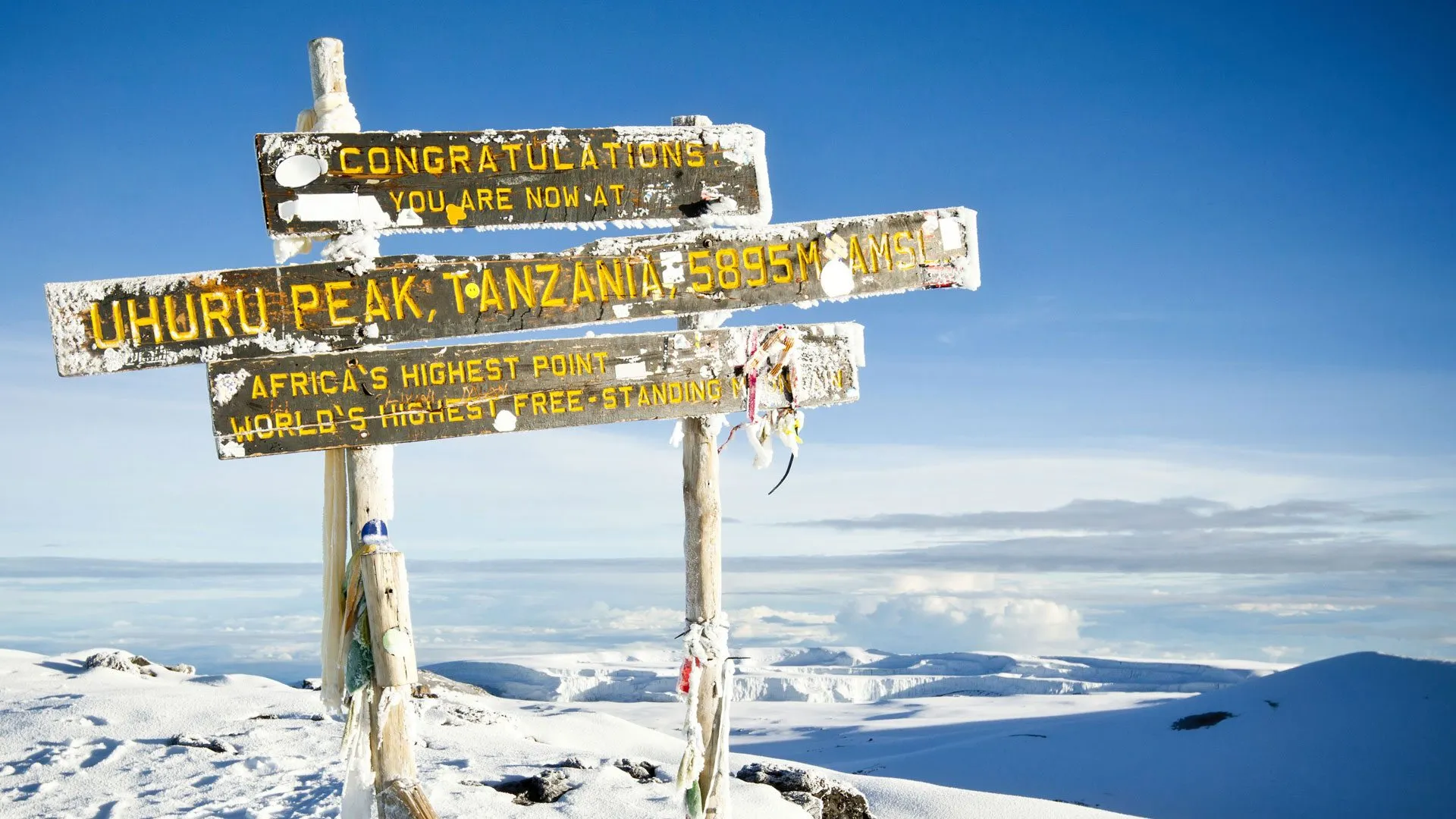
Reaching Uhuru Peak is the ultimate highlight of any Kilimanjaro climbing adventure. Standing at 5,895 meters above sea level, Uhuru Peak offers unmatched panoramic views across Tanzania and East Africa. Climbers witness glaciers, volcanic craters, distant mountains, and clouds stretching endlessly below them. The famous summit sign marks the highest point in Africa and creates one of the world’s most iconic travel photographs. Watching the sunrise from Uhuru Peak is especially unforgettable because the golden light transforms the snowy summit into a magical landscape. Many trekkers feel emotional as they celebrate achieving their dream of conquering Africa’s tallest mountain. The summit experience combines physical achievement, natural beauty, and personal inspiration. The breathtaking scenery from Uhuru Peak reminds climbers why Kilimanjaro is considered one of the greatest trekking destinations on Earth and a true bucket-list adventure for travelers worldwide.
Star-Filled Night Skies
Kilimanjaro offers some of the clearest and most beautiful night skies in Africa. Due to the mountain’s high altitude and remote location, light pollution is almost nonexistent. On clear nights, trekkers can see thousands of stars shining brightly across the sky. The Milky Way often appears vividly above campsites, creating spectacular scenery for photographers and stargazers. Many climbers spend evenings outside their tents admiring constellations and shooting stars while surrounded by the peaceful silence of the mountain. The cold alpine air makes the stars appear incredibly sharp and bright. Camps in the Shira Plateau and alpine desert zones provide especially amazing stargazing opportunities. These magical nights create a unique atmosphere that adds to the adventure of climbing Kilimanjaro. The experience of sleeping beneath a sky filled with countless stars becomes one of the most treasured memories for many trekkers visiting Africa’s highest mountain.
Mount Meru in the Distance
During clear weather, climbers on Kilimanjaro can enjoy spectacular views of Mount Meru rising beautifully in the distance. Mount Meru, Tanzania’s second-highest mountain, creates a dramatic silhouette against the surrounding plains and forests. The best views often appear during sunrise and sunset when golden light highlights the mountain’s volcanic shape. Trekkers on the Shira Plateau and western routes frequently admire Mount Meru while acclimatizing or relaxing at camp. The sight of another majestic volcanic mountain adds depth and beauty to Kilimanjaro’s landscapes. Photographers especially love capturing Mount Meru above the clouds during early morning hours. This iconic mountain also reminds climbers of Tanzania’s incredible natural diversity and volcanic history. Seeing Mount Meru from high on Kilimanjaro creates a powerful connection between two of East Africa’s most spectacular trekking destinations and enhances the overall adventure experience.
Wildlife Around Kilimanjaro
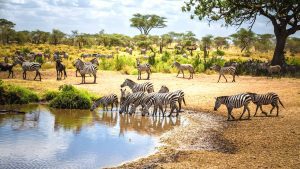
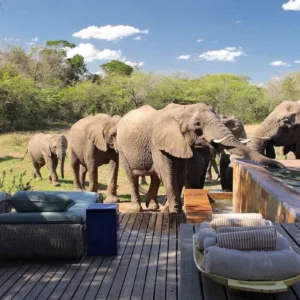
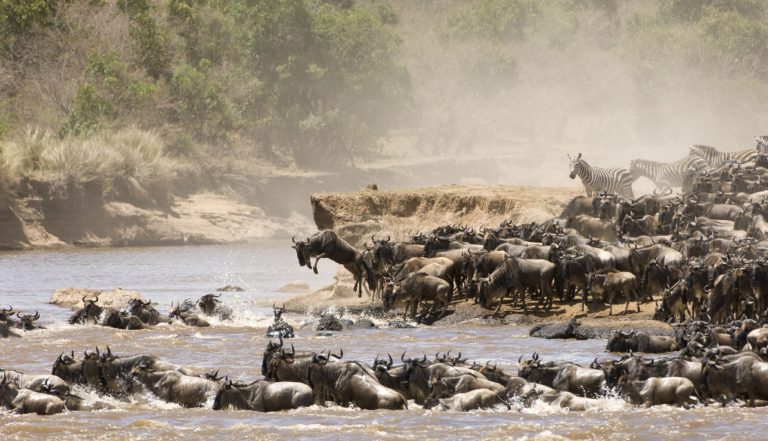
Although Kilimanjaro is famous for trekking and mountain climbing, the surrounding region also contains fascinating wildlife and natural beauty. In the lower forest zones, climbers may encounter colobus monkeys, blue monkeys, bush babies, and colorful bird species. Some routes near the mountain’s base also offer views of antelope and small mammals moving through the forest. Birdwatchers especially enjoy spotting hornbills, sunbirds, and turacos in the rainforest ecosystem. The nearby plains surrounding Kilimanjaro sometimes reveal elephants, buffaloes, and giraffes in the distance. These wildlife sightings make the Kilimanjaro trekking experience even more exciting and uniquely African. The combination of mountain scenery and wildlife creates an unforgettable adventure unlike most trekking destinations in the world. Many travelers choose to combine a Kilimanjaro climb with a Tanzania safari to enjoy both spectacular landscapes and world-famous wildlife experiences during one incredible African journey.
Final Thought
A journey up Mount Kilimanjaro is far more than a mountain climb; it is an unforgettable exploration of Africa’s natural beauty, diverse ecosystems, and breathtaking landscapes. From lush rainforests and giant senecios to glaciers, volcanic deserts, and sunrise views above the clouds, Kilimanjaro offers some of the most amazing sights on Earth. Every stage of the climb reveals new scenery, unique experiences, and inspiring moments that remain in a traveler’s memory forever. Whether you are an adventure enthusiast, wildlife lover, photographer, or first-time trekker, Kilimanjaro delivers a once-in-a-lifetime experience filled with wonder and achievement. The mountain’s incredible beauty, combined with the challenge of reaching Uhuru Peak, makes it one of the world’s top travel destinations and the ultimate African trekking adventure for visitors seeking unforgettable memories and extraordinary natural scenery.
Amazing Sights to See While Climbing Kilimanjaro: FAQs
What should you know about the lush rainforest zone for amazing sights to see while climbing Kilimanjaro?
The rainforest zone is one of the first amazing sights climbers encounter on Mount Kilimanjaro. This dense tropical forest is rich with giant trees, moss-covered branches, colorful flowers, and exotic wildlife. As hikers begin their Kilimanjaro trek, they often hear birds singing and monkeys moving through the canopy.
What can you expect from giant senecios and lobelias for amazing sights to see while climbing Kilimanjaro?
One of the most unique sights while climbing Kilimanjaro is the presence of giant senecios and giant lobelias in the moorland zone. These strange-looking plants make hikers feel as if they are walking through another world. Found only on high-altitude East African mountains, these remarkable plants have adapted to survive freezing temperatures and intense sunlight.
What should you know about Shira plateau’s scenic beauty for amazing sights to see while climbing Kilimanjaro?
The Shira Plateau is among the most breathtaking places on Mount Kilimanjaro. Formed from ancient volcanic activity, this vast plateau features open landscapes, dramatic lava formations, and panoramic mountain views. Located at high altitude, the Shira Plateau allows trekkers to experience incredible scenery while acclimatizing to the thinner air.
What is the lava Tower’s volcanic landscape for amazing sights to see while climbing Kilimanjaro like?
Lava Tower is one of the most dramatic geological sights on Kilimanjaro. Rising from the alpine desert at approximately 4,600 meters, this towering volcanic rock formation reminds climbers of the mountain’s powerful volcanic history. The dark lava stones contrast beautifully with the surrounding desert landscape and distant snowy summit.
What can you expect from barranco wall’s stunning views for amazing sights to see while climbing Kilimanjaro?
The Barranco Wall is one of the most famous landmarks on Mount Kilimanjaro and a favorite highlight for many trekkers. Although it appears intimidating from below, the climb is exciting rather than technical. As hikers ascend the rocky wall, they are rewarded with spectacular panoramic views of glaciers, valleys, cliffs, and clouds floating beneath them.
What should you know about the alpine desert zone for amazing sights to see while climbing Kilimanjaro?
The alpine desert zone presents a completely different landscape from the rainforest and moorland below. This dry, rocky environment features sparse vegetation, volcanic terrain, and endless mountain views. The dramatic scenery makes climbers feel as though they are trekking across another planet. During the day, the sun shines intensely across the barren landscape, while nights become extremely cold under crystal-clear skies.
What can you expect from spectacular African sunrises for amazing sights to see while climbing Kilimanjaro?
Watching the sunrise on Mount Kilimanjaro is one of the most unforgettable moments of the entire trek. Early each morning, climbers witness golden light spreading across the African plains, valleys, and clouds below. The colors shift from deep blue to orange, pink, and bright gold as the sun rises above the horizon.
What should you know about the sea of clouds below for amazing sights to see while climbing Kilimanjaro?
One of the most surreal sights on Kilimanjaro is looking down upon a vast sea of clouds stretching across the landscape below. At high altitude, trekkers often rise above the cloud layer, creating the sensation of standing above the sky itself. The clouds move slowly through valleys and around cliffs, forming breathtaking natural scenery.
Climb Kilimanjaro With Confidence
Tell us your dates and fitness, and our experienced mountain team will plan a safe, well-acclimatized private climb.