Africa Travel Tips & Advice from the Experts
Africa Travel Tips & Advice from the Experts
Planning an African safari or holiday is an unforgettable experience that rewards careful preparation. Africa is home to extraordinary wildlife, iconic national parks, breathtaking landscapes, vibrant cultures, pristine beaches, and world-famous destinations including Tanzania, Serengeti National Park, Tarangire National Park, Ngorongoro Crater, Lake Manyara National Park, Mount Kilimanjaro, Arusha National Park, and Zanzibar, one of the top 10 Best Places to Go on Safari in Africa. Whether you are booking a luxury safari, family holiday, romantic honeymoon, mid-range safari, senior safari trip, budget adventure, photographic expedition, or tailor-made private tour, understanding the best travel practices helps you maximise every moment. From choosing the best time to visit Africa and selecting the right safari destination to preparing travel documents, packing essentials, health precautions, and wildlife etiquette, expert advice ensures a safe, comfortable, and memorable journey. This comprehensive Africa travel guide answers the most searched travel questions while providing practical recommendations for first-time and returning visitors alike.
Choose the Best African Destination for Your Travel Style
Africa offers remarkable diversity, making it essential to match your destination with your travel goals. Tanzania is famous for the Great Migration, Serengeti National Park, Ngorongoro Crater, Mount Kilimanjaro, and Zanzibar beaches delivers exclusive luxury safaris through the couples often choose luxury honeymoon safaris, families prefer child-friendly lodges, photographers seek wildlife-rich parks, while adventure travellers enjoy trekking, cultural experiences, and conservation tours. Selecting the right destination creates a personalised African safari holiday. Travel expert tips: Everything You Need To Know To Plan An Amazing African Safari
- ArushaGateway
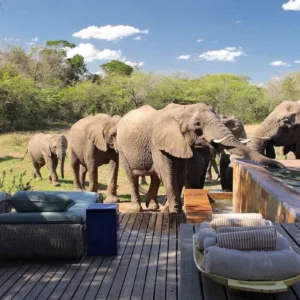
- TarangireElephants
- NgorongoroCrater
- SerengetiBig Five
- ZanzibarBeach
Visit Africa During the Best Season
Timing greatly influences your African travel experience. The dry season generally provides excellent wildlife viewing because animals gather around permanent water sources, while vegetation is less dense. The green season offers lush landscapes, migratory birds, fewer tourists, lower accommodation prices, and exceptional photography opportunities. The Great Wildebeest Migration follows a yearly cycle across Tanzania's Serengeti National Park, making seasonal planning important. Beach holidays in Zanzibar are ideal during warm, sunny months, while mountain adventures such as Mount Kilimanjaro require choosing favourable climbing seasons. Researching seasonal weather patterns ensures better wildlife sightings, comfortable travel conditions, and maximum value for your African holiday investment. Expert travel advice tips: A Beginner's Guide to Planning Your First African Safari
Book Your African Safari Early
Africa's most popular safari lodges, luxury camps, mobile camps, and national park accommodations often sell out months in advance. Booking early provides greater availability, better prices, preferred safari guides, and more flight options. Peak travel seasons, including the Great Migration and holiday periods, require reservations well ahead of departure. Early planning also allows time for passport renewals, visa applications, travel insurance, vaccinations, and customised itinerary adjustments. Whether planning a luxury safari, fly-in safari, family holiday, honeymoon, or private guided adventure, advance booking secures the best accommodations and delivers a stress-free travel experience throughout your African journey.
Prepare All Required Travel Documents
Before travelling to Africa, ensure your passport remains valid for at least six months beyond your travel dates and contains sufficient blank pages. Check visa requirements for every country you intend to visit, including transit destinations. Carry printed and digital copies of your passport, travel insurance, flight confirmations, hotel bookings, vaccination certificates, and emergency contacts. Many countries recommend comprehensive travel insurance covering medical emergencies, trip cancellations, evacuation, lost baggage, and adventure activities. Organising your documents before departure minimises travel disruptions and ensures smooth immigration procedures, allowing you to focus on enjoying your African safari holiday.
Pack Smart for an African Safari
Packing efficiently improves both comfort and convenience. Lightweight, breathable, neutral-coloured clothing works best for wildlife viewing while avoiding bright colours that may disturb animals. Essential safari gear includes comfortable walking shoes, binoculars, sunglasses, sunscreen, insect repellent, reusable water bottles, camera equipment, power banks, hats, waterproof jackets, and personal medications. Layering clothing helps accommodate cool mornings and warm afternoons. Soft-sided luggage is often recommended for domestic bush flights. Photographers should carry extra batteries and memory cards since charging opportunities may be limited in remote safari camps. Smart packing ensures greater flexibility throughout your African adventure. Essential African safari travel tips include dressing in flexible layers, staying hydrated with safe drinking water, and bringing cash in small US dollar bills for tips. Planning ahead ensures a smooth and memorable wildlife adventure. Ultimate Travel Tips: African Safari Travel Tips: Things You Must Know Before You Go
Respect Wildlife and Follow Safari Etiquette
African safaris provide extraordinary opportunities to observe wildlife in natural habitats. Always follow your professional guide's instructions and remain inside safari vehicles unless specifically permitted. Maintain a respectful distance from animals, avoid loud noises, never feed wildlife, and keep your camera flash disabled around sensitive species. Responsible wildlife tourism protects endangered animals while preserving natural ecosystems for future generations. Ethical safari operators support conservation programmes and local communities, helping maintain Africa's incredible biodiversity. Respectful behaviour creates safer wildlife encounters while ensuring unforgettable safari experiences for every visitor. Travel tips: Things I Wish I Knew Before an East African Safari
Stay Healthy Throughout Your Trip
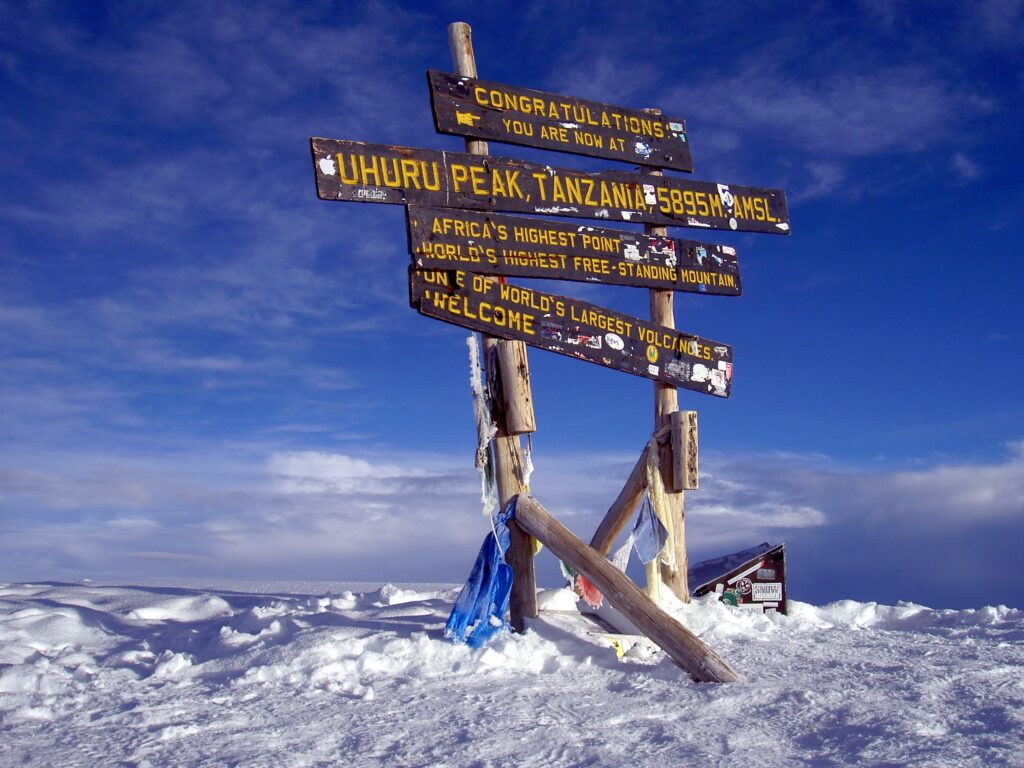
Good health preparation contributes significantly to a successful African holiday. Consult your healthcare provider several weeks before departure regarding recommended vaccinations and destination-specific health advice. Carry prescription medications in original packaging alongside a basic first-aid kit. Drink purified or bottled water where recommended, use insect repellent, apply sunscreen regularly, and remain hydrated during game drives. Travellers visiting high-altitude destinations like Mount Kilimanjaro should allow proper acclimatisation. Purchasing comprehensive travel insurance with emergency medical evacuation coverage provides valuable protection during remote safari adventures. Preventative health measures help travellers enjoy Africa with confidence. Ultimate travel tips: African Safari Tips for First-Timers from a Veteran Safari Expert
Approach, feed or disturb wildlife, or leave the vehicle unless your guide says it is safe.
Follow your guide, carry travel insurance and check current health and travel advice.
Experience Local Culture Respectfully
Africa's cultural diversity is as impressive as its wildlife. Visiting Maasai villages, Hadzabe communities, local markets, traditional festivals, and artisan workshops provides meaningful cultural experiences beyond safari game drives. Dress modestly when appropriate, ask permission before photographing people, support locally owned businesses, and learn a few greetings in local languages. Respecting traditions strengthens positive relationships between visitors and host communities while contributing directly to sustainable tourism. Authentic cultural exchanges enrich your understanding of Africa's remarkable heritage and create lifelong memories beyond wildlife encounters. Ultimate travel tips: The Complete African Safari Guide | Your First Safari Vacation Planning Advice
Choose Responsible and Sustainable Tourism
Sustainable tourism benefits wildlife conservation, local communities, and future travellers. Select safari companies committed to environmental responsibility, fair employment practices, wildlife conservation, and community development. Eco-friendly lodges minimise environmental impact through renewable energy, responsible waste management, water conservation, and locally sourced products. Responsible travellers reduce plastic waste, follow park regulations, and support conservation initiatives. Ethical tourism helps protect endangered species while preserving Africa's spectacular landscapes. Choosing responsible African Safari Tours & Holidays travel creates positive long-term benefits for both visitors and local communities across the continent. Travel Tips: How To Plan Your First Safari Vacation
Budget Carefully for Your African Adventure
African travel options range from affordable camping safaris to ultra-luxury private expeditions. Your budget should include accommodation, park entrance fees, domestic flights, transportation, meals, guide services, tips, optional activities, travel insurance, visas, and personal expenses. Booking all-inclusive safari packages often simplifies budgeting while reducing unexpected costs. Travelling during shoulder or green seasons may offer significant savings without sacrificing exceptional wildlife experiences. Understanding total travel expenses allows visitors to plan confidently while selecting experiences that best match their preferences and expectations. Travel tips: The Ultimate Guide to Planning a Successful First African Safari
Capture Incredible Safari Photography
Africa offers some of the world's finest wildlife photography opportunities. Early morning and late afternoon provide the best natural lighting for landscapes and animal portraits; follow the expert tips for planning your African Safari Adventure. Bring telephoto lenses for wildlife, wide-angle lenses for scenery, lens cleaning equipment, spare batteries, memory cards, and protective camera bags. Practice patience rather than chasing perfect shots. Observe animal behaviour, anticipate movement, and rely on experienced guides who understand wildlife patterns. Respect animals by avoiding excessive noise or disturbance. Outstanding safari photography combines preparation, ethical practices, and appreciation for Africa's extraordinary natural beauty. Essential travel tips for Tanzania include packing neutral clothing, respecting local customs, and planning your timing carefully. A practical guide for visitors who wish to go on a safari in Tanzania and be well prepared ahead of time. Then you can enjoy peace of mind.
Stay Connected While Travelling
Internet access varies across Africa. Major cities, hotels, and luxury safari lodges usually provide reliable Wi-Fi, while remote wilderness camps may have limited connectivity. Purchasing a local SIM card or international eSIM often provides affordable mobile data for navigation, communication, and sharing travel experiences. Download offline maps, travel documents, translation apps, and emergency contacts before entering remote areas. Portable power banks and universal travel adapters keep electronic devices charged throughout your journey. Preparing for connectivity ensures convenience while allowing travellers to disconnect and fully appreciate Africa's remarkable wilderness.
Travel Safely and Confidently
Africa welcomes millions of international visitors annually, and most trips are safe when sensible precautions are followed. Stay informed about local regulations, avoid displaying valuables, secure passports, use licensed tour operators, and follow guidance from local experts. Keep emergency contact information readily available and share your itinerary with family members. Respect local customs and remain aware of your surroundings, especially in busy urban areas. Travelling with experienced safari guides enhances both safety and educational value, allowing visitors to explore Africa confidently while enjoying unforgettable wildlife experiences.
Create Lasting Memories Beyond the Safari
While African safaris remain iconic, the continent offers far more than wildlife. Explore ancient historical sites, relax on Indian Ocean beaches, climb Mount Kilimanjaro, enjoy hot air balloon safaris, visit coffee plantations, experience local cuisine, discover marine parks, participate in cultural festivals, or cruise along scenic rivers. Combining wildlife adventures with cultural, coastal, historical, and adventure experiences creates a richer itinerary. Tailor-made African holidays allow travellers to personalise every aspect of their journey while creating unforgettable memories that extend beyond traditional game drives.
Ready to Go?
Browse our best Africa tours and safaris for inspiration or get in touch with one of our Africa Safari Experts to help you tailor-make an itinerary: Get the Africa travel advice you need from the safari experts, Foot Slopes Tours and Safaris. Find out when to go to Africa, how to get around, what to pack, where to go, safety, visa, best destinations, wildlife experiences, and planning guides and more.
Final Thought
Africa offers one of the world's most rewarding travel experiences, combining spectacular wildlife, diverse cultures, breathtaking landscapes, luxury accommodations, adventure activities, and unforgettable hospitality. Careful planning, responsible tourism, expert guidance, and thoughtful preparation ensure every safari or holiday exceeds expectations. Whether you dream of witnessing the Great Migration, climbing Mount Kilimanjaro, relaxing on Zanzibar's white-sand beaches, trekking with gorillas, or exploring Africa's hidden gems, following expert travel advice guarantees a smoother, safer, and more meaningful journey. With the right preparation and an experienced safari operator, your African adventure will become a lifetime memory filled with extraordinary wildlife encounters, authentic cultural experiences, and unforgettable moments across one of the planet's most remarkable travel destinations.
Africa Travel Tips & Advice from the Experts: FAQs
How much does a Tanzania safari cost?
Safari costs depend on the season, accommodation level, safari length, park fees and whether you travel privately. Budget camping safaris cost the least, while mid-range lodges and luxury tented camps cost more but add comfort and personal service. Request a detailed quotation listing inclusions and exclusions so you can compare value rather than headline prices.
How do I get to Tanzania for a safari?
Most travellers fly into Kilimanjaro International Airport, the gateway to the northern parks, or Julius Nyerere International Airport in Dar es Salaam for southern Tanzania. Zanzibar has its own international airport. From there, road transfers or short domestic flights connect you with the Serengeti, Ngorongoro, Tarangire and other parks.
What is the Great Migration?
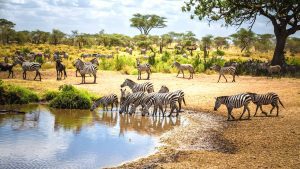
The Great Migration is the year-round movement of more than a million wildebeest, with zebras and gazelles, around the Serengeti ecosystem in search of fresh grazing. Calving takes place in the southern Serengeti from January to March, the herds move west around June and July, and dramatic Mara River crossings occur in the north from about August to October.
What vaccinations do I need for Tanzania?
Vaccination requirements depend on your health, itinerary and travel history. A yellow fever certificate may be required if you arrive from a country with yellow fever risk. Speak to a travel health professional several weeks before departure about recommended vaccinations and malaria prevention, and carry any personal medication in your hand luggage.
What is the best time to go on safari in Tanzania?
The dry season from June to October is the most popular time, with excellent wildlife viewing as animals gather near water. January and February are ideal for the Serengeti calving season, while the green season from March to May brings lush scenery, fewer visitors and lower prices. Tanzania offers rewarding safaris all year, so plan around the experiences you value most.
How many days should a Tanzania safari be?
Most first-time visitors spend five to seven days on safari, enough to explore Tarangire, the Ngorongoro Crater and the Serengeti without rushing. Eight to ten days allows more time in the Serengeti or a visit to Lake Manyara, while adding three to five days in Zanzibar creates a relaxing bush-and-beach holiday.
Is a private safari better than a shared safari?
A private safari gives you your own vehicle and guide, flexible game-drive times and the freedom to stay as long as you like at sightings. It is ideal for families, couples and photographers. Shared safaris can cost less, but schedules are fixed and you travel with other guests. For comfort and flexibility, a private tailor-made safari is usually the best choice.
Can I see the Big Five in Tanzania?
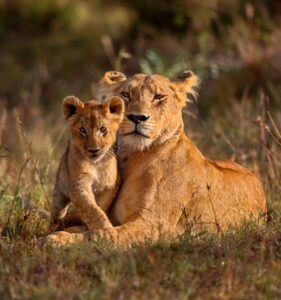
Yes, Tanzania is one of the best countries to see the Big Five: lion, leopard, elephant, buffalo and rhino. The Ngorongoro Crater offers a strong chance of seeing all five in a single day, including the rare black rhino, while the Serengeti is famous for big cats and Tarangire for large elephant herds. Sightings are never guaranteed.
Plan Your Private Tanzania Safari
Tell us your travel dates, interests and budget, and our local team will design a private tailor-made safari around you.