A Complete Guide to a Lion Safari in Tanzania
A Complete Guide to a Lion Safari in Tanzania
To have a successful lion safari in Tanzania, you should plan for 6-10 days, focusing on the Serengeti, Ngorongoro Crater, Tarangire, and Lake Manyara National Parks, with the dry season (June-October) being the prime time for wildlife viewing. Pack neutral, lightweight clothing, a camera, and sun protection. Costs vary widely based on accommodation and tour style, ranging from budget-friendly camping to luxury lodges, typically including park fees, guides, and meals. Tanzania, a land of vast plains and iconic wildlife, is arguably the world's premier destination for observing lions in their natural habitat. With an estimated 40-50% of the global wild lion population residing within its borders, a lion safari here is not just a trip—it's an immersive and educational experience that puts you at the heart of the "Lion Kingdom."
Timing Your Safari: The Best Season for Lions
The best time for a lion safari is generally the dry season (roughly June to October, and again January to February) when sparse vegetation and limited water sources concentrate animals around rivers, making them easier to spot. This is when lions are more active and visible, often found near prey that also congregates at waterholes. While lions can be spotted year-round, timing your visit can significantly enhance your chances of witnessing specific behaviors.
The Dry Season (June to October): This is the most popular time for a safari in Tanzania. The vegetation is sparse, and animals congregate around limited water sources, making them easier to spot. This period also coincides with the dramatic river crossings of the Great Migration in the Serengeti, a prime time for lion hunting.
The Wet Season (November to May): While the rains can make some roads more challenging, this period offers a different kind of safari. The landscape is lush and green, and tourist numbers are lower. The "calving season" from January to March is an excellent time to witness newborn wildebeest and other herbivores, which in turn brings out predators. Lions breed year-round, so you may spot young cubs in any season.
Beyond the Sighting: Understanding Lion Behavior
A true lion safari is more than just a checklist of sightings. It's a chance to learn about their complex social structures and fascinating behaviors.
Pride Dynamics
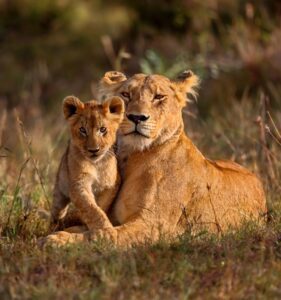
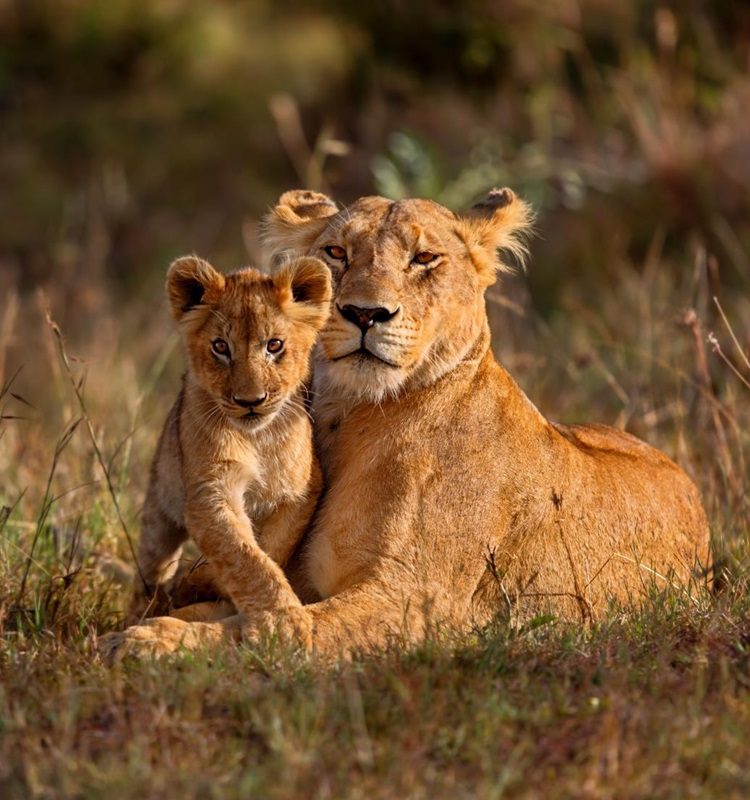
Lion prides are a matriarchal society, with powerful lionesses doing the majority of the hunting. The dominant male's role is primarily to protect the pride and their territory. You can observe these intricate social interactions—from cubs playing to the pride sharing a meal—with the help of an experienced guide.
Hunting and Communication
Lions are collaborative hunters, and the lionesses' strategic teamwork is a marvel to behold. You may be lucky enough to witness a hunt unfold, or a pride feeding. A lion's iconic roar, which can be heard up to five miles away, is used for territorial marking and communication, and hearing it from your camp at night is an unforgettable sound.
How Do Lions Behave in the Wild?
In the wild, lions are highly social, living in family groups called prides, where females do most of the hunting and cub-rearing, while males defend the territory. They are powerful, nocturnal hunters, using group tactics to bring down large prey and communicating through scent marking and powerful roars. A large portion of their day is spent resting, and they are opportunistic scavengers when available.
Interesting Facts About Lion Behavior and Conservation
Lions in Tanzania show fascinating regional behaviors, and their future depends on conservation work inside and outside the parks.
Unique adaptations
The tree-climbing lions of Lake Manyara and the famously dense Ngorongoro population showcase unique regional adaptations. Ngorongoro's isolated population, while offering excellent viewing, faces genetic challenges from inbreeding.
Hunting behavior
While lionesses do the majority of the hunting, male lions are responsible for defending the pride's territory. Lions prefer to hunt at night or during storms when darkness and thunder help mask their movements.
Pride dynamics
Lion prides in Tanzania vary significantly in size, from small groups of a few individuals to "super prides" of 40 or more. When a new dominant male takes over a pride, he often kills the cubs of the former leader to assert his lineage.
Conservation efforts
Despite being categorized as "Vulnerable" by the IUCN, Tanzania's lion population is a major conservation success story due to its vast protected areas. Projects like KopeLion in the Serengeti and the Ruaha Carnivore Project focus on monitoring lion populations and reducing human-lion conflict.
Human-lion coexistence
In areas surrounding the parks, conservation programs work with local communities to promote coexistence and reduce retaliatory killings of lions over livestock predation.
What to Expect on a Lion-Focused Safari
A lion-focused safari in Tanzania brings excellent chances of sightings and memorable moments. Here is what to expect.
High probability of sightings
With such a high population, your chances of seeing lions are excellent, especially in the dry season (June–October) when animals gather near water sources.
Safe viewing
Safari vehicles are considered harmless by lions, which have grown accustomed to their presence over generations. Staying inside the vehicle and following your guide's instructions ensures a safe and comfortable experience for both you and the wildlife.
Diverse behaviors
You might witness a variety of fascinating lion behaviors, including a pride feasting on a recent kill, cubs playing, males protecting their territory, or a group lounging lazily in the shade.
Expert tracking
Experienced guides are skilled at tracking lions by reading animal signs and understanding their routines, greatly increasing your chances of a successful sighting.
Essential Tips for Your Lion Safari
A few simple habits make your lion safari safer, more comfortable and more rewarding.
Approach, feed or disturb wildlife, or leave the vehicle unless your guide says it is safe.
Follow your guide, carry travel insurance and check current health and travel advice.
How to Plan the Ultimate Lion Safari
To plan the ultimate lion safari, you should book a reputable tour operator to select the best time to visit (dry season), choose a destination like Tanzania's Serengeti, pack essentials like binoculars and sun protection, and opt for private vehicles for flexibility, especially with young children. Be prepared for costs, listen to your experienced guide, and always respect wildlife by staying in your vehicle and never feeding or touching animals.
How to Have a Lion King African Safari
To have a "Lion King" inspired African safari, focus on the iconic landscapes and wildlife of East Africa, including Tanzania's Serengeti, whose sweeping plains and rocky kopjes closely resemble the film's Pride Lands. Travel with a reputable local guide or tour operator to experience game drives to spot lions, elephants, giraffes, zebras, and wildebeest, engage in cultural experiences like meeting the Maasai people, and visit locations such as Tarangire and Lake Manyara National Park.
The Real Lion King: Why an African Safari Is Your Trip of a Lifetime
An African safari is often called "The Real Lion King" because it offers a chance to see iconic African wildlife, like lions, elephants, and giraffes, in their natural habitats, bringing the magic of the Disney movie to life. The experience provides incredible opportunities to witness the Great Migration, gain a deeper appreciation for wildlife and conservation, and create a powerful, life-changing memory through encounters with a diverse range of animals.
Complete Guide to an African Lion Safari
An African lion safari offers opportunities to see lions and other wildlife in their natural habitats. To plan your safari, consider the costs, which vary by location and luxury level, and choose a location like Tanzania. For a true African experience, book a guided tour to national parks such as the Serengeti, Ngorongoro Crater, Tarangire and Ruaha, where lions roam free in vast wild landscapes rather than in a contained environment.
Where to See Lions in Africa: Our Best Places
The best places in East Africa, Tanzania, to see lions are Serengeti National Park, known for its vast plains and high lion population, and the Ngorongoro Crater, famous for its high density of prides. Other excellent locations include Ruaha National Park, which offers a more wild and less crowded experience with around 10% of Africa's lions, and Tarangire National Park, another prime spot for lion sightings.
- ArushaGateway
- TarangireElephants
- NgorongoroCrater
- SerengetiBig Five
- ZanzibarBeach
Interesting Wild Facts About the African Big Five
The "African Big Five" are the Lion, Leopard, Elephant, Rhinoceros, and Buffalo, a term coined by early colonial hunters for the most dangerous animals to pursue on foot. Surprising facts include that a rhino's horn is keratin, like human fingernails, a leopard can drag prey heavier than itself up a tree, an elephant uses its trunk as a snorkel, and the Cape buffalo is the least threatened of the Big Five, although it is now listed as Near Threatened.
African lions are the only truly social cats, living in prides where lionesses do most of the hunting and cubs are born spotted. A male lion's roar can be heard up to 5 miles away, while their loose belly skin protects them from kicks by prey. Although often called the "king of the jungle," they primarily inhabit savannas and grasslands.
- Lionesses do most of the hunting in a pride.
- Lake Manyara is famous for its tree-climbing lions.
- Lions mainly live in dense jungle.
- A lion’s roar can be heard up to five miles away.
Our Guide to Big Five Safaris in Africa
A guide to African Big Five safaris includes knowing the animals (Lion, Leopard, Elephant, Buffalo, and Rhino), understanding the best places to find them like Kruger National Park in South Africa, the Serengeti and Ngorongoro Crater in Tanzania, and the Masai Mara in Kenya, these are the best safari locations in Africa to see the Big 5, and planning your trip around optimal viewing times. Planning involves choosing a safari operator, considering different lodging options like lodges or tented camps, and deciding between guided game drives or walking safaris.
Ultimate Complete Guide to the Big Five Animals of Africa
The "Big Five" animals of Africa are the lion, leopard, elephant, rhinoceros, and Cape buffalo. This term originated from big-game hunters who considered these five species the most dangerous and difficult to hunt on foot, and today it serves as a well-known list for safari-goers seeking iconic African wildlife. Each species has unique habitats and behaviors, which can influence when and where they are most likely to be seen.
Final Thought: Meet the King of the Wild
A lion safari in Tanzania is a journey into the heart of the wild. It's an opportunity to not only see the "King of the Jungle" but to understand their world, their challenges, and their majesty. With the right planning and a sense of adventure, it promises to be a life-changing experience.
Lion Safari in Tanzania: FAQs
Where is the best place to see lions in Tanzania?
Serengeti National Park is the top choice, with large prides on the central Seronera plains and around the kopjes. The Ngorongoro Crater offers close-up sightings in a compact area, Lake Manyara is famous for tree-climbing lions, and Tarangire and remote Ruaha add excellent lion viewing with fewer vehicles.
When is the best time for a lion safari in Tanzania?
The dry season from June to October is best, as thinner vegetation and limited water draw prey and lions to rivers and waterholes. January to February is also excellent, especially during the Serengeti calving season, when predators are very active.
How many days do I need for a lion safari?
Plan 6 to 10 days for a rewarding lion safari. This allows time for the Serengeti, Ngorongoro Crater, Tarangire and Lake Manyara, giving you several game drives in different habitats and much better chances of seeing prides, hunts and cubs.
Where can I see tree-climbing lions in Tanzania?
Lake Manyara National Park is famous for its tree-climbing lions, which often rest in acacia branches. Lions are occasionally seen in trees in Tarangire and the Serengeti too. Sightings are never guaranteed, so allow time for patient game drives with an experienced guide.
Is it safe to see lions on safari?
Yes, when you follow your guide’s instructions. Lions generally see safari vehicles as harmless, so stay seated inside, keep your voice low and avoid sudden movements. Never leave the vehicle unless your guide says it is safe at a designated area.
How many lions live in Tanzania?
Tanzania is home to Africa’s largest lion population, often estimated at 40–50% of the world’s wild lions. Most live in protected areas such as the Serengeti, Ngorongoro, Ruaha and Nyerere, where conservation projects help monitor prides and reduce human-lion conflict.
Can I see lions in the Ngorongoro Crater?
Yes. The Ngorongoro Crater has a high density of lions that are used to vehicles, making close-up sightings common. The crater floor offers year-round prey, so lions are present in every season, often alongside rhinos, elephants and buffalo.
Is a lion safari suitable for families?
Yes. Private vehicles let families travel at their own pace, take breaks and spend extra time at sightings. Shorter drives in Tarangire, Lake Manyara and Ngorongoro suit younger children, and guides make lion behavior exciting and easy to understand.
Plan Your Private Lion Safari
Tell us your dates and interests, and our local team will design a private, tailor-made Tanzania lion safari through the Serengeti, Ngorongoro Crater and beyond.