10 Interesting Facts About Lions: Kings of the Savanna
Lions are the most iconic animals on any African safari, and the more you learn about them, the more fascinating they become. This guide reveals ten interesting facts about lions, from roars heard kilometres away and life inside the pride to how lionesses hunt, why manes matter and how cubs grow up. You will also discover how lions spend their day, how males defend territory, why lions are Vulnerable and where to see them in Tanzania, home to one of Africa's largest lion populations. Use these fascinating lion facts to enjoy far richer sightings on your private Tanzania safari.
Quick Answer: What Are the Most Interesting Facts About Lions?
Lions are the only truly social cats, living in prides of related females, cubs and one or more males. Their roar can be heard up to about 8 km away, lionesses do most of the hunting and lions rest up to 20 hours a day. Males weigh around 150 to 250 kg, and lions are listed as Vulnerable.
0110 Interesting Facts About Lions
Lions have fascinated people for thousands of years, appearing in myths, flags and royal emblems around the world. Yet the real lives of wild lions are even more remarkable than the legends. From their thunderous roars and complex family life to their hunting strategies and surprising daily routines, every aspect of lion behaviour reveals how perfectly they are adapted to life on the African savanna. Here are ten interesting facts about lions, each one something you might witness on a game drive in the Serengeti, Ngorongoro Crater or Tarangire with an expert guide. Each fact deepens every sighting.
Their roar travels up to 8 km
A lion's roar is the loudest of any big cat and can be heard up to about 8 km away on a still night. Both males and females roar to claim territory, warn rival lions and keep in contact with pride members. Roaring is most common at dusk, during the night and just before dawn.
Lions live in prides
Lions are the only truly social cats. A pride usually includes several related lionesses, their cubs and one or more adult males, often totalling between ten and twenty lions. Females usually stay in the pride for life, while young males leave at around two to three years old to find territories of their own. Pride life is fascinating.
Lionesses do most of the hunting
Lionesses are the pride's main hunters, working together to stalk, surround and ambush prey such as wildebeest, zebra and buffalo. Each lioness may take a different role, some driving prey towards others waiting in cover. Males are heavier and slower but join hunts for large prey like buffalo and giraffe. Their coordination is truly impressive to watch.
The mane signals strength
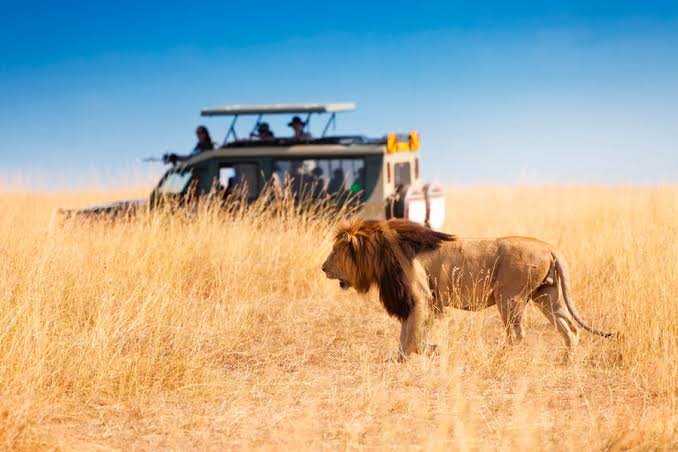
Only male lions grow manes, which make them look larger and help protect the neck during fights. Darker, fuller manes are often linked to maturity, health and higher testosterone, making them attractive to females and intimidating to rivals. Some lions, such as many in Kenya's hot Tsavo region, have very short manes or none at all.
Lions are Africa's largest cats
Male lions typically weigh around 150 to 250 kg and females about 110 to 180 kg, making lions the largest cats in Africa and the second largest in the world after tigers. Powerful forelimbs, strong jaws and retractable claws allow them to bring down animals several times their own weight. Their raw strength is truly awe-inspiring.
Cubs are raised together
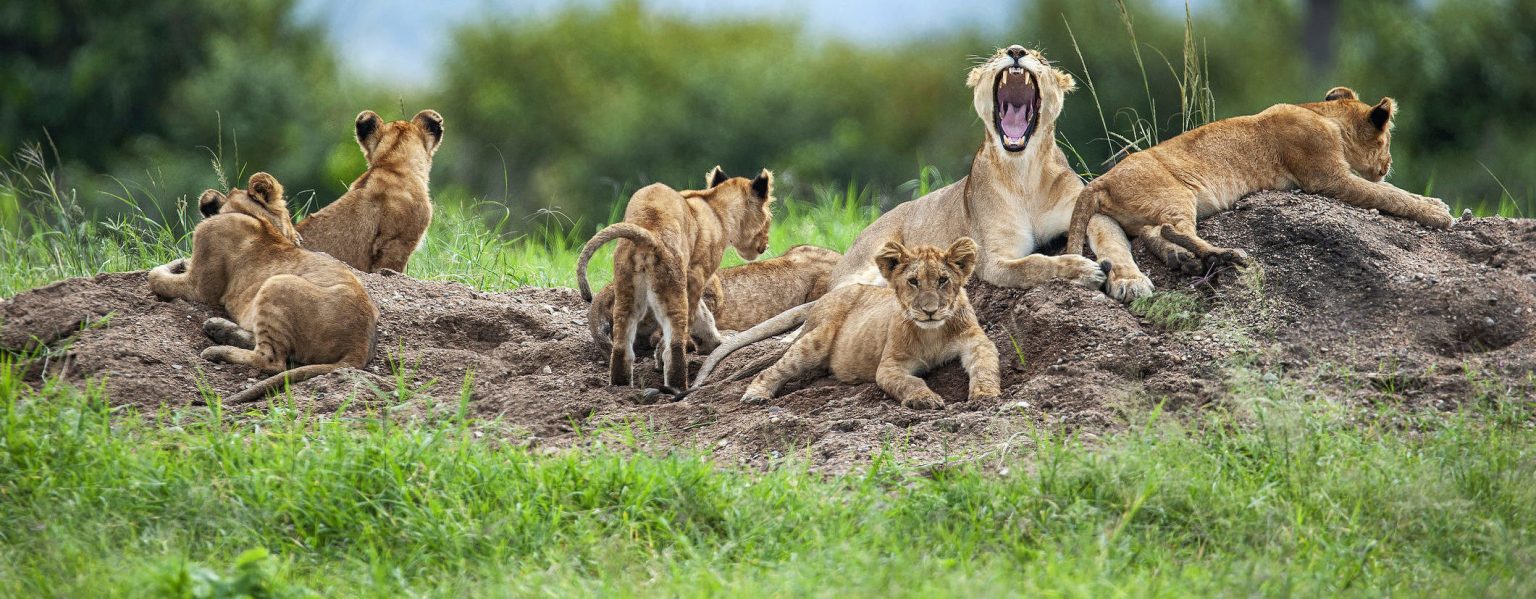
Lionesses usually give birth to between one and four cubs after a pregnancy of around three and a half months, hiding them in dense cover for the first weeks. Females in a pride often synchronise births and raise cubs in a nursery, sometimes even suckling each other's young. Cubs are born with spotted coats. They are adorable.
Males defend large territories
Male lions patrol and defend territories that can cover tens or even hundreds of square kilometres, marking them with roars, urine and scratch marks. Coalitions of brothers or unrelated males often work together to take over prides. When new males take over, they may kill existing cubs so lionesses can breed again. Pride life can be harsh.
Lions rest up to 20 hours a day
Lions spend up to 20 hours a day resting or sleeping, saving energy for short, intense bursts of activity. They mostly hunt at dusk, during the night or around dawn, when it is cooler and darkness helps them ambush prey. This is why lions are often seen lazing in the shade at midday. Dawn drives bring action.
Lions are apex predators
As apex predators, adult lions have no natural predators apart from humans and other lions. By hunting grazing animals, they help keep herbivore populations healthy and balanced, which protects grasslands and other wildlife. Lions also scavenge regularly, often stealing kills from hyenas, leopards and cheetahs when they have the chance. They truly rule the savanna.
Lions are Vulnerable
Lions are listed as Vulnerable, with wild populations having declined steeply over the past century. Habitat loss, conflict with livestock farmers, declining prey and poaching are major threats. Tanzania is home to one of Africa's largest remaining lion populations, and responsible tourism helps support parks, rangers and local communities that protect them. Every visitor helps.
02Lion Life Explained
Understanding how lions live helps you read the action unfolding in front of you on safari. A sleeping pride, a lioness slipping through grass or a male roaring at dawn all tell part of a bigger story about family, survival and territory. Lion life follows clear patterns, from daily routines and cooperative hunts to the challenges cubs face growing up and the battles males fight for control. These five tabs explain lion life in detail, helping you interpret behaviour, ask your guide better questions and appreciate every lion sighting in Tanzania. Lion life is endlessly fascinating to watch.
A Day in the Life of a Lion
First-time safari travelers
Rest, socialise, hunt
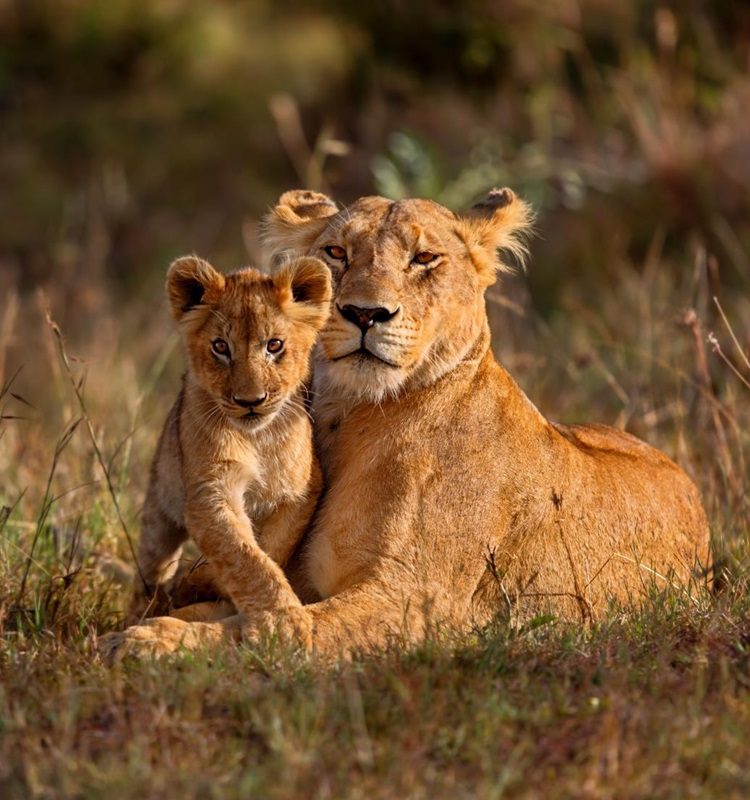
A typical lion day begins with activity at dawn, often after a night hunt, followed by long hours resting in shade. Pride members groom each other, play and sleep through the heat. As temperatures drop in late afternoon, lions become alert, cubs play and lionesses start scanning for prey before the night hunt. It is fascinating to observe.
Lion safari guide →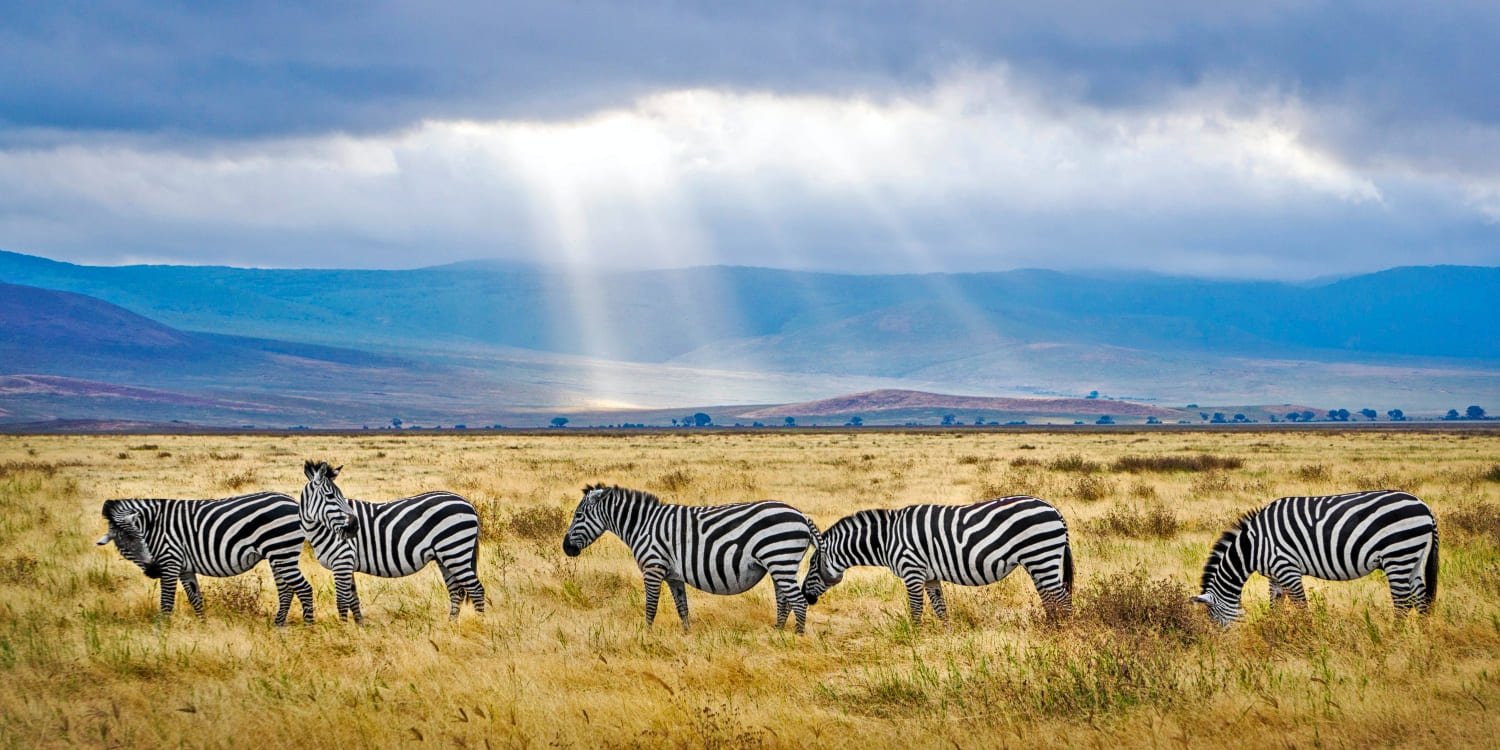
How Lions Hunt
Predator fans
Cooperative hunters
Lions rely on stealth and teamwork rather than speed, reaching about 80 km/h only in short bursts. Lionesses stalk low through grass, then rush from close range, often using wind direction and darkness to their advantage. Many hunts fail, so lions also scavenge, stealing kills from hyenas, cheetahs and leopards whenever possible. Every hunt is dramatic.
Big cats safari →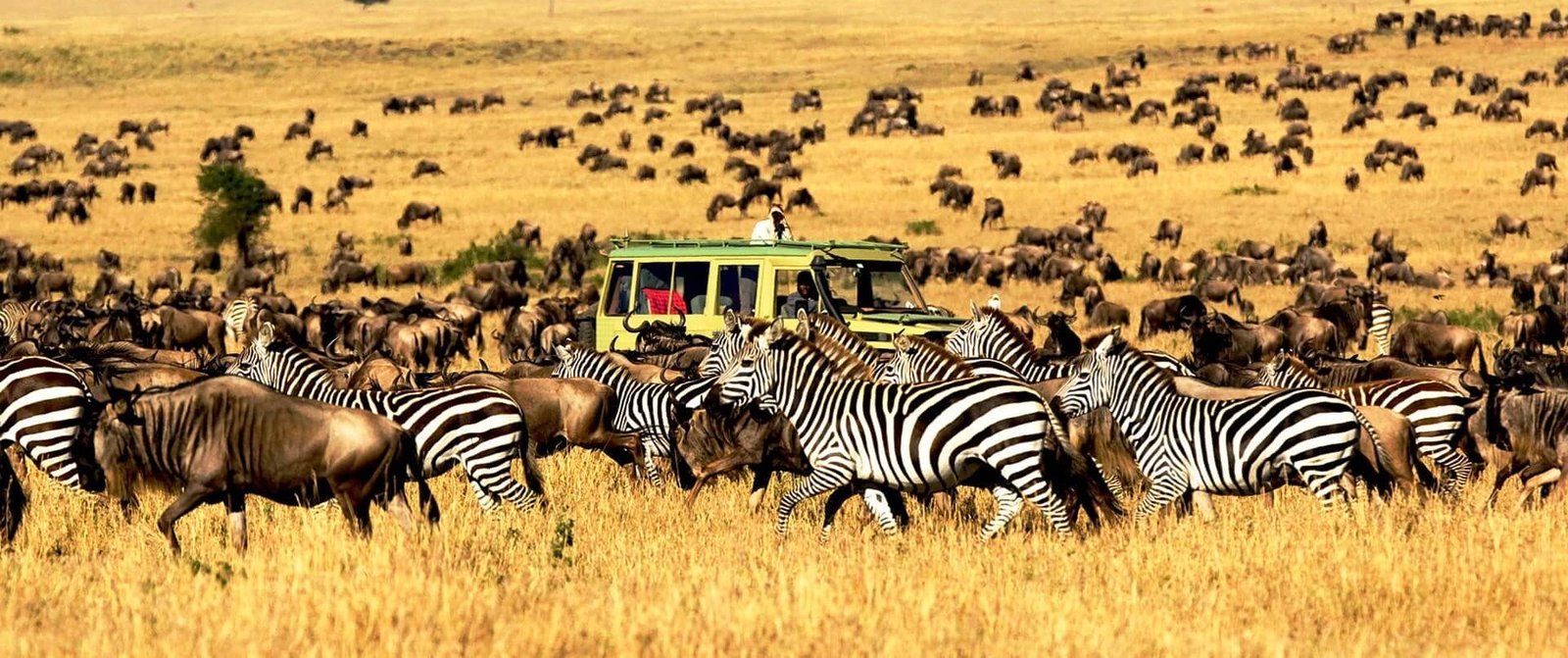
Lion Cubs and Growing Up
Families with children
Playful but vulnerable
Lion cubs are born blind and helpless, opening their eyes after about a week. They join the pride at around six to eight weeks old and are weaned by about six months, though they depend on adults for much longer. Cub survival is low, as hyenas, other predators and rival males pose constant threats. They grow up fast.
Photographic safaris →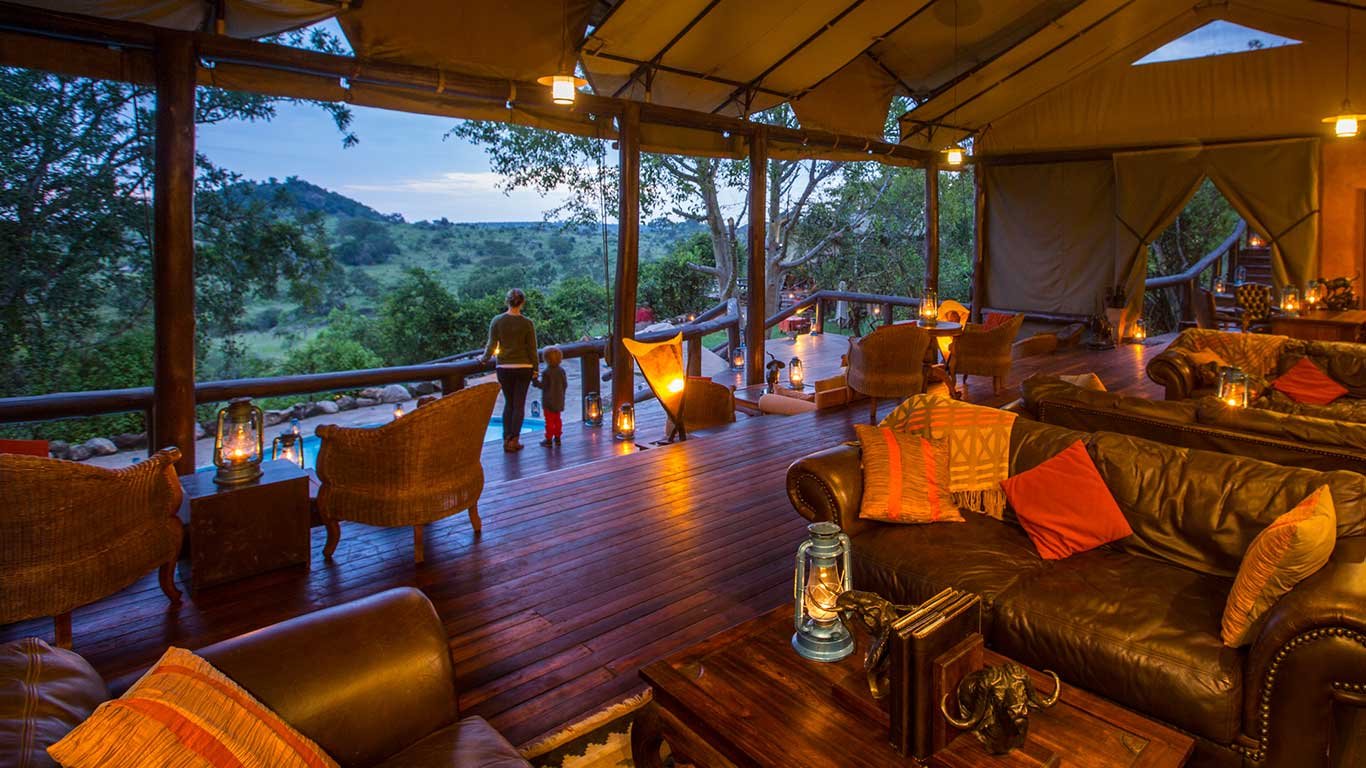
Male Lions and Coalitions
Wildlife enthusiasts
Power and protection
Young males leave their birth pride at around two to three years old and often live as nomads before trying to take over a pride. Brothers frequently form coalitions, which are far more successful at winning and holding territory. A male's reign may last only a few years before younger, stronger rivals take over. Life at the top is tough.
African big cats safaris →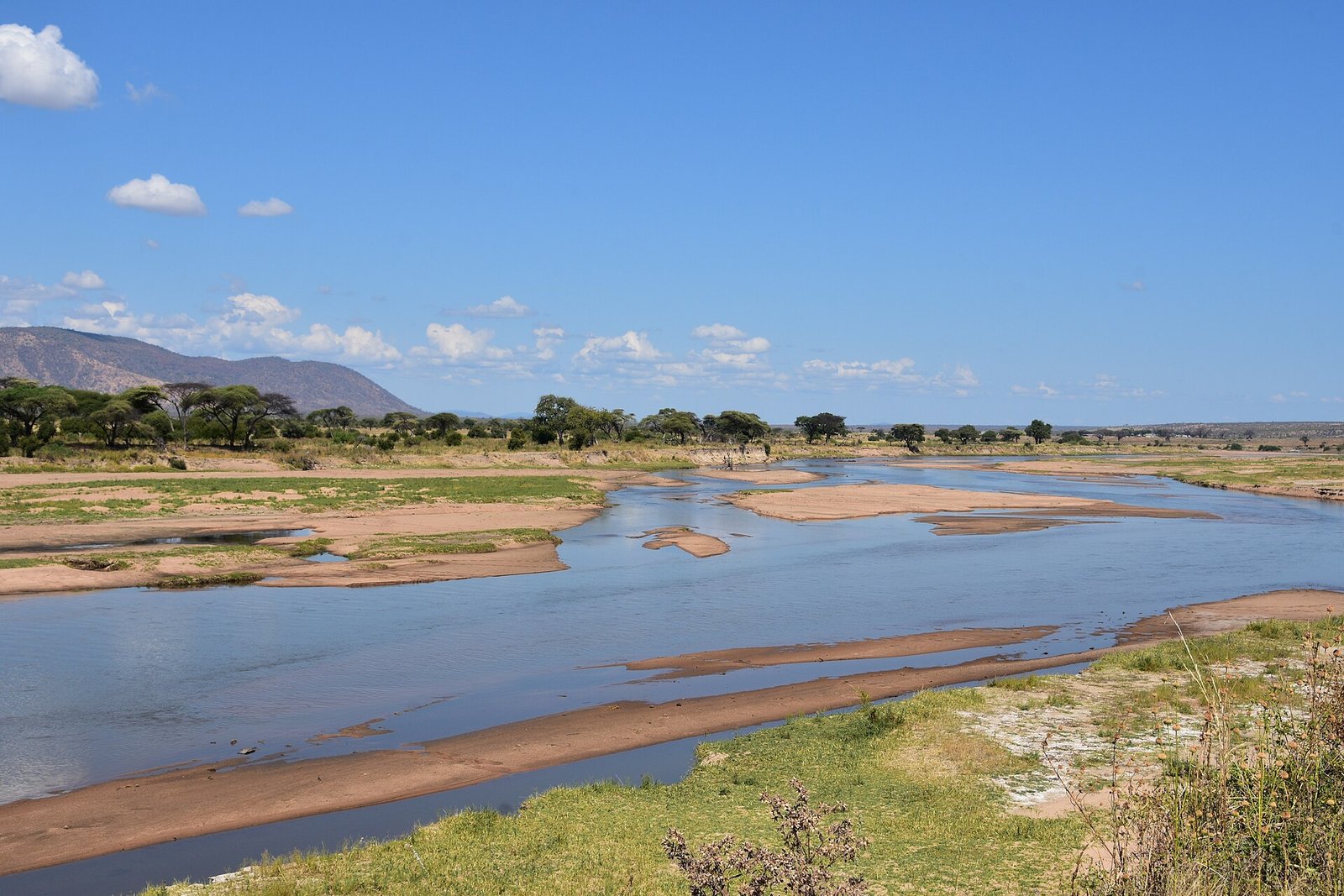
Lion Conservation
Conservation-minded travelers
Every safari helps
Lions have disappeared from most of their historic range, and wild numbers have fallen dramatically over the past century. Conservation efforts focus on protecting habitat, reducing conflict with livestock owners and supporting communities living alongside lions. Park fees and responsible safari tourism in Tanzania help fund rangers, research and community conservation programmes. Every visitor makes a difference.
Book a sustainable safari →03Where to See Lions in Tanzania
Tanzania is one of the best countries in Africa for lion safaris, with vast protected areas, abundant prey and some of the continent's largest lion populations. From the famous prides of the Serengeti to the tree-climbing lions of Lake Manyara, each park offers a different kind of lion experience. Choosing the right parks and seasons helps you enjoy frequent, memorable sightings. These six destinations are among the best places to see lions in Tanzania, with tips on what makes each one special and when to visit for the most rewarding encounters. Each one offers truly unforgettable lion moments.
Serengeti: Seronera
The Seronera Valley in the central Serengeti has resident prides year-round, thanks to permanent water and plentiful prey. Lions are often seen resting on kopjes or under acacia trees, and the area is famous for big cat action. Seronera is one of the most reliable places in Africa for lion sightings in any season. It is lion heaven.
Ndutu and southern Serengeti
From about January to March, the calving season attracts huge herds to Ndutu and the southern Serengeti plains, and lions follow close behind. Abundant prey leads to dramatic hunts and frequent sightings of prides with cubs. Off-road driving in parts of Ndutu allows closer, respectful viewing of lions in action. It is a thrilling season for wildlife lovers.
Ngorongoro Crater
The Ngorongoro Crater supports a dense lion population within its enclosed caldera, along with spotted hyenas, buffalo and black rhinos. Short distances mean you can often see several prides in a single day. Crater lions are relatively relaxed around vehicles, making this an excellent place for lion photography. It is a true lion paradise for every visitor.
Lake Manyara National Park
Lake Manyara is famous for its tree-climbing lions, often seen resting in acacia and mahogany branches. Sightings are never guaranteed, which makes them even more special. Lake Manyara's compact size, lush forest and soda lake views make it an easy and rewarding addition to any northern Tanzania lion safari. Look up into every tree carefully as you drive.
Tarangire National Park
Tarangire has healthy lion prides that hunt along the Tarangire River and the Silale Swamp, especially in the dry season from June to October, when wildlife gathers near water. Lions here are sometimes seen climbing trees too. Combining lions, elephants and baobabs, Tarangire offers classic, varied safari scenery. It is a beautiful park for lion safaris.
Ruaha National Park
Ruaha is one of Africa's most important lion strongholds, home to large prides that hunt buffalo, giraffe and zebra across wild, rugged landscapes. Fewer vehicles make sightings feel exclusive and authentic. Ruaha is ideal for experienced travelers seeking remote lion encounters, often combined with Nyerere on a southern circuit safari. Every sighting feels truly wild here.
04Lion Safari Tips
Seeing lions in the wild is one of the highlights of any African safari, and a little planning helps you enjoy longer, more rewarding sightings. Choose parks with healthy prides, travel at the right time of year and head out early, when lions are most active after the night. A private vehicle lets you wait patiently for a hunt or playful cubs. Use these lion safari tips to prepare, then contact our Arusha-based specialists, who will design a private tailor-made Tanzania safari focused on lions and Africa's other magnificent big cats. The pride is waiting for you now.
Where to go0/4
When to look0/4
Bring0/4
05Interesting Facts About Lions: FAQs
What are 10 interesting facts about lions?
Lions are the only social cats, living in prides. Their roar can be heard up to about 8 km away. Lionesses do most of the hunting, males grow manes and defend territories, and lions rest up to 20 hours a day. They are Africa's largest cats, apex predators, raise cubs together and are listed as Vulnerable.
How far can a lion's roar be heard?
A lion's roar can be heard up to about 8 km away on a calm night, making it the loudest roar of any big cat. Lions roar to mark territory, warn rivals and stay in touch with pride members. Roaring is most common at night and around dawn, often thrilling guests sleeping in safari camps.
How much do lions weigh?
Adult male lions usually weigh around 150 to 250 kg, while females weigh about 110 to 180 kg. Males are larger, more muscular and have manes. Lions are the largest cats in Africa and the second largest cats in the world after tigers, with powerful forelimbs and jaws for overpowering large prey. They are truly impressive.
How fast can a lion run?
A lion can run at about 80 km/h (50 mph), but only for short bursts of around a hundred metres. Lions tire quickly, so they rely on stealth, teamwork and ambush rather than long chases. Lionesses stalk close to prey under cover of grass or darkness before launching a sudden, powerful charge. Patience wins their hunts.
Why do male lions have manes?
Male lions have manes to signal strength, maturity and health to females and rival males. Darker, fuller manes often indicate a fit, dominant lion. Manes may also help protect the neck during fights. Mane size and colour vary with genetics, age, climate and testosterone levels, and some lions have very little mane. Every mane is unique.
Do female lions do all the hunting?
Lionesses do most of the hunting, working together to stalk and ambush prey such as wildebeest, zebra and buffalo. However, male lions do hunt, especially large or dangerous prey like buffalo and giraffe, and nomadic males must hunt alone. Males mainly focus on defending the pride and its territory from rival males. Teamwork keeps prides strong.
How many lions are in a pride?
A lion pride usually includes several related females, their cubs and one or more adult males, often totalling between ten and twenty lions. Some prides are smaller, while others can be larger where prey is abundant, such as in the Serengeti. Pride size depends on habitat, prey availability and competition from neighbouring prides. Every pride is different.
How long do lions live in the wild?
In the wild, lionesses often live around 10 to 14 years or more, while male lions usually live shorter lives because of fights with rivals and life as nomads. In protected zoos and sanctuaries, lions can live into their late teens or longer. Food availability, injuries and competition strongly affect wild lion lifespans. Life is tough.
How many hours a day do lions sleep?
Lions sleep or rest for up to 20 hours a day, conserving energy for hunting, which mostly happens at dusk, during the night and around dawn. This is why safari guests often see lions lying in the shade during the middle of the day. Early morning and late afternoon game drives bring the most lion activity.
What do lions eat?
Lions mainly eat large and medium-sized herbivores, including wildebeest, zebra, buffalo, antelope and warthog, and occasionally young elephants or giraffes. They also scavenge, often stealing kills from hyenas, leopards and cheetahs. After a large meal, lions may not need to eat again for several days, resting while they digest their food. Lions are efficient hunters.
Are lions endangered?
Lions are listed as Vulnerable, meaning they face a high risk of extinction in the wild. Their numbers have fallen dramatically over the past century because of habitat loss, conflict with livestock farmers, declining prey and poaching. Tanzania protects one of Africa's largest lion populations, and responsible safari tourism helps fund their conservation. Every safari helps protect them.
Can lions climb trees?
Yes, some lions climb trees, although they are not natural climbers like leopards. Lake Manyara and Tarangire in Tanzania are known for tree-climbing lions, which may climb to escape biting insects, catch cooling breezes or get a better view of prey. Spotting lions resting in tree branches is a special safari moment. Keep looking up carefully.
Where is the best place to see lions in Tanzania?
The best places to see lions in Tanzania include the Serengeti, especially the Seronera Valley and Ndutu, the Ngorongoro Crater, Lake Manyara for tree-climbing lions, Tarangire and Ruaha. The Serengeti offers excellent year-round sightings, while Ndutu is outstanding during the calving season from about January to March, when lions hunt newborn wildebeest. Expert guides help enormously.
Why are lions called the king of the jungle?
Lions are called the king of the jungle because of their power, majestic manes and position at the top of the food chain, although they actually live on savannas, grasslands and open woodland rather than jungles. The name reflects centuries of symbolism, as lions have long represented strength, courage and royalty worldwide. The title truly suits them.
Lion and Big Cat Guides
Book a Lion Safari in Tanzania
Meet the Kings of the Savanna
Watch lion prides hunt, play and roar across the Serengeti and Ngorongoro on a private tailor-made Tanzania safari, with expert guides, private 4x4 vehicles and camps close to the best lion territories, designed by our Arusha-based team.
Book Now Online →What Our Travelers Say
Real 5-star reviews from guests who traveled with us