12-Week Kilimanjaro Training Plan for Beginners
12-Week Kilimanjaro Training Plan for Beginners
The fabulous ultimate guide to climbing Mount Kilimanjaro in Tanzania is a bucket-list adventure requiring structured preparation, endurance training, and altitude readiness. This 12-week Kilimanjaro training plan for beginners is designed to improve cardiovascular fitness, muscular strength, and hiking stamina for a successful summit via routes like Machame, Marangu, or Lemosho. Using a high-volume Kilimanjaro training plan, hiking fitness, altitude acclimatization, and summit success, this guide helps trekkers prepare safely and confidently. Whether you are training for a Kilimanjaro trek difficulty, high altitude hiking, or African mountain climbing, consistency is key. The program gradually builds endurance while reducing injury risk. By following this beginner-friendly Kilimanjaro preparation plan, you increase your chances of reaching Uhuru Peak at 5,895 meters. Proper training ensures you can handle long trekking days, changing weather, and thin air conditions on Africa’s highest mountain.
Before You Begin:
This plan is a blueprint, but remember, your body is unique. Consult a doctor before starting any new exercise program, especially if you have underlying health conditions. They can tailor the plan to your fitness level and needs.
Weeks 1 - 4 Weeks Before Climb: Building Your Base
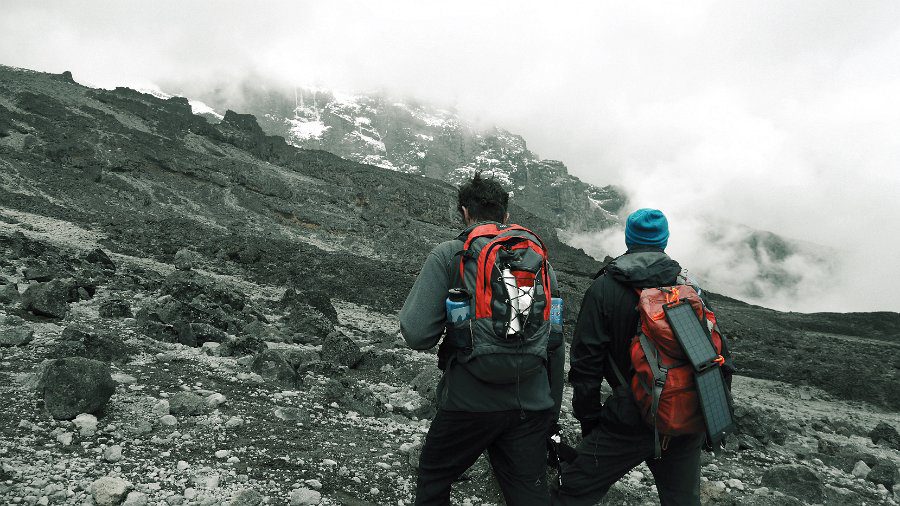
This phase helps build a strong Kilimanjaro hiking fitness base essential for future progression. Include trekking practice on local hills or long walks carrying a light backpack to simulate Kilimanjaro trekking conditions. Consistency and gradual progression are key to avoiding injury and improving summit success rates on Mount Kilimanjaro. Follow a structured beginner plan and track progress weekly to stay motivated and prepared for summit success now. In the first four weeks of your Kilimanjaro training plan, beginners focus on building aerobic endurance, basic strength, and consistent hiking habits.
✔Focus: Start with 3-4 sessions per week of brisk walking or light jogging (30-45 minutes) and establish a fitness foundation, improve stamina, and prepare the body for high-altitude trekking
✔Cardio: 2-3 sessions per week focusing on major muscle groups: legs, core, and back. Start with bodyweight exercises like squats, lunges, planks, rows, and push-ups. As you get stronger, add light weights or resistance bands. Brisk walking, jogging, cycling, and light hiking for 30–60 minutes most days of the week
✔Rest and Recovery: prioritize sleep, hydration, stretching, and active recovery days to prevent injury
Weeks 5-8 Weeks Before Climb: Pushing Your Limits
This phase is critical for building the endurance needed for Kilimanjaro summit success and tackling steep trails and altitude changes. Increase weekly hiking distance and add weighted backpack training to simulate real trekking conditions. Maintain consistency and avoid overtraining to reduce the risk of injury during the preparation period. Rest days improve performance and recovery before a successful summit attempt. During Weeks 5–8 of your Kilimanjaro training plan, the focus shifts to increasing intensity, endurance, and strength for long mountain trekking days.
✔Cardio: Up the ante with 4-5 sessions per week. Include longer hikes (2-3 hours) with moderate elevation gain. running, stair climbing, hiking with elevation gain, and interval training sessions to boost stamina for high-altitude trekking
✔Strength Training: Continue 2-3 sessions per week, gradually increasing weight or reps/sets. squats, lunges, core workouts, and leg strengthening exercises to support carrying a backpack on Kilimanjaro
✔Rest and Recovery: include active recovery, stretching, hydration, and proper sleep for muscle repair and injury prevention
9 - 12 Weeks Before Climb: Peak Performance and Tapering
This stage ensures your body is fully prepared for high-altitude trekking and long summit push days. Reduce training volume gradually to allow full recovery and prevent fatigue before climbing Kilimanjaro. Focus on mental strength and visualization techniques for summit success on Uhuru Peak. Final preparation includes gear checks, route review, and rest optimization. Tapering improves oxygen efficiency and endurance capacity significantly. In Weeks 9–12 of your Kilimanjaro training plan, you reach peak performance and begin tapering to ensure optimal recovery before the climb.
✔Cardio: Focus on quality over quantity with 3-4 sessions per week, including one longer (4-5 hours) hike with significant elevation gain. long-distance hiking, steady-state endurance walks, and altitude simulation workouts to prepare for summit day
✔Strength Training: moderate resistance training, bodyweight exercises, and core stability workouts to maintain strength without fatigue
✔Rest and Recovery: focus on tapering intensity, stretching, hydration, and mental readiness for the Kilimanjaro trek
Beyond the Physical
Beyond physical training, Kilimanjaro success depends on preparation, equipment, altitude awareness, and mental resilience.
✔Practice with your backpack: simulate real trekking conditions by carrying 8–12 kg during hikes to build endurance
✔Invest in good hiking boots: essential for comfort, ankle support, and preventing injuries on rough terrain
✔Acclimatize to altitude: prepare for reduced oxygen levels and slower pacing during ascent
✔Mental preparation: focus on determination, patience, and mindset for summit success
✔Remember: consistency in training ensures better performance, reduced fatigue, and improved adaptation to high altitude conditions. Gradual progression, proper hydration, nutrition, and rest are equally important for summit success. Always listen to your body and adjust training intensity when necessary. Preparation increases safety and enjoyment on the Kilimanjaro trek. Success depends on discipline and consistent effort daily over the weeks.
Final thought
Final thought: A successful Kilimanjaro summit begins with smart preparation, discipline, and a structured 12-week Kilimanjaro training plan for beginners. Consistency in training builds the endurance, strength, and mental resilience needed for high-altitude trekking on Mount Kilimanjaro. Whether you are hiking, strength training, or improving cardiovascular fitness, every step brings you closer to Uhuru Peak. Proper planning, nutrition, and acclimatization strategies significantly increase your chances of success. Remember that Kilimanjaro is not a technical climb but a demanding endurance challenge requiring patience and determination. With the right mindset and preparation, beginners can safely reach the summit and enjoy one of the most iconic trekking adventures in Tanzania and Africa, experiencing breathtaking landscapes, diverse climates, and unforgettable achievement on the Roof of Africa with Kilimanjaro summit success training journey now complete.
12-Week Kilimanjaro Training Plan for Beginners: FAQs
How far in advance should I plan Kilimanjaro?
Planning a Kilimanjaro climb requires early preparation to ensure safety, success, and proper acclimatization. Ideally, you should plan your Kilimanjaro expedition at least 6 to 12 months in advance. This allows enough time to book the best Kilimanjaro routes, choose a reputable Kilimanjaro tour operator, and complete a structured 12-week Kilimanjaro training plan for beginners.
How long should you train for Kilimanjaro?
You should train for Kilimanjaro for at least 12 weeks, especially if following a structured 12-week Kilimanjaro training plan for beginners. However, many trekking experts recommend 3 to 6 months of preparation for optimal endurance, altitude readiness, and cardiovascular strength. Training duration depends on your current fitness level, hiking experience, and chosen Kilimanjaro route, such as Machame, Lemosho, or Marangu.
What level of fitness do you need to climb Kilimanjaro?
To climb Mount Kilimanjaro, you need a moderate to good level of physical fitness rather than technical mountaineering skills. The ideal climber should have strong cardiovascular endurance, leg strength, and the ability to hike for several hours a day at high altitude. A 12-week Kilimanjaro training plan for beginners typically includes hiking, running, cycling, and strength training to build stamina and resilience.
How many miles a day do you hike on Kilimanjaro?
On Kilimanjaro, hikers typically cover between 4 and 10 miles per day, depending on the route, altitude, and acclimatization schedule. Longer routes like Lemosho and Northern Circuit offer shorter daily distances to improve acclimatization, while shorter routes may involve more strenuous hiking days. A structured 12-week Kilimanjaro training plan for beginners helps prepare your body for sustained walking on uneven terrain with elevation gain.
What is the best exercise for climbing Kilimanjaro?
The best exercises for climbing Mount Kilimanjaro focus on building cardiovascular endurance, leg strength, and overall stamina. Hiking on steep terrain is the most effective training activity, ideally done with a weighted backpack to simulate real trekking conditions. Running, cycling, and stair climbing are excellent for improving aerobic fitness and lung capacity. Strength training exercises such as squats, lunges, and step-ups help build powerful legs for long ascents.
What is the best training for Kilimanjaro?
The best training for Kilimanjaro combines endurance hiking, cardiovascular conditioning, and strength training to prepare for high-altitude trekking. Endurance hiking on hills or mountains is essential for simulating real climbing conditions on Mount Kilimanjaro. Cardio exercises such as running, swimming, and cycling improve lung capacity and stamina. Strength training focusing on legs, core, and back helps carry a backpack comfortably during long trekking days.
When should I stop training before Kilimanjaro?
You should not stop training completely before Kilimanjaro, but instead taper your workouts about 1 to 2 weeks before departure. This tapering period allows your body to recover while maintaining fitness levels built through your 12-week Kilimanjaro training plan for beginners. Reduce intensity and volume of cardio, hiking, and strength training while focusing on light exercise and stretching. Avoid intense workouts that may cause fatigue or injury close to your expedition.
How do I get in shape for Kilimanjaro?
Getting in shape for Kilimanjaro requires a balanced approach combining cardio, strength training, and endurance hiking. Start by building a consistent routine that includes running, cycling, and stair climbing to improve cardiovascular fitness. Incorporate long-distance hikes with a weighted backpack to simulate real trekking conditions on Mount Kilimanjaro. A structured 12-week Kilimanjaro training plan for beginners gradually increases intensity, helping your body adapt to altitude challenges.
How do you weight train for Kilimanjaro?
Weight training for Kilimanjaro focuses on building lower-body strength, core stability, and muscular endurance needed for long trekking days. Exercises such as squats, lunges, deadlifts, and step-ups are essential for strengthening the legs and improving uphill power. Carrying weighted backpacks during training hikes simulates real climbing conditions on Mount Kilimanjaro. A structured 12-week Kilimanjaro training plan for beginners integrates progressive resistance training to avoid injury and build stamina.
How many hours a day do you hike on Kilimanjaro?
During a Kilimanjaro climb, hikers typically spend 4 to 8 hours trekking each day, depending on the route, elevation gain, and acclimatization schedule. Some summit days may require up to 12 to 15 hours of continuous hiking due to the final ascent to Uhuru Peak. A structured 12-week Kilimanjaro training plan for beginners helps prepare your body for long endurance activity and sustained walking at high altitude.
Climb Kilimanjaro With Confidence
Tell us your dates and fitness, and our experienced mountain team will plan a safe, well-acclimatized private climb.