10 Reasons to Visit Tanzania
Top Reasons to Visit Tanzania at a Glance
Discover and experience Tanzania, a dream destination where bold African safari, luxury Tanzania safari, best African safari tours, and Tanzania travel packages come to life. From iconic wildlife encounters to pristine beaches, this East African gem offers unforgettable experiences for every traveler. Whether you’re planning a Serengeti safari, Kilimanjaro climbing adventure, or a romantic Zanzibar beach holiday, Tanzania blends adventure, culture, and relaxation seamlessly. With world-class national parks, welcoming communities, and diverse landscapes, it’s no surprise that Tanzania safari holidays, African wildlife tours, and bucket list destinations in Africa rank among the most popular travel experiences globally. Discover why Tanzania remains one of the top choices for luxury safari in Africa, family safari packages, and honeymoon safaris in Tanzania.
The Great Migration in the Serengeti
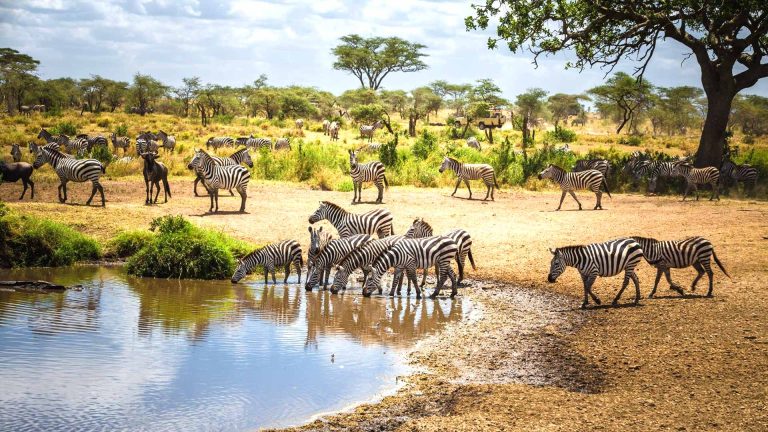
The Great Migration Serengeti, one of the world’s most spectacular wildlife events, is a top reason to visit Serengeti National Park. Millions of wildebeest, zebras, and gazelles move across vast plains in search of fresh grazing, creating a dramatic natural spectacle. This iconic journey attracts travelers seeking Serengeti safari tours, Great Migration safari packages, and wildlife photography safaris in Africa. Witness thrilling river crossings and predator-prey interactions that define the best African safari experiences. Whether you choose a luxury safari lodge in the Serengeti or a budget camping safari in Tanzania, the migration guarantees unforgettable moments. It’s truly a bucket-list adventure for anyone looking for the top safari destinations in Africa or planning a once-in-a-lifetime African safari holiday.
- 1January–March: calving season in the southern Serengeti
- 2April–May: herds move through the central Serengeti
- 3June–July: crossings in the western corridor
- 4July–October: Mara River crossings in the north
- 5November–December: herds return south
Mount Kilimanjaro
Standing tall as Africa’s highest peak, Mount Kilimanjaro is a magnet for adventurers worldwide. Climbing this iconic mountain is a dream for those looking for Kilimanjaro climbing tours, the best routes on Kilimanjaro, and Kilimanjaro trekking packages. From the scenic Machame Route to the popular Marangu Route, each path offers unique views and challenges. This UNESCO-listed wonder is perfect for both seasoned hikers and first-time trekkers seeking African adventure travel. The journey through diverse ecosystems—from rainforest to alpine desert—adds to its appeal. With professional guides and well-organized Kilimanjaro expedition tours, reaching the summit becomes an achievable goal, making it one of the top bucket list travel experiences in Africa.
Zanzibar
The tropical paradise of Zanzibar offers crystal-clear waters, white sandy beaches, and a rich cultural heritage. Known for Zanzibar beach holidays, luxury beach resorts in Zanzibar, and honeymoon destinations in Africa, it’s perfect for relaxation after a safari. Explore Stone Town’s winding alleys, spice farms, and historic sites while enjoying the island’s vibrant Swahili culture. Whether you’re looking for all-inclusive Zanzibar resorts or budget beach vacations in Tanzania, the island caters to all travelers. Activities like snorkeling, diving, and dhow cruises enhance the experience. Zanzibar’s blend of history, culture, and natural beauty makes it one of the most sought-after African island getaways.
Rich Culinary Experiences
Tanzania’s cuisine is a flavorful journey influenced by African, Arab, and Indian traditions. Food lovers looking for Tanzania food experiences, Swahili cuisine, and African street food tours will find a wide variety of dishes. From nyama choma (grilled meat) to fresh seafood along the coast, every meal tells a story. In Dar es Salaam and Zanzibar, vibrant food markets offer authentic tastes of local life. Culinary tours and cooking classes are becoming popular among travelers seeking cultural travel experiences in Tanzania. Pair your meals with tropical fruits and local spices for a complete sensory experience. Exploring Tanzanian cuisine is an essential part of any Tanzania travel itinerary.
Outstanding Accommodation Options
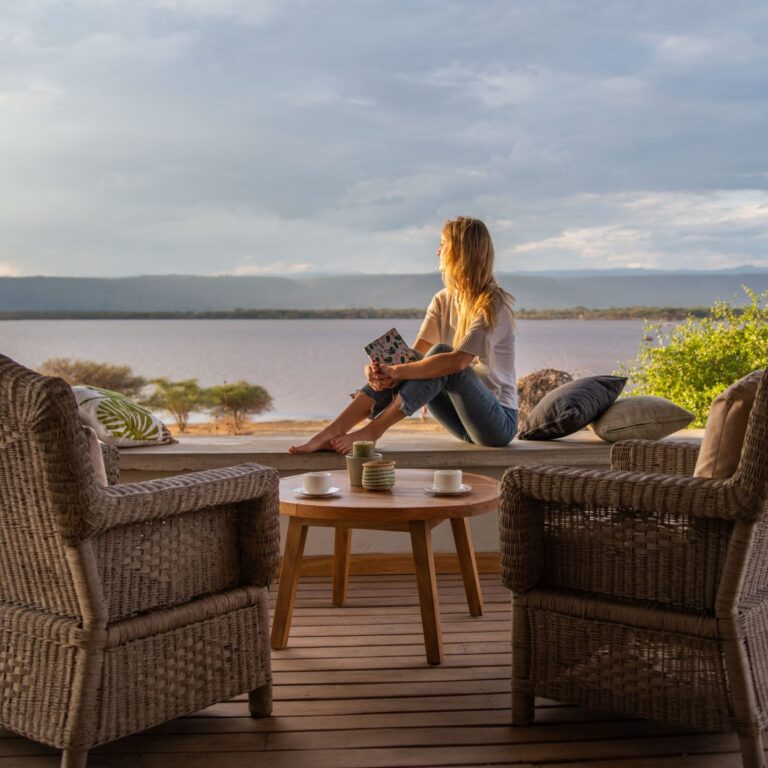
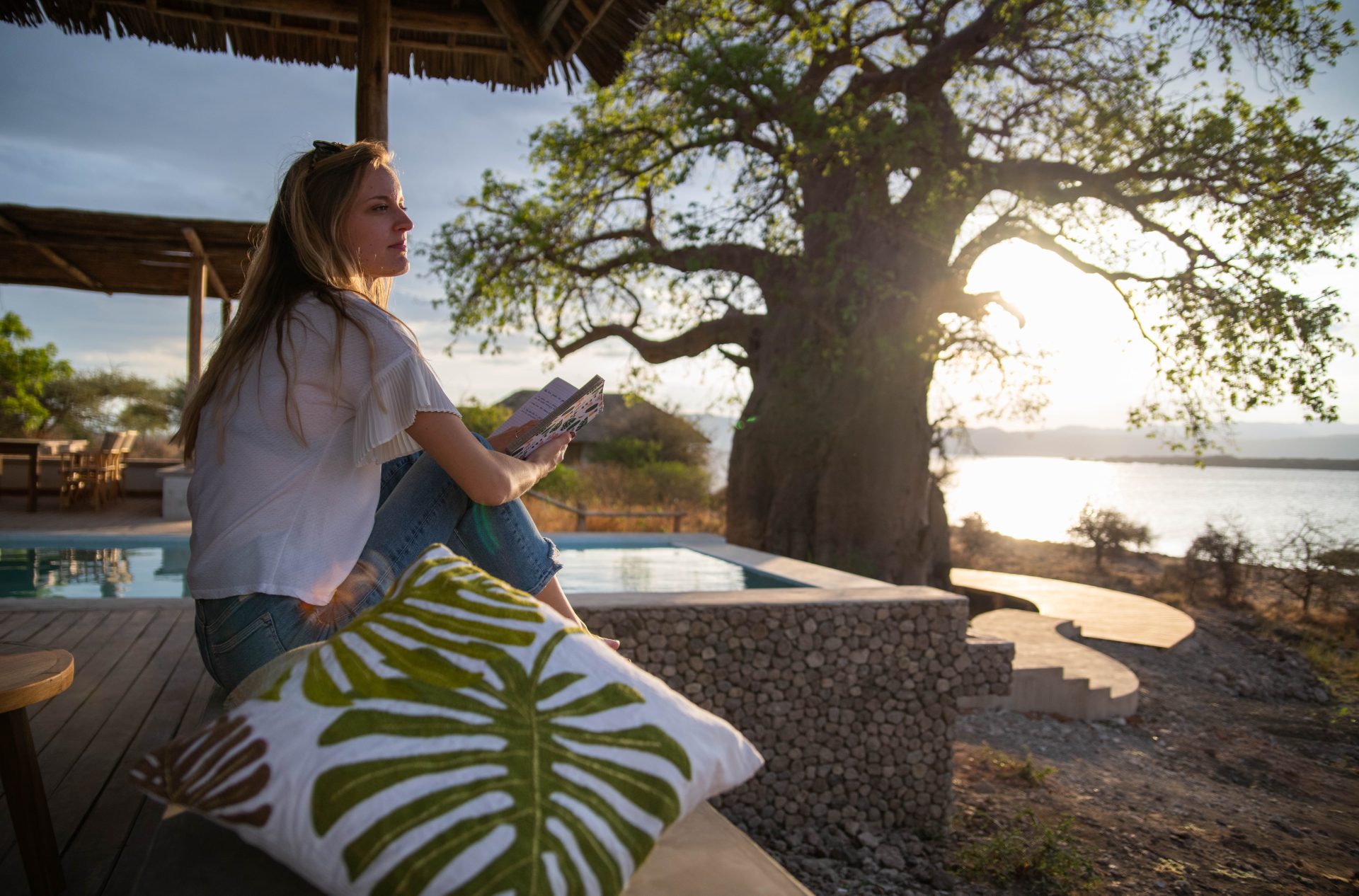
Tanzania offers a wide range of accommodation, from luxury safari lodges to budget safari camps. Whether you prefer glamping safari Tanzania, boutique hotels, or eco-friendly lodges, there’s something for every traveler. Many lodges in Serengeti National Park and Ngorongoro Conservation Area provide stunning views and close wildlife encounters. Travelers looking for all-inclusive safari lodges, family safari accommodation in Tanzania, and romantic safari lodges in Africa will find exceptional options. Personalized services, guided game drives, and fine dining enhance the experience. These accommodations ensure comfort while immersing guests in nature, making Tanzania a top choice for luxury African safari holidays.
The Maasai People
Meeting the Maasai People offers a unique cultural experience that enriches any trip to Tanzania. Known for their distinctive traditions, colorful attire, and deep connection to nature, the Maasai provide insight into authentic African life. Cultural tours are popular among those looking for Maasai village tours, cultural safaris in Tanzania, and authentic African experiences. Visitors can learn about traditional dances, livestock practices, and daily life in rural communities. These interactions promote sustainable tourism and cultural preservation. Engaging with the Maasai adds depth to your journey, making it more than just a wildlife adventure and enhancing the appeal of Tanzania cultural tours.
Wildlife and Birdlife
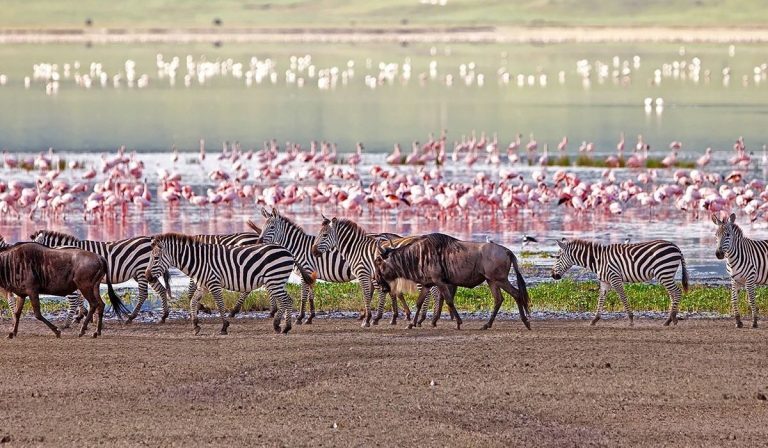
Tanzania is a wildlife haven, home to the famous Big Five and over 1,000 bird species. Parks like Tarangire National Park and Lake Manyara National Park are ideal for wildlife safari in Tanzania, birdwatching tours in Africa, and photographic safaris. Travelers can spot elephants, lions, leopards, and flamingos in their natural habitats. This biodiversity makes Tanzania a leading destination for the best wildlife safari in Africa and nature travel experiences. Whether on a guided game drive or walking safari, every moment offers a chance to connect with nature. It’s a paradise for anyone seeking African safari adventures.
The Ngorongoro Crater
The breathtaking Ngorongoro Crater is one of Africa’s most iconic safari destinations. Known for its dense wildlife population, it’s perfect for Ngorongoro safari tours, Big Five safari in Tanzania, and luxury safari experiences in Africa. This UNESCO World Heritage Site offers stunning landscapes and year-round wildlife viewing. Visitors can enjoy game drives across the crater floor, spotting rhinos, lions, and large herds of herbivores. Its unique ecosystem makes it a must-visit for anyone planning Tanzania safari holidays. The crater delivers unmatched beauty and unforgettable encounters, solidifying its reputation as a top African safari destination.
Diverse Landscapes
From savannah plains to tropical beaches, Tanzania boasts incredibly diverse landscapes. Explore the vast plains of Serengeti National Park, the lush highlands, and the turquoise waters of Zanzibar. This variety attracts travelers looking for scenic safari in Africa, nature tours in Tanzania, and adventure travel destinations in Africa. Each region offers unique experiences, from game drives to beach relaxation. The country’s natural beauty makes it ideal for photography, exploration, and relaxation. Tanzania’s landscapes ensure every journey feels different, making it a top choice for African travel experiences.
Historical Sites
Tanzania is rich in history, offering fascinating sites for culture enthusiasts. Stone Town and Olduvai Gorge are among the most significant. Visitors looking for historical tours in Tanzania, cultural heritage in Africa, and UNESCO sites in Tanzania will find plenty to explore. Stone Town’s architecture reflects centuries of trade and cultural exchange, while Olduvai Gorge is known as the “Cradle of Mankind.” These landmarks provide insight into human history and Swahili culture. Exploring Tanzania’s past adds depth to your journey, making it a well-rounded travel experience in Africa.
- UNESCO World Heritage Site
- Centuries of trade and Swahili culture
- Known as the Cradle of Mankind
- On the road to the Serengeti
Hiking (Mount Meru, Empakaai Crater, Ol Doinyo Lengai)
For hiking enthusiasts, Tanzania offers incredible trekking opportunities beyond Kilimanjaro. Mount Meru, Empakaai Crater, and Ol Doinyo Lengai provide unique adventures. These destinations attract travelers looking for hiking tours in Tanzania, trekking adventures in Africa, and off-the-beaten-path safaris. Each hike offers stunning views, wildlife encounters, and cultural experiences. Whether you’re exploring volcanic landscapes or lush forests, Tanzania’s hiking trails deliver unforgettable journeys. These experiences are perfect for those seeking adventure travel in Tanzania.
Hot Air Balloon
A hot air balloon safari in the Serengeti is one of the most magical ways to experience Tanzania’s landscapes. Floating above Serengeti National Park at sunrise offers breathtaking views of wildlife and endless plains. This activity is popular among travelers looking for luxury safari experiences, romantic safari activities, and unique safari in Tanzania. After the flight, guests often enjoy a champagne breakfast in the bush. It’s a once-in-a-lifetime experience that combines adventure and luxury, making it a highlight of any Tanzania safari itinerary.
Southern and Western Serengeti
The southern and western regions of Serengeti National Park offer quieter, less crowded safari experiences. These areas are ideal for off-the-beaten-path safari in Tanzania, private safari tours in Africa, and exclusive wildlife experiences. Visitors can witness calving season in the south and dramatic river crossings in the west. These regions provide unique perspectives on the Great Migration safari. For travelers seeking solitude and authenticity, they represent some of the best hidden safari gems in Africa. Exploring these enhances your overall Tanzania safari experience.
Final Thought
Tanzania stands out as one of the world’s top travel destinations, offering unmatched diversity and unforgettable experiences. From the best Tanzania safari tours to luxury African safari packages, the country caters to every type of traveler. Whether you’re chasing wildlife in Serengeti National Park, climbing Mount Kilimanjaro, or relaxing in Zanzibar, every moment is extraordinary. With its rich culture, stunning landscapes, and abundant wildlife, Tanzania remains a top choice for African safari holidays, travel to Africa destinations, and bucket list adventures. It’s a destination that promises memories to last a lifetime.
10 Reasons to Visit Tanzania: FAQs
Why is the Great Migration a top reason to visit Tanzania?
Each year millions of wildebeest, zebras and gazelles move across the Serengeti in search of fresh grazing, followed by lions, cheetahs and crocodiles. Calving season usually runs from January to February in the south, while dramatic river crossings take place in the west and north from around June to October. Whether you stay in a luxury lodge or a camping safari, a private guide can position you for the action and help you photograph this once-in-a-lifetime wildlife spectacle. It is truly a bucket-list wildlife experience.
Can beginners climb Mount Kilimanjaro?
Yes. Kilimanjaro is Africa’s highest peak at 5,895 meters, but it is a non-technical trek, so no climbing skills are required. Good fitness and proper acclimatization matter most. Routes like Lemosho and Machame offer higher success rates thanks to their gradual ascent. Most climbs take five to nine days and cost around $1,500 to $3,500. With professional guides, porters and steady pacing, first-time climbers regularly reach Uhuru Peak and enjoy one of Africa’s top bucket-list adventures. Choose a longer route for the best chance of success.
Is Zanzibar worth visiting after a safari?
Absolutely. Zanzibar offers white sandy beaches, turquoise waters and the historic alleys of Stone Town, a UNESCO World Heritage Site. After days of early game drives, it is the perfect place to relax. You can snorkel, dive, sail on a traditional dhow or visit a spice farm. Zanzibar beaches are especially sunny from June to February. A short flight connects the island to the safari parks, making a safari and beach holiday easy to combine. Many travelers spend three to five nights on the island.
What food should I try in Tanzania?
Tanzanian cuisine blends African, Arab and Indian influences. Try nyama choma, the much-loved grilled meat, and fresh seafood along the coast. In Dar es Salaam and Zanzibar, busy food markets offer authentic local flavors, while cooking classes and culinary tours let you learn traditional Swahili dishes. Tropical fruits and local spices complete the experience. Many safari lodges also serve international menus, so travelers with special diets can enjoy both familiar meals and new tastes throughout their journey. Do not miss tasting fresh Zanzibar spices.
What accommodation is available on a Tanzania safari?
Tanzania offers everything from budget camps to luxury safari lodges. You can choose glamping tented camps, boutique hotels or eco-friendly lodges, many with stunning views and close wildlife encounters in the Serengeti and Ngorongoro Conservation Area. Family rooms, romantic suites and all-inclusive options are widely available. Personalized service, guided game drives and fine dining add to the comfort. On a private tailor-made safari, your guide can match each lodge to your budget, travel style and wildlife priorities. Booking early secures the best camps in peak season.
Can I visit a Maasai village in Tanzania?
Yes. Maasai cultural visits are a highlight of many Tanzania safaris. You can learn about traditional dances, colorful attire, livestock practices and daily life in rural communities near the parks. Visits are usually arranged with your guide so that they are respectful and benefit local families. Ask before taking photos and follow your host’s lead. These encounters add real depth to your journey, turning a wildlife holiday into a meaningful cultural experience you will remember for years. Small gifts are not expected, but respect always is.
What wildlife can I see in Tanzania?
Tanzania is home to the Big Five: lion, leopard, elephant, buffalo and rhino. You can also see giraffes, zebras, wildebeest, cheetahs, hippos and over 1,000 bird species. The Great Migration fills the Serengeti with millions of animals, while Tarangire is famous for elephant herds and Lake Manyara for flamingos and birdlife. Game drives and walking safaris give different perspectives, and a private guide helps you find the species you most want to see. Early morning and late afternoon drives offer the best sightings for photographers.
Why visit the Ngorongoro Crater?
Ngorongoro Crater is a UNESCO World Heritage Site and one of Africa’s most iconic safari destinations. Its crater floor holds a dense population of wildlife all year, including rare black rhinos, lions and large herds of herbivores. Because the area is compact, you can see a remarkable variety of animals in a single day. Early morning descents offer the best light and quieter roads. It is a must-visit stop on any northern Tanzania safari itinerary. Combine it with Tarangire, Lake Manyara and the Serengeti for a classic itinerary.
What landscapes can I see in Tanzania?
Tanzania’s landscapes range from the endless savannah plains of the Serengeti to lush highlands, volcanic craters, alkaline lakes, rainforest and tropical beaches. Each region offers a different experience, from game drives and crater views to hiking and beach relaxation. This variety makes the country ideal for photographers and explorers. A multi-destination itinerary lets you move from the northern parks to Kilimanjaro and Zanzibar, so every day of your journey feels fresh and different. Pack layers, as highland mornings can be surprisingly cool.
What historical sites can I visit in Tanzania?
Stone Town in Zanzibar and Olduvai Gorge are two of the most significant historical sites. Stone Town’s carved doors and narrow alleys reflect centuries of trade and Swahili culture, and the town is a UNESCO World Heritage Site. Olduvai Gorge, known as the Cradle of Mankind, has revealed important fossils of early humans and lies on the road to the Serengeti. Visiting these landmarks adds history and context to a wildlife safari. Guided walking tours of Stone Town bring its stories to life.
Where can I go hiking in Tanzania besides Kilimanjaro?
Mount Meru, Empakaai Crater and Ol Doinyo Lengai offer superb hiking beyond Kilimanjaro. Mount Meru, Tanzania’s second-highest peak, rises inside Arusha National Park, where you may meet giraffes and buffalo on the trail. Empakaai Crater has a beautiful crater lake often visited by flamingos. Ol Doinyo Lengai is an active volcano near Lake Natron for experienced hikers. Each hike combines stunning views, wildlife encounters and cultural experiences off the beaten path. Hire experienced local guides for safety on all these hikes.
Is a hot air balloon safari in the Serengeti worth it?
Yes. Floating above the Serengeti at sunrise is one of the most magical ways to see Tanzania. From the basket you can watch herds, predators and endless plains in the soft morning light. Flights usually end with a champagne breakfast in the bush. It is a popular choice for honeymooners and photographers. Balloon safaris are an optional extra, so book early in peak season and plan your Serengeti stay in the right area for the launch site. Flights depend on good weather conditions each morning.
Why visit the southern and western Serengeti?
The southern and western Serengeti offer quieter, less crowded safaris. In the south, calving season brings thousands of newborn wildebeest and attracts predators, usually between January and February. In the west, the Grumeti River sees dramatic crossings, usually around June and July. These areas are ideal for private safaris and travelers who want solitude and authentic wildlife encounters. Including them in your itinerary gives you a fuller picture of the Great Migration and Serengeti ecosystem. Mobile camps move with the herds to stay close to the action.
How do I plan a private Tanzania safari?
Start by choosing your travel dates and the experiences that matter most, such as the Great Migration, Kilimanjaro, Zanzibar or cultural visits. The dry season from June to October is best for game viewing, while the green season brings fewer crowds and lower prices. Our Tanzania-based team designs private tailor-made safaris around your interests and budget, with your own vehicle, expert guide and handpicked lodges for a relaxed, flexible and unforgettable journey. We also handle park fees, transfers and internal flights for you.
Plan Your Private Tanzania Safari
Tell us your travel dates, interests and budget, and our local team will design a private tailor-made safari around you.