
Fun Facts About Ostriches
Fun Facts About Ostriches
African wildlife facts, and flightless birds of Africa. Native to African savannas, deserts, and open plains, ostriches are unique for their incredible speed, size, and survival adaptations. Unlike other birds, they cannot fly, yet they dominate their environment with powerful legs and extraordinary eyesight. They are often seen on African safari tours in countries like Tanzania. Ostriches play a vital role in ecosystems and attract global attention from wildlife enthusiasts, photographers, and researchers. This detailed guide explores the most interesting rich facts about ostriches, helping you understand why they are one of the most remarkable birds on Earth in terms of biology, behavior, and survival skills in the wild African landscape.
Fact 1. The World’s Largest Bird Species
The ostrich is recognized as the largest bird in the world, a popular in wildlife and safari content. Adult ostriches can grow up to 2.7 meters tall and weigh over 150 kilograms, making them significantly larger than any other living bird species. Their massive size helps them dominate open landscapes across African savannas. Despite being flightless, their body structure is perfectly adapted for survival on land. Their long necks provide a wide field of vision, while their strong legs support endurance and mobility. Ostriches are often highlighted in African safari tours due to their impressive presence and unique biology. Their size also plays a defensive role, intimidating predators such as lions and hyenas. This makes them one of the most iconic animals in African wildlife safaris and a top search topic for travelers exploring African nature and wildlife experiences.
Fact 2. Fastest Running Bird on Earth
Ostriches are known as the fastest running bird on Earth, a popular in wildlife facts. They can reach speeds of up to 70 km/h, making them one of the fastest land animals as well. Their long, powerful legs are specially designed for sprinting across open terrain, helping them escape predators in African savannas. Each stride can cover up to 5 meters, giving them an incredible advantage in survival situations. Unlike flying birds, ostriches rely entirely on speed and endurance for protection. This ability makes them a key highlight in African safari experiences, especially in regions like Serengeti and Maasai Mara. Their speed is often compared to cheetahs, although ostriches maintain longer endurance. Wildlife enthusiasts frequently search for “fastest bird in the world” and discover the ostrich as the undisputed champion of ground speed in the animal kingdom.
Fact 3. Flightless but Extremely Powerful
Although ostriches cannot fly, they are extremely powerful birds, a popular in wildlife education content. Their wings are not used for flight but serve important roles in balance, communication, and mating displays. The ostrich’s muscular legs are among the strongest in the animal kingdom, allowing them to run, kick, and defend themselves effectively. This adaptation replaces the need for flight and ensures survival in open African environments. Their strength is so remarkable that a single kick can seriously injure or deter predators like lions. Safari travelers often admire ostriches for their unique evolutionary path compared to other birds. Instead of flying, they have mastered ground survival with speed, strength, and intelligence. This makes them one of the most fascinating examples of adaptation in African wildlife and a key subject in “flightless birds facts” searches worldwide.
Fact 4. Ostrich Eggs Are the Largest in the World
Ostrich eggs are the largest eggs in the world, a high-ranking in wildlife searches. Each egg can weigh up to 1.4 kilograms and is equivalent to about 20–24 chicken eggs. Despite their size, ostrich eggs are incredibly strong due to their thick shells, which protect the developing chick from predators and harsh environmental conditions. These eggs are often featured in African safari facts and wildlife documentaries. Ostrich nests are usually communal, with several females laying eggs in a single nest, increasing survival chances. The incubation process lasts about 42 days, during which both males and females take turns protecting them. These eggs are not only biologically impressive but also culturally significant in some African communities. Their size and durability make them a frequent topic in searches like “largest bird egg in the world” and “interesting ostrich facts.”
- ArushaGateway
- TarangireElephants
- NgorongoroCrater
- SerengetiBig Five
- ZanzibarBeach
Fact 5. Unique African Habitat Distribution
Ostriches are native to African savannas and deserts, making “African wildlife habitat” and “where do ostriches live”. They are commonly found in countries such as Tanzania, Kenya, Namibia, Botswana, and South Africa. These birds prefer open landscapes where visibility is high and predators can be easily spotted from a distance. Their habitat selection plays a key role in survival, allowing them to use speed as their main defense mechanism. Ostriches are often seen during African safari tours in famous national parks like Serengeti and Ngorongoro. They adapt well to dry climates and semi-arid environments, showing resilience in extreme conditions. Their distribution across Africa makes them an important part of safari wildlife experiences. Travelers searching for “African safari animals” or “wildlife in Africa” often encounter ostriches as one of the most iconic and easily recognizable species on the continent.
Fact 6. Incredible Eyesight for Survival
Ostriches have incredible eyesight, a popular in animal behavior studies. Their eyes are the largest of any land animal, measuring about 5 centimeters in diameter. This gives them excellent long-distance vision, allowing them to detect predators from far away in open landscapes. Good eyesight is essential for survival in the African savanna, where danger can approach quickly. Ostriches rely on visual awareness more than other senses, making them highly alert animals. This adaptation is especially important during African safari observations, where tourists often notice ostriches scanning the horizon. Their eyes are even larger than their brains, emphasizing how important vision is for their survival strategy. Searches like “do ostriches have good eyesight” and “largest eyes in animals” frequently highlight this fascinating feature, making ostriches one of the most visually adapted birds in the world.
Fact 7. Powerful Defensive Kicks
One of the most dangerous features of ostriches is their powerful defensive kicks, a strong in wildlife safety and animal behavior content. Ostriches use their strong legs not only for running but also for defending themselves against predators. A single kick can deliver enough force to seriously injure animals such as lions or hyenas. Each foot has sharp claws that increase the impact of their defense mechanism. This makes ostriches one of the few birds capable of actively fighting back against large predators. Safari guides often warn visitors to observe ostriches from a safe distance due to their unpredictable defensive behavior. Their kicking ability is a survival advantage in the wild African environment. Searches like “are ostriches dangerous” and “ostrich defense mechanism” often highlight this powerful trait, making them one of the most respected and feared birds in African wildlife ecosystems.
Fact 8. Social and Group Behavior
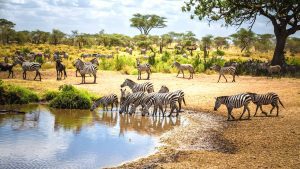
Ostriches are highly social birds, a popular in wildlife behavior studies. They often live in groups called flocks, which can range from a few individuals to over 50 birds. Group living helps them detect predators more efficiently and increases survival rates. Ostriches often mix with other animals like zebras and antelopes during migration and grazing. This cooperative behavior is a key feature of African savanna ecosystems. Within flocks, ostriches communicate using body movements and vocal sounds to alert each other of danger. Social structure also plays a role in mating and nesting behavior. Safari travelers often observe these groups while exploring national parks in Africa. Searches like “do ostriches live in groups” and “ostrich behavior facts” highlight their interesting social nature, making them an important species in understanding African wildlife interactions and ecosystem balance.
Fact 9. Diet of an Omnivorous Forager
Ostriches are omnivorous foragers, a high in animal diet research. Their diet includes plants, seeds, fruits, insects, and small reptiles. They are highly adaptable feeders, which helps them survive in harsh and dry environments. Ostriches do not have teeth, so they swallow small stones to help grind food in their digestive system. This unique adaptation is essential for breaking down tough plant materials. Their foraging behavior plays an important role in maintaining ecological balance in African savannas. During safari tours, ostriches are often seen grazing alongside other herbivores. Searches like “what do ostriches eat” and “ostrich diet facts” are common among wildlife enthusiasts. Their flexible eating habits contribute significantly to their survival success, making them one of the most adaptable birds in African ecosystems and an essential part of the food chain.
Fact10. Unique Mating and Courtship Rituals
Ostriches display unique mating and courtship rituals, a popular in wildlife reproduction studies. During breeding season, males perform elaborate dances involving wing flapping, bowing, and dramatic movements to attract females. Their feathers often change appearance, becoming more vibrant during courtship displays. Females choose mates based on strength, behavior, and display quality. Ostrich mating systems are often polygamous, with dominant males mating with multiple females. These rituals are essential for genetic diversity and species survival. Safari observers often find these behaviors fascinating during African wildlife tours. Searches like “ostrich mating dance” and “how do ostriches reproduce” frequently highlight these unique behaviors. Courtship displays are not only functional but also visually striking, making ostriches one of the most interesting birds in terms of reproductive behavior in the animal kingdom.
Fact 11. Strong Parental Care System
Ostriches have a strong parental care system, an important in animal behavior studies. Both males and females participate in protecting and raising their chicks. After eggs hatch, parents guide chicks to food sources and protect them from predators. Male ostriches often take a leading role in guarding the nest during nighttime, while females supervise during the day. This cooperative parenting increases chick survival rates in the wild. Ostrich chicks are highly vulnerable in their early stages, making parental protection essential. Safari travelers often observe family groups moving together across savannas. Searches like “do ostriches care for their young” and “ostrich parenting behavior” highlight this strong family structure. Their cooperative breeding system is one of the reasons ostriches thrive in challenging African environments and remain successful survivors in the wild ecosystem.
Fact 12. Adaptation to Extreme Heat
Ostriches are highly adapted to extreme heat conditions, a strong in climate and wildlife adaptation studies. They live in some of Africa’s hottest environments, including deserts and dry savannas. Their feathers provide insulation that helps regulate body temperature, preventing overheating. Ostriches also use behavioral adaptations such as spreading wings to release heat and resting during peak sunlight hours. Their ability to conserve water is another key survival feature. These adaptations make them highly resilient in harsh climates where many animals struggle. Safari experts often highlight ostriches as one of the best examples of heat adaptation in African wildlife. Searches like “how do ostriches survive heat” and “desert bird adaptations” frequently feature this species. Their survival strategies make them an essential part of understanding ecological resilience in extreme environments.
Fact 13. Communication Through Sounds and Body Language
Ostriches communicate using sounds and body language, a key in animal communication studies. They produce deep booming sounds, hisses, and grunts to communicate with other ostriches. Body movements such as wing displays and head positioning also play an important role in signaling danger or courtship. Communication helps maintain group coordination and predator awareness in open savanna environments. These signals are especially important in large flocks where visual and auditory cues ensure safety. Safari travelers often notice these subtle interactions during wildlife viewing. Searches like “how do ostriches communicate” and “ostrich sounds meaning” highlight their complex behavior. Their communication system is simple yet effective, allowing them to survive in environments where quick responses are necessary. This makes ostriches one of the most behaviorally interesting birds in African ecosystems.
Fact 14. Speed vs Predator Strategy
Ostriches rely on a speed vs predator survival strategy, a popular in wildlife survival content. Instead of hiding or fighting first, ostriches often choose to run at extreme speeds to escape predators. Their long strides and endurance allow them to outrun many African carnivores. If escape is not possible, they switch to defensive kicking as a secondary strategy. This combination of speed and strength makes them highly effective survivors in open savanna landscapes. Predators such as lions, cheetahs, and hyenas often avoid healthy adult ostriches due to these defenses. Safari guides frequently explain this survival strategy during game drives. Searches like “how do ostriches escape predators” and “ostrich survival tactics” are commonly associated with this topic. Their dual defense system is one of the most efficient survival strategies in the African wildlife ecosystem.
Fact 15. Cultural and Economic Importance
Ostriches hold significant cultural and economic importance, a strong in wildlife tourism and African heritage. Historically, ostrich feathers were used in fashion, ceremonies, and traditional decorations. Today, ostrich farming contributes to local economies through meat, leather, and feather production. Ostrich leather is highly valued for its durability and unique texture. In African safari tourism, ostriches are a major attraction for wildlife enthusiasts and photographers. They also play a role in eco-tourism development across African countries. Searches like “ostrich farming benefits” and “economic importance of ostriches” highlight their value beyond wildlife. Their presence in culture and economy makes them more than just animals—they are a vital resource for sustainable development in Africa. This dual importance enhances their global recognition in both ecological and commercial sectors.
Fact 16. Longevity and Lifespan Facts
Ostriches have a relatively long lifespan, a popular in wildlife biology. In the wild, they can live between 30 to 40 years, while those in captivity may live even longer due to better care and reduced threats. Their longevity depends on environmental conditions, predator presence, and food availability. Ostriches reach maturity at around 2 to 4 years of age, allowing them to reproduce and sustain populations effectively. Their long lifespan contributes to stable population growth in African ecosystems. Safari researchers often study ostrich aging patterns to understand avian longevity. Searches like “how long do ostriches live” and “ostrich lifespan facts” are popular among wildlife learners. Their ability to survive for decades in harsh environments highlights their strong genetic and biological resilience, making them one of the most successful large bird species on Earth.
Final Thought
Ostriches are truly remarkable creatures that dominate African landscapes with their size, speed, intelligence, and survival adaptations. As highlighted through these fun facts about ostriches, they are more than just the largest birds in the world—they are powerful survivors perfectly adapted to life in harsh environments. From their incredible running speed to their strong defensive kicks and complex social behavior, ostriches represent one of nature’s most efficient evolutionary designs. Their presence in African wildlife safaris makes them a favorite among travelers and photographers. Whether studied for biology, ecology, or tourism, ostriches continue to fascinate people worldwide. Understanding them helps us appreciate the richness of African wildlife and the importance of conservation. These rich insights show why ostriches remain one of the most popular and admired birds across global search engines and wildlife platforms.
Fun Facts About Ostriches: FAQs
What should you know about fact 1. the world’s largest bird species for fun facts about ostriches?
The ostrich is recognized as the largest bird in the world, a popular in wildlife and safari content. Adult ostriches can grow up to 2.7 meters tall and weigh over 150 kilograms, making them significantly larger than any other living bird species. Their massive size helps them dominate open landscapes across African savannas.
What can you expect from fact 3. flightless but extremely powerful for fun facts about ostriches?
Although ostriches cannot fly, they are extremely powerful birds, a popular in wildlife education content. Their wings are not used for flight but serve important roles in balance, communication, and mating displays. The ostrich’s muscular legs are among the strongest in the animal kingdom, allowing them to run, kick, and defend themselves effectively.
What should you know about fact 5. unique African habitat distribution for fun facts about ostriches?
Ostriches are native to African savannas and deserts, making “African wildlife habitat” and “where do ostriches live”. They are commonly found in countries such as Tanzania, Kenya, Namibia, Botswana, and South Africa. These birds prefer open landscapes where visibility is high and predators can be easily spotted from a distance.
What can you expect from fact 7. powerful defensive kicks for fun facts about ostriches?
One of the most dangerous features of ostriches is their powerful defensive kicks, a strong in wildlife safety and animal behavior content. Ostriches use their strong legs not only for running but also for defending themselves against predators. A single kick can deliver enough force to seriously injure animals such as lions or hyenas.
What should you know about fact 9. diet of an omnivorous Forager for fun facts about ostriches?
Ostriches are omnivorous foragers, a high in animal diet research. Their diet includes plants, seeds, fruits, insects, and small reptiles. They are highly adaptable feeders, which helps them survive in harsh and dry environments. Ostriches do not have teeth, so they swallow small stones to help grind food in their digestive system.
What can you expect from fact 11. strong parental care system for fun facts about ostriches?
Ostriches have a strong parental care system, an important in animal behavior studies. Both males and females participate in protecting and raising their chicks. After eggs hatch, parents guide chicks to food sources and protect them from predators. Male ostriches often take a leading role in guarding the nest during nighttime, while females supervise during the day.
What should you know about fact 13. communication through sounds and body language for fun facts about ostriches?
Ostriches communicate using sounds and body language, a key in animal communication studies. They produce deep booming sounds, hisses, and grunts to communicate with other ostriches. Body movements such as wing displays and head positioning also play an important role in signaling danger or courtship.
What can you expect from fact 15. cultural and economic importance for fun facts about ostriches?
Ostriches hold significant cultural and economic importance, a strong in wildlife tourism and African heritage. Historically, ostrich feathers were used in fashion, ceremonies, and traditional decorations. Today, ostrich farming contributes to local economies through meat, leather, and feather production. Ostrich leather is highly valued for its durability and unique texture.
Plan Your Private Tanzania Safari
Tell us your travel dates, interests and budget, and our local team will design a private tailor-made safari around you.