
Best foods and drinks for acclimatising to high altitude
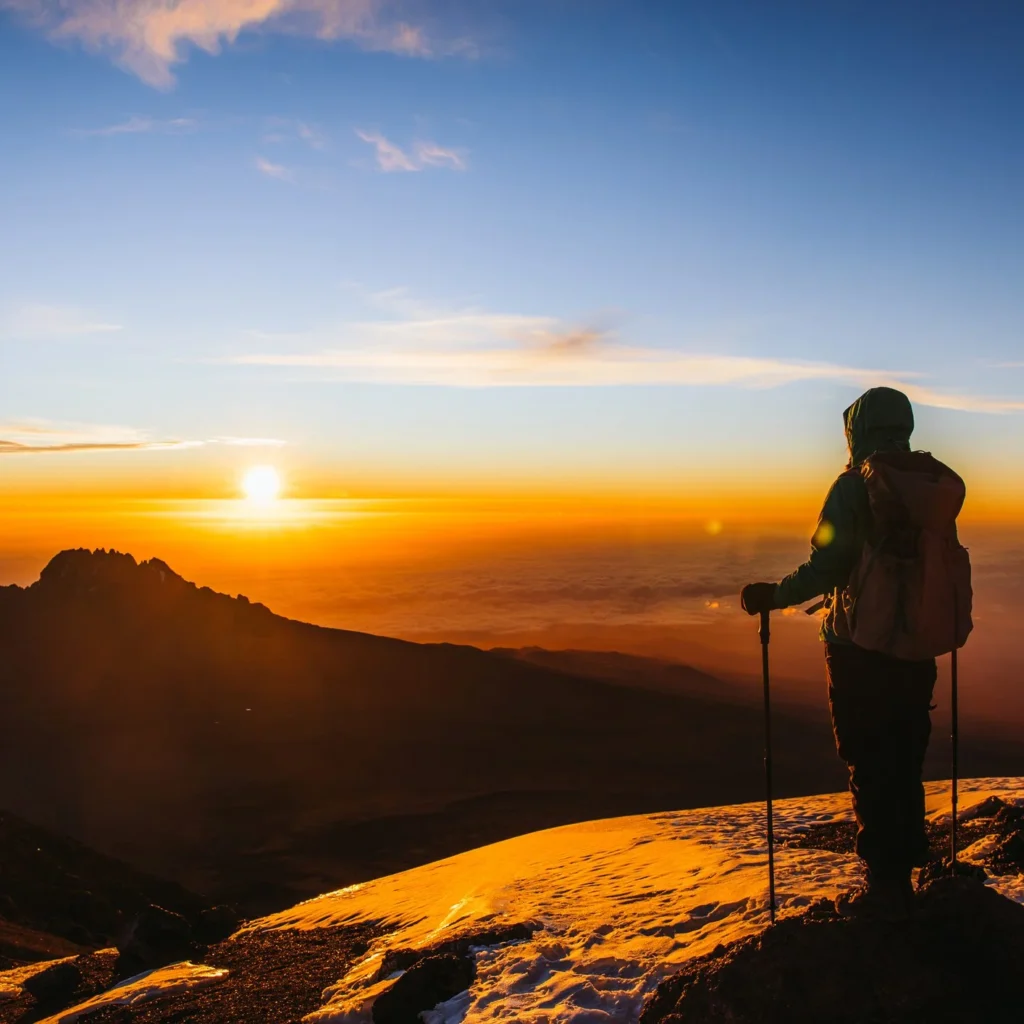
High altitude acclimatisation and prevention of altitude sickness are essential for trekkers, climbers, and safari travellers visiting mountains such as Kilimanjaro, the Andes, or the Himalayas. The best foods and drinks for acclimatising to high altitude help the body adapt to reduced oxygen, improve hydration, and support energy production. A smart high altitude diet focuses on hydration, complex carbohydrates, iron-rich foods, antioxidants, and natural electrolytes. Choosing the right nutrition reduces symptoms like headache, nausea, and fatigue while improving stamina. This SEO guide explores the best foods for altitude acclimatisation and the worst foods and drinks to avoid when ascending. Proper nutrition is a key factor in safe trekking, fast adaptation, and successful high altitude performance for all adventurers worldwide every single time. 1. Water Water is the most important factor for high altitude acclimatisation and prevention of altitude sickness. At high elevations, dehydration occurs faster due to dry air, increased breathing rate, and physical exertion. Drinking enough water improves oxygen circulation, reduces headaches, and supports energy levels during trekking or climbing. Experts recommend consistent hydration throughout the day rather than large amounts at once. Adding electrolytes can further enhance absorption and balance essential minerals. Warm water or herbal teas may also help maintain body temperature in cold mountain environments. Proper hydration is one of the simplest yet most effective strategies for altitude adaptation, making it essential for hikers, climbers, and safari travellers exploring high altitude destinations like Kilimanjaro and Mount Kenya every single day. 2. Complex Carbohydrates like Oats Oats and other complex carbohydrates are among the best foods for high altitude acclimatisation and altitude sickness prevention. They provide slow-release energy that helps maintain stable blood sugar levels during trekking or climbing. At high altitudes, the body burns more calories, so consuming oats ensures sustained stamina and endurance. Complex carbs also improve oxygen efficiency by reducing fatigue and supporting metabolic balance. Breakfast meals containing oats, whole grains, and cereals are ideal for mountaineers and safari travellers preparing for altitude exposure. Combining oats with fruits or nuts enhances nutrient density and recovery. A high altitude diet rich in complex carbohydrates is essential for climbers aiming for Kilimanjaro, Andes expeditions, or other challenging mountain adventures worldwide, and peak performance nutrition plans. 3. Iron-Rich Foods like Spinach Spinach and other iron-rich foods are essential for high altitude acclimatisation because they support haemoglobin production and improve oxygen transport in the blood. At high elevations, oxygen levels are lower, so increasing iron intake helps reduce symptoms of altitude sickness such as fatigue, dizziness, and shortness of breath. Leafy greens like spinach, kale, and Swiss chard are highly recommended for climbers and trekkers. Combining iron-rich foods with vitamin C sources enhances absorption and boosts overall energy levels. A balanced high altitude diet including iron-rich vegetables is vital for mountaineers, safari travellers, and expedition climbers. Proper nutrition supports endurance, stamina, and faster adaptation when exploring challenging destinations like Kilimanjaro, Everest Base Camp, and the Andes mountains for optimal health performance. 4. High-Antioxidant Foods like Berries Berries such as blueberries, strawberries, and raspberries are powerful high-antioxidant foods that support high altitude acclimatisation and help reduce oxidative stress caused by low oxygen levels. At high elevations, the body experiences increased free radical activity, and antioxidants help protect cells, improve immunity, and reduce inflammation. Consuming berries regularly enhances energy, recovery, and overall performance for climbers and trekkers. They are also rich in vitamins, fiber, and natural sugars that provide quick but healthy energy. Including berries in a high altitude diet helps prevent fatigue and supports brain function during demanding expeditions. For hikers exploring Kilimanjaro, Andes, or Himalayas, berries are an excellent natural snack for maintaining stamina and promoting altitude sickness prevention naturally and safe mountain performance nutrition support. 5. Potassium-Rich Foods like Bananas Bananas are one of the best potassium-rich foods for high altitude acclimatisation and altitude sickness prevention. Potassium helps regulate fluid balance, muscle function, and nerve signaling, all of which are critical at high elevations. Climbers often experience muscle cramps and fatigue due to electrolyte imbalance, and bananas provide a quick, natural solution. They are easy to digest, portable, and ideal for trekking snacks on Kilimanjaro, Andes, or Himalayan expeditions. Bananas also provide natural sugars for quick energy release, making them perfect for demanding physical activity. Including potassium-rich foods like bananas in a high altitude diet improves endurance, reduces fatigue, and supports overall hydration balance. They are an essential part of any climber’s nutrition plan for safe and successful altitude adaptation. 6. Lean Proteins like Lentils Lentils and other lean protein sources are essential for high altitude acclimatisation and altitude sickness prevention because they support muscle repair, oxygen transport, and sustained energy release. At high elevations, the body requires more efficient nutrition to maintain strength and endurance during trekking or climbing. Lentils are rich in plant-based protein, iron, and complex carbohydrates, making them ideal for long expeditions. They help stabilize energy levels and reduce fatigue while supporting recovery after physical exertion. A high altitude diet that includes lentils, beans, and legumes improves overall performance for climbers and safari travellers. Easy to cook and highly nutritious, lentils are a reliable food choice for expeditions such as Kilimanjaro, Andes, and other high mountain adventures worldwide. 7. Garlic and Ginger Garlic and ginger are powerful natural foods for high altitude acclimatisation and altitude sickness prevention due to their anti-inflammatory and circulation-boosting properties. At high elevations, improved blood flow helps the body deliver oxygen more efficiently, reducing fatigue and headaches. Garlic supports cardiovascular health, while ginger aids digestion and reduces nausea commonly experienced during trekking. Both ingredients enhance immunity and help the body adapt to harsh mountain environments. Including garlic and ginger in meals or teas is highly recommended for climbers and safari travellers preparing for Kilimanjaro, Andes, or Himalayan expeditions. These natural foods improve endurance, support energy balance, and contribute to a strong high altitude diet for optimal performance and faster acclimatisation supporting safe mountain travel and health every journey. 8. Coriander (Cilantro) and Cocoa Coriander (cilantro) and cocoa are
Overland African Safari Tours
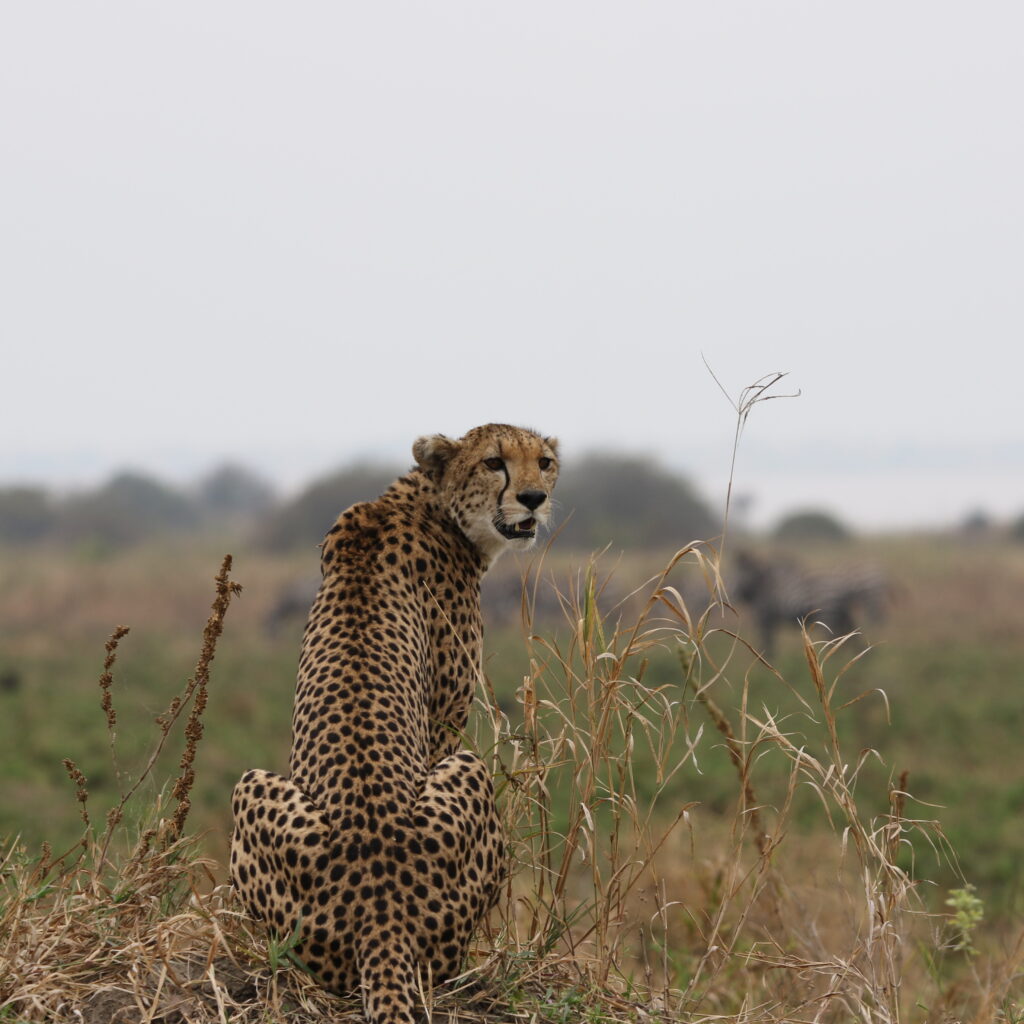
14 Day Africa Overland Tours & Vacations. Explore a fascinating 14-day overland African safari through Tarangire, Lake Manyara, Ngorongoro Crater, and Serengeti National Park. Perfect for families, honeymooners, and all budgets—from luxury to mid-range and budget options. Discover breathtaking wildlife and stunning landscapes on a 14-day overland safari across Tanzania’s top parks. Enjoy detailed itineraries, honest reviews, beautiful photos, and maps to plan your perfect holiday or budget-friendly experiences with trusted guides and unforgettable memories. African Overland Tours (Offered by Top Rated Operators). Embark on a fascinating 14-day overland African safari tour exploring Tanzania’s iconic wildlife destinations: Tarangire National Park, Lake Manyara National Park, Ngorongoro Crater, and Serengeti National Park. Begin in Tarangire, famous for its vast elephant herds and majestic baobab trees. Then, discover Lake Manyara’s diverse birdlife and tree-climbing lions along the scenic lake shores. Next, descend into the breathtaking Ngorongoro Crater, a UNESCO World Heritage site teeming with the Big Five amidst stunning volcanic landscapes. The adventure culminates in the world-renowned Serengeti National Park, where endless plains host the spectacular Great Migration, abundant predators, and vibrant wildlife. Enjoy daily game drives led by expert guides who provide insights into the rich ecosystem and Maasai culture. Accommodation varies from comfortable lodges to well-equipped campsites, blending comfort with authentic wilderness experience. This immersive journey combines thrilling wildlife encounters, breathtaking scenery, and cultural richness—ideal for adventurers and nature lovers seeking a comprehensive African safari. 14 Day Tanzania Safari Itinerary Fascinating 14-day overland African Safari Tours: Tarangire National Park, Lake Manyara National Park, Ngorongoro crater, and Serengeti National Park. This 14-day overland African safari is designed to provide an incredibly comprehensive and immersive experience of Tanzania’s most spectacular national parks. From the vast elephant herds of Tarangire to the dramatic plains of the Serengeti and the unique Ngorongoro Crater, this journey offers unparalleled wildlife viewing complemented by comfortable lodge and tented camp stays. Embark on an epic 14-day Overland African Safari Tours through Tanzania, a journey that promises to unveil the continent’s most captivating wildlife and breathtaking landscapes. This meticulously planned itinerary takes you through the heart of Tarangire National Park, the stunning Lake Manyara, the legendary Serengeti, and the magnificent Ngorongoro Crater, offering deep immersion and unforgettable encounters. Day 1: Arrival in Tanzania – Arusha’s Serene Welcome As your flight touches down at Kilimanjaro International Airport (JRO), the warm Tanzanian air will greet you, signaling the start of your grand adventure. After clearing customs, you’ll be warmly welcomed by your dedicated safari guide. A comfortable transfer will whisk you away to the elegant Mount Meru Hotel in Arusha. Settle into your room, relax after your journey, and enjoy a delicious dinner, allowing the excitement of your upcoming safari to truly begin. Day 2: Arusha to Tarangire National Park – Elephant Kingdom After a hearty breakfast, your overland safari truly commences. You’ll embark on a scenic drive south towards Tarangire National Park. The journey itself offers fascinating glimpses of local life and the changing landscapes. Upon entering Tarangire, prepare to be captivated by its majestic beauty. This park is renowned for its colossal elephant herds, and you’ll likely witness multi-generational families moving gracefully amidst the iconic baobab trees. Your game drive will reveal a symphony of wildlife. As dusk settles, you’ll check into the comfortable Tarangire Safari Lodge for dinner and a peaceful overnight stay, perfectly positioned to absorb the park’s atmosphere. Day 3: Tarangire National Park – Deep Immersion Awaken to the sounds of the African bush and enjoy a delicious breakfast at Tarangire Safari Lodge. Today is dedicated to a full day of extensive game drives within Tarangire National Park. Your expert guide will lead you to various corners of the park, seeking out lions, leopards, cheetahs, and the vast array of antelopes that thrive here. The Tarangire River is a magnet for wildlife, especially during the dry season, offering incredible viewing opportunities. Every moment promises a new discovery. You’ll return to the Tarangire Safari Lodge for dinner and another relaxing night under the stars, relishing the day’s encounters. Day 4: Tarangire National Park – Continuing the Discovery Another exciting day awaits in Tarangire National Park. With another full day of game drives, you’ll have the chance to explore different sections of the park or revisit areas that yielded interesting sightings. Your guide will leverage their extensive knowledge to track specific animals or lead you to hidden gems, ensuring a deeper connection with the wilderness. This extended stay allows for more relaxed viewing and photography, soaking in the unique ambiance of Tarangire. As the sun sets, you’ll once again enjoy dinner and overnight at the Tarangire Safari Lodge, truly feeling at home in the wild. Day 5: Tarangire to Lake Manyara & Ngorongoro Highlands – Rift Valley Beauty After a final, invigorating breakfast at Tarangire Safari Lodge, you’ll embark on a scenic drive towards the Great Rift Valley and Lake Manyara National Park. This park, nestled at the base of the towering escarpment, offers a striking contrast with its lush groundwater forests and diverse habitats. Enjoy a captivating game drive, keeping an eye out for Manyara’s famous tree-climbing lions (though sightings require luck!). You’ll also encounter large troops of baboons, graceful giraffes, and a myriad of colorful birdlife, including thousands of flamingos that often create a pink spectacle on the lake’s shores. After soaking in the beauty of Lake Manyara, you’ll continue your journey to the cooler highlands, checking into the charming Ngorongoro Farm House (or a similar comfortable lodge near Karatu) for dinner and a peaceful overnight stay. Day 6: Ngorongoro Crater – Descent into Paradise Today promises one of Africa’s most breathtaking natural spectacles. After an early breakfast, your journey takes you towards the Ngorongoro Conservation Area, ascending the lush slopes that lead to the crater rim. Prepare for an exhilarating descent into the Ngorongoro Crater. Often hailed as the “Eighth Wonder of the World.” For 5-6 hours, you’ll explore this immense, intact volcanic caldera, a veritable Garden of Eden teeming with an incredible concentration of
Tips for Planning a Budget Safari in Tanzania

Planning a budget safari in Tanzania doesn’t mean sacrificing unforgettable wildlife experiences—it means traveling smarter. From the iconic plains of the Serengeti to the wildlife-rich Ngorongoro Crater, Tanzania offers world-class safaris at every price level. With the right strategy, you can enjoy a cheap African safari, explore the Big Five, and stay in comfortable camps without overspending. This guide is designed with top-ranking terms like “affordable Tanzania safari,” “budget safari packages,” “low-cost African safari tours,” and “cheap safari Tanzania” to help you plan effectively. Whether you’re a solo traveler, couple, or family, these expert tips will show you how to reduce safari costs while maximizing adventure. From choosing the best time to travel to selecting budget lodges, you’ll discover how to create a memorable and affordable safari experience. 1. Choose the Right Time to Travel Timing is everything when planning a budget Tanzania safari. Traveling during the low season (March to May) or shoulder season (November) can significantly reduce costs on accommodation, park fees, and safari packages. These months are less crowded, making them perfect for travelers seeking a more intimate wildlife experience. Although there may be occasional rain, the landscapes are lush, and wildlife viewing remains excellent. Many tour operators offer discounted safari deals during these periods, making it easier to find cheap Tanzania safari packages. Avoid peak seasons like June to October and December holidays when prices surge due to high demand. By being flexible with your travel dates, you can enjoy the same incredible wildlife encounters at a fraction of the price, making your affordable African safari both memorable and cost-effective. 2. Book with Local Tour Operators Working with local Tanzania safari companies is one of the best ways to save money. Local operators offer affordable safari packages without the high commissions charged by international agencies. These companies have in-depth knowledge of parks like Serengeti and Tarangire, allowing them to create cost-effective itineraries tailored to your budget. Searching for “cheap safari tours Tanzania” or “budget safari operators Tanzania” will connect you with reputable providers offering competitive rates. Additionally, booking locally supports the Tanzanian economy and ensures a more authentic experience. Many local operators provide group joining safaris, which further reduce costs by sharing transport and guide expenses. Always compare reviews, inclusions, and itineraries before booking to ensure quality service. Choosing a trusted local operator guarantees a budget-friendly safari in Tanzania without compromising on safety or experience. 3. Private individual custom Safari A private short safari in Tanzania is one of the most effective ways to cut costs, paying for a private vehicle and guide, making it a top choice for cheap Tanzania safaris typically include transport, meals, park fees, and accommodation, providing excellent value for money. Book safari deals in Africa are popular for travelers seeking affordability. While private safaris follow flexible itineraries, they still cover major highlights like Serengeti and Ngorongoro. For solo travelers and budget-conscious explorers, a short individual custom safari is a smart way to enjoy a low-cost African wildlife safari. 4. Choose Budget Accommodation Accommodation is a major factor in safari costs, but Tanzania offers a wide range of budget safari lodges and camps. Instead of luxury lodges, opt for public campsites, basic tented camps, or budget lodges that provide comfort at a lower price. Many affordable options are located just outside national parks, helping you save on accommodation fees while still being close to wildlife areas. Searching for “cheap safari accommodation Tanzania” or “budget lodges Serengeti” can reveal excellent deals. Some camps offer full-board packages, including meals, which further reduce expenses. While these accommodations may lack high-end amenities, they still provide an authentic safari atmosphere. By choosing affordable safari lodging, you can allocate more of your budget toward game drives and experiences, ensuring a memorable yet economical safari adventure in Tanzania. 5. Travel with a Small Group of Friends Traveling with friends or family can significantly reduce your Tanzania safari costs. Sharing expenses such as vehicle hire, fuel, guide fees, and accommodation makes private safaris more affordable. Instead of booking individually, a group can split the total cost, making it comparable to a budget group safari in Tanzania. Explore and discover “affordable private safari Tanzania” and “cheap safari Africa” highlight this strategy. Additionally, traveling with people you know provides flexibility in customizing your itinerary while maintaining cost efficiency. You can choose where to go, how long to stay, and what activities to include. This option combines the benefits of a private safari with the savings of shared costs. For families or friends, it’s an ideal way to experience a budget-friendly Tanzania safari without compromising comfort or adventure. 6. Limit the Number of Parks Visiting multiple national parks increases costs due to entrance fees, transport, and accommodation. To plan a cheap safari in Tanzania, focus on two or three key destinations such as Serengeti, Ngorongoro Crater, and Tarangire. These parks offer diverse wildlife and landscapes, ensuring a complete safari experience without unnecessary expenses. Discovering the “best budget safari parks in Tanzania” and “affordable safari itinerary Tanzania” is useful when planning. By limiting your itinerary, you reduce fuel costs and travel time, allowing more time for game viewing. Combining nearby parks also helps optimize your route and budget. Instead of trying to see everything, prioritize quality over quantity. This approach ensures you enjoy the highlights of Tanzania while keeping your safari affordable and well-organized, making it perfect for travelers seeking a low-cost African safari adventure. 7. Use Overland Transport Instead of Flights Domestic flights in Tanzania can be expensive, especially to remote parks like Serengeti. Choosing overland transport is a great way to reduce your safari budget in Tanzania. Traveling by 4×4 safari vehicle not only saves money but also allows you to enjoy scenic landscapes and local culture along the way, as “cheap safari transport Tanzania” and “overland safari Africa budget” are commonly searched by budget travelers. Although road travel takes longer, it offers additional wildlife viewing opportunities, especially in areas like Tarangire. Many budget safari packages include road transfers, making them
What’s at the Top of Mount Kilimanjaro?
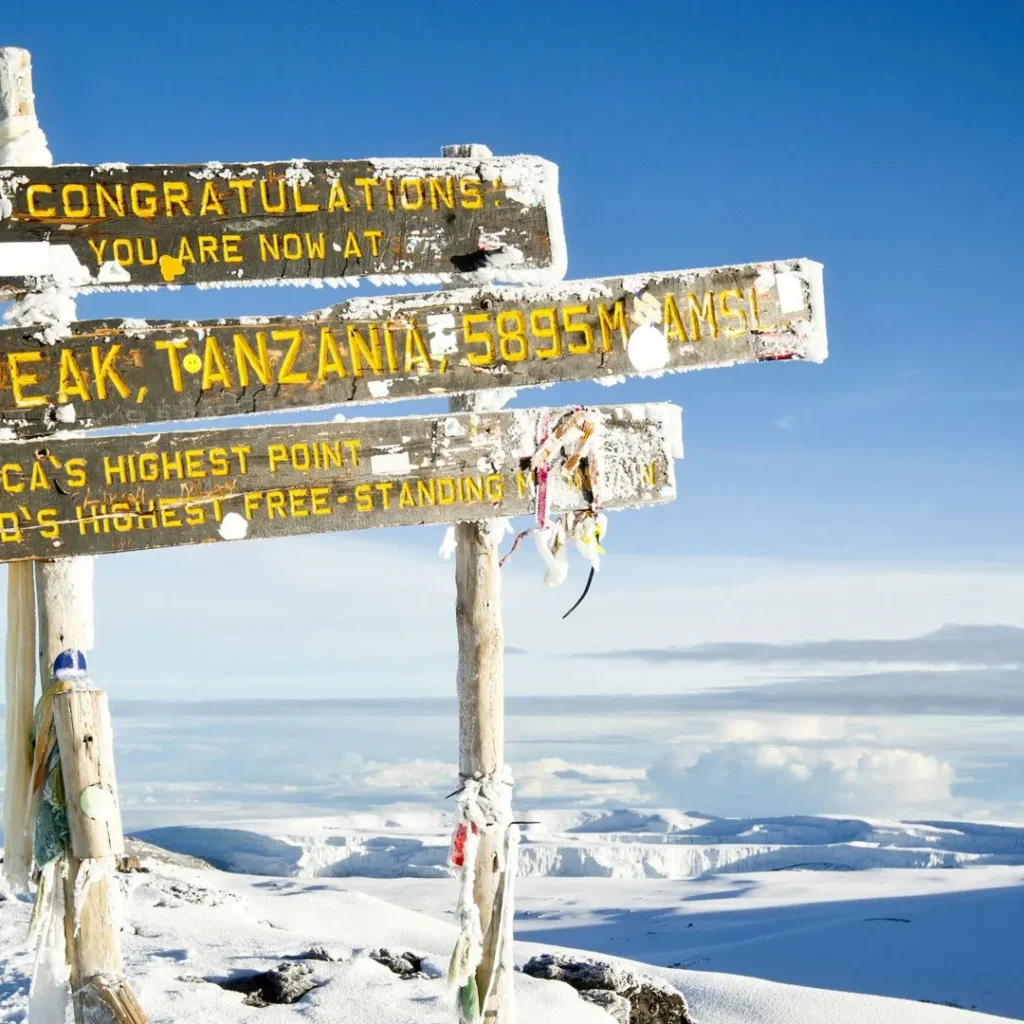
Explore an incredible Mount Kilimanjaro, the highest mountain in Africa and one of the world’s most iconic trekking destinations, which rises majestically above the plains of Tanzania within Kilimanjaro National Park. At the summit lies Uhuru Peak, famously known as the Roof of Africa, a breathtaking point covered in glaciers, volcanic rock, and thin alpine air. Thousands of climbers attempt the Kilimanjaro summit each year, drawn by its legendary beauty, diverse ecological zones, and accessible non-technical trekking routes. From rainforest to arctic summit conditions, Mount Kilimanjaro offers a once-in-a-lifetime adventure. This article explores what is found at the top of Mount Kilimanjaro, including its geography, climate, landmarks, and unforgettable summit experience for adventurers worldwide. A truly unforgettable highlight of the African mountain trekking journey experience 1. Uhuru Peak – The Roof of Africa At the very top of Mount Kilimanjaro lies Uhuru Peak, the highest point in Africa, marking the true summit of this legendary stratovolcano. This icy, rocky plateau sits at approximately 5,895 meters above sea level within Kilimanjaro National Park in Tanzania. The summit area is part of the Kibo volcanic cone, surrounded by remnants of glaciers and permanent ice fields that are slowly retreating due to climate change. Despite the harsh conditions, the summit offers panoramic views above the clouds, where climbers feel the vastness of East Africa stretching below them. The air is extremely thin, temperatures are freezing, and oxygen levels are low, reaching the top both physically demanding and emotionally rewarding for trekkers from around the world for trekkers world 2. Glaciers and Ice Fields One of the most remarkable features at the top of Mount Kilimanjaro is the presence of glaciers and shrinking ice fields that crown the summit of Uhuru Peak. These ancient ice formations are among the last tropical glaciers in the world, attracting scientists and trekkers interested in climate change and high-altitude geography. Over the years, the ice cap has dramatically reduced, yet patches of brilliant white ice still remain against the dark volcanic rock of Kibo. The summit glaciers create a surreal, alien-like landscape that contrasts sharply with the warm tropical regions found at lower elevations. Climbers often describe the icy summit environment as both beautiful and haunting, offering a rare glimpse into Earth’s fragile cryosphere at extreme altitude 3. Sunrise Above the Clouds One of the most breathtaking experiences at the summit of Mount Kilimanjaro is witnessing the sunrise over Africa from Uhuru Peak. As climbers reach the top during early morning hours, they are greeted by a spectacular horizon where golden sunlight spreads across the clouds and the vast plains below. The view from the Roof of Africa reveals endless landscapes stretching into Kenya and Tanzania, creating a magical contrast between darkness and light. The sunrise at this altitude is often described as spiritual, emotional, and life-changing, rewarding climbers who endure the cold night ascent. This moment is one of the most photographed highlights of Kilimanjaro trekking adventures worldwide Clear skies and panoramic views make summit sunrise truly unforgettable experience forever memories 4. Volcanic Summit Geology The summit of Mount Kilimanjaro is shaped by its volcanic origin, specifically the Kibo volcanic cone, which forms the highest point at Uhuru Peak. This dormant volcano is part of a massive stratovolcanic system created through ancient eruptions that built the mountain over thousands of years. At the top, climbers can observe volcanic rocks, ash layers, and rugged formations that reveal the geological history of East Africa. Although Kilimanjaro is not currently active, geothermal processes and past eruptions have left behind dramatic summit structures. The volcanic landscape gives trekkers a sense of walking on a giant natural monument shaped by fire and time. This unique geology makes Kilimanjaro one of the most fascinating trekking destinations in the world globally recognized 5. Extreme Climate Zones at the Summit Mount Kilimanjaro features a unique range of climate zones from base to summit, making it one of the most ecologically diverse mountains in the world. As climbers ascend toward Uhuru Peak, they pass through cultivated farmland, lush rainforest, heath and moorland, alpine desert, and finally the arctic summit zone. Each zone presents dramatically different temperatures, vegetation, and wildlife, creating a journey through multiple ecosystems in a single expedition. At the summit, conditions become extremely harsh, with freezing temperatures, strong winds, and very low oxygen levels. This extreme environment highlights the dramatic transition from tropical Africa to polar-like conditions within a single mountain. The changing climate zones are a key reason Kilimanjaro is considered a bucket-list trekking destination for global travelers Harsh Wildlife Conditions Unlike lower slopes of Mount Kilimanjaro, the summit region of Uhuru Peak supports almost no wildlife due to extreme cold, low oxygen, and harsh volcanic terrain. While the mountain is home to diverse animals such as colobus monkeys, elephants, and antelope in its rainforest and moorland zones, the top is largely a barren, icy desert. Only occasional birds, such as ravens or alpine species, may be seen flying near the summit. The lack of biodiversity highlights the severity of the environment at the Roof of Africa. Climbers instead focus on the dramatic scenery, glaciers, and achievement of reaching the highest point rather than wildlife encounters, making the summit experience purely geological and atmospheric in extreme alpine summit conditions worldwide interest High Altitude Challenges Reaching the top of Mount Kilimanjaro at Uhuru Peak requires adapting to extreme altitude conditions where oxygen levels are significantly reduced. At nearly 5,895 meters, climbers face the risk of altitude sickness, including headaches, nausea, and fatigue due to thin air. The body must gradually acclimatize during the ascent through various climate zones to safely reach the summit. Despite being a non-technical trekking mountain, Kilimanjaro’s high altitude makes it physically demanding and requires proper preparation and pacing. Guides often recommend slow ascent routes such as Machame or Lemosho to increase success rates. The summit environment challenges both physical endurance and mental determination, making successful arrival at the Roof of Africa a major achievement for adventurous global trekking enthusiasts
Why is Mount Kilimanjaro So Famous & Special?

Rising majestically above the plains of northern Tanzania, Mount Kilimanjaro is one of the world’s most iconic travel destinations and Africa’s most celebrated natural wonder. Known as the “Roof of Africa,” this legendary mountain attracts thousands of climbers, trekkers, wildlife enthusiasts, photographers, and adventure travelers every year. Standing within Kilimanjaro National Park, Kilimanjaro is famous for its snow-capped summit, breathtaking landscapes, rich cultural heritage, and unmatched trekking experiences. From lush rainforests and alpine deserts to glaciers near the summit, the mountain showcases extraordinary biodiversity and dramatic scenery. Kilimanjaro is also one of the Seven Summits, making it a dream destination for mountaineers worldwide. Its beauty, accessibility, and symbolic importance continue to make Mount Kilimanjaro one of Africa’s greatest tourism treasures and most unforgettable travel experiences. 1. Its Location and Size: Located in northeastern Tanzania near the Kenya border, Mount Kilimanjaro dominates the East African landscape with extraordinary grandeur. The mountain rises approximately 5,895 meters (19,341 feet) above sea level, making it the tallest mountain in Africa and one of the highest volcanic mountains on Earth. Kilimanjaro consists of three volcanic cones—Kibo, Mawenzi, and Shira—spread across a massive area within Kilimanjaro National Park. Its enormous size allows climbers to experience several climate zones during a single trek, from tropical rainforest to icy Arctic conditions near the summit. The mountain’s location, close to the equator yet permanently capped with snow, makes it especially unique and fascinating. Visible from miles away across the savannah plains, Kilimanjaro remains one of Tanzania’s most recognizable landmarks and Africa’s ultimate adventure travel destination. 2. Its Historical Significance: Mount Kilimanjaro holds deep historical importance both locally and internationally. For centuries, the mountain has been central to the traditions and stories of the Chagga people who live along its fertile slopes. Early explorers and missionaries were astonished by the mountain’s snow-covered summit near the equator, sparking worldwide curiosity and exploration. During the colonial era, Kilimanjaro became a symbol of East Africa’s geographical wonder and scientific fascination. The first successful recorded summit was achieved in 1889 by German geographer Hans Meyer and Austrian climber Ludwig Purtscheller, marking a milestone in African exploration history. Since then, Kilimanjaro has become one of the world’s most famous trekking mountains. Its rich cultural heritage, historical expeditions, and legendary status continue to inspire travelers, historians, adventurers, and researchers from around the globe seeking unforgettable African experiences. 3. Its Notoriety as the Highest Mountain in Africa: One of the main reasons Mount Kilimanjaro is so famous is that it is the highest mountain in Africa. Reaching 5,895 meters at Uhuru Peak, Kilimanjaro proudly earns the title “Roof of Africa.” This remarkable achievement places it among the prestigious Seven Summits, the tallest mountains on each continent. Unlike many high-altitude mountains requiring technical climbing skills, Kilimanjaro is considered a trekking peak, allowing determined hikers from around the world to attempt the summit. Its accessibility makes it one of the most climbed high mountains globally. Adventurers are drawn by the challenge of reaching Uhuru Peak while witnessing dramatic changes in scenery and climate. Standing on Africa’s highest point offers climbers an unforgettable sense of accomplishment. Kilimanjaro’s legendary reputation as Africa’s tallest mountain continues to make it a bucket-list destination for adventure tourism and mountain climbing enthusiasts. 4. Its Spiritual Significance for Tanzanians: For many Tanzanians, especially the Chagga communities living around the mountain, Mount Kilimanjaro is far more than a tourist attraction. It is a sacred symbol deeply connected to spirituality, cultural identity, and traditional beliefs. Local legends describe the mountain as a powerful place inhabited by spirits and protected by ancestral forces. For generations, Kilimanjaro’s fertile volcanic soils have sustained local communities through farming coffee, bananas, and other crops. The mountain represents life, prosperity, and natural blessings for the surrounding villages. Many Tanzanians also view Kilimanjaro as a national symbol of pride, freedom, and resilience. Its image appears in tourism campaigns, educational materials, and national celebrations. Climbers often describe spiritual feelings while ascending toward the summit, especially during sunrise at Uhuru Peak. This emotional and cultural connection adds even greater meaning to Kilimanjaro’s global fame and uniqueness. 5. Its Tourism Potential: Mount Kilimanjaro is one of Tanzania’s leading tourism attractions and a major driver of the country’s travel industry. Every year, thousands of international tourists visit Tanzania specifically to climb Kilimanjaro and explore nearby safari destinations such as Serengeti National Park and Ngorongoro Crater. The mountain offers several famous trekking routes, including the Machame, Marangu, Lemosho, and Rongai routes, each providing unique scenery and adventure experiences. Kilimanjaro trekking supports local employment through guides, porters, cooks, hotels, and tour companies. Beyond mountain climbing, the region offers cultural tours, coffee experiences, waterfalls, and wildlife encounters. Its excellent accessibility through Kilimanjaro International Airport further strengthens its popularity. Kilimanjaro’s combination of adventure tourism, cultural experiences, and natural beauty continues attracting travelers seeking unforgettable African safari and trekking holidays. 6. Its Rare Ecosystems and Wildlife: One of the most extraordinary features of Mount Kilimanjaro is its remarkable ecological diversity. The mountain contains several unique ecosystems that change dramatically with altitude, creating a natural wonder unlike anywhere else in Africa. Climbers begin in lush tropical rainforests filled with giant trees, colorful birds, blue monkeys, and colobus monkeys. Higher elevations transition into heathlands, moorlands, alpine deserts, and icy summit zones. Kilimanjaro is home to rare plant species such as giant groundsels and giant lobelias adapted to harsh mountain conditions. Wildlife, including elephants, buffalo, leopards, and antelopes, can sometimes be spotted in the lower forest zones of Kilimanjaro National Park. This incredible variety of habitats makes Kilimanjaro both an ecological treasure and a UNESCO World Heritage Site, attracting scientists, conservationists, photographers, and eco-tourists from around the world. 7. Its Unique Landscapes: The landscapes of Mount Kilimanjaro are among the most diverse and visually stunning on Earth. Few destinations allow travelers to walk through dense rainforest, open moorlands, volcanic deserts, rocky ridges, glaciers, and snowfields during one journey. Each trekking route offers spectacular scenery, including lava towers, giant volcanic craters, dramatic valleys, and breathtaking summit vistas.
Guide to Taking Babies and Toddlers on an African Safari
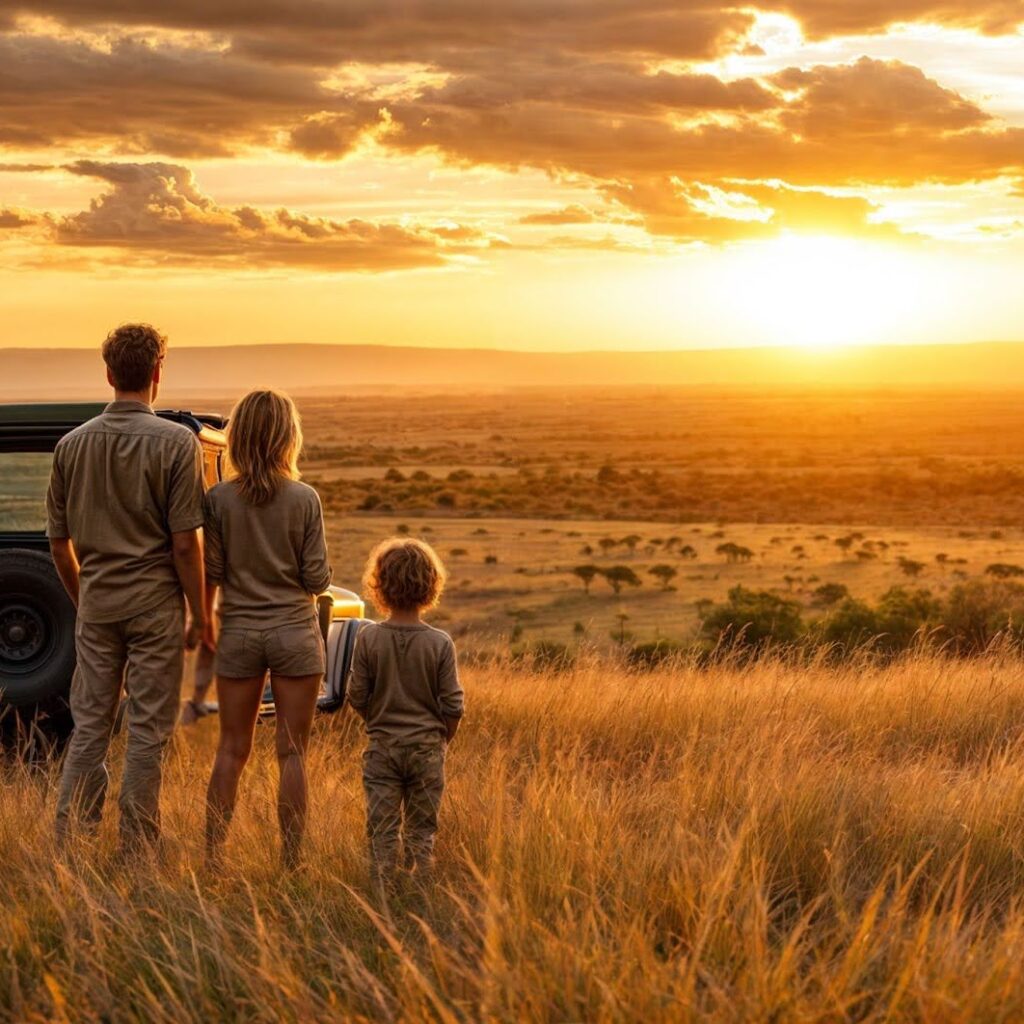
Taking babies and toddlers on an African safari is becoming an increasingly popular trend among family travelers seeking unforgettable wildlife experiences. A well-planned family safari in Africa offers comfort, safety, and adventure, allowing even the youngest travelers to witness elephants, lions, giraffes, and breathtaking landscapes. Destinations such as Tanzania provide child-friendly safari lodges, private game drives, and flexible itineraries tailored for families with infants and toddlers. With the right preparation, including health precautions, packing essentials, and choosing the best safari season, parents can enjoy a stress-free journey. Modern luxury African safaris for families now focus on privacy, safety, and shorter game drives, making it easier than ever to travel with young children into the wild. Choosing the Right Family-Friendly Safari Destination Selecting the right destination is the foundation of a successful African safari with babies and toddlers. Countries like Tanzania, Kenya, and South Africa are top choices due to their established family safari infrastructure, malaria-safe zones in some regions, and excellent wildlife viewing. Parks such as the Serengeti, Ngorongoro Crater, and Tarangire National Park offer incredible game viewing with minimal travel distances between lodges. Many child-friendly safari lodges in Africa provide babysitting services, fenced camps, and flexible meal schedules. Choosing destinations with shorter transfer times reduces stress for young children. A well-planned route also ensures fewer long game drives, allowing toddlers to rest comfortably. Prioritizing accessibility, safety, and medical facilities ensures a smooth and enjoyable African safari holiday with kids from start to finish. Best Time to Take Babies and Toddlers on Safari Timing is crucial when planning a safari with babies and toddlers. The best time for an African family safari is during the dry season, typically June to October in East Africa. During this period, wildlife is easier to spot, roads are more accessible, and weather conditions are mild and comfortable for children. Cooler mornings and evenings help prevent heat exhaustion, making game drives more enjoyable. The green season can also be appealing due to fewer crowds and lower prices, but it may involve occasional rain and muddy roads. For families, avoiding extreme heat is essential for infant comfort. Planning around school holidays and choosing predictable weather patterns ensures a smoother experience. A carefully timed trip enhances both safety and the overall enjoyment of a toddler-friendly safari adventure. Selecting Child-Friendly Safari Lodges and Camps Choosing the right accommodation is essential for a stress-free African safari with children. Many luxury and mid-range lodges now specialize in family-friendly services, offering spacious rooms, private villas, and secure environments. Some even provide kids’ programs, guided nature walks, and cultural activities tailored for toddlers and young children. Lodges near parks like Serengeti and Ngorongoro often offer shorter travel times to game drive areas, reducing fatigue for little ones. Safety features such as fenced camps, trained staff, and in-room childcare options add peace of mind for parents. Family suites and flexible dining times ensure comfort throughout the stay. Selecting accommodations that balance adventure and relaxation is key. A well-chosen lodge transforms the safari into a safe, enjoyable, and memorable family wildlife experience in Africa. Health, Safety, and Medical Preparations Health and safety are top priorities when traveling on an African safari with babies and toddlers. Parents should consult a pediatrician before traveling to discuss vaccinations, malaria prevention, and general health precautions. In some safari regions, malaria risk management is essential, and insect repellent, protective clothing, and mosquito nets are highly recommended. Carrying a well-stocked first aid kit with infant medications is also important. Many safari lodges are located near medical facilities or have emergency evacuation plans in place. Hydration and sun protection are critical, especially during game drives. Choosing private safari vehicles also allows families to control stops and reduce exposure to harsh conditions. With proper preparation, families can confidently enjoy a safe and secure African wildlife safari experience with children. Choosing a Private Safari Vehicle for Families A private safari vehicle is one of the most important elements for families traveling with babies and toddlers. It offers flexibility, comfort, and control over the entire African safari itinerary, allowing parents to stop whenever needed for feeding, diaper changes, or rest. Unlike group tours, private vehicles ensure a quieter, more relaxed environment, which is essential for young children. Safari operators in Tanzania and Kenya often provide customized vehicles with pop-up roofs, shaded seating, and cooler boxes for snacks and drinks. This setup helps maintain comfort during long game drives in parks such as Serengeti National Park or Ngorongoro Crater. Having a dedicated guide also enhances the experience, as they adjust schedules according to the child’s needs, ensuring a smooth and enjoyable family safari adventure in Africa. Planning Short and Flexible Game Drives When traveling with babies and toddlers, flexibility is essential in planning game drives. Instead of long, exhausting excursions, families should opt for shorter, more relaxed drives of 2–3 hours. Many African safari tours for families now offer customized schedules that match children’s routines, including nap times and meal breaks. Early morning and late afternoon drives are ideal since animals are most active and temperatures are cooler. Returning to the lodge for rest in between drives helps prevent fatigue and keeps children comfortable. Parks like Tarangire National Park and Serengeti offer excellent wildlife viewing even during short excursions. A flexible approach ensures that the safari remains enjoyable rather than overwhelming, creating a balance between adventure and rest for both parents and young explorers. Packing Essentials for Babies and Toddlers Packing properly is vital for a successful African safari with infants and toddlers. Essentials include lightweight clothing, sun hats, sunscreen, insect repellent, diapers, wipes, and baby-safe medications. A portable stroller or baby carrier is highly recommended for lodge areas and short walks. Parents should also carry favorite toys, snacks, and comfort items to keep children calm during travel and game drives. Reusable water bottles and extra clothing layers are important due to changing temperatures between mornings and evenings. Binoculars designed for kids can also make the experience more engaging. Most safari destinations are remote,
Simple Ways to Avoid the Crowds While Climbing Kilimanjaro
Book and plan an amazing Climbing Mount Kilimanjaro in Tanzania is one of the world’s most iconic trekking adventures, attracting thousands of hikers every year. However, crowds on popular routes such as Marangu, Machame, and Lemosho can affect the experience. For travelers seeking a peaceful and more immersive Mount Kilimanjaro trekking experience, learning how to avoid crowded trails is essential. With the right timing, route selection, and planning strategies, climbers can enjoy quieter paths, better scenery, and a more personal connection with Africa’s highest peak. This guide explores simple and practical friendly tips for avoiding crowds while climbing Kilimanjaro, helping you choose the best routes, seasons, and strategies for a more exclusive and unforgettable Tanzania safari and Kilimanjaro climbing adventure experience in Tanzania today. 1. Best Time to Climb Kilimanjaro Choosing the best time to climb Mount Kilimanjaro is one of the most effective strategies to avoid crowds. The busiest months are January, February, July, August, and September, when weather conditions are at their best. To enjoy quieter trails, consider trekking during the shoulder seasons such as March, early June, or late October. These periods still offer manageable weather but significantly fewer climbers on routes like Machame, Marangu, and Lemosho. The “best time to climb Kilimanjaro,” “off-season Kilimanjaro trekking,” and “less crowded Kilimanjaro routes” are essential for planning. Traveling during less popular months not only reduces congestion but also enhances your connection with nature, wildlife sightings, and scenic photography opportunities on Africa’s highest mountain experience tour adventure. 2. Choose Less Popular Routes Selecting less crowded Kilimanjaro routes is a key strategy for avoiding heavy trekking traffic. The Marangu and Machame routes are the most popular, often leading to congestion during peak seasons. Instead, choose quieter alternatives such as the Rongai Route, Northern Circuit Route, or Lemosho Route, which offer longer itineraries and fewer climbers. These routes provide stunning scenery, diverse ecological zones, and higher summit success rates due to gradual acclimatization. Quiet Kilimanjaro routes,” “Rongai route Kilimanjaro,” and “Northern Circuit trek Tanzania” help travelers find the best options. By opting for these less-traveled paths, climbers enjoy peaceful camping sites, more personalized guiding experiences, and uninterrupted views of Mount Kilimanjaro’s breathtaking landscapes without the experience of large tourist groups. 3. Start Midweek Departures Starting your Mount Kilimanjaro trek midweek is another effective way to avoid large crowds on the mountain. Most climbers begin their expeditions on weekends, especially Fridays and Saturdays, causing congestion at popular campsites and trailheads. By choosing a Tuesday or Wednesday start date, trekkers can enjoy quieter ascents, smoother logistics, and more availability of guides and porters. “Kilimanjaro midweek climb,” “avoid Kilimanjaro crowds,” and “best trekking schedule Tanzania” are important for search visibility. Midweek departures also improve overall trekking experience by reducing waiting times at camps, allowing for better rest and more personalized attention from your Kilimanjaro climbing team throughout the journey to Uhuru Peak for smoother and less crowded mountain trekking experience overall adventure quality. 4. Choose Longer Itineraries Choosing longer Kilimanjaro itineraries, such as 7 to 9-day routes, significantly reduces the feeling of crowding during your climb. Shorter routes tend to attract more climbers rushing to the summit quickly, especially on the Marangu Route. Longer routes like the Northern Circuit or Lemosho allow better acclimatization, fewer people per group, and a more relaxed trekking pace. Long Kilimanjaro routes,” slow trekking Kilimanjaro,” and “less crowded summit climb Tanzania” help travelers find optimal options. These extended itineraries not only improve summit success rates but also provide more time to enjoy scenic landscapes, wildlife zones, and the peaceful atmosphere of Mount Kilimanjaro without the pressure of crowded camps and busy trails, making every step a more enjoyable and safe experience. 5. Select Rongai Route Opting for the Rongai Route is one of the best strategies for avoiding crowds while climbing Mount Kilimanjaro. Unlike the popular southern routes, Rongai approaches the mountain from the northern side, near the Kenya border, making it significantly less crowded. This route offers a more remote wilderness experience, with fewer climbers, diverse landscapes, and higher chances of encountering wildlife such as colobus monkeys. Rongai route Kilimanjaro,” quiet Kilimanjaro climb,” and “less busy trekking routes in Tanzania” are essential for visibility. The Rongai Route also features gradual ascent profiles, making it ideal for beginners seeking a peaceful and less congested Kilimanjaro climbing adventure in Tanzania, offering unmatched serenity and unique perspectives of the mountain throughout the journey experience value. 6. Avoid Peak Seasons Avoiding peak trekking seasons is one of the most effective ways to reduce crowds on Mount Kilimanjaro. The busiest periods occur during dry seasons when weather conditions are most favorable, particularly from January to March and June to October. During these times, popular routes such as Machame and Marangu can become heavily congested. Choosing off-peak months like April, May, or November ensures a quieter and more intimate climbing experience. Off-season Kilimanjaro climb,” “least crowded time Kilimanjaro,” and “Tanzania trekking low season” help travelers plan better. Although the weather may be slightly more unpredictable, the reward is a peaceful journey, better campsite availability, and a stronger connection with nature on Africa’s highest peak for a truly unforgettable mountain experience trek. 7. Start Early Departures Starting your Kilimanjaro climb with early morning departures from base camps or trailheads can help you avoid congestion on popular sections of the route. Many groups tend to start later in the morning, creating bottlenecks along narrow trails, especially on routes like Machame and Marangu. By beginning your trek earlier, you gain a quieter, cooler, and more peaceful hiking experience. early Kilimanjaro start,” avoid trekking crowds in Tanzania,” and “best hiking times Kilimanjaro” support better planning. Early starts also improve pacing, reduce delays at checkpoints, and allow you to enjoy scenic views with fewer climbers blocking photography opportunities along the mountain path, resulting in smoother ascents and more enjoyable photography moments throughout the journey experience value boost. 8. Travel with Private Guides Traveling with private Kilimanjaro guides instead of large group tours is another simple way to avoid crowds
Natural foods and supplements for altitude acclimatization
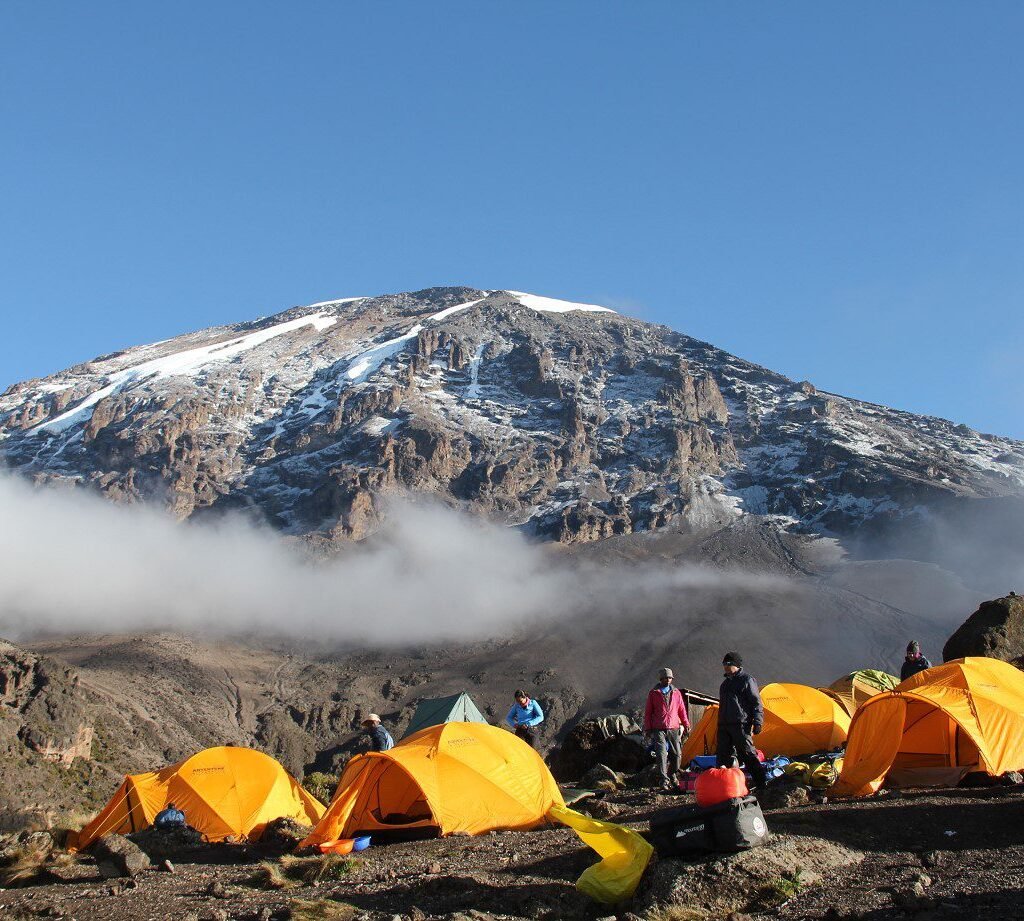
Discover incredible Natural foods and supplements for altitude acclimatization, which play a crucial role in helping the body adapt to high elevations where oxygen levels are lower. Whether you are trekking Mount Kilimanjaro hiking the Andes, or exploring highland safari destinations, proper nutrition supports oxygen efficiency, energy production, and overall endurance. At altitude, the body experiences reduced oxygen saturation, increased fatigue, and dehydration risk. Choosing the right altitude sickness prevention diet rich in iron, antioxidants, complex carbohydrates, and hydration-supporting nutrients can significantly improve performance and recovery. Popular high-altitude nutrition strategies include natural superfoods, electrolyte balance, and herbal supplements. This guide explores the best natural foods and supplements for altitude acclimatization, helping travelers, climbers, and adventurers reduce symptoms of altitude sickness and enhance stamina safely and effectively for better high-altitude performance and endurance. 1. Iron-Rich Foods for Oxygen Support Iron-rich foods are essential for altitude acclimatization because iron supports hemoglobin production, which carries oxygen in the blood. At high elevations, oxygen levels are lower, so the body needs more efficient oxygen transport. Foods like spinach, kale, lentils, beans, red meat, liver, and pumpkin seeds help boost iron intake naturally. Combining iron-rich foods with vitamin C sources like oranges, lemons, and tomatoes enhances absorption. This improves energy levels, reduces fatigue, and helps prevent altitude sickness symptoms such as dizziness and weakness. Many climbers and trekkers include iron-rich diets before ascending mountains like Kilimanjaro. Maintaining proper iron levels ensures better stamina, improved endurance, and faster adaptation to thin air, making it one of the most important natural nutrition strategies for high-altitude travel and adventure activities. 2. Complex Carbohydrates for Sustained Energy Complex carbohydrates are a primary energy source for altitude acclimatization because they provide slow-releasing fuel needed in low-oxygen environments. Foods such as whole grains, brown rice, oats, quinoa, sweet potatoes, and whole wheat bread help maintain stable blood sugar levels. At high altitude, the body burns more calories due to increased metabolic demand, making carbohydrate intake essential for endurance and stamina. Unlike simple sugars, complex carbs provide long-lasting energy without sudden crashes. Trekking diets often prioritize carbohydrate-rich meals to support long climbs and physical exertion. They also help reduce fatigue and improve oxygen efficiency during strenuous activity. Including complex carbohydrates in daily meals before and during altitude exposure ensures better performance, reduced exhaustion, and improved acclimatization for hikers, climbers, and high-altitude travelers. 3. Hydration and Electrolyte Balance Proper hydration and electrolyte balance are vital for altitude acclimatization because dehydration worsens altitude sickness symptoms. At high elevations, the body loses fluids faster due to dry air, increased breathing rate, and physical exertion. Drinking plenty of water, herbal teas, and natural electrolyte drinks helps maintain fluid balance. Foods like bananas, coconut water, oranges, and cucumbers restore essential minerals such as potassium, magnesium, and sodium. Electrolytes support nerve function, muscle performance, and oxygen delivery throughout the body. Without proper hydration, climbers may experience headaches, dizziness, and fatigue. Many trekking experts recommend drinking small amounts of water frequently rather than large quantities at once. Maintaining hydration and electrolyte balance ensures smoother acclimatization, better endurance, and reduced risk of altitude-related illness during mountain trekking and high-altitude adventures. 4. Antioxidant-Rich Fruits and Vegetables Antioxidant-rich fruits and vegetables help the body fight oxidative stress caused by reduced oxygen levels at high altitude. When oxygen availability decreases, the body produces more free radicals, which can lead to fatigue and cellular stress. Foods such as blueberries, strawberries, oranges, carrots, bell peppers, and leafy greens provide powerful antioxidants like vitamin C, vitamin A, and flavonoids. These nutrients strengthen the immune system and support faster recovery during altitude exposure. Antioxidants also improve blood circulation and oxygen efficiency, which are crucial for acclimatization. Including fresh fruits and vegetables in a high-altitude diet helps reduce inflammation and improve overall energy levels. Regular intake before and during trekking expeditions enhances endurance, supports lung function, and promotes better adaptation to challenging mountain environments. 5. Beetroot for Natural Nitric Oxide Boost Beetroot is widely recognized as a powerful natural food for altitude acclimatization due to its ability to increase nitric oxide levels in the body. Nitric oxide improves blood flow and oxygen delivery to muscles and tissues, which is essential in low-oxygen environments. Drinking beetroot juice or consuming fresh beetroot helps enhance stamina, reduce fatigue, and improve physical performance during trekking or climbing. It is especially beneficial for endurance activities like hiking Mount Kilimanjaro or high-altitude cycling. Beetroot also supports cardiovascular health and helps the body use oxygen more efficiently. Many athletes and climbers include beetroot supplements or juice in their pre-altitude nutrition plan. This natural superfood is a safe and effective way to improve oxygen utilization and support faster acclimatization at high elevations. 6. Ginger for Nausea and Digestion Support Ginger is a natural remedy widely used for altitude sickness symptoms such as nausea, dizziness, and digestive discomfort. At high elevations, changes in pressure and oxygen levels can disrupt digestion and appetite. Ginger helps soothe the stomach, reduce inflammation, and improve circulation, making it an excellent food for acclimatization. It can be consumed as fresh root, tea, or added to meals. Ginger also supports immune function and helps the body adapt to physical stress during trekking or climbing. Many high-altitude travelers carry ginger tea bags or chew ginger candies for quick relief. It’s natural warming effect improves blood flow and energy levels. Including ginger in a high-altitude diet supports overall comfort, reduces gastrointestinal issues, and enhances the body’s ability to adapt to challenging mountain environments effectively. 7. Garlic for Circulation and Immune Support Garlic is a powerful natural food that supports altitude acclimatization by improving blood circulation and strengthening the immune system. It helps widen blood vessels, allowing better oxygen delivery throughout the body, which is crucial in low-oxygen environments. Regular consumption of garlic may reduce fatigue and improve stamina during high-altitude trekking. It also contains antimicrobial properties that help protect the body from infections, which can be more common when the immune system is under stress at altitude. Garlic can be consumed raw, cooked, or
Medications that Help Acclimatization & Combat Altitude Sickness
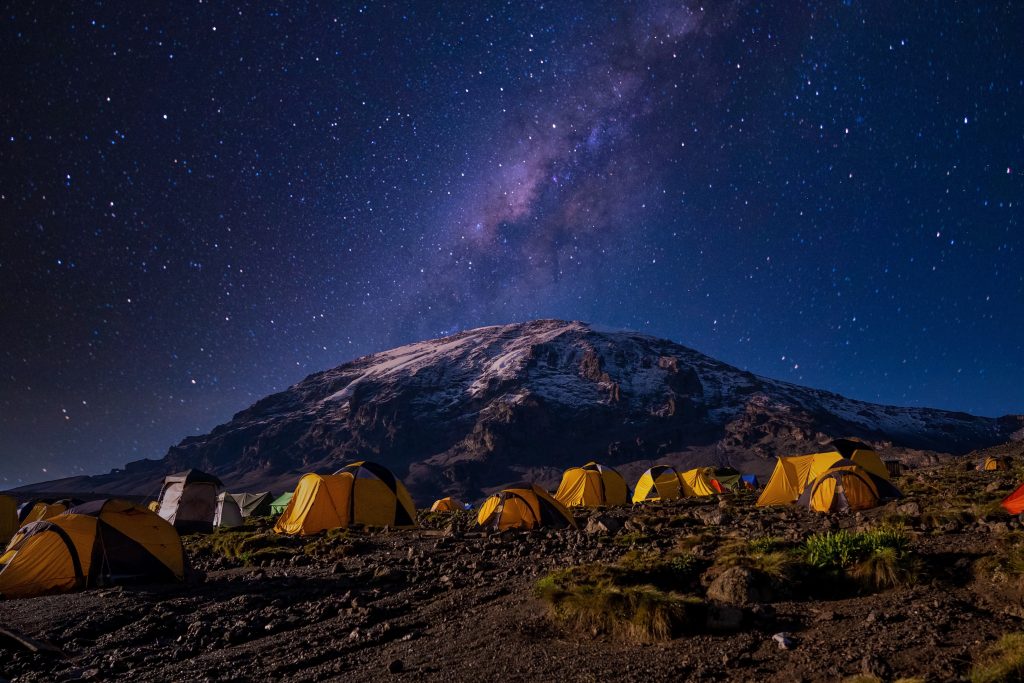
Altitude sickness, also known as Acute Mountain Sickness (AMS), is a common challenge for trekkers, climbers, and travelers ascending high-altitude destinations such as Mount Kilimanjaro and highland safari regions. Proper acclimatization and the use of preventive and therapeutic medications play a crucial role in ensuring safe and enjoyable high-altitude travel medicine guidance highlights drugs like acetazolamide (Diamox), dexamethasone, and nifedipine as key pharmaceutical aids for preventing and treating altitude sickness symptoms such as headache, nausea, dizziness, and shortness of breath. Understanding how these medications work alongside hydration, gradual ascent, and oxygen support is essential for mountain safety, trekking success, and high-altitude expedition planning worldwide for travelers seeking safe adventure tourism experiences with proper expert medical guidance. 1. Acetazolamide (Diamox) Acetazolamide (Diamox) is widely recognized as the gold-standard medication for preventing and reducing symptoms of Acute Mountain Sickness (AMS) during high-altitude trekking and climbing expeditions. This carbonic anhydrase inhibitor helps the body acclimatize faster by stimulating breathing and improving oxygenation levels in low-oxygen environments. Travel medicine experts frequently recommend acetazolamide for climbers ascending Mount Kilimanjaro, Andes peaks, and Himalayan routes where rapid altitude gain increases the risk of headaches, fatigue, and nausea. Best altitude sickness medication’ and ‘how to prevent AMS naturally and medically’ often highlight Diamox as the primary prophylactic drug. When combined with gradual ascent, hydration, and rest, acetazolamide significantly improves acclimatization efficiency and reduces the severity of high-altitude illness symptoms for travelers worldwide. 2. Dexamethasone for Severe Altitude Illness Dexamethasone is a powerful corticosteroid medication used in the prevention and emergency treatment of severe altitude sickness, including High Altitude Cerebral Edema (HACE) and severe Acute Mountain Sickness (AMS). It works by reducing brain swelling and inflammation caused by low oxygen pressure at high elevations. In travel medicine and expedition planning, dexamethasone is often reserved for urgent situations when rapid symptom relief is required during high-altitude trekking, mountaineering, or rescue operations. Emergency altitude sickness treatment’ and ‘best medicine for HACE’ frequently highlight dexamethasone as a life-saving option. However, it is not a substitute for acclimatization and should be used alongside descent strategies, oxygen therapy, and professional medical supervision for safe high-altitude adventure travel safety management worldwide. 3. Nifedipine for HAPE Prevention Nifedipine is an important medication used for preventing and treating High Altitude Pulmonary Edema (HAPE), a potentially life-threatening form of altitude sickness affecting the lungs at extreme elevations. As a calcium channel blocker, nifedipine works by reducing pulmonary artery pressure, improving oxygen flow, and easing breathing difficulties in low-oxygen environments. It is commonly included in high-altitude travel medicine protocols for climbers, trekkers, and rescue teams operating in mountainous regions such as Kilimanjaro, the Andes, and the Himalayas. ‘HAPE treatment medication’ and ‘high altitude lung edema prevention drugs’ often reference nifedipine as a key therapeutic option. It is typically used alongside oxygen therapy, immediate descent, and medical supervision to ensure safe recovery and effective altitude illness management in emergency expedition scenarios worldwide. 4. Supplemental Oxygen Therapy Supplemental oxygen therapy is a critical supportive treatment for altitude sickness and acute mountain sickness (AMS), especially in emergencies during high-altitude trekking, mountaineering, and expedition travel. By increasing oxygen availability in the bloodstream, oxygen therapy rapidly reduces symptoms such as shortness of breath, confusion, fatigue, and headache caused by hypoxia. It is widely used in combination with descent and medication protocols in regions like Mount Kilimanjaro, Mount Everest, the Andes, and high-altitude safari zones. Portable oxygen for altitude sickness and ‘oxygen treatment for AMS relief’ highlight its importance in travel medicine. Oxygen therapy does not replace acclimatization but serves as an immediate stabilizing intervention that enhances safety, recovery, and the well-being of travelers experiencing severe altitude-related illness in remote mountain environments worldwide. 5. Ibuprofen for Altitude Headaches Ibuprofen and other nonsteroidal anti-inflammatory drugs (NSAIDs) are commonly used as supportive medications to relieve headaches associated with mild Acute Mountain Sickness (AMS). While not a preventive cure, ibuprofen helps reduce inflammation and discomfort caused by low oxygen exposure during high-altitude trekking and climbing. It is often included in travel medicine kits for expeditions in Kilimanjaro, the Andes, and the Himalayan regions. Altitude headache relief medication and AMS pain treatment drugs highlight their role in symptom management. When combined with hydration, rest, and gradual ascent, ibuprofen can improve comfort and allow travelers to continue acclimatization safely. However, it should not be relied upon for severe altitude sickness, where stronger medical interventions and descent are required for effective treatment. 6. Antiemetics for Nausea Control Antiemetic medications such as ondansetron and metoclopramide are frequently used to control nausea and vomiting associated with Acute Mountain Sickness (AMS). These symptoms are common during rapid ascent to high-altitude environments where oxygen levels are reduced. By managing gastrointestinal distress, antiemetics support hydration, nutrition intake, and overall acclimatization success in trekking and mountaineering expeditions. Altitude sickness, nausea treatment, and ‘best medicine for vomiting at high altitude’ often include these medications in travel health recommendations. They are typically used alongside acetazolamide, oxygen therapy, and descent strategies for comprehensive altitude illness management. While they do not treat the underlying cause of AMS, antiemetics significantly improve comfort and functional ability during high-altitude travel experiences and expedition safety planning. 7. Acetazolamide Prevention Strategies Preventive use strategies for acetazolamide (Diamox) play a key role in high-altitude acclimatization and altitude sickness prevention for trekkers, climbers, and adventure travelers. When started before ascent and continued during gradual elevation gain, acetazolamide helps reduce the risk of Acute Mountain Sickness (AMS) by improving ventilation and oxygen balance. It is widely referenced in travel medicine guidelines for expeditions to Mount Kilimanjaro, Andes peaks, and Himalayan trails. How to prevent altitude sickness naturally and medically, and ‘best AMS prevention tablets’ often emphasize structured medication use combined with slow ascent profiles. Although highly effective, acetazolamide must be paired with hydration, rest, and altitude awareness for safe and successful high-altitude travel experiences in global mountain tourism destinations worldwide. 8. Emergency Medication Protocols Emergency rescue medication protocols for altitude sickness often combine dexamethasone, nifedipine, and oxygen therapy to stabilize patients experiencing severe Acute Mountain Sickness (AMS),
things that should be on your Tanzania itinerary

A well-planned Tanzania itinerary is the key to experiencing Africa’s most iconic safari destinations, breathtaking landscapes, and world-class wildlife encounters. From the endless plains of the Serengeti National Park to the dramatic wildlife-filled floor of the Ngorongoro Crater, Tanzania offers a perfect blend of adventure, culture, and relaxation. Most travelers combine game drives, mountain trekking, and beach escapes into one seamless journey. A complete Tanzania travel itinerary often includes Arusha as the safari gateway, Tarangire’s elephant herds, and Zanzibar’s white-sand beaches. Whether you’re planning a luxury safari package, budget tour, or honeymoon escape, Tanzania delivers unmatched diversity. This guide highlights the most important things to include in your Tanzania itinerary for a memorable, optimized travel experience designed around wildlife migration, scenic beauty, and authentic African adventure tourism. Start Your Journey in Arusha – Safari Capital of Tanzania Your Tanzania itinerary should begin in Arusha, the bustling gateway to Northern Circuit safaris. Known as the safari capital, Arusha is the starting point for tours to Serengeti, Ngorongoro, Tarangire, and Lake Manyara. Travelers often spend a night here to adjust, explore local markets, and prepare safari gear. The city offers countless safari operators, luxury lodges, and cultural experiences with Maasai communities. Arusha also provides stunning views of Mount Meru, adding scenic charm to your trip. Including Arusha in your Tanzania travel itinerary ensures smooth logistics, especially for road safaris or fly-in packages. It is also where most Tanzania safari tours and Kilimanjaro climbing expeditions begin. With growing tourism infrastructure, Arusha remains one of the most important highlights for planning a successful and well-organized African safari adventure itinerary. Serengeti National Park – Witness the Great Migration No Tanzania itinerary is complete without visiting the legendary Serengeti National Park, home to the world-famous Great Migration. This UNESCO World Heritage Site offers endless golden plains filled with lions, cheetahs, elephants, and wildebeest herds. Travelers often plan multi-day game drives to witness predator action and seasonal river crossings. The Serengeti is ideal for luxury safaris, fly-in packages, and photographic expeditions. It is one of the most searched safari destinations in Africa due to its unmatched wildlife density and cinematic landscapes. Including Serengeti in your Tanzania safari itinerary guarantees unforgettable encounters with the Big Five. Best visited during migration seasons, the park offers year-round game viewing. Whether you choose Central Serengeti or Northern Serengeti, this destination is the heart of every premium Tanzania safari experience and a must for wildlife lovers worldwide. Ngorongoro Crater – Africa’s Natural Wildlife Wonderland The Ngorongoro Crater is a must-have highlight in any Tanzania itinerary, often called the “Eighth Wonder of the World.” This massive volcanic caldera hosts one of the highest concentrations of wildlife in Africa, including rhinos, lions, elephants, and flamingos. A single game drive offers a chance to see the Big Five in one day, making it a top destination for short safaris. The crater’s lush floor and dramatic walls create breathtaking scenery perfect for photography and luxury safari tours. Many travelers combine Ngorongoro with Serengeti and Tarangire for a complete Northern Circuit experience. Including this destination in your Tanzania safari itinerary ensures both convenience and extraordinary wildlife encounters. It is also rich in archaeological significance, with nearby Olduvai Gorge offering insight into early human history. Tarangire National Park – Land of Elephants and Baobabs A strong Tanzania itinerary includes Tarangire National Park, famous for its massive elephant herds and ancient baobab trees. This park offers a quieter safari experience compared to Serengeti, making it ideal for travelers seeking fewer crowds and authentic wildlife encounters. During the dry season, animals gather around the Tarangire River, creating incredible game viewing opportunities. Lions, giraffes, zebras, and over 500 bird species make it a biodiversity hotspot. Many Tanzania safari packages include Tarangire as the first stop in the Northern Circuit. It is also perfect for photography safaris due to its dramatic landscapes. Adding Tarangire to your Tanzania travel itinerary ensures a balanced mix of scenery, wildlife, and relaxation before heading to larger parks like Serengeti and Ngorongoro. Lake Manyara National Park – Scenic Forest and Flamingos The lush Lake Manyara National Park is a hidden gem that should be included in every Tanzania itinerary. Known for tree-climbing lions and large flamingo populations, it offers a unique contrast to open savannah parks. The park features groundwater forests, escarpments, and a stunning alkaline lake. It is ideal for short game drives and birdwatching safaris, making it popular among family travelers and first-time visitors. Many Tanzania safari itineraries include Lake Manyara as part of a 3–5 day Northern Circuit tour. Its compact size allows for diverse wildlife viewing in a short time. Including this destination ensures your Tanzania travel experience is well-rounded, combining forests, lakes, and wildlife diversity in one scenic stop. Zanzibar – White Sand Beaches and Indian Ocean Escape No Tanzania itinerary is complete without relaxing on the paradise island of Zanzibar. Known for its turquoise waters, spice farms, and historic Stone Town, Zanzibar offers the perfect post-safari beach escape. Travelers enjoy snorkeling, diving, dhow cruises, and romantic sunset dinners along pristine shores. It is one of the most searched destinations for honeymoon safaris and luxury beach holidays in Tanzania. Combining safari and Zanzibar creates a balanced itinerary of adventure and relaxation. The island also reflects rich Swahili culture, blending African, Arab, and European influences. Including Zanzibar in your Tanzania travel itinerary enhances your overall experience with ocean views and tropical comfort after days of wildlife exploration in national parks. Mount Kilimanjaro – Africa’s Rooftop Adventure A highlight for adventure seekers is Mount Kilimanjaro, Africa’s highest peak and one of the most iconic trekking destinations in the world. Including Kilimanjaro in your Tanzania itinerary adds a challenging but rewarding climbing experience. Popular routes like Marangu, Machame, and Lemosho attract thousands of climbers each year. The mountain offers diverse ecosystems, from rainforest to alpine desert and glaciers. Many travelers combine Kilimanjaro trekking with safari tours for a complete Tanzania adventure itinerary. Standing at 5,895 meters, it is a bucket-list destination for global travelers.