
Why Tanzania is the perfect travel destination during and after COVID-19
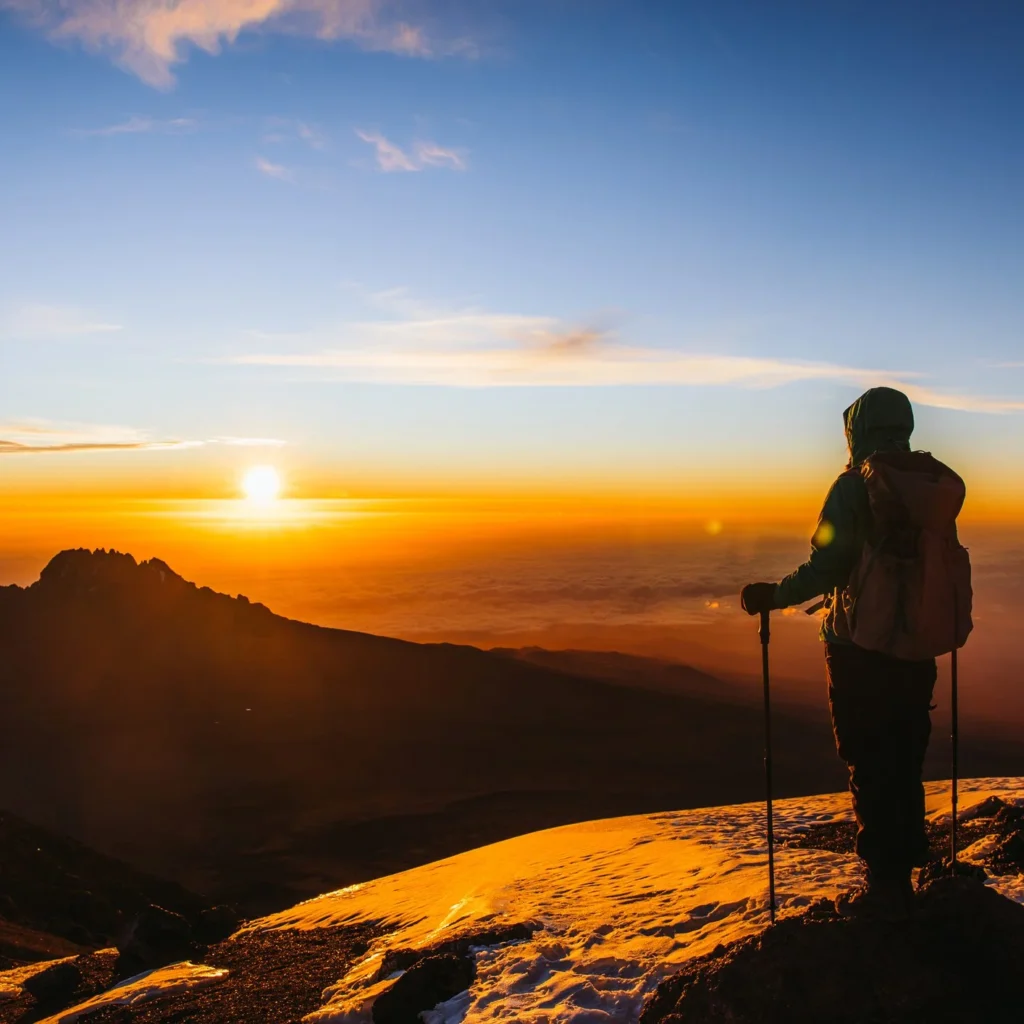
Tanzania has become one of the most desirable travel destinations in Africa during and after the COVID-19 pandemic, offering wide-open landscapes, abundant wildlife, and safe, uncrowded experiences for international and domestic travelers. With world-famous destinations such as Serengeti National Park, Ngorongoro Crater, Mount Kilimanjaro, and Zanzibar beaches, Tanzania delivers a unique combination of adventure, relaxation, and natural beauty. The country’s strong commitment to health protocols, low-density tourism, and vast wilderness areas makes it ideal for post-pandemic travel. Travelers seeking authentic African safaris, luxury lodge stays, and cultural experiences with Maasai communities find Tanzania especially appealing. This introduction highlights why Tanzania continues to rank highly as a safe, inspiring, and unforgettable destination for the COVID-19 era and post-pandemic tourism growth worldwide experiences 1. Safe and controlled travel environment Tanzania offers a safe and controlled travel environment that makes it one of the top African safari destinations during and after COVID-19. The country implemented strong health and hygiene protocols across airports, national parks, hotels, and safari lodges to ensure visitor safety. With vast open spaces in Serengeti National Park, Ngorongoro Conservation Area, and Tarangire National Park, tourists enjoy naturally socially distanced experiences. Low visitor density reduces crowding and enhances safety for international travelers. Professional tour operators follow strict sanitation procedures, use private safari vehicles, and personalize itineraries. These factors make Tanzania a reliable choice for post-pandemic tourism, combining adventure, wildlife viewing, and peace of mind for travelers seeking safe Africa travel experiences. This strengthens confidence for global tourists everywhere today. 2. Strong wildlife and safari experiences post COVID-19 Tanzania is world-famous for its strong wildlife safari experiences, making it a leading post-COVID-19 travel destination for nature lovers. The Serengeti National Park hosts the Great Wildebeest Migration, one of the most spectacular wildlife events on earth. Ngorongoro Crater offers dense populations of lions, elephants, rhinos, and buffalo in a single location. Tarangire National Park is known for large elephant herds, while Lake Manyara provides diverse birdlife and scenic landscapes. These open-air safari environments naturally reduce health risks while maximizing wildlife viewing. With professional guides and well-managed conservation areas, Tanzania delivers safe, immersive, and unforgettable safari adventures that attract global tourists seeking authentic African wildlife experiences in a post-pandemic world. Travel growth continues across all major safari circuit regions. 3. Zanzibar beach relaxation and island safety appeal Zanzibar is a top travel destination in Tanzania that gained popularity during and after COVID-19 due to its relaxing beaches and safe island environment. The Indian Ocean coastline offers white sandy beaches, turquoise waters, and luxury resorts with private villas. Travelers enjoy low-density tourism, fresh ocean air, and outdoor activities such as snorkeling, diving, and spice tours. Stone Town provides a rich cultural heritage with historical architecture and open-air markets. Zanzibar’s tourism industry follows strong hygiene and safety standards, making it ideal for honeymooners, families, and solo travelers. The island combines relaxation, culture, and natural beauty, positioning it as a key post-pandemic tourism hotspot in East Africa. Visitors benefit from flexible travel options, improved health services, and year-round sunshine availability. 4. Mount Kilimanjaro adventure and safe trekking conditions Mount Kilimanjaro, Africa’s highest peak, is one of Tanzania’s most iconic travel attractions and a safe adventure destination during and after COVID-19. The mountain offers well-organized trekking routes such as Marangu, Machame, Lemosho, and Rongai, allowing climbers to experience nature with controlled group sizes and professional guides. Trekking is conducted in open-air environments, reducing health risks while providing breathtaking scenery and fresh mountain air. Safety protocols, medical checks, and experienced porters ensure secure ascents. Kilimanjaro National Park is carefully managed to support sustainable tourism and environmental conservation. This makes it ideal for travelers seeking adventure, physical challenge, and post-pandemic safe outdoor travel experiences in Africa. Climbers enjoy unique sunrise views, glacier landscapes, and personalized guided expedition support services included in packages. 5. Low-density tourism and social distancing advantages One of the key reasons Tanzania became a perfect travel destination during and after COVID-19 is its low-density tourism model. Unlike crowded global destinations, Tanzania offers vast national parks, remote safari circuits, and spacious lodges that naturally support social distancing. Areas such as Serengeti, Ruaha, Selous, and Ngorongoro provide wide landscapes where travelers rarely feel crowded. Private safari vehicles, exclusive camps, and small group tours enhance safety and comfort. This tourism structure reduces exposure risks while improving the quality of wildlife experiences. Visitors enjoy peaceful game drives, uninterrupted photography opportunities, and personalized service. Tanzania’s low-density approach continues to attract health-conscious travelers seeking safe, open, and uncrowded adventure destinations. These advantages make Tanzania highly recommended for safe post-pandemic travel, wildlife safaris, family holidays, and luxury African tourism experiences across all seasons in the Tanzania safaris market. 6. Health safety protocols and post-COVID travel confidence Tanzania strengthened its health safety protocols during and after the COVID-19 pandemic, making it a trusted destination for international tourism. Airports, hotels, safari lodges, and tour operators implemented strict hygiene measures, including regular sanitization, temperature checks, and improved medical support systems. Travelers can enjoy both luxury and budget safaris with confidence, knowing that safety is a top priority. Professional guides are trained in emergency response and health procedures, ensuring secure travel experiences. These measures enhance traveler confidence and encourage more visitors to explore Tanzania’s national parks, beaches, and cultural sites. As a result, Tanzania continues to grow as a leading post-pandemic travel destination in Africa. Travelers benefit from improved infrastructure, medical readiness, and reliable tourism services nationwide across Tanzania today. 7. Affordable travel packages and flexible booking options Tanzania offers affordable travel packages and flexible booking options, making it an attractive destination during and after COVID-19. Tour operators provide budget safaris, mid-range tours, and luxury safari experiences tailored to different travelers. Flexible cancellation policies and customizable itineraries allow visitors to plan safely and confidently. Many packages include accommodation, park fees, transportation, and professional guides, ensuring value for money. The country’s tourism industry supports both international and domestic travelers with competitive pricing. These options make it easier for tourists to explore Serengeti, Ngorongoro, Zanzibar, and Kilimanjaro without financial
Ways to Travel with Purpose in Tanzania
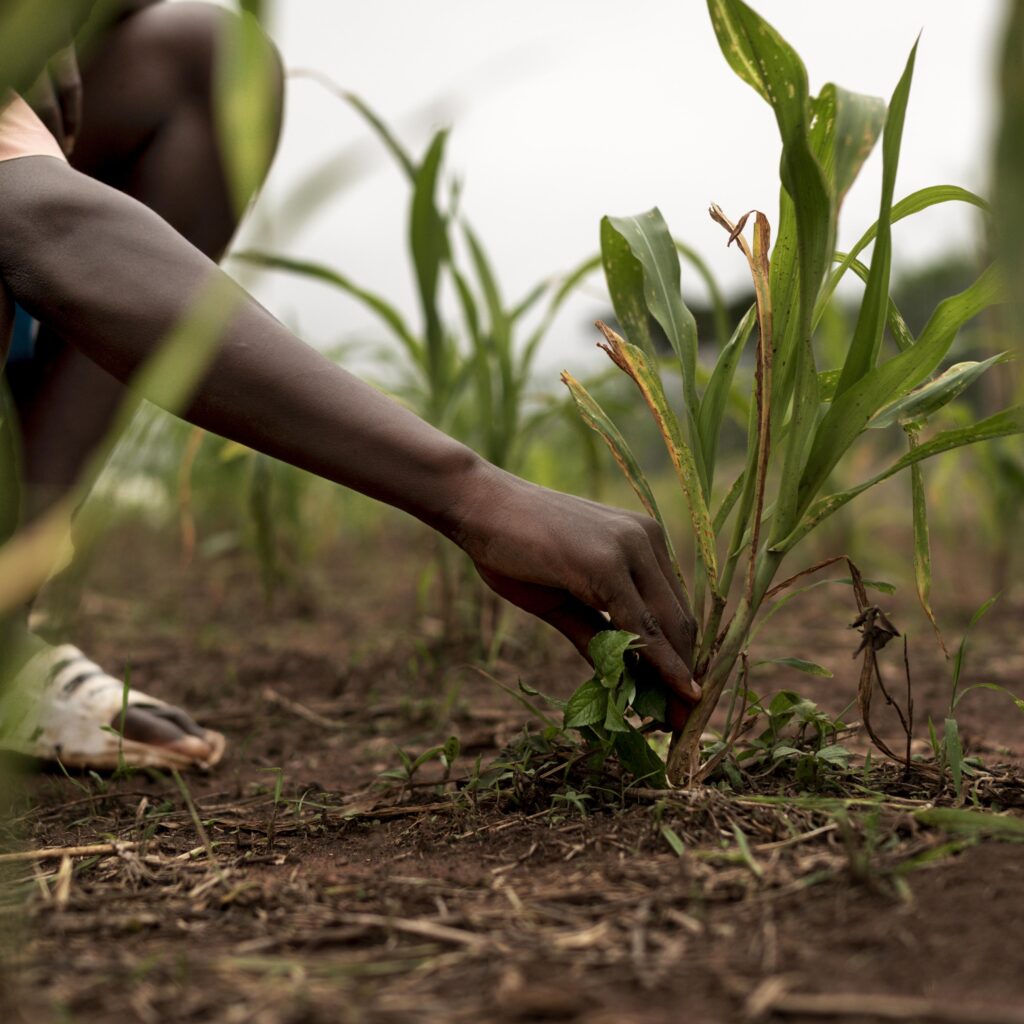
Travel with purpose in Tanzania goes beyond a typical safari holiday—it blends adventure, sustainability, culture, and conservation into one meaningful journey. From the iconic plains of Serengeti National Park to the breathtaking Ngorongoro Crater, purposeful travel focuses on responsible tourism, eco-friendly safaris, and authentic local experiences. Today’s conscious travelers seek ethical safari tours, community-based tourism, and sustainable travel packages that protect wildlife while empowering local communities. Whether you’re planning a luxury Tanzania safari, budget-friendly adventure, honeymoon escape, or family safari, traveling with intention enhances every moment. By choosing trusted tour operators, supporting conservation initiatives, and engaging with local cultures like the Maasai, your journey becomes impactful. This guide explores the best ways to travel responsibly in Tanzania while enjoying unforgettable landscapes, wildlife encounters, and immersive cultural connections. Choose Responsible Safari Tour Operators Selecting ethical and responsible safari tour operators in Tanzania is the foundation of purposeful travel. Look for companies committed to sustainable tourism, fair wages, and eco-friendly safari practices. Trusted operators often support wildlife conservation, minimize environmental impact, and partner with local communities near Tarangire National Park and Lake Manyara National Park. These companies provide well-trained guides, safe safari vehicles, and transparent pricing for luxury, mid-range, or budget safaris. Booking with reputable Tanzania safari companies ensures your trip contributes to conservation and community development. Many offer bespoke Tanzania Safari itineraries, fly-in safaris, and sustainable lodge options. African Safari reviews, certifications, and eco-tourism affiliations are key indicators. By choosing ethical tour operators, travelers directly support responsible travel in Tanzania while enjoying high-quality safari experiences, incredible wildlife viewing, and meaningful connections with nature and people. Support Community-Based Tourism Community-based tourism in Tanzania allows travelers to engage directly with local cultures while contributing to economic growth. Visiting Maasai villages near Ngorongoro Conservation Area offers authentic cultural exchange experiences. Travelers can learn traditional dances, crafts, and daily life practices while supporting local artisans. These initiatives promote sustainable livelihoods and preserve cultural heritage. Many eco-tourism programs include guided village tours, cultural workshops, and homestays. Choosing these East African Safari experiences ensures your safari benefits local communities instead of large corporations. This approach enhances your journey with deeper cultural understanding while supporting ethical tourism. Whether you’re on a luxury safari or a budget trip, integrating community visits adds purpose. It also aligns with top travel trends like “authentic African experiences” and “cultural safari Tanzania,” making your trip both impactful and memorable. Stay in Eco-Friendly Lodges and Camps Eco-lodges and sustainable safari camps are essential for responsible travel in Tanzania. Properties near Serengeti National Park and Ruaha National Park focus on renewable energy, water conservation, and waste reduction. These lodges blend luxury with sustainability, offering solar-powered accommodations, eco-friendly designs, and locally sourced food. Whether you choose a luxury tented camp, mid-range lodge, or budget campsite, eco-conscious options reduce your environmental footprint. Many lodges also support conservation projects and employ local staff, boosting community development. Staying in eco-lodges enhances your safari experience with stunning views, comfort, and responsible practices, and discover “eco safari Tanzania,” “sustainable safari lodges,” and “green travel Africa” highlight the growing demand for these accommodations, making them ideal for purposeful travelers seeking meaningful and environmentally friendly adventures. Participate in Wildlife Conservation Efforts Wildlife conservation is at the heart of Tanzania safari travel. Travelers can actively support conservation by visiting protected areas like Selous Game Reserve (Nyerere National Park) and participating in conservation programs. Many organizations offer opportunities to learn about anti-poaching efforts, wildlife monitoring, and habitat protection. Ethical safaris prioritize responsible game viewing, ensuring animals are not disturbed. By choosing conservation-focused tours, you help protect endangered species such as elephants, lions, and rhinos. Donations, park fees, and eco-tourism activities directly fund conservation initiatives. This aligns with top search trends like “wildlife conservation safari Tanzania” and “ethical safari Africa.” Engaging in these efforts transforms your trip into a meaningful experience, combining adventure with purpose while preserving Tanzania’s incredible biodiversity for future generations. Travel with Minimal Environmental Impact Reducing your environmental footprint is a key aspect of purposeful travel in Tanzania. Simple actions like avoiding single-use plastics, carrying reusable water bottles, and respecting wildlife habitats make a significant difference. National parks like Arusha National Park promote eco-friendly practices to protect ecosystems. Responsible travelers follow park guidelines, stay on designated tracks, and avoid littering. Sustainable travel also includes choosing eco-conscious transport options and supporting green initiatives, such as “eco-friendly travel Tanzania” and “sustainable safari tips,” which reflect the importance of mindful tourism. By adopting these practices, you help preserve Tanzania’s landscapes, from savannahs to mountains. Traveling responsibly ensures that future generations can enjoy the same breathtaking experiences while maintaining the natural beauty and ecological balance of this extraordinary destination. Engage in Cultural Experiences Immersing yourself in Tanzanian culture adds depth and purpose to your safari. Visiting local communities around Lake Eyasi allows travelers to meet the Hadzabe and Datoga tribes, gaining insight into traditional lifestyles. Cultural tourism promotes mutual respect and understanding while supporting local economies. Activities include storytelling, traditional hunting demonstrations, and craft-making. These authentic experiences align with popular travel searches like “cultural safari Tanzania” and “authentic African Safari experiences.” Engaging with local cultures enhances your journey beyond wildlife viewing. It creates meaningful connections and unforgettable memories. Responsible Tanzania Safari cultural tourism ensures that traditions are preserved while communities benefit directly from tourism. Whether on a luxury or budget safari, incorporating cultural experiences enriches your trip and makes your travel more impactful. Support Local Businesses and Markets Shopping locally is a powerful way to travel with purpose in Tanzania. Markets in Arusha and Dar es Salaam offer handmade crafts, jewelry, textiles, and souvenirs created by local artisans. Purchasing these products supports small businesses and helps sustain traditional craftsmanship. Avoid mass-produced souvenirs and opt for authentic, locally made items. Supporting local restaurants and services also contributes to community development, like “local markets Tanzania,” “authentic souvenirs Africa,” and “support local tourism,” which emphasize the importance of ethical spending. By choosing local products, travelers ensure their money stays within the community. This approach enhances your travel experience while
How Much Does a Serengeti Hot Air Balloon Safari Cost?
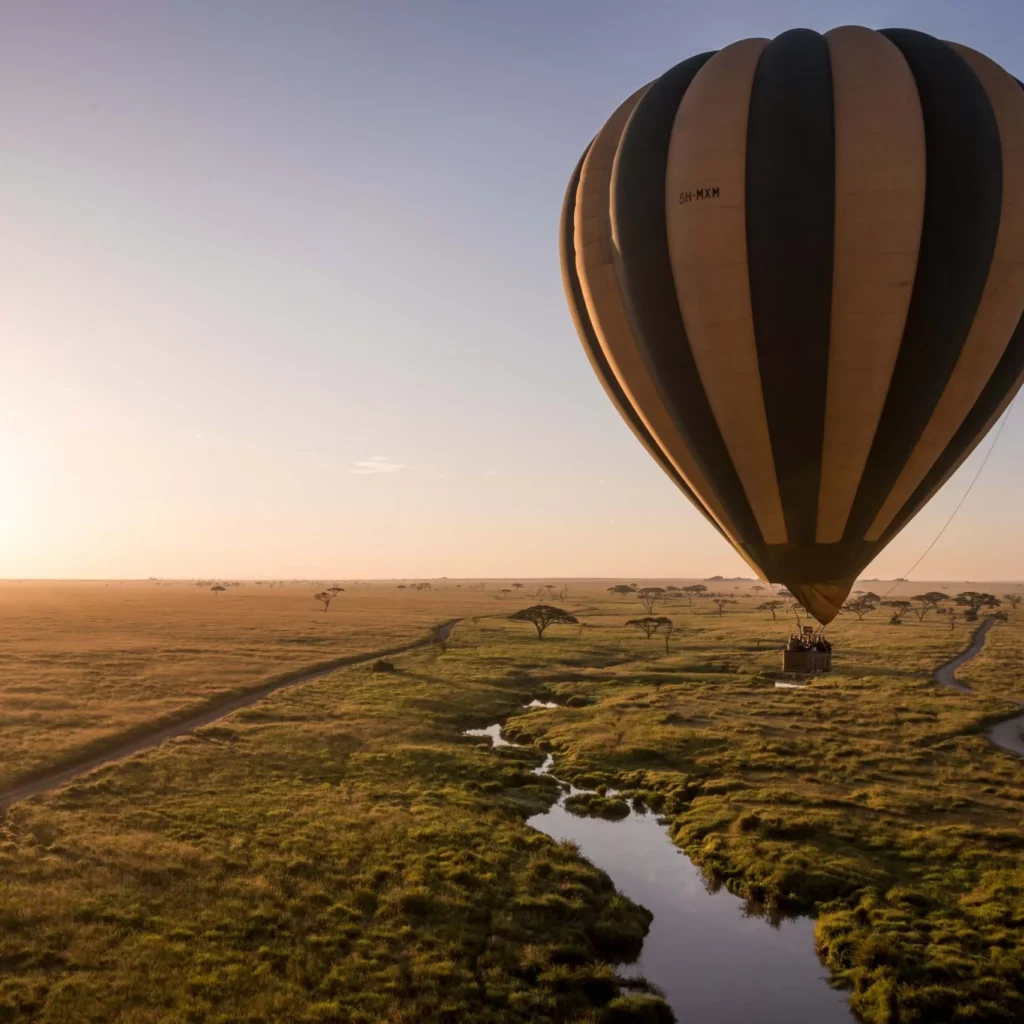
Serengeti hot air balloon safari is one of the most iconic wildlife experiences in Africa, offering breathtaking aerial views over the vast plains of the Serengeti National Park in Tanzania. The cost of a Serengeti hot air balloon safari varies depending on season, operator, and package type, but it remains a premium bucket-list adventure for travelers seeking luxury Tanzania safari experiences. Most travelers choose this activity during the Great Migration period, when wildlife density is at its peak. Serengeti balloon safari Prices generally reflect the exclusivity, safety standards, and unforgettable sunrise views over wildlife-rich savannahs. Understanding the Serengeti hot air balloon safari cost helps visitors plan better and choose the right package for their safari itinerary in East Africa Private Serengeti hot air balloon flights $6,000 to $9,800+ total Private Serengeti hot air balloon flights offer an exclusive and personalized safari experience above Serengeti National Park, ideal for honeymooners, photographers, and luxury travelers. The Serengeti hot air balloon safari cost for private flights is significantly higher than shared baskets due to exclusivity, customized routes, and premium service. Guests enjoy uninterrupted views of wildlife, including lions, elephants, and migrating herds, during sunrise. Private flights are often booked in advance to secure availability during peak safari seasons in Tanzania. These Serengeti Safari packages include dedicated pilots, flexible timing, and enhanced champagne breakfasts after landing. Travelers seeking privacy and comfort often choose this option for a once-in-a-lifetime aerial safari experience in East Africa, a luxury, unforgettable safari adventure in Tanzania experience Premium Serengeti hot air balloon safari packages $600–$750 per person Premium Serengeti hot air balloon safari packages are designed for travelers seeking the ultimate luxury experience over Serengeti National Park. These high-end Serengeti balloon safari options include extended flight durations, fewer passengers per basket, and upgraded champagne bush breakfasts after landing. The Serengeti hot air balloon safari cost for premium packages reflects enhanced comfort, priority booking, and personalized safari services. Guests often enjoy exclusive Tanzania balloon safari aerial routes over the Great Migration herds, river crossings, and predator-rich territories. Operators in Tanzania tailor these packages for honeymoon safaris, photography tours, and VIP travelers. Premium Serengeti hot air balloon safari options also include hotel transfers, professional guides, and curated wildlife storytelling during the flight. This makes it one of the most memorable and luxurious Serengeti safari experiences in Africa ever. Children’s rates for the Serengeti hot air balloon safari are $550 to $590 per child. Children’s rates for Serengeti hot air balloon safaris are generally discounted compared to adult prices, making it possible for families to enjoy this unforgettable Tanzania safari experience together. The Serengeti hot air balloon safari cost for children depends on age, operator policy, and safety regulations set by TANAPA. Typically, children above a certain age are allowed to fly under strict supervision, ensuring safety and comfort throughout the journey. Family-friendly safari operators in Serengeti National Park may offer special packages that include reduced pricing, early booking discounts, and group family baskets. These experiences allow children to witness wildlife from above, including elephants, giraffes, and zebras, creating lifelong memories of Africa’s most famous national park, an adventure truly unforgettable experience. Note: Children under the age of 7 are strictly not permitted to fly on hot air balloon safaris in the Serengeti, primarily for safety reasons and basket visibility. There is no upper age limit, but all passengers must be reasonably mobile and fit enough to climb into the basket and brace for landing. Booking & Logistics Booking a Serengeti hot air balloon safari requires early planning due to high demand and limited availability in Serengeti National Park. The Serengeti hot air balloon safari cost varies depending on season, but booking in advance often secures better rates and preferred flight dates. When to Book: The best time is 3 to 6 months before travel, especially during the Great Migration season in Tanzania, from June to October, and November to March. Where to Book: Reservations can be made through licensed safari operators or trusted tour companies offering Tanzania safari packages. Reliability: All flights are operated under strict safety standards regulated by TANAPA, ensuring a secure and professional experience for all travelers seeking adventure and luxury combined in East Africa. Booking is recommended early, always. Standard Package Inclusions Standard Serengeti hot air balloon safari packages offer a complete and well-organized Tanzania safari experience across Serengeti National Park. Inclusions typically cover early morning pick up from lodges, a pre-flight. briefing, and a scenic sunrise balloon flight over wildlife-rich plains. The Serengeti hot air balloon safari cost includes flight insurance, professional pilot services, and a luxury champagne breakfast after landing in the bush. Early morning pick up: 4:00 AM to 5:00 AM ensures guests reach the launch site before sunrise. Flight Time: 50 to 70 minutes provides ample time to view elephants, lions, and giraffes from above. TANAPA Fee: included in most packages. Celebration: traditional champagne toast marks the end of an unforgettable safari adventure Factors Affecting the Cost of a Serengeti Hot Air Balloon Safari Seasonality: Seasonality is one of the most important factors influencing the Serengeti hot air balloon safari cost in Serengeti National Park, Tanzania. During peak season, especially from June to October and December to March, prices increase due to high demand from international tourists seeking luxury safari experiences, Great Migration sightings, and optimal wildlife viewing conditions. In the low season, costs may decrease as operators offer discounted rates and promotional safari packages to attract visitors. Weather conditions, visibility, and balloon flight safety also affect pricing variations. Travelers booking a Serengeti hot air balloon safari should plan early to secure the best rates, especially during migration periods when demand is highest, and availability is limited across top safari lodges and camps in Tanzania. Operator Reputation: Operator reputation plays a crucial role in determining the Serengeti hot air balloon safari cost within Serengeti National Park, as highly rated companies charge premium prices for safety, experience, and luxury service standards. Reputable balloon safari operators in Tanzania often invest in certified pilots, modern
Beginner Tips for First-Time Mountain Climbers
Beginner mountain climbing is one of the most rewarding outdoor adventures, combining physical endurance, mental strength, and breathtaking natural scenery. For first-time climbers, especially those interested in iconic peaks like Mount Kilimanjaro, Mount Meru, or other high-altitude trekking destinations, preparation is essential. Understanding mountain climbing tips, altitude sickness prevention, proper gear selection, and fitness training can significantly improve safety and success. This guide provides essential beginner tips for first-time mountain climbers, focusing on safety, endurance, and practical trekking advice. Whether you are planning a trekking safari in Tanzania or exploring global hiking routes, learning the basics of mountaineering will help you build confidence, avoid common mistakes, and enjoy a successful summit experience in challenging mountain environments worldwide. Stay safe always. 1. Build Physical Fitness for Mountain Climbing Physical preparation is the foundation of successful beginner mountaineering and high-altitude trekking. Before attempting any mountain climbing adventure such as Kilimanjaro trekking or alpine hiking, focus on improving cardiovascular endurance, leg strength, and core stability. Regular activities like running, cycling, stair climbing, and hiking with a loaded backpack help simulate real trekking conditions. Incorporate strength training exercises such as squats, lunges, and planks to build muscular endurance. Consistent training reduces fatigue, prevents injuries, and improves performance on steep and rocky terrain. For first-time climbers, a minimum of 8–12 weeks of preparation is recommended before any expedition. Fitness training ensures better acclimatization, stamina, and confidence during challenging ascents in high-altitude mountain environments. Always follow gradual training progression plan for safety reasons. 2. Choose the Right Mountain Climbing Gear Proper mountain climbing gear is essential for safety, comfort, and performance during any trekking expedition. First-time climbers should invest in quality hiking boots with ankle support, waterproof jackets, thermal layers, and moisture-wicking clothing. Essential equipment also includes trekking poles, backpacks, headlamps, gloves, sunglasses, and hydration systems. Choosing the right gear helps prevent injuries, hypothermia, and exhaustion in unpredictable mountain weather conditions. Lightweight yet durable equipment is ideal for long-distance hikes and high-altitude climbing routes such as Kilimanjaro or Mount Kenya. Beginners should test their gear before the expedition to ensure comfort and functionality. Reliable climbing equipment enhances confidence, improves mobility, and supports safe navigation through challenging terrains and extreme weather environments in global mountaineering adventures. Always prioritize safety over style. 3. Understand Altitude Sickness Prevention Altitude sickness is a major concern for beginner mountain climbers and high-altitude trekking enthusiasts. It occurs when the body struggles to adapt to reduced oxygen levels at higher elevations. Symptoms include headaches, dizziness, nausea, and fatigue. To prevent altitude sickness, climbers should ascend gradually, stay well hydrated, and avoid overexertion. Proper acclimatization is crucial, especially on iconic routes like Kilimanjaro trekking and Andes hiking trails. Taking rest days allows the body to adjust to altitude changes effectively. In severe cases, descending to lower elevations is necessary. Beginners should also consult guides and follow professional advice during expeditions. Understanding altitude sickness prevention ensures safer, more enjoyable, and successful mountain climbing experiences in extreme environments worldwide. Always monitor body warning signs carefully. 4. Stay Hydrated and Eat Proper Nutrition Proper hydration and nutrition are critical for successful mountain climbing and high-altitude trekking performance. Beginners often underestimate water loss during long hikes leading to dehydration and fatigue. Climbers should drink water regularly even when not thirsty and use electrolyte solutions to maintain energy balance. Nutrition should include high-energy foods such as nuts, fruits, grains, and protein-rich meals. Avoid heavy or processed foods that slow digestion and reduce stamina. On routes like Kilimanjaro trekking carrying lightweight nutritious snacks is essential for sustained energy. Proper eating and hydration improve endurance mental focus and recovery during climbs. First-time climbers should develop a balanced nutrition plan before expeditions to ensure optimal performance in challenging mountain environments. Good nutrition planning improves climbing success significantly overall. 5. Learn Proper Pacing and Energy Management Proper pacing is one of the most important beginner mountain climbing tips for conserving energy and avoiding exhaustion during long treks. First-time climbers often start too fast leading to fatigue and reduced performance at higher altitudes. Maintaining a steady slow rhythm helps the body adapt efficiently to challenging terrain and oxygen levels. Energy management includes taking regular breaks breathing deeply and maintaining consistent movement. On famous routes like Kilimanjaro trekking guides often emphasize the pole pole slow approach. Climbers should listen to their bodies and avoid overexertion. Effective pacing improves endurance reduces injury risk and increases summit success rates. Beginners should practice hiking at controlled speeds before attempting major mountain expeditions. Consistency in pacing leads to success on all climbs. 6. Develop Navigation and Route Awareness Navigation skills are essential for beginner mountain climbers to ensure safety and successful route completion during trekking expeditions. Understanding maps compass reading and GPS navigation helps climbers stay on track in unfamiliar terrain. First-time climbers should always study the route before starting and follow marked trails carefully. Hiring experienced guides is highly recommended for challenging mountains such as Kilimanjaro trekking routes or alpine expeditions. Weather conditions can change quickly making navigation even more important. Beginners should also learn basic emergency signaling techniques and carry backup navigation tools. Strong route awareness reduces the risk of getting lost improves decision-making and enhances overall climbing confidence in remote and high-altitude mountain environments. Always carry map compass GPS for backup navigation safety reasons ensured. 7. Understand Mountain Weather Conditions Understanding mountain weather conditions is crucial for beginner climbers to ensure safety and successful trekking experiences. Weather in mountainous regions can change rapidly with sudden rain snow wind or temperature drops affecting visibility and trail conditions. First-time climbers should always check weather forecasts before starting and remain flexible with plans. Proper clothing layers help adapt to changing temperatures and prevent hypothermia or overheating. On popular routes like Kilimanjaro trekking weather variations occur across different altitude zones. Climbers should be prepared for extreme conditions and carry protective gear such as waterproof jackets and thermal wear. Awareness of weather patterns helps reduce risks and improves decision-making during high-altitude mountaineering expeditions worldwide. Always monitor forecasts and adjust plans
Things You Shouldn’t Do When You’re on Safari in Africa
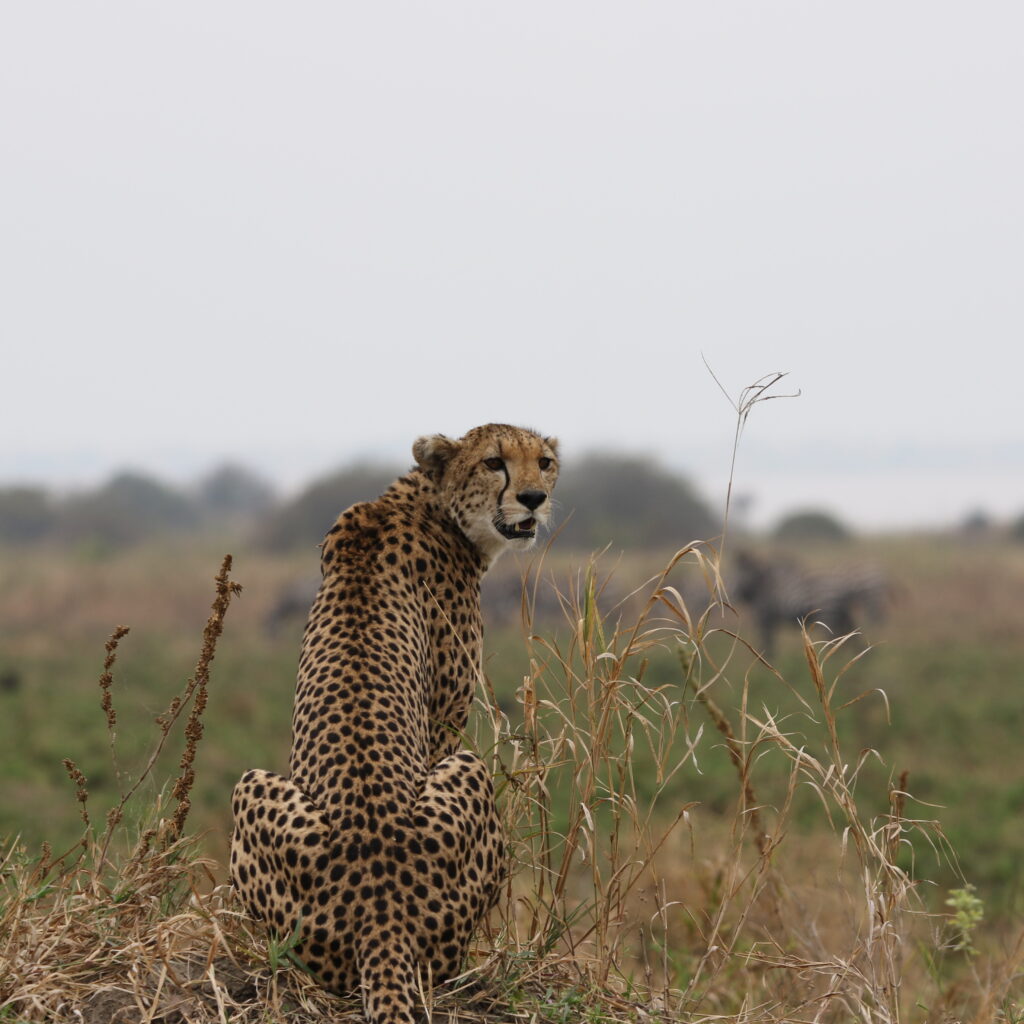
An African safari is a dream come true for many, an immersive journey into the heart of the wild where nature reigns supreme. To ensure this unparalleled experience remains safe, respectful, and truly unforgettable for both you and the wildlife, there are crucial etiquette guidelines to follow. Knowing what not to do is as important as knowing what to do. Adhering to these unspoken rules ensures not only your safety but also the preservation of the delicate ecosystems you’ve come so far to witness. When on an African safari, you shouldn’t engage in behaviors that could startle animals, disrupt their natural behavior, or put yourself or others at risk. This includes not using flash photography, avoiding loud noises or calling out to animals, and not leaving your vehicle unless explicitly permitted by your guide. 1. Don’t Approach Wild Animals: Respecting Their Space This is the golden rule of safari: do not approach wild animals. Your safari vehicle, guided by an experienced professional, provides a safe observation platform. Animals, even seemingly docile ones, are unpredictable. Approaching them on foot, making sudden movements, or attempting to draw their attention can be perceived as a threat, potentially leading to dangerous or aggressive reactions. Respecting their personal space is paramount for your safety and their well-being. Your guide will always position the vehicle at a safe and appropriate distance. 2. Avoid Excessive Noise: The Sound of Silence The magic of the bush often lies in its subtle sounds – the rustle of leaves, the distant call of a bird, the crunch of dry grass underfoot. Avoid excessive noise while on safari. Loud talking, shouting, or playing music can disturb wildlife, scaring them away or disrupting their natural behaviors like hunting or feeding. It also detracts from the experience for your fellow travelers. Keep conversations to a low volume, and allow the sounds of the wilderness to fill the air. 3. Don’t Litter: Preserve Pristine Wilderness Africa’s national parks and reserves are pristine wilderness areas, home to incredible biodiversity. Do not litter, under any circumstances. Even small items like tissues, plastic bottles, or food wrappers can have devastating effects on wildlife and pollute the environment. Always carry a reusable water bottle and dispose of all waste responsibly in designated bins back at your camp or lodge. “Leave no trace” should be your mantra. 4. Refrain from Feeding Animals: Maintaining Wild Behavior It might seem harmless, or even a kind gesture, but refrain from feeding animals. This is incredibly detrimental to wildlife. It makes animals reliant on human handouts, can lead to aggressive behavior (as they associate humans with food), disrupts their natural foraging habits, and can introduce diseases or inappropriate nutrition. Animals found around human settlements due to feeding often become habituated, leading to conflicts and sometimes even their unfortunate culling. Keep all food items secured within your vehicle or tent. 5. Avoid Bright Colors: Blending In While on safari, your aim is to blend into the environment as much as possible, both for optimal game viewing and to avoid drawing unnecessary attention to yourself. Avoid bright colors like reds, blues, or whites, which can stand out against the natural palette of the bush. Opt for neutral tones such as khakis, greens, browns, and greys. These colors help you remain inconspicuous, increasing your chances of observing wildlife naturally without disturbing them. 6. Don’t Disrupt the Guide’s Instructions: Your Safety Net Your safari guide is a highly trained professional with extensive knowledge of the local wildlife, terrain, and safety protocols. Do not disrupt the guide’s instructions or attempt to direct them. Their guidance is paramount for your safety and the success of the safari. If they tell you to stay silent, remain seated, or not to move, there’s a good reason. Respect their expertise; they are looking out for your best interests. 7. Refrain from Using Flash Photography: Respecting Animal Sensitivity While capturing incredible moments is part of the safari experience, refrain from using flash photography, especially at night or when observing nocturnal animals. Flash can startle, disorient, and even temporarily blind animals, disrupting their natural behaviors. Use high ISO settings and steady hands for low-light photography. Many lodges and operators have rules against flash photography for the animals’ welfare. 8. Don’t Overpack: Light and Efficient Travel Safari travel, particularly in Tanzania, often involves internal light aircraft flights between parks. These flights have very strict luggage weight limits (typically 15-20 kg or 33-44 lbs per person) and often require soft-sided bags. Don’t overpack. Focus on lightweight, layered clothing in neutral colors, essential toiletries, and camera gear. Luxury lodges offer laundry services, making heavy packing unnecessary. Being efficient with your packing will make your journey smoother and more enjoyable. 9. Don’t Forget to Tip: Acknowledging Hard Work Tipping is an integral part of the safari industry and a crucial component of local livelihoods. Don’t forget to tip your guides, porters (if on a walking safari or Kilimanjaro climb), lodge staff, and camp staff. These individuals work incredibly hard, often for long hours, to ensure your comfort and provide an unforgettable experience. Your tour operator can provide guidelines on appropriate tipping amounts. This gesture of appreciation is highly valued. 10. You’re Not Going on a Hunt: Respecting the Ecosystem Unless you’re on a strictly regulated, ethical hunting safari (which is a separate and distinct activity from photographic safaris), remember that you’re not going on a hunt. The purpose of a photographic safari is to observe, appreciate, and conserve wildlife in its natural habitat. Avoid any behavior that suggests hunting, such as mimicking calls, chasing animals, or attempting to “herd” them for better photos. Respect the ecosystem and its inhabitants as they are. 11. Don’t Worry About Seeing Animals: Embrace the Unexpected While safaris are famed for incredible wildlife sightings, don’t worry excessively about seeing animals. Nature is unpredictable, and there are no guarantees. Embrace the unexpected moments – a rare bird, a stunning sunset, the quiet beauty of the landscape, or the subtle interactions between smaller creatures.
Common Mistakes While Climbing Mount Kilimanjaro
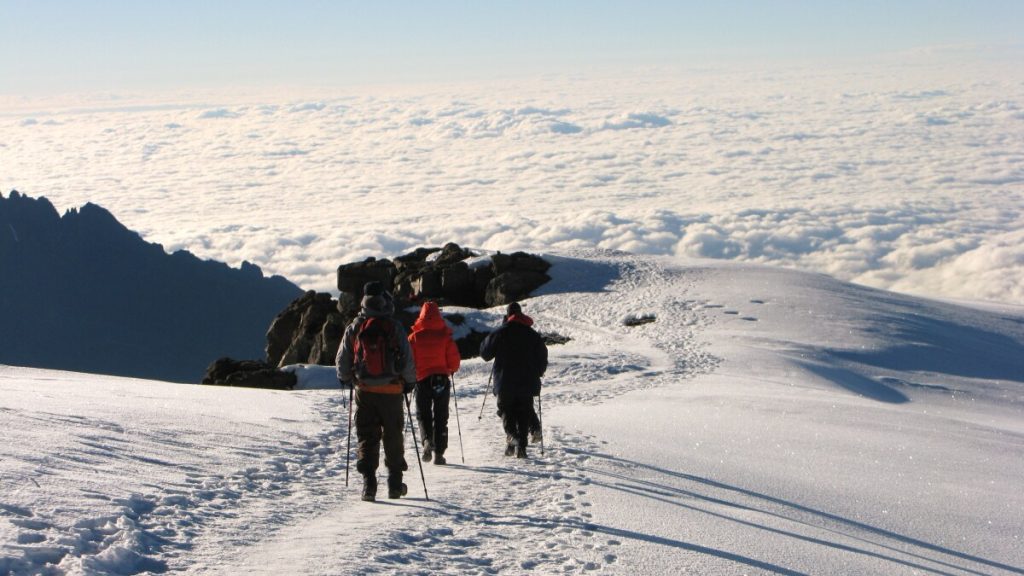
Climbing Mount Kilimanjaro is a dream for many adventurers. The allure of standing atop Africa’s highest peak is undoubtedly enticing. However, the journey to Uhuru Peak is as challenging as it is rewarding. As you prepare for this endeavor, it’s crucial to understand not only the do’s but also the don’ts of Kilimanjaro trekking. To maximize your chances of a successful Kilimanjaro climb, avoid common mistakes like underestimating altitude sickness, neglecting physical preparation, bringing inadequate gear, and choosing the wrong guide service. By being mindful of these common mistakes, you can maximize your Kilimanjaro experience, ensuring it’s both enjoyable and responsible. Here are ten common mistakes to avoid to ensure a successful and safe ascent. 1. Underestimating the Challenge One of the most significant mistakes climbers make is underestimating the challenge of climbing Kilimanjaro. While it may not require technical climbing skills, the trek demands physical stamina and mental fortitude, common mistakes while climbing Mount Kilimanjaro. Many adventurers think they can hike it with little preparation. Instead, take the time to train adequately, focusing on building endurance through regular cardio, strength training, and multi-day hikes to mimic the conditions you’ll face on the mountain. Check out this, The 10 Biggest Misconceptions About Climbing Kilimanjaro. 2. Poor Acclimatization Altitude sickness is a serious concern on Kilimanjaro due to its high elevation. Climbers often make the mistake of ascending too quickly without giving their bodies time to acclimatize, common mistakes while climbing Mount Kilimanjaro. To avoid this, choose a longer itinerary that allows for gradual ascent, promoting better acclimatization. The general rule is to ascend no more than 1,000 feet (300 meters) per day and to take rest days if needed. 3. Ignoring Hydration and Nutrition Staying hydrated and well-nourished while climbing is paramount. Many climbers neglect their water intake or opt for snacks that are not energy-dense. A common mistake is assuming that they’re drinking enough simply because they’re not thirsty. Carry sufficient water and consume high-energy snacks such as nuts, energy bars, and dried fruits. Your body will need all the fuel it can get to maintain stamina during the trek. 4. Inadequate Gear Selection The right gear can make or break your Kilimanjaro experience. Many climbers believe they can use their regular hiking gear, which can lead to discomfort or even injury. Avoid the mistake of under-preparing by investing in high-quality, moisture-wicking clothing, sturdy hiking boots that have been properly broken in, and essential gear like a good sleeping bag, trekking poles, and layers to handle varying temperatures. Renting gear locally is also an option, but ensure it is of good quality. Common gear mistakes include: Inadequate rain protection (jackets, pants, pack covers), Not enough insulation for summit day (think down jacket, warm gloves, and hat), Poor footwear choices (worn-out boots or shoes without ankle support) To prepare for a Kilimanjaro climb, pack a duffel bag (65-100 liters), a 35-50 liter backpack, trekking poles, a warm sleeping bag, layers of clothing, waterproof gear, hiking boots, and essential personal items like sunscreen, lip balm, and a hat complete list of items to bring for Kilimanjaro. 5. Disregarding Weather Conditions Kilimanjaro’s weather can be unpredictable, with conditions changing rapidly from sunny to stormy. A common mistake is failing to check the weather reports before and during your climb. Climbers often arrive unprepared for rain or extreme cold. Always check the forecast a few days before your trek and bring gear suitable for varying conditions, including a waterproof jacket, warm layers, and sun protection. 6. Skipping Pre-Climb Briefings Before the climb, tour operators typically provide pre-climb briefings that cover essential aspects of the hike and safety measures. Some climbers mistakenly skip this meeting, thinking they can figure it out as they go. This is a common mistake while climbing Mount Kilimanjaro. Neglecting this opportunity can lead to misunderstandings about the trek, risks, or even behavior expected on the mountain. Always attend the briefing and ask questions to ensure you understand the challenge ahead. 7. Overpacking While it’s important to be prepared, overpacking is a common mistake that can make the trek more arduous than necessary. Climbers often bring too many personal items and non-essential gear, while missing out on critical gear that may be needed, common mistakes while climbing Mount Kilimanjaro. Consider a packing list and stick to the essentials to ensure your backpack is manageable, this is what I wish I knew before climbing Kilimanjaro. Remember, every ounce matters, especially on the ascent. 8. Pushing Through Symptoms of Altitude Sickness The summit push is exciting, but rushing can deplete your energy and increase altitude sickness risks and avoid painful feet on Mount Kilimanjaro. Pace yourself, conserve your strength, and enjoy the incredible scenery and personal triumph of each step you take. Climbers might feel the pressure to keep going despite experiencing symptoms of altitude sickness, such as headache or nausea. Ignoring these signs can lead to severe complications of failing to take summit day seriously. If you or your trekking companions experience symptoms, it’s crucial to communicate openly and be willing to descend if necessary. Your health should always take precedence over reaching the summit. 9. Choosing the Wrong Route Kilimanjaro offers several routes, each with its unique challenges and scenery. Many climbers fail to choose the route that best fits their experience level or objectives. Some may opt for a shorter route to save time but may find it lacks adequate acclimatization days, increasing the risk of altitude sickness. Research your options thoroughly and consult with experienced guides to find the best fit for your group. To ensure a safe Kilimanjaro climb, prioritize slow, steady ascent, stay hydrated, and be aware of altitude sickness symptoms, which can range from mild to severe, and seek immediate descent if needed 10. Neglecting to Enjoy the Journey It’s easy to focus solely on the summit and forget to take in the beauty of the journey. Many climbers get caught in the mindset of reaching the top, thereby missing out on the stunning
Benefits of climbing Mount Kilimanjaro
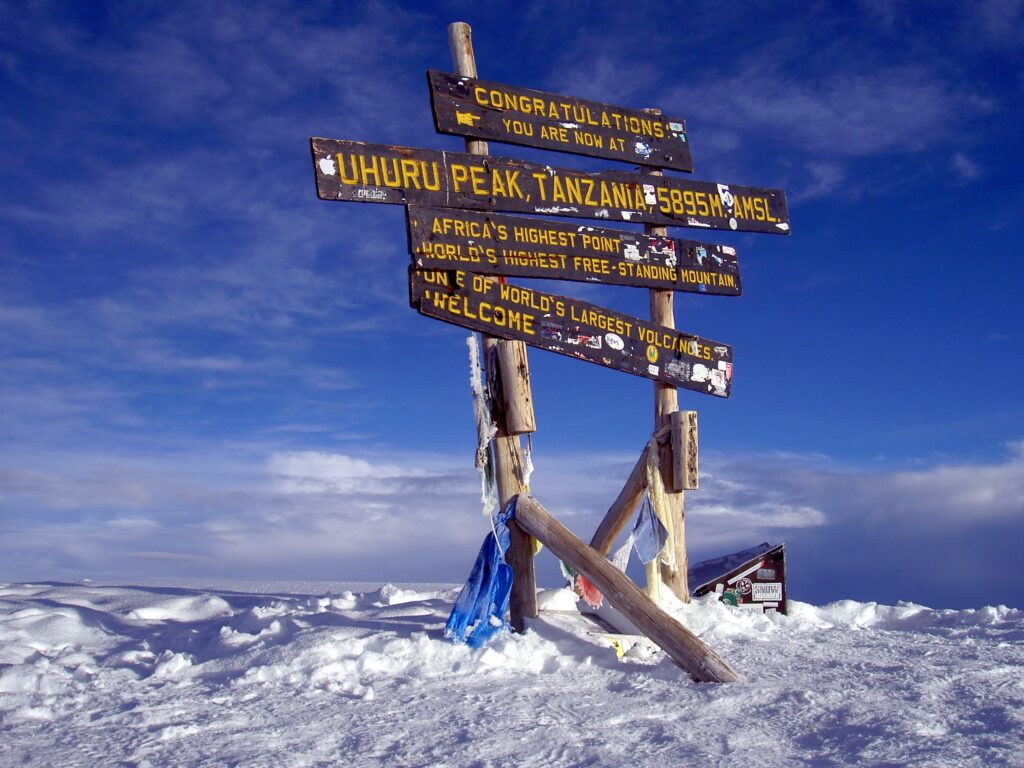
Experience the ultimate guide to Climbing Mount Kilimanjaro, the highest peak in Africa, is more than just a trek—it’s a journey that transforms mind, body, and soul. For adventurers seeking a combination of adrenaline-filled adventure, Tanzania safari tours, and bucket-list experiences, Kilimanjaro offers unmatched opportunities. From traversing unique ecosystems to witnessing breathtaking scenery, every step challenges your limits and rewards you with personal growth. Beyond physical endurance, the climb fosters mental resilience, cultural exchange, and an appreciation for sustainable travel in Tanzania. Whether you are planning a Kilimanjaro trekking itinerary, a luxury safari extension, or a solo adventure, this guide explores the top benefits of climbing Mount Kilimanjaro, ensuring your expedition leaves lasting memories and a profound sense of achievement. 1. Sense of Accomplishment Reaching the summit of Mount Kilimanjaro instills an unparalleled sense of accomplishment. As Africa’s tallest mountain, it presents one of the world’s most iconic trekking challenges. Each climber experiences a profound personal victory upon standing atop Kilimanjaro Uhuru Peak, symbolizing the triumph over physical strain and mental barriers. This bucket-list adventure attracts travelers seeking both adrenaline adventure and life-changing experiences. Completing the climb fosters confidence, self-motivation, and pride that last long after descending. For many, this is more than a physical achievement; it’s a statement of perseverance and determination. The journey also connects climbers with others on the trail, enhancing the shared triumph feeling. For adventure seekers looking for Tanzania trekking tours, Kilimanjaro represents the ultimate achievement milestone, combining safari and mountain experiences in one unforgettable journey. 2. Mental Resilience Climbing Mount Kilimanjaro challenges the mind as much as the body, building extraordinary mental resilience. Enduring the high-altitude trails, unpredictable weather, and long daily hikes strengthens focus, patience, and problem-solving skills. Trekkers develop the capacity to manage stress and maintain a positive mindset under pressure. Mental toughness gained on the slopes translates to everyday life, enhancing decision-making, persistence, and personal growth. This is particularly valuable for those seeking adventure travel experiences in Africa or embarking on Kilimanjaro trekking expeditions. Overcoming the climb instills self-belief, empowering travelers to face future challenges with confidence. Guided climbs and well-structured Mount Kilimanjaro itineraries help maintain safety while testing endurance, making the mountain a natural training ground for resilience and personal transformation. The climb is thus a unique combination of physical challenge and mind-strengthening adventure, offering benefits that last a lifetime. 3. Reflection & Inspiration Ascending Mount Kilimanjaro offers climbers profound opportunities for reflection and inspiration. The trek allows travelers to disconnect from daily life and immerse themselves in Tanzania’s natural beauty, providing space for introspection and self-discovery. Witnessing breathtaking views of glaciers, valleys, and savannahs sparks creativity and perspective, while the physical challenge inspires personal growth. Many climbers report transformative realizations about their life priorities, purpose, and resilience. Whether trekking solo or in a group, the serene environment of Kilimanjaro National Park enhances mindfulness and emotional clarity. This journey is not only about reaching the summit but also about embracing the lessons learned along the way. Combining eco-tourism, adventure travel, and unique African landscapes, the climb motivates travelers to pursue future challenges and maintain a positive, inspired outlook on life. 4. Camaraderie Climbing Mount Kilimanjaro fosters deep camaraderie among trekkers, creating lasting bonds and shared memories. Whether with friends, family, or fellow adventurers, the journey encourages collaboration, encouragement, and mutual support. Group trekking builds teamwork skills and strengthens relationships through shared triumphs and challenges. Guides and porters contribute to a sense of community, offering local insights and ensuring safety on well-maintained Kilimanjaro trails. Many climbers find that friendships formed on Kilimanjaro expeditions endure long after descent. This social aspect enhances the overall safari and trekking experience, making it suitable for solo travelers seeking meaningful connections, honeymoon couples, and families. The sense of belonging, coupled with shared adventure travel experiences, enriches the journey, providing both emotional and motivational support, while creating unforgettable moments that define the climb as a collective, life-affirming adventure. 5. Life-Changing Experience Climbing Mount Kilimanjaro is widely regarded as a life-changing experience. The challenge pushes physical limits, tests mental fortitude, and reshapes perspectives. Reaching Uhuru Peak offers profound satisfaction and a sense of personal transformation. Travelers often report enhanced confidence, resilience, and renewed purpose following the climb. Paired with a Tanzania safari, this journey combines wildlife encounters, breathtaking scenery, and cultural immersion, amplifying the transformative effect. Guided Mount Kilimanjaro expeditions ensure safety and support, enabling climbers of various skill levels to conquer this iconic mountain. For adventurers seeking bucket-list adventures, luxury trekking tours, or eco-friendly travel, Kilimanjaro delivers a holistic experience—merging fitness, personal growth, and emotional rejuvenation. The mountain’s allure lies not just in its height but in its ability to inspire life-long memories and change the way travelers see themselves and the world. 6. Enhanced Fitness Climbing Mount Kilimanjaro dramatically enhances overall fitness. The multi-day trek engages cardiovascular endurance, stamina, and core strength, providing a full-body workout across diverse terrains. Hikers navigate rocky paths, forested zones, and high-altitude slopes, promoting muscle engagement, balance, and coordination. Regular trekking improves heart health, lung capacity, and metabolism, making it an ideal challenge for health-conscious travelers. Combining the climb with a Tanzania safari adventure encourages active travel, blending exercise with exploration of African landscapes and wildlife. Trekkers also benefit from sustained calorie burn and physical conditioning, supporting weight management and overall well-being. Whether part of a luxury Kilimanjaro guided tour, mid-range Kilimanjaro trekking package, or Kilimanjaro budget climbing adventure, the climb’s fitness advantages make it a rewarding adventure holiday with measurable health benefits that extend beyond the mountain itself. 7. Muscle Strength & Endurance Trekking Mount Kilimanjaro develops impressive muscle strength and endurance, targeting legs, glutes, core, and back muscles. Climbing steep inclines and traversing uneven trails enhances functional fitness, increasing stamina for long hikes. The varied terrain challenges multiple muscle groups simultaneously, building strength, flexibility, and balance. Coupled with high-altitude conditions, the body adapts to increased oxygen demand, improving aerobic capacity. For adventurers seeking active holidays in Africa or combining safari tours with trekking, this makes Kilimanjaro is an
Best Things to Do in Serengeti National Park
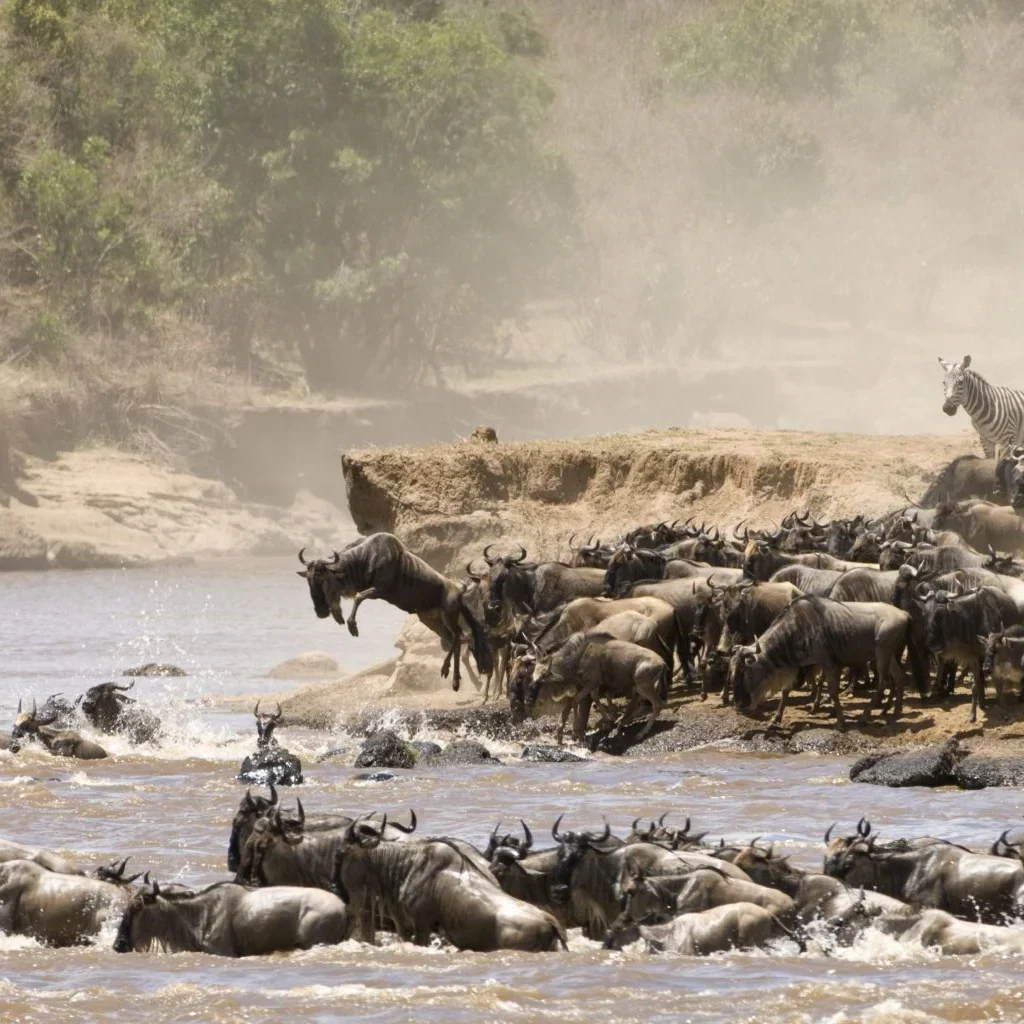
The Serengeti National Park is one of Africa’s most iconic wildlife destinations, famous for endless savannahs, the Great Wildebeest Migration, and exceptional Big Five safari experiences. Located in northern Tanzania, it offers unmatched opportunities for game drives, wildlife photography, hot air balloon safaris, and cultural encounters with the Maasai people. Travelers searching for “best Tanzania safari tours,” “African safari experiences,” and “wildlife safari in Serengeti” will find this destination ranking among the top in the world. The park is home to lions, elephants, leopards, buffalo, and rhinos, along with thousands of other species. Serengeti National Park delivers unforgettable safari adventures all year round, making it a must-visit for nature lovers, honeymooners, and adventure seekers looking for authentic African wilderness experiences. 1. Classic Game Drives in the Serengeti Game drives are the most popular activity in Serengeti National Park, offering close encounters with Africa’s legendary wildlife. Early morning and late afternoon drives provide the best chances to see lions hunting, elephants roaming, and giraffes grazing across the golden plains. Serengeti safari game drives,” best wildlife viewing in Tanzania,” and “African Big Five safari.” Professional guides lead you through rich ecosystems like Seronera Valley, where predators are frequently spotted. Each drive reveals new surprises, from hippos in rivers to cheetahs sprinting across the savannah. Whether in a luxury safari jeep or private tour vehicle, game drives deliver unforgettable photographic moments and immersive wildlife experiences that define the true essence of Serengeti safaris in Tanzania. 2. Witness the Great Wildebeest Migration The Great Migration is the most searched and iconic safari event in Serengeti National Park. Over two million wildebeest, zebras, and gazelles move across the Serengeti ecosystem in search of fresh grazing. Great Migration safari Tanzania,” Serengeti river crossing,” and “wildebeest migration best time” dominate global searches. The dramatic Mara River crossings, where crocodiles wait in ambush, create one of nature’s greatest spectacles. This seasonal movement attracts travelers from around the world seeking unforgettable wildlife encounters. Depending on the month, visitors can witness calving in Ndutu or dangerous crossings in the northern Serengeti. The migration represents survival, instinct, and raw African wilderness at its finest, making it a bucket-list safari experience. 3. Big Five Wildlife Viewing Experience The Big Five—lion, leopard, elephant, buffalo, and rhino—are major attractions in Serengeti National Park. Safari enthusiasts searching for “Big Five safari Tanzania,” “Serengeti lions and leopards,” and “African wildlife safari tours” consistently rank Serengeti as a top destination. Lions are frequently seen resting on kopjes, while elusive leopards hide in acacia trees. Elephants move gracefully across the plains, and buffalo gather in large herds. Rhinos, though rare, can be spotted in protected areas. Guided safaris increase your chances of witnessing these iconic species in their natural habitat. The diversity of ecosystems ensures constant wildlife activity throughout the day, making Serengeti one of the best places in Africa for Big Five safari experiences. 4. Hot Air Balloon Safari Adventure A hot air balloon safari over Serengeti National Park offers a breathtaking aerial view of the endless savannah. Popular “Serengeti balloon safari experience,” “sunrise balloon safari Tanzania,” and “luxury safari activities Africa.” Floating above herds of wildebeest, elephants, and giraffes at sunrise provides a magical perspective of the wilderness. The golden light of dawn enhances photography opportunities, making it ideal for luxury travelers and honeymoon safaris. After landing, guests enjoy a champagne breakfast in the bush, adding elegance to the adventure. This activity combines tranquility, exclusivity, and unforgettable scenery, making it one of the most premium and sought-after experiences in the Serengeti safari circuit. 5. Walking Safari Experience Walking safaris in Serengeti National Park allow travelers to explore the African bush on foot with expert guides. Serengeti walking safari tours,” guided bush walk Tanzania,” and “African safari on foot experience” highlight growing interest in immersive adventures. Unlike vehicle safaris, walking safaris focus on smaller details such as animal tracks, plants, insects, and birdlife. Rangers ensure safety while sharing knowledge about the ecosystem and survival techniques in the wild. This experience brings travelers closer to nature, offering a deeper understanding of the Serengeti environment. It is ideal for adventurous visitors seeking authentic, educational, and low-impact safari experiences in Tanzania. 6. Birdwatching in Serengeti National Park The Serengeti is a paradise for bird lovers, with over 500 recorded species in Serengeti National Park. Popular include “Serengeti birdwatching safari,” “best birding destinations in Tanzania,” and “African safari birds.” Species such as ostriches, secretary birds, lilac-breasted rollers, and crowned cranes are commonly seen across the plains. Wetlands and riverbanks attract migratory birds, making every season ideal for birdwatching. Guided birding tours help enthusiasts identify rare and colorful species while exploring diverse habitats. Whether you are a beginner or expert birder, Serengeti offers unmatched opportunities for photography and wildlife observation in one of Africa’s richest bird ecosystems. 7. Mara River Wildlife Crossing Viewing The Mara River crossings are one of the most dramatic events in Serengeti National Park. Search terms like “Mara River crossing safari,” “wildebeest river crossing Tanzania,” and “Serengeti migration river danger” reflect global fascination. Thousands of wildebeest and zebras gather at riverbanks, hesitating before plunging into crocodile-infested waters. The suspense, chaos, and survival instinct create unforgettable safari moments. Predators such as crocodiles and lions take advantage of the movement, making it one of nature’s most intense wildlife spectacles. Visitors often spend hours waiting for crossings, as timing is unpredictable. This natural event defines the raw beauty and danger of the Serengeti ecosystem. 8. Wildlife Photography Safari The Serengeti is a dream destination for photographers visiting Serengeti National Park. “Serengeti photography safari,” “wildlife photography Africa tours,” and “best safari photo locations Tanzania.” The golden savannah light, dramatic predator action, and vast landscapes create perfect shooting conditions. Photographers capture lions hunting, elephants crossing plains, and wildebeest migration scenes. Professional guides help position vehicles for optimal shots while respecting wildlife distance. Whether using DSLR cameras or smartphones, every moment in Serengeti offers postcard-worthy imagery. This makes it one of the top global destinations for wildlife photography safaris. 9. Maasai Cultural Village
Why Mount Kilimanjaro Is A Top Tourist Attraction Post Pandemic?
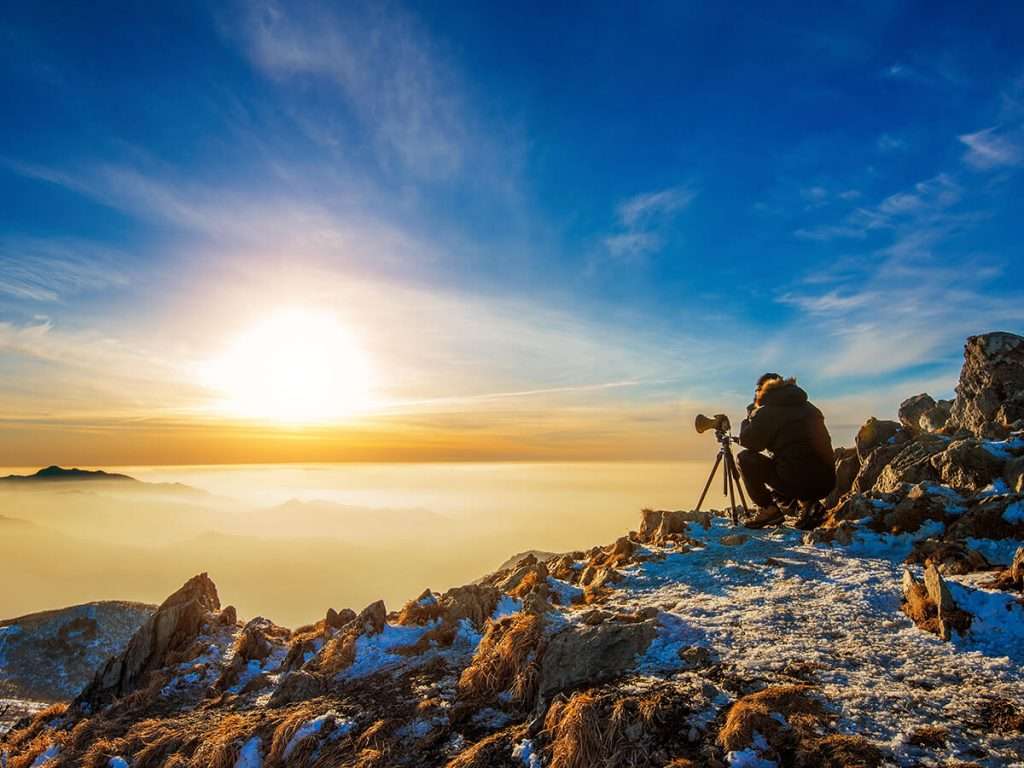
Discover fabulous Mount Kilimanjaro remains one of Africa’s most powerful tourism magnets and a leading global trekking destination, especially in the post-pandemic travel era. As international tourism rebounds, travelers are increasingly searching for safe, open-air, and life-changing adventures, making Tanzania’s iconic peak a top choice. Mount Kilimanjaro offers unmatched biodiversity, scenic trekking routes, and world-famous summit experiences that attract hikers, photographers, and adventure seekers worldwide. Post COVID-19, demand for nature-based tourism, sustainable travel, and bucket-list expeditions has significantly increased, placing Kilimanjaro at the center of Africa’s tourism recovery. With improved safety protocols, flexible travel policies, and growing global interest in wellness and outdoor experiences, Kilimanjaro continues to dominate search trends such as “best trekking in Africa,” “highest free-standing mountain,” and “safe post-pandemic safari adventure,” reinforcing its status as a must-visit attraction. 1. Post-Pandemic Travel Demand for Open-Air Adventures After the pandemic, global travelers shifted preferences toward open-air, less crowded, and physically engaging experiences, making Mount Kilimanjaro a leading choice. Unlike urban tourism, trekking Kilimanjaro provides natural social distancing, fresh mountain air, and immersive wilderness encounters. This shift has boosted search interest in terms like “post COVID adventure travel,” “safe Africa trekking,” and “outdoor tourism experiences.” Tanzania capitalized on this trend by improving mountain safety standards, guiding services, and health protocols. Kilimanjaro’s multiple routes, including Machame and Marangu, offer flexible options for different fitness levels, further increasing its appeal. As travelers prioritize health-conscious journeys, Kilimanjaro stands out as a symbol of freedom, resilience, and reconnection with nature, driving strong post-pandemic tourism recovery in East Africa. 2. Africa’s Highest Peak and Global Bucket-List Status Mount Kilimanjaro is Africa’s highest peak and one of the world’s most iconic trekking destinations, making it a permanent fixture on global bucket lists. Its reputation as a non-technical climb attracts both experienced mountaineers and first-time hikers seeking a life-changing challenge. Post-pandemic, interest in “bucket list travel experiences” and “once-in-a-lifetime adventures” has surged dramatically. Kilimanjaro offers this in a uniquely accessible way compared to other high-altitude peaks like Everest or Kilimanjaro’s Himalayan counterparts. Travelers are drawn to its snow-capped summit, diverse ecological zones, and the emotional achievement of reaching Uhuru Peak. This global recognition continues to fuel tourism recovery, positioning Kilimanjaro as a top-ranking keyword in adventure travel, Africa tourism, and high-altitude trekking searches worldwide. 3. Increased Interest in Sustainable Tourism Sustainability has become a major driver of tourism decisions after the pandemic, and Mount Kilimanjaro plays a key role in eco-conscious travel trends. Visitors now actively search for “responsible tourism in Africa” and “eco-friendly trekking experiences,” boosting Kilimanjaro’s popularity. National park authorities and tour operators have strengthened conservation efforts, waste management systems, and porter welfare programs to protect the mountain’s fragile ecosystem. This aligns with global sustainability goals and attracts environmentally aware travelers. Kilimanjaro’s diverse ecosystems—from rainforest to alpine desert—offer a living classroom for biodiversity education. As a result, the mountain is not just a trekking destination but also a model for sustainable tourism in Africa, reinforcing Tanzania’s reputation as a responsible travel destination in the post-pandemic era. 4. Strong Recovery of International Flight Connectivity Post-pandemic recovery of international flights has significantly boosted tourism to Tanzania, making Kilimanjaro more accessible than ever. Major airlines have resumed and expanded routes to Kilimanjaro International Airport, improving search visibility for “flights to Kilimanjaro,” “Tanzania safari travel,” and “Africa trekking packages.” Easier visa policies and streamlined entry requirements have further encouraged global travelers. Tour operators now offer flexible booking options, allowing tourists to plan safaris and Kilimanjaro climbs with greater confidence. This improved connectivity has revived tourism demand from Europe, North America, and Asia. As a result, Kilimanjaro has regained its position as a top African adventure destination, supporting Tanzania’s broader tourism economy and accelerating post-COVID travel recovery across East Africa. 5. Rising Demand for Wellness and Transformational Travel Wellness tourism has surged after the pandemic, with travelers seeking meaningful, physical, and emotional transformation experiences. Climbing Kilimanjaro provides exactly that, combining endurance, mental resilience, and natural healing environments. Transformational travel,” mental wellness trekking,” and “spiritual mountain experience” are increasingly associated with Kilimanjaro tourism. The climb allows visitors to disconnect from digital stress and reconnect with nature through multi-day trekking in pristine wilderness. Many climbers describe the journey as life-changing, not just physically but emotionally. This growing wellness trend has made Kilimanjaro a powerful post-pandemic attraction, appealing to individuals seeking clarity, achievement, and personal renewal in a world reshaped by global health challenges and lifestyle shifts. 6. Tanzania’s Strong Tourism Branding and Global Promotion Tanzania has significantly strengthened its tourism branding post-pandemic, positioning Mount Kilimanjaro as a flagship attraction. International campaigns highlight “Visit Tanzania,” “Explore Africa Safely,” and “Kilimanjaro Adventure Tours,” increasing global search visibility. Strategic partnerships with travel influencers, adventure bloggers, and global tour operators have amplified Kilimanjaro’s presence online. The mountain is frequently featured in SEO-rich travel content, documentaries, and social media storytelling. This strong digital presence has boosted bookings and inquiries from international markets. Combined with Tanzania’s reputation for safaris in Serengeti and Ngorongoro, Kilimanjaro completes a powerful tourism package. As a result, it remains one of the most searched and promoted trekking destinations in Africa’s post-pandemic tourism recovery strategy. 7. Safe and Well-Regulated Trekking Experience Safety has become a top priority for travelers after COVID-19, and Kilimanjaro offers a well-regulated trekking environment. National park authorities enforce strict safety standards, licensed guides, and controlled climbing permits. Safe Kilimanjaro climb,” guided Africa trekking,” and “secure mountain expeditions” continue to rise. Medical checks, emergency rescue systems, and structured itineraries improve climber confidence. Tour operators now emphasize hygiene, group size control, and professional guiding services. These measures reassure post-pandemic travelers seeking secure adventure experiences. Kilimanjaro’s structured trekking system makes it one of the safest high-altitude climbs in the world, further enhancing its reputation as a reliable and attractive destination for international tourists. 8. Growing Popularity of Tanzania Safari Combinations One of the biggest post-pandemic tourism trends is combining Kilimanjaro climbs with wildlife safaris. Travelers increasingly search for “Kilimanjaro and Serengeti safari packages” and “Tanzania adventure tours.” This combination offers both mountain
7-Day | Alluring Tanzania Safari Itinerary

Ultimate 7 Day Tanzania Safari Itinerary Explore and discover African hidden game with our best selling amazing Ultimate Tanzania 7 Day family, honeymoon, luxury, wildlife, trips, holidays vacation packages all inclusive book and save up 10% off discount special offers earlier off season trip price cost cut off. Visit and explore top destinations like no other Serengeti National Park, Lake Manyara National Park, Ngorongoro conservation area. Add on option activities like walking or hot air balloon ride/ extension to pristine island of Zanzibar. Unforgettable Tanzania Family Safaris in Africa Embark on the Ultimate 7-Day Tanzania Safari, a thrilling journey through Lake Manyara National Park, Serengeti National Park, and the Ngorongoro Crater. Tanzania is a great choice for a family safari. The big wildlife densities and varied landscapes make it perfect for first-time visitors. Day one unfolds amidst the diverse landscapes of Lake Manyara, home to tree-climbing lions and vibrant birdlife. Days two and three take you to the iconic Serengeti, where the Great Migration showcases nature’s grandeur. Witness wildebeest herds thundering across the plains. On days four and five, explore the breathtaking Ngorongoro Crater, a UNESCO World Heritage Site teeming with wildlife against a stunning backdrop. This condensed itinerary guarantees an unforgettable adventure, immersing you in Tanzania’s unparalleled natural wonders and wildlife spectacles in just five captivating days. Search of various wildlife species such as the big 5 like lions, elephants, leopards, rhinos and buffalos. 7 Day Ultimate Tanzania Safari Itinerary Experience the Best of Tanzania Safari in just 7 days on the Northern Circuit. Day one begins at Lake Manyara, where tree-climbing lions await. Days two and three unfold in the iconic Serengeti, witnessing the Great Migration. The adventure peaks on days four and five at the Ngorongoro Crater, a UNESCO site teeming with diverse wildlife. We’ve crafted the best family safari packages in Tanzania to cater to the unique needs and interests of families. This compact journey ensures an unforgettable exploration of Tanzania’s northern gems in just five thrilling days. Day 1: Arrival in Arusha, Tanzania Upon your arrival at Kilimanjaro International Airport, you will be met by a representative from your chosen safari company who will transfer you to your accommodation in Arusha. After checking in and freshening up, you can rest and relax at the lodge or explore the town of Arusha if you arrive early in the day. In the evening, you’ll have a briefing with your safari guide to go over the itinerary and answer any questions you may have. Overnight stay at a lodge in Arusha. Day 2: Arusha to Lake Manyara National Park After breakfast, around 8:30 am your safari guide will collect you from your accommodation in Arusha and drive you to Lake Manyara National Park. A Lake Manyara Park is a relatively small but diverse park, 120 kilometers west of Arusha. The park’s namesake is a shallow, salt lake. It covers a large area of the park, flooding and drying with the seasons and is home to thousands of flamingos and over 500 other bird species. On your exploration of the park, you will see monkeys, giraffes, zebra, wildebeest, buffalo, elephants, and with some luck, lions lounging in the trees. The park is known for its diverse landscapes; not only open grassy plains but also primate-filled woodlands and baobab dotted cliffs. After a full day in the park, you will drive to campsite/tented lodge camp where you will be able to relax and enjoy dinner and have an overnight. Day 3: Lake Manyara to Serengeti National Park After breakfast, you will start your Tanzania safaris and head towards the Serengeti National Park, via the beautiful high-laying farmland of Karatu and the Ngorongoro Conservation Area. Leaving the highlands behind, we descend into the heart of wild Africa – the Serengeti National Park – with its endless plains rolling into the distance as far as the eye can see. We head to the Central Park area, known as the Seronera area, one of the reach wildlife habitats in the Park. Featuring the Seronera River, which provides a valuable water source to this area and therefore attracts wildlife well representative of most of the Serengeti’s species. We arrive in time for lunch at Nabi gate and enjoy the late 2hrs afternoon game drive in the Serengeti National Park. Serengeti Set out for the endless open plains and stunning skies of the Serengeti. A scenic road trip, with a late evening game drive, will wait for you. Dinner and overnight at a public Campsite or tented camp. Day 4: Central Serengeti National Park After breakfast, you will have a full day of Safaris in Tanzania, game viewing at Serengeti National Park. The Serengeti, Tanzania’s largest National Park, covers nearly 6,000 square miles of grassland plains. Savannah, kopjes, hills, woodlands, and riverine forest systems serve as critical water sources and are often excellent sites for wildlife viewing. Tanzania Family Safari Packages beyond the heralded migration of wildebeest and zebra. The Serengeti National Park best known for its big predators, including cheetah and Leopard. As well as large prides of Lions and clans of Hyenas, and can see the big 5. Dinner and overnight, Dinner and overnight in Seronera Nyani Campsite. Day 5: Serengeti to Ngorongoro Crater After a relaxing morning and an early lunch, you will have an early morning game drive in Serengeti National Park of Tanzania’s top safari destination, where you can spot the Big5 Five if you are lucky enough. Later, back to the campsite for a branch and hot lunch. Our experienced safari guide and cook will load everything on the top of our safari jeep after then continue with the game drive while looking to be out of Serengeti to proceed to Ngorongoro. Today, you will be doing a game viewing en route on your way from Serengeti National Park to Ngorongoro Crater. You will be in Ngorongoro Crater late in the evening, where the night will be spent on the crater rim. Dinner and overnight will be at Ngorongoro