
How to Book a Sustainable African Safari: Ultimate Guide
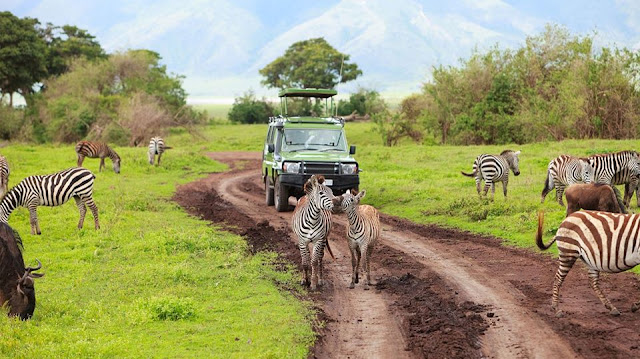
To book a sustainable African safari, research eco-friendly tour operators and lodges, choose private conservancies or reserves, and prioritize ethical practices during your trip. Consider joining conservation-based safaris and minimizing your environmental impact by limiting time spent on safari and avoiding animal products. Booking well in advance, especially for popular destinations or during peak season, is recommended. The African safari, an age-old dream for many, is a journey into the heart of a continent brimming with life. It’s a chance to witness majestic lions, colossal elephants, and towering giraffes in their natural habitats. But as the world becomes more aware of its environmental and social footprint, the way we travel must evolve. A safari is no longer just about the thrill of the chase; it’s about preserving the very wilderness we’ve come to admire. Booking a sustainable African safari is a commitment—a pledge to protect wildlife, support local communities, and minimize your impact. It’s about trading a fleeting adventure for a lasting legacy. Here’s your ultimate guide to becoming a conscious explorer and crafting a safari that is as meaningful as it is memorable. 1. Choose an Ethical African Safari Operator Your choice of a safari operator is the single most important decision you’ll make. A truly ethical operator goes beyond the glossy brochures and promises. They are the guardians of the land, the advocates for its people, and the champions of its wildlife. Seek out operators with transparent policies on conservation and community engagement. Look for certifications from recognized bodies like the Global Ecotourism Network (GEN) or the African Responsible Tourism Awards. Ask them directly: How do they support local guides? What is their stance on animal welfare? Do they give back to the communities they operate in? A reputable operator will not only have answers but will be proud to share their initiatives with you. 2. Research Wildlife Conservation Efforts A safari’s purpose is to see wildlife, but a sustainable safari’s purpose is to protect it. Before booking, research the country’s and the specific region’s conservation efforts. Understand the challenges the local wildlife faces, whether it’s poaching, habitat loss, or human-wildlife conflict. Many parks and reserves, particularly in countries such as Kenya, Tanzania, and South Africa, are at the forefront of conservation efforts. Some operators contribute directly to these efforts through fees, donations, or by employing and training anti-poaching units. A safari with such an operator is more than a vacation; it’s a direct investment in the future of these magnificent creatures. 3. Consider Accommodation Options Where you rest your head at night matters just as much as what you see during the day expect to choose our top eco-friendly Lodges in East Africa, Tanzania. Ditch the large, high-impact lodges for more intimate, eco-friendly alternatives. Boutique lodges and tented camps often have a smaller footprint and are designed to blend seamlessly with the natural environment. Look for accommodations that use renewable energy, practice responsible waste management, and source their food locally. Many of these camps also serve as pillars of the community, providing employment and a market for local goods. By staying at these places, you’re not just a guest; you’re a partner in their mission among the best destinations for sustainable African safari honeymoons or family friendly. Top-rated Tanzania sustainable properties, eco-friendly safari lodges, offer a fantastic opportunity to experience the wonders of nature while minimizing your environmental impact. Several lodges across Africa and beyond are leading the way in sustainable tourism practices, focusing on renewable energy, water conservation, community development, and wildlife conservation. 4. Plan Your Sustainable African Itinerary Wisely The modern traveler often feels the urge to see it all, but a sustainable safari is about quality over quantity. Instead of a whirlwind tour of multiple national parks, consider spending more time in one or two areas our ultimate beginner’s guide to sustainable travel. This reduces your carbon footprint from travel and allows for a deeper, more immersive experience. Opt for activities that are low-impact, such as walking safaris or canoeing, which offer a different perspective and a more intimate connection with the environment. Avoid activities that exploit animals, such as riding elephants or interacting with captive predators. A truly wild encounter is a respectful one. 5. Engage with Local Communities The human element of a safari is just as important as the wildlife. The communities surrounding national parks and reserves are often the ones who bear the brunt of conservation efforts. A sustainable safari empowers and benefits these communities. Seek out opportunities to interact with local people in a respectful and meaningful way, responsible choices for your family, honeymoon, luxury, mid-range, budget eco-safari. Visit a community-run craft market, a local school, or a cultural village. A genuine operator will facilitate these interactions in a way that is mutually beneficial and avoids a “human zoo” dynamic. It’s about sharing a part of their world, not just observing it. 6. Pack Your Sustainable African Safari Mindfully Your Eco-Friendly Safari in Africa luggage can be a statement of your values checklist for a sustainable safari. Pack light to reduce the weight on aircraft and safari vehicles, which in turn reduces fuel consumption. Choose eco-friendly products, from biodegradable toiletries to reusable water bottles. Many camps have systems in place to filter water, so you won’t need to rely on single-use plastic bottles. Consider packing a small, solar-powered charger for your electronics. And remember to bring durable, long-lasting clothing that can withstand the rigors of a safari without needing frequent replacements. Every item you bring, or don’t bring, contributes to your overall footprint. 7. Capture Memories Respectfully The Ethical African Safari Experience’s desire to capture every moment on camera is understandable, but it’s crucial to do so with respect. Be mindful of your sustainable African Safaris for the conscious traveler’s presence and your equipment. Don’t use flash photography at night, as it can disorient nocturnal animals. Maintain a safe and respectful distance from wildlife, and don’t pressure your guide to get closer for the perfect shot. The best
All You Need to Know to Climb Mt Kilimanjaro

Climbing Mount Kilimanjaro, Africa’s tallest peak at 5,895 meters, is a dream for adventurers worldwide. Situated in Tanzania, Kilimanjaro is known for its dramatic landscapes, from lush rainforests to alpine deserts and glacial summit zones. Unlike technical climbs, summiting Kilimanjaro is achievable for those with moderate fitness, making it one of the most popular trekking adventures globally. Choosing the right route, understanding altitude challenges, preparing for varied weather, and packing smartly are crucial to a successful trek. From cost estimates to the best climbing seasons, this guide covers everything you need to know for an unforgettable Kilimanjaro experience, whether you’re a first-time climber or an experienced hiker seeking Africa’s ultimate adventure. 1. Choosing the Right Kilimanjaro Route Selecting the ideal Kilimanjaro route is essential for success and enjoyment. There are seven main routes: Marangu, Machame, Lemosho, Shira, Rongai, Umbwe, and Northern Circuit. Marangu is the “Coca-Cola Route,” offering huts for overnight stays, while Machame is scenic and challenging. Lemosho and Shira routes provide longer itineraries, increasing acclimatization success. Rongai is the quietest route from the north, Umbwe is steep and for experienced trekkers, and Northern Circuit offers the longest, most remote trek. Each route differs in difficulty, scenery, and success rate. Consider factors like time availability, fitness level, and whether you prefer huts or tents. Choosing the right route enhances summit chances and ensures an unforgettable Kilimanjaro trekking experience, blending adventure with stunning panoramic views. 2. No Technical Skills Needed One of the most appealing aspects of climbing Kilimanjaro is that no technical climbing skills are required. Unlike Mount Everest or the Alps, you don’t need ropes, crampons, or specialized mountaineering experience. The trek relies on endurance, moderate fitness, and mental preparation. Trails are well-marked and supported by guides and porters who manage logistics, including camp setup and meals. While the summit is physically demanding due to steep ascents and high altitude, climbers use trekking poles and sturdy boots to navigate safely. This accessibility makes Kilimanjaro one of the most popular non-technical high-altitude climbs in the world. First-time climbers and adventurers can enjoy a bucket-list experience without advanced mountaineering training, relying on preparation, pacing, and professional guidance. 3. When is the Best Time to Climb Kilimanjaro The best time to climb Kilimanjaro depends on weather, trail conditions, and your preference for crowds. Peak climbing seasons are from January to March and June to October, offering dry, stable conditions with clear skies. These periods maximize summit success and minimize rain-related hazards. The shoulder months, November and May, have more rain, making trails slippery and less predictable. December and April are low-season months with fewer trekkers, which can appeal to those seeking solitude. Weather can vary dramatically with elevation, so even during the best times, climbers may encounter cold nights and high winds. Planning your climb during optimal months improves safety, comfort, and the chance to witness breathtaking sunrise and glacier views from Africa’s highest peak. 4. What is the Hardest Part of the Climb The hardest part of climbing Kilimanjaro is often the final ascent to Uhuru Peak. Known as the “Summit Night,” climbers leave camp around midnight to reach the summit by sunrise. The climb involves extreme cold, thin air, and steep inclines. Fatigue, low oxygen, and early waking make this stage mentally and physically challenging. Many trekkers experience altitude-related symptoms, including headaches, nausea, and breathlessness. Preparation through longer acclimatization days, proper pacing, and hydration is key. Despite the difficulty, the reward is immense: a panoramic view of Africa at dawn above clouds. While challenging, with adequate training, a proper route, and experienced guides, climbers can overcome the hardest part, making the summit experience profoundly rewarding. 5. How Fit Should I Be for the Hike Fitness is crucial for a successful Kilimanjaro climb. While no technical skills are needed, the trek demands cardiovascular endurance, leg strength, and mental stamina. Hikes range from 5 to 9 days, with 5–8 hours of daily trekking. Regular aerobic exercise, such as running, cycling, or swimming, improves stamina. Strength training for legs, core, and back aids uphill trekking and carrying a light daypack. Practicing long hikes with weighted backpacks simulates mountain conditions. Flexibility and balance exercises also help on uneven trails. Fitness levels affect acclimatization, fatigue, and overall summit success. Even moderate training months before the climb can significantly increase the chances of a safe, enjoyable, and triumphant ascent to Africa’s highest peak. 6. What Do I Need to Pack for Kilimanjaro Packing smart is essential for Kilimanjaro treks. Essentials Kilimanjaro packing list include layered clothing to adjust to varying temperatures: base layers, fleece mid-layers, and waterproof outer layers. Sturdy, broken-in hiking boots and moisture-wicking socks prevent blisters. Accessories include gloves, hats, sunglasses, and a headlamp. Trekking poles reduce knee strain during steep ascents. A durable backpack carries water, snacks, and personal items. High-SPF sunscreen and lip balm protect against strong UV rays at altitude. A reusable water bottle or hydration system ensures constant hydration. Don’t forget a camera for scenic memories and toiletries. Proper packing enhances comfort, safety, and endurance, allowing trekkers to focus on the summit and fully enjoy the changing landscapes of Kilimanjaro’s diverse ecological zones. 7. What is the Scariest Part of Kilimanjaro For many climbers, the scariest part of Kilimanjaro is the night-time summit push. Trekking in near darkness is the Scariest Part of Kilimanjaro, with extreme cold and low oxygen, creates a mentally intimidating environment. The trails are steep, rocky, and slippery in some areas, and the altitude may trigger dizziness or nausea. Concerns about altitude sickness, exhaustion, and harsh weather amplify fear. Despite these challenges, careful pacing, teamwork, and experienced guides provide reassurance. Proper mental preparation, visualization, and positive mindset help overcome fear. While the night ascent is daunting, it is also the most rewarding segment, culminating in sunrise views from Uhuru Peak. Facing this fear often becomes a highlight of the Kilimanjaro adventure, leaving climbers with a sense of achievement and resilience. 8. Altitude is the Biggest Challenge Altitude presents the most significant challenge on Kilimanjaro.
Must-Know Serengeti Safari Tips
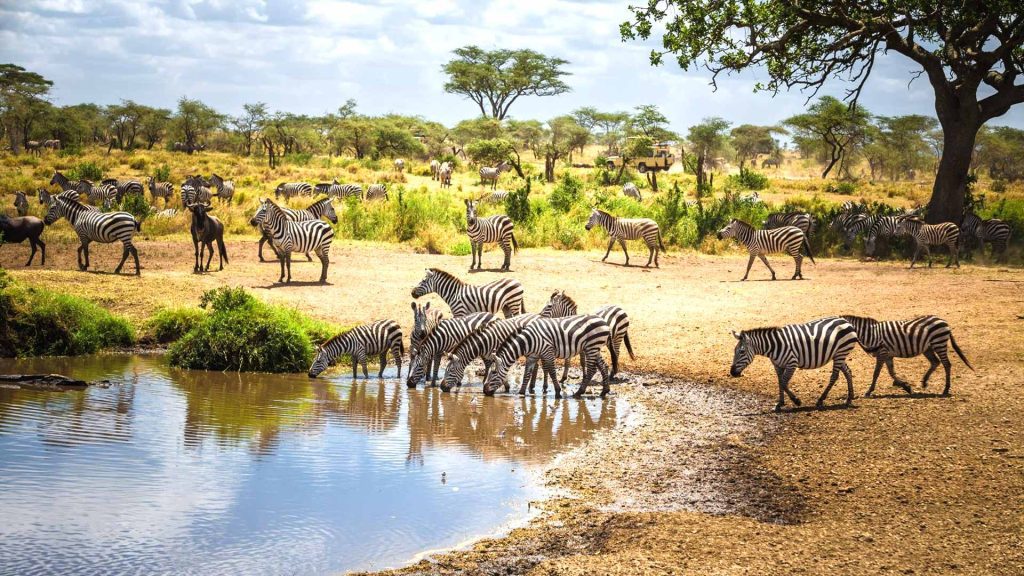
A Serengeti safari is one of the most iconic wildlife experiences in Africa, offering unmatched opportunities to explore the vast plains of northern Tanzania. Serengeti National Park is world-famous for the Great Wildebeest Migration, Big Five sightings, and breathtaking landscapes that define the ultimate Tanzania safari adventure. These must-know Serengeti safari tips will help you plan a smooth, safe, and unforgettable journey. Whether you are booking luxury Tanzania safari packages or budget camping tours, understanding the best time to visit, what to pack, and how to prepare for game drives is essential. This guide also highlights expert travel advice, safari safety tips, and wildlife viewing strategies. From choosing the right safari lodges to maximizing your photography experience, everything is designed to help you enjoy the best Serengeti safari experience with confidence and ease. Best Time to Visit Serengeti The best time to visit Serengeti depends on what you want to experience during your Tanzania safari. For the Great Wildebeest Migration, the peak months are June to October when wildlife gathers in large numbers across the northern Serengeti. January to March is ideal for calving season in the southern plains, offering dramatic predator action and newborn wildlife sightings. April and May bring lush green landscapes with fewer crowds and lower safari prices, perfect for budget travelers. Serengeti safari tips recommend planning early bookings during peak seasons to secure the best lodges and camps. Weather conditions are generally warm year-round, but the dry season offers better game viewing. Understanding seasonal wildlife movements ensures you experience the most rewarding safari adventure in Africa. Choose the Right Serengeti Safari Package Selecting the right Tanzania safari package is crucial for a successful Serengeti adventure. Options range from luxury fly-in safaris to affordable camping tours and mid-range lodge experiences. Luxury safaris offer private guides, high-end lodges, and personalized itineraries, while budget tours provide shared vehicles and basic but comfortable accommodations. When booking, consider duration, destinations included, and whether the itinerary covers key parks like Serengeti, Ngorongoro Crater, and Tarangire. Serengeti safari tips suggest choosing packages that include full-day game drives for better wildlife encounters. Always compare operators based on reviews, safety standards, and experience. A well-planned safari package ensures you maximize wildlife sightings, reduce travel stress, and enjoy a seamless journey through Tanzania’s most famous national parks. Packing Essentials for Serengeti Safari Packing correctly for a Serengeti safari is essential for comfort and practicality. Lightweight, neutral-colored clothing such as khaki, beige, and olive green is recommended to blend with the environment and avoid attracting insects. Include a wide-brim hat, sunglasses, sunscreen, and insect repellent for protection during game drives. Comfortable walking shoes are necessary for lodge stays and nature walks. Serengeti safari tips also emphasize bringing binoculars, a good camera with extra batteries, and memory cards for capturing wildlife moments. A light jacket is useful for early morning and evening game drives when temperatures drop. Avoid heavy luggage due to the small safari aircraft’s weight limits. Packing smart ensures a smooth, enjoyable Tanzania safari experience with everything you need for adventure in the wild. Understand the Serengeti Great Migration The Great Wildebeest Migration is one of the most spectacular natural events in the world and a highlight of any Serengeti safari. Over two million wildebeest, zebras, and gazelles move across the ecosystem in search of fresh grazing and water. This movement creates dramatic river crossings, predator-prey interactions, and breathtaking scenery. Serengeti safari tips recommend timing your visit based on migration routes, especially the Mara River crossings between July and September. However, migration is a year-round cycle, so different regions offer unique experiences throughout the seasons. Understanding this movement helps travelers choose the best locations for wildlife viewing. A knowledgeable safari guide can significantly enhance your experience by tracking herds and positioning you for unforgettable photographic opportunities in Tanzania’s wilderness. Book Experienced Serengeti Safari Guides An experienced safari guide can transform your Serengeti adventure into a life-changing experience. Professional guides have deep knowledge of animal behavior, migration patterns, and hidden wildlife hotspots. They also ensure your safety while navigating remote areas of Serengeti National Park. Serengeti safari tips strongly recommend choosing licensed, English-speaking guides with strong local expertise. A good guide helps you spot elusive animals like leopards, cheetahs, and rhinos, which are often difficult to find. They also share cultural insights about Tanzania’s ecosystems and conservation efforts. Whether you are on a luxury or budget safari, having the right guide improves your chances of seeing the Big Five and enhances your overall travel experience. Always check reviews and operator credentials before confirming your safari booking. Serengeti Safari Game Drive Tips Game drives are the highlight of any Serengeti safari, offering close encounters with Africa’s most iconic wildlife. Early morning and late afternoon drives are the best times for animal activity and photography. Serengeti safari tips recommend keeping quiet during drives to avoid disturbing wildlife. Always carry a camera with a zoom lens and binoculars for distant sightings. Stay seated unless instructed by your guide, as safety is a top priority. Patience is essential, as wildlife sightings can take time but are always rewarding. Avoid sudden movements or loud noises that may scare animals away. Following your guide’s instructions ensures a safe and enjoyable experience. Game drives in Tanzania provide unforgettable Serengeti safari moments, from lion hunts to elephant herds crossing the plains under golden African light. Safari Accommodation Options in Serengeti Accommodation in the Serengeti ranges from luxury lodges to tented camps and budget-friendly public campsites. Luxury safari lodges offer comfort, gourmet meals, and panoramic views of the savannah, while tented camps provide an immersive wilderness experience close to nature. Budget camps are ideal for adventurous travelers seeking affordable Tanzania safari experiences. Serengeti safari tips suggest booking accommodation early, especially during peak migration seasons. Staying inside the park increases your chances of early morning wildlife sightings. Many lodges also offer guided game drives, bush dinners, and cultural experiences. Choosing the right accommodation depends on your budget, travel style, and comfort preferences. Whether luxury or simple,
best things to do in Kilimanjaro region
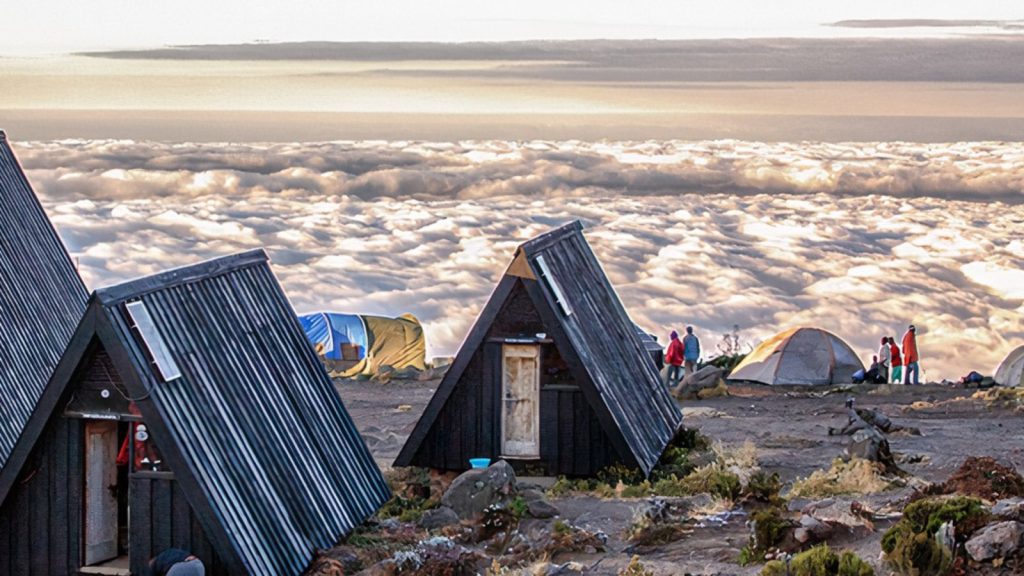
The Kilimanjaro Region in Tanzania is one of Africa’s most iconic travel destinations, blending breathtaking landscapes, rich culture, and world-class adventure. Dominated by the legendary Mount Kilimanjaro, this region offers far more than trekking Africa’s tallest peak. From lush coffee farms and hidden waterfalls to vibrant Chagga villages and wildlife-rich national parks, Kilimanjaro tourism delivers unforgettable experiences for every traveler. Whether you’re planning a luxury safari, budget adventure, honeymoon escape, or solo trip, the region is packed with top-rated attractions and activities. With excellent accessibility from Moshi and Arusha, diverse climates, and year-round travel opportunities, Kilimanjaro stands out as a must-visit destination in East Africa. This guide explores the best things to do in the Kilimanjaro Region while helping you plan the ultimate Tanzania adventure. 1. Climb Mount Kilimanjaro Climbing Mount Kilimanjaro is the ultimate bucket-list adventure and one of the best things to do in Tanzania. As Africa’s highest peak at 5,895 meters, it attracts thousands of trekkers seeking the challenge of reaching Uhuru Peak. Popular Kilimanjaro routes such as Machame, Marangu, Lemosho, and Rongai offer varying difficulty levels, scenic beauty, and success rates. This once-in-a-lifetime trek takes you through diverse ecosystems, from rainforest to alpine desert and icy summit glaciers. Guided by experienced local porters and guides, climbers enjoy a safe and well-supported journey. Whether you choose a luxury Kilimanjaro climb or a budget trekking package, the experience promises breathtaking views and personal achievement. It’s a must-do adventure for hikers, thrill-seekers, and anyone seeking the ultimate African safari and trekking experience. 2. Explore Kilimanjaro National Park A visit to Kilimanjaro National Park is essential for nature lovers and adventure travelers. This UNESCO World Heritage Site protects the slopes of Mount Kilimanjaro and offers diverse habitats, from dense montane forests to alpine landscapes. Visitors can enjoy day hikes, birdwatching, and guided nature walks without summiting the mountain. The park is home to wildlife such as colobus monkeys, elephants, and various bird species, making it ideal for eco-tourism and photography. Kilimanjaro National Park is also a starting point for trekking expeditions, with well-maintained routes and scenic viewpoints. Whether you’re planning a short excursion or a full climb, the park provides an immersive experience in Tanzania’s natural beauty. It’s one of the top attractions in the Kilimanjaro Region for travelers seeking both relaxation and adventure. 3. Visit Materuni Waterfalls Nestled near Moshi, Materuni Waterfalls is one of the most beautiful natural attractions in the Kilimanjaro Region. Surrounded by lush greenery and banana farms, this hidden gem offers a refreshing escape from the heat. The hike to the waterfall takes you through scenic Chagga villages, providing insight into local culture and daily life. Once you arrive, you’ll be rewarded with a stunning cascade perfect for swimming and photography. Many tours combine a visit to Materuni with a traditional coffee-making experience, where you can learn how coffee is grown, roasted, and brewed. This eco-friendly activity is ideal for families, couples, and solo travelers looking for authentic experiences. Visiting Materuni Waterfalls is a must-do for those seeking relaxation, cultural immersion, and natural beauty in Tanzania. 4. Discover Chagga Culture The Kilimanjaro Region is home to the Chagga people, one of Tanzania’s most fascinating ethnic groups. Visiting a local village offers a unique cultural tourism experience where you can learn about traditional farming, food preparation, and community life. Many tours include visits to underground caves historically used during tribal conflicts, as well as banana plantations and coffee farms. Engaging with Chagga traditions provides deeper insight into the region’s heritage and way of life. Cultural tours are often guided by local experts who share stories, music, and dance. This immersive experience is perfect for travelers seeking meaningful connections and authentic African culture. Exploring Chagga culture not only enriches your journey but also supports local communities through sustainable tourism initiatives in the Kilimanjaro Region. 5. Experience Coffee Tours in Moshi Moshi is renowned for its high-quality Arabica coffee, grown on the fertile slopes of Mount Kilimanjaro. A coffee tour in this region is a must for coffee lovers and cultural explorers. Visitors can tour local farms, learn about organic coffee cultivation, and participate in traditional roasting and brewing processes. These tours often take place in scenic գյուղ settings, offering stunning views of the mountain and surrounding countryside. The experience is interactive, allowing you to grind beans by hand and enjoy freshly brewed coffee. Coffee tourism in Kilimanjaro supports local farmers and promotes sustainable agriculture. Whether you’re a casual drinker or a coffee enthusiast, this activity provides a deeper appreciation for Tanzania’s coffee industry. It’s one of the most relaxing and educational things to do in the Kilimanjaro Region. 6. Visit Kikuletwa Hot Springs Also known as Chemka Hot Springs, Kikuletwa Hot Springs is a hidden oasis in the Kilimanjaro Region. Surrounded by fig trees and crystal-clear turquoise اthis spring offers a perfect place to relax after a safari or trek. The warm is ideal for swimming, and the rope swings add a fun, adventurous element. Located between Moshi and Arusha, it’s easily accessible for day trips. Visitors can enjoy picnics, sunbathing, and nature photography in this tranquil setting. Kikuletwa Hot Springs is especially popular among couples, families, and backpackers looking for a peaceful retreat. This paradise is one of the best-kept secrets in Tanzania and a must-visit destination for anyone exploring the Kilimanjaro Region. 7. Take a Day Trip to Arusha National Park A short journey from Kilimanjaro takes you to Arusha National Park, a destination for a day safari. Known for its diverse landscapes, the park features Mount Meru, lush forests, and the scenic Momella Lakes. Visitors can enjoy game drives, walking safaris, and canoeing experiences. Wildlife sightings include giraffes, zebras, buffaloes, and flamingos, making it perfect for photography enthusiasts. Unlike larger parks, Arusha National Park offers a less crowded safari experience. It’s ideal for travelers with limited time who still want to enjoy Tanzania’s wildlife. Combining this trip with Kilimanjaro activities creates a well-rounded travel itinerary. A visit here adds variety to your adventure,
First Timer’s Guide Step-by-Step to Planning your Tanzania Safari
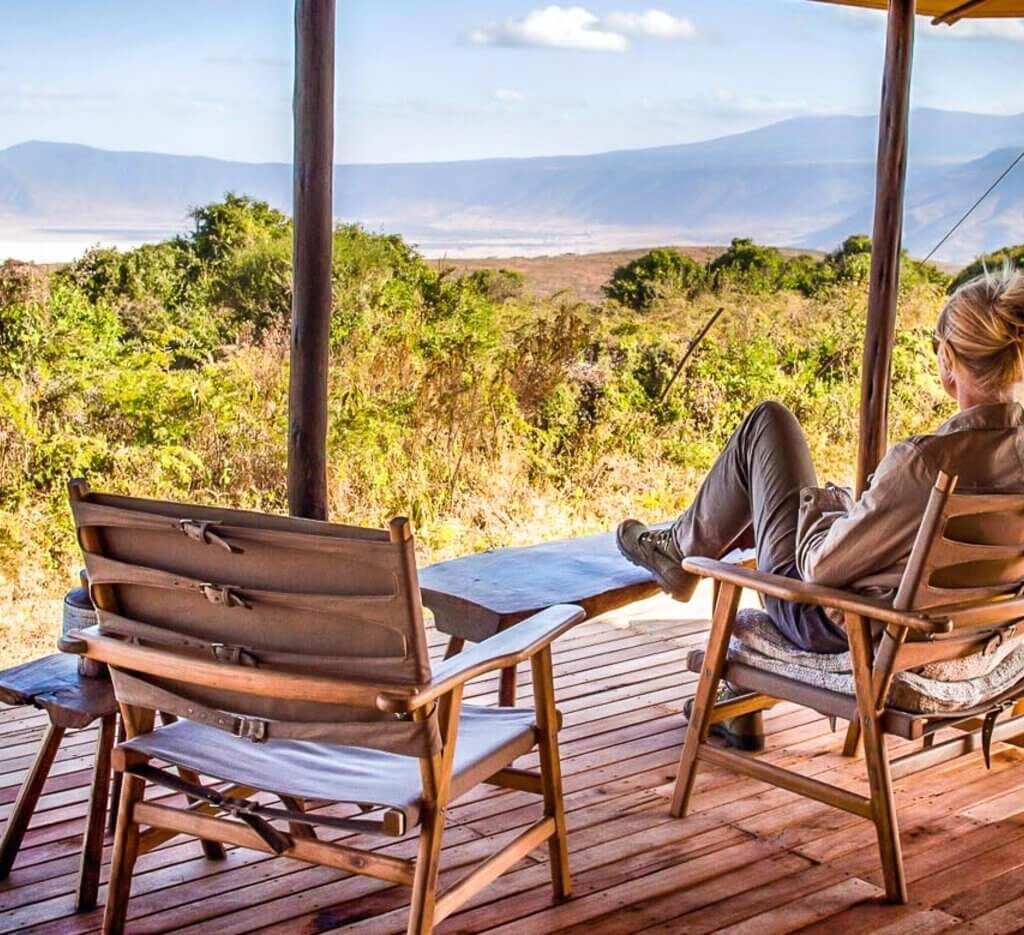
Planning your first Tanzania safari is one of the most exciting travel experiences in Africa, combining breathtaking wildlife, iconic landscapes, and an unforgettable first-timer’s guide step-by-step to planning your Tanzania Safari adventure. From the world-famous Great Migration in the Serengeti to the dramatic wildlife-filled Ngorongoro Crater, Tanzania offers some of the best safari experiences on earth. First-time travelers often search for terms like “Tanzania safari planning guide,” “best African safari destinations,” and “affordable Tanzania safari packages,” and this step-by-step guide brings everything together in one place. Whether you are planning a luxury safari, mid-range adventure, or budget camping safari, understanding the process is key. This guide will help you choose the best time, destinations, safari style, accommodation, costs, and travel essentials while ensuring you experience a safe, well-organized, and truly unforgettable Tanzania safari adventure from start to finish. Step 1: Decide the Best Time to Go on a Tanzania Safari Choosing the best time to visit Tanzania is crucial for an unforgettable safari experience. The dry season from June to October is considered the peak safari period, offering excellent wildlife viewing in parks like Serengeti National Park and Tarangire National Park as animals gather around water sources. This is also the best time for witnessing the Great Migration river crossings. The green season from November to May is ideal for birdwatching, lush landscapes, and fewer crowds, making it perfect for budget travelers and photographers. Many travelers search for “best time for Tanzania safari” or “Tanzania weather safari guide,” and the answer depends on your interests. If you prefer dramatic wildlife action, choose the dry season. If you want green scenery and lower prices, the wet season is ideal. Planning around seasons ensures better sightings and smoother safari experiences. Step 2: Choose Tanzania Safari Parks & Destinations Selecting the right safari parks is essential for your Tanzania adventure. The most popular destinations include Serengeti National Park for the Great Migration, Ngorongoro Crater for dense wildlife in a volcanic caldera, and Tarangire National Park, known for large elephant herds and baobab landscapes. Other must-visit locations include Lake Manyara National Park and Arusha National Park for shorter game drives. Travelers often search for “best Tanzania safari parks,” “Northern Circuit Tanzania safari,” and “wildlife safari destinations in Africa.” Each park offers unique experiences—Serengeti for vast plains, Ngorongoro for big five sightings, and Tarangire for off-the-beaten-path beauty. Choosing the right combination of parks ensures a well-rounded safari itinerary. First-time visitors should consider a Northern Circuit safari route for convenience, diversity, and the highest chance of seeing the Big Five. Step 3: Choose Tanzania Safari Styles Tanzania offers a wide range of safari styles to match different budgets and travel preferences. Popular options include luxury safaris, mid-range lodge safaris, budget camping safaris, private guided safaris, and fly-in fly-out safaris. Luxury safaris focus on comfort, high-end lodges, and exclusive wildlife experiences, while budget safaris offer affordability and adventure. Many travelers search for “best Tanzania safari types,” “luxury vs budget safari Tanzania,” and “private safari Tanzania cost.” Choosing your safari style depends on your budget, comfort level, and travel goals. For example, honeymoon travelers often prefer luxury tented camps, while backpackers choose camping safaris. Family travelers may opt for private safaris for flexibility. Fly-in safaris are ideal for saving travel time and maximizing wildlife viewing. Understanding safari styles helps you balance comfort, cost, and adventure while ensuring a personalized and unforgettable Tanzania safari experience. Step 4: Select Tanzania Safari Accommodation Accommodation plays a major role in your Tanzania safari experience. Options range from luxury safari lodges and tented camps to mid-range lodges and budget campsites. Popular searches include “best Tanzania safari lodges,” “tented camps Serengeti,” and “affordable safari accommodation Tanzania.” Luxury lodges near Serengeti National Park offer premium comfort, fine dining, and incredible views of wildlife. Mid-range lodges provide comfort at reasonable prices, while budget camps offer simple but immersive nature experiences. Many accommodations are strategically located inside or near parks for easy access to game drives. Choosing the right stay depends on your safari style and budget. For first-time travelers, tented camps are highly recommended as they combine comfort with an authentic bush experience. Booking early, especially during peak season, ensures better availability and competitive prices. Step 5: Book with a Reputable Tanzania Safari Tour Operator Booking with a trusted safari tour operator is one of the most important steps in planning your trip. Many travelers search for “best Tanzania safari companies,” “reliable safari operators Tanzania,” and “how to book Tanzania safari packages.” A reputable operator ensures safety, professional guides, well-planned itineraries, and transparent pricing. They also handle park fees, accommodation, transportation, and logistics, making your journey stress-free. Look for licensed companies with positive reviews, experienced guides, and strong knowledge of parks like Ngorongoro Crater and Serengeti. Compare multiple safari packages and check what is included before booking. Avoid extremely cheap offers, as they may compromise safety or quality. A good operator customizes your itinerary based on your interests, whether wildlife photography, luxury travel, or budget adventure. Booking early ensures better availability and smoother planning for your Tanzania safari experience. Step 6: Understand Tanzania Safari Costs Understanding safari costs helps you plan a realistic budget. Tanzania safari prices vary depending on accommodation, season, duration, and safari style. Travelers often search for “Tanzania safari cost per day,” “cheap Tanzania safari packages,” and “luxury safari Tanzania price.” Budget safaris may start from lower daily rates, while luxury safaris can be significantly higher due to premium lodges and services. Park fees, especially for places like Serengeti National Park and Ngorongoro Crater, also contribute to total costs. Additional African Safari expenses include flights, tips, drinks, and optional activities like hot air balloon safaris. A 5–7 day Tanzania safari is ideal for first-timers to balance cost and experience. Planning ahead helps avoid hidden charges and ensures better value. Comparing packages from different operators helps you find the best balance between comfort, experience, and affordability. Step 7: Pack Smart for Your Tanzania Safari Packing correctly is essential for a comfortable Tanzania safari
All you need to know to plan an epic Serengeti Safari

Planning an epic safari in the iconic Serengeti National Park is the ultimate African travel dream, blending luxury, adventure, and unforgettable wildlife encounters. Known worldwide for the legendary Great Migration, this UNESCO-listed destination offers front-row access to millions of wildebeest, zebras, and predators across vast golden plains. Whether you’re searching for “best Serengeti safari packages,” “luxury African safari tours,” or “affordable Tanzania safari itineraries,” this guide covers it all—costs, best time to visit, where to stay, and how to book trusted tour operators. From fly-in safaris to private game drives, the Serengeti promises bucket-list experiences for families, honeymooners, and solo travelers. Expect breathtaking landscapes, Big Five sightings, and world-class safari lodges that redefine comfort in the wild for every traveler. Where is Serengeti National Park? Serengeti National Park lies in northern Tanzania, stretching toward the border of Kenya, where it connects with the famous Maasai Mara National Reserve. This UNESCO World Heritage Site is one of Africa’s most iconic safari destinations, renowned for endless golden plains and exceptional wildlife density. Located within the Northern Safari Circuit, it is easily combined with Ngorongoro Crater and Tarangire National Park. For travelers searching for “best African safari destinations” or “Serengeti safari tours,” Serengeti family safari, Serengeti luxury safari tours, high-end premium Serengeti safari packages, flying Serengeti Safari, Serengeti honeymoon safari tours, Serengeti private safari tours, Serengeti Senior safari tours, Affordable Serengeti Safari, Serengeti budget safari tours, Serengeti mid-range safari tours, this legendary park delivers unmatched game viewing, dramatic landscapes, and bucket-list experiences year-round. Serengeti National Park Map A detailed Serengeti National Park map is essential for planning a successful Tanzania safari. The park is divided into key regions: Central Serengeti (Seronera), Western Corridor, Northern Serengeti, and Southern Plains. Each area offers unique wildlife viewing and seasonal highlights, especially during the Great Migration. Maps highlight airstrips, lodges, camps, and game drive routes, helping travelers optimize their itinerary guide for Serengeti safari map,” Serengeti regions explained,” and “where to see migration in Serengeti” often guide planning decisions. Understanding distances is crucial, as the park spans over 14,750 square kilometers. A well-planned map ensures efficient travel, better wildlife sightings, and a smoother luxury or budget safari experience. How do I get to Serengeti National Park? Getting to Serengeti National Park is straightforward with multiple travel options. Most international travelers arrive via Kilimanjaro International Airport or Julius Nyerere International Airport. From Arusha, visitors can take a scenic drive or book a domestic flight to airstrips like Seronera or Kogatende. Fly-in safaris are popular for luxury travelers seeking convenience, while road safaris offer immersive landscapes through the Ngorongoro Highlands. Keywords such as “how to get to Serengeti,” “Serengeti flights,” and “Tanzania safari transport” rank highly. Choosing between fly-in and drive-in depends on budget, time, and safari style, with both options delivering unforgettable experiences. What is the Serengeti National Park’s entrance fee? The entrance fee for Serengeti National Park is a key consideration when budgeting a Tanzania safari. As of recent guidelines, international visitors typically pay around $70 per adult per day, excluding VAT. Additional costs include vehicle fees, concession fees for lodges, and camping charges. These fees contribute to conservation efforts, wildlife protection, and park management. Travelers searching for “Serengeti safari cost,” “Tanzania park fees,” or “African safari budget” Serengeti safari on budget, should factor these into their overall ultimate Tanzania safari itinerary. While costs may seem high, they support one of the world’s most diverse ecosystems, ensuring sustainable tourism and preserving the Serengeti’s extraordinary biodiversity for future generations. Why choose the Serengeti for your Safari Choosing Serengeti National Park means experiencing one of the best safari destinations in Africa. The park offers unmatched wildlife viewing, including the Big Five—lion, leopard, elephant, buffalo, and rhino. Its vast plains create cinematic landscapes perfect for photography safaris and luxury travel experiences. The Serengeti is also home to the world-famous Great Migration, attracting millions of wildebeest and zebras annually, which is popular for “best Tanzania safari,” “luxury Serengeti safari,” and “African wildlife safari tours,” highlighting its global appeal. Whether you seek adventure, romance, or family-friendly travel, the Serengeti delivers unforgettable moments and authentic African safari experiences. How to choose a Serengeti safari tour operator Selecting the right Serengeti safari tour operator is crucial for a seamless experience. Look for licensed companies with strong Serengeti safari reviews, experienced guides, transparent pricing, “best Tanzania safari company,” “top Serengeti tour operators,” and “trusted African safari guides” dominate search rankings when choosing operators offering Serengeti Tanzania tailored Safari itineraries, whether luxury, mid-range, or budget safaris. Verify safety standards, vehicle quality, and guide expertise. Reputable operators often belong to organizations like the Tanzania Association of Tour Operators. A reliable Serengeti Safari company ensures excellent wildlife sightings, comfortable accommodations, and personalized service, transforming your Serengeti safari into a once-in-a-lifetime East African Safari adventure. When is the best time of year to visit the Serengeti National Park The best time to visit Serengeti National Park depends on your African safari goals. The dry season (June to October) offers excellent wildlife viewing, with animals gathering near water sources. The Great Migration River crossings occur in the Northern Serengeti from July to September, making it peak safari season. The green season (November to May) features lush landscapes, fewer crowds, and the calving season in the Southern Serengeti Ndutu Plains. May and June are best for the Western Serengeti National Park Grumeti River crossing. Book, compare, and discover “best time for Serengeti safari,” “Great Migration timing,” and “Tanzania safari seasons” are highly competitive. Each season offers unique experiences, making the Serengeti a year-round destination. How to Book a Serengeti Safari Booking a Serengeti safari requires careful planning to secure the best deals and experiences. Start by researching top-rated tour operators, comparing itineraries, and reading verified reviews when you need to “book Serengeti safari,” “Tanzania safari packages,” and “African safari deals” for inspiration. Decide on travel dates, budget, and accommodation style before confirming your trip. Booking your Serengeti safari 6–12 months in advance is recommended, especially for peak migration season. Foot
how many days to spend on a Serengeti Safari
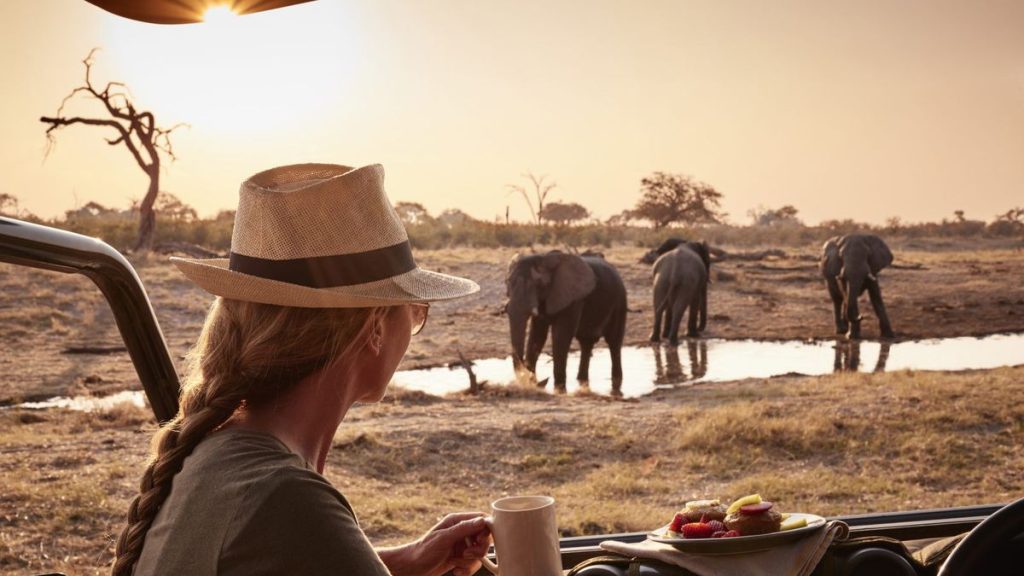
How many days to spend on a Serengeti safari is one of the most searched travel questions for Africa safari planning, Tanzania safari tours, and wildlife safari holidays. The ideal duration depends on your travel goals, budget, and desire to explore the world-famous plains of the Serengeti National Park, home to the Great Migration, Big Five wildlife sightings, and endless golden savannahs. Most travelers look for the perfect balance between game drives, travel time, and relaxation. Whether you are planning a luxury safari, a budget safari, or a honeymoon safari in Tanzania, choosing the right number of days ensures a rewarding experience. This guide explores the best safari duration options, from short 2-day trips to extended 10-day wildlife adventures, helping you decide the perfect Serengeti safari itinerary for unforgettable wildlife viewing, photography, and immersive African safari experiences. 2 Days Serengeti Safari A 2-day Serengeti safari is ideal for travelers on a tight schedule, flying from Arusha or Zanzibar to Serengeti for convenience, saving time. Book this in advance to allow operator to arrange logistics in advance or combine multiple Tanzania safari destinations. This short Serengeti safari itinerary usually includes one travel day into the Serengeti National Park and one full game drive day. It offers a quick glimpse of African wildlife safari experiences, including lions, elephants, giraffes, and zebras. However, the travel distance from Arusha or Ngorongoro is long, making the experience fast-paced. This option is best for last-minute safari bookings, budget travelers, or those adding Serengeti as part of a longer Tanzania safari circuit. While short, it still provides iconic wildlife sightings and photography opportunities, especially in the central Serengeti regions. A 2-day safari is not enough for deep exploration, but it works well for travelers who want a taste of the Serengeti safari adventure experience and Great Migration highlights in a limited time. 3 Days Serengeti Safari A 3-day Serengeti safari is one of the most popular short safari packages in Tanzania. It allows travelers to spend more time inside the Serengeti National Park, usually with two full days of game drives. This duration significantly increases the chances of spotting the Big Five, witnessing predator action, and exploring different habitats such as river valleys and open plains. It is perfect for budget and mid-range travelers seeking a balanced safari experience. Many itineraries include arrival via Ngorongoro Crater, combining two of Tanzania’s safari destinations. With three days, travelers can enjoy sunrise and sunset game drives, improving wildlife photography opportunities. Although still relatively short, this duration provides a richer experience compared to 2-day safaris, making it ideal for first-time visitors who want a deeper introduction to Serengeti wildlife safari tours and African adventure travel. 4 Days Serengeti Safari A 4-day Serengeti safari offers a more relaxed and immersive experience inside the Serengeti National Park. This incredible Serengeti safari itinerary typically includes three full days of game drives, allowing exploration of different regions such as central, northern, or western Serengeti, depending on the season. Travelers have better chances of witnessing the Great Migration, lion hunts, cheetah sightings, and large herds of wildebeest and zebras. This duration is highly recommended for wildlife photography enthusiasts and safari lovers seeking a deeper connection with nature. It also reduces travel fatigue compared to shorter safaris. A 4-day fabulous Serengeti safari safari balances cost and experience, making it a popular choice for mid-range and luxury Tanzania safari packages. It provides enough time to enjoy early morning game drives, sunset safaris, and optional hot air balloon rides, creating a well-rounded African safari adventure experience. 5 Days Serengeti Safari A 5-day Serengeti safari is considered the sweet spot for many travelers seeking a comprehensive wildlife experience in the Serengeti National Park. With four Serengeti safari full days of game drives, visitors can explore multiple ecosystems, increasing the likelihood of witnessing Big Five encounters and dramatic predator-prey interactions. This duration is ideal for travelers who want a deeper Serengeti safari experience without rushing. It often includes extensions to Ngorongoro Crater or Lake Manyara, forming a classic northern Tanzania safari circuit. A 5-day itinerary allows time for relaxed travel, photography stops, and full-day safari excursions. It is perfect for honeymooners, families, and wildlife enthusiasts seeking immersive safari holidays. The extended stay enhances chances of seeing the Great Migration herds if timed correctly, making it one of the most recommended durations for Tanzania wildlife safari tours and luxury African safari packages. 6 Days Serengeti Safari A 6-day Serengeti safari offers an extended and highly immersive journey into the heart of the Serengeti National Park. With five full days of game viewing, travelers can explore different regions such as the central Seronera Valley, northern Mara River, or southern plains, depending on the season. This duration provides excellent chances to witness the Great Migration crossings, big cat behavior, and diverse birdlife. It is especially suited for photographers and serious wildlife enthusiasts. A 6-day amazing Serengeti safari itinerary reduces travel stress and allows slower, more rewarding safari experiences. Many tours combine Serengeti with Ngorongoro Crater for a complete Tanzania safari adventure. Guests enjoy sunrise and sunset game drives, luxury lodge stays, and optional cultural visits. This Serengeti safari duration is ideal for those seeking a deeper connection with African nature and a premium Serengeti wildlife safari experience. 7 Days Serengeti Safari A 7-day Serengeti safari is one of the most recommended durations for a full and rewarding Tanzania safari experience in the Serengeti National Park. It allows six full days of game drives across multiple regions, offering unmatched wildlife diversity and seasonal migration viewing opportunities. Travelers can explore vast ecosystems, from endless savannahs to river crossings filled with crocodiles and dramatic predator action. This duration is perfect for luxury safari travelers, photographers, and wildlife enthusiasts seeking deeper exploration. A 7-day safari often includes visits to Ngorongoro Crater or Tarangire National Park, creating a complete northern Tanzania safari circuit. With more time, guests enjoy relaxed schedules, extended game drives, and better chances of rare sightings such as leopards and cheetahs. This is an ideal
How to Prepare For Tanzania Safari

Preparing for a Tanzania safari is the key to enjoying one of Africa’s most unforgettable wildlife adventures. From the vast plains of the Serengeti National Park to the dramatic landscapes of the Ngorongoro Crater, proper planning ensures a smooth and stress-free journey. Understanding Tanzania safari preparation includes choosing the best time to visit, arranging travel documents like visas, and getting recommended vaccinations. Travelers should also plan safari packing lists, lightweight clothing, and essential gear for game drives. Whether you are visiting from Europe, Asia, or Africa, a well-structured Tanzania safari guide helps maximize wildlife sightings, comfort, and safety. This introduction covers essential SEO-focused travel tips to help you prepare for an unforgettable Tanzania wildlife safari experience with expert insights, practical advice, and must-know planning steps for first-time and returning safari travelers. Choose the Best Time for Tanzania Safari Selecting the best time for a Tanzania safari is one of the most important preparation steps. The dry season from June to October is widely considered ideal for wildlife viewing in destinations such as the Serengeti National Park and Tarangire National Park. During this period, animals gather around water sources, making game drives more rewarding. The Great Migration also attracts travelers seeking dramatic river crossings. The green season from November to May offers lush landscapes, birdwatching opportunities, and fewer crowds, often at lower safari costs. Understanding Tanzania’s weather patterns, safari seasons, and park accessibility helps travelers optimize their experience. Whether planning luxury safaris, budget safaris, or honeymoon trips, timing directly impacts wildlife encounters. Always align your travel dates with your safari goals for photography, migration viewing, or family-friendly adventures in Tanzania’s top national parks. Understand Visa and Entry Requirements Before traveling, understanding Tanzania visa requirements is essential for a smooth safari experience. Most international visitors need a tourist visa, which can be obtained online as an e-visa or on arrival at major entry points like Kilimanjaro International Airport near Arusha. A valid passport with at least six months remaining is required. Travelers should also check entry rules, passport photos, and immigration policies before departure. Some nationalities may have different visa conditions, so verifying official updates is important. In addition, ensure your travel documents match your safari itinerary, especially if visiting multiple parks such as the Serengeti and Ngorongoro regions. Proper visa preparation avoids delays and ensures a stress-free start to your Tanzania safari adventure. Always carry printed copies of your travel insurance, accommodation bookings, and safari confirmations for smooth immigration processing. Get Recommended Vaccinations and Health Preparations Health preparation is a crucial part of planning a Tanzania safari. Travelers are often advised to get vaccinations such as yellow fever (if required), hepatitis A, typhoid, and tetanus before visiting Tanzania. Consulting a travel health clinic ensures personalized medical advice based on your itinerary. Malaria prevention is also important, especially in wildlife regions like the Serengeti National Park and surrounding safari circuits. Carry mosquito repellent, long-sleeved clothing, and prescribed antimalarial medication if recommended. Staying hydrated and protecting yourself from sun exposure are also essential during game drives. A well-prepared health plan ensures safety, comfort, and uninterrupted safari enjoyment. Travel insurance covering medical emergencies, evacuation, and trip cancellations is strongly recommended for all Tanzania safari travelers exploring remote national parks and wilderness areas. Pack the Right Tanzania Safari Clothing and Gear Packing correctly for a Tanzania safari improves comfort and enhances wildlife viewing experiences. Lightweight, breathable clothing in neutral colors like khaki, green, and beige is ideal for game drives in parks such as Serengeti National Park and Ngorongoro Crater. Avoid bright colors and camouflage patterns. Essential items include a wide-brim hat, sunglasses, sunscreen, insect repellent, and comfortable walking shoes. Early morning and evening game drives can be cold, so layering with a light jacket is important. Binoculars, cameras with zoom lenses, and power banks are highly recommended for wildlife photography. A small backpack helps organize essentials during safari trips. Packing smart ensures you are ready for changing weather conditions, long drives, and outdoor adventures across Tanzania’s diverse safari landscapes and national parks. Book the Right Tanzania Safari Tour and Operator Choosing the right safari operator is key to a successful Tanzania safari experience. Reputable tour companies offer guided trips to top destinations such as the Serengeti National Park, Ngorongoro Crater, and Lake Manyara National Park. When selecting a safari package, consider reviews, experience, vehicle quality, and guide expertise. Options include luxury safaris, mid-range safaris, and budget camping safaris, depending on your travel style. A good operator provides airport transfers, accommodation, park fees, and knowledgeable guides who enhance wildlife viewing. Booking early ensures better prices and availability, especially during peak migration season. Comparing itineraries helps you choose between private safaris and group tours. A trusted safari company guarantees safety, comfort, and a well-organized itinerary for an unforgettable Tanzania wildlife adventure. Plan Your Tanzania Safari Budget Wisely Budget planning is essential when preparing for a Tanzania safari. Costs vary depending on accommodation type, park fees, transport, and tour style. Luxury safaris in areas like Serengeti National Park offer premium lodges, while budget safaris include camping options near national parks. Additional expenses include flights, visas, tips, travel insurance, and optional activities such as hot air balloon rides. Planning helps avoid unexpected costs and ensures a smooth travel experience. Travelers should compare safari packages and seasonal discounts to maximize value. Currency exchange and cash availability in remote areas should also be considered. A well-structured budget allows you to enjoy game drives, cultural tours, and accommodation without financial stress while exploring Tanzania’s world-famous wildlife destinations and breathtaking landscapes. Prepare Travel Insurance and Safety Essentials Travel insurance is a must-have for any Tanzania safari adventure. It protects against medical emergencies, trip cancellations, lost luggage, and evacuation from remote safari areas like the Serengeti National Park. Many safari regions are far from major hospitals, making emergency coverage essential. Safety preparation also includes following park rules, listening to professional guides, and maintaining safe distances from wildlife. Carrying a basic first-aid kit, personal medication, and copies of important documents enhances safety. Reliable
Mount Kilimanjaro Map
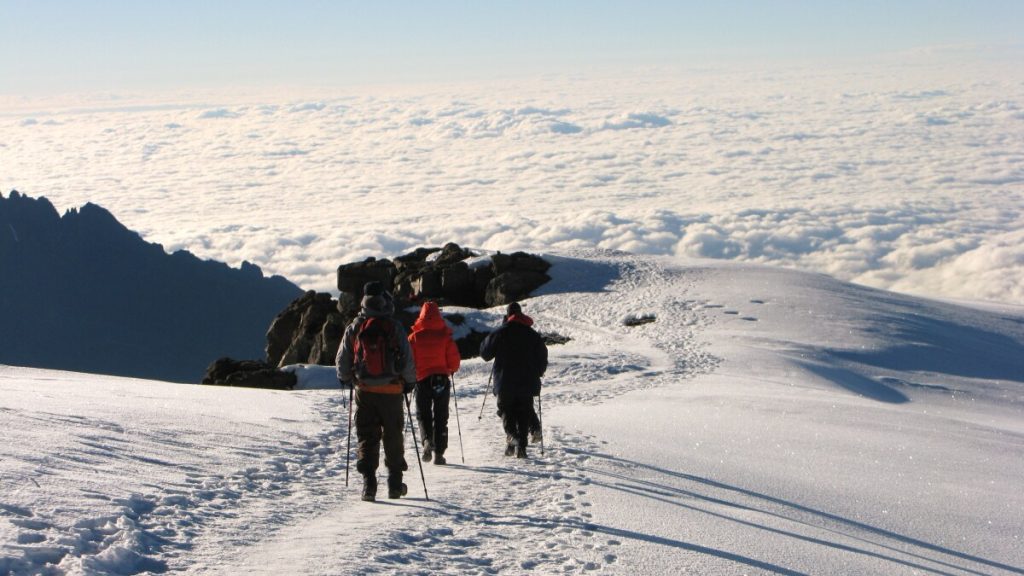
A Mount Kilimanjaro map is one of the most important tools for planning a successful Tanzania trekking adventure. Located in northeastern Tanzania, Mount Kilimanjaro is Africa’s tallest mountain and the world’s highest free-standing peak, rising 5,895 meters above sea level. Detailed Kilimanjaro maps help climbers understand the mountain’s geography, climbing routes, camps, elevation zones, glaciers, and surrounding attractions. Whether you choose the Machame Route, Marangu Route, Lemosho Route, Rongai Route, Northern Circuit, or Umbwe Route, a topographic Kilimanjaro map improves navigation and trekking preparation. Most Kilimanjaro trekking maps also highlight rainforest zones, alpine deserts, summit trails, and key landmarks such as Stella Point and Uhuru Peak. Travelers, hikers, and safari enthusiasts use Kilimanjaro route maps to compare distances, acclimatization profiles, camping locations, and scenic viewpoints before starting their unforgettable African mountain climbing expedition. Understanding the Geography of Mount Kilimanjaro The geography displayed on a Mount Kilimanjaro map reveals the mountain’s enormous volcanic structure and diverse ecological zones. Kilimanjaro consists of three volcanic cones: Kibo, Mawenzi, and Shira. Kibo is the highest and home to Uhuru Peak, the ultimate summit destination for climbers. Most Kilimanjaro maps show the mountain inside Kilimanjaro National Park, a UNESCO World Heritage Site famous for spectacular trekking adventures and biodiversity. Detailed maps illustrate forests, moorlands, alpine deserts, glaciers, and summit ice fields. Climbers can visualize the transition between climate zones while ascending the mountain. Geographic maps also highlight nearby towns such as Moshi and Arusha, which serve as major gateways for Kilimanjaro expeditions. Understanding the terrain helps trekkers prepare physically and mentally for altitude changes, hiking distances, and weather variations encountered during Africa’s most iconic mountain climbing journey. The Importance of Kilimanjaro Route Maps A Kilimanjaro route map is essential for selecting the best trekking path to the summit. Every route offers unique scenery, acclimatization opportunities, and difficulty levels. Popular routes shown on Mount Kilimanjaro maps include Machame, Marangu, Lemosho, Rongai, Shira, Umbwe, and Northern Circuit. These trekking maps help hikers compare route lengths, overnight camps, elevation gains, and summit approaches. The Machame Route is famous for stunning landscapes and excellent acclimatization, while the Marangu Route is known for hut accommodations. The Lemosho Route provides scenic wilderness experiences and higher summit success rates. Route maps also identify emergency exits, ranger stations, and water points. Understanding these details improves safety and trekking efficiency. Many professional tour operators use detailed Kilimanjaro maps to explain daily itineraries, hiking times, and camp locations before climbers begin their unforgettable Tanzania mountain expedition adventure. Machame Route Map on Mount Kilimanjaro The Machame Route map is among the most searched Kilimanjaro trekking maps because of its scenic beauty and high summit success rate. Known as the “Whiskey Route,” this trail approaches the mountain from the southwest side and passes through lush rainforests, moorlands, alpine deserts, and icy summit terrain. A Machame Route map typically highlights Machame Gate, Shira Camp, Barranco Camp, Karanga Camp, Barafu Camp, Stella Point, and Uhuru Peak. Climbers use the map to understand elevation gain and acclimatization progress over six or seven days. The route’s famous Barranco Wall appears prominently on most detailed Kilimanjaro maps. Trekking guides rely heavily on route maps to monitor daily hiking distances and campsite positions. The Machame Route is ideal for adventurous hikers seeking spectacular panoramic views and one of the best Mount Kilimanjaro climbing experiences in Tanzania. Marangu Route Map and Hut Locations The Marangu Route map is one of the easiest Kilimanjaro trekking maps to understand because the route follows a straightforward path with permanent mountain huts. Often called the “Coca-Cola Route,” it is the only Kilimanjaro route offering sleeping huts instead of camping accommodations. A detailed Marangu Route map highlights Marangu Gate, Mandara Hut, Horombo Hut, Kibo Hut, Gilman’s Point, and Uhuru Peak. The route approaches the mountain from the southeast and provides gradual elevation gain suitable for some beginner trekkers. Kilimanjaro hiking maps help climbers calculate trekking distances and acclimatization schedules. The map also illustrates nearby rainforest zones rich with monkeys and exotic birdlife. Although the Marangu Route is shorter than other routes, proper preparation remains important because altitude sickness can affect climbers. Many trekkers prefer Marangu maps for their simplicity and organized mountain hut system. Lemosho Route Map and Scenic Landscapes The Lemosho Route map is widely recommended for climbers seeking one of the most scenic and successful Kilimanjaro trekking experiences. Beginning on the western side of the mountain, the route crosses remote wilderness areas before joining the Machame Route near Lava Tower. A detailed Lemosho map includes Londorossi Gate, Mti Mkubwa Camp, Shira Plateau, Barranco Camp, Karanga Camp, Barafu Camp, and Uhuru Peak. Trekkers use the map to monitor altitude progression and acclimatization opportunities during the seven- or eight-day climb. The Shira Plateau stands out on Kilimanjaro maps because of its vast volcanic landscapes and dramatic mountain views. Wildlife sightings occasionally occur in the lower rainforest sections. Lemosho Route maps are valuable for understanding terrain transitions, campsite distances, and summit preparation. This route remains a favorite among photographers, adventure travelers, and experienced Kilimanjaro trekking enthusiasts worldwide. Rongai Route Map from the Northern Side The Rongai Route map offers a unique perspective of Mount Kilimanjaro because it approaches the mountain from the northern side near the Kenya border. This route is less crowded than Machame or Marangu and is ideal during rainy seasons due to its drier conditions. Detailed Rongai maps highlight Nalemoru Gate, Simba Camp, Second Cave, Kikelewa Camp, Mawenzi Tarn, Kibo Hut, and Uhuru Peak. The route provides stunning views of Mawenzi Peak and the surrounding wilderness. Climbers use Rongai trekking maps to study elevation profiles and daily hiking distances before their expedition begins. The northern slopes shown on the map feature open landscapes, alpine vegetation, and remote mountain scenery. Many hikers appreciate the peaceful atmosphere of the Rongai Route. Kilimanjaro maps also indicate emergency access points and campsite elevations, helping climbers prepare safely for their Tanzania trekking adventure. Northern Circuit Route Map Explained The Northern Circuit Route map represents the longest and one of the most
Where Is Kilimanjaro
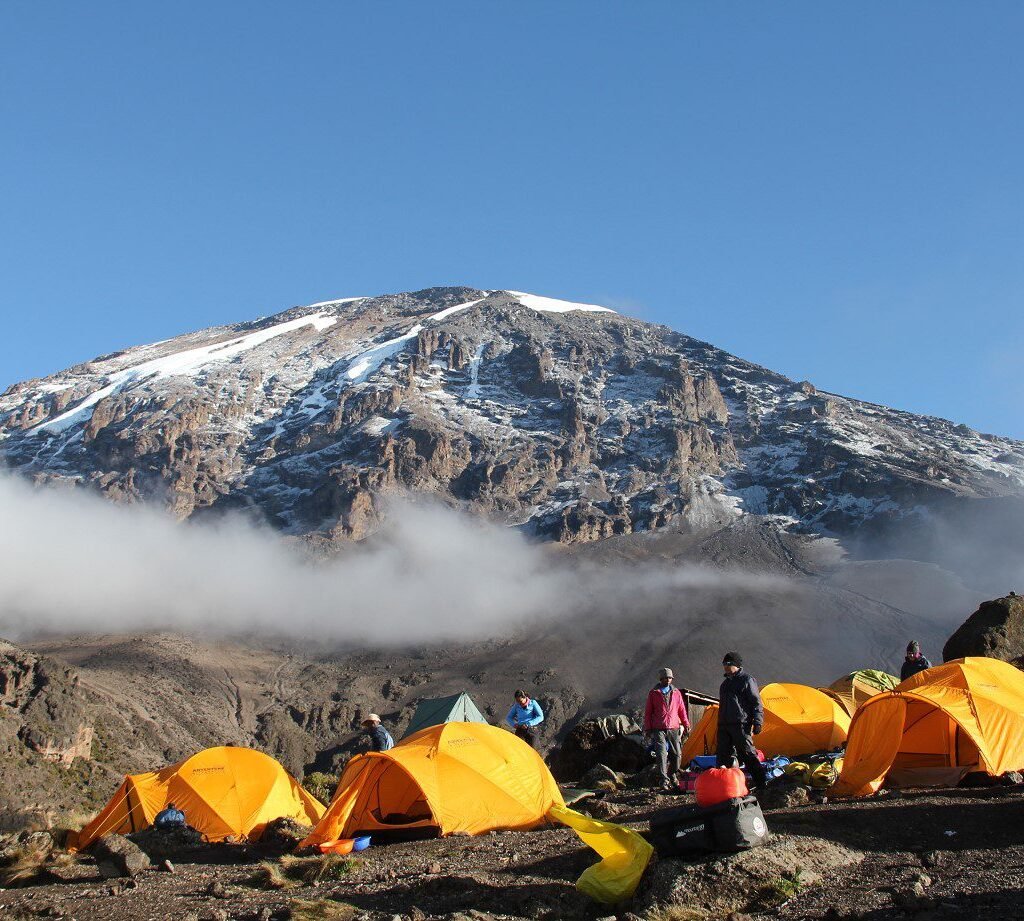
Mount Kilimanjaro is one of the most iconic natural landmarks in the world, located in northern Tanzania iconic safari destination in Africa, famous for its towering height, snow-capped peak, and dramatic location in East Africa. Travelers, adventurers, and geography enthusiasts often ask: Where is Kilimanjaro? This majestic mountain stands as the highest free-standing mountain on Earth and draws thousands of climbers every year from across the globe. Kilimanjaro’s unique blend of ecological zones, ranging from tropical rainforest to alpine desert and arctic summit conditions, makes it a remarkable destination for both scientific interest and outdoor adventure tourism. Understanding Kilimanjaro’s exact geographic location, height, and surrounding country context is essential for planning expeditions, educational projects, and inspiring travel content. In this article, we’ll share expert details about Kilimanjaro’s location, height, map placement, figures, how to get there, and interesting facts. Mount Kilimanjaro Location and Geographic Coordinates Mount Kilimanjaro is situated in northeastern Tanzania, near the border with Kenya, and lies within the Kilimanjaro Region of East Africa. The exact geographic coordinates of Kilimanjaro’s summit, Uhuru Peak, are approximately 3°04′33″S latitude and 37°21′12″E longitude, easily found on detailed topographic and GPS maps. As part of the Eastern Rift of the Great Rift Valley, Kilimanjaro’s location reflects the complex tectonic forces that shaped East Africa’s dramatic landscapes. The mountain’s position near the equator gives it an unusual climate: despite its tropical location, the summit is covered in ice and snow. Kilimanjaro’s location also places it within reach of major Tanzanian towns like Moshi and Arusha, which serve as gateway cities for climbers and tourists. This prime location has helped Kilimanjaro become one of Africa’s most famous natural wonders and a must-visit destination for nature lovers and hikers worldwide. Mount Kilimanjaro Country Mount Kilimanjaro is located entirely within the United Republic of Tanzania, a diverse East African country known for its rich wildlife, cultural heritage, and world-class safari destinations. Tanzania is home to phenomenal national parks, including Serengeti National Park, Ngorongoro Crater, and Manyara National Park, making the country a prime tourist destination. Kilimanjaro holds particular national pride for Tanzania; it is featured on the Tanzanian coat of arms and represents the country’s natural beauty and adventurous spirit. While close to the border with Kenya, the entire mountain falls under Tanzanian jurisdiction and is protected by Kilimanjaro National Park. The park was declared a UNESCO World Heritage Site due to its unique biodiversity, climatic zones, and geological significance. Visiting Kilimanjaro also supports local economies, from Tanzanian guides and porters to hotels and tour operators, strengthening sustainable tourism across the region. Mount Kilimanjaro Height Mount Kilimanjaro’s summit reaches an awe-inspiring altitude of 5,895 meters (19,341 feet) above sea level, making it the highest peak in Africa and one of the famed Seven Summits — the tallest mountains on each continent. What makes Kilimanjaro even more remarkable is that it is the world’s tallest free-standing mountain, meaning it rises independently from the surrounding plains rather than from a mountain range. Climbers and trekkers preparing to ascend Kilimanjaro must plan for significant altitude gain, as the vertical rise impacts weather, temperature, and oxygen levels. The mountain’s height also creates distinct ecological zones, shaped by elevation — from lush tropical rainforests at the base to alpine deserts and icy summit glaciers. Despite ongoing glacier retreat due to climate change, Kilimanjaro’s dramatic height and snow-tipped peak remain a breathtaking sight and a bucket list challenge for adventurers and travel enthusiasts alike. Mount Kilimanjaro on the map On a map, Mount Kilimanjaro appears in northeastern Tanzania, approximately 200 kilometers (125 miles) inland from the Indian Ocean coastline. The mountain sits between the towns of Moshi and Arusha, both popular base towns for climbers and tourists. Viewing Kilimanjaro on a physical map reveals its position near the eastern edge of the East African Rift Valley, a region defined by tectonic activity that created the vast landscapes of Kenya and Tanzania. Modern digital maps and GPS tools make it easy for travelers to visualize Kilimanjaro’s location, routes, and nearby infrastructure such as Kilimanjaro International Airport (JRO). On satellite maps, Kilimanjaro’s massive volcanic cones — Kibo, Mawenzi, and Shira — are distinctly visible, with Kibo hosting the summit crater. Whether using road maps, hiking maps, or interactive online maps, Kilimanjaro’s placement stands out clearly as a major geographical landmark in East Africa. Mount Kilimanjaro Figures Mount Kilimanjaro’s figures are as impressive as its appearance. The mountain covers an area of roughly 1,688 square kilometers (652 square miles) within Kilimanjaro National Park. Kilimanjaro consists of three volcanic cones: Kibo (the highest), Mawenzi, and Shira, with Kibo’s central crater, Reusch Crater, marking the summit region. Kilimanjaro’s glaciers and ice fields have been studied extensively, though they are retreating due to climate change. Estimates suggest that Kilimanjaro’s ice cover may shrink dramatically in the coming decades. On average, climbers can expect to trek between 60 and 100 kilometers (37 to 62 miles) round-trip depending on their chosen route. More than 30,000 climbers attempt to summit Kilimanjaro each year, with success often depending on acclimatization and fitness. These figures highlight Kilimanjaro’s scale and the planning required for a safe, successful climb. How Do I Get to Kilimanjaro Travelers heading to Mount Kilimanjaro typically fly into Kilimanjaro International Airport (JRO), which receives flights from major African hubs and international destinations. From Kilimanjaro Airport, visitors can arrange transfers to climbing towns like Moshi and Arusha, which serve as staging points for treks and tours. Overland travel is also possible from Tanzania’s major cities, such as Dar es Salaam and Dodoma, or from neighboring Kenya via road transport. Once in Moshi or Arusha, climbers obtain permits and meet guide services before driving to the mountain’s various trailheads. Popular climbing routes include Machame, Marangu, Lemosho, and Rongai, each with differing landscapes and difficulty levels. Planning — including porters, guides, equipment, and acclimatization days — is essential for a successful Kilimanjaro experience. Local tour operators in Tanzania can help organize every detail of your Kilimanjaro journey. A Few Quick Facts About