
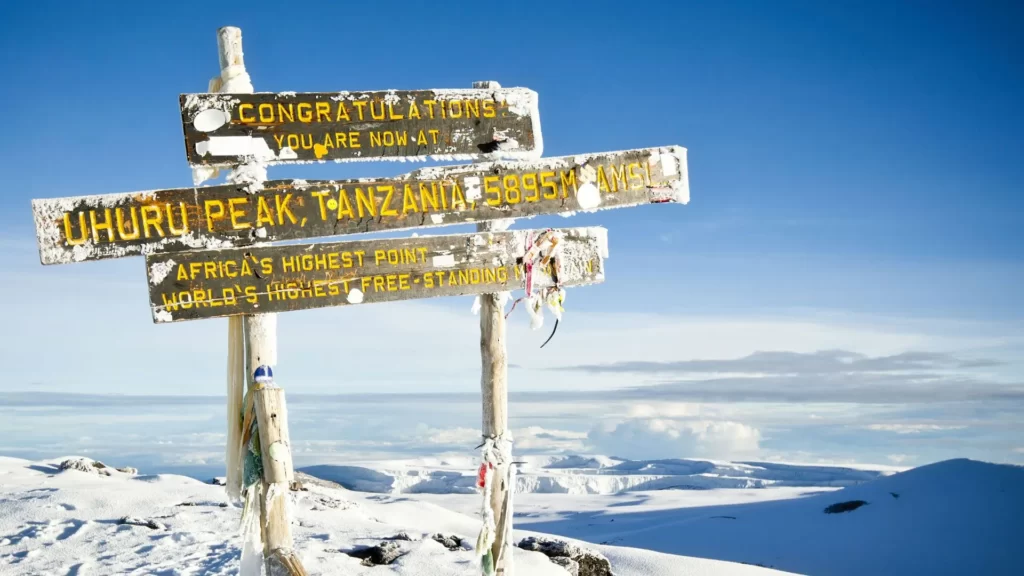
Mount Kilimanjaro Climbing Packages
Popular Kilimanjaro Climbing Packages
Expert-guided climbs across every major route, for every fitness level and budget.
7-Day Lemosho Route: The Most Beautiful Route on Mount Kilimanjaro
The most scenic route, with excellent acclimatization built in.
View Package →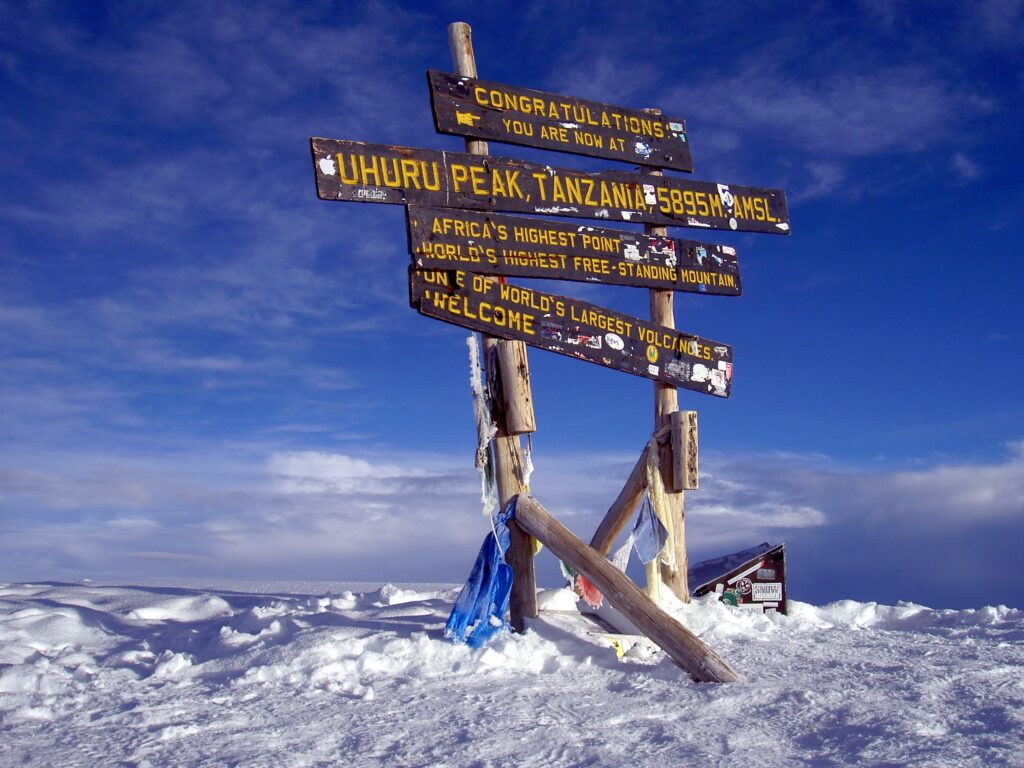
6-Day Machame Route
A popular, scenic route on Kilimanjaro's Whiskey Route.
View Package →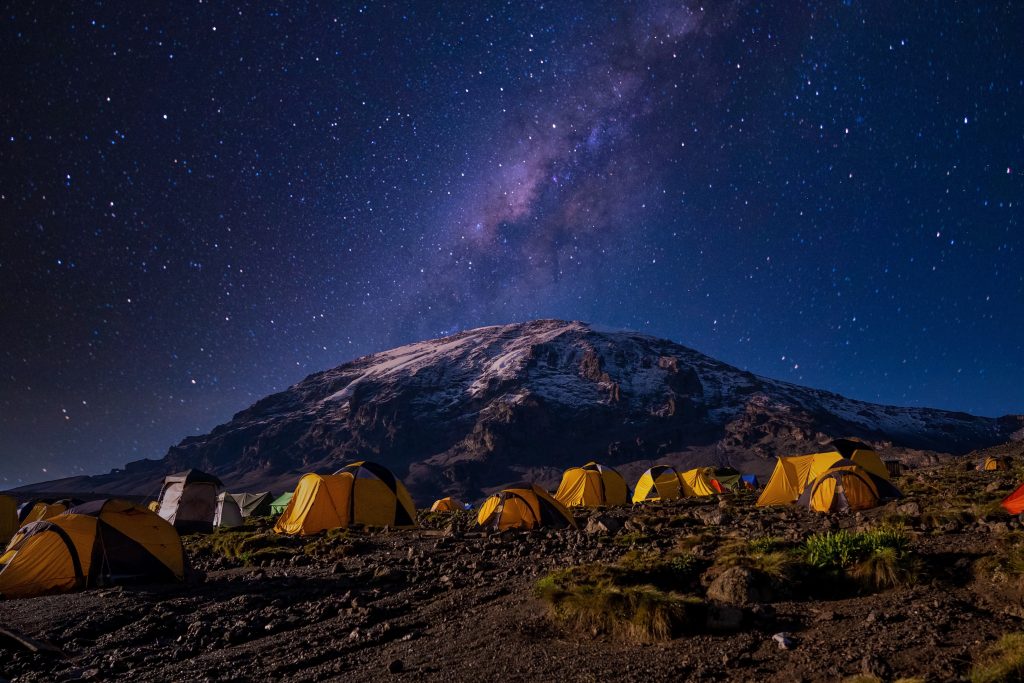
6-Day Marangu Route
The only route with hut accommodation, great for beginners.
View Package →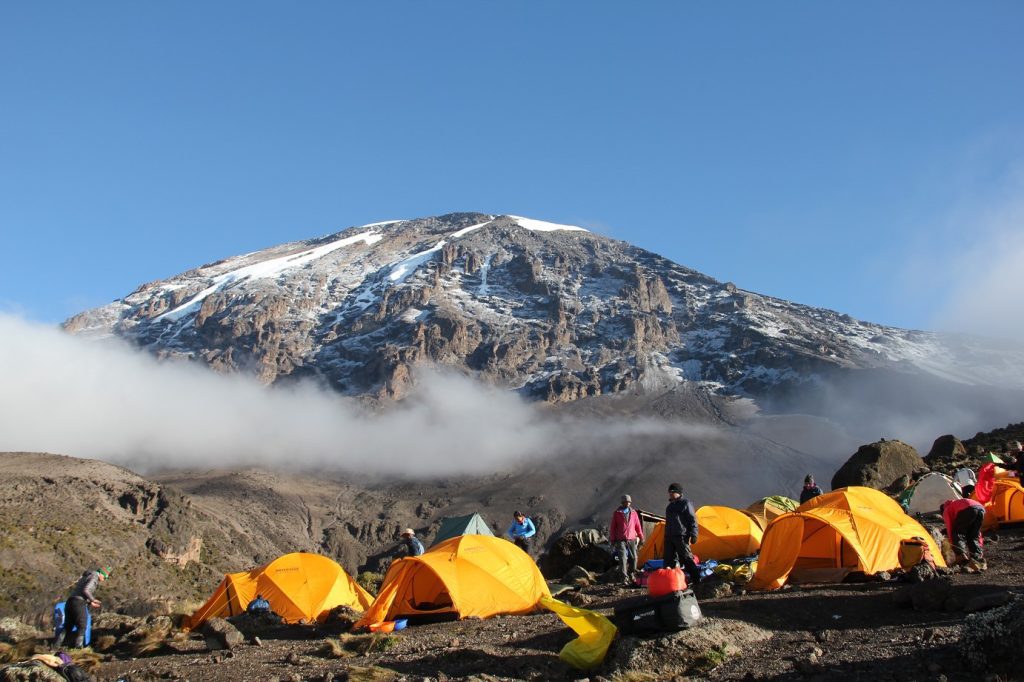
11-Day Northern Circuit: The Ultimate Extended Kilimanjaro Trek
The longest route, with the highest summit success rates.
View Package →7-Day Rongai Route
A quieter northern approach with drier trail conditions.
View Package →
6-Day Umbwe Route
A steep, quiet route for experienced climbers.
View Package →7-Day Shira Route on Kilimanjaro
A quiet, high-starting route with genuinely rewarding scenery.
View Package →8-Day Lemosho Route
An extra acclimatization day for an even higher summit chance.
View Package →The Complete Guide to the Best Kilimanjaro Routes
Exploring Kilimanjaro offers a breathtaking adventure, and choosing the right route is key to a successful trek. This comprehensive guide covers the best Kilimanjaro routes, including Machame, Lemosho, Marangu, and Rongai. Each route presents unique scenery, difficulty levels, and acclimatization opportunities, catering to different climbers' preferences. Whether you're seeking stunning views, a less-traveled path, or a guided experience, our guide has you covered. Discover the route that best matches your adventure spirit and prepare for an unforgettable ascent to the summit.
Machame Route
The Machame Route, often referred to as the "Whiskey Route," is a popular trekking path on Mount Kilimanjaro. It offers stunning scenery, diverse ecosystems, and an excellent acclimatization profile, making it ideal for adventurous hikers seeking a challenging yet rewarding experience.
Lemosho Route
The Lemosho Route on Mount Kilimanjaro is renowned for its stunning scenery and diverse landscapes. This quieter, scenic path offers a gradual ascent, ideal for acclimatization, making it a popular choice for trekkers seeking a rewarding experience.
Marangu Route
The Marangu Route, often dubbed the "Coca-Cola" route, is the most popular trekking path on Kilimanjaro. It offers comfortable huts for overnight stays, a gradual ascent suitable for beginners, and stunning views of both scenic landscapes and diverse flora.
Northern Circuit Route
The Northern Circuit route on Kilimanjaro is a 9-day trek that ascends via the Lemosho route, circles the mountain's northern slopes, and descends via the Mweka route, offering a longer, less crowded, and more scenic experience with a high summit success rate. The Northern Circuit route on Kilimanjaro offers a scenic journey through diverse landscapes, including lush rainforests and alpine deserts. This longer trek, renowned for its stunning views and low traffic, provides ample opportunity for acclimatization and wildlife spotting before reaching the summit.
Rongai Route
Rongai Routes offers diverse trekking paths showcasing stunning landscapes, wildlife, and unique cultural experiences. Perfect for adventurers seeking scenic views, these trails cater to various skill levels, ensuring an unforgettable journey through breathtaking natural beauty.
Umbwe Route
The Lemosho Route on Mount Kilimanjaro is renowned for its stunning scenery and diverse landscapes. This quieter, scenic path offers a gradual ascent, ideal for acclimatization, making it a popular choice for trekkers seeking a rewarding experience.
Shira Route
The Shira Route on Kilimanjaro offers a scenic trek through diverse landscapes, starting from the Shira Plateau. This lesser-known trail combines stunning views, unique flora, and a gradual ascent, making it ideal for acclimatization and wildlife spotting. Perfect for adventurous souls!
Kilimanjaro Climbing Packages Guide
How much do Kilimanjaro climbing packages cost?
Kilimanjaro climbing packages typically range from 1,800 to 2,500 dollars for budget camping treks, 2,800 to 4,500 dollars for mid-range packages, and 5,000 to 8,000 dollars or more for luxury private expeditions. Pricing depends on route, group size, duration, and comfort level, since longer routes like Lemosho and the Northern Circuit generally cost more due to extra park fees and camping nights. Most packages include park fees, guides, porters, meals, and camping equipment. Comparing several licensed Kilimanjaro tour operators helps travelers find genuinely fair pricing without compromising on safety, guide quality, or summit success rates.
What is included in a Kilimanjaro climbing package?
A standard Kilimanjaro climbing package typically includes park entry and camping fees, licensed guides, porters, a cook, all meals on the mountain, tents, and rescue fees. Many packages also include airport transfers and one or two nights of hotel accommodation before and after the climb. Excluded items usually cover international flights, visas, tips for the crew, personal gear, and travel insurance. Higher-end Kilimanjaro packages may add extras like private toilets, oxygen support, or premium camping equipment. Always confirm exactly what your chosen Kilimanjaro climbing package includes before booking to avoid unexpected costs on the mountain.
Which Kilimanjaro route should I choose?
Choosing the right Kilimanjaro route depends on your fitness, budget, and priorities. Machame and Lemosho are popular for scenic beauty and strong acclimatization, making them ideal for most climbers. Marangu suits those wanting hut accommodation instead of tents. Rongai offers a quieter, drier northern approach, while the Northern Circuit provides the longest, most scenic option with the highest success rates. Umbwe is the steepest, best suited to experienced trekkers. For first-time climbers, a 7 to 9 day route like Lemosho or Machame generally balances cost, scenery, and summit success most effectively.
How many days do Kilimanjaro climbing packages take?
Kilimanjaro climbing packages typically range from 5 to 9 days on the mountain, though some extended itineraries run 10 days or longer. Marangu can be completed in as few as 5 to 6 days due to its hut-based logistics, while Machame and Lemosho generally take 6 to 8 days. The Northern Circuit, the longest option, spans 8 to 9 days or more. Longer packages allow better acclimatization and meaningfully higher summit success rates. Most operators recommend budgeting at least 7 days on the mountain, plus 1 to 2 days for arrival and departure logistics.
What is the best Kilimanjaro climbing package for beginners?
For beginners, Machame and Lemosho are widely considered the best Kilimanjaro climbing packages, thanks to their gradual acclimatization profiles, manageable daily hiking distances, and strong summit success rates. A 7 to 8 day itinerary on either route gives first-time climbers enough time to adjust to altitude without requiring prior mountaineering experience. Marangu also suits beginners well, since its hut accommodation offers extra comfort. Avoiding shorter 5 to 6 day packages is generally recommended for first-timers, since rushed acclimatization schedules increase the risk of altitude sickness and reduce overall summit success chances.
When is the best time to book a Kilimanjaro climbing package?
The best time to climb Kilimanjaro falls within the dry seasons, from June to October and December to February, when trails are clearer and weather conditions are most reliable. Booking your Kilimanjaro climbing package 3 to 6 months in advance is generally recommended, especially for peak season dates in July, August, and December, when popular routes and quality operators fill up quickly. Last-minute bookings are sometimes possible with flexible dates. Booking early also allows more time for physical training, gear preparation, and securing your preferred route and comfort level.
Do I need previous mountain-climbing experience?
No technical mountain-climbing experience is required to climb Kilimanjaro, since it is a non-technical trek rather than a climb involving ropes or specialized equipment. Success depends far more on physical fitness, mental determination, and proper acclimatization than on prior climbing background. Many first-time trekkers with no mountaineering history reach Uhuru Peak successfully each year. That said, general hiking experience, especially on multi-day treks or at moderate elevation, can help build confidence and stamina. Regular cardio and hiking training in the months before your climb meaningfully improves your chances of a successful summit.
What fitness level is required for Kilimanjaro?
Kilimanjaro requires moderate to good physical fitness rather than elite athletic ability, since climbers walk for four to eight hours daily over multiple days at a slow, steady pace. Building cardiovascular endurance through running, hiking, or cycling in the months beforehand significantly improves stamina and acclimatization. Leg strength for sustained uphill and downhill walking also helps, particularly on summit night's steep, long push. While no specific fitness test is required, climbers in reasonably good health who can comfortably hike for several hours generally handle the trek well, provided they pace themselves and stay properly hydrated.
What is the success rate for Kilimanjaro climbing packages?
Kilimanjaro summit success rates vary significantly by route and itinerary length. Shorter 5 to 6 day routes like Marangu see success rates around 60 to 70 percent, while 6 to 7 day routes like Machame and Rongai achieve roughly 85 to 95 percent. Longer 7 to 9 day itineraries, especially Lemosho and the Northern Circuit, often exceed 95 to 98 percent success, thanks to superior acclimatization. Choosing a longer route, pacing yourself properly, and staying well-hydrated are the most reliable ways to improve your own personal chance of reaching Uhuru Peak.
Is altitude sickness a risk on Kilimanjaro?
Yes, altitude sickness is a genuine risk on Kilimanjaro, since the summit reaches 5,895 meters, well above the altitude where symptoms commonly occur. Mild symptoms like headache, nausea, and fatigue are common, while severe cases can require immediate descent. Proper acclimatization through a longer route, gradual ascent, and adequate hydration significantly reduces risk. Guides are trained to monitor climbers for symptoms and carry oxygen and pulse oximeters on most routes. Choosing a 7 to 9 day itinerary rather than a rushed 5 to 6 day climb meaningfully lowers the likelihood of serious altitude-related complications.
Do Kilimanjaro packages include guides and porters?
Yes, virtually all licensed Kilimanjaro climbing packages include certified guides and a team of porters as standard, since Tanzanian park regulations require every climber to be accompanied by a registered guide. Porters carry camping equipment, food, and supplies, while guides lead the trek, monitor climbers' health, and make safety decisions, including summit or descent calls. Larger groups often include a lead guide plus assistant guides, along with a dedicated cook. This support team is essential to both safety and comfort, and their inclusion is one of the most important things to verify before booking.
Where do you sleep during a Kilimanjaro climb?
Where you sleep during a Kilimanjaro climb depends on your chosen route. Most routes, including Machame, Lemosho, Rongai, and the Northern Circuit, use mountain camping in tents set up nightly by the porter team at designated campsites. Marangu is the exception, offering hut-based accommodation with bunk beds and shared dining areas, making it popular for climbers preferring a bit more comfort. Camping generally involves sleeping bags rated for freezing temperatures, sleeping pads, and dome or A-frame tents. Regardless of route, nights get progressively colder as you gain altitude toward the summit.
What meals are included in Kilimanjaro climbing packages?
Kilimanjaro climbing packages typically include three meals daily, prepared fresh by a dedicated mountain cook and served in a dining tent or hut. Breakfast usually includes porridge, eggs, toast, and hot drinks, while lunch and dinner feature soups, rice, pasta, vegetables, and protein like chicken or fish, adjusted for altitude-friendly digestion. Snacks, biscuits, and hot beverages are provided throughout the day to maintain energy and hydration. Vegetarian, vegan, and other dietary requirements can usually be accommodated with advance notice. Appetite often decreases at higher altitudes, so meals are designed to remain appealing and easy to digest.
Do Kilimanjaro packages include airport transfers and hotel accommodation?
Many Kilimanjaro climbing packages include airport transfers to and from Kilimanjaro International Airport, along with one or two nights of hotel accommodation in Moshi or Arusha before and after the climb. This allows time for a pre-climb briefing, equipment check, and rest after summiting. However, inclusions vary by operator and package tier, so it's important to confirm exactly what's covered before booking. Some budget packages may only include transfers, while luxury packages often add extra hotel nights, spa access, or safari extensions. Always request a detailed, itemized inclusions list from your chosen operator.
What equipment do I need for a Kilimanjaro climbing package?
Essential Kilimanjaro climbing equipment includes sturdy waterproof hiking boots, layered clothing for temperature swings from warm rainforest to freezing summit conditions, a warm sleeping bag rated below freezing, trekking poles, headlamp, and a daypack. Cold-weather gear like insulated jackets, gloves, and thermal layers becomes essential for summit night. A good pair of gaiters, sunglasses, and sun protection matter for daytime trekking. Most operators provide a detailed packing list tailored to your specific route and season. Renting specialized cold-weather gear locally is a practical option for climbers who don't want to purchase everything.
Can I rent Kilimanjaro climbing equipment in Tanzania?
Yes, most essential Kilimanjaro climbing equipment can be rented locally in Moshi or Arusha, including sleeping bags, trekking poles, down jackets, waterproof gear, and sometimes even hiking boots. Renting is a practical, cost-effective option for one-time climbers who don't want to invest in specialized cold-weather gear they may rarely use again. Many licensed tour operators offer rental packages or can arrange equipment rental directly as part of your booking. Quality varies between rental shops, so choosing a reputable provider recommended by your operator helps ensure gear is in good, functional condition for the climb.
What is the minimum age for climbing Kilimanjaro?
The official minimum age for climbing Kilimanjaro, as set by Kilimanjaro National Park authorities, is generally 10 years old, though some operators set their own minimum at 12 to 15 for safety reasons. Younger climbers should have prior hiking experience and be accompanied by a parent or guardian throughout the trek. Longer, more gradual routes are typically recommended for younger climbers to ease acclimatization. There is no strict maximum age limit, and climbers well into their seventies and eighties have successfully summited, provided they are in good health and properly prepared physically beforehand.
Can seniors climb Mount Kilimanjaro?
Yes, seniors can absolutely climb Mount Kilimanjaro, and many climbers in their sixties, seventies, and even eighties have successfully reached Uhuru Peak. Age alone rarely determines summit success; overall fitness, proper acclimatization, and pacing matter far more. Choosing a longer route with extra acclimatization days, training beforehand with regular walking or light cardio, and consulting a doctor about any health conditions are all recommended steps for older climbers. Many operators offer slower-paced itineraries specifically suited to senior travelers. With realistic expectations and proper preparation, Kilimanjaro remains a genuinely achievable adventure at any age.
Can I customize a Kilimanjaro climbing package?
Yes, most Kilimanjaro tour operators offer customizable climbing packages, allowing you to adjust the route, trip length, group size, comfort level, and start date to suit your preferences. Private climbs can be tailored entirely around your schedule and pace, while add-ons like extra acclimatization days, luxury camping upgrades, or a safari extension are commonly available. Customization typically affects overall pricing, since private guides, flexible dates, and premium equipment carry additional costs. Discussing your specific goals, fitness level, and budget directly with an operator helps create a genuinely personalized Kilimanjaro itinerary suited to your needs.
How far in advance should I book a Kilimanjaro climbing package?
Booking a Kilimanjaro climbing package 3 to 6 months in advance is generally recommended, particularly for peak season dates in July, August, and December through early January, when popular routes and reputable operators fill up quickly. Booking earlier also gives you more time for physical training, gathering proper gear, and arranging travel insurance and visas. Last-minute bookings, sometimes within just a week or two, are occasionally possible during quieter shoulder seasons or through operators with flexible group departures. Regardless of timing, working with a licensed, reputable operator remains more important than the exact booking window.
Do I need travel insurance for a Kilimanjaro package?
Yes, travel insurance is strongly recommended, and often required by tour operators, for any Kilimanjaro climbing package. Given the mountain's high altitude, standard travel insurance frequently excludes trekking above certain elevations, so it's essential to choose a policy specifically covering high-altitude trekking up to at least 6,000 meters. Look for coverage including emergency medical treatment, evacuation and rescue costs, which can be substantial if a helicopter or stretcher evacuation becomes necessary, and trip cancellation. Purchasing insurance as soon as your Kilimanjaro booking is confirmed ensures you're protected well before departure.
Is tipping included in Kilimanjaro climbing packages?
No, tipping is generally not included in the base price of Kilimanjaro climbing packages and is treated as a separate, expected expense for your guide, cook, and porter team. Standard tipping guidelines typically suggest around 15 to 20 dollars per day for the lead guide, 10 to 15 dollars for assistant guides, 8 to 10 dollars for the cook, and 5 to 8 dollars per porter, though amounts vary by operator and group size. Many operators provide a suggested tipping chart before departure. Tips are usually collected and distributed on the final day of the trek.
Can I combine Kilimanjaro climbing with a Tanzania safari?
Yes, combining a Kilimanjaro climb with a Tanzania safari is extremely popular, since both experiences are easily accessible from the same northern Tanzania hub around Arusha and Moshi. Many operators offer combined packages pairing a Kilimanjaro climb with safaris to the Serengeti, Ngorongoro Crater, or Tarangire National Park, often over 10 to 14 days total. Scheduling a few rest days between the climb and safari is generally recommended, since your body needs recovery time after summit night. This combination offers a genuinely well-rounded Tanzania adventure, blending high-altitude achievement with unforgettable wildlife viewing.
What should I look for when choosing a Kilimanjaro climbing package?
When choosing a Kilimanjaro climbing package, prioritize a licensed, reputable operator with transparent, itemized pricing covering park fees, guides, porters, meals, and equipment. Check guide certifications, including wilderness first responder training, and look for operators providing proper safety equipment like oxygen and pulse oximeters. Favor longer 7 to 9 day itineraries for better acclimatization and higher success rates over rushed 5 to 6 day options. Read verified reviews from previous climbers, and confirm fair wages and treatment for porters. Comparing several operators on these factors ensures a safer, more successful climbing experience.
Why choose a private Kilimanjaro climbing package?
A private Kilimanjaro climbing package offers a fully customized experience, letting you set your own pace, schedule, and itinerary without joining a larger group of strangers. This suits climbers seeking flexibility, extra comfort, or a more intimate experience with family or friends, and allows guides to adjust pacing specifically to your fitness level. Private climbs typically cost more than joining a scheduled group departure, since guide and porter costs aren't shared across a larger group. For honeymooners, families, or climbers with specific needs, the added privacy, flexibility, and personalized attention often justify the additional expense.
Climbing Kilimanjaro Difficulty
Climbing Kilimanjaro is a challenging yet rewarding experience, suitable for trekkers with varied fitness levels. Key Kilimanjaro Hiking difficulties include altitude sickness, unpredictable weather, and strenuous ascents, particularly on routes like the Machame and Lemosho paths. Proper acclimatization is essential, as the summit stands at 5,895 meters (19,341 feet). While it demands physical endurance, many climbers succeed with preparation and determination, making the journey to the “Roof of Africa” an unforgettable adventure. Join our Foot Slopes Tours and Safaris thrilling group climbs to Mount Kilimanjaro from 2025 to 2027! Experience the adventure of a lifetime as you trek through stunning landscapes, diverse ecosystems, and vibrant cultures. Our expertly guided tours ensure safety and enjoyment while climbing Africa's highest peak. Each trek offers flexible itineraries, accommodating all fitness levels, with small group sizes for a more personalized experience. Gear up for breathtaking views and unforgettable memories! Secure your spot today for an expedition like no other. Climbing Mount Kilimanjaro is a breathtaking adventure, and choosing the right guides and porters is crucial for a successful trek. The best Kilimanjaro guides offer extensive experience, excellent knowledge of the terrain, and a focus on safety and environmental sustainability. Costs typically vary depending on the package, duration, and group size, averaging between $1,500 and $3,000 per person. To enhance your journey, consider reading reviews, ensuring that your guides have a stellar reputation, and prioritizing tips for exceptional service.
Best Kilimanjaro Tours & Hikes
Kilimanjaro, Africa’s highest peak, offers breathtaking landscapes and diverse ecosystems. The best Kilimanjaro Tours & Hikes typically include a mix of scenic routes such as the Marangu, Machame, Lemosho, and Rongai trails, accommodating both beginner and experienced hikers. Tours often last between six to ten days, allowing time for acclimatization and exploration. Professional guides ensure safety and enhance the experience with insights into the region’s rich wildlife and culture. Embark on an unforgettable adventure and witness the majestic summit of Uhuru Peak! How long does it take to climb the mountain? Climbing a mountain's duration varies significantly based on factors like terrain, elevation, and climber experience. Generally, day hikes can take 6-10 hours, while more challenging ascents may require several days. It's crucial to factor in acclimatization, weather conditions, and personal fitness for an accurate estimate.
Unique Mount Kilimanjaro Facts You May Not Know
Mount Kilimanjaro is one of the seven summits, yet it stands entirely on its own, unconnected to any mountain range, and sits almost exactly on the equator. Three volcanic cones created the mountain, and it isn't truly dead, just dormant. No one knows the real meaning of the name 'Kilimanjaro,' and the first ascent happened more than a century ago. Roughly half of the people who attempt the climb fail to reach the summit, while elite athletes have climbed it remarkably fast, and both the young and the elderly have successfully conquered it. Its ice cap, sadly, is destined to disappear.
Climbing Kilimanjaro Success Rates by Routes
Climbing Mount Kilimanjaro offers various routes, each with distinct success rates influenced by factors such as altitude acclimatization and duration. The Lemosho and Northern Circuit routes boast the highest success rates, often exceeding 90% due to their longer trek time, allowing better acclimatization. Conversely, the Marangu Route has lower success rates, around 60-70%, as it’s a quicker ascent with limited acclimatization days. Choosing a route wisely can significantly enhance the chances of reaching Uhuru Peak. The best time to climb Mount Kilimanjaro is during the dry seasons, from late June to October and from late December to February. These months offer the most stable weather, with clear skies and lower rainfall, making conditions more favorable for trekking. Avoid the rainy seasons (March-May and November) as trails can be slippery, and visibility is reduced. However, temperatures at the summit remain cold year-round, so proper gear is essential. The best recommended time to climb Kilimanjaro is during its dry season, spanning from December to mid-March and late June to October. The most favorable months are January, February, July, August, September, and October. These months are when the weather conditions are at their best.
Kilimanjaro Tour Operators & Trekking Companies
Foot Slopes Tours and Safaris is a premier Kilimanjaro tour operator specializing in trekking adventures and safari experiences. With a focus on exceptional customer service and knowledgeable guides, they provide tailored itineraries to suit various skill levels and interests. Whether you aim to conquer Mount Kilimanjaro or explore Tanzania's stunning wildlife, Climbing Kilimanjaro company reviews Foot Slopes Tours and Safaris' best Kilimanjaro Tour Operator ensures a memorable journey through breathtaking landscapes, rich culture, and unforgettable encounters with nature. Join them for an adventure of a lifetime! Training for Kilimanjaro requires a blend of physical endurance and mental preparation. Start with hiking at increasing altitudes, incorporating long walks and steep climbs to build stamina. Strength training focusing on the legs, core, and upper body is essential all You Need to Know about Training for Mount Kilimanjaro. Consider acclimatization hikes and outdoor activities to mimic conditions on the mountain. Hydration and nutrition play crucial roles, so develop a balanced diet and hydration plan for the beginner's guide to climbing Mount Kilimanjaro. Finally, mentally prepare for challenges, fostering resilience and a positive mindset as you approach your adventure.
Plan Your Kilimanjaro Climb
Tell us your dates, fitness level, and preferred route, and we will build the right itinerary for your summit attempt.
Book Now Online →