
Kilimanjaro All-Inclusive Climb Packages
A Kilimanjaro all-inclusive climb package covers park and camping fees, licensed guides, porters, meals, tents, airport transfers and hotel nights, so you pay once and focus on reaching Uhuru Peak at 5,895 metres. Foot Slopes Tours and Safaris organises individual private tailor-made climbs, with your own guide team and your own schedule, on routes such as Machame, Lemosho, Marangu, Rongai and Northern Circuit. Review the packages below, choose your route and pace, and ask us to add a private Tanzania safari after the descent for a complete adventure.
Plan Your Kilimanjaro Climb
Trip Length
Comfort Level
Safari Style
Operator Rating
Specialized Tours
Filter by Operator
Other Tour Features
Senior Safaris
Senior-Friendly Safari Packages
Kilimanjaro All-Inclusive Climb Packages
An all-inclusive Kilimanjaro climb is a private, tailor-made package covering permits, guides, porters, meals, camping or hut accommodation and transfers on the way to Uhuru Peak, Africa's highest summit at 5,895 meters.
All-Inclusive Private Kilimanjaro Packages
Select a private Kilimanjaro package below, then adjust the route, days and safari extension to match your plans.
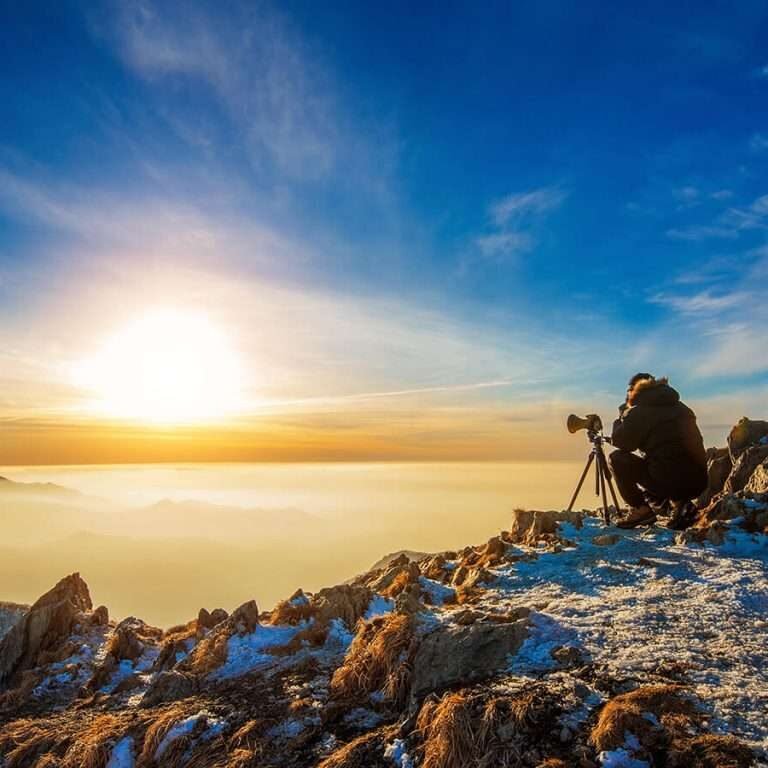
7-Day Lemosho Route: The Most Beautiful Route on Mount Kilimanjaro
7-Day Lemosho Route – Complete Kilimanjaro itinerary, dates, prices & expert tips for a…
View Package →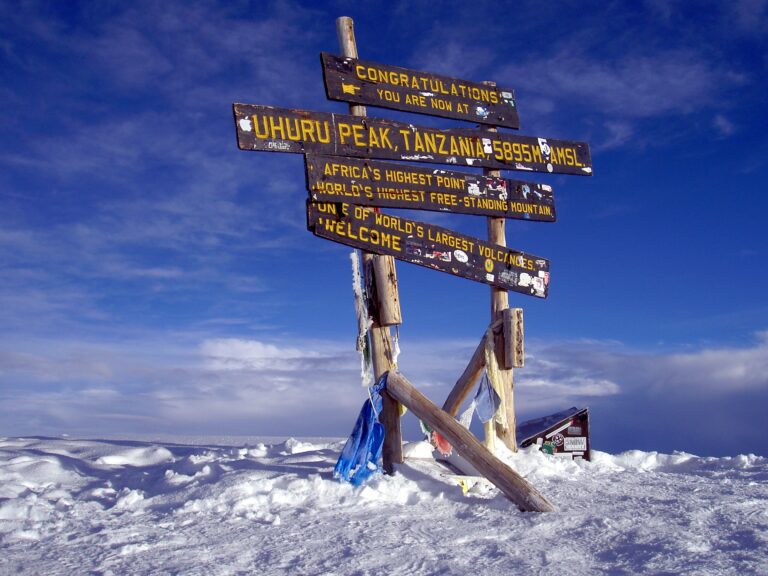
7-Day Machame Route
The 7-Days Machame Route Kilimanjaro 95 Summit Success Rates, also known as the Whisky…
View Package →6-Day Machame Route
Climb Mount Kilimanjaro via the 6-Day Machame Route—scenic trails, high success rates, expert guides,…
View Package →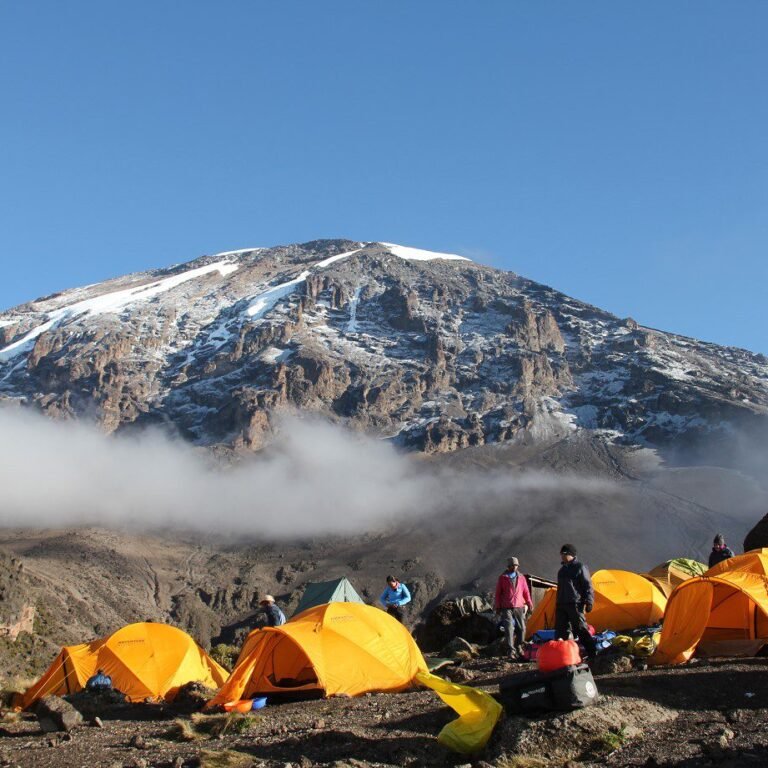
8-Day Lemosho Route
8-Day Lemosho Route: Mount Kilimanjaro Lemosho Route Itinerary, Prices & Dates, Lemosho route is…
View Package →7-Day Rongai Route
The 7-Days Rongai Route Itinerary, Prices & Dates is one of the easier routes…
View Package →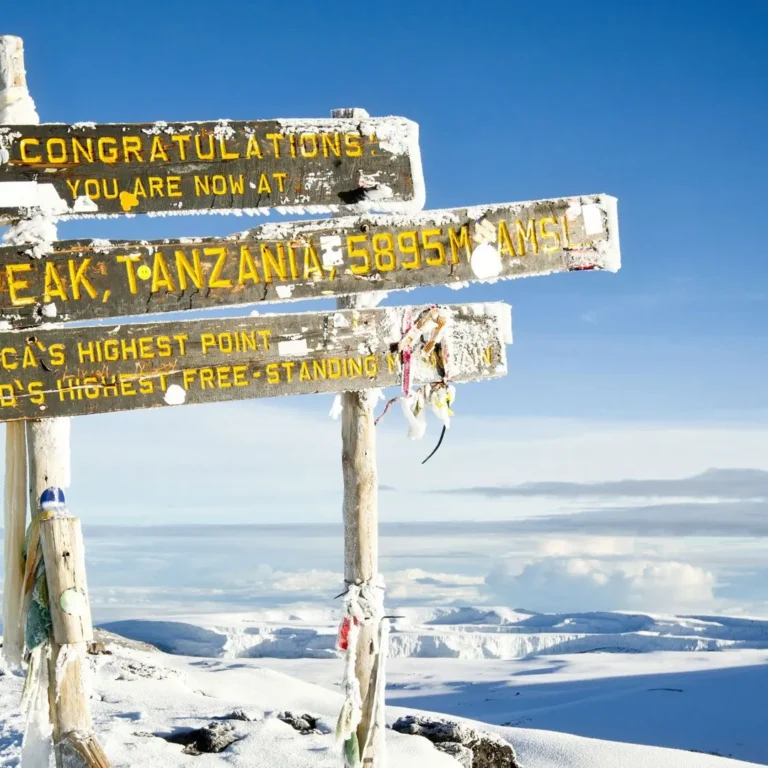
6-Day Marangu Route
Plan your Kilimanjaro climb with our Marangu Route 6-day itinerary, detailed prices, departure dates,…
View Package →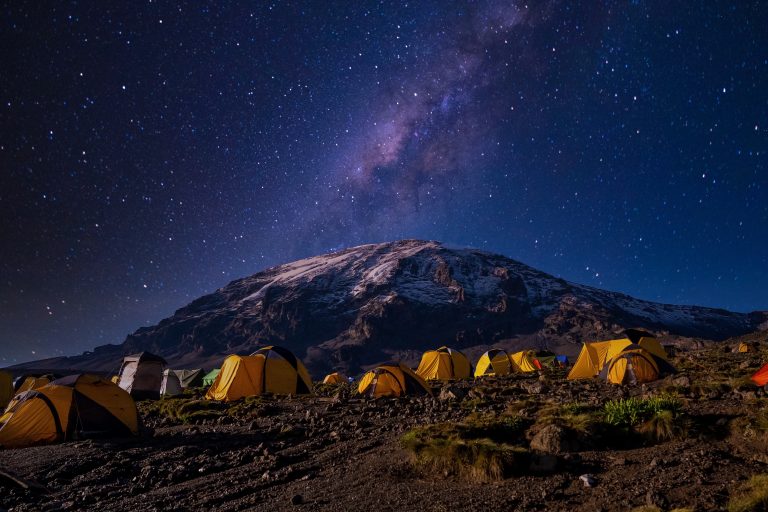
7-Day Umbwe Route
"Climb Kilimanjaro via the 7-Day Umbwe Route – steep, scenic, and less crowded. Perfect…
View Package →11-Day Northern Circuit: The Ultimate Extended Kilimanjaro Trek
Northern Circuit Route, 9 Day Longest And Quite Best Mount Kilimanjaro Route is the…
View Package →Kilimanjaro Climb and Safari Packages
Experience the ultimate adventure with Tanzania Kilimanjaro climbs and luxury safari packages. Book now…
View Package →Kilimanjaro All-Inclusive FAQs
What All-Inclusive Means
An all-inclusive Kilimanjaro package bundles the essential costs of the climb into one clear price. Typically this covers Kilimanjaro National Park conservation, camping or hut and rescue fees, a licensed mountain guide and assistant guides, porters and a cook, three daily meals, drinking water, sleeping tents and mess tent, and transfers. Hotel nights before and after the climb are often listed too. Our itineraries state every inclusion and exclusion in writing, so you can compare value honestly and plan only for personal extras.
What Is Not Included
Even an all-inclusive Kilimanjaro package usually excludes international flights, visas, travel insurance, personal climbing gear, sleeping bag rental if you need it, and tips for the guide team. Alcoholic drinks, souvenirs and optional extras such as a private toilet tent are also commonly separate. We explain these items before you book, share a clear packing list and suggest sensible tipping guidance. Knowing what is excluded helps you budget accurately and avoids surprises on the mountain, so you can arrive prepared, relaxed and confident about every cost.
Choosing Your Route
Your route shapes your comfort and your summit chances. Lemosho and Machame offer scenic approaches and good acclimatisation over seven to eight days, Rongai approaches from the north and is quieter, Marangu uses huts over five to six days, and the Northern Circuit is the longest and most gradual. Umbwe is steep and best for experienced trekkers. Because climbs are private, we pick the route and pace that match your fitness, schedule and the season you travel, with a clear written plan before you commit.
Best Time to Climb
The best months to climb Kilimanjaro are January to early March and June to October, when skies are generally clearer and trails are drier. Weather on a mountain this large can change quickly at any time, so pack for rain, wind and cold near the summit. Shoulder periods can be quieter, though conditions vary. Tell us your dates and we will recommend a route and itinerary length that fit the season and give your body time to adapt gently along the way.
Guides, Porters and Safety
Kilimanjaro regulations require that every climber travel with a licensed guide, and our private teams include experienced guides, assistant guides, porters and a cook. Guides monitor how you feel each day, set a slow pace and adjust the plan if needed. Climbing slowly and drinking plenty of water support acclimatisation. Please consult your doctor or a travel clinic before booking, since altitude affects everyone differently. We care for our crew too, with fair treatment, proper equipment and respect for their expertise on every climb.
Add a Safari After Your Climb
A private safari is a rewarding way to rest your legs after Kilimanjaro. Many guests add three to seven days in Tarangire, Ngorongoro Crater and the Serengeti, with their own 4x4 and private guide. Because your climb and safari are planned together, we coordinate transfers, hotels and timing so you move smoothly from mountain to savanna. You can also finish with a few relaxing beach days on Zanzibar, all built around your travel dates and budget, with no rushing between adventures.
What does an all-inclusive Kilimanjaro package include?
An all-inclusive Kilimanjaro package normally includes park and camping or hut fees, rescue fees, a licensed guide and assistant guides, porters, a cook, all meals on the mountain, drinking water, tents and airport transfers. Hotel nights before and after the climb are often added. Flights, visas, insurance, personal gear and tips are usually separate. Foot Slopes Tours and Safaris lists everything in writing for each private climb, so you can see exactly what is covered.
How many days do I need to climb Kilimanjaro?
Most climbers need six to nine days on the mountain. Marangu takes about five or six days, Machame six or seven, Rongai six or seven, and Lemosho or the Northern Circuit seven to nine. Longer routes give your body more time to acclimatise, which many travelers find more comfortable. Because our climbs are private, we can set the length and daily pace around your fitness and schedule, and advise you honestly on what suits you.
Is a private Kilimanjaro climb better than a standard one?
A private climb lets you set the pace, the start date and the route, which many trekkers find more comfortable and flexible. Your own guide team focuses entirely on you, adjusts to how you feel each day and can slow down or add rest when helpful. Foot Slopes Tours and Safaris organises only individual private tailor-made climbs, so every itinerary is built around your goals, fitness level and travel dates.
Do I need a guide to climb Kilimanjaro?
Yes, Tanzania requires every Kilimanjaro climber to be accompanied by a licensed guide, and independent climbing is not allowed. Your guide leads the route, monitors your health, manages the porter team and makes safety decisions on the trail. A good guide also explains the changing ecological zones, from rainforest to alpine desert. Our private climbs include experienced licensed guides and a supporting crew so you can concentrate on walking steadily towards Uhuru Peak.
What is the best time of year for Kilimanjaro?
The best times to climb Kilimanjaro are January to early March and June to October, when conditions are generally drier and views are clearer. Rain and cloud can occur at any time on such a large mountain, so waterproof layers are essential. Some travelers prefer quieter shoulder periods. Share your dates with Foot Slopes Tours and Safaris, and we will recommend the most suitable route and itinerary length for that season.
Can I combine Kilimanjaro with a safari?
Yes, combining Kilimanjaro with a safari is popular and easy to arrange. Most travelers climb first, then spend three to seven days on a private safari in Tarangire, Ngorongoro and the Serengeti, or add Zanzibar for beach rest. We coordinate hotels, transfers and flights so the whole journey flows smoothly. A single private itinerary also gives you one clear plan, one contact team and the flexibility to adjust timing as your plans develop.
How hard is it to climb Kilimanjaro?
Kilimanjaro is a demanding but non-technical trek, which means you walk rather than climb with ropes, yet the altitude makes it challenging. Success depends mostly on pace, hydration, preparation and how well your body adapts to height. Longer routes such as Lemosho or Machame give you more time to acclimatize than shorter ones. Your private guide sets a slow, steady rhythm and monitors you daily. Consult your doctor or a travel clinic before booking, especially if you have health concerns. Good preparation, regular walking before you travel and a positive mindset all help too.
What should I pack for a Kilimanjaro climb?
Pack in layers because you pass from warm rainforest to freezing summit conditions. Essentials include broken-in waterproof hiking boots, thermal base layers, an insulated jacket, waterproof shell, warm hat, gloves, a headlamp, trekking poles, sunglasses, sunscreen and a sleeping bag rated for cold nights. Bring a refillable water bottle and comfortable socks. Porters carry your main duffel, while you carry a small daypack. Foot Slopes Tours and Safaris sends a detailed packing list after booking and can advise on any items you are unsure about. Waterproof stuff sacks keep clothing dry.
Do I need to tip guides and porters on Kilimanjaro?
Yes, tipping your climb crew is customary and deeply appreciated, because guides, assistant guides, cooks and porters work long days at altitude. Tips are usually given at the end of the climb as a thank you for good service. Foot Slopes Tours and Safaris explains the recommended guidelines in your pre-climb briefing, so you can budget in advance and distribute tips fairly among the crew. Bring cash in small notes, and ask your guide if you have any questions about the process. It recognizes the effort shown on the mountain.
How do I reduce the risk of altitude sickness on Kilimanjaro?
The best way to lower the risk of altitude sickness is to choose a longer route, walk slowly, drink plenty of water and sleep and eat well. Climb high, sleep low days help your body adjust. Your private guide checks how you feel each day and can recommend rest or descent if symptoms become serious. Because altitude affects everyone differently, consult your doctor or a travel clinic before you travel. Never ignore headaches, nausea or dizziness on the mountain. A slow pace, often described as pole pole in Swahili, is the secret for many successful climbers.
Where do I stay before and after climbing Kilimanjaro?
Most climbers stay one night in Moshi or Arusha before the climb and one night afterward, resting in a comfortable hotel with a hot shower and proper meals. Foot Slopes Tours and Safaris can include these nights in your package, arrange airport transfers to Kilimanjaro International Airport and organize a gear check before departure. After the climb, many guests continue to a private safari or to Zanzibar to recover. Tell us your dates and we will plan the sequence. This keeps logistics simple, so you can focus on resting and enjoying the journey.
Plan Your Private Kilimanjaro Climb
Share your dates, fitness level and route ideas, and our local experts will design an all-inclusive private tailor-made Kilimanjaro climb for you.
Book Now Online →What Our Travelers Say
Real 5-star reviews from guests who traveled with us
Our Private African luxury Safari experience with Foot Slopes Tours and Safaris exceeded every expectation - beautifully planned, comfortable, and genuinely unforgettable.
We had an incredible private safari experience with Foot Slopes Tours and Safaris - professional guides, excellent lodges, and a truly seamless trip from start to finish.
Foot Slopes Tours and Safaris is truly one of the best local tour companies in Tanzania - professional, reliable, and genuinely invested in giving guests a great experience.
Our family chose Foot Slopes Tours and Safaris for a custom 11-day safari itinerary - the level of personal attention and care throughout was exceptional from start to finish.