River Crossings vs Calving Season of the Great Migration in Tanzania
River Crossings vs Calving Season of the Great Migration in Tanzania
The Great Migration in Tanzania is one of the most popular wildlife spectacles in the world, attracting travelers searching for a Serengeti safari, wildebeest migration, and Africa’s greatest wildlife experience. It unfolds in two iconic highlights: the dramatic Mara River crossings in Northern Serengeti and the emotional calving season in Southern Serengeti (Ndutu area). While both events are part of the same annual cycle, they offer completely different safari experiences. River crossings are intense, unpredictable, and action-packed, featuring crocodile encounters and survival drama. Calving season, on the other hand, is peaceful yet powerful, with thousands of newborn wildebeest calves and constant predator interaction. Understanding the difference between these two seasons is essential for planning the best Tanzania safari experience based on timing, photography goals, and wildlife expectations.
The Great Migration Cycle Explained
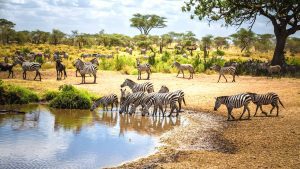
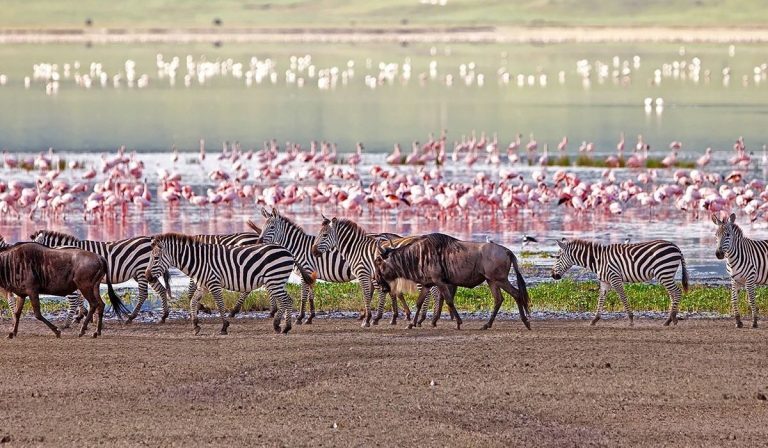
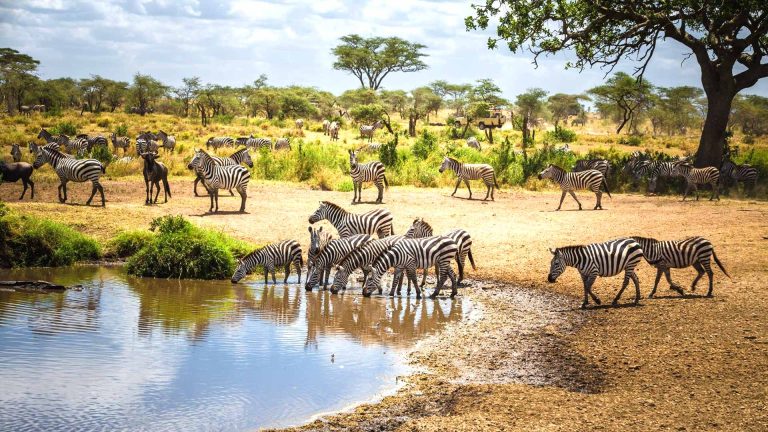
The Great Migration is a continuous, year-round movement of over 1.5 million wildebeest, accompanied by zebras and gazelles across the Serengeti ecosystem. This natural cycle is driven by rainfall and fresh grazing, making it one of the most famous Tanzania safari attractions. The journey begins in the southern Serengeti and Ndutu plains during the calving season, then moves toward central and western Serengeti before reaching the northern regions for the iconic Mara River crossings. After crossing into Kenya’s Maasai Mara, the herds gradually return south, completing the circular migration route. This predictable yet ever-changing movement creates two major safari highlights: calving season in the south and river crossings in the north, both offering unique wildlife photography and safari experiences for visitors to Serengeti National Park.
A general guide: the herds follow the rains.
What is the Calving Season in Serengeti?
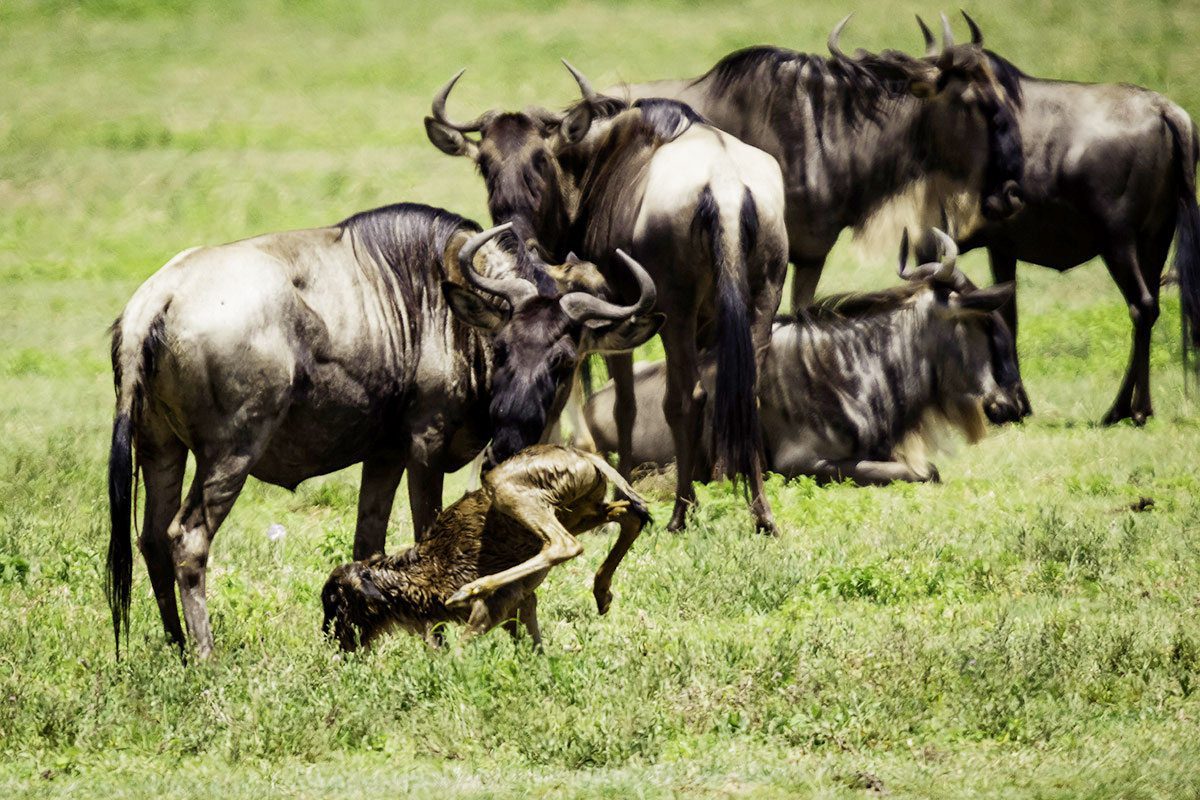
The calving season in Tanzania takes place from January to March in the Southern Serengeti and Ndutu area, making it one of the most emotionally powerful safari experiences. During this period, hundreds of thousands of wildebeest give birth within a short window, creating an extraordinary concentration of newborn wildlife. This attracts predators such as lions, cheetahs, and hyenas, making it a prime destination for wildlife photography safaris in Africa. Unlike river crossings, the calving season is predictable in timing and offers close-up encounters due to open grass plains, and allows off-road driving in some areas. Travelers seeking intimate wildlife moments, baby animals, and predator-prey interaction often choose this season. It is widely regarded as the best time for Serengeti safari beginners and photographers looking for softer but dramatic wildlife action.
What is the Mara River Crossing?
The Mara River crossing is the most iconic moment of the Great Migration in Northern Serengeti, occurring mainly between July and October. During this stage, massive herds of wildebeest face the dangerous task of crossing crocodile-infested waters while migrating between Tanzania and Kenya. This is one of the most dramatic safari experiences in Africa, often described as chaotic, emotional, and unpredictable. Tourists on a Tanzania safari in this season gather along riverbanks waiting for hours or even days to witness a single crossing event. The tension builds as herds hesitate before plunging into the river, creating unforgettable wildlife photography opportunities. However, crossings are not guaranteed, making this experience more of a natural gamble compared to calving season. It is the peak season for luxury Serengeti safari tours.
Timing Differences Between the Two Events
Timing is one of the biggest differences between river crossings and calving season in Tanzania safari planning. The calving season occurs from January to March in Southern Serengeti (Ndutu plains) when rainfall creates rich grazing land. In contrast, the river crossing season happens from July to October in the Northern Serengeti and the Mara River region. This timing difference is crucial for travelers choosing the best time to visit Tanzania for the Great Migration. Calving season aligns with the beginning of the migration cycle, while river crossings mark the final dramatic stage. Understanding these seasonal patterns helps safari planners choose between emotional wildlife births or high-adrenaline predator action. Both are part of the same migration route but offer completely different safari moods, photography conditions, and wildlife behavior.
Wildlife Experience in Calving Season
Calving season in the Serengeti offers one of the richest wildlife experiences in Africa. Visitors witness thousands of newborn wildebeest taking their first steps on the vast Ndutu plains, often within minutes of birth. This creates constant predator activity, making it one of the best seasons for lion sightings, cheetah hunts, and hyena encounters. The landscape is open and green, allowing excellent visibility for safari photography and game drives. Unlike river crossings, animals are spread across large plains, giving travelers more consistent sightings rather than waiting for one dramatic moment. This season is ideal for photographers, families, and first-time safari travelers seeking a balanced and predictable wildlife experience in Tanzania. The emotional aspect of witnessing new life makes calving season deeply memorable and unique in the Great Migration cycle.
Wildlife Experience in River Crossings
The river crossing experience in Northern Serengeti is defined by tension, chaos, and survival instincts. Wildebeest gather in large herds at the Mara River, hesitating before making the dangerous plunge into crocodile-filled waters. This creates dramatic scenes that attract wildlife filmmakers and photographers from around the world. Unlike calving season, action is concentrated in short bursts, making timing everything. Predators such as crocodiles and lions wait strategically, adding to the intensity of the moment. However, crossings are unpredictable, meaning travelers may wait hours without witnessing a crossing. This uncertainty makes the experience thrilling but not guaranteed. For many safari enthusiasts, the river crossing is the ultimate highlight of the Tanzania safari experience, representing raw survival in one of Africa’s most famous ecosystems.
Crowds and Safari Pressure Differences
Crowd levels vary significantly between calving season and river crossings in the Serengeti. River crossing season is the most crowded period in Northern Serengeti, especially around key Mara River crossing points, where many safari vehicles gather to wait for wildlife action. This can sometimes reduce the feeling of wilderness. In contrast, calving season offers wider viewing areas across the Ndutu plains, allowing more space between safari vehicles and better off-road driving opportunities. Although calving season is also popular, it feels more relaxed and immersive due to the vast open landscapes. Travelers seeking quieter Tanzania safari experiences often prefer calving season, while those seeking dramatic, high-energy wildlife encounters usually choose river crossings. Crowd preference is an important factor when selecting the best Serengeti safari experience.
Photography Opportunities Comparison
Both calving season and river crossings offer world-class wildlife photography opportunities, but in very different styles. Calving season provides soft lighting, green landscapes, and constant wildlife interactions, making it ideal for storytelling photography and close-up shots of baby animals. Photographers can capture predator hunts, newborn wildebeest, and dramatic grassland scenes. River crossings, however, offer high-intensity action photography with wildebeest plunging into rivers, dust explosions, and crocodile attacks. The lighting is often harsh but dramatic, perfect for action shots and documentary-style images. Calving season allows more controlled compositions, while river crossings require patience and quick reflexes. Both seasons are considered bucket-list experiences for photographers visiting Tanzania safari destinations like Serengeti National Park and Ndutu Conservation Area.
Accessibility and Travel Logistics
Travel logistics differ between the two migration highlights. Calving season in Ndutu is relatively easier to access, often involving a 5–6 hour drive from Arusha or access through Ngorongoro Conservation Area. This makes it popular for shorter Tanzania safari itineraries. River crossings in Northern Serengeti are more remote and often require either long drives or domestic flights to airstrips such as Kogatende. Accommodation during the river crossing season is also more limited and expensive due to high demand. Calving season offers more flexibility in lodging and travel planning, while river crossings require advanced booking and higher budgets. These logistical differences make calving season more accessible for budget and mid-range safaris, while river crossings are often included in luxury Serengeti safari packages.
Predator Action Differences
Predator behavior differs significantly between calving season and river crossings. During calving season, predators such as lions, leopards, cheetahs, and hyenas are highly active due to the abundance of vulnerable newborn wildebeest. This leads to frequent hunting opportunities across the open plains of Ndutu. In contrast, river crossings concentrate predator activity around water edges, especially Nile crocodiles in the Mara River. Lions also patrol crossing points, waiting for exhausted or separated animals. While calving season offers continuous predator-prey interaction throughout the day, river crossings provide intense but short-lived bursts of action. Both experiences are key highlights of the Great Migration safari in Tanzania and are widely featured in wildlife documentaries.
Landscape Differences Between Seasons
The landscapes during calving season and river crossings are visually distinct and influence the overall safari experience. Calving season takes place in the Southern Serengeti and Ndutu plains, characterized by wide, open grasslands that turn lush and green after seasonal rains. This creates excellent visibility for wildlife viewing and photography. River crossing season occurs in the Northern Serengeti along the Mara River, where the terrain becomes more rugged, with riverbanks, cliffs, and wooded areas. The dramatic geography enhances the tension of crossing events but limits visibility compared to open plains. These environmental differences make each season unique, influencing both wildlife behavior and photographic style. Travelers seeking open, panoramic safari views often prefer calving season landscapes.
Cost Differences for Safari Travelers
Safari costs vary depending on the season chosen for the Great Migration in Tanzania. River crossing season is generally more expensive due to high demand, limited accommodation, and peak tourist season in the Northern Serengeti. Luxury safari camps near the Mara River often charge premium rates during this time. Calving season, while still popular, offers more flexible pricing and a wider range of budget, mid-range, and luxury safari options in Ndutu and Southern Serengeti. Travelers planning a Tanzania safari on a budget often choose the calving season for better value. Costs also depend on travel style, with fly-in safaris being more expensive than road safaris. Overall, river crossings are considered premium experiences, while calving season offers more accessible pricing without compromising wildlife quality.
- Accommodation
- Meals
- Park fees
- Vehicle & guide
- Transfers
- International flights
- Visas
- Travel insurance
- Tips
- Premium drinks
Best Time for First-Time Safari Travelers
For first-time visitors to Tanzania safari destinations, calving season is often recommended due to its predictability and high wildlife density. The open plains of Ndutu make it easier to spot animals, and sightings are consistent throughout the day. This makes it ideal for beginners, families, and photographers seeking reliable wildlife encounters. River crossings, while spectacular, are less predictable and may require patience and multiple days of waiting to witness the actual event. First-time travelers may find calving season more rewarding due to guaranteed action and easier logistics. However, adventurous travelers seeking dramatic wildlife moments often prefer river crossings. Ultimately, both seasons offer unforgettable experiences in the Serengeti ecosystem.
Emotional Impact of Each Season
The emotional impact of calving season and river crossings is profound but different. Calving season creates an emotional connection through the sight of newborn wildebeest taking their first steps and mothers protecting their young. It highlights the beauty of life and continuity in the Serengeti ecosystem. River crossings, on the other hand, evoke intense emotions tied to survival, danger, and struggle. Watching thousands of animals risk their lives crossing crocodile-filled waters is both thrilling and dramatic. Many travelers describe river crossings as chaotic yet unforgettable, while calving season feels peaceful yet deeply moving. These emotional contrasts are what make the Great Migration one of the most powerful wildlife experiences in the world.
Which Experience is Better?
Choosing between river crossings and calving season depends entirely on travel preferences and expectations. River crossings offer unmatched drama, iconic wildlife action, and once-in-a-lifetime photography opportunities, making them ideal for adventure seekers. Calving season offers reliability, close wildlife encounters, predator interactions, and a more relaxed safari experience. For photographers and first-time visitors, calving season often provides better overall value and consistency. For experienced safari travelers seeking iconic African wildlife moments, river crossings are the ultimate highlight. Both experiences are part of the same Great Migration cycle in Tanzania, meaning neither is better universally—they simply offer different perspectives of the same natural phenomenon.
Final Thought
The Great Migration in Tanzania is not a single event but a continuous natural cycle that offers two extraordinary highlights: the peaceful yet intense calving season in the Southern Serengeti and the dramatic river crossings in the Northern Serengeti. Each season showcases different aspects of survival, wildlife behavior, and ecosystem balance. Whether witnessing newborn calves on the Ndutu plains or watching wildebeest brave crocodile-infested rivers, both experiences define the essence of a Serengeti safari. Understanding the difference between these two seasons helps travelers choose the best time for their Tanzania safari adventure. Ultimately, both calving season and river crossings are essential chapters of the world’s greatest wildlife spectacle, making the Serengeti a true bucket-list destination for safari lovers worldwide.
River Crossings vs Calving Season of the Great Migration in Tanzania: FAQs
What should you know about the Great migration cycle Explained ?
The Great Migration is a continuous, year-round movement of over 1.5 million wildebeest, accompanied by zebras and gazelles across the Serengeti ecosystem. This natural cycle is driven by rainfall and fresh grazing, making it one of the most famous Tanzania safari attractions.
What is the Calving Season in Serengeti?
The calving season in Tanzania takes place from January to March in the Southern Serengeti and Ndutu area, making it one of the most emotionally powerful safari experiences. During this period, hundreds of thousands of wildebeest give birth within a short window, creating an extraordinary concentration of newborn wildlife.
What is the Mara River Crossing? ?
The Mara River crossing is the most iconic moment of the Great Migration in Northern Serengeti, occurring mainly between July and October. During this stage, massive herds of wildebeest face the dangerous task of crossing crocodile-infested waters while migrating between Tanzania and Kenya. This is one of the most dramatic safari experiences in Africa, often described as chaotic, emotional, and unpredictable.
What should you know about timing differences between the two events for river crossings vs calving season of the Great migration in Tanzania?
Timing is one of the biggest differences between river crossings and calving season in Tanzania safari planning. The calving season occurs from January to March in Southern Serengeti (Ndutu plains) when rainfall creates rich grazing land. In contrast, the river crossing season happens from July to October in the Northern Serengeti and the Mara River region.
What is the wildlife experience in calving season like?
Calving season in the Serengeti offers one of the richest wildlife experiences in Africa. Visitors witness thousands of newborn wildebeest taking their first steps on the vast Ndutu plains, often within minutes of birth. This creates constant predator activity, making it one of the best seasons for lion sightings, cheetah hunts, and hyena encounters.
What is the wildlife experience in river crossings like?
The river crossing experience in Northern Serengeti is defined by tension, chaos, and survival instincts. Wildebeest gather in large herds at the Mara River, hesitating before making the dangerous plunge into crocodile-filled waters. This creates dramatic scenes that attract wildlife filmmakers and photographers from around the world.
What should you know about crowds and safari Pressure differences for river crossings vs calving season of the Great migration in Tanzania?
Crowd levels vary significantly between calving season and river crossings in the Serengeti. River crossing season is the most crowded period in Northern Serengeti, especially around key Mara River crossing points, where many safari vehicles gather to wait for wildlife action. This can sometimes reduce the feeling of wilderness.
What are the photography opportunities Comparison for river crossings vs calving season of the Great migration in Tanzania?
Both calving season and river crossings offer world-class wildlife photography opportunities, but in very different styles. Calving season provides soft lighting, green landscapes, and constant wildlife interactions, making it ideal for storytelling photography and close-up shots of baby animals. Photographers can capture predator hunts, newborn wildebeest, and dramatic grassland scenes.
Plan Your Private Tanzania Safari
Tell us your travel dates, interests and budget, and our local team will design a private tailor-made safari around you.