Guide to Taking Babies and Toddlers on an African Safari
Guide to Taking Babies and Toddlers on an African Safari
Taking babies and toddlers on an African safari is becoming an increasingly popular trend among family travelers seeking unforgettable wildlife experiences. A well-planned family safari in Africa offers comfort, safety, and adventure, allowing even the youngest travelers to witness elephants, lions, giraffes, and breathtaking landscapes. Destinations such as Tanzania provide child-friendly safari lodges, private game drives, and flexible itineraries tailored for families with infants and toddlers. With the right preparation, including health precautions, packing essentials, and choosing the best safari season, parents can enjoy a stress-free journey. Modern luxury African safaris for families now focus on privacy, safety, and shorter game drives, making it easier than ever to travel with young children into the wild.
Choosing the Right Family-Friendly Safari Destination
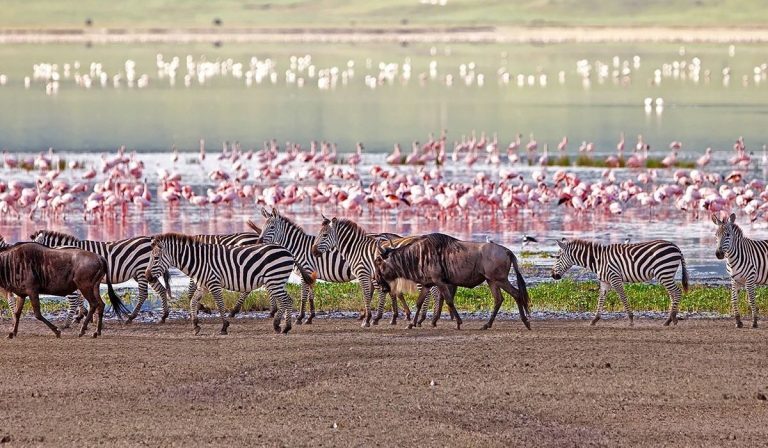
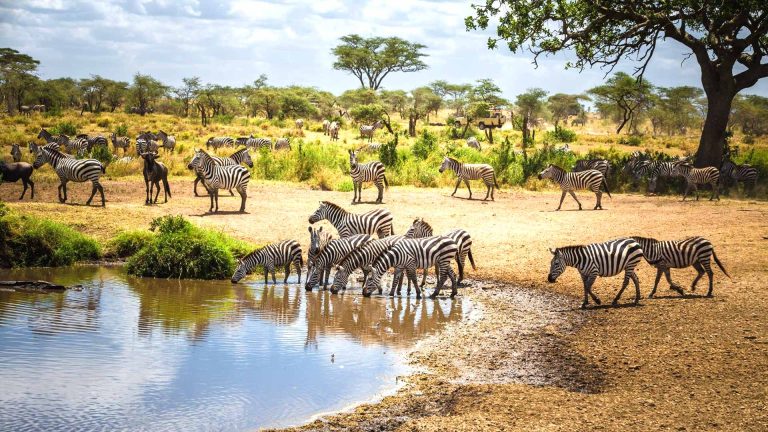
Selecting the right destination is the foundation of a successful African safari with babies and toddlers. Countries like Tanzania, Kenya, and South Africa are top choices due to their established family safari infrastructure, malaria-safe zones in some regions, and excellent wildlife viewing. Parks such as the Serengeti, Ngorongoro Crater, and Tarangire National Park offer incredible game viewing with minimal travel distances between lodges. Many child-friendly safari lodges in Africa provide babysitting services, fenced camps, and flexible meal schedules. Choosing destinations with shorter transfer times reduces stress for young children. A well-planned route also ensures fewer long game drives, allowing toddlers to rest comfortably. Prioritizing accessibility, safety, and medical facilities ensures a smooth and enjoyable African safari holiday with kids from start to finish.
- ArushaGateway
- TarangireElephants
- NgorongoroCrater
- SerengetiBig Five
- ZanzibarBeach
Best Time to Take Babies and Toddlers on Safari
Timing is crucial when planning a safari with babies and toddlers. The best time for an African family safari is during the dry season, typically June to October in East Africa. During this period, wildlife is easier to spot, roads are more accessible, and weather conditions are mild and comfortable for children. Cooler mornings and evenings help prevent heat exhaustion, making game drives more enjoyable. The green season can also be appealing due to fewer crowds and lower prices, but it may involve occasional rain and muddy roads. For families, avoiding extreme heat is essential for infant comfort. Planning around school holidays and choosing predictable weather patterns ensures a smoother experience. A carefully timed trip enhances both safety and the overall enjoyment of a toddler-friendly safari adventure.
Selecting Child-Friendly Safari Lodges and Camps
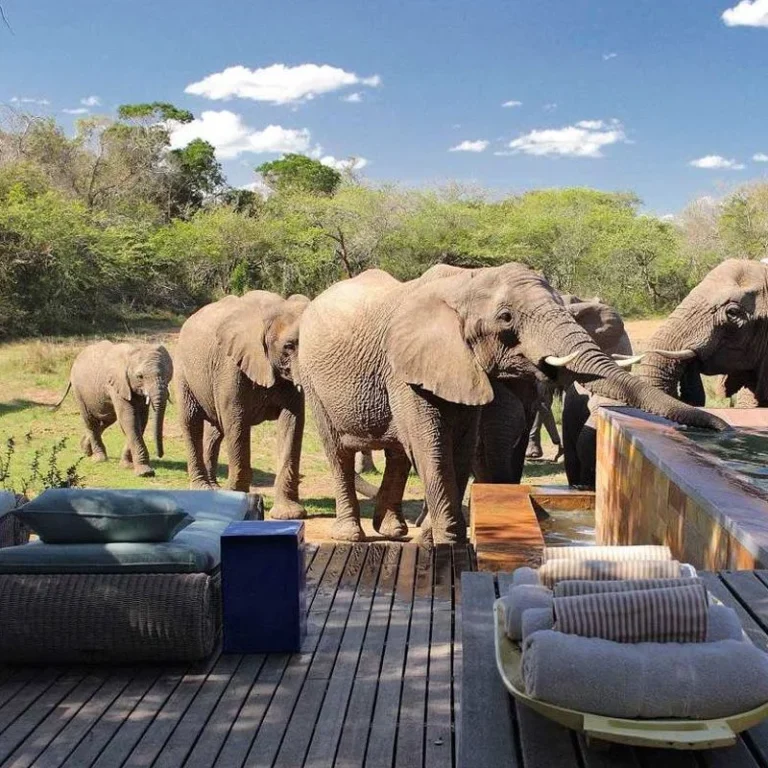
Choosing the right accommodation is essential for a stress-free African safari with children. Many luxury and mid-range lodges now specialize in family-friendly services, offering spacious rooms, private villas, and secure environments. Some even provide kids’ programs, guided nature walks, and cultural activities tailored for toddlers and young children. Lodges near parks like Serengeti and Ngorongoro often offer shorter travel times to game drive areas, reducing fatigue for little ones. Safety features such as fenced camps, trained staff, and in-room childcare options add peace of mind for parents. Family suites and flexible dining times ensure comfort throughout the stay. Selecting accommodations that balance adventure and relaxation is key. A well-chosen lodge transforms the safari into a safe, enjoyable, and memorable family wildlife experience in Africa.
Budget camping & lodges
Affordable, adventurous and close to nature.
Mid-range lodges & tented camps
Comfort, good food and convenient locations.
Luxury tented camps & lodges
Spacious suites, personal service and prime wildlife areas.
Exclusive-use camps & villas
Complete privacy, private guides and bespoke experiences.
Health, Safety, and Medical Preparations
Health and safety are top priorities when traveling on an African safari with babies and toddlers. Parents should consult a pediatrician before traveling to discuss vaccinations, malaria prevention, and general health precautions. In some safari regions, malaria risk management is essential, and insect repellent, protective clothing, and mosquito nets are highly recommended. Carrying a well-stocked first aid kit with infant medications is also important. Many safari lodges are located near medical facilities or have emergency evacuation plans in place. Hydration and sun protection are critical, especially during game drives. Choosing private safari vehicles also allows families to control stops and reduce exposure to harsh conditions. With proper preparation, families can confidently enjoy a safe and secure African wildlife safari experience with children.
Approach, feed or disturb wildlife, or leave the vehicle unless your guide says it is safe.
Follow your guide, carry travel insurance and check current health and travel advice.
Choosing a Private Safari Vehicle for Families
A private safari vehicle is one of the most important elements for families traveling with babies and toddlers. It offers flexibility, comfort, and control over the entire African safari itinerary, allowing parents to stop whenever needed for feeding, diaper changes, or rest. Unlike group tours, private vehicles ensure a quieter, more relaxed environment, which is essential for young children. Safari operators in Tanzania and Kenya often provide customized vehicles with pop-up roofs, shaded seating, and cooler boxes for snacks and drinks. This setup helps maintain comfort during long game drives in parks such as Serengeti National Park or Ngorongoro Crater. Having a dedicated guide also enhances the experience, as they adjust schedules according to the child’s needs, ensuring a smooth and enjoyable family safari adventure in Africa.
Planning Short and Flexible Game Drives
When traveling with babies and toddlers, flexibility is essential in planning game drives. Instead of long, exhausting excursions, families should opt for shorter, more relaxed drives of 2–3 hours. Many African safari tours for families now offer customized schedules that match children’s routines, including nap times and meal breaks. Early morning and late afternoon drives are ideal since animals are most active and temperatures are cooler. Returning to the lodge for rest in between drives helps prevent fatigue and keeps children comfortable. Parks like Tarangire National Park and Serengeti offer excellent wildlife viewing even during short excursions. A flexible approach ensures that the safari remains enjoyable rather than overwhelming, creating a balance between adventure and rest for both parents and young explorers.
Packing Essentials for Babies and Toddlers
Packing properly is vital for a successful African safari with infants and toddlers. Essentials include lightweight clothing, sun hats, sunscreen, insect repellent, diapers, wipes, and baby-safe medications. A portable stroller or baby carrier is highly recommended for lodge areas and short walks. Parents should also carry favorite toys, snacks, and comfort items to keep children calm during travel and game drives. Reusable water bottles and extra clothing layers are important due to changing temperatures between mornings and evenings. Binoculars designed for kids can also make the experience more engaging. Most safari destinations are remote, so bringing enough supplies is essential. Proper packing ensures comfort, convenience, and preparedness throughout the journey, making the family safari experience in Africa smooth and stress-free.
Managing Travel Time and Transfers
Long travel times can be challenging for babies and toddlers, so careful planning is essential. Choosing destinations with short transfer distances, such as flying directly into safari airstrips near Serengeti or Ngorongoro, helps reduce stress. Many luxury African safaris for families include fly-in options that minimize road travel and maximize comfort. If road transfers are necessary, scheduling frequent stops for breaks, feeding, and stretching is important. Vehicles should be equipped with child seats and adequate space for luggage and baby gear. Overnight stays in convenient locations such as Arusha or Karatu can also break up long journeys. Efficient travel planning ensures that children remain comfortable and parents can focus on enjoying the wildlife experience without unnecessary exhaustion or discomfort.
Wildlife Viewing Safety for Young Children
Safety during wildlife viewing is critical when on an African safari with toddlers and babies. Children should always remain inside the vehicle during game drives unless in designated safe areas. Parents must supervise closely and avoid loud noises or sudden movements that may disturb wildlife. Safari guides are trained to maintain safe distances from animals such as elephants, lions, and buffalo. Many lodges provide educational briefings to help families understand wildlife behavior. Using binoculars or cameras allows children to observe animals safely from a distance. Teaching simple safety rules enhances awareness and prevents accidents. With proper guidance and supervision, families can enjoy unforgettable encounters with African wildlife while maintaining a secure and responsible safari experience for young travelers.
Feeding, Napping, and Routine Management
Maintaining a child’s routine is essential during an African safari with babies and toddlers. Feeding times, naps, and bedtime routines should be planned around game drives to ensure comfort and stability. Many safari lodges offer flexible meal schedules and can prepare baby-friendly food upon request. Quiet rest periods between excursions help prevent overstimulation and fatigue. Bringing familiar items such as blankets or toys helps children feel secure in a new environment. Private safari vehicles allow parents to pause activities whenever needed for feeding or soothing. Balancing adventure with rest ensures that toddlers remain happy and engaged throughout the trip. A well-managed routine creates a relaxed atmosphere, making the safari experience enjoyable for both children and parents alike.
Choosing the Right Safari Activities for Kids
Not all safari activities are suitable for babies and toddlers, so selecting the right ones is essential. Short game drives, nature walks around lodges, and cultural village visits are often ideal for families. Some African safari lodges for families offer kid-friendly programs such as wildlife storytelling, animal tracking demonstrations, and craft activities. Boat safaris in certain regions can also be enjoyable if safety conditions are met. Avoiding overly long or intense excursions helps maintain comfort and attention spans. Parents should prioritize experiences that are interactive, educational, and flexible. Activities designed for young children help them engage with nature safely while keeping the trip enjoyable for adults. A well-balanced itinerary ensures a meaningful and memorable family safari adventure in Africa.
Budgeting for a Family Safari with Babies
Planning a budget for an African safari with toddlers and babies depends on the destination, accommodation level, and travel style. Luxury safaris with private vehicles and family suites tend to cost more but offer greater comfort and flexibility. Mid-range options provide a balance between affordability and convenience. Costs typically include park fees, accommodation, transport, and guide services. Fly-in safaris may increase expenses but significantly reduce travel stress for children. Many tour operators offer family packages with discounts for children under certain ages. It is also important to budget for travel insurance, medical needs, and baby essentials. Proper financial planning ensures a smooth experience without unexpected stress, allowing families to fully enjoy the beauty and adventure of an African wildlife safari with kids.
Cultural Experiences for Families
In addition to wildlife, cultural experiences enrich an African safari with children. Visiting local Maasai villages in Tanzania or interacting with community projects introduces toddlers and young children to new cultures safely and engagingly. These experiences often include storytelling, traditional dance, and craft demonstrations that are simple and interactive. Many safari itineraries include short cultural stops that do not overwhelm young travelers. Learning about local traditions helps children develop curiosity and appreciation for diversity. Parents should choose reputable operators that respect communities and promote responsible tourism. Cultural encounters add depth to the safari experience, making it more than just wildlife viewing. It becomes a meaningful family journey filled with learning, connection, and unforgettable memories.
Photography Tips for Family Safari Memories
Capturing memories during an African safari with babies and toddlers is an important part of the journey. Parents should bring lightweight cameras or smartphones with good zoom capabilities to photograph wildlife safely from a distance. Early morning and late afternoon provide the best natural lighting for photos. Including children in wildlife shots creates meaningful family memories that last a lifetime. Many safari guides are experienced in positioning vehicles for optimal photography opportunities. However, safety should always come first over perfect shots. Using burst mode or video can help capture unpredictable moments involving animals or children. Organizing photos into a digital album after the trip helps preserve the experience. A well-documented safari becomes a treasured family story to share for years.
Common Challenges and How to Overcome Them
Traveling on an African safari with toddlers and babies comes with challenges such as long travel times, unpredictable weather, and changing routines. However, most of these can be managed with proper planning. Choosing private safaris reduces stress and allows flexibility. Preparing entertainment such as toys, books, and snacks helps during downtime. Weather conditions can be managed with layered clothing and sun protection. Fatigue can be minimized by balancing activities with rest periods. Working with experienced safari operators ensures smooth logistics and quick solutions to unexpected issues. Understanding that flexibility is key helps parents stay relaxed and adaptable. With the right mindset and preparation, challenges become manageable, allowing families to fully enjoy a safe and rewarding African safari experience with young children.
Final Thought
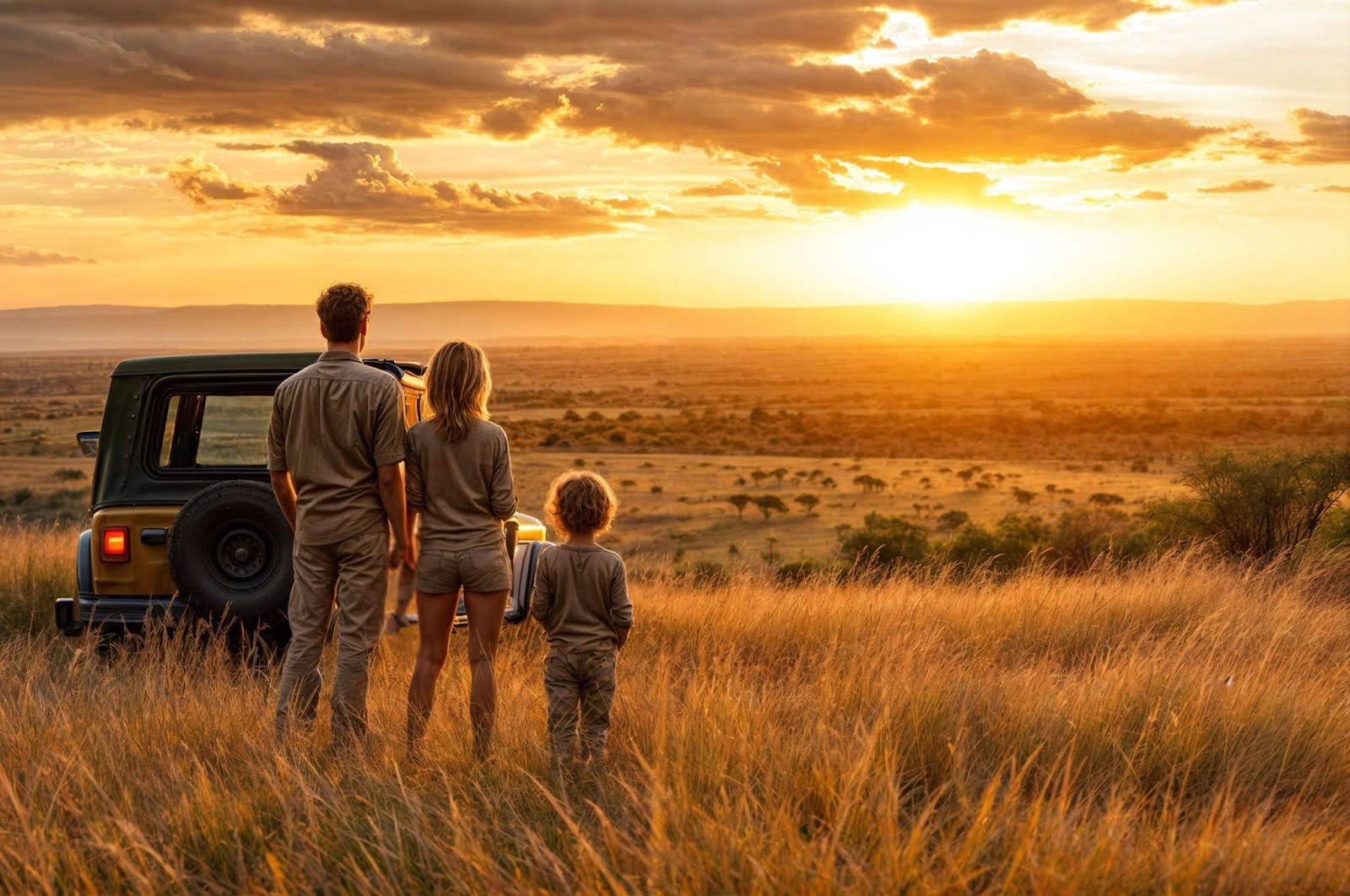
An African safari with babies and toddlers is not only possible but can be an incredibly rewarding family adventure when planned correctly. With the right destination, child-friendly lodges, private transport, and flexible itineraries, parents can safely introduce their children to the wonders of Africa’s wildlife. From the vast plains of the Serengeti to the breathtaking Ngorongoro Crater, every moment becomes a chance for discovery and bonding. Careful attention to safety, comfort, and routine ensures a smooth journey for all ages. While it requires extra preparation, the memories created are priceless. Watching a child’s first encounter with elephants or giraffes makes the effort worthwhile. A well-organized family safari in Africa becomes more than a trip—it becomes a lifelong memory shared.
How to plan a family safari in Africa: safari with kids
Planning a family safari in Africa requires choosing child-friendly safari lodges, safe destinations, and flexible itineraries. Tanzania and Kenya offer excellent family safari packages with exciting wildlife experiences for children. Select shorter game drives, comfortable accommodations, and activities designed for kids. Combining wildlife safaris with cultural visits and beach holidays creates a balanced family adventure. Booking with experienced safari operators ensures safety, comfort, and unforgettable African safari memories for the entire family.
Tips for taking kids on an African safari
Traveling with kids on an African safari becomes easier with proper planning and patience. Choose family-friendly safari camps with swimming pools, child-focused activities, and experienced guides. Pack snacks, sunscreen, binoculars, comfortable clothing, and entertainment for long drives. Schedule shorter game drives and include rest breaks to keep children comfortable. Visiting famous wildlife destinations like the Serengeti National Park gives kids unforgettable opportunities to see lions, elephants, giraffes, and zebras in their natural habitat.
Family Safari Guide: Is an African Safari with Kids Safe?
An African safari with kids can be very safe when planned carefully with trusted safari operators. Family-friendly lodges provide secure accommodations, professional guides, and child-safe safari activities. Parents should follow guide instructions, choose age-appropriate destinations, and avoid risky wildlife encounters. Tanzania’s popular parks like the Ngorongoro Crater offer safe, organized safari experiences for families. Travel insurance, vaccinations, and proper preparation help ensure a smooth and enjoyable safari holiday for children and parents alike.
Would you take your kids on an African safari
Taking kids on an African safari is an incredible way to create lifelong family memories while teaching children about wildlife and nature conservation. African safaris offer exciting adventures, educational experiences, and opportunities to see the Big Five in real life. Family safaris in Tanzania combine comfortable lodges, cultural experiences, and child-friendly activities suitable for all ages. With proper planning and experienced safari guides, children can safely enjoy game drives, nature walks, and unforgettable wildlife encounters across Africa’s spectacular safari landscapes.
Should you take children on an African safari
Children can greatly benefit from an African safari because it combines education, adventure, and family bonding in one unforgettable journey. Safaris help kids appreciate wildlife, nature, and African cultures while enjoying exciting outdoor experiences. Many safari lodges offer special programs for children, including junior ranger activities and storytelling sessions. Choosing the right safari itinerary, accommodations, and travel pace ensures children remain comfortable and engaged. Family safaris create meaningful experiences that inspire curiosity, learning, and unforgettable travel memories for both parents and children.
Five Tips for Taking Your Kids on an African Safari
Successful family safaris begin with careful preparation and child-friendly planning. First, choose destinations with family safari lodges and shorter game drives. Second, pack essential items including snacks, sunscreen, binoculars, and medicines. Third, keep safari schedules flexible to avoid tiring children. Fourth, include fun activities such as cultural visits and swimming breaks. Finally, book with experienced safari operators who understand family travel needs. These simple safari tips help families enjoy safe, exciting, and stress-free wildlife adventures across Africa’s incredible safari destinations.
A guide to taking your family on an African safari
A family safari in Africa offers unforgettable wildlife adventures, cultural experiences, and quality bonding time. Start by selecting safe safari destinations such as Tanzania or Kenya with child-friendly lodges and experienced guides. Choose itineraries with shorter travel times and engaging activities suitable for children of different ages. Many luxury safari camps provide family suites, swimming pools, and educational programs for kids. Combining safari game drives with beach holidays or cultural tours creates a balanced and enjoyable family safari experience across Africa.
The Perfect Itinerary for African Safari with Little Kids
The perfect safari itinerary for little kids should balance wildlife adventures with relaxation and comfort. Choose fewer safari parks to reduce long travel times and include child-friendly lodges with pools and open spaces. Tanzania family safaris often combine Tarangire, Ngorongoro Crater, and Lake Manyara for exciting but manageable game drives. Adding a Zanzibar beach holiday allows children to relax after safari adventures. Flexible schedules, short drives, and fun family activities help young children enjoy African safaris comfortably and safely.
Tips for a safari with a toddler or pre-schooler
Traveling on safari with toddlers or preschoolers requires patience, flexibility, and good preparation. Choose safari lodges that welcome young children and provide family-friendly services. Short morning game drives work best because younger kids may become tired quickly. Pack favorite snacks, toys, lightweight clothing, and comfort items to keep children happy during travel. Avoid overly busy itineraries and include time for rest and play. With proper planning, toddlers and preschoolers can safely enjoy exciting wildlife experiences and family adventures across Africa’s beautiful safari destinations.
tips for taking babies and toddlers on an African safari
Taking babies and toddlers on safari can be rewarding with careful planning and the right safari accommodations. Choose family-friendly lodges offering baby cots, babysitting services, and flexible meal options. Carry baby essentials including diapers, formula, medications, lightweight clothing, and sun protection. Select destinations with shorter transfer times and avoid long game drives. Private safaris are often more comfortable because parents can travel at their own pace. Proper preparation ensures babies and toddlers remain comfortable while families enjoy unforgettable African safari experiences together.
Essential Tips for Taking an African Safari with Kids
A successful African safari with kids depends on preparation, flexibility, and choosing the right safari operator. Select child-friendly safari destinations with safe accommodations and experienced guides. Pack essentials such as insect repellent, sunscreen, hats, snacks, and entertainment for travel days. Keep game drives short and interactive to maintain children’s interest in wildlife viewing. Educational activities, cultural experiences, and beach holidays make safaris more enjoyable for young travelers. Proper planning allows families to safely experience Africa’s incredible wildlife, landscapes, and unforgettable safari adventures together.
African Safari With Kids: What to Know and How to Plan
Planning an African safari with kids requires selecting destinations, lodges, and activities suitable for children. Family-friendly safari tours in Tanzania often include comfortable lodges, flexible schedules, and exciting wildlife encounters. Parents should consider travel times, park regulations, and children’s ages before booking safari packages. Packing essentials such as snacks, cameras, and child-friendly clothing improves comfort during game drives. Combining safari adventures with relaxing beach holidays in Zanzibar creates the perfect balance of excitement and relaxation for families traveling through Africa.
Taking your baby on safari - Everything you need to know
Taking your baby on safari can be a memorable family adventure when planned carefully. Choose safari camps with family rooms, baby-friendly facilities, and private safari options. Parents should carry baby supplies, medications, mosquito protection, and lightweight clothing suitable for warm African climates. Short game drives and flexible schedules help babies remain comfortable during the journey. Many luxury safari lodges in Tanzania provide personalized services for families with infants. Proper preparation allows parents to safely enjoy wildlife adventures while traveling comfortably with their baby.
African Safari with Family: Things You Need to Know Before Taking Your Kids on Safari
Before taking kids on an African safari, families should research child-friendly safari destinations, health requirements, and suitable accommodations. Tanzania offers excellent family safaris with safe lodges, professional guides, and exciting wildlife viewing opportunities. Parents should consider children’s ages, travel pace, and game drive durations when choosing safari itineraries. Travel insurance, vaccinations, and proper packing are important for a smooth safari experience. Combining wildlife adventures with cultural visits and beach relaxation creates unforgettable family memories while exploring Africa’s stunning safari destinations and diverse wildlife.
Guide to Taking Babies and Toddlers on an African Safari: FAQs
What should you know about choosing the right family-friendly safari destination on a Tanzania safari?
Selecting the right destination is the foundation of a successful African safari with babies and toddlers. Countries like Tanzania, Kenya, and South Africa are top choices due to their established family safari infrastructure, malaria-safe zones in some regions, and excellent wildlife viewing. Parks such as the Serengeti, Ngorongoro Crater, and Tarangire National Park offer incredible game viewing with minimal travel distances between lodges.
What are the best time to take babies and toddlers on safari?
Timing is crucial when planning a safari with babies and toddlers. The best time for an African family safari is during the dry season, typically June to October in East Africa. During this period, wildlife is easier to spot, roads are more accessible, and weather conditions are mild and comfortable for children.
What is Selecting Child-Friendly Safari Lodges and Camps like?
Choosing the right accommodation is essential for a stress-free African safari with children. Many luxury and mid-range lodges now specialize in family-friendly services, offering spacious rooms, private villas, and secure environments. Some even provide kids’ programs, guided nature walks, and cultural activities tailored for toddlers and young children.
What should you know about health, safety, and medical Preparations on a Tanzania safari?
Health and safety are top priorities when traveling on an African safari with babies and toddlers. Parents should consult a pediatrician before traveling to discuss vaccinations, malaria prevention, and general health precautions. In some safari regions, malaria risk management is essential, and insect repellent, protective clothing, and mosquito nets are highly recommended.
What should you know about choosing a private safari vehicle for families on a Tanzania safari?
A private safari vehicle is one of the most important elements for families traveling with babies and toddlers. It offers flexibility, comfort, and control over the entire African safari itinerary, allowing parents to stop whenever needed for feeding, diaper changes, or rest. Unlike group tours, private vehicles ensure a quieter, more relaxed environment, which is essential for young children.
What should you know about planning short and flexible game drives on a Tanzania safari?
When traveling with babies and toddlers, flexibility is essential in planning game drives. Instead of long, exhausting excursions, families should opt for shorter, more relaxed drives of 2–3 hours. Many African safari tours for families now offer customized schedules that match children’s routines, including nap times and meal breaks.
What should you know about packing essentials for babies and toddlers ?
Packing properly is vital for a successful African safari with infants and toddlers. Essentials include lightweight clothing, sun hats, sunscreen, insect repellent, diapers, wipes, and baby-safe medications. A portable stroller or baby carrier is highly recommended for lodge areas and short walks. Parents should also carry favorite toys, snacks, and comfort items to keep children calm during travel and game drives.
What should you know about managing travel time and transfers on a Tanzania safari?
Long travel times can be challenging for babies and toddlers, so careful planning is essential. Choosing destinations with short transfer distances, such as flying directly into safari airstrips near Serengeti or Ngorongoro, helps reduce stress. Many luxury African safaris for families include fly-in options that minimize road travel and maximize comfort.
Plan Your Private Tanzania Safari
Tell us your travel dates, interests and budget, and our local team will design a private tailor-made safari around you.