
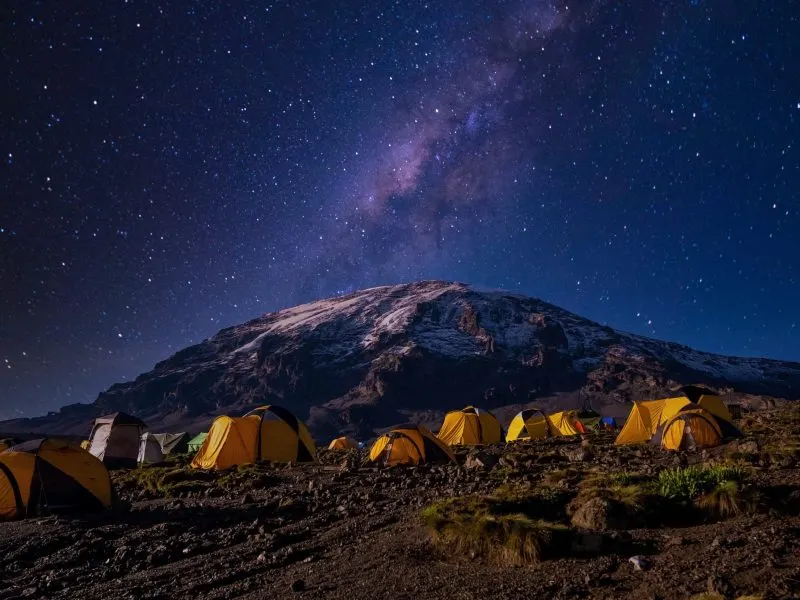
The 6-Day Umbwe route on Kilimanjaro – a detailed day-by-day description Experience the ultimate 6-Day Umbwe …
7-Day Shira Route - High Altitude Kilimanjaro Trail
Discover and experience the 7-Day Shira Route on Mount Kilimanjaro is a scenic, less-crowded trail that offers an unforgettable high-altitude trekking experience for adventure seekers. Starting on the western side of Kilimanjaro National Park, this route begins at a higher elevation, crossing the vast Shira Plateau—one of the oldest volcanic zones on the mountain. Ideal for experienced hikers, the Shira Route provides excellent acclimatization, increasing summit success rates to Uhuru Peak.
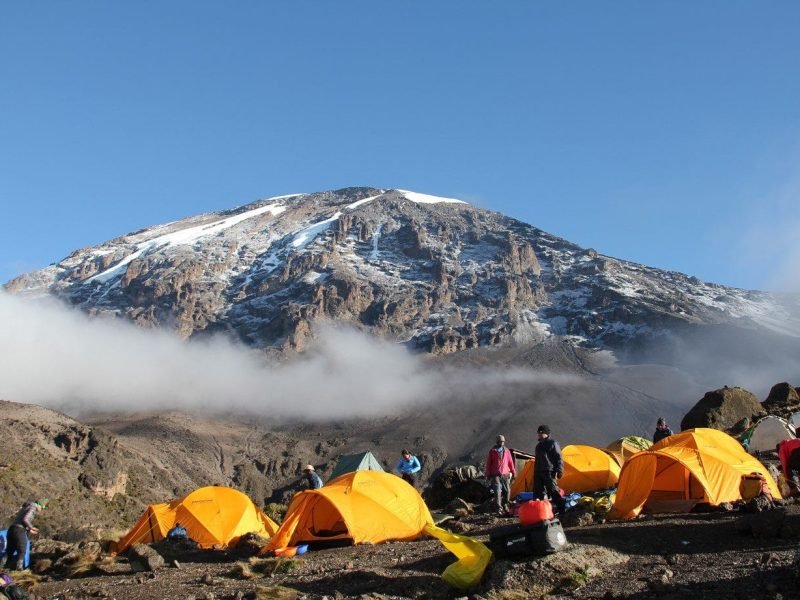
Trekkers enjoy breathtaking landscapes, from lush montane forests to alpine deserts, with panoramic views of glaciers and volcanic formations. The route merges with the Lemosho and Machame trails, offering diverse scenery and gradual ascent profiles. Highlights include Shira Cathedral, Lava Tower, Barranco Wall, and Karanga Valley.
This Kilimanjaro climbing route is perfect for those seeking a premium trekking adventure, with professional guides, porters, and well-organized camps ensuring safety and comfort. The best time to climb is during the dry seasons—January to March and June to October—making it one of the top-rated Kilimanjaro routes for 7-day expeditions.
Shira Route | Mount Kilimanjaro Hiking Safaris full tour Itinerary
The 7-Day Shira Route on Mount Kilimanjaro is one of the most scenic and less crowded trekking routes in Africa, offering a high-altitude start across the Shira Plateau within Kilimanjaro National Park. This route is ideal for trekkers seeking a challenging yet rewarding Kilimanjaro climbing experience with excellent acclimatization opportunities and breathtaking landscapes. The Shira Route begins at a higher elevation compared to other Kilimanjaro routes, providing panoramic views of Mount Meru, volcanic formations, and sweeping alpine deserts. It is often recommended for experienced hikers or those with prior altitude exposure. As part of the best Kilimanjaro trekking itineraries, the Shira Route combines adventure, natural beauty, and high summit success rates when properly paced. This 7-day Kilimanjaro itinerary is designed to maximize acclimatization, scenic exploration, and a safe ascent to Uhuru Peak, the highest point in Africa.
Day 0: Arrival in Tanzania – Kilimanjaro International Airport to Arusha
Upon arrival at Kilimanjaro International Airport, travelers are welcomed to Tanzania, the gateway to Mount Kilimanjaro climbing adventures and world-class safari experiences. You will be transferred to Arusha, the main hub for Kilimanjaro trekking preparation. This day is essential for rest, gear check, and briefing with your professional mountain guide team. You will receive a detailed Kilimanjaro trekking orientation, including safety instructions, altitude sickness prevention, and route overview for the Shira Route. Arusha offers comfortable lodges and hotels where climbers relax before the expedition. This preparation phase ensures you are physically and mentally ready for the demanding yet rewarding Kilimanjaro hiking experience. Final equipment checks, packing adjustments, and itinerary confirmation are completed before the climb begins. An overnight stay in Arusha allows proper acclimatization to Tanzania’s climate and sets the foundation for a successful 7-day Kilimanjaro trekking journey.
Day 1: Londorossi Gate – Shira Ridge – Shira Camp 1
The adventure begins with a drive from Arusha to Londorossi Gate for registration inside Kilimanjaro National Park. After formalities, the trek starts through lush rainforest zones before transitioning into the unique Shira Plateau landscape. This section of the Shira Route offers one of the most dramatic altitude gains in the Kilimanjaro trekking routes. Hikers experience diverse vegetation, volcanic rock formations, and open moorlands with wide mountain views. The trail gradually ascends to Shira Camp 1, located at a high altitude, where climbers rest and acclimatize. This first trekking day is crucial for adapting to thinner air and building endurance for higher elevations. The scenery is less crowded compared to other Kilimanjaro routes, making it ideal for nature photography and peaceful hiking. Overnight camping under the African sky introduces trekkers to the real Mount Kilimanjaro expedition experience.
- Elevation: 3,414 m to 3,500 m
- Distance: 4 km / 2 miles
- Hiking time: 2 hours
- Habitat: Moorland
Day 2: Shira Camp 1 – Shira Cathedral – Shira Camp 2
Day two on the Shira Route is focused on altitude acclimatization and exploration of the Shira Plateau. The trek begins with a gradual ascent toward Shira Cathedral, a volcanic rock formation offering panoramic views of Mount Kilimanjaro and surrounding valleys. This section is a highlight of Kilimanjaro trekking tours due to its surreal alpine desert environment. Hikers continue across the plateau toward Shira Camp 2, passing through vast open landscapes with dramatic skies and unique vegetation zones. The high altitude challenges the body, but the “climb high, sleep low” principle helps improve acclimatization and summit success rates. This is one of the most scenic days of the entire Kilimanjaro Shira Route itinerary, offering unmatched photography opportunities. The evening is spent resting in camp, enjoying warm meals, and preparing for the more demanding ascent ahead on the mountain.
- Elevation: 3,505 m to 3,847 m
- Distance: 6 km / 4 miles
- Hiking time: 4-5 hours
- Habitat: Moorland
Day 3: Shira Camp 2 – Lava Tower – Barranco Valley
This is one of the most important acclimatization days on the 7-day Kilimanjaro Shira Route. The trek ascends toward Lava Tower, a significant volcanic formation and a key altitude training point in Mount Kilimanjaro climbing strategies. The high-altitude hike helps the body adapt to reduced oxygen levels, improving summit performance. After reaching Lava Tower, trekkers descend into Barranco Valley, known for its dramatic scenery and giant Senecio plants. This descent is essential for acclimatization and is a signature feature of smart Kilimanjaro trekking itineraries. The Barranco Camp is one of the most beautiful camping sites on the mountain, surrounded by towering cliffs and alpine landscapes. This day combines endurance, altitude adaptation, and breathtaking scenery, making it a core highlight of the Shira Route experience within Kilimanjaro National Park.
- Elevation: 3,847 m to 4,630 m
- Distance: 8 km / 4 miles
- Hiking time: 4-5 hours
- Habitat: Moorland
Day 4: Barranco Camp – Barranco Wall – Karanga Camp
Day four begins with the famous climb up the Barranco Wall, a thrilling but non-technical scramble that is often considered the most exciting section of the Kilimanjaro trekking experience. Despite its intimidating appearance, it is safe and manageable with guide assistance. From the top, hikers enjoy spectacular views of the southern ice fields and surrounding valleys. The trail continues through ridges and valleys toward Karanga Camp, another important acclimatization stop on the Shira Route itinerary. This day strengthens endurance while gradually preparing the body for summit altitude conditions. The landscape becomes increasingly alpine and barren, highlighting the volcanic nature of Mount Kilimanjaro. Karanga Camp offers a crucial rest point, warm meals, and final hydration before the push toward higher camps. It is a key segment in successful Kilimanjaro summit preparation.
- Elevation: 4,630 m to 3,976 m
- Distance: 3 km / 2 miles
- Hiking time: 2-3 hours
- Habitat: Moorland
Day 5: Karanga Camp – Barafu Camp
On day five, trekkers continue ascending toward Barafu Camp, the final base camp before the summit attempt. The trail becomes steeper and colder as the oxygen levels decrease significantly. This stage of the Kilimanjaro Shira Route is mentally and physically demanding, requiring slow pacing and strong endurance. Barafu Camp is located in a harsh alpine desert environment with minimal vegetation and strong winds. Upon arrival, climbers rest, hydrate, and prepare gear for the midnight summit push to Uhuru Peak. Guides provide final briefings on altitude safety, layering, and timing. Early dinner is served before resting for a few hours. This day is critical in all Kilimanjaro trekking itineraries, as it sets the stage for reaching the highest point in Africa. Proper rest and mental preparation are essential for summit success.
- Elevation: 3,976 m to 3,995 m
- Distance: 5 km / 3 miles
- Hiking time: 4-5 hours
- Habitat: Moorland and alpine desert
Day 6: Barafu Camp – Uhuru Peak – Mweka Camp
Summit day begins just after midnight with a challenging ascent under starlit skies. Trekkers move slowly through steep volcanic scree toward Stella Point on the crater rim. From there, the final push leads to Uhuru Peak, the highest point on Mount Kilimanjaro and Africa’s ultimate summit achievement. This is the most rewarding moment of the entire Kilimanjaro climbing experience. After celebrating and taking photos, trekkers begin the long descent back to Barafu Camp for a short rest, then continue down to Mweka Camp. The descent is physically demanding but faster due to the increase in gravity and oxygen. This day represents the emotional peak of the Shira Route journey, combining endurance, triumph, and unforgettable scenery within Kilimanjaro National Park.
- Elevation: 3,995 m to 4,673 m
- Distance: 4 km / 2 miles
- Hiking time: 3 hours
- Habitat: Alpine desert
Day 7: Mweka Camp – Mweka Gate – Return to Arusha
The final trekking day involves a gentle descent through lush rainforest zones toward Mweka Gate. This section of the Kilimanjaro trekking route is filled with birds, tropical vegetation, and fresh mountain air. At Mweka Gate, climbers receive their summit certificates, marking the successful completion of the Shira Route expedition. The sense of achievement is immense after reaching Uhuru Peak. A transfer vehicle then takes travelers back to Arusha for rest, celebration, and overnight accommodation. This day concludes the physical trekking experience but leaves lasting memories of one of the world’s greatest mountain adventures. The descent also provides time to reflect on the challenges and beauty of the Kilimanjaro climbing journey.
Day 8: Farewell Departure – Tanzania Safari and Kilimanjaro Memories
After breakfast in Arusha, travelers are transferred to Kilimanjaro International Airport for departure. This final day marks the end of an unforgettable 7-day Shira Route Kilimanjaro expedition. Many climbers extend their stay for Tanzania safari adventures in Serengeti, Ngorongoro, or Zanzibar relaxation. The experience of climbing Mount Kilimanjaro remains a lifelong achievement, combining adventure tourism, physical endurance, and natural beauty. From rainforest trails to the icy summit of Uhuru Peak, the journey delivers one of the world’s most iconic trekking experiences. As you depart Tanzania, the memories of Kilimanjaro trekking, breathtaking landscapes, and high-altitude achievement remain unforgettable, making this journey a true bucket-list adventure.
Inclusive & Exclusive
Inclusions 7-Day Shira Route
- 6 nights’ mountain accommodation
- All transportation – airport pick up and drop off included
- All park entrances fees
- Professional English speaking Mountain guide & chef
- Meals according to the itinerary
- Mineral water on all days
- All mentioned activities
- All government taxes Price.
- 18% VAT,
- Government increase entry fees
- Rescue fees
- Pre and post-program accommodation for 2 nights
- Camping equipment ( tent, sleeping bags, mattress, hiking poles, gaters, mess table and chairs)
- Airport Pick up and drop off
- Porterage
Exclusions 7-Day Shira Route
- International flights (from / to home)
- Personal items (souvenirs, travel insurance, visa fees, etc.)
- Tips (from 20 USD per person per day for mountain guide
- Internal flights
- Internal flights
- Tips (from 10 USD per person per day for a porter
- Tips (from 15 USD per person per day for a chef/cook
What to bring 7-Day Shira Route
- Clothes
- A warm sweater as the nights can be chilly at high altitudes.
- Comfortable shoes
What is the 7-Day Shira Route on Mount Kilimanjaro
The 7-Day Shira Route on Mount Kilimanjaro is a scenic trekking path that begins on the western side of Africa’s highest peak, crossing the famous Shira Plateau before joining the Southern Circuit toward Uhuru Peak (5,895m). It is one of the lesser-used Kilimanjaro climbing routes, known for its dramatic high-altitude start and wide-open volcanic landscapes. Unlike forest-based routes, Shira begins at around 3,400–3,600 meters, offering immediate alpine scenery. The 7-day itinerary is designed to improve acclimatization, increasing the Kilimanjaro summit success rate compared to shorter versions. Trekkers experience moorlands, alpine deserts, and glacial zones, making it a full Kilimanjaro trekking adventure. However, its high starting elevation makes it more suitable for experienced hikers or those with prior altitude exposure.
Is the Shira Route good for beginners
The Shira Route is generally not recommended for beginners because it starts at a very high altitude, which increases the risk of altitude sickness on Mount Kilimanjaro. Most Kilimanjaro trekking experts suggest routes like Machame or Marangu for first-timers due to their gradual ascent. Shira begins above 3,400 meters, meaning climbers skip the important low-altitude acclimatization zones. While the 7-day Shira itinerary improves safety compared to the 6-day option, it still demands strong fitness and prior hiking experience. Beginners may struggle with early symptoms such as headaches, fatigue, and breathlessness. However, fit and well-prepared first-time trekkers with proper training can still attempt it if guided by experienced Kilimanjaro tour operators. Overall, it is considered a moderate-to-difficult Kilimanjaro route rather than a beginner-friendly climb.
How difficult is the 7-Day Shira Route
The 7-Day Shira Route difficulty level is moderate to challenging, mainly due to its high starting elevation and rapid altitude gain. Although the terrain itself is not technical, the physical strain comes from reduced oxygen levels early in the trek. Climbers traverse long distances across the Shira Plateau, Barranco Wall, and alpine desert zones, requiring stamina and mental endurance. The 7-day itinerary helps reduce pressure compared to shorter climbs, but altitude remains the main challenge. Trekkers must maintain a slow “pole pole” pace, a key Kilimanjaro trekking principle. Fitness training, including hiking and cardio preparation, is strongly advised. While no climbing skills are needed, the combination of altitude exposure, long summit night, and changing weather conditions makes this one of the tougher Kilimanjaro climbing routes.
What is the success rate of the Shira Route
The Shira Route summit success rate varies depending on itinerary length, with the 7-day version performing better than the shorter 6-day climb. On average, the 7-day Shira Route has a success rate of about 70% to 80%, mainly due to improved acclimatization. Shorter versions can drop significantly because climbers ascend too quickly without enough time to adjust to altitude. Success depends heavily on fitness, hydration, guide support, and proper pacing. Compared to more popular Kilimanjaro routes like Lemosho or Machame, Shira is slightly less successful due to its high starting point. However, when properly paced and supported by experienced guides, many trekkers still reach Uhuru Peak successfully via the Shira Route Kilimanjaro climb.
What is the best time to climb the Shira Route
The best time to climb the Shira Route on Kilimanjaro is during the dry seasons: January to March and June to October. These months offer the clearest skies, stable weather, and safer trekking conditions. June to October is the most popular period for Kilimanjaro trekking because visibility is excellent and rainfall is minimal. January to March is slightly warmer but still ideal for summit attempts. During rainy seasons (April–May and November), trails become muddy and visibility is reduced, making high-altitude trekking more difficult. Since the Shira Route crosses exposed plateaus and alpine zones, dry weather significantly improves safety and comfort. Choosing the right season increases your Kilimanjaro summit success rate and overall trekking experience.
How long does it take to climb Kilimanjaro via the Shira Route
It takes 7 days to climb Mount Kilimanjaro via the Shira Route, although some variations exist with 6 or 8 days. The 7-day itinerary is considered the best balance between acclimatization and time efficiency. The trek covers approximately 56 kilometers (35 miles) from Shira Gate to Uhuru Peak and back through Mweka Gate. Each day involves gradual altitude gain through moorland, alpine desert, and glacial zones. The final summit push begins at midnight on day six or seven, reaching Uhuru Peak at sunrise. The descent takes one full day. Compared to other Kilimanjaro climbing routes, Shira is relatively short in distance but challenging due to altitude exposure. Proper pacing is essential to ensure a successful and safe ascent.
What makes the Shira Route different from other Kilimanjaro routes
The Shira Route is unique among Kilimanjaro trekking routes because it starts at a very high altitude plateau instead of the rainforest zone. This gives trekkers immediate access to alpine landscapes and panoramic views. Unlike routes such as Machame or Marangu, Shira skips the lower ecological zones, reducing time in forests but increasing altitude challenges. It also merges with the Lemosho and Southern Circuit routes, allowing climbers to experience iconic sections like Barranco Wall and Lava Tower. Its remote western approach makes it less crowded, offering a more isolated wilderness experience. However, its high starting point increases altitude sickness risk, making it less popular despite its beauty. It is best known as a scenic but demanding Kilimanjaro route.
Do I need a guide for the Shira Route
Yes, a licensed mountain guide is mandatory for the Shira Route and all Kilimanjaro climbs. Tanzania National Park regulations require all climbers to be accompanied by certified guides, porters, and support staff. The Shira Route involves high-altitude navigation, unpredictable weather, and medical risks such as altitude sickness, making professional guidance essential. Experienced Kilimanjaro guides monitor your health, manage pacing, and ensure safe acclimatization strategies like “climb high, sleep low.” They also handle logistics, camping setup, and emergency situations. Without a guide, climbing is illegal and extremely dangerous. Choosing a reputable Kilimanjaro tour operator significantly increases your chances of reaching Uhuru Peak safely and successfully via the Shira Route Kilimanjaro trek.
What kind of scenery will I see on the Shira Route
The Shira Route offers some of the most dramatic and diverse scenery on Mount Kilimanjaro. Trekkers begin on the vast Shira Plateau, a volcanic landscape with sweeping views of the mountain’s western slopes. As the climb continues, the terrain shifts from moorlands filled with giant lobelias to stark alpine deserts. The route also provides panoramic views of Kibo Peak and dramatic cloud formations. Wildlife sightings are rare but possible in lower sections. As altitude increases, glaciers and ice fields become visible near the summit zone. This combination of ecosystems makes the Shira Route one of the most visually rewarding Kilimanjaro trekking experiences, especially for photographers and adventure travelers seeking untouched natural beauty.
What is the summit point on Kilimanjaro
The summit point of Mount Kilimanjaro is Uhuru Peak, located at 5,895 meters (19,341 feet) above sea level. It is the highest point in Africa and the ultimate goal of all Kilimanjaro climbing routes, including the Shira Route. Reaching Uhuru Peak requires a nighttime ascent from Barafu Camp, often in freezing temperatures and low oxygen conditions. Climbers typically arrive at sunrise, enjoying panoramic views over the African continent and glaciers near the crater rim. The summit represents the final achievement after days of trekking through diverse ecological zones. Standing at Uhuru Peak is considered one of the world’s greatest trekking accomplishments and a highlight of any Kilimanjaro expedition.
How should I prepare for the Shira Route trek
Preparation for the Shira Route Kilimanjaro climb should focus on physical fitness, altitude readiness, and mental endurance. Training should include hiking with elevation gain, cardio exercises, and strength conditioning for at least 8–12 weeks before the trek. Acclimatization knowledge is essential since the route starts at high altitude. Climbers should also practice slow-paced walking (“pole pole”) and hydration habits. Mental preparation is equally important due to long trekking days and summit night challenges. Booking with experienced Kilimanjaro guides improves safety and success. Proper gear preparation, including layered clothing and trekking boots, is also critical. Well-prepared climbers significantly increase their Kilimanjaro summit success rate on the Shira Route.
Is altitude sickness a risk on the Shira Route
Yes, altitude sickness is a major risk on the Shira Route due to its high starting elevation. Since trekkers begin above 3,400 meters, the body has less time to adjust gradually to reduced oxygen levels. Symptoms may include headache, nausea, fatigue, and dizziness. The risk is higher compared to lower-start routes like Marangu or Machame. The 7-day itinerary helps reduce severity by allowing acclimatization days such as the “climb high, sleep low” approach. Proper hydration, slow pacing, and rest are essential prevention methods. Guides also monitor climbers closely for symptoms. In severe cases, descent is required for safety. Altitude awareness is crucial for anyone attempting this Kilimanjaro trekking route.
What to pack for Shira Route on Kilimanjaro?
Packing for the Shira Route Kilimanjaro trek requires careful attention to layering and high-altitude conditions. Essential items include waterproof hiking boots, thermal base layers, insulated jackets, gloves, hats, and trekking pants. A quality sleeping bag rated for sub-zero temperatures is critical. Other gear includes a daypack, hydration system, sunglasses, sunscreen, and trekking poles. Snacks and energy foods help maintain stamina during long hiking days. Personal medication for altitude sickness may also be recommended. Since weather changes rapidly on Kilimanjaro, layered clothing is key. Proper packing ensures comfort, safety, and improved performance throughout the 7-day Shira Route climbing experience.
What is success rate of 7-Day on Shira Route on Kilimanjaro?
The 7-day Shira Route success rate on Kilimanjaro is generally estimated between 70% and 80%, depending on weather, fitness level, and guide quality. This is significantly higher than shorter versions because the extra day allows better acclimatization. The main factor affecting success is altitude exposure at the start, which can still challenge climbers early in the trek. Compared to other Kilimanjaro routes like Lemosho or Machame, Shira has a slightly lower success rate but remains a viable option for experienced trekkers. Proper pacing, hydration, and professional guiding significantly improve summit outcomes. Overall, the 7-day itinerary is considered the most reliable version of the Shira Route for reaching Uhuru Peak successfully.
How much does a 7-Day Shira Route on Mount Kilimanjaro cost
The cost of a 7-Day Shira Route on Mount Kilimanjaro typically ranges from $2,000 to $4,500 per person, depending on the tour operator, level of service, and group size. Budget Kilimanjaro trekking packages are usually closer to the lower end, while luxury Kilimanjaro climbs with premium camping equipment, professional guides, private toilet tents, and higher staff-to-climber ratios fall into the higher price range. The price generally includes park fees, rescue fees, camping fees, guide and porter salaries, meals, transport from Arusha or Moshi, and safety equipment. However, international flights, travel insurance, tips for guides and porters, and personal trekking gear are not included. Because Kilimanjaro climbing is strictly regulated by the Kilimanjaro National Park Authority, costs remain relatively consistent across licensed operators. Choosing a reputable and ethical Kilimanjaro tour company is essential for safety, success rate, and a responsible trekking experience.
Request Safari Quote
Mount Kilimanjaro Climbing Tours
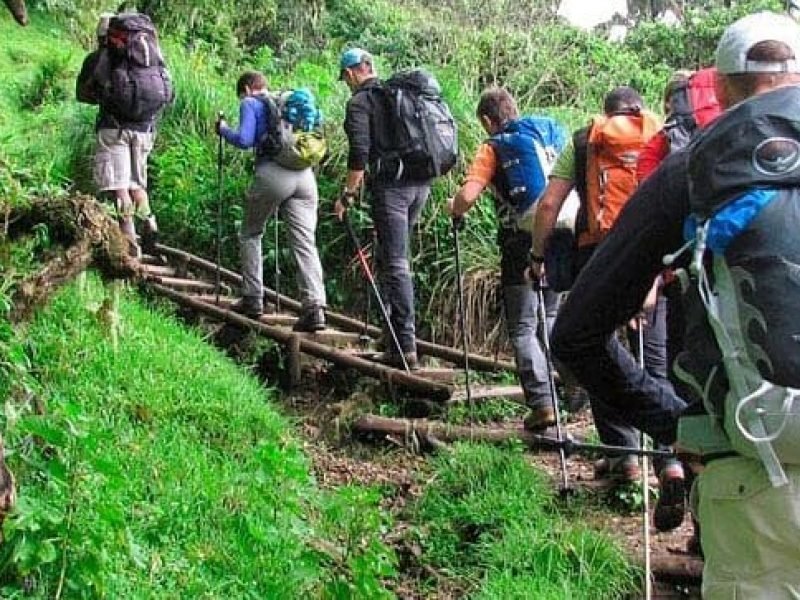
1-Day Kilimanjaro Climb via Machame Route (with Reviews) It involves going up to the first camp, …
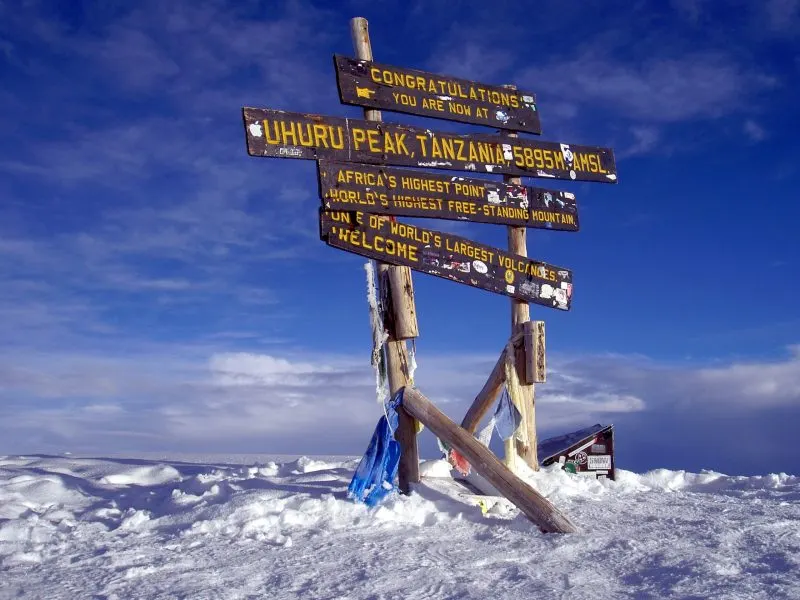
6-Day Machame Route Kilimanjaro – 95% Summit Success Rates Discover the ultimate 6-Day Machame Route Kilimanjaro …
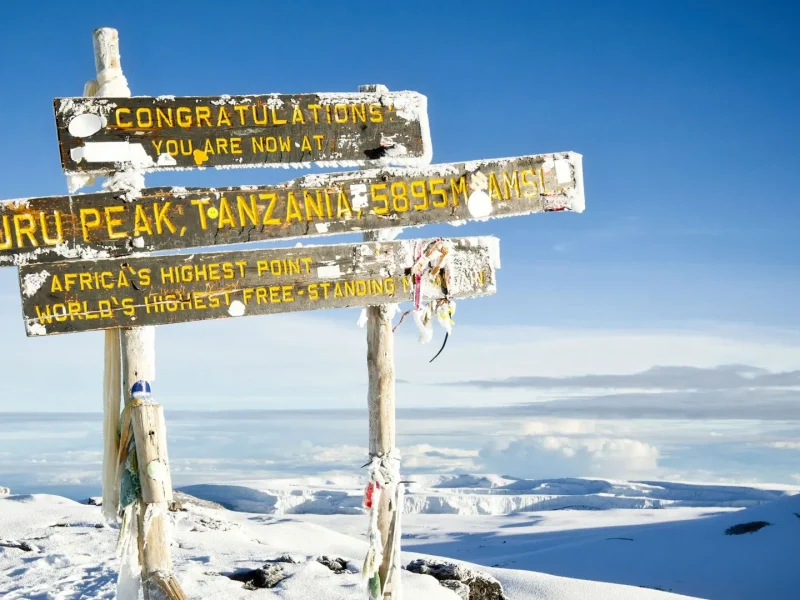
Marangu Route 6-day Itinerary, Prices & Dates The 6-day Marangu Route on Mount Kilimanjaro is one …
7-Day Machame Route: Compare the best of Kilimanjaro Tours Experience and discover the ultimate 7-Day Machame …
8-Day Lemosho Route Kilimanjaro & Success Rates Experience and discover the ultimate 8-Day Lemosho Route on …
7-Day Rongai Route – A Remote and Scenic Trek to Kilimanjaro’s Summit Embark on a mesmerizing …
Umbwe Route 7-Day | Challenging Kilimanjaro Climb Experience, discover, and book the ultimate 7-Day Umbwe Route …