How long does it take to Climb Mount Meru
How long does it take to Climb Mount Meru
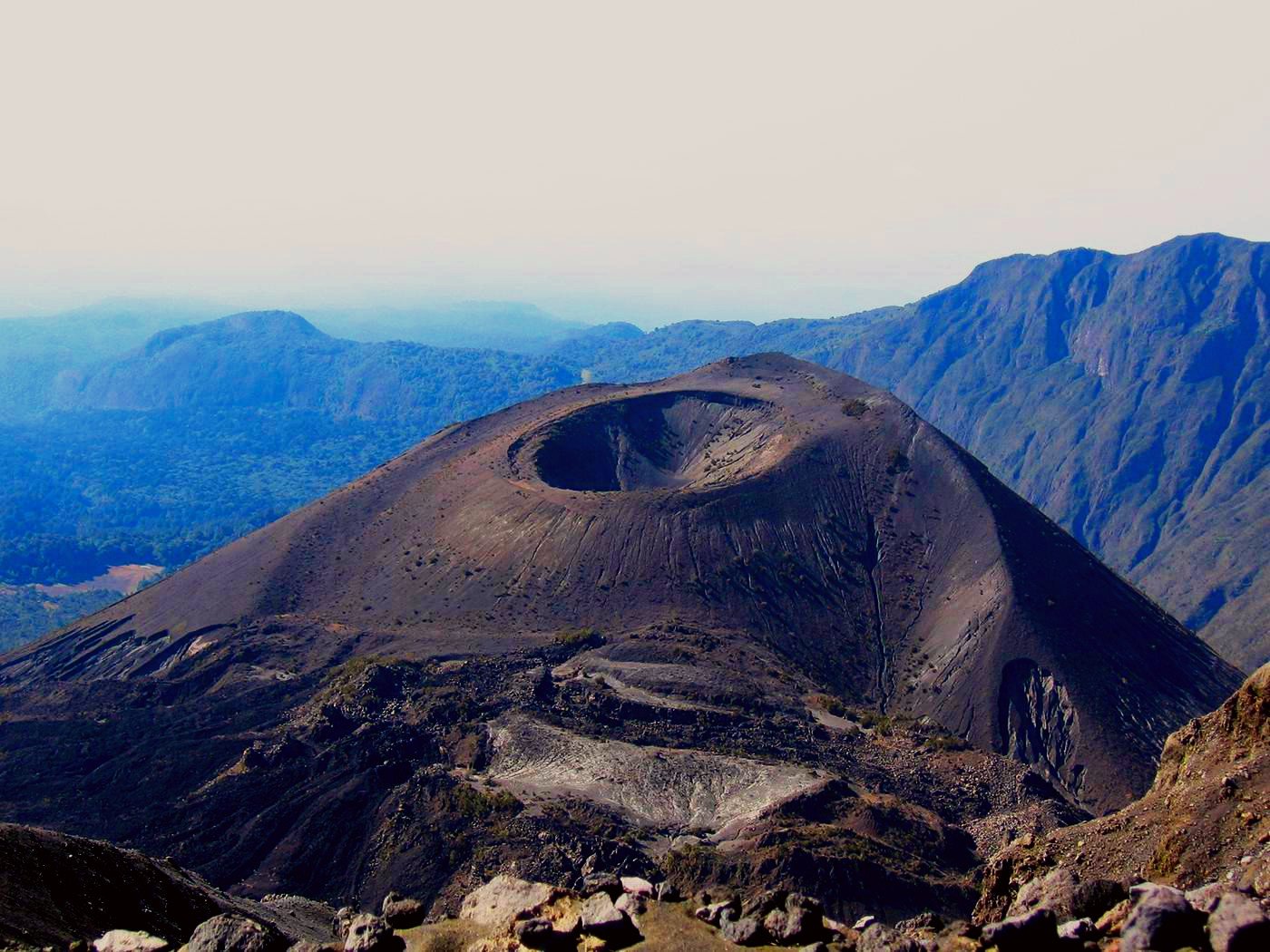
Climbing Mount Meru is one of Tanzania’s best-kept safari and trekking secrets, offering breathtaking scenery, rich wildlife encounters, and a rewarding summit experience. Located within Arusha National Park, this dormant volcano stands at 4,566 meters, making it the second-highest mountain in Tanzania after Mount Kilimanjaro. A common question among travelers is: How long does it take to climb Mount Meru? The answer typically ranges from 3 to 4 days, depending on the itinerary, fitness level, and acclimatization needs. This scenic trek is ideal for adventure seekers, wildlife lovers, and those preparing for Kilimanjaro. With its lush forests, dramatic crater, and fewer crowds, Mount Meru offers a perfect blend of challenge and tranquility for an unforgettable African hiking experience.
Standard Duration of Mount Meru Climb
The standard duration to climb Mount Meru is 3 to 4 days, making it one of the best short trekking adventures in Tanzania. Most itineraries follow a 4-day plan, allowing for proper acclimatization and a more enjoyable hiking pace. The extra day significantly increases summit success rates and enhances safety. A 3-day climb is possible but is more physically demanding and suited for experienced hikers. Compared to Mount Kilimanjaro, Meru is shorter but still challenging due to steep ascents and altitude gain. The trek covers diverse terrain, from rainforest to alpine desert. Choosing the right duration depends on your fitness, experience, and schedule. For most travelers, the 4-day Mount Meru itinerary offers the perfect balance between adventure, comfort, and breathtaking scenery.
Day-by-Day Climbing Itinerary
A typical Mount Meru climb follows a structured itinerary designed for safety and enjoyment. Day 1 begins at Momella Gate, trekking through forests rich in wildlife within Arusha National Park, reaching Miriakamba Hut. Day 2 continues to Saddle Hut, offering incredible views of the Meru Crater and Mount Kilimanjaro. Day 3 is summit day, starting at midnight, reaching Socialist Peak at sunrise. Climbers descend back to Miriakamba Hut the same day. Day 4 involves a final descent to the park gate. This itinerary ensures gradual altitude gain and maximizes acclimatization. Each day presents unique landscapes and wildlife encounters, making the journey as rewarding as the summit itself. The structured plan is ideal for both beginner and intermediate trekkers.
- ArushaGateway
- TarangireElephants
- NgorongoroCrater
- SerengetiBig Five
- ZanzibarBeach
Why 4 Days is Recommended: How Long Does It Take To Climb Mount Meru
A 4-day Mount Meru climb is widely recommended for safety, comfort, and success. The additional day allows better acclimatization, reducing the risk of altitude sickness—a common concern on high-altitude treks. Compared to rushing a 3-day climb, the 4-day itinerary provides time to rest, enjoy scenery, and adapt to the changing altitude. Many trekkers use Mount Meru as preparation for Mount Kilimanjaro, making acclimatization even more important. The extra day also enhances the overall experience, allowing hikers to fully appreciate wildlife, landscapes, and panoramic views. Choosing a longer itinerary significantly improves summit success rates while ensuring a safer and more enjoyable adventure. For most climbers, 4 days is the optimal duration.
Can You Climb Mount Meru in 3 Days?
Yes, it is possible to climb Mount Meru in 3 days, but it is a more intense and physically demanding option. This shorter itinerary compresses trekking stages, requiring longer hiking hours and quicker altitude gain. While suitable for experienced hikers with good fitness levels, it increases the risk of fatigue and altitude-related issues. Unlike the gradual pace of a 4-day trek, the 3-day climb leaves little time for acclimatization. However, for travelers with limited time, it offers a fast-paced adventure through Arusha National Park. Proper preparation, hydration, and guidance are essential. If you’re seeking comfort and higher success rates, the longer itinerary remains the better choice for most climbers.
Difficulty Level and Its Impact on Duration
Mount Meru is considered a moderately challenging trek, which directly influences how long it takes to complete. The steep trails, high altitude, and summit ridge require endurance and mental strength. Climbers encounter varied terrain, from lush forest to rocky alpine zones. The final ascent to Socialist Peak is particularly demanding, with narrow ridges and early morning conditions. Compared to Mount Kilimanjaro, Meru is shorter but technically more varied. This difficulty makes a 4-day itinerary more practical, allowing climbers to pace themselves effectively. Fitness level, hiking experience, and altitude tolerance all play a role in determining the ideal duration. Proper preparation ensures a safer and more enjoyable climb.
Acclimatization and Altitude Considerations
Acclimatization is a key factor in determining how long it takes to climb Mount Meru. At 4,566 meters, altitude sickness can affect climbers if they ascend too quickly. A 4-day itinerary allows gradual altitude gain, giving the body time to adjust. Symptoms like headaches and fatigue are common if acclimatization is rushed. Many climbers use Mount Meru as a warm-up for Mount Kilimanjaro, as it helps the body adapt to high elevations. Staying hydrated, maintaining a steady pace, and following your guide’s advice are essential. Proper acclimatization not only improves comfort but also increases summit success rates, making the climb safer and more enjoyable for all trekkers.
Best Time to Climb Mount Meru: How Long Does It Take To Climb Mount Meru
The best time to climb Mount Meru significantly affects your trekking duration and experience. The dry seasons—from June to October and December to February—offer the most favorable conditions, with clear skies and stable trails. During these months, climbers can enjoy stunning views of Mount Kilimanjaro from the summit. Rainy seasons can make trails slippery and slow progress, potentially extending trekking time. Weather conditions also impact visibility and overall comfort. Choosing the right season ensures a smoother climb, better photography opportunities, and safer trekking conditions. Planning your climb during optimal months helps maximize enjoyment and reduces unexpected delays.
Wildlife Encounters Along the Route
One unique aspect of climbing Mount Meru is the chance to encounter wildlife, especially in the lower slopes of Arusha National Park. Trekkers may see giraffes, buffalo, monkeys, and various bird species along the trail. Because of these wildlife encounters, an armed ranger accompanies climbers, ensuring safety throughout the journey. These experiences can slightly influence trekking pace, as hikers often pause to observe animals and take photos. Unlike other mountains, Mount Meru combines trekking with a safari-like experience, making it truly unique. These encounters enrich the climb, adding excitement and memorable moments that go beyond the summit.
Fitness Level and Preparation
Your fitness level plays a crucial role in determining how long it takes to climb Mount Meru. While the trek is achievable for most people, good physical preparation enhances comfort and success. Cardiovascular endurance, leg strength, and mental resilience are essential. Training with hikes, cardio workouts, and altitude exposure can improve performance. Climbers preparing for Mount Kilimanjaro often choose Mount Meru as a practice trek. Being physically prepared allows you to maintain a steady pace and recover faster, making the climb more enjoyable. Adequate preparation ensures you can handle the demands of the trek without unnecessary strain or fatigue.
Role of Guides and Support Crew
Climbing Mount Meru requires the assistance of professional guides and an armed ranger, ensuring safety and navigation. Guides play a key role in pacing the trek, monitoring health, and providing valuable insights about the environment. Their experience helps determine the optimal duration for your climb, whether 3 or 4 days. Support crews handle logistics, including meals and accommodation at huts within Arusha National Park. Having a knowledgeable team enhances safety, comfort, and overall experience. Their expertise ensures climbers follow the best route and acclimatization schedule, increasing the likelihood of reaching the summit successfully.
Accommodation on Mount Meru
Unlike Mount Kilimanjaro, Mount Meru offers hut accommodation, which influences the climbing duration and comfort level. Climbers stay at Miriakamba Hut and Saddle Hut, both equipped with basic facilities. These huts provide shelter, beds, and communal dining areas, making the trek more comfortable compared to camping. Staying in huts allows for better rest and recovery, which is especially important for summit day. The availability of accommodation simplifies logistics and contributes to a smoother trekking experience. This setup makes Mount Meru an excellent option for those seeking a balance between adventure and comfort.
Budget camping & lodges
Affordable, adventurous and close to nature.
Mid-range lodges & tented camps
Comfort, good food and convenient locations.
Luxury tented camps & lodges
Spacious suites, personal service and prime wildlife areas.
Exclusive-use camps & villas
Complete privacy, private guides and bespoke experiences.
Summit Day Experience
Summit day on Mount Meru is the most challenging and rewarding part of the climb. Trekkers begin the ascent around midnight from Saddle Hut, aiming to reach Socialist Peak at sunrise. The climb involves steep slopes and a narrow ridge, requiring focus and determination. The breathtaking sunrise views over Mount Kilimanjaro are unforgettable. After reaching the summit, climbers descend back to Miriakamba Hut. This long day significantly influences the overall duration of the trek. Despite the challenge, the sense of achievement and panoramic views make it a highlight of the Mount Meru experience.
Comparing Mount Meru and Kilimanjaro Duration
Mount Meru takes 3 to 4 days to climb, while Mount Kilimanjaro typically requires 5 to 9 days, depending on the route. While Kilimanjaro is taller, Mount Meru offers a more compact yet equally scenic adventure. Many climbers choose Meru as a warm-up trek before attempting Kilimanjaro. The shorter duration makes it ideal for travelers with limited time. Despite being shorter, Meru provides diverse landscapes and challenging sections. Comparing both mountains highlights the importance of choosing the right trek based on time, fitness, and experience level.
Cost and Time Efficiency
Mount Meru is often more cost-effective and time-efficient compared to longer treks like Mount Kilimanjaro. With a duration of 3 to 4 days, it requires fewer resources, making it a budget-friendly option for adventure travelers. The shorter itinerary also fits well into tight travel schedules, allowing visitors to combine trekking with safari experiences in Arusha National Park. Despite the lower cost, the experience remains rich in scenery and adventure. This balance of affordability and quality makes Mount Meru a popular choice among trekkers.
- Accommodation
- Meals
- Park fees
- Vehicle & guide
- Transfers
- International flights
- Visas
- Travel insurance
- Tips
- Premium drinks
Is Mount Meru Worth the Time?
Absolutely—Mount Meru is worth every moment. Its manageable duration, stunning landscapes, and unique wildlife encounters make it one of Tanzania’s top trekking destinations. The climb offers a perfect mix of challenge and accessibility, appealing to both beginners and experienced hikers. With fewer crowds than Mount Kilimanjaro, it provides a more peaceful and immersive experience. Whether as a standalone adventure or preparation for Kilimanjaro, Mount Meru delivers exceptional value. The time invested in this climb rewards trekkers with unforgettable memories and breathtaking views.
Final Thought: How Long Does It Take To Climb Mount Meru
Climbing Mount Meru typically takes 3 to 4 days, depending on your chosen itinerary, fitness level, and acclimatization needs. While a 3-day climb is possible, the 4-day option is highly recommended for safety and enjoyment. Located in Arusha National Park, this trek offers a unique blend of wildlife, scenic beauty, and high-altitude adventure. Whether you’re preparing for Mount Kilimanjaro or seeking a standalone trek, Mount Meru is an excellent choice. Its shorter duration, combined with incredible experiences, makes it one of Tanzania’s most rewarding climbs.
How long does it take to Climb Mount Meru: FAQs
How many days does it take to climb Mount Meru?
The standard Mount Meru climb duration is typically 4 days, making it one of the most accessible high-altitude treks in East Africa. Most guided Mount Meru trekking itineraries are designed to allow gradual acclimatization while maximizing summit success rates. The journey begins in Arusha National Park and ascends through lush forest, moorland, and alpine desert zones before reaching Socialist Peak (4,566 meters).
Is a 3-day Mount Meru climb possible?
Yes, a 3-day Mount Meru climb is possible, but it is generally recommended only for experienced hikers with strong fitness levels and prior altitude exposure. This shorter Mount Meru trekking itinerary compresses the ascent and descent, reducing acclimatization time and increasing physical demands. While some adventure travelers prefer this fast-paced option, it comes with higher risks of altitude sickness and fatigue.
Why is 4 days recommended for climbing Mount Meru?
A 4-day Mount Meru climb is widely recommended because it offers optimal acclimatization, safety, and enjoyment. The extra day allows trekkers to gradually adjust to altitude, reducing the risk of altitude sickness while improving summit success rates. Starting in Arusha National Park, climbers move through diverse ecological zones at a comfortable pace, with overnight stays at Miriakamba Hut and Saddle Hut.
How does Mount Meru compare to Mount Kilimanjaro in duration?
When comparing Mount Meru to Mount Kilimanjaro, the biggest difference is duration. Mount Meru typically takes 3 to 4 days to climb, while Kilimanjaro requires 5 to 9 days depending on the route. This makes Mount Meru an excellent short trekking option or acclimatization climb before tackling Africa’s highest peak. Both mountains offer stunning scenery, but Meru’s routes within Arusha National Park provide more wildlife encounters.
Does fitness level affect how long it takes to climb Mount Meru?
Fitness level plays a significant role in determining how long it takes to climb Mount Meru. While the standard itinerary is 4 days, highly fit and experienced trekkers may complete the climb in 3 days. However, strong physical condition does not eliminate the need for acclimatization, as altitude affects everyone differently. Climbers must be prepared for steep trails, long hiking hours, and the challenging summit ascent.
Can weather affect the duration of the Mount Meru climb?
Weather conditions can significantly impact the duration of a Mount Meru climb. Located in Arusha National Park, the mountain experiences varying climates, from tropical rainforest at the base to cold alpine conditions near the summit. Heavy rain can slow progress on forest trails, while strong winds and low temperatures can make summit night more challenging. During the rainy seasons, trekkers may require extra time or adjustments to their itinerary.
Is acclimatization important for the Mount Meru climb duration?
Acclimatization is crucial when determining how long it takes to climb Mount Meru. Although the mountain is lower than Mount Kilimanjaro, it still reaches 4,566 meters, where altitude sickness can occur. A 4-day itinerary provides better acclimatization, allowing the body to adjust gradually to decreasing oxygen levels. Skipping proper acclimatization by choosing a shorter climb can increase risks and reduce summit success rates.
What is the summit day like on Mount Meru?
Summit day on Mount Meru is the most challenging and rewarding part of the climb. Trekkers typically begin around midnight from Saddle Hut, ascending steep ridges under the stars toward Socialist Peak. The route follows a narrow crater rim, offering breathtaking views of Mount Kilimanjaro at sunrise. The climb is physically demanding, requiring endurance, balance, and mental determination.
Are there rest stops during the Mount Meru climb?
Yes, there are well-structured rest stops during the Mount Meru climb, making the journey more manageable and enjoyable. Trekkers stay at designated huts within Arusha National Park, including Miriakamba Hut and Saddle Hut. These stops provide essential breaks for meals, hydration, and acclimatization. During daily hikes, guides also schedule short rest pauses to maintain energy levels and monitor climbers’ health.
Is Mount Meru a good preparation for Kilimanjaro?
Climbing Mount Meru is widely considered one of the best preparations for Mount Kilimanjaro. The trek offers similar altitude challenges, trekking conditions, and physical demands, but within a shorter timeframe. This makes it ideal for acclimatization and building confidence before attempting Kilimanjaro. Located in Arusha National Park, Meru also provides a quieter, less crowded environment for training.
Plan Your Private Tanzania Safari
Tell us your travel dates, interests and budget, and our local team will design a private tailor-made safari around you.