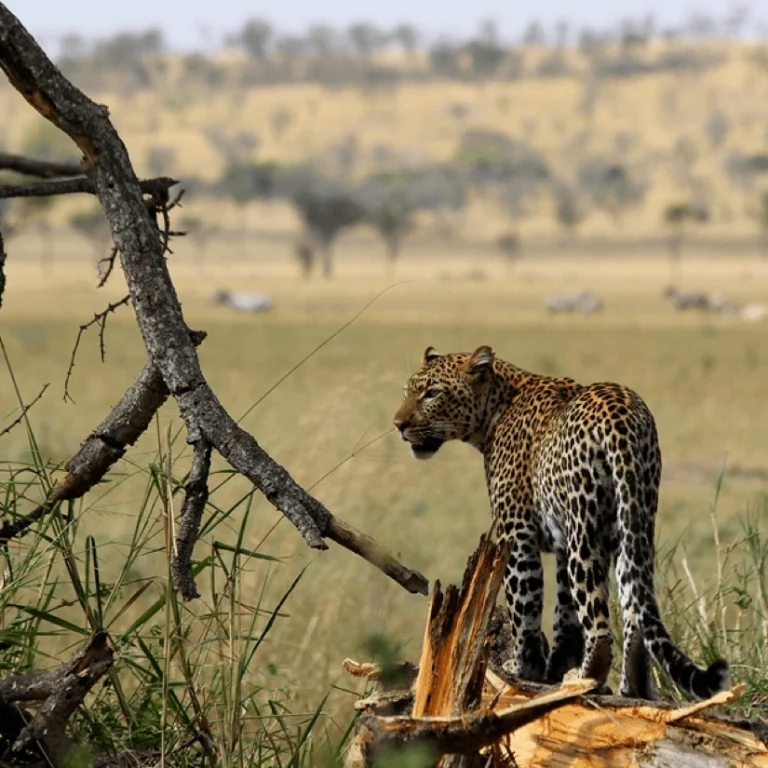
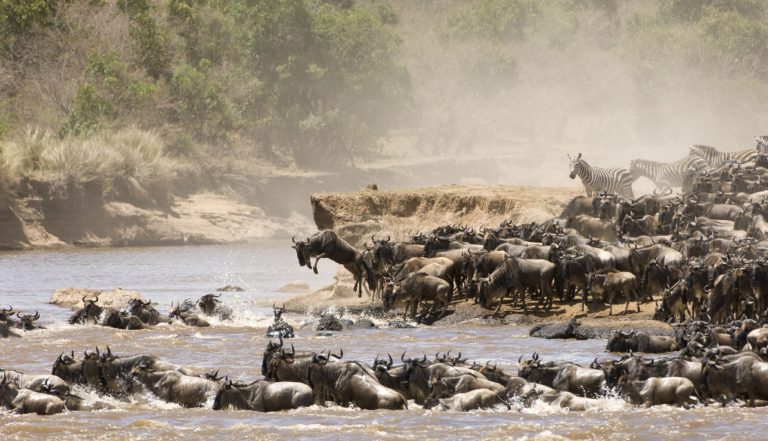
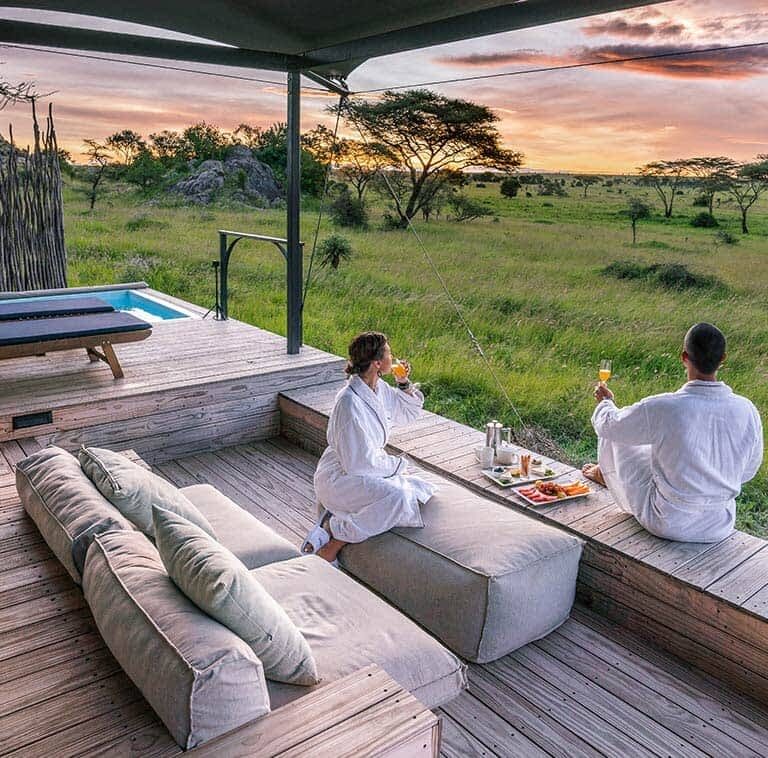
A Tanzania Big Five safari is the ultimate African wildlife adventure, blending iconic landscapes, luxury safari lodges, and unforgettable game drives. From the vast plains of the Serengeti to the dramatic Ngorongoro Crater, Tanzania offers unmatched opportunities to see lions, elephants, leopards, buffalo, and rhinos in their natural habitat. Whether you’re planning a luxury safari, mid-range tour, budget adventure, honeymoon safari, or family vacation, Tanzania delivers year-round wildlife viewing. Travelers can start from Arusha, Zanzibar, or Dar es Salaam, enjoying tailor-made safari packages with expert guides and sustainable travel practices. With excellent safari infrastructure, fly-in safaris, and private tours, Tanzania remains one of Africa’s top safari destinations. Understanding costs, the best time to visit, packing essentials, and safety tips ensures a seamless, bucket-list experience filled with breathtaking wildlife encounters and authentic cultural moments.
Why Choose Tanzania for A Big Five Safari?
Tanzania stands out as one of the best destinations for a Big Five safari in Africa due to its vast protected areas, rich biodiversity, and world-renowned national parks. The country hosts iconic locations like the Serengeti ecosystem and the Ngorongoro Conservation Area top East Africa Big Five Destinations, offering exceptional chances to spot all Big Five animals in one trip. Unlike many destinations, Tanzania provides diverse Big Five Safaris in East Africa experiences, from luxury lodges and tented camps to affordable budget safaris. The Great Migration, stunning landscapes, and fewer crowds enhance the overall experience. Travelers can enjoy private safaris, fly-in packages, and tailor-made itineraries suited for families, honeymooners, and solo travelers. With experienced guides, ethical tourism practices, Big 5 Safari in Africa, and well-managed parks, Tanzania guarantees both safety and authenticity. Classic Big Five Safari Tanzania, its accessibility from Arusha and Zanzibar makes it a top choice for unforgettable African safari adventures.
What is a Big Five Safari?
A Big Five safari in Tanzania is one of the most sought-after African wildlife experiences, designed around spotting the legendary Big Five animals: lion, leopard, elephant, buffalo, and rhino. The term “Big Five” originated from big-game hunting but today represents the ultimate wildlife safari checklist for photographers, nature lovers, and luxury travelers. On a Tanzania safari, these iconic species can be seen across world-famous destinations like Serengeti National Park and Ngorongoro Crater, offering unmatched game viewing all year round. A Big Five safari tour combines guided game drives, expert local guides, luxury lodges, and unforgettable landscapes. Whether you choose a budget safari, mid-range adventure, or luxury African safari package, this experience delivers thrilling encounters and breathtaking scenery. It’s a bucket-list journey ideal for families, honeymoon couples, solo travelers, and wildlife enthusiasts seeking an authentic Tanzania safari experience.
How Does the Big Five-Term Come into Existence?
The term “Big Five” originated during the colonial hunting era in Africa and was used by professional hunters to describe the five most difficult and dangerous animals to hunt on foot: lion, elephant, leopard, buffalo, and rhinoceros. Today, the meaning has shifted entirely from hunting to wildlife conservation and photographic safaris. In modern Tanzania safaris, the Big Five represent the most sought-after animals for wildlife viewing and photography. Safari guides use their expertise to track these iconic species across national parks like the Serengeti and Ngorongoro Crater. The term has become a powerful marketing keyword in global tourism, attracting travelers seeking bucket-list experiences. Understanding its history adds depth to your safari journey, emphasizing conservation, respect for wildlife, and sustainable tourism practices that protect these incredible animals for future generations.
When Is the Best Time for Big Five Safaris in Tanzania?
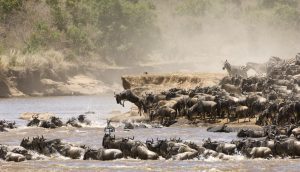
The best time for a Tanzania Big Five safari depends on wildlife visibility and travel preferences. The dry season, from June to October, is considered ideal, as animals gather around water sources, making them easier to spot. This period offers excellent game viewing in Serengeti National Park and the Ngorongoro Crater, with clear skies and minimal vegetation. The Great Migration river crossings also occur during this time, adding dramatic wildlife action. However, the green season from November to May offers fewer crowds, lush landscapes, and lower safari prices. It is perfect for birdwatching and photography, especially in parks like Tarangire and Lake Manyara. Each season provides unique advantages, making Tanzania a year-round safari destination for luxury, mid-range, and budget travelers seeking unforgettable wildlife experiences.
What Animals to Spot on Big Five Safaris in Tanzania?
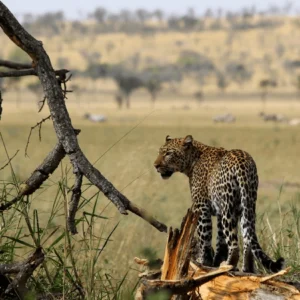
A Big Five safari in Tanzania focuses on spotting the iconic lion, elephant, leopard, buffalo, and rhinoceros, but the experience goes far beyond these animals. The Serengeti ecosystem hosts vast herds of wildebeest, zebras, and gazelles, while predators like cheetahs and hyenas roam the plains. In the Ngorongoro Crater, travelers have a high chance of seeing endangered black rhinos alongside dense populations of lions and elephants. Tarangire National Park is famous for its large elephant herds and ancient baobab trees, while Lake Manyara offers tree-climbing lions and diverse birdlife. This incredible biodiversity makes Tanzania one of the best safari destinations in Africa. Whether on a luxury safari or a budget tour, every Big Five Safari Destinations in Africa game drive presents new wildlife encounters, making each moment exciting and unforgettable.
The Best National Parks for Big Five Safaris in Tanzania
Tanzania is home to some of Africa’s most iconic national parks, ideal for Big Five safaris. Serengeti National Park is world-famous for its vast plains, abundant predators, and the Great Migration. The Ngorongoro Crater best safaris in Africa to see the Big 5, offers one of the highest densities of wildlife, including rare black rhinos, within a breathtaking volcanic caldera. Tarangire National Park is known for its massive elephant herds and scenic baobab landscapes, while Lake Manyara National Park features diverse ecosystems and unique tree-climbing lions. For those seeking off-the-beaten-path adventures, parks like Ruaha and Selous (Nyerere National Park) provide remote, uncrowded safari experiences. Each tailor-made big five safari in East Africa parks offers distinct landscapes, wildlife diversity, and safari styles, making Tanzania a top destination for luxury safaris, family trips, honeymoon tours, and customized African safari itineraries.
Duration And Cost of Big Five Safaris in Tanzania
The duration and cost of a Tanzania Big Five safari vary depending on travel style, itinerary, and level of luxury. Most safaris range from 3 to 10 days best African Big Five Safaris for wildlife lovers, with 5–7 days being ideal for exploring Serengeti, Ngorongoro Crater, and Tarangire. Budget African Big Five Safaris and Tours typically start from $200–$350 per person per day, while mid-range options range from $350–$700. Luxury safaris can exceed $1,000 per person per day, offering premium lodges, private guides, and fly-in experiences. Costs usually include accommodation, park fees, meals, and game drives. Additional expenses may include flights, tips, and personal items. Booking with reputable tour operators ensures value, safety, and a well-organized best-of-Tanzania Big Five Safari experience. Whether you choose a budget or high-end safari, Tanzania offers options for every traveler seeking an unforgettable Serengeti Big Five safari wildlife adventure.
The Ultimate Guide to Tanzania’s Big Five Safari
Planning the ultimate Tanzania Big Five safari requires careful consideration of destinations, timing, and travel style. Start by choosing key parks like Serengeti, Ngorongoro Crater, and Tarangire, where you can see the Big Five in Tanzania for diverse Ngorongoro Crater Big Five safari wildlife experiences. Decide between luxury lodges, tented camps, or budget accommodations based on your preferences. Booking a reputable safari operator ensures expert guides, well-maintained vehicles, and seamless logistics. Fly-in safaris save time, while road trips offer scenic journeys through Tanzania’s landscapes. Consider combining your safari with a Zanzibar beach holiday for a complete experience. Tailor-made itineraries allow flexibility for families, honeymooners, and solo travelers. Understanding visa requirements, travel insurance, and vaccination guidelines is essential. With proper planning, your Tanzania safari becomes a once-in-a-lifetime journey filled with breathtaking wildlife encounters and unforgettable memories.
What to Pack for Tanzania’s Big Five Safari
Packing for a Tanzania Big Five safari requires thoughtful preparation to ensure comfort and convenience. Essential clothing includes lightweight, breathable fabrics in neutral colors such as khaki, beige, and olive, which blend with the environment. Include a warm jacket for early morning game drives and comfortable walking shoes. A wide-brim hat, sunglasses, and high-SPF sunscreen protect against the strong African sun. Binoculars and a high-quality camera are crucial for wildlife viewing and photography. Pack insect repellent, personal medications, and a basic first-aid kit. A reusable water bottle helps maintain hydration during long game drives. Soft-sided luggage is recommended for easy transport in safari vehicles or small aircraft. Proper packing enhances your overall safari experience, ensuring you are prepared for Tanzania’s diverse climates and terrains.
Tanzania’s Big Five Safari Health and Safety
Health and safety are essential considerations when planning a Tanzania Big Five safari. Travelers should consult a healthcare provider for recommended vaccinations, including yellow fever, and consider malaria prevention. Drinking bottled or filtered water is advised to avoid illness. Reputable safari operators prioritize safety by providing experienced guides, well-maintained vehicles, and adherence to park regulations. Always follow your guide’s instructions, especially during wildlife encounters, to maintain a safe distance from animals. Travel insurance covering medical emergencies and evacuation is highly recommended. Tanzania’s national parks are generally safe, with low crime rates in safari areas. By taking basic precautions and booking with trusted tour companies, visitors can enjoy a secure, and unforgettable safari experience in one of Africa’s most spectacular wildlife destinations.
Tanzania’s Big Five Safari Money and Tipping
Understanding money matters and tipping etiquette is important for a smooth Tanzania safari experience. The local currency is the Tanzanian Shilling, but US dollars are widely accepted in safari lodges and camps. It is advisable to carry small denominations for tips and personal purchases. Tipping is customary and appreciated in the safari industry, as it supports guides, drivers, and lodge staff. On average, tipping ranges from $10–$20 per day for guides and $5–$10 for camp staff per guest. Credit cards are accepted in many lodges, but cash is preferred in remote areas. Budgeting for extras such as souvenirs, drinks, and optional activities ensures no surprises. Proper financial planning enhances your safari experience, allowing you to focus on enjoying Tanzania’s incredible wildlife and landscapes.
Tanzania’s Big Five Safari Essential Tips
Book with experienced, reputable operators.
Choosing a trusted safari operator in Tanzania is key to a successful Big Five safari experience. Reputable companies offer professional guides, well-maintained vehicles, and carefully designed itineraries that maximize wildlife viewing opportunities. They also ensure compliance with park regulations and promote sustainable tourism practices. Booking with experienced operators provides peace of mind, especially for first-time safari travelers. Look for companies with strong reviews, transparent pricing, and excellent customer service. Many top-rated operators offer customized safari packages, including luxury, mid-range, and budget options. Whether departing from Arusha, Zanzibar, or Dar es Salaam, a reliable tour operator ensures seamless logistics, quality accommodation, and unforgettable wildlife encounters, making your Tanzania safari both safe and rewarding.
Stay hydrated and carry sunscreen, as the sun is strong.
The African sun in Tanzania can be intense, especially during dry season safaris. Staying hydrated is crucial for maintaining energy and overall health during long game drives. Always carry a reusable water bottle and drink plenty of fluids throughout the day. High-SPF sunscreen, lip balm, sunglasses, and a wide-brim hat are essential to protect your skin from sunburn. Lightweight, long-sleeved clothing can also help shield you from direct sunlight while keeping you cool. Safari vehicles are often open or semi-open, increasing sun exposure. Proper sun protection ensures a comfortable and enjoyable safari experience, allowing you to focus on spotting the Big Five and capturing incredible wildlife moments without discomfort.
Make sure to carry your camera in a dust-proof bag.
A Tanzania safari offers countless photography opportunities, from dramatic predator hunts to stunning landscapes. However, dusty roads in national parks like Serengeti and Tarangire can damage camera equipment. Carrying your camera in a dust-proof and padded bag is essential to protect it from dirt, moisture, and accidental impacts. Use lens covers and cleaning kits to maintain image quality throughout your trip. Extra batteries and memory cards ensure you never miss a moment. Early morning and late afternoon provide the best lighting for photography, enhancing your wildlife shots. Proper care of your equipment allows you to capture high-quality images, preserving memories of your unforgettable Tanzania Big Five safari adventure.
Respect the animals and keep a safe distance.
Respecting wildlife is a fundamental principle of any Tanzania Big Five safari. Always maintain a safe distance from animals and avoid making loud noises or sudden movements that may disturb them. Professional guides are trained to position vehicles safely while maximizing viewing opportunities. Feeding or attempting to interact with wildlife is strictly prohibited and can be dangerous. Observing animals in their natural habitat without interference ensures both your safety and their well-being. Ethical safari practices support conservation efforts and protect Tanzania’s unique ecosystems. By respecting wildlife and following park rules, travelers contribute to sustainable tourism while enjoying authentic and responsible safari experiences in Africa.
Final Thought
A Tanzania Big Five safari is more than just a trip—it is a life-changing journey into the heart of Africa’s wilderness. From iconic national parks to diverse wildlife and rich cultural experiences, Tanzania offers something for every traveler. With proper planning, the right tour operator, and essential knowledge, you can enjoy a safe, and unforgettable safari. Whether luxury or budget, your adventure will be filled with extraordinary moments and lasting memories
What is a Big Five safari in Tanzania
A Big Five safari in Tanzania refers to wildlife tours focused on spotting lion, leopard, elephant, buffalo, and rhinoceros in their natural habitats. The best destinations include Serengeti National Park, Ngorongoro Crater, Tarangire National Park, and Lake Manyara National Park. These parks offer some of the highest chances in Africa to see all five animals in one trip. Safari drives are conducted in 4×4 vehicles with expert guides who track wildlife movements. The Big Five safari experience is not just about animals but also about landscapes, photography, and cultural encounters with local communities. Tanzania is one of the top safari destinations in the world for Big Five sightings due to its rich biodiversity and protected ecosystems.
Where is the best place to see the Big Five in Tanzania
The best place to see the Big Five is the northern safari circuit, especially the Serengeti and Ngorongoro regions. Serengeti National Park is famous for lions, leopards, elephants, and buffalo, while the Ngorongoro Crater offers one of the highest densities of wildlife in Africa, including the rare black rhino. Tarangire National Park is excellent for large elephant herds, and Lake Manyara is known for tree-climbing lions. Most travelers combine multiple parks for a higher chance of seeing all Big Five animals. Professional safari guides use tracking skills and radio communication to locate wildlife efficiently. This region is considered the ultimate destination for Big Five safari tours in Tanzania.
How many days do you need for a Big Five Tanzania safari
A successful Big Five safari in Tanzania usually requires 5 to 8 days, depending on the parks included. A shorter safari may cover Ngorongoro and Tarangire, while longer itineraries include Serengeti for higher chances of spotting all Big Five animals. Spending more days increases your chances of seeing elusive animals like leopards and rhinos. Safari time also depends on travel pace, accommodation level, and whether you choose private or group tours. Most tour operators design flexible itineraries that combine multiple parks for a complete wildlife experience. A well-planned schedule ensures enough game drive time, rest, and scenic travel across northern Tanzania’s iconic landscapes.
What is the best time for a Big Five safari in Tanzania
The best time for a Big Five safari in Tanzania is during the dry season from June to October. During this period, animals gather around water sources, making them easier to spot. The vegetation is also thinner, improving visibility during game drives. The Serengeti and Ngorongoro Crater offer excellent wildlife viewing year-round, but the dry season provides the highest concentration of animals. The green season from November to March is also good for birdwatching and fewer crowds. However, heavy rains in April and May can make some roads difficult. Choosing the right season depends on your preferences for wildlife density, photography, and travel comfort.
What should I pack for a Big Five safari in Tanzania
Packing for a Big Five safari in Tanzania requires lightweight, neutral-colored clothing suitable for game drives. Essential items include long-sleeved shirts, breathable trousers, a wide-brim hat, sunscreen, insect repellent, and binoculars. A good camera with zoom lens is highly recommended for wildlife photography. Comfortable walking shoes are useful for lodge areas and optional nature walks. Warm layers are needed for early morning game drives in places like Serengeti and Ngorongoro. Avoid bright colors and heavy luggage due to limited space in safari vehicles. Most safari operators provide bottled water, but a reusable bottle is also recommended for eco-friendly travel.
How safe is a Big Five safari in Tanzania
A Big Five safari in Tanzania is generally very safe when booked through licensed and experienced tour operators. Parks like Serengeti and Ngorongoro are well-managed conservation areas with strict wildlife protection rules. Safari guides are trained in animal behavior and safety protocols, ensuring visitors remain at a safe distance from wildlife. Guests are always advised to follow guide instructions during game drives and at lodges. Night movement outside camps is usually restricted for safety reasons. Tanzania is considered one of Africa’s safest safari destinations for tourists. Choosing reputable companies ensures secure transport, professional guiding, and well-maintained safari vehicles throughout your journey.
Can I see all Big Five animals in one Tanzania safari trip
Yes, it is possible to see all Big Five animals in one Tanzania safari trip, especially when visiting multiple parks in northern Tanzania. The best combination includes Serengeti, Ngorongoro Crater, and Tarangire National Park. Ngorongoro offers strong chances of seeing rhinos, while Serengeti is ideal for lions, leopards, and buffalo. Elephants are commonly found in Tarangire. However, sightings are never 100% guaranteed since these are wild animals. Experienced guides improve your chances significantly by tracking movements and understanding habitats. A well-planned itinerary of at least 6–8 days increases the likelihood of completing a successful Big Five safari experience in Tanzania.
What type of accommodation is used on a Tanzania Big Five safari
Accommodation on a Big Five safari in Tanzania ranges from budget camps to luxury lodges and tented camps. In areas like Serengeti and Ngorongoro, travelers can stay in safari lodges with full comfort, including private bathrooms, dining areas, and scenic views. Mid-range tented camps offer a closer connection to nature while still providing essential amenities. Budget options include basic campsites for adventurous travelers. Most accommodations are located inside or near national parks for easy access to game drives. Tour operators usually tailor accommodation based on budget and travel style. Staying inside the parks enhances wildlife viewing and reduces travel time during early morning safaris.
What animals can I expect to see on a Tanzania safari besides the Big Five
On a Big Five safari in Tanzania, travelers also encounter a wide variety of wildlife beyond lion, leopard, elephant, buffalo, and rhino. In parks such as Serengeti National Park and Ngorongoro Crater, you can see giraffes, zebras, wildebeests, hyenas, cheetahs, hippos, crocodiles, and hundreds of bird species. Tarangire National Park is famous for massive elephant herds and baobab landscapes, while Lake Manyara is known for flamingos and tree-climbing lions. This biodiversity makes Tanzania one of the richest safari destinations in Africa. Even if all Big Five animals are not spotted in one day, the variety of wildlife ensures every game drive is exciting and rewarding. The overall experience goes beyond the Big Five, offering a full immersion into African wilderness ecosystems.
Do I need a guide for a Tanzania Big Five safari
Yes, a professional guide is essential for a Big Five safari in Tanzania. National parks such as Serengeti National Park and Ngorongoro Crater require visitors to stay on designated routes, and trained guides understand animal behavior, tracking signs, and safe viewing distances. Guides also use communication systems to locate predators like lions and leopards efficiently. Without a guide, it is extremely difficult to spot all Big Five animals within limited time. Additionally, guides enhance your experience by sharing knowledge about ecosystems, migration patterns, and local culture. Most reputable tour operators include experienced English-speaking driver-guides. Their expertise significantly increases your chances of successful sightings while ensuring safety and comfort throughout your safari journey in Tanzania.
How much does a Big Five safari in Tanzania cost
The cost of a Big Five safari in Tanzania varies depending on comfort level, duration, and season. Budget safaris may start from affordable camping options, while mid-range safaris include lodges and tented camps with prices increasing accordingly. Luxury safaris in destinations like Serengeti National Park and Ngorongoro Crater can be significantly higher due to premium accommodation and private services. Costs usually include park fees, transport, accommodation, meals, and guide services. Extra expenses may involve international flights, tips, and optional activities like hot air balloon safaris. Booking early or traveling in groups can reduce costs. Overall, Tanzania offers flexible safari pricing suitable for different budgets while maintaining high-quality wildlife experiences across its national parks.
What vehicles are used on Tanzania Big Five safaris
Most Big Five safaris in Tanzania use specially designed 4×4 Land Cruisers or Land Rovers. These vehicles are built for rugged terrain found in parks such as Serengeti National Park and Tarangire National Park. They feature pop-up roofs for 360-degree wildlife viewing and photography, comfortable seating, and charging ports for cameras and phones. Some safari vehicles are private, while others are shared in group tours. Professional tour operators ensure vehicles are well-maintained for safety and reliability. The design allows travelers to stand safely while observing animals like lions, elephants, and rhinos in the wild. A good safari vehicle greatly enhances comfort, visibility, and overall experience during long game drives across Tanzania’s national parks.
Is photography allowed during Tanzania Big Five safaris
Yes, photography is highly encouraged on a Big Five safari in Tanzania. Parks like Ngorongoro Crater and Serengeti National Park offer incredible opportunities for wildlife photography, including dramatic landscapes and close animal encounters. Visitors are allowed to take photos freely as long as they respect park rules and maintain safe distances from animals. A good zoom lens is recommended for capturing detailed shots of lions, leopards, and elephants. Early morning and late afternoon provide the best lighting conditions for photography. Drone use is generally restricted in most national parks unless special permits are obtained. Safari guides often help position vehicles for the best photographic angles, making Tanzania one of the top destinations for wildlife photography in Africa.
What makes Tanzania the best Big Five safari destination
Tanzania is considered one of the best destinations for a Big Five safari due to its world-famous parks and high wildlife density. Locations such as Serengeti National Park and Ngorongoro Crater offer exceptional chances of spotting all five iconic animals in a single trip. The country also features diverse ecosystems, from savannahs and crater floors to woodlands and lakes. Unlike many destinations, Tanzania supports large populations of lions, elephants, and buffalo in protected environments. The presence of the Great Migration adds extra value to safari experiences. Strong conservation efforts, professional tour operators, and well-managed parks make Tanzania a top-tier choice for authentic African wildlife adventures and unforgettable Big Five encounters.
How to plan and book Tanzania for A Big Five Safari
Planning a Big Five safari in Tanzania is an exciting journey that begins with choosing the right destinations and a trusted tour operator. Focus on iconic parks like Serengeti National Park, Ngorongoro Crater, and Tarangire National Park, where sightings of lion, leopard, elephant, buffalo, and rhino are most likely. Start by deciding your travel dates—June to October is ideal for wildlife viewing. Research Tanzania safari packages, comparing luxury, mid-range, and budget options, including fly-in safaris from Arusha or Dar es Salaam. Book with reputable, licensed safari companies that offer all-inclusive tours, experienced guides, and customized itineraries. Early booking ensures availability and better prices, especially during peak season. Consider travel insurance, visa requirements, and packing essentials. A well-planned Tanzania Big Five safari guarantees unforgettable wildlife encounters, comfort, safety, and exceptional value for your African safari adventure.