
Choosing the right photographic safari tour operator gives you the time, space and expert positioning you need to capture Tanzania’s wildlife at its best, from Great Migration river crossings and big cat hunts to baobab landscapes at golden hour. This A–Z guide to photographic safari tour operators and travel agents compares specialists across Tanzania’s top photo destinations, explains what to look for, the best seasons, trip lengths and prices, and shows what to check before booking. Foot Slopes Tours and Safaris, a locally owned Arusha operator, plans private photographic safaris. Private travel gives you complete control of the day.
The best photographic safari tour operators are licensed Tanzania-based companies that offer private vehicles with pop-up roofs, space for camera gear, charging points, flexible game drive times and guides who understand light and animal behaviour. The Serengeti, Ndutu and the Ngorongoro Crater are top choices for wildlife photography.
Best Destinations for Photographic Safaris
Tanzania offers some of the world’s finest wildlife photography. The Serengeti delivers big cats and Great Migration river crossings, Ndutu is unbeatable for calving season action, and the Ngorongoro Crater offers rhinos against dramatic crater walls. Tarangire’s baobabs and elephants create striking compositions, while Lake Natron and Katavi offer unusual subjects and remote scenes. The six cards below explain what specialist photographic operators offer in each destination and how Foot Slopes Tours and Safaris plans private photo safaris. Our guides know the area well from many years of first-hand experience. Planning early gives you the widest choice of options.
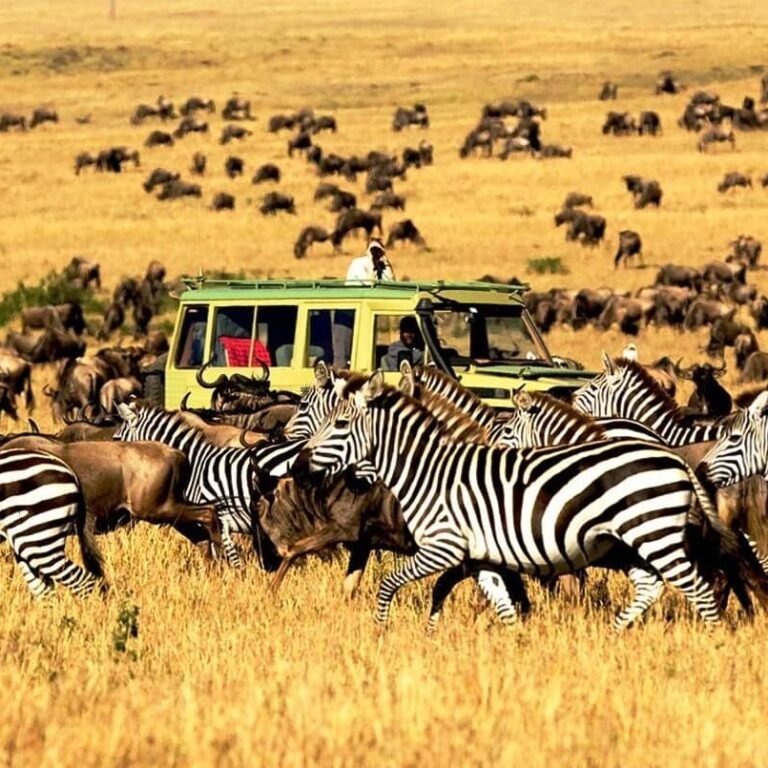 01Serengeti Photographic Safari Tour Operators & Travel Agents (A–Z List)3+ nights recommended stayWhere: Serengeti National ParkBest time: All year; June to October in the northPhotographic Serengeti operators position you for big cat hunts, river crossings and sweeping plains in the best light. Foot Slopes plans private photo safaris with flexible timings, full-day game drives and guides who anticipate animal behaviour, giving you time to wait for the perfect moment without pressure. Many guests return to plan another trip with us.Destination 01 of 06Explore Serengeti operators →
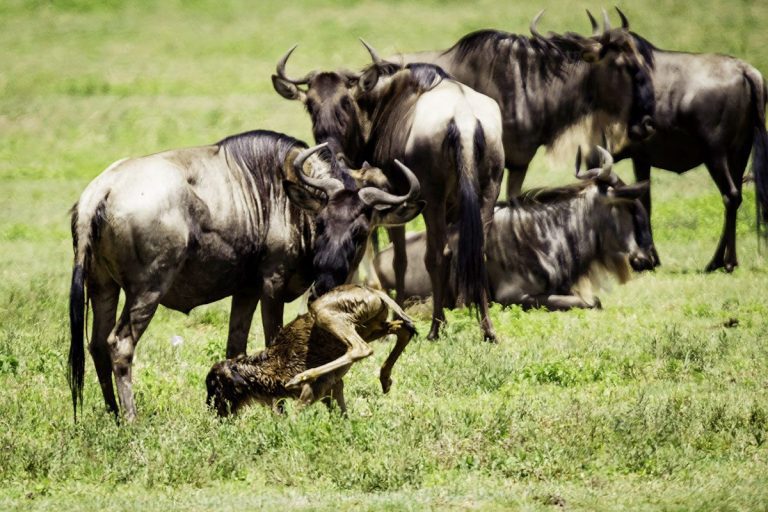 02Ndutu Photographic Safari Tour Operators & Travel Agents (A–Z List)3+ nights recommended stayWhere: Ndutu, southern SerengetiBest time: December to MarchPhotographic Ndutu operators plan long days around calving herds and the predators that follow them from December to March. Foot Slopes plans private calving season photo safaris with camps close to the action, offering dramatic chases, newborn wildebeest and soft light across the short-grass plains. It is a rewarding experience for travellers of all ages.Destination 02 of 06Explore Ndutu operators →
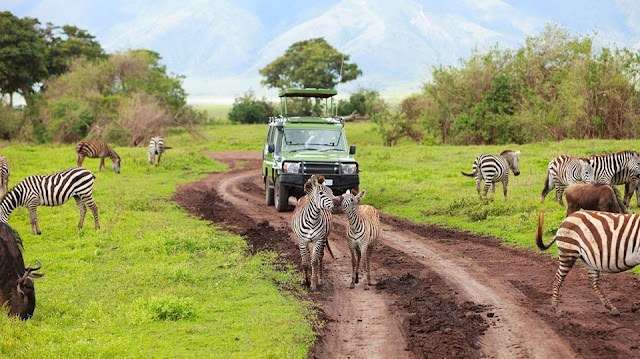 03Ngorongoro Photographic Safari Tour Operators & Travel Agents (A–Z List)1–2 nights recommended stayWhere: Ngorongoro Crater and highlandsBest time: All year; June to October is driestPhotographic Ngorongoro operators plan early descents for soft light and quieter scenes on the crater floor. Foot Slopes arranges private crater photo drives with patient guides who help you capture rhinos, lions and flamingos against the dramatic crater walls and changing skies. We are happy to suggest the best season, route and accommodation for you.Destination 03 of 06Explore Ngorongoro operators →
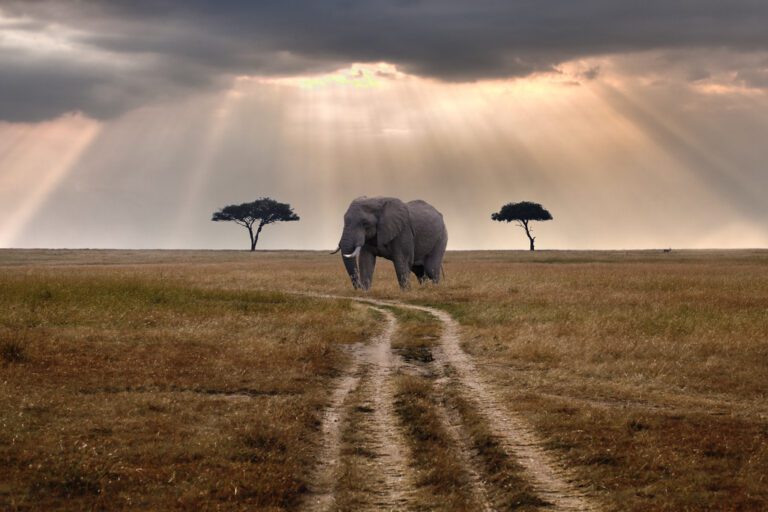 04Tarangire Photographic Safari Tour Operators & Travel Agents (A–Z List)1–2 nights recommended stayWhere: Tarangire National ParkBest time: June to OctoberPhotographic Tarangire operators know where elephants gather near the river and how baobabs frame wildlife at golden hour. Foot Slopes plans private photo game drives with flexible timings and pop-up roof vehicles, ideal for striking landscape and wildlife compositions in the dry season. Every itinerary can be adjusted to suit your pace, interests and budget.Destination 04 of 06Explore Tarangire operators →
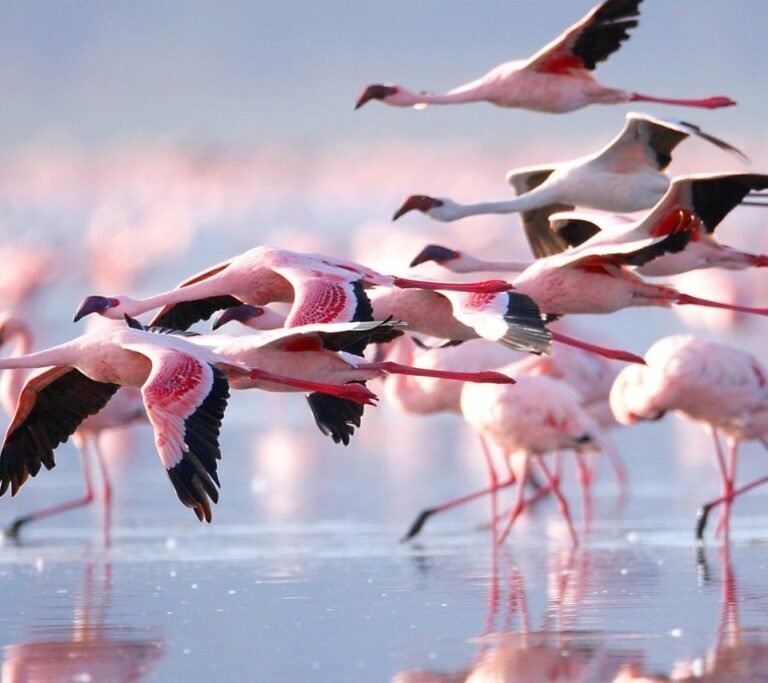 05Lake Natron Photographic Trip Tour Operators & Travel Agents (A–Z List)2+ nights recommended stayWhere: Lake Natron and Ol Doinyo LengaiBest time: June to OctoberPhotographic Lake Natron operators offer flamingos, salt patterns and the Ol Doinyo Lengai volcano for unusual, otherworldly images. Foot Slopes plans private photo trips with sunrise and sunset sessions, giving photographers a dramatic change from classic savannah scenes. Share your travel dates, interests and budget, and we will suggest the best options. Ask us today.Destination 05 of 06Explore Lake Natron operators →
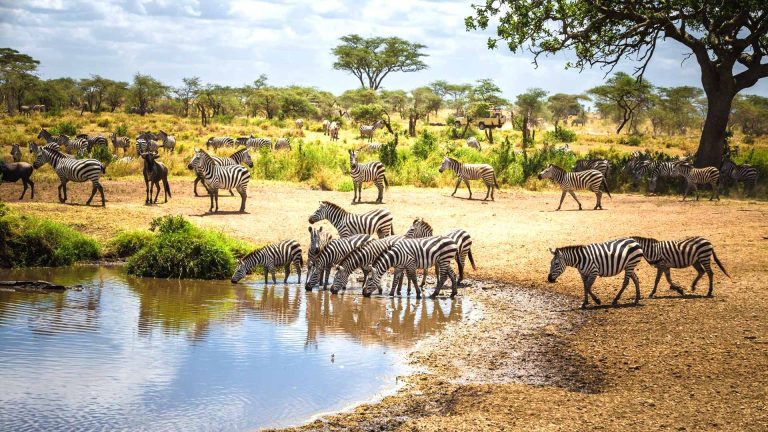 06Katavi Photographic Safari Tour Operators & Travel Agents (A–Z List)4+ nights recommended stayWhere: Katavi National ParkBest time: June to OctoberPhotographic Katavi operators specialise in remote wilderness, where crowded hippo pools, huge buffalo herds and lions create raw, crowd-free scenes. Foot Slopes plans private fly-in photo safaris for experienced photographers seeking unique images in one of Africa’s least-visited parks. Talk to our Arusha team about the options that suit you best. Ask for recent guest feedback.Destination 06 of 06Explore Katavi operators →
What Photographic Safari Operators Offer
Specialist photographic safari operators understand that great images need time, light and positioning. They provide vehicles with pop-up roofs and space for long lenses, charging points for batteries and laptops, and flexible schedules that put you in the field at sunrise and sunset. Expert guides read animal behaviour and position the vehicle thoughtfully. The table below summarises the key features, what to expect and what to ask your photographic safari tour operator before booking a private photo safari in Tanzania. Our planners respond quickly and explain every choice in plain language. Everything is confirmed clearly before you travel.
| Feature | What to expect | Why it matters | What to ask |
|---|---|---|---|
| Pop-up roof vehicle | Space to shoot in every direction | Better angles | How many people per vehicle? |
| Charging points | Power for cameras and laptops | Never miss a shot | Is there an inverter in the vehicle? |
| Flexible timing | Sunrise and sunset drives | Best light | Can we take packed breakfasts? |
| Expert guides | Read behaviour, position carefully | Better images | Does the guide understand photography? |
| Beanbags | Stable support for long lenses | Sharper photos | Are beanbags provided? |
When to Book a Photographic Safari
The best time for a photographic safari depends on your subjects. June to October brings dry conditions, concentrated wildlife and Mara River crossings, while December to March offers the calving season at Ndutu with dramatic predator action and green backdrops. The green season adds moody skies and fewer vehicles. Photographers often book camps close to the action, which fill early in peak months. The table below shows what to expect in each season and how far ahead to book your photographic safari. Ask our planners to compare options for your dates and budget. Flexibility always comes as standard.
| Season | What to expect | When to book |
|---|---|---|
| June to October | Dry season, river crossings | Book 9 to 12 months ahead |
| November | Short rains, dramatic skies | Book 3 to 6 months ahead |
| December to March | Calving season at Ndutu | Book 9 to 12 months ahead |
| April to May | Lush scenery, few vehicles | Good availability |
How to Choose a Photographic Safari Operator
Choosing a photographic safari operator is easier when you know exactly what to look for. Licences and reviews matter, but so do private vehicles, experienced guides, clear written quotes and genuine specialist knowledge of wildlife photography in Tanzania. The best companies give honest advice about routes, seasons and lodges, and they support you from your first enquiry until you fly home. Taking time to compare operators always pays off. The four cards below explain the most important things to check when comparing photographic safari tour operators and travel agents, so you can book with confidence. Plans stay simple.
01Licensed and locally based
The best photographic safari operators are licensed in Tanzania and run by a local team with an office in Arusha or nearby. Ask for licence details, how long the company has operated and whether its guides are employed directly. Local operators adapt quickly when plans change and often provide better value and support. Ask us.
02Private vehicle and guide
A private 4x4 vehicle with a pop-up roof gives everyone a window seat and the freedom to stay longer at sightings. Ask whether your photographic safari is fully private, how experienced your guide is and what the vehicle carries, such as charging points, binoculars, a fridge and wildlife reference books. Small details make a big difference.
03Clear written quote
Park fees, accommodation, flights and activities can make quotes hard to compare. Ask every operator for a clear written list of inclusions and exclusions, and check whether park fees, drinking water, transfers and taxes are included. Transparent companies explain each cost upfront, so you can compare photographic safari quotes fairly. We keep plans simple and clear.
04Specialist knowledge
Choose an operator with real experience of wildlife photography in Tanzania, not just general safari knowledge. Ask how often its guides visit, which lodges and camps it recommends and why, and how it plans routes around the seasons. Specialist knowledge places you in the right areas at the right time. Local expertise makes planning far easier.
Photographic Safari Lengths and Routes
Photographic safaris benefit from longer stays in fewer places, giving you more time to wait for action and return to productive locations. Most last seven to twelve days, with three or more nights in key areas such as the Serengeti or Ndutu. Flying between parks saves time for shooting. The table below shows popular trip lengths, typical routes and who each option suits, helping you plan a realistic photo itinerary with your tour operator before booking your private photographic safari. Personal service is at the heart of everything we do. Honest, local advice helps you make the right decisions.
| Length | Typical route | Best for |
|---|---|---|
| 5 days | Tarangire and Ngorongoro | Short photo trip |
| 7 days | Ndutu and Ngorongoro | Calving season photography |
| 10 days | Serengeti, Ngorongoro, Tarangire | Classic photo safari |
| 12 days | Northern Serengeti and Katavi | Experienced photographers |
Photographic Safari Prices
Photographic Safari prices depend on your accommodation level, travel season, the number of nights and whether you drive or fly between destinations. Park and conservation fees are a significant part of the cost and are usually included in private safari packages, while flights and special activities may be charged separately. The table below shows typical price ranges per person per day for private safaris at three comfort levels. These ranges are a general guide for planning, and our Arusha team provides a detailed quote based on your exact dates, lodges and itinerary. Our team checks every detail carefully.
| Comfort level | Typical price per person per day | What to expect |
|---|---|---|
| Budget camping safari | US$250 to US$390 | Public campsites, private vehicle and guide, camp crew |
| Mid-range safari | US$550 to US$990 | Comfortable lodges and tented camps, private vehicle |
| Luxury safari | US$990 to US$2,500+ | Premium lodges and camps, private guiding, fine dining |
Why Plan Your Photographic Safari With Us
Foot Slopes Tours and Safaris is a locally owned tour operator based in Arusha, the gateway to Tanzania's national parks and Mount Kilimanjaro. Our team plans every photographic safari from first-hand knowledge of the parks, lodges and seasons, and every trip is private and tailor-made around your interests, pace and budget. We arrange every detail, from park fees and flights to transfers and activities, and support you throughout your journey. The cards below explain why travellers choose our team to plan their photographic safari and how we keep every part of the trip smooth. Every trip is private.
01Arusha-based specialists
Our team is based in Arusha, the gateway to Tanzania's safari parks, so we plan every photographic safari from first-hand knowledge rather than brochures. We know the lodges, camps, roads and seasons well, and we choose routes that give you the best experiences for your travel dates, interests and budget. Your comfort and safety come first.
02Private and tailor-made
Every photographic safari we plan is private, with your own vehicle and professional guide. You decide when to start each day, how long to stay at each sighting and when to rest. Itineraries are built around your interests, travel dates and comfort level, never around a fixed timetable. We explain every option clearly and honestly.
03Seamless support
We arrange park fees, accommodation, flights, transfers and activities, and send a clear written itinerary and quote. Our local team stays in touch throughout your trip and responds quickly if plans change, so you can relax and enjoy your photographic safari with peace of mind until you fly home. Good guiding makes all the difference.
Photographic Safari Tour Operators: FAQs
Who are the best photographic safari tour operators?
Licensed Tanzania-based companies offering private pop-up roof vehicles, charging points, flexible timings and photography-aware guides.
What is the best park for wildlife photography in Tanzania?
The Serengeti, Ndutu and the Ngorongoro Crater are outstanding.
When is the best time for a photo safari?
June to October for river crossings, and December to March for the calving season.
What lens should I bring on safari?
A telephoto zoom such as 100–400mm is ideal, plus a wider lens for landscapes.
Can I charge camera batteries on safari?
Yes. Our vehicles and most lodges offer charging points.
Is a private vehicle important for photography?
Yes. It gives you space, flexibility and control over positioning.
Can I photograph people on safari?
Always ask permission first and respect local customs.
Are drones allowed on safari?
Drones are generally not allowed in national parks without special permits.
How much does a photographic safari cost?
As a guide, private safaris range from about US$250 to US$390 per person per day for camping, US$550 to US$990 for mid-range and US$990 to US$2,500 or more for luxury.
Are park fees included in photographic safari prices?
Most private safari packages include park fees, but always confirm the inclusions in your written quote.
How far ahead should I book a photographic safari?
Book six to twelve months ahead for June to October and the Christmas holidays, and a few months ahead for other dates.
Is it better to book with a local operator?
Local operators know the parks first-hand, adapt quickly to changes and often offer better value and support.
How do I book a photographic safari with Foot Slopes?
Contact our Arusha team with your dates, interests and budget, and we will send a tailor-made itinerary and quote.
What should I pack for a photographic safari?
Neutral-coloured clothing, warm layers for cool mornings, a hat, sunscreen, binoculars and a camera, ideally in soft luggage if you fly.
Plan Your Safari
Plan Your Photographic Safari
Tell us your travel dates, interests and budget, and our Arusha team will plan a photographic safari around you, with your own vehicle and an experienced private guide.
Start Planning