A Serengeti Migration Safari offers one of Africa’s most spectacular Serengeti Migration Safari Guide wildlife experiences: the annual movement of millions of wildebeest, accompanied by zebras and gazelles, across the Serengeti ecosystem. Planning successfully means understanding the Great Migration calendar, seasonal wildlife movements, calving areas, and potential river-crossing locations. Tanzania’s Serengeti provides opportunities for game drives, wildlife photography, luxury tented camps, mobile camps, and private safari experiences. Choose your travel month and Serengeti region according to your priorities rather than relying on a single “best time.” An experienced Serengeti safari operator can match your itinerary, accommodation, and activities to migration movements, creating an unforgettable Tanzania Great Migration safari holiday.
What Is the Great Wildebeest Migration?
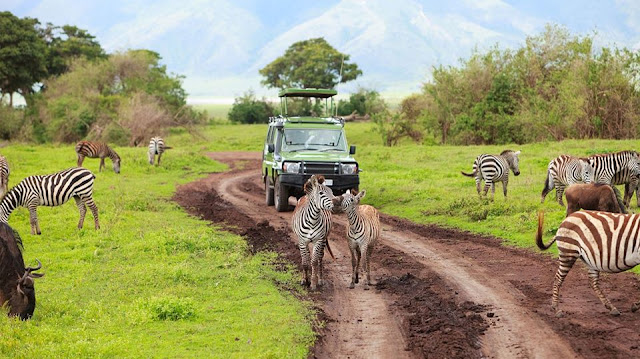
The Great Wildebeest Migration is a continuous natural movement of wildebeest and other grazing animals through the Serengeti ecosystem in search of fresh grass and water. Serengeti Migration Safari Guide it is not a single event occurring on one specific date. The herds move according to rainfall, food availability, and environmental conditions. Zebras and gazelles travel alongside the wildebeest, while predators such as lions, cheetahs, leopards, and hyenas follow the herds. This extraordinary Serengeti Migration Safari Guide ecological cycle creates exceptional opportunities for wildlife viewing and photography. A Serengeti Migration safari for first-time safari traveller can reveal different experiences throughout the year, from calving and predator action to dramatic river crossings and huge herds crossing open plains.
When Is the Best Time for a Serengeti Migration Safari?
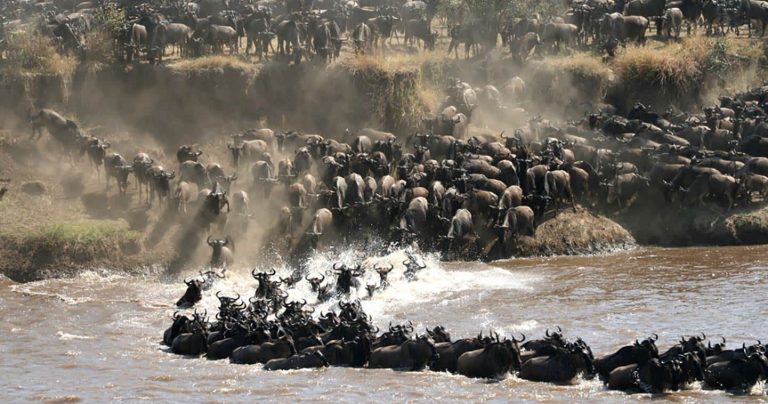
The best time to see the Great Migration in the Serengeti depends on what you want to experience, as January and February are associated with the calving season in the southern Serengeti and Ndutu area, while later months see herds gradually moving north and west. Around July to October, parts of the northern Serengeti and Mara River region can offer opportunities to witness dramatic crossings, although exact timing is unpredictable. November and December bring seasonal movements toward greener grazing areas. Because rainfall and herd movements vary annually, no itinerary can guarantee a specific crossing. Choose travel dates according to your priority—calving, predators, river crossings, or general migration viewing.
Where Does the Serengeti Migration Take Place?
The Great Migration moves across a vast ecosystem extending through Tanzania and into Kenya. In Tanzania, key areas include the southern Serengeti and Ndutu during calving, the central Serengeti during transitional periods, and the western corridor and northern Serengeti during later stages. The herds eventually interact with the Maasai Mara ecosystem in Kenya before moving south again. The exact route changes according to rainfall, pasture, and water availability. Therefore, selecting the right Serengeti region is just as important as selecting the travel month. A knowledgeable Serengeti migration safari operator can recommend suitable camps and lodges based on seasonal herd movements and your preferred Great Migration safari experience.
Serengeti Calving Season Safari
The Serengeti calving season is one of the most rewarding times for a migration safari. During the early months of the year, large concentrations of wildebeest gather in the southern Serengeti and Ndutu ecosystem, where nutritious grass supports newborn calves. Thousands of calves may be born during a relatively short period, attracting predators including lions, cheetahs, hyenas and other carnivores. This creates Serengeti Migration Safari Packages fascinating opportunities to observe predator-prey interactions and wildlife behaviour. Photographers particularly value the combination of newborn animals, dramatic predator activity and green landscapes. For travellers seeking a Tanzania calving season safari, selecting accommodation close to the seasonal herds can reduce driving time and maximise wildlife-viewing opportunities.
Serengeti River Crossing Safari
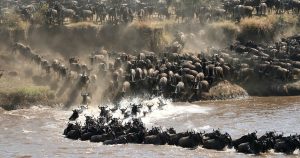
The complete guide to a wildebeest migration safari Mara River crossings are among the most famous scenes associated with the Great Migration. During the northern migration period, wildebeest and zebras may gather along riverbanks before attempting to cross. However, crossings are completely unpredictable: herds can wait for hours or days, change direction, or cross at locations that are difficult to observe. Crocodiles and strong currents add to the drama. Travellers should never expect a guaranteed crossing on a specific day. Responsible safari viewing requires following park and guide instructions and maintaining appropriate distances. A Serengeti Mara River safari is best approached as a natural wildlife experience rather than a scheduled performance.
Great Migration Wildlife and Predators
The Great Migration creates exceptional opportunities to observe African predators and prey in one ecosystem. Everything you need to know about a Wildebeest Migration safari: where and when to go to see the herds in the Masai Mara and Serengeti, such as spotting Lions, cheetahs, leopards, hyenas, and crocodiles that can exploit the abundance of migrating herbivores. The open Serengeti plains provide excellent visibility, while seasonal concentrations of wildebeest and zebras can increase predator activity. Birdlife is also abundant, adding another dimension to wildlife photography. Although the migration is famous for wildebeest, travellers may encounter elephants, giraffes, buffalo, hippos and numerous antelope species during game drives. A Big Five Serengeti safari combined with migration viewing provides a broader wildlife experience rather than focusing exclusively on the migrating herds.
Best Serengeti Areas for the Migration
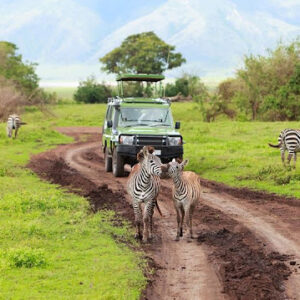
Choosing the best area of Serengeti for the Great Migration depends heavily on your travel dates. Southern Serengeti and Ndutu are important during calving season, while central areas can provide excellent year-round wildlife viewing. The western Serengeti may become important as herds move toward the Grumeti region, while northern Serengeti is strategically positioned for later-season migration activity. Mobile camps can be particularly useful because they can follow seasonal movements more closely than permanent properties. When planning your safari, consider camp location, road access, flight connections, and wildlife priorities. Staying close to the relevant migration zone can significantly improve your Serengeti wildlife safari experience.
Luxury Serengeti Migration Safaris
A luxury Serengeti Migration safari combines exceptional wildlife viewing with premium accommodation and personalised service. Travellers can stay in luxury tented camps or high-end lodges positioned near important seasonal wildlife areas. Private safari vehicles provide greater flexibility for game drives, photography and extended wildlife encounters. Depending on the itinerary, additional experiences may include hot-air balloon safaris, bush breakfasts, sundowners and private dining. Luxury mobile camps can offer an intimate wilderness experience while remaining strategically positioned for seasonal movements. For honeymooners, couples and discerning travellers, a tailor-made luxury Great Migration safari in Tanzania can combine Serengeti with Ngorongoro Crater, Kilimanjaro or Zanzibar.
Budget and Mid-Range Serengeti Migration Safaris
A budget Serengeti Migration safari can provide an authentic wildlife experience without luxury accommodation costs. Options may include camping, budget lodges, shared safari vehicles, and group departures. Mid-range safaris offer additional comfort through quality lodges and tented camps while maintaining good value. The biggest consideration is location: cheaper accommodation farther from seasonal wildlife concentrations can mean longer daily drives. Travellers should compare what each package includes, including park fees, meals, transportation, accommodation, and guide services. Booking with a reputable operator helps ensure transparent pricing and reliable logistics. Whether choosing budget camping or mid-range accommodation, careful seasonal planning is essential for a rewarding, affordable Serengeti safari.
Serengeti Migration Safari for Families
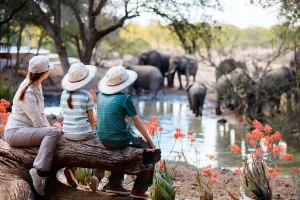
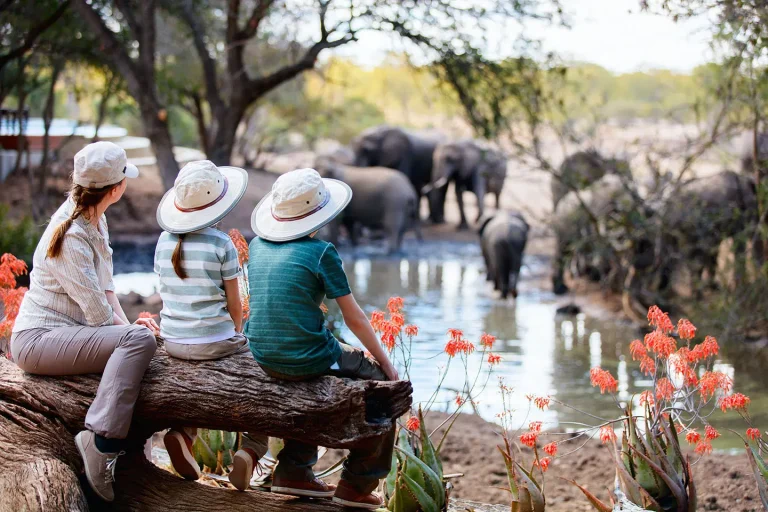
A family Serengeti Migration safari can introduce children to wildlife, conservation and African ecosystems. Families should select child-friendly accommodation, comfortable vehicles and an itinerary with reasonable driving times. Private safari vehicles offer flexibility for meals, rest periods and children’s interests. Parents should check minimum-age requirements for walking activities and other specialised experiences. Encourage children to use binoculars, identify animals and keep a wildlife journal. Combining Serengeti with Ngorongoro Crater and Zanzibar can create a varied Tanzania family safari, balancing exciting wildlife encounters with cultural experiences and beach relaxation. A well-paced itinerary helps children remain engaged while allowing parents to enjoy the migration and broader Serengeti ecosystem.
Serengeti Photographic Migration Safari
A Serengeti photographic safari provides extraordinary opportunities to capture wildebeest herds, zebras, predators, landscapes and dramatic seasonal scenes. Photographers should consider private vehicles, flexible schedules and accommodation positioned near important wildlife areas. Long lenses, spare batteries, memory cards, dust protection and beanbags or suitable camera supports can be useful. Experienced guides can help interpret animal behaviour and anticipate potential wildlife activity while maintaining responsible viewing practices. Migration photography is unpredictable, so patience is essential. Sunrise and sunset often provide beautiful lighting across the plains. Whether you are a professional wildlife photographer or enthusiastic amateur, a tailor-made Tanzania photography safari can be structured around your equipment and creative goals.
Serengeti Migration Safari by Air
A flying safari to Serengeti can save valuable travel time and provide convenient access to remote safari areas. Scheduled or chartered domestic flights connect major tourism hubs with several airstrips serving the Serengeti ecosystem. Flying is especially attractive for seniors, families, honeymooners and travellers with limited vacation time. After landing, a safari vehicle and guide can transfer guests directly into the wilderness for game viewing. Luggage allowances can be more restrictive on small aircraft, so confirm requirements before departure. Combining flights with strategically located camps can create an efficient fly-in Serengeti safari, allowing more time for wildlife experiences and less time on long road transfers.
Great Migration Safari Accommodation
Choosing the right Serengeti Migration safari accommodation is critical because wildlife movements change throughout the year. Permanent lodges can provide excellent comfort and facilities, while mobile and seasonal camps can be positioned closer to migration areas. Before booking, check the property’s location, seasonal operating dates, transfer arrangements, and distance from expected wildlife activity. Luxury travellers may prefer exclusive tented camps, while budget travellers can choose campsites or affordable lodges. Families should confirm child policies and room configurations. Couples may prioritise privacy and romantic settings. The ideal accommodation is not necessarily the most expensive—it is the property that best matches your travel dates, migration goals, budget and preferred safari style.
Responsible Great Migration Safari Travel
Responsible tourism is essential when visiting the Serengeti ecosystem. Follow your guide’s instructions, remain on permitted routes, maintain respectful distances from wildlife and never feed or disturb animals. Avoid loud behaviour around wildlife and do not pressure guides to drive irresponsibly for photographs. Choose safari companies that support conservation, local communities and responsible tourism practices. Minimise plastic waste, conserve water and respect local cultures. The Great Migration is a natural ecological process, and responsible safari behaviour helps protect the environment for future generations. By choosing ethical accommodation and operators and following park regulations, travellers can enjoy an unforgettable responsible Tanzania safari while contributing to the long-term protection of Serengeti wildlife.
How to Plan and Book a Serengeti Migration Safari
Start by identifying your Great Migration safari priorities: calving, river crossings, predator viewing, photography or general wildlife. Choose your travel dates, preferred Serengeti region, safari duration, and budget. Then compare accommodation, private or shared vehicles, road versus flying safaris, and additional activities. Book early for peak migration periods because popular camps can fill quickly. Ask for a detailed itinerary showing accommodation, park fees, meals, transportation, activities, and exclusions. Consider combining Serengeti with Ngorongoro Crater, Tarangire or Zanzibar. Most importantly, remain flexible because wildlife movements depend on nature. An experienced Tanzania safari operator can adjust your itinerary to seasonal conditions and create a personalised Serengeti Great Migration safari holiday.
What to Pack for a Serengeti Migration Safari?
Packing for a Serengeti Migration Safari requires practical, lightweight and weather-appropriate gear. Bring neutral-coloured, breathable clothing, a warm fleece or jacket for chilly mornings, comfortable trousers, sturdy walking shoes, a wide-brimmed hat, sunglasses and sunscreen. Essential safari items include binoculars, camera equipment, spare batteries, power banks, insect repellent, reusable water bottles and personal medication. A lightweight rain jacket is useful during wetter periods. For a Great Migration safari, pack a small daypack for game drives and soft-sided luggage for domestic flights. Carry travel documents, insurance details, and necessary visas. Choose versatile layers because Serengeti safari temperatures can vary considerably between early mornings, afternoons, and evenings.
How Much Does a Serengeti Migration Safari Cost?
The cost of a Serengeti Migration Safari varies according to season, accommodation, safari duration, transport, and whether you choose a shared or private vehicle. In 2026, indicative prices range from about US$250–$400 per person per day for a Serengeti budget camping migration safari, US$450–$750 for a mid-range Serengeti Migration Safari, and US$900–$1,500+ for luxury Serengeti Migration Safari experiences. Peak Great Migration river-crossing season, particularly July–October, generally costs more than shoulder or green seasons. A 7-day migration safari can range from approximately US$1,700 to US$3,000+ per person, depending on the package and inclusions. Always check whether park fees, accommodation, meals, transfers, guide services, and flights are included before booking.
Final Thought
A Serengeti Migration Safari is far more than witnessing wildebeest crossing a river. It is a year-round ecological journey involving wildlife, predators, landscapes, and changing seasons. The best experience comes from matching your travel dates and safari region with your specific interests, whether you dream of calving season, Great Migration river crossings, Big Five wildlife, photography or luxury wilderness travel. No wildlife event can be guaranteed, which is part of its authenticity. With knowledgeable guides, strategically located accommodation and a well-planned Tanzania Great Migration safari itinerary, travellers can experience one of the world’s most remarkable natural spectacles while respecting the Serengeti ecosystem.