African Safari Tours, Tanzania Safaris, Luxury African Safaris, Kilimanjaro Climb, Zanzibar Vacation holidays

Where To Go on an African Safari in February

African Safari in February offers unforgettable wildlife adventures with ideal sightings and green landscapes. Perfect for families, honeymoon/couples, seniors, and solo travelers, options range from budget and mid-range to luxury experiences. Choose bespoke, personalized, private custom, tailor-made itineraries or all-inclusive vacation packages with trusted tour operators and safari companies. Discover Fly In / Fly Out safaris, classic lodge stays, or mobile camping expeditions. Reviews highlight expert guides, excellent service, and amazing wildlife encounters. Prices & costs vary by style and duration, ensuring something for every traveler. This unforgettable holiday trip blends nature, culture, and comfort. Browse photos and maps to plan your dream safari. Whether it’s an adventurous expedition or a relaxed escape, February safari experiences deliver spectacular memories and wildlife magic across Africa.

Best 4-day Ndutu Migration Safari Calving Season (with 1735 Reviews) A 4-day Ndutu Migration Safari during the calving …

8-Days Wildebeest Calving Season in Tanzania Safari, January to March Embark on an 8-Day Wildebeest Calving Season Safari …

Where to stay in the African Safari in February

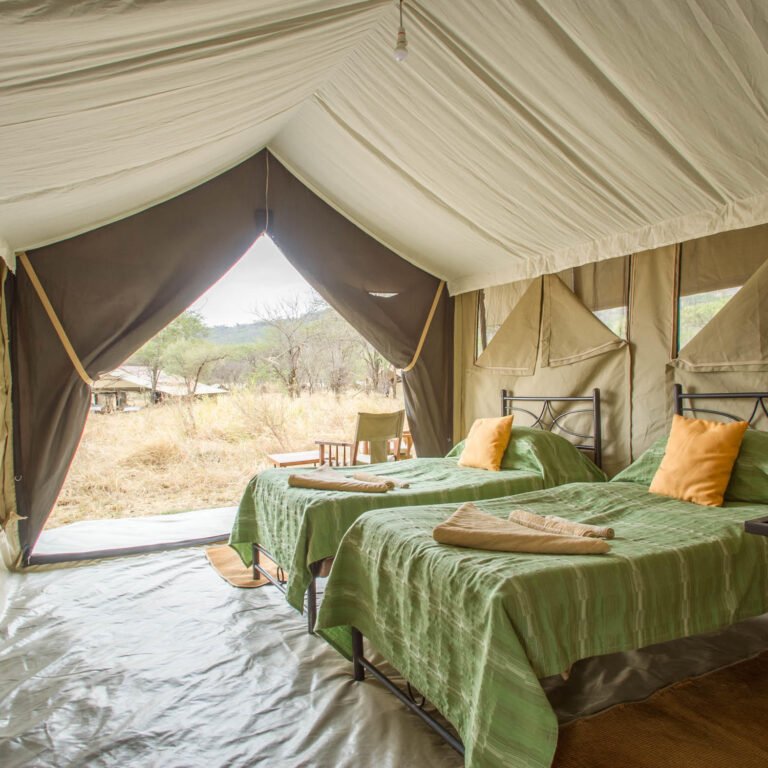
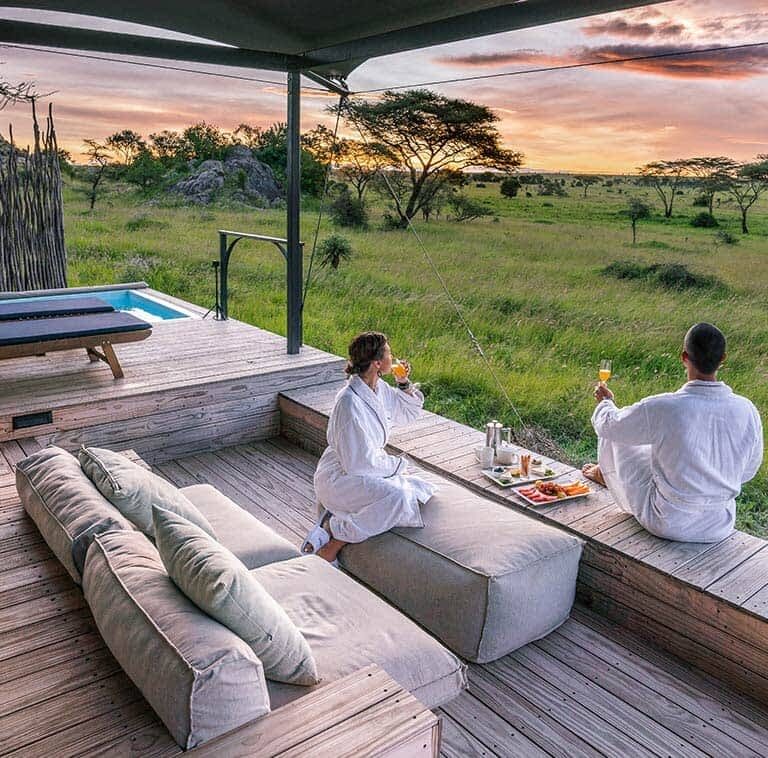
In February, African safari stays range from classic lodges to intimate tented camps, perfectly placed near wildlife-rich areas. With fewer crowds and lush green landscapes, you can enjoy comfortable lodges, luxury safari camps, or eco-friendly retreats offering excellent game viewing. Many properties provide cozy accommodations, personalized service, and stunning views, making February an ideal time to enjoy both comfort and authentic safari experiences in Africa.

About Tarangire Ndovu Tented Lodge —- Best Place to stay in Tarangire National Park Explore and discover Tarangire …

Visit Legendary Lodge | Luxury African Safari Safaris —- Nestled on the lush slopes of Mount Meru, Legendary …

Ultimate Singita Sasakwa lodge An ultra-luxurious safari retreat located in Tanzania’s Grumeti Reserve, offering spectacular views of the …

Where to go on an African Safari in February?

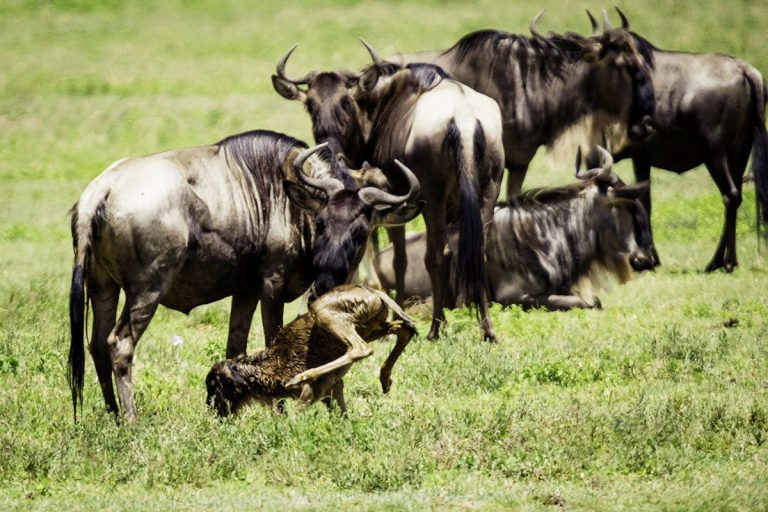
February is an excellent time to explore Tanzania’s iconic safari destinations. The Serengeti shines with the Great Migration’s calving season, offering dramatic wildlife encounters. Ngorongoro Crater delivers year-round game viewing in lush green landscapes, while Tarangire National Park boasts fewer crowds and active wildlife. For a balanced safari of scenery, baby animals, and authentic experiences, Tanzania in February is truly rewarding.

Everything You Need to Know About Arusha National Park. Arusha National Park features diverse landscapes like Mount Meru, …

Everything You Need to Know About Kilimanjaro National Park. Rising majestically from the plains of Tanzania, Mount Kilimanjaro …

Everything You Need to Know About Mkomazi National Park. In the shadow of the mighty Kilimanjaro, often overshadowed …

Our top African countries to visit in February for a safari

Tanzania is one of the top African countries to visit in February for a safari, offering lush green landscapes, fewer crowds, and excellent wildlife viewing. This is calving season in the southern Serengeti, where wildebeest give birth and predators are highly active. With warm weather, great photography, and attractive safari rates, February is a rewarding time to experience Tanzania’s wild beauty.

Why Choose an African Safari in February

February is ideal for an African safari thanks to warm, dry weather and fewer tourists, making wildlife spotting easier and more enjoyable. Animals gather around water sources, offering spectacular viewing, while landscapes are lush and vibrant from recent rains. This month also provides excellent opportunities for photography, comfortable game drives, and a peaceful, less crowded safari experience, ensuring a memorable adventure in Africa’s iconic national parks.

How to Plan an African Safari in November

Planning an African safari in November means preparing for the short rains and fewer crowds. Choose your destinations wisely—Serengeti and Ngorongoro offer incredible wildlife viewing. Book flights and accommodations early, pack lightweight rain gear, and work with a trusted safari operator. Don’t forget vaccinations, travel insurance, and comfortable clothing. With careful planning, November safaris provide lush landscapes, active wildlife, and a more intimate safari experience, making it a perfect time for adventure and photography.

How to book an African Safari in February?

Booking an African safari in February is best done early to secure top lodges and guides. Research destinations, considering February’s weather and wildlife patterns. Choose a trusted safari operator, compare itineraries, and confirm availability. Book flights and accommodations together for convenience, and ensure visas, vaccinations, and travel insurance are arranged. Planning ahead guarantees a smooth, memorable safari experience during Africa’s summer wildlife season.

Where to go on a February safari in East Africa?

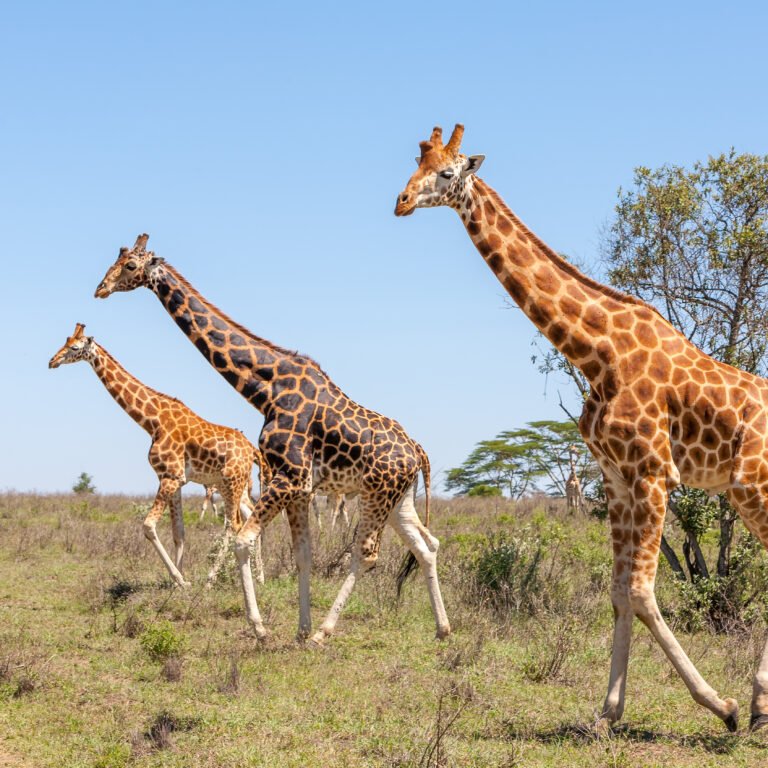
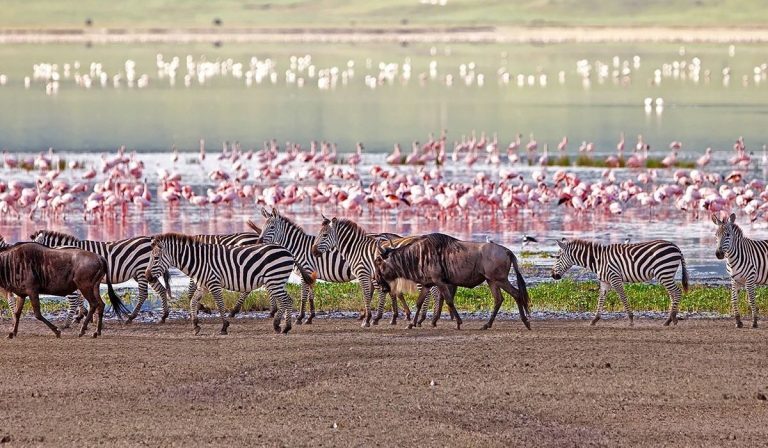
February is ideal for a Tanzania safari, as the short rainy season ends and the landscapes are lush. Head to Serengeti National Park for predator sightings, Ngorongoro Crater for dense wildlife, and Tarangire National Park for large elephant herds. Lake Manyara offers flamingos and tree-climbing lions, while Arusha National Park is perfect for scenic hikes and spotting giraffes. February’s mild weather ensures fewer crowds and excellent game-viewing opportunities across Tanzania’s iconic safari destinations.

Everything you need to know before your African safari in February 

Planning a February African safari? Expect warm, dry weather perfect for wildlife spotting as animals gather around water sources. Prepare for occasional afternoon showers, especially in East Africa. Book early for the best accommodations, pack lightweight clothing, sun protection, and binoculars. Understand local customs, tipping norms, and safari safety tips. Patience is key for spotting elusive wildlife, and a knowledgeable guide makes all the difference. With the right planning, February offers an unforgettable safari experience.

10 essential questions about an African safari in February

For an African safari in February, ask about specific park weather/wildlife (calving season!), packing layers for warm days/cool nights, visa/health requirements (vaccinations, malaria), budget (hidden costs like drinks/tips), safari length, packing essentials (hat, meds, camera), vehicle type, and safety (reputable guides, insurance) to plan a fantastic trip, focusing on East Africa (Serengeti/Masai Mara) for migration calving or Southern Africa for lush scenery.

Which countries or parks are best to visit in February for wildlife sightings?

February is ideal for Tanzania safaris. Tarangire bursts with wildlife around its water sources, Ngorongoro Crater offers great predator and herbivore sightings, and the Serengeti hosts abundant game in open plains. Lake Manyara and Arusha National Park are perfect for birdwatching and spotting elephants, while Lake Eyasi lets you experience Hadzabe culture. After safari, relax on Zanzibar’s pristine beaches for a perfect mix of adventure and tropical leisure.

What animals are most active during this time of year?

How is the During this time of year, wildlife activity often peaks as many species follow seasonal patterns. Predators like lions and cheetahs are more visible hunting in open areas, while herbivores such as wildebeest, zebras, and gazelles migrate in search of fresh grazing. Birdlife also flourishes, with migratory species arriving and local birds nesting. Early mornings and late afternoons are the best times to spot animals actively feeding, socializing, or moving across the savannah.weather—temperatures, rainfall, and humidity?

Are roads and lodges easily accessible despite occasional rains?

Yes! Most major safari routes and lodges in Tanzania are designed to remain accessible even during rainy periods. While heavy downpours can occasionally make minor tracks slippery, well-maintained roads, 4×4 vehicles, and strategically located lodges ensure travelers can reach destinations safely and comfortably. The rains also bring lush landscapes and active wildlife, making safari experiences even more rewarding despite occasional wet conditions.

What is the best type of safari vehicle for February conditions?

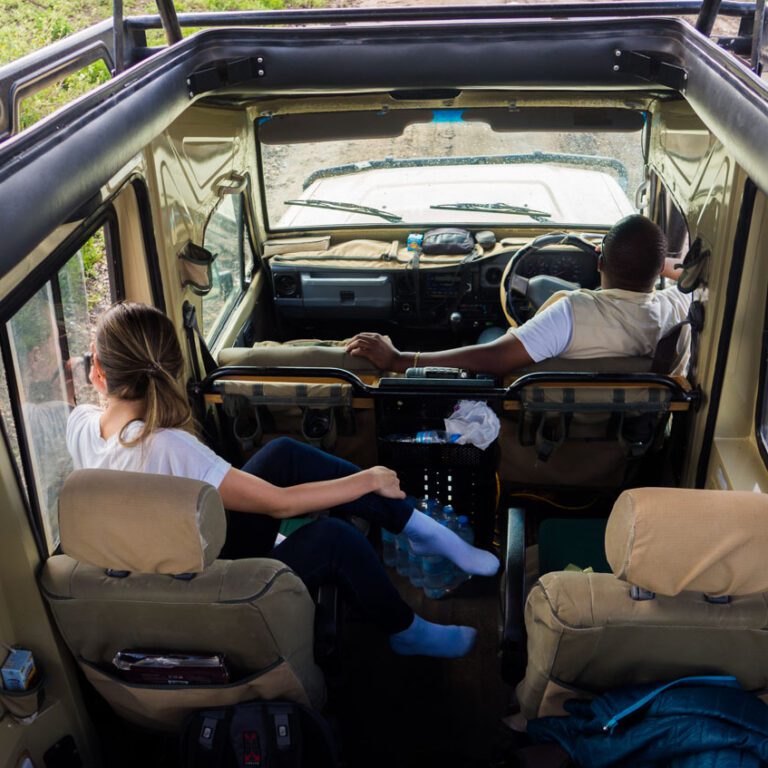
For February safaris in Tanzania, a 4×4 open-sided vehicle is ideal. The dry season means dusty roads, so vehicles with raised suspension handle rough terrain easily. Open sides allow unobstructed wildlife viewing and photography, while a canopy provides shade from the sun. Some luxury options include comfortable seating and pop-up roofs for close-up encounters. Overall, a robust, open 4×4 ensures safety, comfort, and the best possible safari experience during February’s warm, dry conditions.

Do I need special clothing or gear for this season?

For this season, lightweight, breathable clothing is ideal for daytime safaris, while warm layers are essential for early mornings and evenings. Comfortable walking shoes or boots are a must, along with a wide-brimmed hat, sunglasses, and sunscreen. Don’t forget a rain jacket if visiting during wet months, and binoculars for wildlife spotting. Packing versatile clothing ensures comfort, protection, and the best safari experience, no matter the weather or terrain.

Are there any seasonal events or migrations to witness?

Yes! Tanzania’s wildlife comes alive with seasonal events, most famously the Great Migration, where millions of wildebeest, zebras, and gazelles move between the Serengeti and Maasai Mara, usually from December to July. Other seasonal highlights include bird migrations at Lake Manyara and Lake Natron, calving season in the southern Serengeti around January–February, and flamingo gatherings at Lake Natron. Timing your safari around these events ensures unforgettable wildlife encounters and spectacular natural displays.

How busy are the parks—will it be crowded?

Tanzania’s parks vary in crowd levels depending on the season and location. Serengeti and Ngorongoro Crater see more visitors during the dry season (June–October), while Tarangire and Lake Manyara are quieter. Early mornings and late afternoons are less busy, offering more intimate wildlife encounters. Choosing off-peak months or lesser-known parks can provide a peaceful safari experience without the crowds, making your visit feel more private and immersive.

What are the recommended accommodations and their availability?

Recommended accommodations in Tanzania range from luxury lodges and tented camps to mid-range lodges and budget-friendly options. Availability depends on the season—peak safari months (June–October, December–February) fill quickly, so early booking is essential. Popular choices in Serengeti, Ngorongoro, Tarangire, and Zanzibar offer a mix of comfort, stunning views, and authentic safari experiences. Travelers seeking exclusivity or all-inclusive packages should secure reservations well in advance to guarantee their preferred stays.

Should I book guides and tours in advance for February?

Yes! Booking guides and tours in advance for February is highly recommended. This is peak safari season in Tanzania, with excellent wildlife viewing and pleasant weather. Early reservations ensure you secure the best accommodations, knowledgeable guides, and preferred tour itineraries. Waiting until arrival may limit options and increase costs. Planning ahead guarantees a smoother, stress-free safari experience, letting you focus on enjoying the adventure rather than scrambling for availability.

Top Activities do on an African Safari in February

African Safari Night Game Drives · Best Seller · Top Rated Operator —- A night game drive in …

Hiking and Climbing Adventures in Tanzania —- Mountain climbing in Tanzania offers an unforgettable adventure through some of …

African Birding Tours Offered by Reputable Tour Operators —- Tanzania Bird Watching Safaris offer an unforgettable experience for …