
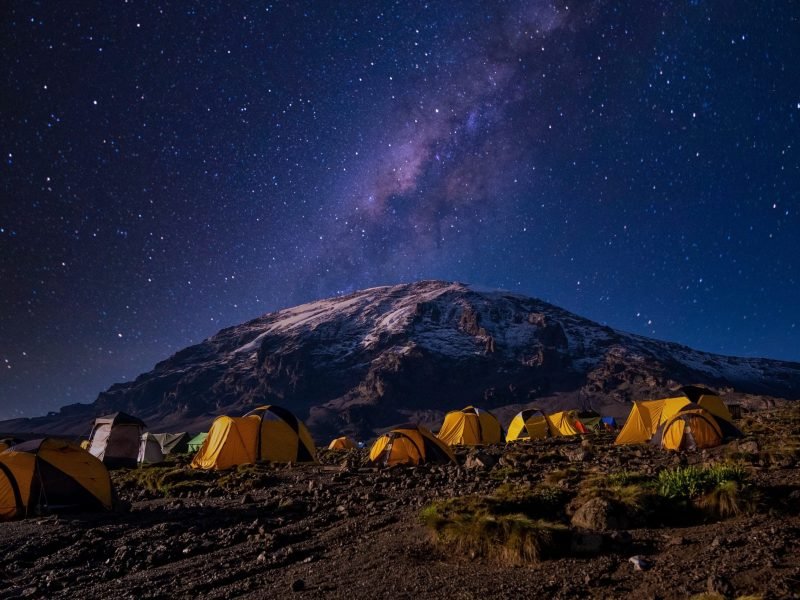
The 6-Day Umbwe route on Kilimanjaro – a detailed day-by-day description Experience the ultimate 6-Day Umbwe …
7-Day Lemosho Route Kilimanjaro & Success Rates
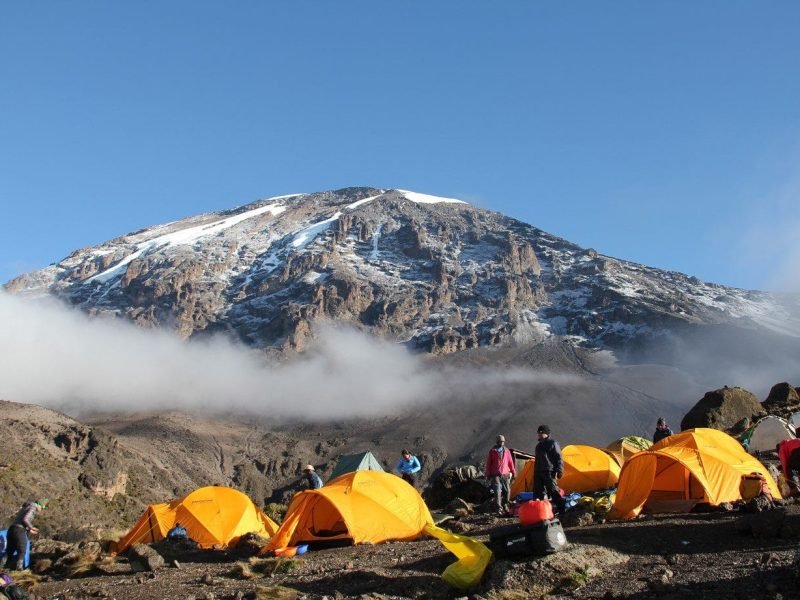
Experience and discover the ultimate 7-day Lemosho Route on Mount Kilimanjaro, one of the best Kilimanjaro climbing routes, offering breathtaking scenery, high summit success rates, and excellent acclimatization. Known for its remote start and panoramic views, the Lemosho Route is a top choice for trekkers seeking a less crowded, scenic Kilimanjaro trek. This 7-Day Mount Kilimanjaro on Lemosho Route itinerary begins on the western side of the mountain, crossing lush rainforest, moorland, and alpine desert before reaching Uhuru Peak.
The Lemosho Route is highly recommended for both beginners and experienced climbers due to its gradual ascent profile, which improves acclimatization and reduces altitude sickness risks. Trekkers enjoy iconic highlights like Shira Plateau, Barranco Wall, and stunning sunrise views from Stella Point.
This Kilimanjaro trekking package typically includes professional guides, porters, camping equipment, meals, and park fees, ensuring a safe and comfortable climb. The best time to climb Kilimanjaro via Lemosho is during the dry seasons from January to March and June to October. For adventure seekers, photographers, and nature lovers, the 7-day Lemosho Route delivers an unforgettable African mountain climbing experience.
Lemosho Route 7-Day Itinerary, Prices & Dates
The 7-Day Lemosho Route on Mount Kilimanjaro is one of the most scenic and rewarding Kilimanjaro trekking experiences, offering breathtaking landscapes, diverse ecosystems, and a high summit success rate. Starting from the remote western side, this route provides a quieter, more immersive adventure compared to other popular Kilimanjaro routes. Trekkers journey through lush rainforest, the vast Shira Plateau, alpine desert, and finally to the Arctic summit zone at Uhuru Peak (5,895 m). Covering approximately 70 km, the Lemosho Route is known for its excellent acclimatization profile and panoramic views. Although the 7-day variation is slightly more demanding than longer itineraries, it remains a top choice for experienced climbers seeking a balance of challenge, beauty, and efficiency on Africa’s highest mountain.
Day 0: Kilimanjaro / Arusha Airport – Transfer to Arusha
Your Kilimanjaro adventure begins upon arrival at Kilimanjaro International Airport, where you are warmly welcomed by your professional mountain guide and transferred to your hotel in Arusha. This vibrant safari hub serves as the gateway to Mount Kilimanjaro and Tanzania’s northern circuit. During the evening briefing, your guides will conduct a detailed gear check, ensuring you are fully prepared for the climb. You’ll receive important information about altitude acclimatization, safety protocols, and daily trekking expectations. This is also your opportunity to ask questions and mentally prepare for the journey ahead. Enjoy a restful night in Arusha, surrounded by the stunning landscapes of northern Tanzania, as you prepare to embark on one of the world’s most iconic trekking adventures.
Day 1: Arusha – Lemosho Gate (2385 m) – Big Tree Camp (2780 m)
After breakfast, drive through scenic countryside to the Londorossi area, the western gateway to Mount Kilimanjaro. Following registration at the Lemosho Gate, your trek begins through lush montane rainforest. Towering trees, moss-covered branches, and the sounds of exotic birds create a magical atmosphere. This section of the trail is rich in biodiversity, where you may spot colobus monkeys and other wildlife. The hike is relatively gentle, allowing your body to begin acclimatizing gradually. After 2–3 hours of trekking, you reach Big Tree Camp, also known as Mti Mkubwa Camp. Here, you settle into your tents and enjoy your first night on the mountain. This peaceful forest setting provides a perfect introduction to the Kilimanjaro climbing experience.
Day 2: Big Tree Camp (2780 m) – Shira Camp 2 (3900 m)
Today is a longer and more demanding trekking day as you leave the rainforest behind and ascend into the heather and moorland zone. The trail gradually opens up, revealing stunning views of the Shira Ridge and Mount Kilimanjaro’s western slopes. As you gain altitude, vegetation becomes sparse, replaced by giant heathers and volcanic rock formations. The climb to Shira Camp 2 involves steady elevation gain, making it an important acclimatization day. Upon arrival, you are rewarded with spectacular panoramic views across the Shira Plateau, one of the most scenic areas on Kilimanjaro. The air is thinner here, so rest, hydration, and proper pacing are essential. This day marks your transition into higher altitudes and prepares you for the challenges ahead.
Day 3: Shira Camp 2 (3900 m) – Lava Tower (4640 m) – Barranco Camp (3960 m)
This is a crucial acclimatization day following the “climb high, sleep low” principle. You trek upward toward the Lava Tower, a striking volcanic formation at 4,640 meters. The ascent helps your body adjust to higher altitude, although you may begin to feel the effects of reduced oxygen. After lunch near Lava Tower, you descend to Barranco Camp, located in a sheltered valley beneath the imposing Barranco Wall. This descent aids acclimatization and improves your chances of reaching the summit. The landscape transitions into an alpine desert, with dramatic scenery and views of Kilimanjaro’s southern glaciers. Barranco Camp is often considered one of the most beautiful camps on the mountain, offering unforgettable sunset views and a strong sense of progress.
Day 4: Barranco Camp (3960 m) – Karanga Camp (4035 m)
The day begins with the exciting climb up the Barranco Wall, a non-technical scramble that rewards trekkers with breathtaking views. Despite its steep appearance, the ascent is manageable with guidance from experienced guides. After reaching the top, the trail undulates through ridges and valleys before descending into the Karanga Valley. You then make a final short ascent to Karanga Camp. This is a shorter trekking day, designed to enhance acclimatization and conserve energy for the summit push. The surrounding landscape is rugged and dramatic, with sweeping views of glaciers and valleys. Spending the night at Karanga Camp helps your body adjust to the altitude while preparing you for the higher elevations ahead.
Day 5: Karanga Camp (4035 m) – Barafu Camp (4640 m)
Today’s trek leads you into the stark alpine desert zone, characterized by rocky terrain and minimal vegetation. The trail steadily ascends toward Barafu Camp, your base camp for the summit attempt. Upon arrival, you will have an early dinner and rest, as the summit push begins shortly after midnight. Barafu Camp offers stunning views of Mawenzi Peak and the surrounding landscape. The altitude here is significant, so hydration and rest are essential. Your guides will brief you on the summit strategy, ensuring you are mentally and physically prepared. This is a critical stage of your Kilimanjaro climb, as the next phase will test your endurance, determination, and resilience.
Day 6: Barafu Camp (4640 m) – Uhuru Peak (5895 m) – Mweka Camp (3080 m)
Summit day is the most challenging and rewarding part of the journey. You begin your ascent around midnight, trekking slowly under a starlit sky toward Stella Point and eventually Uhuru Peak, the highest point in Africa. The climb is steep and demanding, but reaching the summit at sunrise is an unforgettable achievement. From Uhuru Peak, you witness breathtaking views above the clouds, glaciers, and the vast African plains. After celebrating and taking photos, you descend back to Barafu Camp for a short rest before continuing down to Mweka Camp. This long day requires mental strength and endurance, but it is the highlight of your Kilimanjaro trekking adventure.
Day 7: Mweka Camp (3080 m) – Mweka Gate (1630 m) – Arusha
On your final day, you descend through the lush rainforest to Mweka Gate. The trail is scenic and relatively gentle, allowing you to reflect on your incredible achievement. Upon arrival, you receive your summit certificate, a proud symbol of your success on Mount Kilimanjaro. You are then transferred back to Arusha for a well-deserved shower and celebration. The journey from the summit to the gate showcases the mountain’s diverse ecosystems once more, from alpine desert to tropical forest. Completing the Lemosho Route is a life-changing experience, filled with unforgettable memories, stunning landscapes, and a deep sense of accomplishment.
Day 8: Departure – Farewell
After breakfast in Arusha, you will be transferred back to Kilimanjaro International Airport for your departure. Depending on your schedule, you may choose to extend your stay with a Tanzania safari or a relaxing beach holiday in Zanzibar. As you leave, you carry with you unforgettable memories of your Kilimanjaro climb, from the rainforest trails to the summit of Uhuru Peak. The Lemosho Route offers not only a physical challenge but also a deeply rewarding personal journey. Whether you reached the summit or simply embraced the adventure, this experience remains one of Africa’s most iconic travel achievements.
What to Pack for the 7-Day Lemosho Route
Packing for the Lemosho Route requires careful planning to ensure comfort, safety, and success. Essential gear includes layered clothing for varying climates, from warm rainforest conditions to freezing summit temperatures. A high-quality sleeping bag, waterproof jacket, insulated down jacket, trekking boots, and thermal base layers are crucial. Accessories such as gloves, hats, sunglasses, and a headlamp are vital for summit night. Hydration systems, energy snacks, and personal medical supplies should also be included. Since the route involves camping, porters will carry most equipment, but a daypack is necessary for daily essentials. Proper gear significantly enhances your Kilimanjaro climbing experience and improves your chances of reaching the summit comfortably.
What is the Success Rate of the 7-Day Lemosho Route?
The 7-Day Lemosho Route offers a relatively high summit success rate compared to shorter Kilimanjaro routes, although slightly lower than longer itineraries. On average, success rates range between 80% and 85%, depending on the operator and climber preparation. More optimized itineraries and experienced guides can push success rates closer to 85% or higher. The slightly reduced success rate compared to the 8-day option is due to less acclimatization time. However, the route’s gradual ascent profile and “climb high, sleep low” strategy still make it one of the most successful paths to Uhuru Peak. Proper training, pacing, hydration, and mental resilience play a crucial role in achieving a successful summit on this iconic African adventure.
What to Expect on the 7-Day Lemosho Route
Climbing Mount Kilimanjaro via the Lemosho Route is a physically demanding yet incredibly rewarding adventure. Expect 6–8 hours of daily trekking across diverse terrains, including rainforest, moorland, alpine desert, and glacial summit zones. Weather conditions vary dramatically, from warm and humid at lower elevations to freezing temperatures near the summit. Altitude is the biggest challenge, and symptoms such as fatigue and headaches are common. The route is less crowded in its early stages, offering a more peaceful trekking experience before joining other routes near Lava Tower. Camp life includes hearty meals, tent accommodation, and support from experienced guides and porters. Overall, the journey combines adventure, endurance, and breathtaking natural beauty, making it one of the world’s most iconic trekking experiences.
Inclusive & Exclusive
Inclusions 7-Day Lemosho Route
- 6 nights’ mountain accommodation
- All transportation – airport pick up and drop off included
- All park entrances fees
- Professional English speaking Mountain guide & chef
- Meals according to the itinerary
- Mineral water on all days
- All mentioned activities
- All government taxes Price.
- 18% VAT,
- Government increase entry fees
- Rescue fees
- Pre and post-program accommodation for 2 nights
- Camping equipment ( tent, mattress, gaters, mess table and chairs)
- Airport Pick up and drop off
- Porterage
Exclusions 7-Day Lemosho Route
- International flights (from / to home)
- Personal items (souvenirs, travel insurance, visa fees, etc.)
- Tips (from 20 USD per person per day for mountain guide
- Internal flights
- Mount Kilimanjaro trekking Equipment's
- Tips (from 10 USD per person per day for a porter
- Tips (from 15 USD per person per day for a chef/cook
What to bring 7-Day Lemosho Route
- Clothes
- A warm sweater as the nights can be chilly at high altitudes.
- Comfortable shoes
Request Safari Quote
Ethical Mount Kilimanjaro Climb & Safari
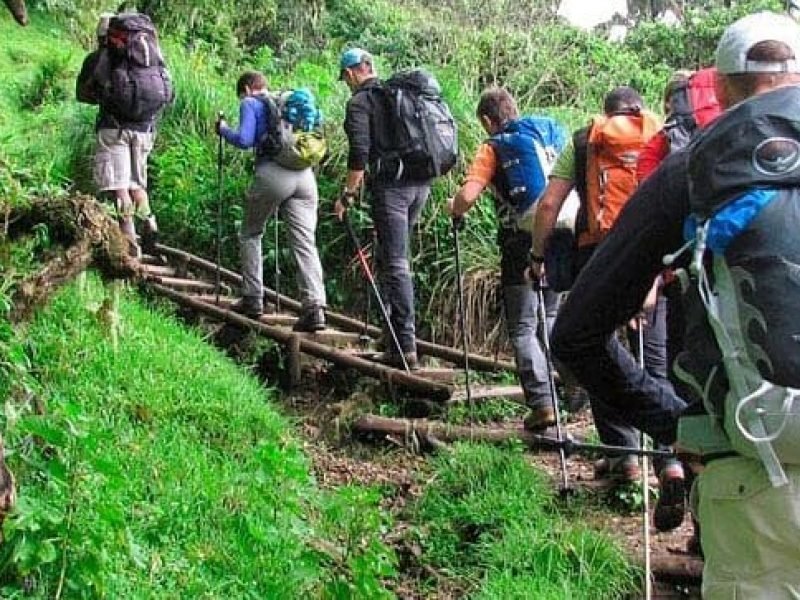
1-Day Kilimanjaro Climb via Machame Route (with Reviews) It involves going up to the first camp, …
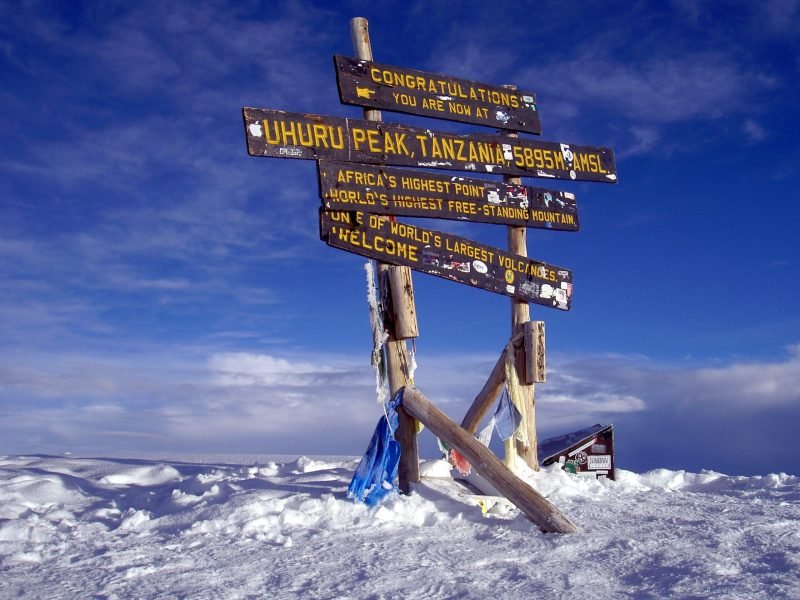
6-Day Machame Route Kilimanjaro – 95% Summit Success Rates Discover the ultimate 6-Day Machame Route Kilimanjaro …
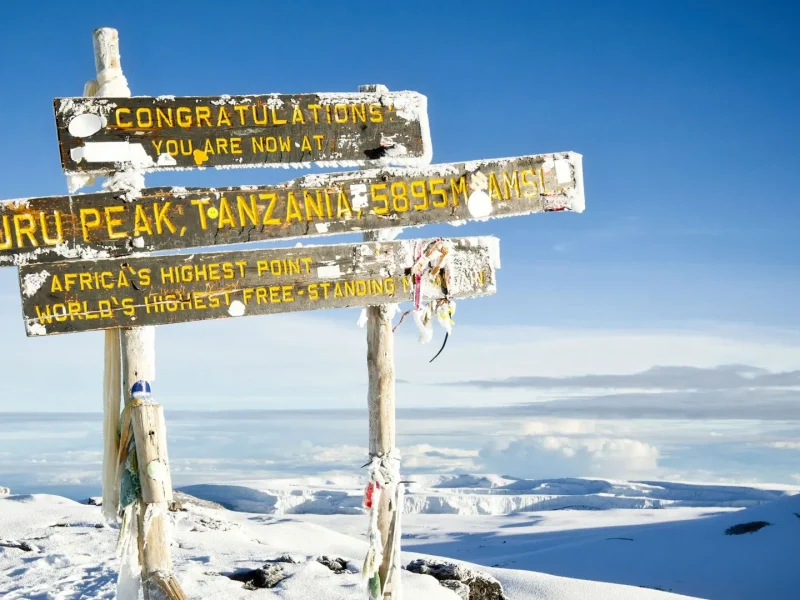
Marangu Route 6-day Itinerary, Prices & Dates The 6-day Marangu Route on Mount Kilimanjaro is one …
7-Day Machame Route: Compare the best of Kilimanjaro Tours Experience and discover the ultimate 7-Day Machame …
8-Day Lemosho Route Kilimanjaro & Success Rates Experience and discover the ultimate 8-Day Lemosho Route on …