
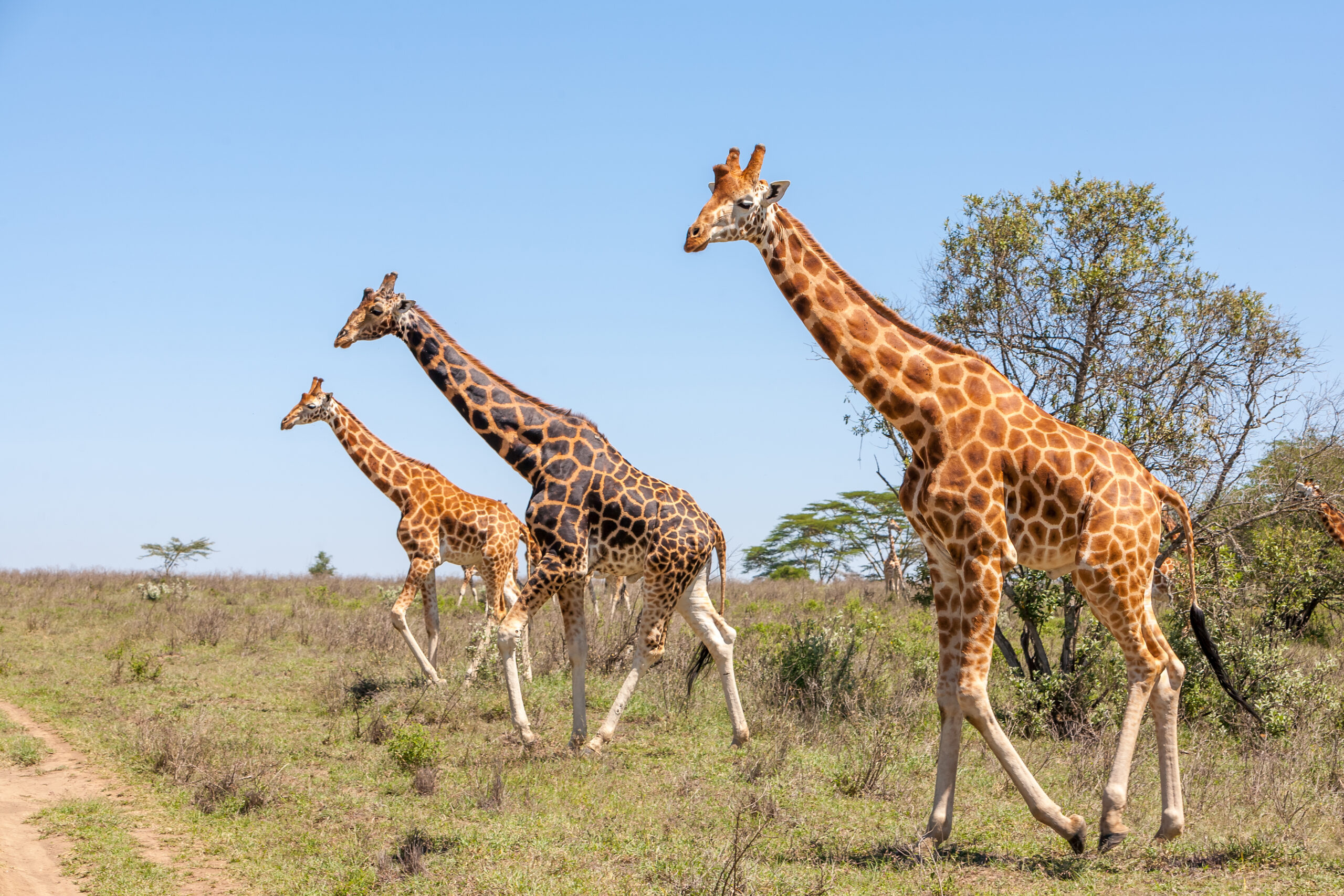
Amazing 7-Day Ndutu Calving Season Serengeti Migration Safari Experience the magic of the Ndutu Migration calving season, where …
Tanzania Safari in February
Tanzania Safari in February offers a perfect escape for every type of traveler, ideal for witnessing the great wildebeest migration’s calving season in the Southern Serengeti and Ndutu region. Families, honeymooners, seniors, and solo adventurers can explore stunning landscapes, from Serengeti’s wildlife plains to Ngorongoro Crater’s wonders. Tanzania Safari Tours options range from budget to mid-range and ultra-luxury, with all-inclusive, bespoke, or personalized private safaris crafted by top-rated tour operators. Fly-in or fly-out itineraries make access seamless, while professional guides ensure safe, unforgettable experiences. Travelers can rely on detailed Tanzania Safari Package reviews, photos, maps, and transparent pricing to plan their dream expedition. Whether you seek a classic wildlife trip, a romantic getaway, or a fully tailored adventure, Tanzania’s safari companies offer custom, hassle-free vacations, combining comfort, excitement, and the magic of Africa in one extraordinary journey. Perfect for families, couples, seniors, and solo explorers alike.
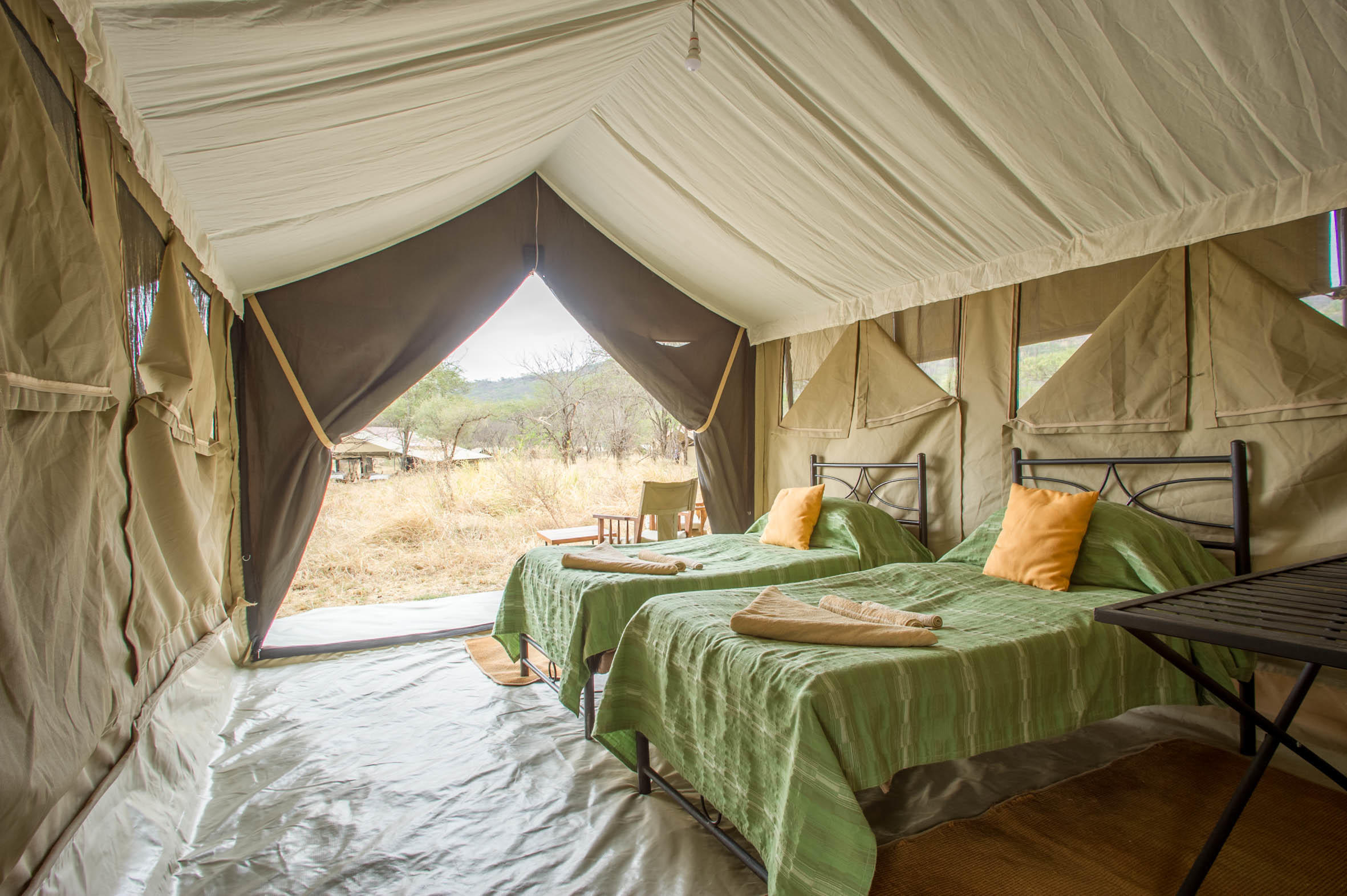
Best 5-Day Ndutu Migration (Calving Season) Safari with reviews A 5-day Ndutu Migration Safari during the calving season …
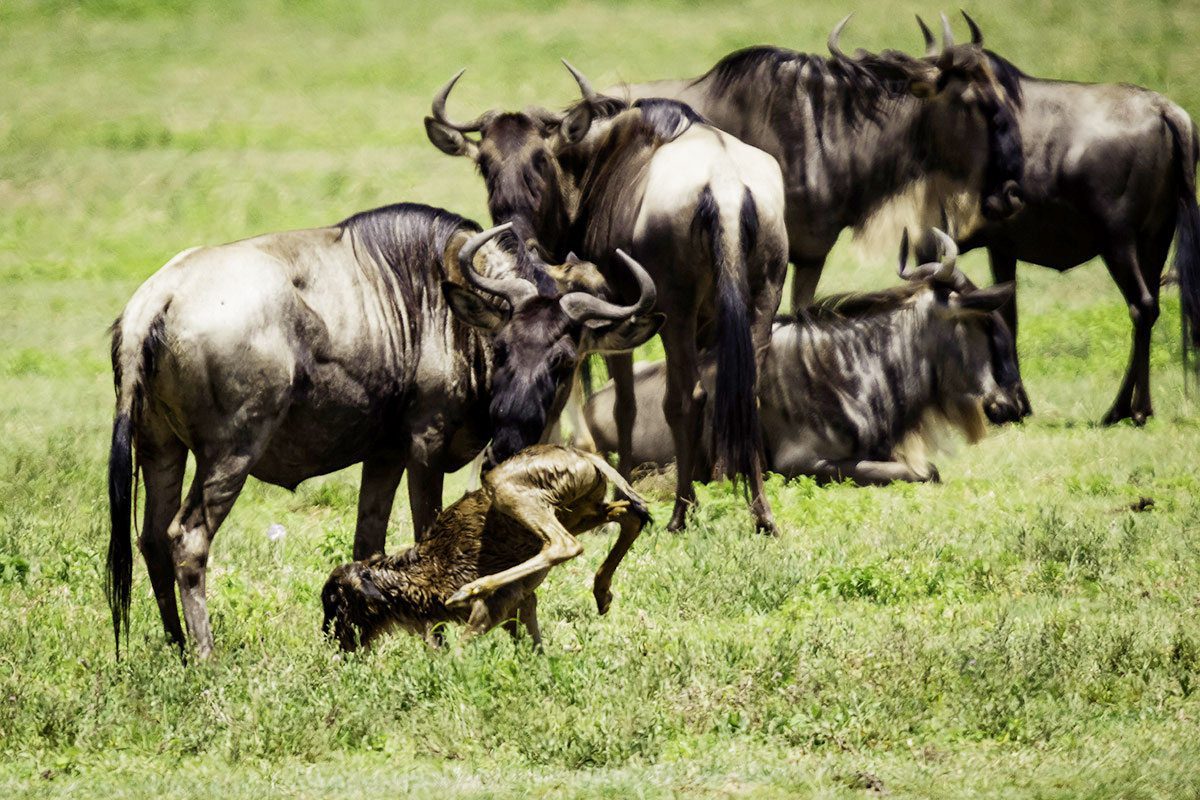
Best 4-day Ndutu Migration Safari Calving Season (with 1735 Reviews) A 4-day Ndutu Migration Safari during the calving …
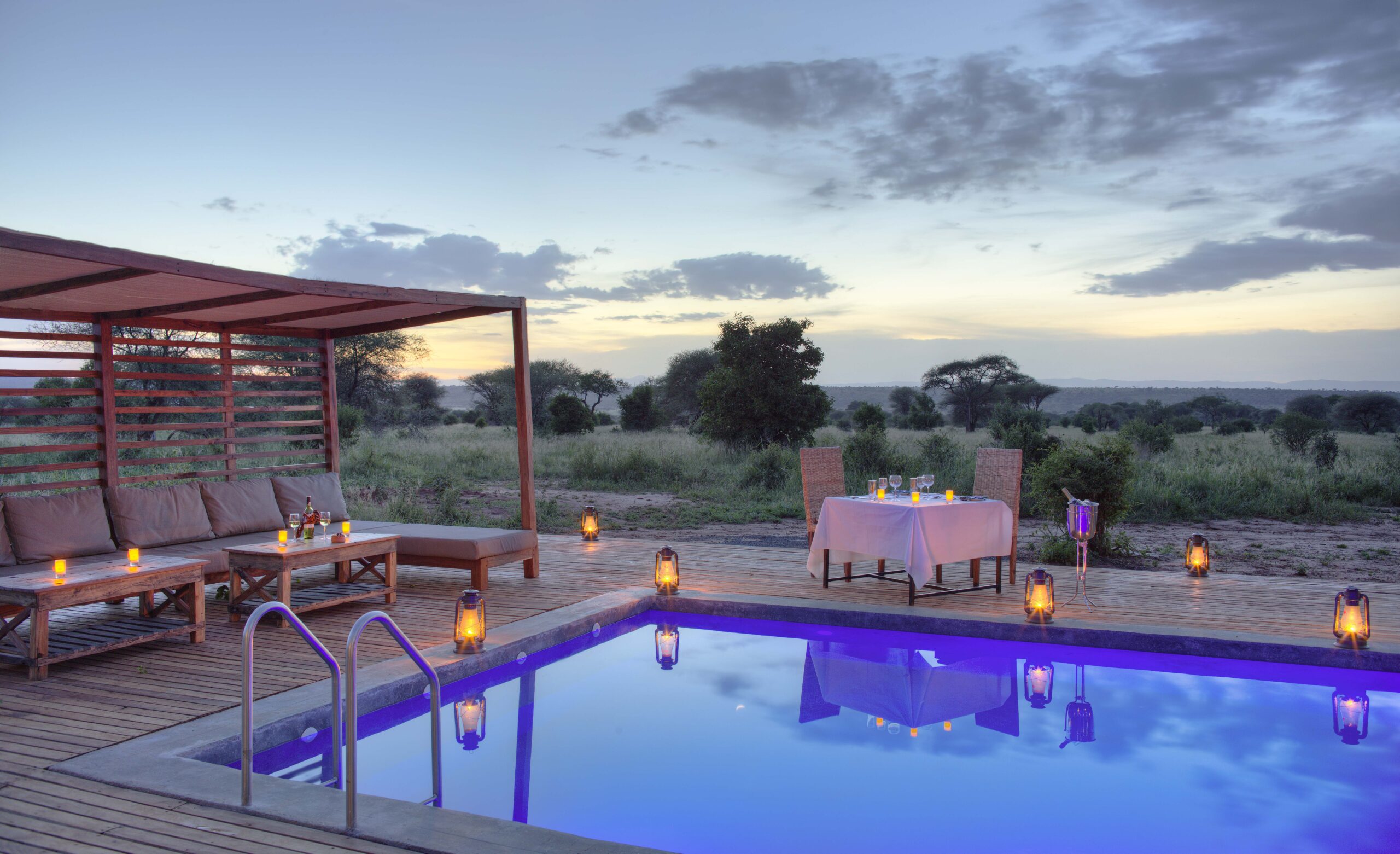
Why choose a Tanzania Safari in February
Choosing a Tanzania safari in February offers the advantage of fewer crowds, more intimate wildlife viewing, lower costs, and excellent birdwatching opportunities due to the wet “green” season. This time is also ideal for witnessing the wildebeest calving season in the Ndutu area, though it is less likely to see river crossings compared to the dry season. The lush, green landscapes provide a beautiful backdrop for viewing wildlife.
What to expect Tanzania Safari in February?
In February, expect a Tanzania safari to be a vibrant and dramatic experience with lush green landscapes and the excitement of the wildebeest calving season in the Southern Serengeti and Ndutu area. You’ll see a huge influx of newborns, drawing predators like lions and cheetahs, and find moderate crowds and potentially lower prices compared to peak season. Light, short-burst rainfall is common, but it generally doesn’t disrupt game drives, and temperatures are hot during the day and warm at night.
Where to go Tanzania Safari in February?
In February, the best place to go on a Tanzania safari is the Northern Circuit, the Southern Serengeti, especially Ndutu, where the Great Migration’s calving season takes place. This area bursts with newborn wildlife and intense predator action. The Ngorongoro Crater is another top choice, offering dense wildlife and stunning scenery year-round. For quieter experiences, Lake Manyara provides rich birdlife and tree-climbing lions, while Tarangire offers beautiful landscapes. Together, these destinations create an unforgettable February safari circuit.
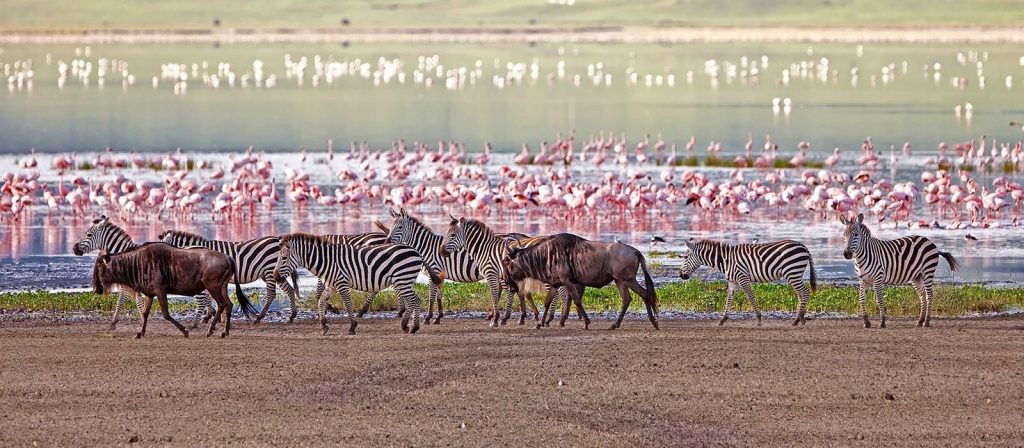
The best Tanzania Safari in January, Travel Tips, Weather, & Other Cool Stuff
The best Tanzania safari in January centers around the Southern Serengeti and Ndutu, where the Great Migration gathers before calving season. The weather is warm, with occasional showers that keep the landscape green and wildlife active. Travel tips include booking early, carrying light layers, and packing sun protection. Tanzania Safari Packages in January also offer excellent birdwatching, fewer crowds compared to peak season, and dramatic predator sightings. It’s a vibrant, exciting month for travelers seeking rich wildlife encounters and stunning scenery.
Why Tanzania Safari in February is the Ideal Safari Destination?
Tanzania is an ideal safari destination in February due to the ongoing green season, which brings lush landscapes and pleasant temperatures, and the spectacular wildebeest calving season in the Southern Serengeti and Ndutu. Visitors can witness thousands of wildebeest births daily, experience fewer crowds than during peak season, and enjoy the vibrant, green scenery and diverse wildlife across various national parks and reserves.
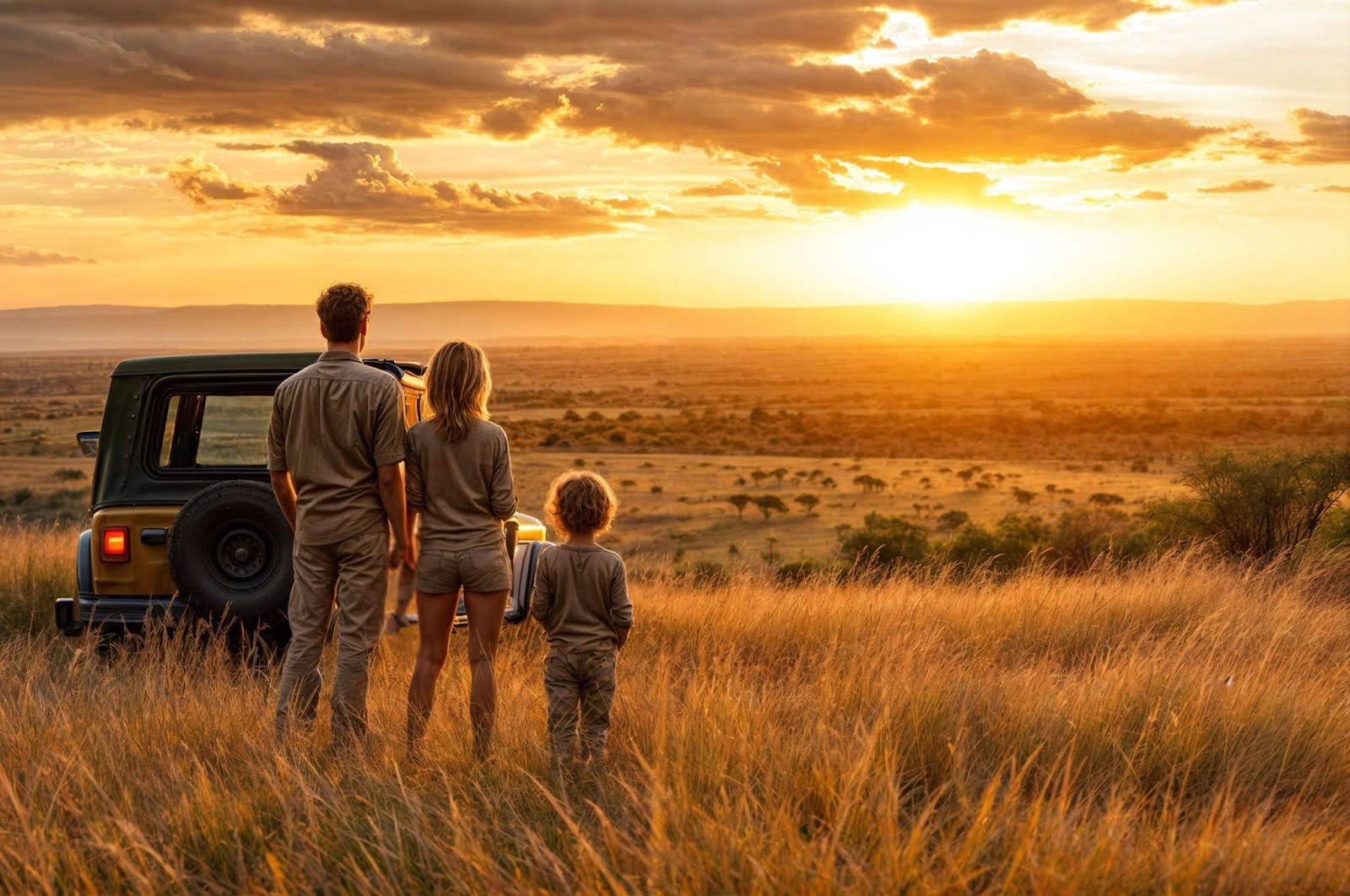
Tanzania Family Safari in February
A Tanzania family safari in February offers a warm, wildlife-filled adventure ideal for all ages. The Southern Serengeti bursts with newborn animals during calving season, creating gentle, captivating wildlife moments perfect for kids. The Ngorongoro Crater provides easy, rewarding game viewing with short drives and abundant animals. Many lodges offer family rooms, engaging activities, and friendly staff. With lush landscapes, mild weather, and incredible wildlife action, February creates a fun, educational, and unforgettable safari experience for families.
What to Pack Tanzania Safari in February
For a Tanzania safari in February, pack light, breathable clothing for warm days, plus a light jacket for cooler mornings. Choose neutral colors for game drives and comfortable closed shoes for walking. Bring a wide-brim hat, sunscreen, insect repellent, and a reusable water bottle. Binoculars and a good camera are essential for capturing wildlife, especially during calving season. Don’t forget personal medications, toiletries, and a waterproof cover for unexpected showers. Soft luggage works best for safari vehicles.
Tanzania Solo Safari Holidays in February
January is an excellent time for a solo safari in Tanzania due to the calving season in the Southern Serengeti, which offers incredible predator-prey sightings. You can find seasonal discounts on accommodations during this time and enjoy a lush, green landscape with fewer tourists. Popular destinations include the Serengeti, Ngorongoro Crater, Tarangire, and Lake Manyara, and you can choose from various multi-day tours focusing on these areas.
Popular solo safari itineraries for January in Tanzania include the Northern Circuit, focusing on the Serengeti National Park, Ngorongoro Crater, and Tarangire National Park. These itineraries often coincide with the beginning of the wildebeest calving season in the southern Serengeti and Ndutu regions, making it an ideal time for wildlife viewing. Customizable packages are available to add destinations like Lake Manyara or a trip to Zanzibar.
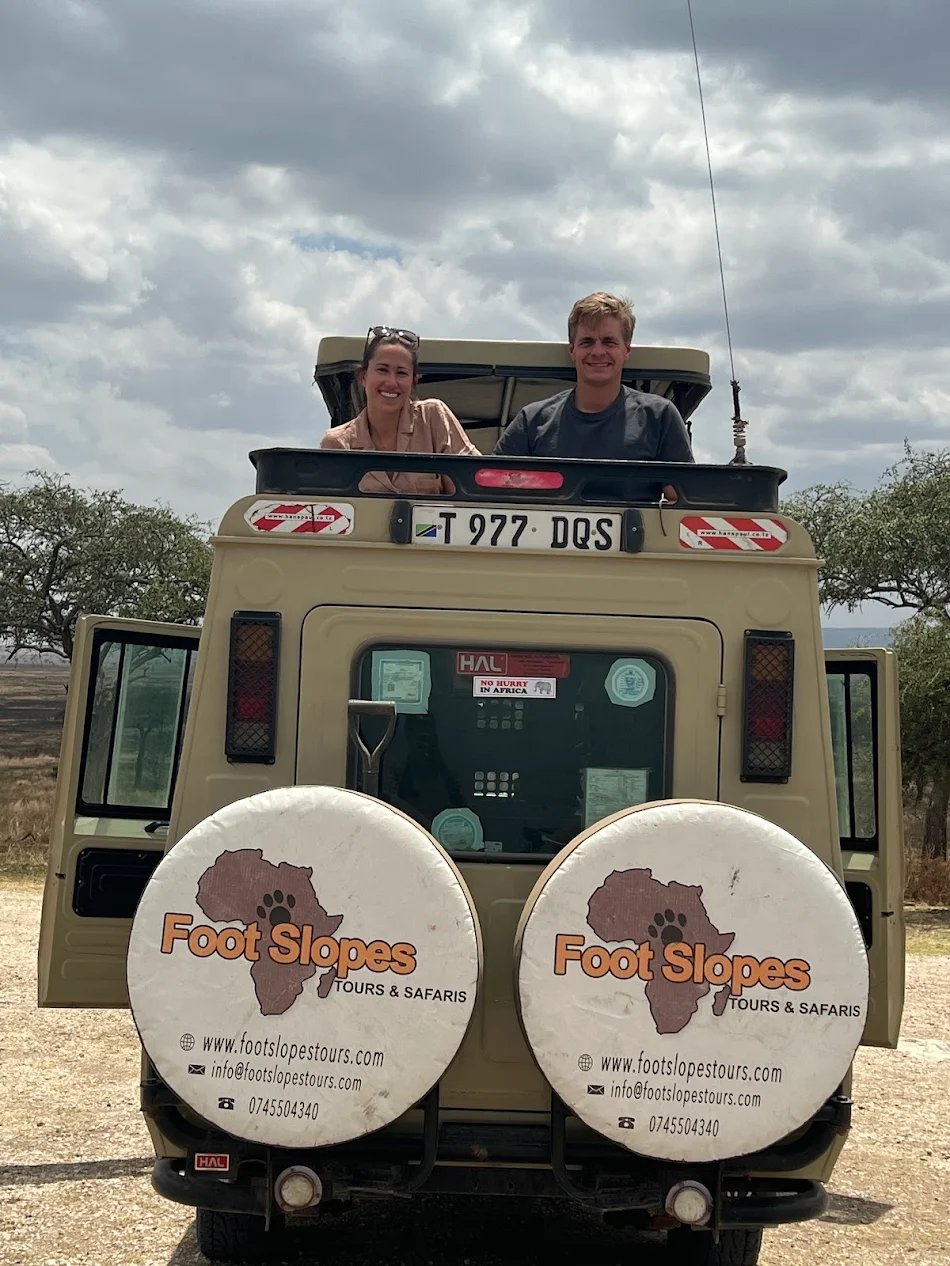
Tanzania Honeymoon Safari in February
A Tanzania honeymoon safari in February offers romance amid breathtaking landscapes and abundant wildlife. Stay in luxurious lodges or private tented camps in the Southern Serengeti and Ndutu, where the Great Migration’s calving season creates unforgettable wildlife encounters. Enjoy intimate game drives, gourmet meals under the stars, and serene moments overlooking the Ngorongoro Crater. Warm weather, lush scenery, and fewer crowds make February the perfect time for couples to combine adventure, privacy, and unforgettable memories on a once-in-a-lifetime safari.
The Ultimate Guide to a Tanzania Honeymoon Safari in February
The ultimate guide to a Tanzania honeymoon safari in February highlights romance, adventure, and unforgettable wildlife experiences. Explore the Southern Serengeti and Ndutu during the Great Migration’s calving season, witnessing newborn animals and predator action. Stay in luxurious lodges or private tented camps with stunning views and personalized service. Enjoy intimate game drives, candlelit dinners, and scenic sunsets over the Ngorongoro Crater. February’s warm weather, lush landscapes, and fewer crowds make it the perfect month for a dreamy, adventurous honeymoon.
Tanzania Senior Safari in February
A Tanzania senior safari in February offers a comfortable, memorable wildlife experience tailored for older travelers. With gentle game drives in the Southern Serengeti, Ndutu, and Ngorongoro Crater, seniors can witness the Great Migration’s calving season without strenuous activity. Mid-range lodges or luxury camps provide cozy accommodations, easy access to vehicles, and attentive service. February’s warm weather, lush landscapes, and abundant wildlife ensure a safe, engaging, and unforgettable safari adventure that combines relaxation with thrilling wildlife encounters.
How to Book a Tanzania Safari in February?
Booking a Tanzania safari in February is best done in advance to secure prime lodges and camps during the calving season. Start by selecting your preferred parks—Southern Serengeti, Ndutu, and Ngorongoro Crater are top choices. Choose a reputable tour operator, decide on your budget or style—budget, mid-range, or luxury—and confirm included services like game drives, accommodation, and meals. Early booking ensures availability, better rates, and a seamless, unforgettable safari experience during Tanzania’s wildlife-rich February season.
When is the best time for a Tanzania Safari in February?
The best time for a Tanzania safari in February is early to mid-February, when the Great Migration gathers in the Southern Serengeti and Ndutu for the calving season. Wildlife viewing is exceptional, with thousands of newborn animals and increased predator activity. The weather is warm, the landscapes are beautifully green, and roads remain accessible despite light showers. This period also has fewer crowds than peak season, offering a more intimate and rewarding safari experience across Tanzania’s top destinations.
Is February a good time to visit Tanzania safari
Yes, February is a good time to visit Tanzania for a safari, especially if you want to avoid peak season crowds and see newborn animals. The weather is generally hot and sunny, though there might be some light, occasional showers. It’s a great time for bird-watching, and the landscapes are greener, offering good photography opportunities.
Tanzania luxury Safari in February
A Tanzania luxury safari in February offers front-row access to the Great Migration’s calving season while surrounding you with comfort and exclusivity. Stay in elegant lodges and premium tented camps in the Southern Serengeti and Ndutu, complete with spacious suites, gourmet dining, and personalized service. Expert guides lead intimate game drives through lush green landscapes filled with newborn wildlife and dramatic predator action. With fewer crowds and exceptional wildlife moments, February delivers a luxurious, immersive, and unforgettable safari experience.
Tanzania budget camping Safari in February
A Tanzania budget camping safari in February offers an adventurous, close-to-nature experience during one of the country’s most exciting wildlife seasons. Camping near the Southern Serengeti and Ndutu puts you right at the heart of the Great Migration’s calving period, with newborn animals and active predators nearby. Simple dome tents, shared facilities, and campfire meals keep costs low while enhancing the wilderness feel. Guided game drives, fresh green landscapes, and warm weather create an affordable yet truly immersive safari adventure.
Tanzania Mid-Range Safari in February
A Tanzania mid-range safari in February offers exceptional value and unforgettable wildlife encounters. Comfortable lodges and tented camps in the Southern Serengeti and Ndutu place you close to the Great Migration’s calving season, where thousands of newborns attract big predators. The Ngorongoro Crater adds easy, rewarding game viewing in lush, green landscapes. Mid-range packages include guided drives, meals, and cozy accommodations, blending affordability with comfort. February’s warm weather and dramatic wildlife activity make it a perfect time for a well-balanced safari adventure.
Top Activities to do in Tanzania Safari in February
In February, top activities for a Tanzanian safari include witnessing the wildebeest calving season in the southern Serengeti, which is a crucial event for predator-prey interactions. Other activities include birdwatching, as it is a great time for migratory birds, and photography, due to the lush, green scenery.
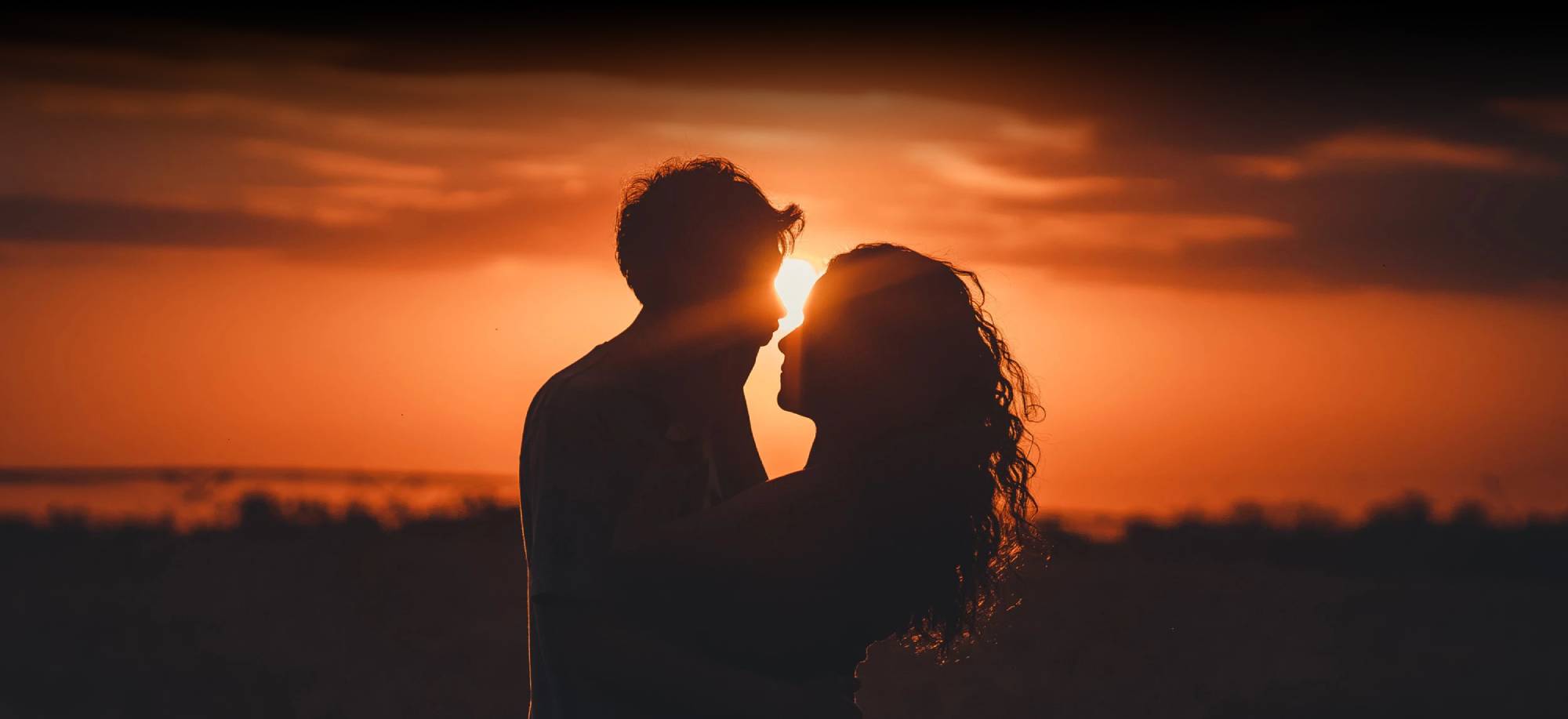
African Safari Night Game Drives · Best Seller · Top Rated Operator —- A night game drive in …
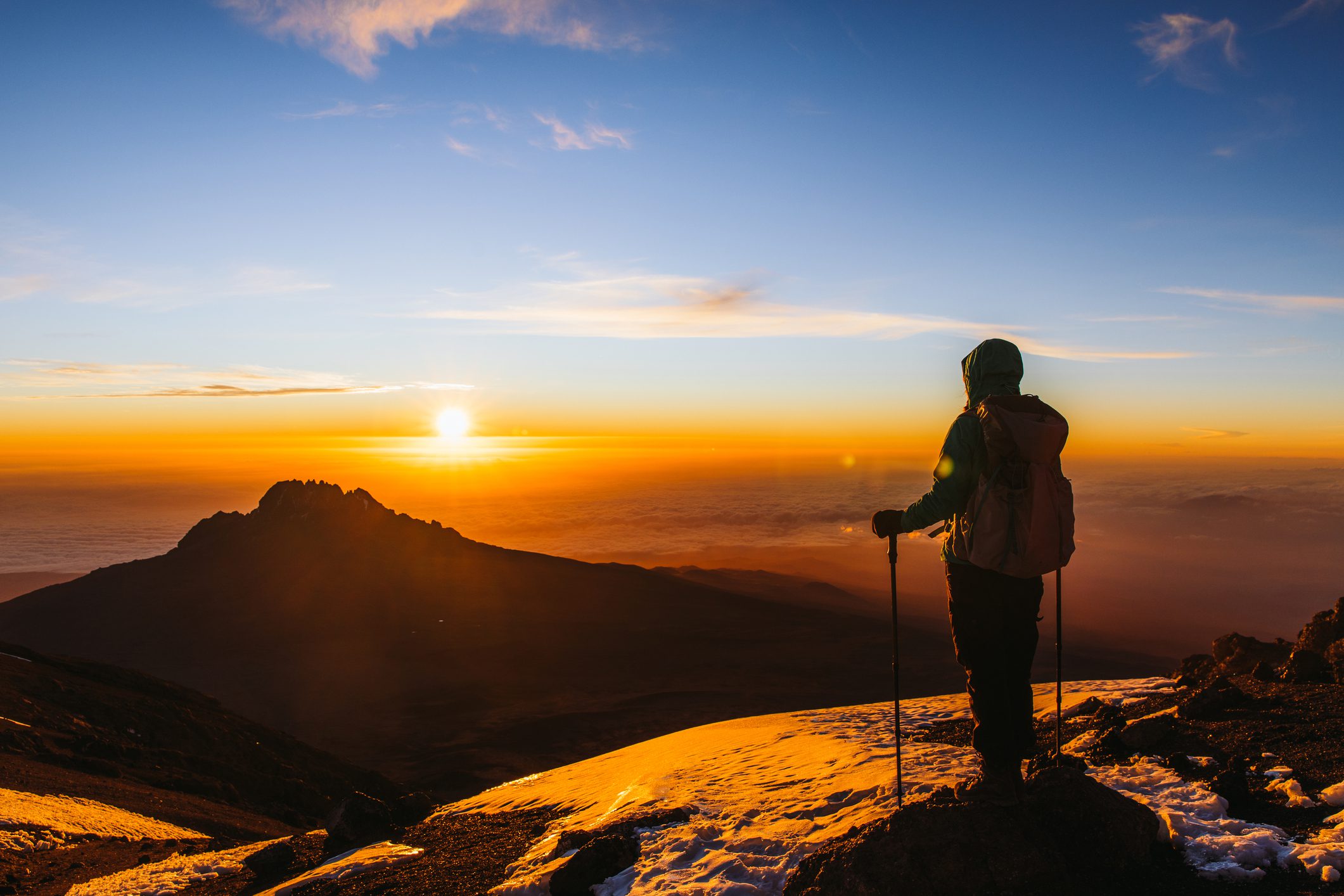
Hiking and Climbing Adventures in Tanzania —- Mountain climbing in Tanzania offers an unforgettable adventure through some of …
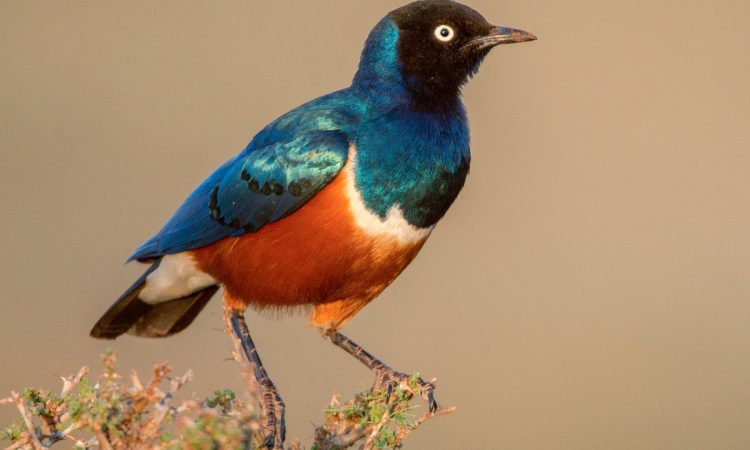
African Birding Tours Offered by Reputable Tour Operators —- Tanzania Bird Watching Safaris offer an unforgettable experience for …
Where to stay during a Tanzania Safari in February?
During a Tanzania safari in February, the best places to stay are lodges and mobile tented camps positioned around the Southern Serengeti and Ndutu, where the calving season unfolds. These camps offer front-row access to newborn wildlife and predator action. Many feature comfortable ensuite tents, warm hospitality, and stunning views of the plains. The Ngorongoro Crater also offers family-friendly lodges close to the crater rim, perfect for easy game viewing. Together, they provide comfort, convenience, and unforgettable wildlife moments.
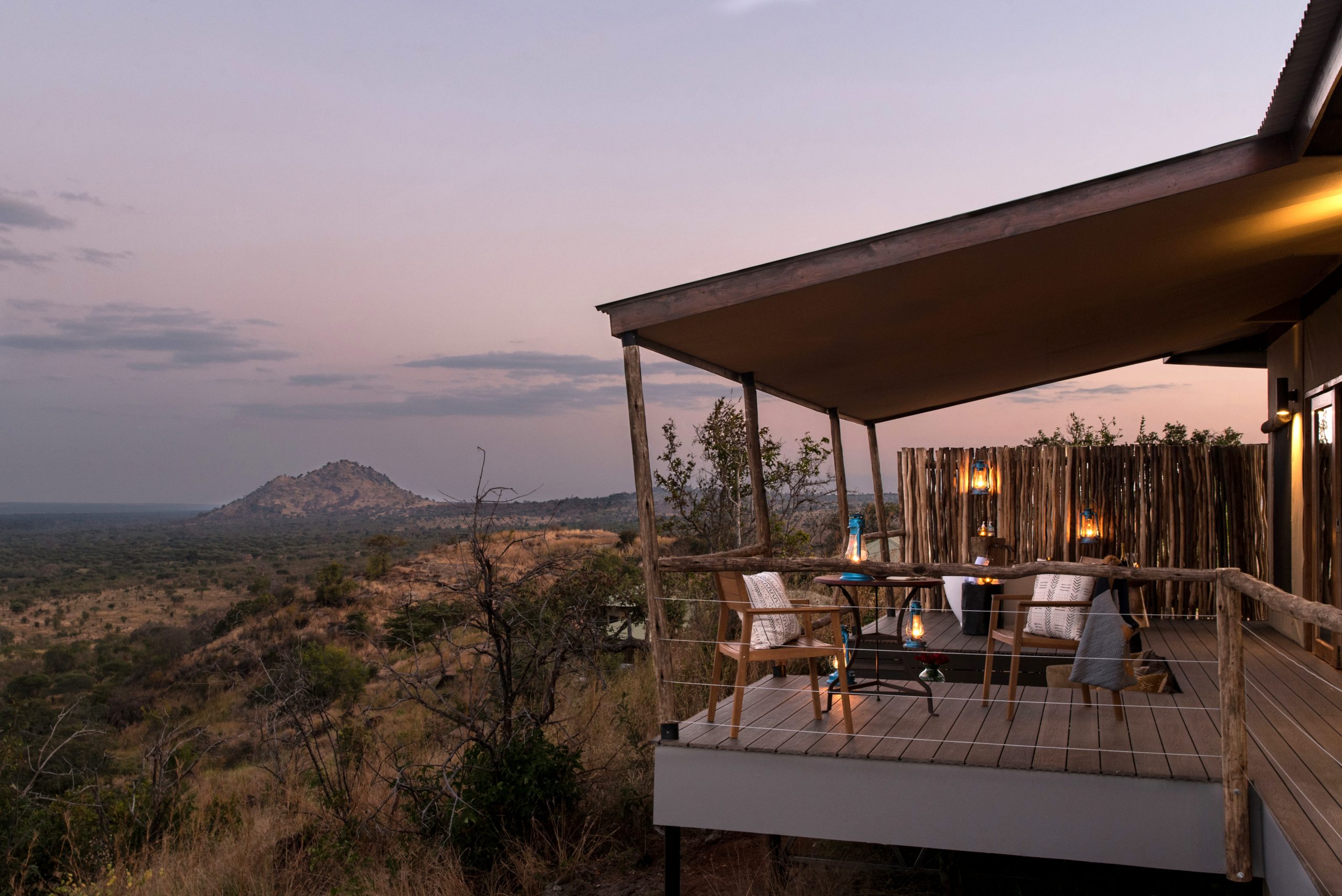
Mpingo Ridge Lodge —- Mpingo Ridge Lodge An eco-friendly and luxurious safari camp that offers a unique and …
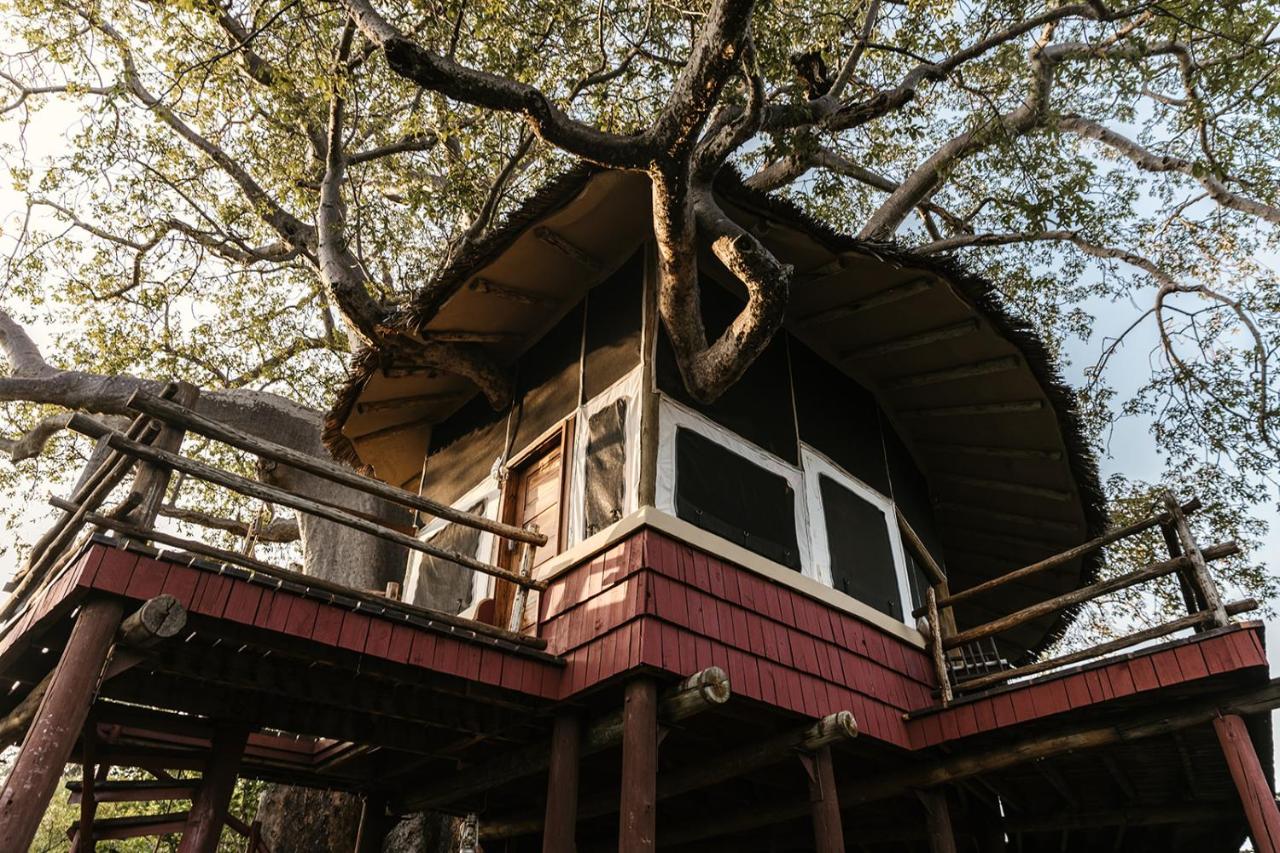
Tarangire treetops lodge —- Tarangire Treetops Lodge A luxurious safari lodge nestled within the heart of Tanzania’s Tarangire …

Hotel Verde Zanzibar Hotel Verde Zanzibar At the hotel every room has air conditioning, a desk, a balcony …