
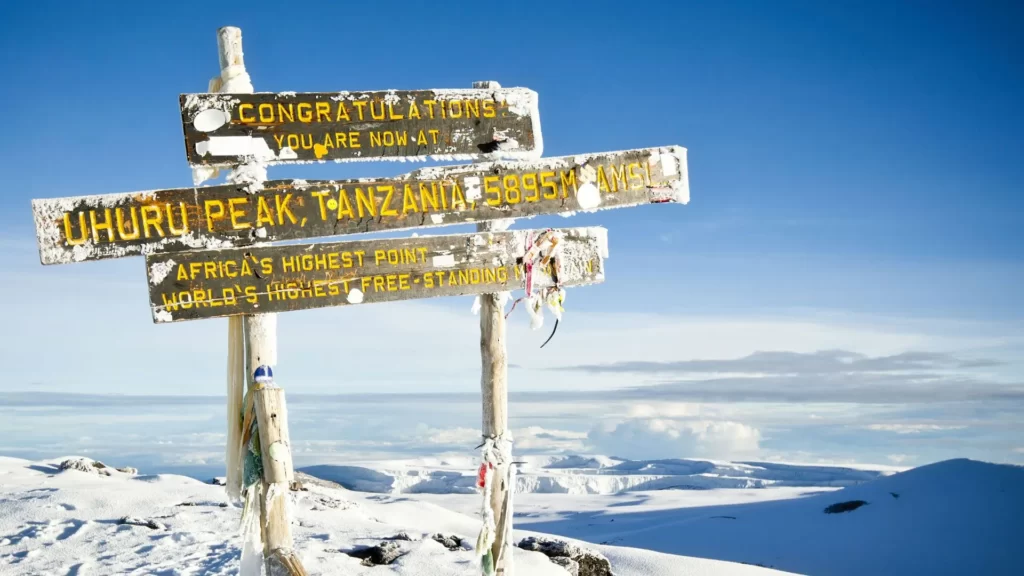
Kilimanjaro Climbing Experience
Popular Kilimanjaro Climb Packages
Expert-guided climbs across every major route, for every fitness level and budget.
7-Day Lemosho Route: The Most Beautiful Route on Mount Kilimanjaro
The most scenic route, with excellent acclimatization built in.
View Package →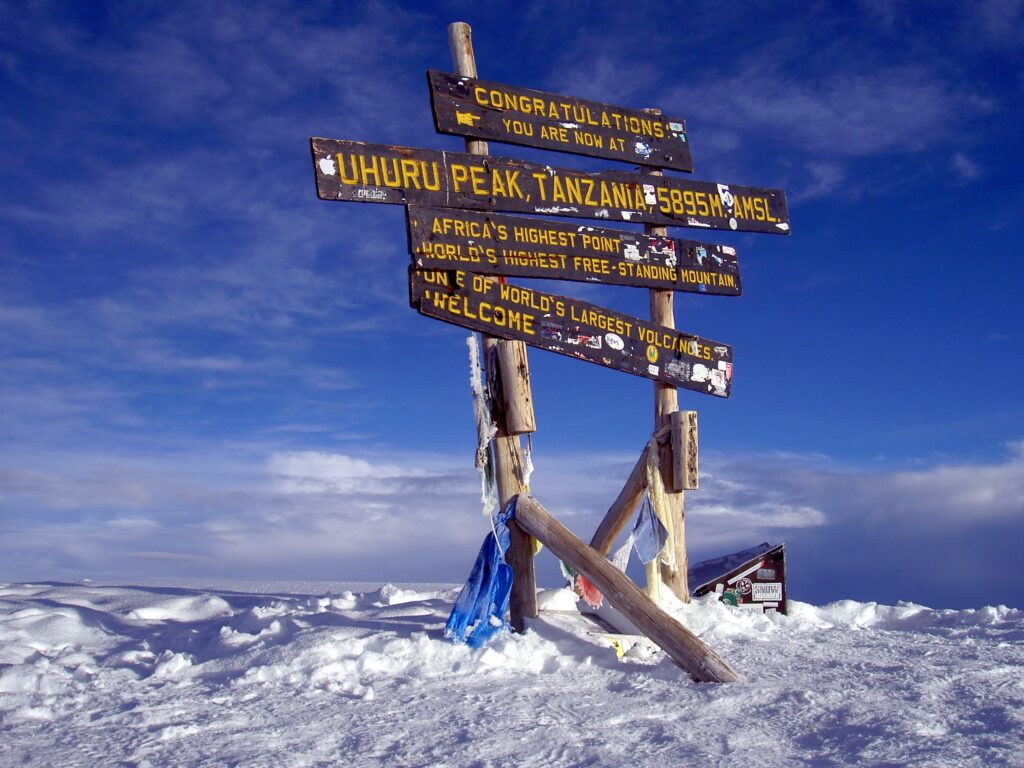
6-Day Machame Route
A popular, scenic route on Kilimanjaro's Whiskey Route.
View Package →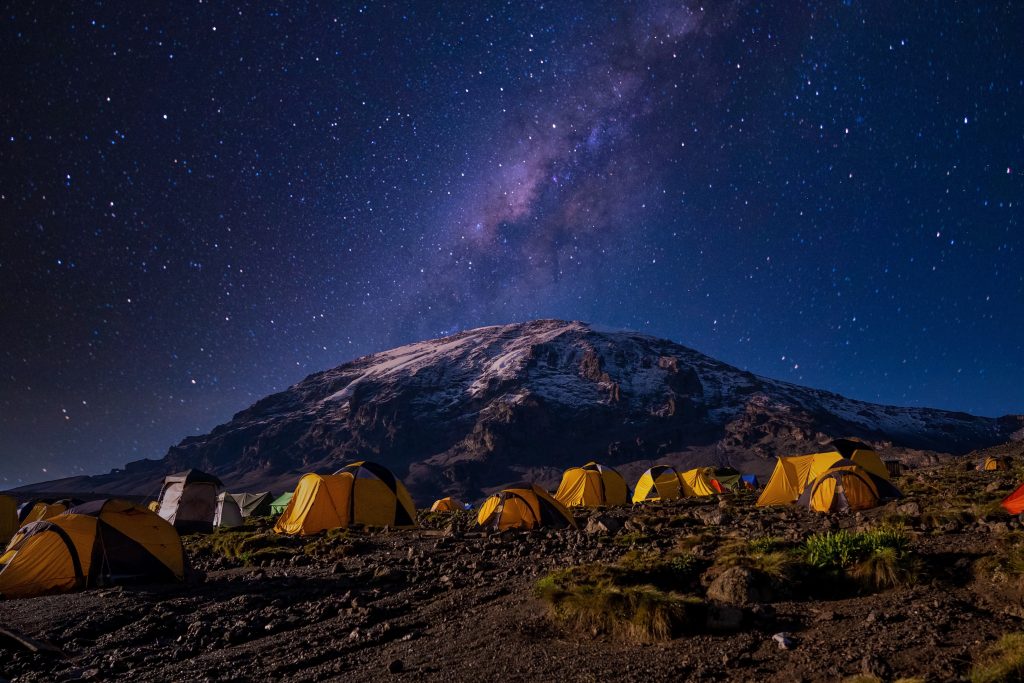
6-Day Marangu Route
The only route with hut accommodation, great for beginners.
View Package →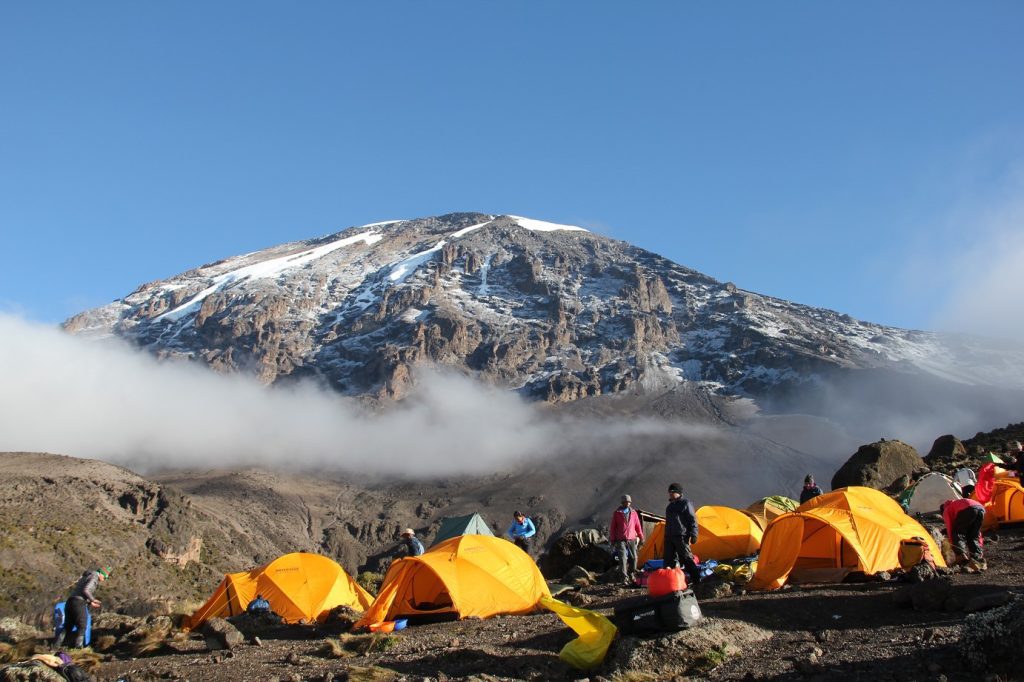
11-Day Northern Circuit: The Ultimate Extended Kilimanjaro Trek
The longest route, with the highest summit success rates.
View Package →7-Day Rongai Route
A quieter, less crowded northern approach.
View Package →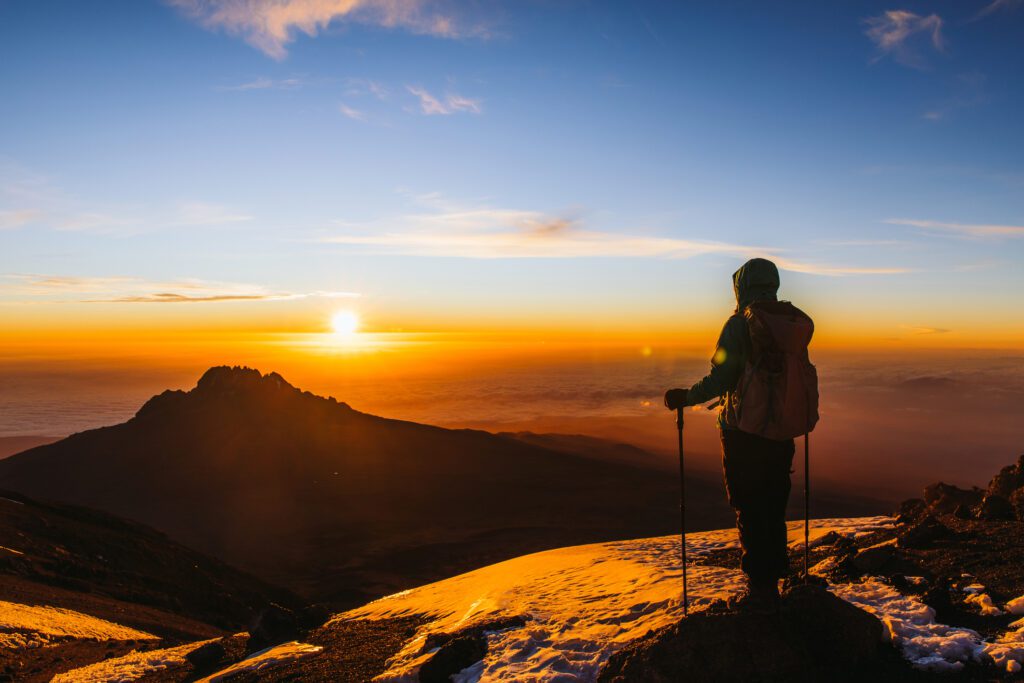
6-Day Umbwe Route
A steep, quiet route for experienced climbers.
View Package →7-Day Shira Route on Kilimanjaro
A quiet, high-starting route with genuinely rewarding scenery.
View Package →8-Day Lemosho Route
An extra acclimatization day for an even higher summit chance.
View Package →Kilimanjaro Climbing Experience Routes
Kilimanjaro offers several routes, each with unique experiences. Popular options include the scenic Machame, the direct Marangu, the quiet Rongai, and the scenic Lemosho. Machame and Lemosho are ideal for scenic beauty, while Marangu is known for its huts. Rongai offers a less crowded experience. Each route varies in difficulty, duration, and success rate, so choosing the right one depends on your fitness, preferences, and desired adventure. Proper acclimatization is key for a successful summit.
Kilimanjaro Climbing Experience FAQs
Why do people want to climb Kilimanjaro?
Climbing Mount Kilimanjaro is a dream adventure for many travelers seeking challenge, beauty, and personal achievement. As Africa’s highest peak and the world’s tallest free-standing mountain, it offers breathtaking landscapes, diverse ecosystems, and the rare chance to stand on the famous Uhuru Peak. Many climbers come for the sense of accomplishment, spectacular sunrise views above the clouds, and the life-changing journey through Tanzania’s iconic wilderness.
What does it feel like to climb Mount Kilimanjaro?
Climbing Mount Kilimanjaro is an unforgettable journey through changing landscapes, emotions, and personal triumph. The adventure begins in lush rainforest, where birds and towering trees surround the trail, and gradually rises through moorlands and alpine deserts to the icy summit. Each step brings a mix of challenge, excitement, and determination as the air becomes thinner and the views wider. Reaching Uhuru Peak at sunrise is a powerful moment—standing above the clouds with Africa beneath you. For many climbers, the feeling is not just physical achievement, but a life-changing sense of pride, inspiration, and connection with nature.
How difficult is the Kilimanjaro climb?
Climbing Mount Kilimanjaro is often described as challenging but achievable for many travelers. Unlike technical mountain climbs, it requires no ropes or climbing experience, yet the high altitude makes it physically demanding. The biggest challenge is altitude sickness as trekkers ascend toward Uhuru Peak at 5,895 meters. Success depends on choosing a good route, allowing enough days for acclimatization, maintaining a slow pace (“pole pole”), and staying well hydrated. With proper preparation, experienced guides, and determination, most reasonably fit hikers can successfully reach the summit and experience one of Africa’s greatest adventures.
Do I need previous mountain climbing experience?
Many first-time adventurers wonder whether they need prior mountain climbing experience before attempting a high-altitude trek. The good news is that most popular trekking peaks, including routes on famous mountains, are designed for beginners with reasonable fitness and determination. You do not need technical climbing skills, ropes, or mountaineering training. What matters most is physical preparation, a steady pace, and proper acclimatization. With experienced guides, supportive porters, and the right equipment, even first-time climbers can safely reach incredible heights. Training with regular hikes, cardio exercise, and mental preparation will greatly improve your chances of a successful and enjoyable mountain adventure.
What is summit night like on Kilimanjaro?
Summit night on Mount Kilimanjaro is the most challenging and rewarding moment of the climb. Trekkers wake around midnight, layering warm gear before beginning the slow, steady ascent under a sky full of stars. The air is thin, the temperature often below freezing, and every step requires determination. Guided by headlamps and experienced guides, climbers follow the famous pole pole pace toward the crater rim. Reaching Uhuru Peak at sunrise reveals breathtaking views above the clouds—an unforgettable reward after hours of effort, perseverance, and teamwork.
How does altitude affect climbers?
Altitude significantly affects climbers as oxygen levels decrease with elevation, making breathing more difficult and reducing physical performance. On high mountains like Mount Kilimanjaro, the thinner air can lead to fatigue, headaches, dizziness, and symptoms of Acute Mountain Sickness if the body does not acclimatize properly. Gradual ascent, proper hydration, and rest days help climbers adjust to lower oxygen levels. With the right pace and preparation, most trekkers can safely adapt and enjoy the experience of reaching higher altitudes while minimizing the risks associated with altitude sickness.
What kind of landscapes will I see during the climb?
Climbing Mount Kilimanjaro offers a breathtaking journey through diverse landscapes. You’ll start in lush rainforest, alive with birds and waterfalls, then ascend to moorlands dotted with giant heathers and colorful wildflowers. Higher up, the alpine desert presents stark, windswept vistas with rocky terrain and minimal vegetation. Near the summit, you’ll encounter the arctic zone—glacial ice, snowfields, and dramatic volcanic rock formations. Each stage reveals panoramic views of the Tanzanian plains, distant peaks, and clouds floating beneath you, making the climb not just a physical challenge but a visual adventure through some of Africa’s most stunning and varied natural landscapes.
What is the most emotional moment during the climb?
The most emotional moment during a Kilimanjaro climb is often reaching Uhuru Peak, the summit of Africa’s highest mountain. After days of physical challenge, altitude struggles, and early-morning ascents, standing above the clouds evokes awe, triumph, and sometimes tears. Climbers feel an overwhelming mix of accomplishment, gratitude, and connection to nature. The panoramic views of glaciers, valleys, and distant plains make the experience unforgettable. Guides often celebrate with heartfelt encouragement, adding to the sense of shared achievement. This peak moment is not just about reaching the top—it’s a profound, life-changing emotional milestone that many climbers treasure forever.
How long does it take to climb Kilimanjaro?
Climbing Mount Kilimanjaro typically takes 5 to 9 days, depending on the chosen route, your fitness level, and acclimatization needs. Shorter routes like Marangu may be completed in 5–6 days, while longer routes such as Machame, Lemosho, or Northern Circuit offer 7–9 days for better altitude adaptation and higher summit success rates. Each day involves gradual trekking through diverse landscapes—from lush rainforests and moorlands to alpine deserts and the iconic snow-capped summit. Proper planning, guided support, and acclimatization are essential to safely reach Uhuru Peak, making the climb a once-in-a-lifetime adventure.
How do guides and porters support climbers?
Guides and porters play a vital role in supporting climbers on Mount Kilimanjaro. Expert guides navigate routes, monitor health, and provide essential acclimatization advice to prevent altitude sickness. They offer motivation, safety tips, and manage emergencies, ensuring a smooth climb. Porters carry gear, set up camps, and prepare meals, allowing climbers to conserve energy for trekking. Together, they create a secure and enjoyable experience, making the Kilimanjaro ascent accessible even for first-time climbers. Their professionalism, knowledge, and care are essential for a safe, efficient, and memorable mountain adventure.
Is climbing Kilimanjaro worth the effort?
Climbing Mount Kilimanjaro is absolutely worth the effort for adventurous travelers seeking a life-changing experience. Standing at 5,895 meters, Africa’s highest peak offers breathtaking views of glaciers, volcanic landscapes, and diverse ecosystems along the ascent. Hikers of all skill levels can enjoy well-marked routes like Machame, Marangu, and Lemosho, each offering unique challenges and scenic rewards. Beyond physical achievement, summiting Kilimanjaro provides personal triumph, incredible photo opportunities, and a deep connection with Tanzania’s natural beauty. Whether for adventure, self-discovery, or bucket-list fulfillment, Kilimanjaro promises an unforgettable journey that justifies every step.
What to Expect when Climbing Kilimanjaro experience
Climbing Kilimanjaro is a challenging yet rewarding adventure. Expect varying landscapes, from lush rainforests to alpine deserts. The climb takes 5-9 days, depending on the route. Prepare for altitude-related challenges, as the summit reaches 5,895 meters. Acclimatization is crucial for success. You’ll trek through stunning scenery, with support from guides and porters. While physically demanding, reaching the summit offers a sense of accomplishment and breathtaking views, making it a once-in-a-lifetime experience.
Plan Your Kilimanjaro Climb
Tell us your dates, fitness level, and preferred route, and we will build the right itinerary for your summit attempt.
Book Now Online →