Why You Should Go on a Tanzania Safari During the Calving Season
Why You Should Go on a Tanzania Safari During the Calving Season
Why go on a Tanzania safari during the calving season? Between late January and March, hundreds of thousands of wildebeest calves are born on the short-grass plains of the southern Serengeti and Ndutu, creating one of nature's greatest wildlife spectacles. Newborns take their first steps while lions, cheetahs and hyenas hunt close by, offering thrilling predator action and outstanding photography. This calving season safari guide explains why to go, how to plan, the best destinations, safari styles, timing, activities, wildlife and expert tips. Plan your private tailor-made safari with Foot Slopes Tours and Safaris and witness the circle of life.
Why Go on a Tanzania Safari During the Calving Season?
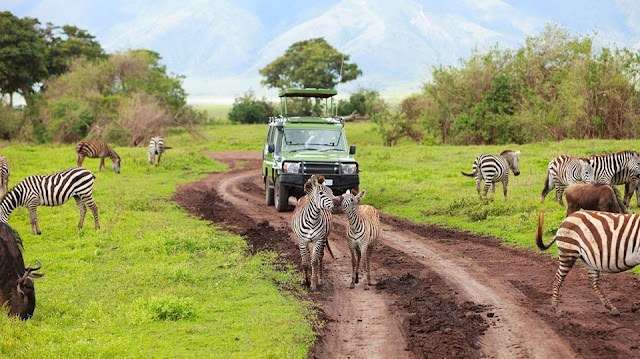
The calving season is one of the most rewarding times for a Tanzania safari. Huge herds of wildebeest and zebras gather on the nutrient-rich short-grass plains of the southern Serengeti and Ndutu area to give birth, and thousands of calves can arrive each day at the peak. This abundance draws lions, cheetahs, hyenas and other predators, creating unforgettable drama. Green landscapes, dramatic skies and fewer visitors than the dry season add to the magic. With an expert guide and a comfortable customised safari vehicle, you can witness the circle of life up close on a private tailor-made safari. Truly unforgettable.

The Circle of Life
First steps on the plains
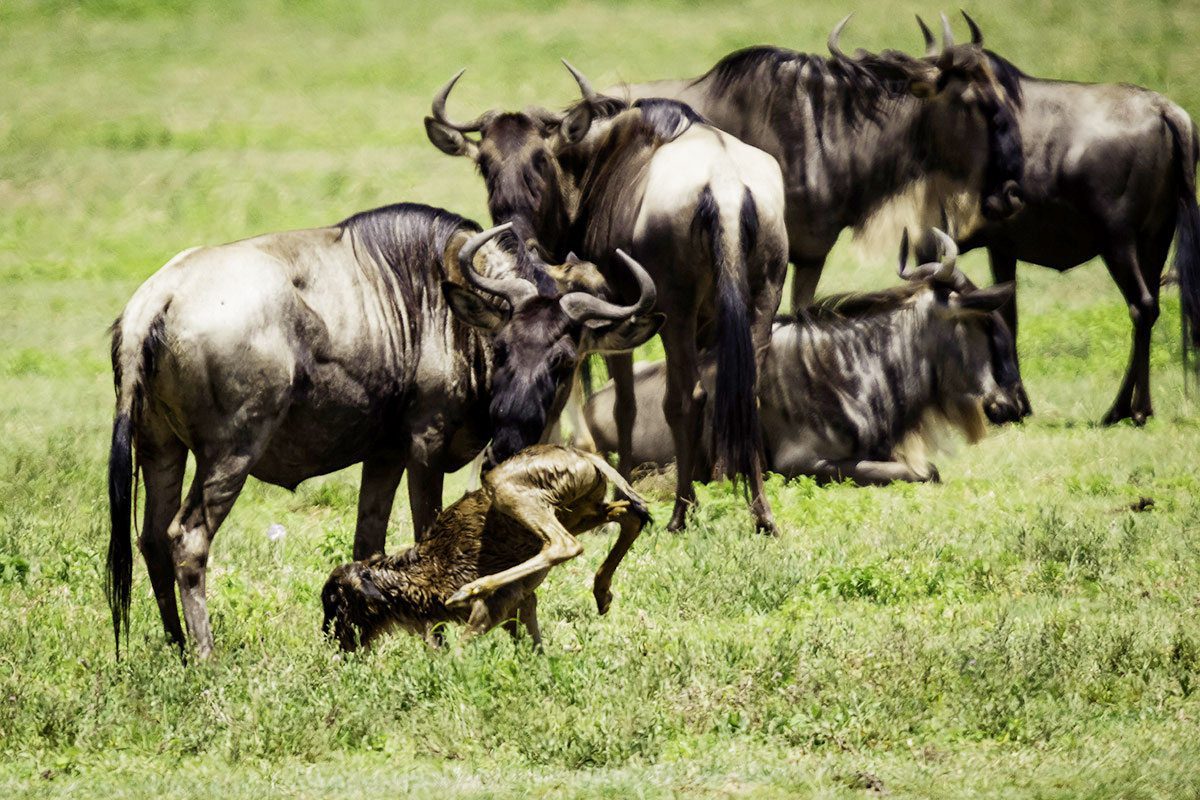
Few wildlife moments compare with watching a wildebeest calf take its first wobbly steps, often within minutes of birth. Zebra foals and gazelle fawns join the scene, creating a heartwarming spectacle across the plains. Witnessing new life in such abundance is both humbling and emotional, offering a rare connection with nature's oldest rhythms. The plains await you.
Migration Safaris →How to Plan a Calving Season Safari in Tanzania
Planning a calving season safari requires good timing and early booking. Calving usually takes place from late January to March, with February often the peak month, so plan your dates around this window. Camps near the Ndutu area and southern Serengeti plains are limited and fill early, so book nine to twelve months ahead. Choose a route that combines the calving grounds with the Ngorongoro Crater and Tarangire, and consider adding a hot air balloon flight. Prepare visas, vaccinations and travel insurance in good time. Follow the steps below to plan a seamless private tailor-made calving season safari. Plan wisely.
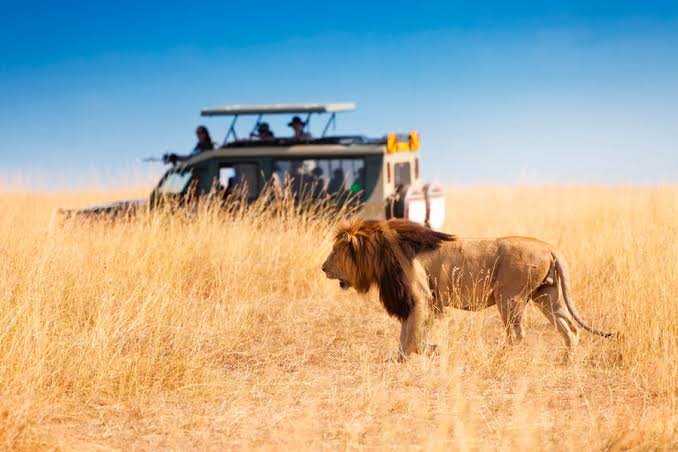
Choose Your Dates
Late January to March
Calving usually begins in late January and continues into March, with February often the peak month for births. Exact timing depends on rainfall, so herds can shift slightly each year. Travelling in February offers the best chance of witnessing births and predator action, while late January and March are also excellent for game viewing. Truly unforgettable moments.
Best Time to Visit →Best Destinations for a Calving Season Safari
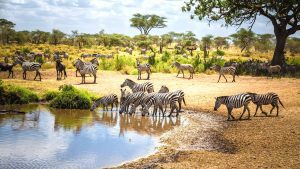
The calving season centres on the southern Serengeti ecosystem, where volcanic soils produce mineral-rich short grasses ideal for nursing herds. The Ndutu area, on the border of the Serengeti and the Ngorongoro Conservation Area, is the heart of the action, with lakes, woodlands and open plains attracting huge numbers of wildebeest and predators. Nearby, the Ngorongoro Crater offers year-round wildlife, Tarangire provides elephants and baobabs, and Olduvai Gorge adds fascinating human history. Combining these destinations creates a varied, rewarding itinerary. Explore the top calving season destinations below to plan your perfect private tailor-made Tanzania safari route. The plains await you.
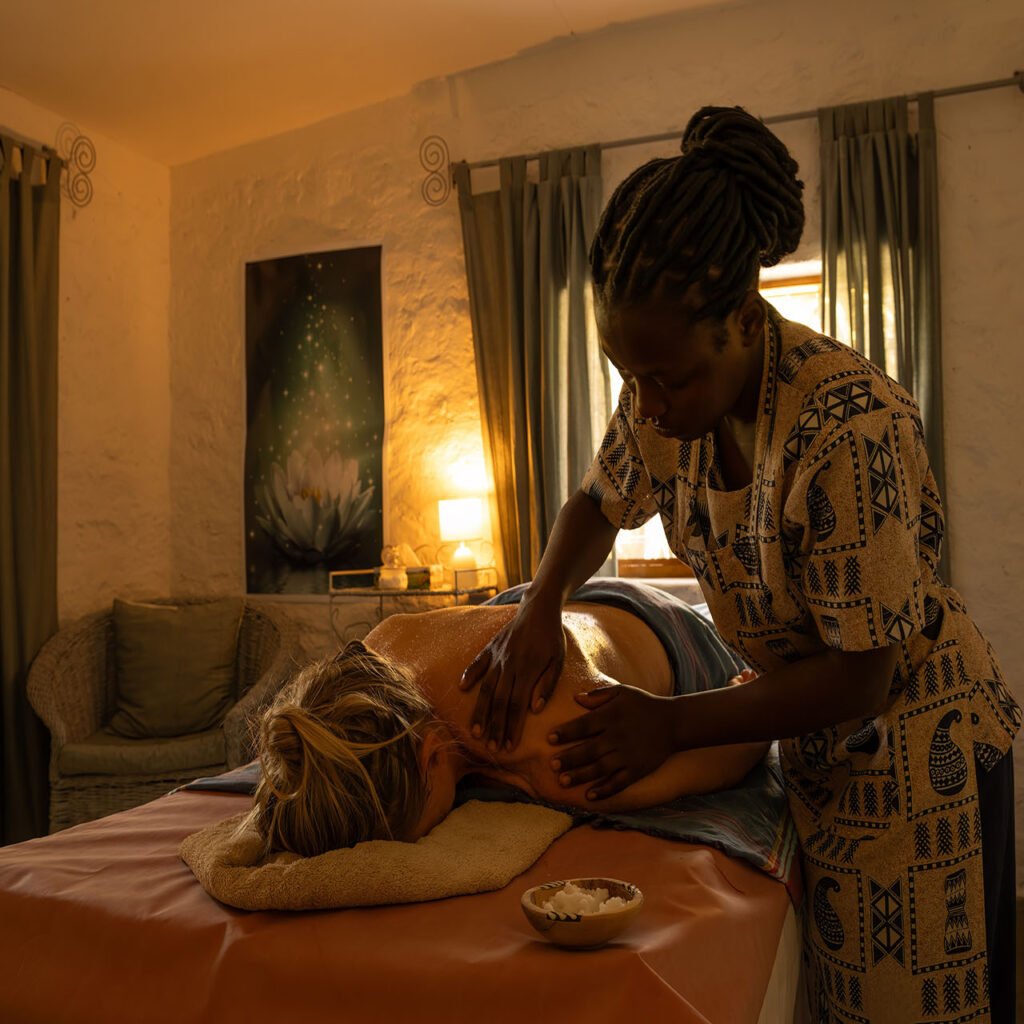
Ndutu Area
Lakes, woodlands and plains
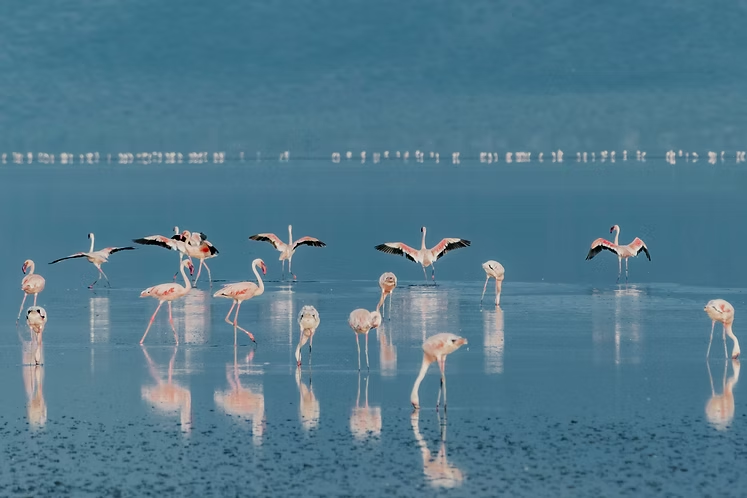
The Ndutu area is the heart of calving season, where vast herds gather around Lake Ndutu and Lake Masek to give birth. Open plains and acacia woodlands attract lions, cheetahs, hyenas and leopards. Off-road driving is permitted in parts of the Ndutu area, allowing closer views of the action under park rules. Nature never fails to amaze.
Ndutu Safaris →Calving Season Safari Styles
Every traveller can enjoy the calving season in a style that suits them. Luxury safaris offer exclusive camps near the herds, private guiding and gourmet dining, while photography safaris focus on flexible timings and expert positioning for the best shots. Family safaris introduce children to the wonder of newborn animals, honeymoon safaris add romance under green-season skies, and fly-in safaris save time by flying directly to airstrips near Ndutu. Explore the calving season safari styles below, then let your planner design a private tailor-made itinerary that matches your interests, pace and budget for an unforgettable Tanzania wildlife adventure. Choose wisely.
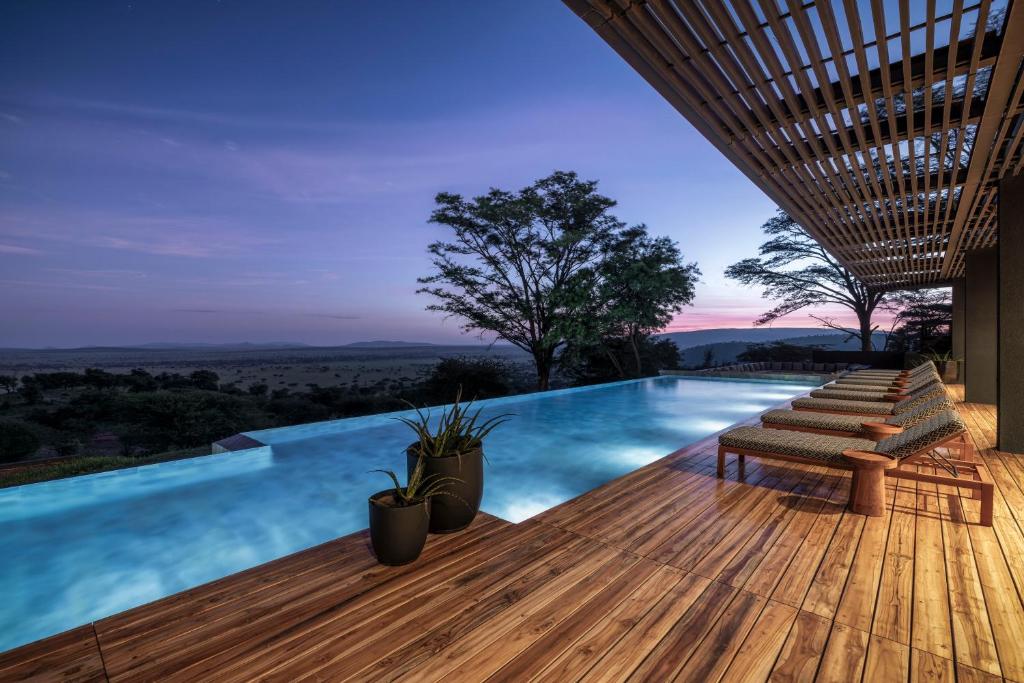
Luxury Calving Safari
Exclusive camps near the herds
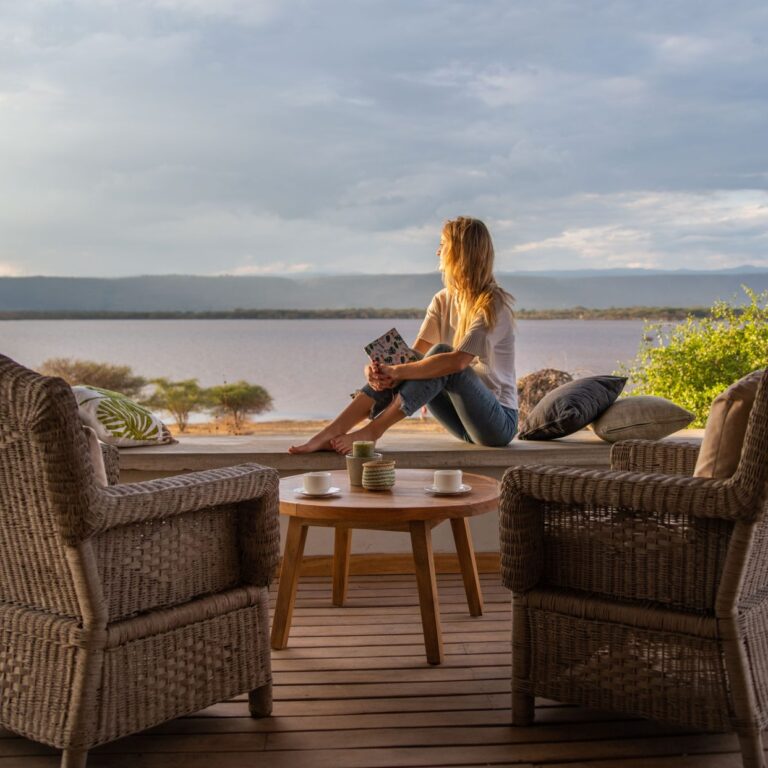
A luxury calving safari places you in exclusive tented camps or lodges close to the herds, with private guiding, gourmet dining and elegant comfort. Enjoy sundowners overlooking the plains, balloon flights at sunrise and long, unhurried game drives. Luxury properties near Ndutu fill quickly, so early booking is essential for the best options. The plains await you.
Luxury Safaris →Why a Private Tailor-Made Calving Season Safari Is Best
A private tailor-made calving season safari gives you the flexibility to follow the herds and wait for the action. With your own vehicle and dedicated guide, you choose when to head out, where to go and how long to stay at each sighting, which is essential when watching births or predator hunts unfold. Your planner selects camps close to the herds, arranges balloon flights and combines the calving grounds with other highlights. Without fixed schedules, you can be patient, flexible and fully immersed, creating a deeply personal and rewarding Tanzania wildlife experience. Every moment becomes truly yours to enjoy.
When Is the Calving Season in Tanzania?
The calving season in Tanzania usually runs from late January to March, with February often the peak month for births. Timing depends on the short rains, which nourish the southern Serengeti's short-grass plains, so herds may shift slightly from year to year. During this period, huge numbers of wildebeest calves are born within a few weeks, a strategy that overwhelms predators and improves survival. By April and May, the long rains arrive and the herds begin moving north. Explore the calving season month by month below to choose the best time for your private safari. Timing truly matters.
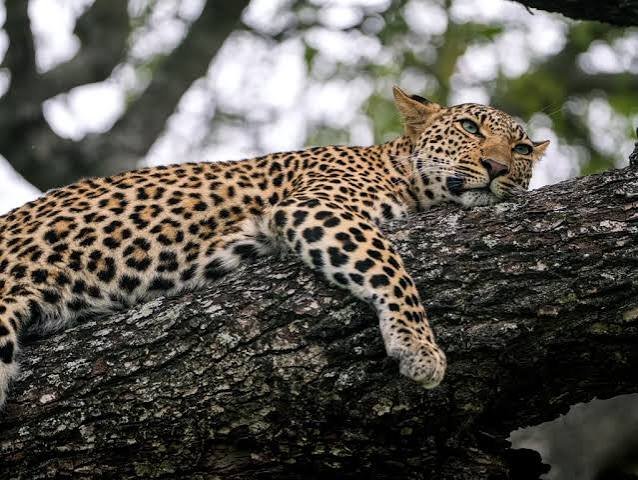
Late January
Herds arrive on the plains
By late January, large herds are usually settled on the southern Serengeti and Ndutu plains, and the first calves begin to appear. Green landscapes and gathering predators create exciting game viewing. It is a wonderful time to visit if you want calving action with slightly fewer visitors than the February peak. Your guide will share fascinating insights.
Best Time to Visit →Calving Season vs Great Migration River Crossings
Calving season and the Great Migration river crossings are two different chapters of the same journey. Calving takes place from late January to March on the southern Serengeti and Ndutu plains, offering newborn animals, abundant predators and green landscapes. River crossings usually occur from around July to October in the northern Serengeti, when herds plunge into the Mara River, facing crocodiles and strong currents. The Grumeti River in the western corridor may see crossings around May to July. Both are spectacular, so choose calving season for predator action and new life, or crossings for dramatic river scenes. Choose wisely.
Predator and Prey Drama on the Calving Plains
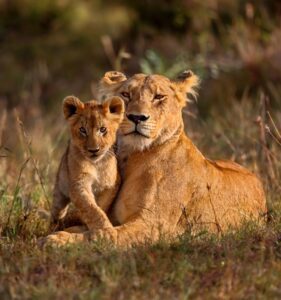
Calving season delivers some of Africa's most intense predator and prey encounters. With thousands of vulnerable newborns on the plains, lions, cheetahs, spotted hyenas, jackals and occasionally wild dogs take advantage of the abundance. Lionesses stalk calves through the grass, cheetahs sprint across open ground and hyena clans test the herds at night. Yet the sheer number of births helps many calves survive, as predators cannot catch them all. Watching these life-and-death moments is thrilling and humbling, revealing the delicate balance that keeps the Serengeti ecosystem healthy. Your guide will explain every behaviour you witness. Nature is truly remarkable.
Things to Do During a Calving Season Safari
A calving season safari offers far more than watching newborn wildebeest. Long game drives across the southern Serengeti and Ndutu plains reveal predators, herds and breathtaking landscapes, while sunrise hot air balloon flights show the scale of the migration from above. Birdwatching is excellent, as migratory species arrive during these months. You can also visit Olduvai Gorge to learn about human evolution, or meet Maasai communities nearby. Combining these activities creates a rich, varied itinerary. Explore the best things to do below, then let your planner include your favourites in your private tailor-made calving season safari itinerary. Adventure awaits.

Game Drives on the Plains
Follow the herds
Full-day and half-day game drives across the southern Serengeti and Ndutu plains are the heart of a calving safari. Follow the herds, watch births and track predators with your guide. Packed lunches let you stay out longer, maximising your chances of witnessing dramatic moments far from camp across the beautiful plains. It is truly a spectacular experience.
Safari Tours →Where to Stay During Calving Season and for How Long
Where you stay during calving season makes a big difference to your experience. Choose accommodation close to the Ndutu area or southern Serengeti plains, where seasonal mobile camps and permanent lodges place you near the herds. Staying close reduces driving time and gives you more hours with the action. Plan at least three to four nights in the calving area to allow for changing herd movements and weather. Combine this with one or two nights at the Ngorongoro Crater and Tarangire for a well-rounded safari. Your planner will recommend the best camps for your dates, style and budget.
Wildlife You Can See During Calving Season
Calving season offers an incredible variety of wildlife beyond the newborn wildebeest. Zebras and gazelles also give birth during this period, while predators gather in impressive numbers. Lions, cheetahs, spotted hyenas and jackals hunt across the plains, and leopards rest in the woodlands around Ndutu. Elephants, giraffes and buffalo add variety, and raptors follow the herds overhead. Migratory birds fill the green landscapes, making the season a paradise for birdwatchers. Explore the key wildlife species below, and let your expert guide help you find and understand each animal during your private tailor-made calving season safari. Wildlife abounds everywhere.

Wildebeest
Calves by the thousands
Wildebeest are the stars of calving season, with huge numbers of calves born within just a few weeks. Calves can stand within minutes of birth and run with the herd shortly afterwards, an essential survival skill. Watching mothers and calves bond amid vast herds is one of Africa's most moving wildlife spectacles. Ask your planner for details.
Migration Safaris →Weather and Conditions During Calving Season
Calving season falls during Tanzania's green season, between the short and long rains. January to March is generally warm, with sunny days, occasional afternoon showers and dramatic cloud formations that make spectacular photographs. The plains are lush and green, and wildlife is concentrated on the short-grass areas. Rain usually falls in short bursts rather than all day, so game drives continue comfortably. Pack light layers, a rain jacket, sun protection and insect repellent, as mosquitoes are more active during wetter months. Your guide adjusts each game drive to weather conditions, ensuring a safe and rewarding safari experience. Pack accordingly.
Photography Tips for the Calving Season
Calving season offers outstanding photography opportunities, so a little preparation goes a long way. Bring a camera with a zoom lens, ideally reaching 300 to 600 millimetres, plus spare batteries and memory cards. A beanbag steadies long lenses on the vehicle frame. Shoot during golden hours after sunrise and before sunset, when light is soft and animals are most active. Use fast shutter speeds for running calves and predator chases. Dramatic green-season skies make beautiful backgrounds. Be patient, anticipate behaviour with your guide's help and remember to enjoy the moment without a camera too. Happy shooting on safari!
Tips for a Successful Calving Season Safari
A few expert tips can make your calving season safari even more rewarding. Book early, as camps near the herds are limited, and stay close to the calving grounds to maximise your time with the action. Be patient at sightings, since births and hunts can take time to unfold. Pack for warm days and occasional showers, respect wildlife and park rules, and travel with an experienced local operator and guide. These simple tips help you enjoy every moment of this extraordinary spectacle. Explore the tips below to prepare for your private tailor-made Tanzania calving season safari. Enjoy every moment.
Book Early
Secure camps near the herds
Accommodation near the calving grounds is limited, and the best camps, guides and balloon flights are reserved months ahead. Book nine to twelve months in advance, especially for February. Early booking ensures you stay in the right place at the right time, close to the herds and predator action. Early planners enjoy the best camps and guides.
Booking Guide →The Great Migration's Year-Round Journey
The calving season is one chapter in the Great Migration's year-round journey through the Serengeti ecosystem. From late January to March, the herds give birth on the southern plains. As the long rains arrive in April and May, they move northwest through the central Serengeti. Around May to July, they reach the western corridor and the Grumeti River, then head north, crossing the Mara River from roughly July to October. By November and December, the short rains draw them back south. Understanding this cycle helps you plan the perfect time for your private tailor-made Tanzania safari. Nature's cycle continues.
Final Thoughts: Witness the Circle of Life in Tanzania
A Tanzania safari during the calving season is a truly unforgettable experience. Watching newborn wildebeest take their first steps, predators hunting across green plains and vast herds stretching to the horizon reveals nature at its most powerful and tender. With fewer crowds, dramatic skies and outstanding photography opportunities, it is one of the most rewarding times to visit the Serengeti. Plan early, choose camps close to the herds and travel with expert local guides. Let Foot Slopes Tours and Safaris design your private tailor-made calving season safari and witness the circle of life in Africa's greatest wilderness. Karibu Tanzania!
Why You Should Go on a Tanzania Safari During the Calving Season: FAQs
What should you know about A front-row seat to the circle of life on a Tanzania safari?
One of the most compelling reasons to visit Tanzania during the calving season is the opportunity to witness the raw, unfiltered circle of life in action. The calving season is when many of Tanzania's herbivores, particularly wildebeest, zebras, and gazelles, give birth. These newborns are incredibly vulnerable and depend on their mothers for protection, warmth, and guidance.
What is the smaller crowds for a more exclusive experience on a Tanzania safari like?
What can you expect from witness the Great migration in its early stages on a Tanzania safari?
What should you know about the opportunity for Lasting memories on a Tanzania safari?
What is Ngorongoro Crater like?
Where Should I Stay during Tanzania calving Season & For How Long?
What is Choose the Right Lodge like?
What can you expect from Tanzania safari during the calving season packages?
Plan Your Private Tanzania Safari
Tell us your travel dates, interests and budget, and our local team will design a private tailor-made safari around you.