Why is Serengeti Safari Expensive?
Why is Serengeti Safari Expensive?
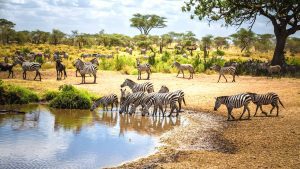
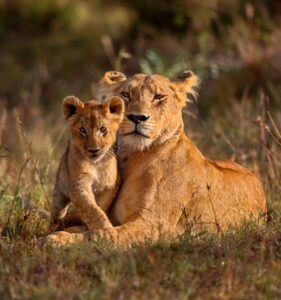
A Serengeti safari is a bucket-list adventure for wildlife enthusiasts and luxury travelers. Known globally for the Great Migration, diverse ecosystems, and iconic African wildlife, the Serengeti National Park promises an unforgettable experience. However, many wonder why Tanzania safari costs are so high. From luxury lodges and tented camps to private game drives and top-tier safari guides, multiple factors contribute to the premium pricing. These costs reflect both the high quality of service and the commitment to conservation. Every Serengeti safari package combines exclusivity, comfort, and access to pristine wilderness, ensuring travelers witness lions, elephants, cheetahs, and wildebeests in their natural habitat, often with personalized itineraries tailored for families, honeymooners, and solo adventurers.
High Conservation & Park Fees
One of the most significant contributors to Serengeti safari costs is the park entrance and conservation fees. Serengeti National Park maintains strict environmental policies to protect wildlife, habitats, and the delicate ecosystem. Every visitor fee directly funds anti-poaching efforts, habitat restoration, and community projects surrounding the park. These high conservation fees ensure that tourists can enjoy an ethical safari experience, supporting sustainable wildlife tourism. For luxury travelers booking all-inclusive Tanzania safari packages, these costs are included but reflect the high investment in eco-tourism. By paying premium prices, guests actively contribute to wildlife protection, helping preserve iconic species like lions, elephants, and cheetahs for future generations. Ultimately, high conservation standards help ensure a safe, unforgettable safari experience.
Remote Location Logistics
The Serengeti lies in a remote region of northern Tanzania, far from major airports and urban centers. Getting there involves careful planning, often requiring chartered flights, 4x4 safari vehicles, and trained drivers familiar with rugged terrains. Transporting staff, supplies, and equipment to remote lodges and tented camps adds to operational costs. Roads are often unpaved, requiring specialized vehicles and high maintenance, which is directly reflected in Tanzania safari pricing. Even basic logistics like fuel, water, and food supply are more expensive due to the remote setting. Travelers investing in luxury safaris benefit from seamless logistics, ensuring safety, comfort, and timely wildlife viewing. Remote access enhances exclusivity, letting guests witness the Great Migration and other wildlife spectacles without overcrowding.
Exclusive, All-Inclusive Packages
Most Serengeti safaris come as all-inclusive packages, which bundle accommodation, meals, private game drives, park fees, and transportation. These packages provide a hassle-free experience but contribute to higher costs compared to DIY trips. Luxury safari packages often include extras like guided walking safaris, hot-air balloon rides, and cultural visits, enhancing the value. All-inclusive options provide premium services, ensuring travelers don’t compromise on comfort, safety, or wildlife access. The focus on exclusivity and curated experiences means smaller group sizes, personalized itineraries, and uninterrupted wildlife viewing. While expensive, these packages maximize the Tanzania safari experience, allowing guests to focus on big game encounters and photography without worrying about logistics or hidden fees.
Luxury Lodges & Tented Camps
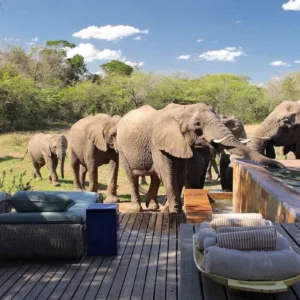
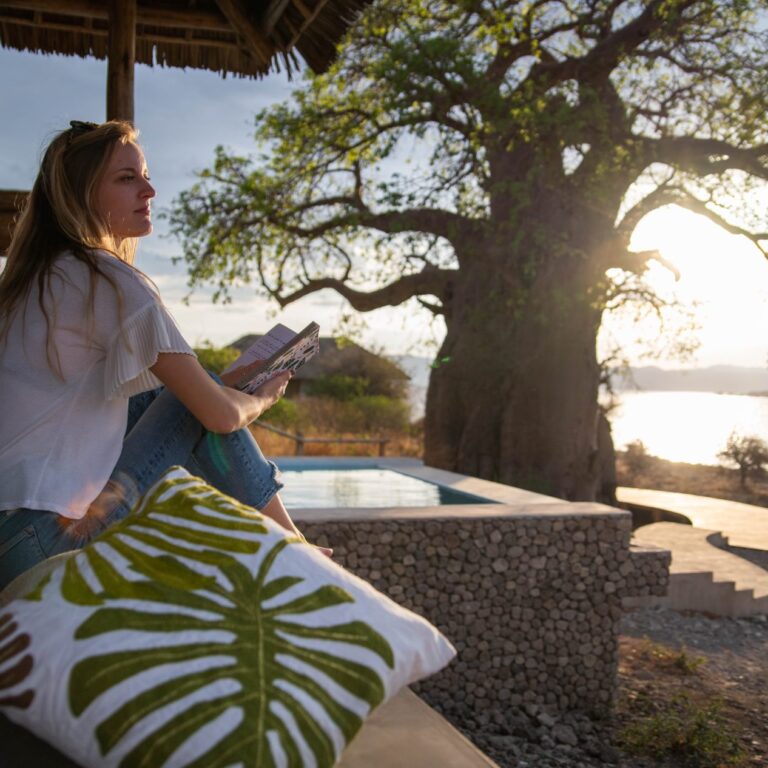
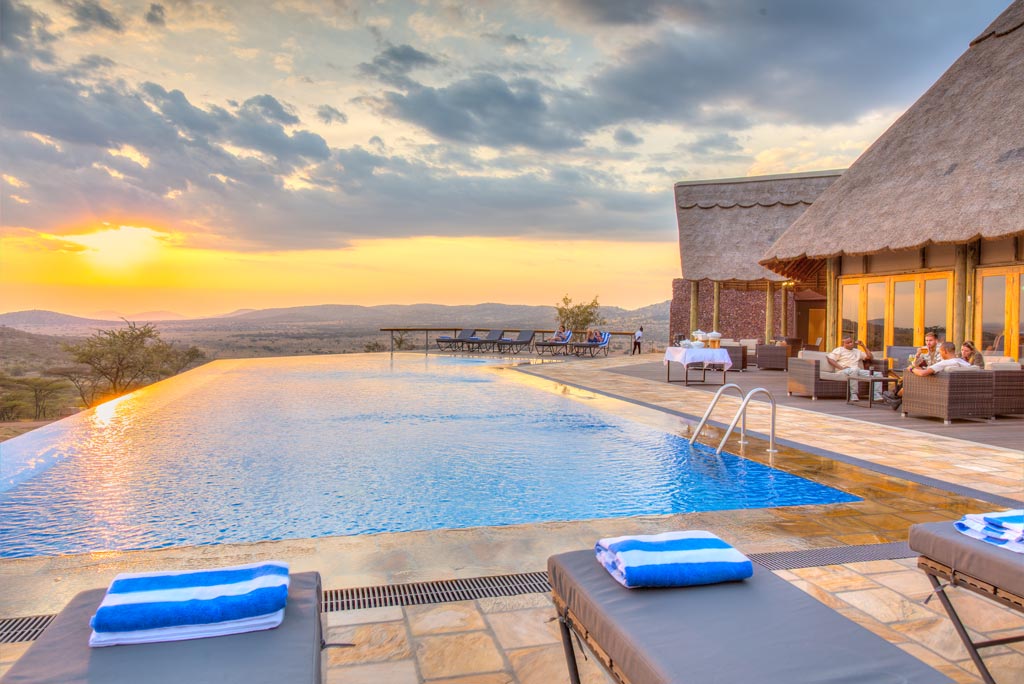
The Serengeti’s top-tier lodges and tented camps define modern safari luxury. Offering private suites, plunge pools, gourmet dining, and panoramic views, these accommodations blend comfort with immersive wilderness experiences. Maintaining such properties in a remote savannah is costly, involving logistics for water, energy, and high-quality food supplies. Exclusive glamping camps elevate the experience, offering stylish tents with en-suite bathrooms and professional staff. Safari enthusiasts pay a premium to enjoy luxury lodges close to prime wildlife areas, ensuring morning and evening game drives are convenient. High-quality accommodation ensures safety, relaxation, and a true African safari atmosphere, justifying the high price tags for families, honeymooners, and high-end wildlife travelers.
Budget camping & lodges
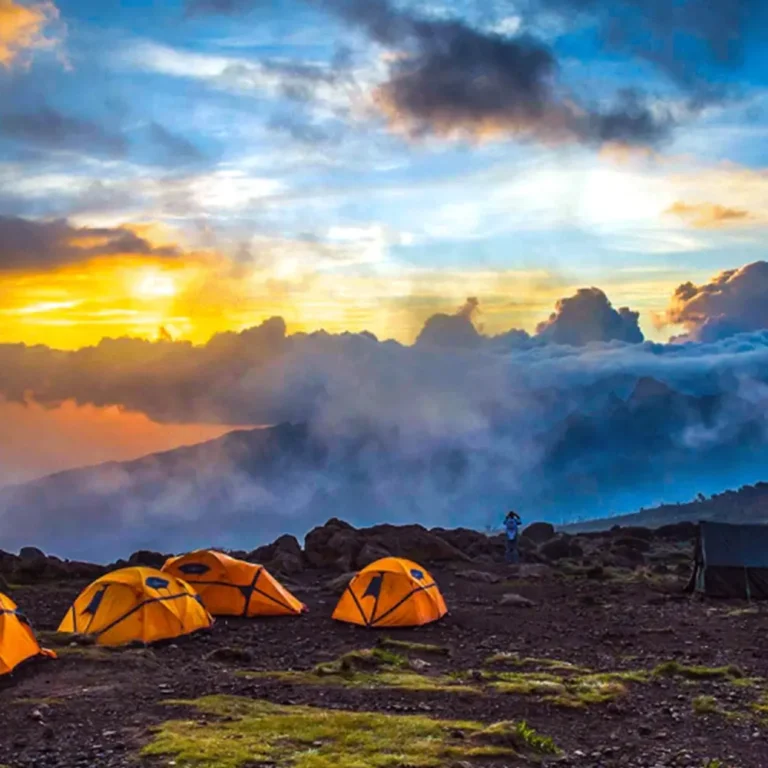
Affordable, adventurous and close to nature.
Mid-range lodges & tented camps
Comfort, good food and convenient locations.
Luxury tented camps & lodges
Spacious suites, personal service and prime wildlife areas.
Exclusive-use camps & villas
Complete privacy, private guides and bespoke experiences.
High-Quality Guides & Vehicles
A Serengeti safari relies on expert safari guides who provide in-depth knowledge of wildlife behavior, photography tips, and safety protocols. Trained in conservation, navigation, and first aid, these guides elevate the safari experience. Premium 4x4 safari vehicles are customized with pop-up roofs, comfortable seating, and tracking equipment for wildlife spotting. Maintaining vehicles for rough terrains, fuel, and repairs is expensive but ensures safety and flexibility. Hiring experienced guides and vehicles increases Tanzania safari costs but delivers personalized service, expert wildlife interpretation, and prime game viewing opportunities. For luxury travelers, this combination ensures that every lion, elephant, and cheetah sighting is maximized while offering a seamless, worry-free safari adventure.
Peak Season Demand
The Serengeti sees high demand during peak wildlife seasons, particularly the Great Migration between June and October. Accommodation fills quickly, and tour operators adjust pricing based on limited availability and high demand. Peak season ensures the best wildlife viewing, ideal weather, and exclusive experiences, which reflects in Tanzania safari package rates. Travelers who want guaranteed access to top lodges, tented camps, and private game drives must book well in advance. High demand also affects internal transport and guides, further driving up costs. While off-season safaris are less expensive, peak-season investments ensure the most spectacular wildlife encounters, unmatched photography opportunities, and access to areas with concentrated game activity.
Private Game Drives & Exclusivity
Private game drives allow guests exclusive access to wildlife hotspots without crowds. Unlike group safaris, these personalized excursions focus on specific interests, such as lion tracking or bird watching, maximizing wildlife sightings. Private guides tailor each drive, offering flexible schedules, extended stops, and better photographic opportunities. Maintaining vehicles and guides for individual itineraries increases operational costs, which is reflected in the Serengeti safari pricing. Exclusive experiences also include sunrise drives, full-day picnic drives, and off-road access where permitted (such as the Ndutu area). For luxury travelers, private game drives ensure intimate encounters with wildlife, creating once-in-a-lifetime memories that justify the higher cost of a high-end Serengeti safari.
Internal Transportation (Flights)
Reaching different regions of the Serengeti often involves chartered or scheduled internal flights, reducing travel time between parks. These flights are convenient but expensive, especially for remote airstrips near luxury lodges and camps. Internal flights are included in premium safari packages to guarantee seamless transfers and reduce road travel in rugged conditions. While costly, air travel allows guests to witness vast landscapes and reach remote migration corridors far from the main roads. Including flights in Tanzania safari itineraries contributes significantly to overall pricing but ensures efficiency, safety, and maximum wildlife encounters, especially for travelers on short timelines who want a comprehensive Serengeti safari experience without compromising comfort or schedule.
Tourism Policy Focus (Quality over Quantity)
Tanzania’s tourism policy prioritizes sustainable, high-value tourism, aiming to manage visitor numbers in national parks like the Serengeti. This strategy reduces environmental impact, ensures wildlife preservation, and supports high-quality safari services. Lower tourist density allows for exclusive experiences and better game viewing but increases per-person costs. Operators emphasize ethical travel, expert guides, and premium accommodations, resulting in higher Serengeti safari prices. By focusing on quality over quantity, Tanzania aims to ensure that each visitor enjoys safe, immersive, and uninterrupted wildlife encounters while contributing to local communities and conservation. Travelers benefit from well-curated safari experiences, from private game drives to luxury lodges, making the higher investment worthwhile.
Optional "Add-On" Activities
Many Serengeti safaris offer optional activities like hot-air balloon safaris, guided walking tours, cultural village visits, and photography workshops. While these excursions enhance the safari experience, they also increase total trip costs. Add-ons provide unique perspectives of the Serengeti landscape, aerial wildlife views, and close cultural interactions. Luxury travelers often include multiple enhancements, creating a fully personalized Tanzania safari itinerary. These activities add value by diversifying experiences beyond traditional game drives and lodge stays. While optional, they contribute to the perception that Serengeti safaris are expensive, but they deliver unforgettable memories, photogenic moments, and immersive encounters that justify the investment for travelers seeking premium, once-in-a-lifetime African safari experiences.
Final Thought
A Serengeti safari is expensive because it combines luxury, conservation, expertise, and exclusivity into a seamless wildlife adventure. Costs reflect high park fees, remote logistics, premium accommodations, expert guides, private game drives, and optional experiences. By paying a premium, travelers not only gain unforgettable encounters with lions, elephants, and wildebeests but also contribute to sustainable tourism, wildlife protection, and community development. For families, honeymooners, and solo adventurers, the investment ensures safety, comfort, and curated experiences that maximize every moment in the Serengeti National Park, making it a worthwhile addition to any African safari bucket list.
Why is Serengeti Safari Expensive?: FAQs
How much does a Serengeti safari cost?
A Serengeti safari cost varies widely depending on the style, duration, and inclusions. Budget safaris can start at around $250–$400 per person per day, while mid-range tented camps may cost $500–$800 per day. Luxury Serengeti safari lodges and all-inclusive packages can reach $1,200–$2,500 daily. Costs include park fees, accommodations, safari vehicles, and guide services. Fly-in safaris, private tours, and premium experiences like photographic safaris naturally increase the overall price, making budgeting crucial for travelers.
Why are Serengeti park fees so high?
Serengeti park fees are high because they fund wildlife conservation, anti-poaching initiatives, and park management. Daily entry fees for foreign visitors range from $60 to $100, with additional vehicle and camping fees. High costs also reflect the park’s UNESCO World Heritage status, protecting its iconic big cats, wildebeest migration, and diverse ecosystems. Fees contribute to maintaining safari roads, ranger patrols, and research.
Do luxury Serengeti Safari lodges increase the cost?
Luxury Serengeti safari lodges significantly increase the overall cost due to premium services, private guides, fine dining, and exclusive accommodations. Lodges offer spacious suites, plunge pools, curated wildlife experiences, and sometimes spa treatments, elevating the safari experience. Glamping and high-end tented camps also add convenience and comfort, which budget or mid-range options cannot match.
Does the travel season affect the price?
Yes, Serengeti safari prices fluctuate with the travel season. Peak seasons—June to October and December to March—see higher rates due to ideal wildlife viewing, including the Great Migration. Shoulder seasons offer slightly lower prices but may involve unpredictable weather. Low season (April–May) offers discounts, fewer crowds, and lush scenery, though some areas may be inaccessible. Seasonality affects lodge rates, guided safari fees, and even balloon safari availability.
Can optional activities like balloon safaris add to the cost?
Optional activities, especially hot air balloon safaris, can significantly add to your Serengeti safari cost. Balloon safaris offer sunrise views over the Great Migration and intimate wildlife encounters from above. Prices range from $500 to $600 per person, often including champagne breakfasts. Other optional experiences, such as guided walking safaris or cultural visits to Maasai villages, also add fees.
Why is internal transport in the Serengeti expensive?
Internal transport in the Serengeti is expensive due to vast distances, rough terrain, and the need for specialized 4x4 safari vehicles. Fuel costs, vehicle maintenance, and driver-guide expertise contribute to higher rates. Fly-in safaris between airstrips reduce travel time but are more costly than road transfers. Exclusive private transfers increase convenience but also the overall safari budget.
Are there ways to make Serengeti safaris more affordable?
Serengeti safaris can be made more affordable by choosing budget or mid-range camps, booking during shoulder or low seasons, and joining shared group safaris. Self-drive options, shorter itineraries, and avoiding fly-in transfers reduce costs. Bundling accommodations with park fees and guided tours often provides better value. Optional activities like balloon rides can be skipped or selectively included.
Is Tanzania safe for a safari?
Tanzania is generally regarded as one of Africa’s safest safari destinations when you travel with a reputable operator. Follow your guide’s instructions, stay in the vehicle during game drives and never approach wildlife. Keep valuables secure in towns, check current travel advice before departure and carry comprehensive travel insurance for peace of mind.
Plan Your Private Tanzania Safari
Tell us your travel dates, interests and budget, and our local team will design a private tailor-made safari around you.