
Which is better Serengeti national park or Ngorongoro crater
Which is better Serengeti national park or Ngorongoro crater
When planning a Tanzania safari, the debate of Serengeti National Park vs Ngorongoro Crater is one of the most popular safari comparisons in Africa travel. Both destinations are UNESCO World Heritage Sites and form the heart of the Northern Safari Circuit in Tanzania, offering unmatched Big Five safari experiences, wildlife viewing, and scenic landscapes. The Serengeti is famous for its endless savannah plains and the Great Wildebeest Migration, while Ngorongoro Crater is a collapsed volcanic caldera known for its dense wildlife concentration within a natural enclosure. Choosing between them depends on your safari goals, time, and travel style. This guide explores which is better for wildlife, scenery, photography, safari experience, accessibility, and overall value, helping you decide the ultimate Tanzania safari destination for your adventure.
Size and Landscape Difference
The most fundamental difference between Serengeti National Park and Ngorongoro Crater is their geography and scale. Serengeti is massive, covering about 14,000+ square kilometers of open savannah, endless plains, river valleys, and acacia woodlands, creating a classic African safari landscape. In contrast, Ngorongoro Crater is a compact volcanic caldera about 260 square kilometers, forming a natural enclosure with steep crater walls and a self-contained ecosystem. The Serengeti offers wide, open horizons where wildlife moves freely across vast distances, while Ngorongoro provides a concentrated safari experience where animals are easier to spot within a limited area. If you prefer dramatic, cinematic landscapes and long game drives, Serengeti wins. If you want a compact, high-density wildlife experience, Ngorongoro is more suitable for short safari itineraries.
Wildlife Density and Big Five Experience
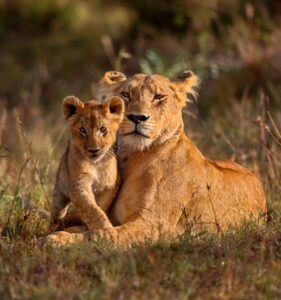
Both destinations offer incredible Big Five safari opportunities (lion, elephant, leopard, buffalo, rhino), but the experience differs significantly. Ngorongoro Crater is known for its extremely high wildlife density, meaning you can often see multiple species in a single game drive, including the endangered black rhino. It is one of the best places in Africa for guaranteed Big Five sightings in a short time. Serengeti, on the other hand, spreads wildlife across vast plains, offering more natural behavior, predator-prey interaction, and large herds of wildebeest and zebras. It is less predictable but far more dynamic. If your priority is guaranteed sightings in one day, Ngorongoro is better. If you want raw wilderness and natural animal movement, the Serengeti is superior for long safari experiences.
The Great Migration Experience
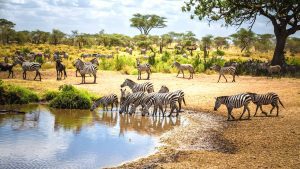
The Serengeti National Park is globally famous for the Great Wildebeest Migration, one of the most spectacular wildlife events on Earth. Over 1.5 million wildebeest, zebras, and gazelles move across the plains in a circular pattern searching for fresh grazing, often facing dramatic river crossings and predator attacks. This makes Serengeti the ultimate destination for migration safari tours in Tanzania. Ngorongoro Crater does not host the migration, but it serves as an important ecosystem for resident wildlife. If witnessing seasonal movement, river crossings, and large-scale animal herds is your dream, Serengeti is clearly the better choice. However, Ngorongoro complements the experience by offering stable wildlife viewing regardless of season, making it ideal for consistent year-round safaris.
A general guide: the herds follow the rains.
Safari Duration and Accessibility
Ngorongoro Crater is much easier to access and explore due to its compact size and proximity to Arusha, often just a few hours’ drive. A single game drive is usually enough to experience the entire crater floor, making it perfect for short Tanzania safaris or 1–2 day trips. Serengeti, however, is much further and requires more travel time, often combined with multi-day itineraries. Because of its vast size, visitors typically spend 2–5 days or more exploring different regions such as Seronera or the northern plains. Ngorongoro is ideal for time-limited travelers, while Serengeti is better for those seeking deeper exploration and extended safari adventures across diverse ecosystems.
Photography and Scenic Beauty
For photographers, both destinations offer world-class opportunities, but with different styles. Ngorongoro Crater provides dramatic, enclosed scenery with steep crater walls, misty mornings, and dense wildlife gatherings, making it ideal for close-up wildlife photography and Big Five shots. Serengeti, however, offers endless horizons, golden sunsets, and cinematic landscapes perfect for capturing wildlife in motion, especially during migration season. The Serengeti’s open plains allow for more creative compositions with animals against dramatic skies. Ngorongoro is more structured and predictable visually, while Serengeti is more diverse and expansive. If you want iconic postcard-style wildlife shots, Ngorongoro excels. If you prefer artistic, wide-angle safari photography, Serengeti is unmatched in variety and scale.
Safari Experience Style
The safari experience in Serengeti feels wild, immersive, and adventurous, with long game drives across vast ecosystems where wildlife sightings can happen at any moment. It is ideal for travelers seeking a true African wilderness safari experience. Ngorongoro Crater, on the other hand, feels more controlled and predictable due to its enclosed environment. Game drives are shorter, and wildlife is easier to locate, making it excellent for first-time safari travelers or families. Serengeti offers a sense of exploration and discovery, while Ngorongoro delivers convenience and efficiency. Both are exceptional, but Serengeti is more adventurous, while Ngorongoro is more relaxed and structured for quick wildlife encounters.
Accommodation and Comfort Options
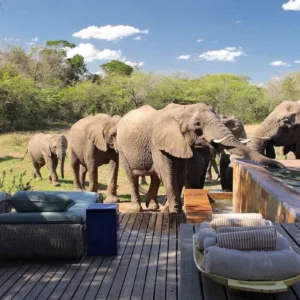
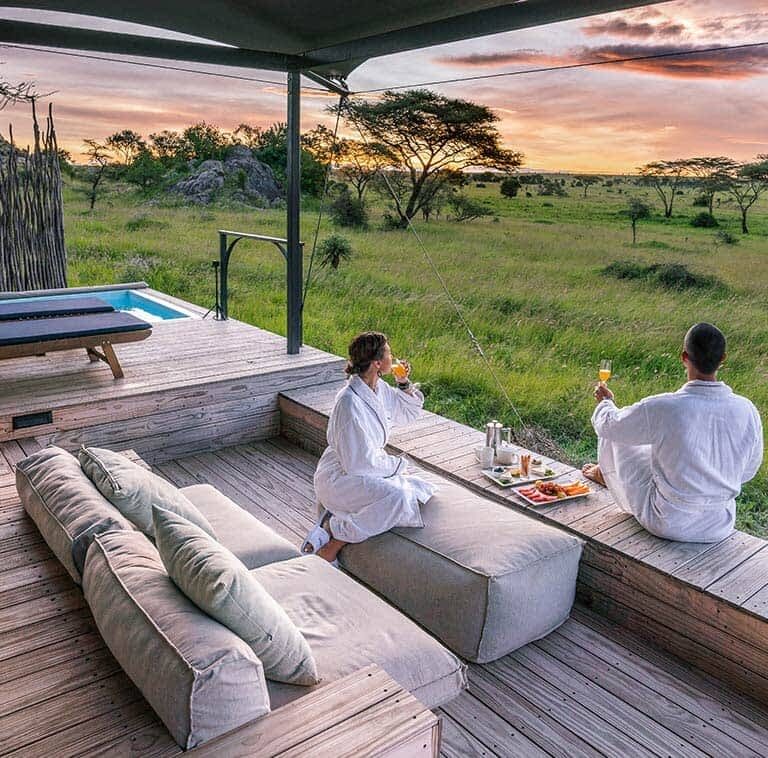
Both Serengeti and Ngorongoro offer a wide range of accommodation options, from luxury lodges to mid-range tented camps. Serengeti has more remote and immersive safari lodges located deep within the park, offering luxury safari experiences in the wild. Ngorongoro accommodations are often located on the crater rim or nearby highlands, offering spectacular views and easier access to game drives. Serengeti lodges tend to focus on exclusivity and wilderness immersion, while Ngorongoro lodges emphasize comfort, scenery, and accessibility. If you want luxury in the heart of nature, the Serengeti is ideal. If you prefer comfort with breathtaking crater views and shorter travel distances, Ngorongoro is the better option.
Budget camping & lodges
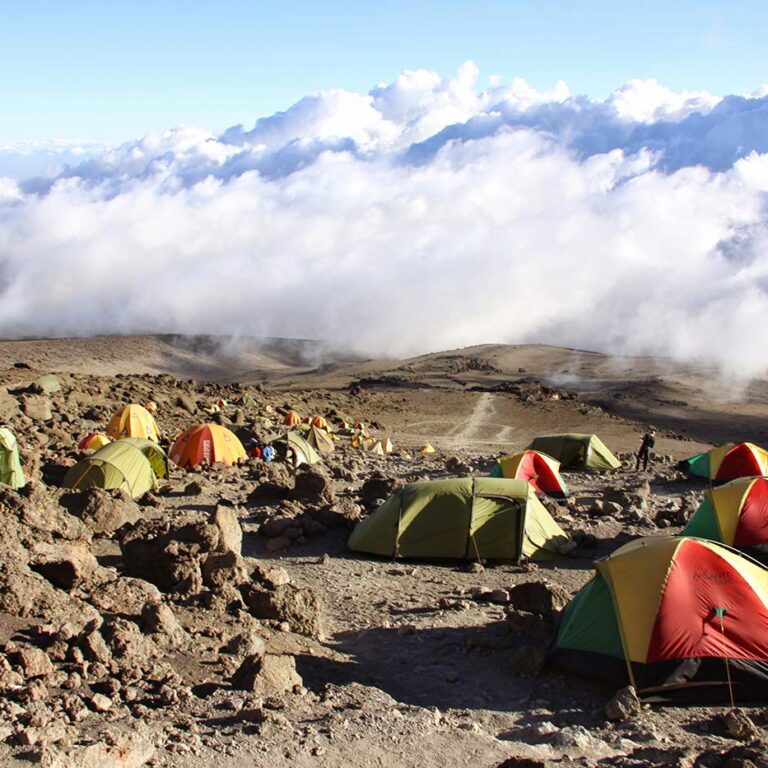
Affordable, adventurous and close to nature.
Mid-range lodges & tented camps
Comfort, good food and convenient locations.
Luxury tented camps & lodges
Spacious suites, personal service and prime wildlife areas.
Exclusive-use camps & villas
Complete privacy, private guides and bespoke experiences.
Best Time to Visit
Both destinations are year-round safari locations, but timing affects the experience. Serengeti is best visited during the Great Migration seasons (December–July, depending on location), especially for river crossings and calving season. Ngorongoro Crater offers consistent wildlife viewing throughout the year due to its stable ecosystem and permanent water sources. During the dry season (June–October), both destinations offer excellent game viewing conditions. However, Serengeti’s experience changes dramatically with migration movement, while Ngorongoro remains consistently reliable. If you want seasonal drama and migration action, Serengeti is ideal. If you want guaranteed wildlife sightings anytime, Ngorongoro is the safer choice.
Crowds and Safari Atmosphere
Ngorongoro Crater can feel more crowded due to its limited space and popularity, especially during peak tourist seasons. Safari vehicles often gather in concentrated areas where wildlife is abundant. Serengeti, because of its vast size, allows for a more private and uncrowded safari experience, even during high season. You can often spend long periods without seeing other vehicles in remote regions. This makes Serengeti ideal for travelers seeking solitude and exclusivity. Ngorongoro offers intensity and accessibility but can feel busy. Serengeti provides space, freedom, and a deeper sense of wilderness, making it more appealing for travelers who value privacy and open landscapes.
Which Is Better Overall
Choosing between Serengeti National Park and Ngorongoro Crater depends entirely on your travel priorities. If you want dramatic landscapes, the Great Migration, long safari drives, and immersive wilderness, then the Serengeti is the better choice. If you prefer high wildlife density, shorter game drives, easier access, and guaranteed Big Five sightings, then Ngorongoro Crater is ideal. Most safari experts recommend combining both for the ultimate Tanzania safari experience, as they complement each other perfectly—Serengeti for scale and adventure, Ngorongoro for intensity and convenience. Together, they create one of the most complete wildlife experiences in Africa.
Final Thought
Serengeti and Ngorongoro are not competitors but complementary safari destinations that define Tanzania’s northern safari circuit. Serengeti delivers the feeling of endless African wilderness, while Ngorongoro offers a concentrated wildlife spectacle inside a natural amphitheater. The best choice depends on whether you value scale and migration drama or accessibility and high-density wildlife viewing. For most travelers, combining both creates the most rewarding and unforgettable safari journey in Tanzania.
Which is better Serengeti national park or Ngorongoro crater: FAQs
Which is better for a Tanzania safari, Serengeti or Ngorongoro?
Neither destination is universally “better” because they offer different safari experiences. Serengeti National Park is ideal for travelers seeking vast wilderness, long game drives, and the world-famous Great Wildebeest Migration. It provides a true African safari feel with endless savannah landscapes and predator action. Ngorongoro Crater, on the other hand, is better for short, high-impact safaris where wildlife is concentrated in a compact area.
Can I see the Big Five in Serengeti and Ngorongoro?
Yes, both Serengeti National Park and Ngorongoro Crater offer opportunities to see the Big Five: lion, elephant, buffalo, leopard, and rhino. However, Ngorongoro is one of the best places in Africa to see all five in a single game drive due to its enclosed ecosystem and high wildlife density, including the rare black rhino. Serengeti also has all Big Five species, but sightings are more spread out because of its vast size.
Which is better for the Great Migration?
The Serengeti National Park is the ultimate destination for the Great Wildebeest Migration, one of the most spectacular wildlife events in the world. Millions of wildebeest, zebras, and gazelles move across the Serengeti ecosystem in search of fresh grazing, often crossing dangerous rivers like the Mara River. Ngorongoro Crater does not host the migration because it is a closed volcanic caldera with resident wildlife only.
How many days do I need for Serengeti vs Ngorongoro?
For Ngorongoro Crater, 1 full day is usually enough to experience a complete game drive because the crater floor is compact and wildlife is easy to spot. Some travelers stay 2 days for a relaxed experience or to combine nearby attractions. For Serengeti National Park, you typically need at least 2–5 days depending on how much area you want to explore and whether you are following the Great Migration.
Which is more crowded, Serengeti or Ngorongoro?
Ngorongoro Crater is generally more crowded because all safari vehicles are concentrated on the crater floor, especially during peak season. This can lead to multiple vehicles gathering around wildlife sightings such as lions or rhinos. In contrast, Serengeti National Park is much larger and more spread out, allowing visitors to experience remote and quiet game drives even during busy months.
Which is easier to access for tourists Serengeti or Ngorongoro?
Ngorongoro Crater is easier to access because it is closer to Arusha and lies along the main safari route in northern Tanzania. Most travelers reach the crater within a few hours by road, making it ideal for short itineraries. Serengeti National Park is farther away and requires longer travel time, either by road or domestic flights into airstrips inside the park.
Can I combine Serengeti and Ngorongoro in one safari?
Yes, combining Serengeti National Park and Ngorongoro Crater is the most popular safari itinerary in Tanzania. Both are part of the Northern Safari Circuit and are easily connected by road or air. A typical safari includes Tarangire, Ngorongoro, and Serengeti, allowing travelers to experience diverse ecosystems, from crater landscapes to endless savannah plains. Ngorongoro is often visited before or after Serengeti due to its location along the route.
Which is better for photography, Serengeti or Ngorongoro?
Both destinations are world-class for photography but offer different styles. Ngorongoro Crater is excellent for close-up wildlife photography, especially Big Five shots in a dramatic enclosed landscape with misty crater walls and dense animal populations. Serengeti National Park, however, is better for wide-angle and cinematic photography, featuring endless golden plains, dramatic sunsets, and large herds of migrating animals.
Which is more expensive, Serengeti or Ngorongoro?
Costs depend on travel style, but Serengeti National Park is often more expensive due to its remote location, longer stays, and optional fly-in safaris. Accommodation inside the Serengeti can also be higher priced because of logistics and exclusivity. Ngorongoro Crater can be slightly more affordable for short trips since it is closer to Arusha and requires fewer days. However, both destinations include park fees, which are significant due to conservation efforts.
Which should I choose for my first safari in Tanzania, Serengeti or Ngorongoro?
For a first-time safari, Ngorongoro Crater is often recommended because it offers easy access, guaranteed wildlife sightings, and a high chance of seeing the Big Five in a single day. It provides a smooth introduction to African safaris without long travel times. However, if you have more time and want a deeper, more immersive experience, Serengeti National Park is unforgettable with its vast landscapes and wildlife drama.
Plan Your Private Tanzania Safari
Tell us your travel dates, interests and budget, and our local team will design a private tailor-made safari around you.