
What You Should Know Before Booking Africa Vacation
What You Should Know Before Booking Africa Vacation
Planning an African vacation is one of the most exciting travel decisions for adventure seekers, wildlife lovers, and cultural explorers. Africa offers unforgettable safari vacation experiences, including Tanzania safari tours, Serengeti Great Migration, Tarangire National Park game drives, and Zanzibar beach holidays. Before booking your African safari packages or luxury Africa holiday, it is important to understand travel requirements, the best time to visit Africa, safari costs, health precautions, and trusted tour operators. Africa is vast and diverse, so each destination offers different climates, wildlife seasons, and travel styles. Whether you are planning a budget safari, luxury safari lodge experience, or all-inclusive Africa tour package, proper preparation ensures a safe, smooth, and memorable journey across the world’s most iconic safari destinations and tropical landscapes.
Choose the Right African Destination
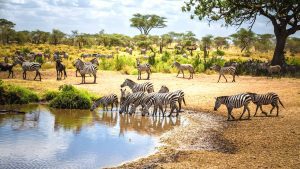
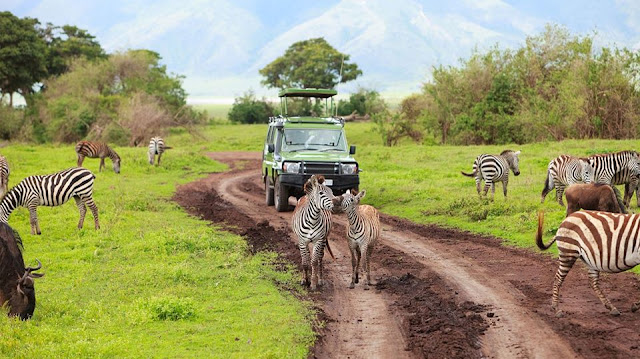
Africa is not a single travel experience, so selecting the right destination is essential. Popular safari destinations include Tanzania. Tanzania is famous for Serengeti National Park, Ngorongoro Crater, Lake Manyara National Park, Tarangire National Park, and luxury safari lodges, ideal for exclusive wildlife experiences. Each African safari destination offers unique wildlife, landscapes, and safari styles. When booking an African vacation, consider your interests, such as big five safari tours, Great Migration viewing, beach holidays, or cultural experiences. Choosing the right country ensures you get the best African safari experience based on your expectations, travel budget, and preferred adventure level.
- ArushaGateway
- TarangireElephants
- NgorongoroCrater
- SerengetiBig Five
- ZanzibarBeach
Understand the Best Time to Visit Africa
Timing is one of the most important factors when planning an African safari vacation. The best time to visit Africa depends on wildlife movement, weather conditions, and safari activities. The best visited Tanzania is during the dry season from June to October for optimal game viewing and the Great Migration. The wet season offers fewer crowds and lower prices, but it may affect wildlife visibility. If you are planning a Zanzibar beach holiday, December to March is ideal for warm ocean conditions. Understanding seasonal travel patterns helps you maximize your African safari experience and ensures you witness iconic wildlife moments.
Set a Realistic African Safari Budget
Budget planning is crucial before booking an African vacation package. Costs vary depending on destination, accommodation type, and safari style. Luxury African safari lodges and private tours are more expensive, while budget camping safaris offer affordable options. Tanzania safari packages and Kenya safari tours may include park fees, guides, transportation, and meals. Additional expenses include international flights, visas, travel insurance, and optional activities like hot air balloon safaris. Setting a clear African safari budget helps you choose between private safaris and tailor-made Africa holiday packages. It is recommended to compare multiple tour operators and safari deals to find the best value. A well-planned African budget safari ensures a stress-free and enjoyable African travel experience.
- Accommodation
- Meals
- Park fees
- Vehicle & guide
- Transfers
- International flights
- Visas
- Travel insurance
- Tips
- Premium drinks
Book with a Trusted African safari Tour Operator
Choosing a reliable safari tour operator is essential for a safe and successful African vacation. Professional operators provide expert guides, well-planned itineraries, and secure transportation across national parks. Reputable companies offer customized African safari packages, including luxury lodges, budget camping safaris, and family-friendly tours. Before booking, check reviews, certifications, and experience in destinations like Tanzania safari circuits or Serengeti wildlife tours. A trusted operator ensures smooth logistics, park entry arrangements, and knowledgeable guides who enhance wildlife viewing experiences. Avoid unverified companies offering unrealistic prices. Working with experienced safari specialists guarantees better wildlife encounters, safety, and overall travel satisfaction during your African adventure.
Check Visa and Entry Requirements
Before traveling to Africa, understanding visa and entry requirements is essential. Most countries, such as Tanzania, require tourist visas, which can often be obtained online or on arrival. Passport validity should typically be at least six months beyond your travel dates. Some destinations may also require proof of return tickets or accommodation bookings. It is important to check specific requirements for each country included in your Africa vacation itinerary. Travelers may also need to complete health declaration forms or entry permits, depending on regulations. Proper documentation preparation prevents delays at airports and ensures a smooth start to your African safari holiday or beach vacation experience.
Get Required Vaccinations and Health Precautions
Health preparation is a key part of planning an African safari vacation. Many destinations recommend vaccinations such as yellow fever, hepatitis A and B, typhoid, and tetanus. Malaria prevention is also important in many safari regions, including Tanzania and Kenya. Travelers should consult a healthcare provider before departure to receive personalized medical advice. Carrying insect repellent, sunscreen, and a basic medical kit is highly recommended. Drinking safe bottled water and following hygiene practices helps avoid illness during travel. Travel insurance with medical coverage is also essential for emergencies. Proper health precautions ensure you enjoy your African safari adventure safely and comfortably without unexpected health risks.
Approach, feed or disturb wildlife, or leave the vehicle unless your guide says it is safe.
Follow your guide, carry travel insurance and check current health and travel advice.
Pack Smart for an African Safari
Packing correctly enhances your African vacation experience. Lightweight, breathable clothing in neutral colors is ideal for safari game drives. Essentials include comfortable walking shoes, hats, sunglasses, sunscreen, and binoculars for wildlife viewing. A good camera is important for capturing moments in Serengeti National Park or Tarangire safaris. Layered clothing is recommended due to the changing temperatures between mornings and evenings. Avoid bright colors and heavy luggage since safari vehicles have limited space. Additional items like power banks, insect repellent, and travel adapters are useful. Smart packing ensures comfort, convenience, and readiness for different safari environments and beach destinations like Zanzibar.
Understand African Safari Accommodation Options
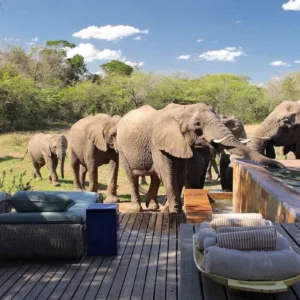
Africa offers a wide range of accommodation options, from luxury safari lodges to budget camping sites. Luxury lodges provide comfort, private rooms, swimming pools, and scenic views of wildlife areas. Tented camps offer a more immersive bush experience while still maintaining comfort. Budget camps are ideal for travelers seeking affordable African safari packages. Locations near Serengeti, Ngorongoro, and Masai Mara offer excellent wildlife access. Some lodges are located inside national parks for early morning game drives. Choosing the right accommodation depends on your budget, comfort level, and travel style. Proper planning ensures a memorable stay during your African safari vacation.
Plan Your African Safari Activities
An African vacation offers diverse activities beyond game drives. Popular experiences include hot air balloon safaris over the Serengeti, walking safaris, cultural visits to Maasai villages, and boat safaris in river ecosystems. Beach activities in Zanzibar include snorkeling, diving, and spice tours. Photography safaris are ideal for capturing wildlife moments, especially during the Great Migration. Some parks also offer night game drives for spotting nocturnal animals. Planning activities in advance ensures you make the most of your African safari itinerary. A balanced schedule of wildlife, culture, and relaxation creates a complete and unforgettable African travel experience.
Know African Wildlife safari Safety Rules.
Safety is essential during any African safari vacation. Visitors must follow park rules and listen to professional safari guides at all times. Wildlife should never be approached or fed, even if animals appear calm. Staying inside safari vehicles during game drives is mandatory in most national parks. Maintaining silence helps avoid disturbing animals and improves viewing opportunities. Respecting wildlife habitats ensures both visitor safety and conservation. Parks like Serengeti National Park and Kruger enforce strict guidelines to protect both tourists and animals. Understanding safari safety rules guarantees a secure and responsible African wildlife experience.
Prepare for Flights and Transfers
International and domestic travel logistics are important when planning an African vacation. Most travelers fly into major hubs such as Kilimanjaro International Airport, Nairobi Jomo Kenyatta Airport, or Johannesburg Airport. From there, domestic flights or road transfers connect to safari destinations. Some remote parks require small aircraft flights to airstrips near lodges. Road transfers offer scenic views but may take longer travel time. Booking flights early helps reduce costs and ensures better connections. Coordinating transfers with your tour operator ensures smooth transitions between destinations. Proper travel planning enhances comfort and reduces stress during your African safari journey.
Respect Local Culture and Communities
Africa is rich in cultural diversity, and respecting local traditions enhances your travel experience. Many safari destinations include visits to Maasai, Hadzabe, or other indigenous communities. Learning basic greetings and cultural etiquette creates positive interactions. Dress modestly when visiting villages or cultural sites. Supporting local artisans by purchasing handmade crafts contributes to community development. Responsible tourism ensures that African vacation packages benefit both travelers and local populations. Cultural respect also enriches your understanding of African heritage and traditions, making your safari journey more meaningful and memorable.
Prepare for Internet and Connectivity
Internet access in Africa varies depending on location. Major cities and luxury safari lodges often provide Wi-Fi, while remote national parks may have limited connectivity. Travelers should not rely heavily on internet access during safari trips. Downloading maps, travel documents, and offline guides is recommended. Purchasing a local SIM card can help with mobile data in some regions. Disconnecting during safari experiences often enhances the enjoyment of nature and wildlife. Understanding connectivity limitations helps manage expectations during your Africa vacation and ensures smoother communication planning.
Travel Insurance is Essential
Travel insurance is a must for any African vacation or safari trip. It covers medical emergencies, trip cancellations, lost luggage, and unexpected travel disruptions. Many safari destinations are in remote areas where emergency evacuation may be required. Comprehensive insurance ensures peace of mind during your African adventure. Policies should include coverage for safari activities, flights, and international travel. Comparing insurance providers helps you choose the best protection for your trip. Having reliable travel insurance guarantees safety, security, and confidence throughout your African safari experience.
Final Thought
Booking an African vacation is a life-changing experience filled with wildlife encounters, cultural discovery, and breathtaking landscapes. From Tanzania safari adventures to Kenya’s Masai Mara and South Africa’s Kruger National Park, Africa offers unmatched diversity and beauty. Proper planning, including budgeting, health preparation, choosing the right tour operator, and understanding travel requirements, ensures a smooth journey. Whether you seek luxury safari lodges or budget Africa tours, preparation is the key to a successful trip. With the right planning, your African safari vacation becomes not just a holiday, but an unforgettable adventure across the world’s most iconic natural wonders.
What You Should Know Before Booking Africa Vacation: FAQs
What should you know about choose the right African destination?
Africa is not a single travel experience, so selecting the right destination is essential. Popular safari destinations include Tanzania. Tanzania is famous for Serengeti National Park, Ngorongoro Crater, Lake Manyara National Park, Tarangire National Park, and luxury safari lodges, ideal for exclusive wildlife experiences. Each African safari destination offers unique wildlife, landscapes, and safari styles.
What can you expect from understand the best time to visit Africa?
Timing is one of the most important factors when planning an African safari vacation. The best time to visit Africa depends on wildlife movement, weather conditions, and safari activities. The best visited Tanzania is during the dry season from June to October for optimal game viewing and the Great Migration.
How much should you budget for set a Realistic African safari budget?
Budget planning is crucial before booking an African vacation package. Costs vary depending on destination, accommodation type, and safari style. Luxury African safari lodges and private tours are more expensive, while budget camping safaris offer affordable options. Tanzania safari packages and Kenya safari tours may include park fees, guides, transportation, and meals.
What should you know about book with a trusted African safari tour operator?
Choosing a reliable safari tour operator is essential for a safe and successful African vacation. Professional operators provide expert guides, well-planned itineraries, and secure transportation across national parks. Reputable companies offer customized African safari packages, including luxury lodges, budget camping safaris, and family-friendly tours. Before booking, check reviews, certifications, and experience in destinations like Tanzania safari circuits or Serengeti wildlife tours.
What are the check visa and entry requirements?
Before traveling to Africa, understanding visa and entry requirements is essential. Most countries, such as Tanzania, require tourist visas, which can often be obtained online or on arrival. Passport validity should typically be at least six months beyond your travel dates. Some destinations may also require proof of return tickets or accommodation bookings.
What can you expect from get required vaccinations and health precautions?
Health preparation is a key part of planning an African safari vacation. Many destinations recommend vaccinations such as yellow fever, hepatitis A and B, typhoid, and tetanus. Malaria prevention is also important in many safari regions, including Tanzania and Kenya. Travelers should consult a healthcare provider before departure to receive personalized medical advice.
What should you know about Pack Smart for an African safari?
Packing correctly enhances your African vacation experience. Lightweight, breathable clothing in neutral colors is ideal for safari game drives. Essentials include comfortable walking shoes, hats, sunglasses, sunscreen, and binoculars for wildlife viewing. A good camera is important for capturing moments in Serengeti National Park or Tarangire safaris.
What are the understand African safari accommodation options?
Africa offers a wide range of accommodation options, from luxury safari lodges to budget camping sites. Luxury lodges provide comfort, private rooms, swimming pools, and scenic views of wildlife areas. Tented camps offer a more immersive bush experience while still maintaining comfort. Budget camps are ideal for travelers seeking affordable African safari packages.
Plan Your Private Tanzania Safari
Tell us your travel dates, interests and budget, and our local team will design a private tailor-made safari around you.