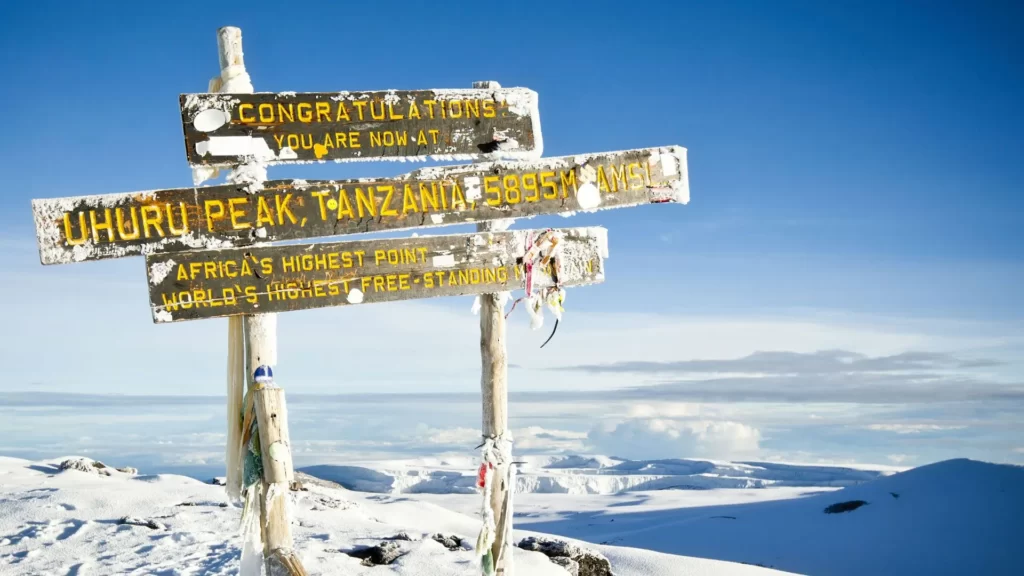
What is the Safest Route on Kilimanjaro?
What is the Safest Route on Kilimanjaro?
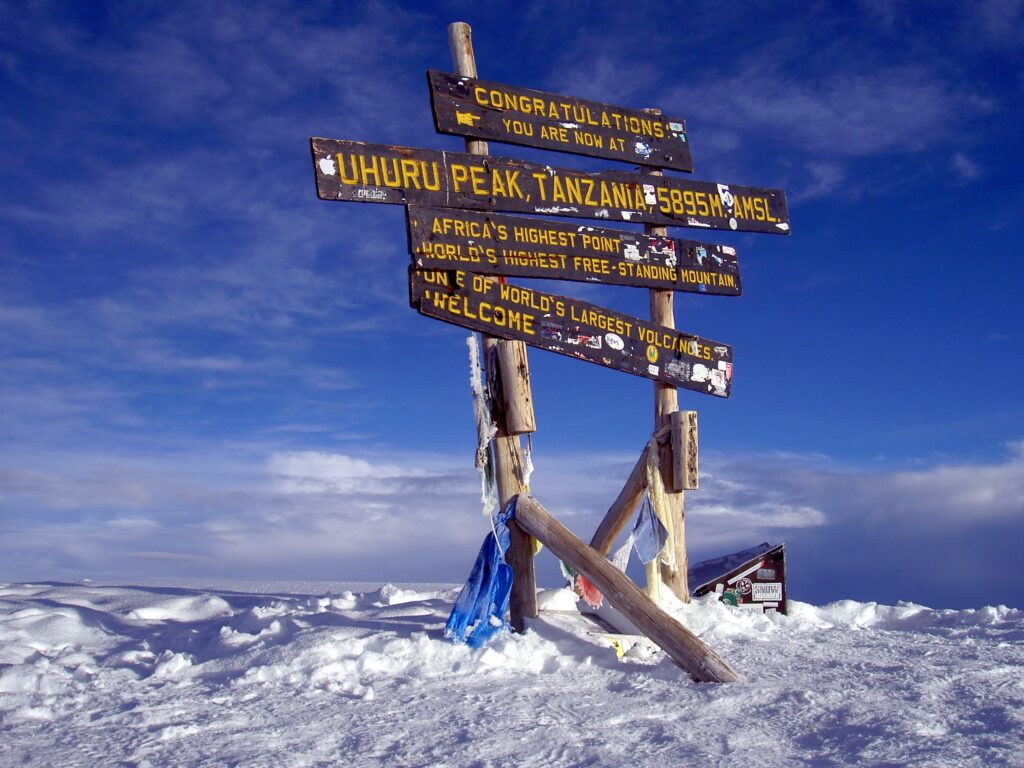
Climbing Mount Kilimanjaro is a once-in-a-lifetime adventure, but choosing the safest route on Kilimanjaro is essential for summit success and overall experience. With rising interest in Tanzania safari tours and Kilimanjaro climbing packages, travelers often search for the best Kilimanjaro route for beginners, the highest success rate routes, and the safest trekking itineraries. Safety on Kilimanjaro is largely influenced by acclimatization time, route length, altitude gain, and professional guidance. Popular routes like Lemosho, Machame, and the Northern Circuit are widely recognized for their high summit success rates and gradual ascent profiles. Whether you’re planning a luxury Kilimanjaro climb, budget trekking tour, or private guided expedition, understanding each route’s safety profile helps reduce altitude sickness risks and improves your chances of reaching Uhuru Peak safely and successfully.
Marangu Route (Coca-Cola Route)
The Marangu Route, famously known as the “Coca-Cola Route,” is one of the oldest and most established Kilimanjaro routes. It is often considered the easiest route on Kilimanjaro due to its gradual slope and hut accommodations, making it popular for beginners seeking comfort. However, despite its reputation as a beginner-friendly Kilimanjaro route, it has a lower success rate compared to longer routes because most climbers attempt it in just 5–6 days. This shorter duration reduces proper acclimatization, increasing altitude sickness risk. Still, its well-defined trails, dormitory-style huts, and direct path make it a safe option when done over 6 days or more. Travelers searching for affordable Kilimanjaro trekking packages often choose Marangu for its cost-effectiveness and logistical simplicity, especially during peak Tanzania travel seasons.
Machame Route (Whiskey Route)
The Machame Route, known as the “Whiskey Route,” is one of the most popular Kilimanjaro climbing routes due to its scenic beauty and higher success rate. Unlike Marangu, Machame offers a longer trekking itinerary—typically 6 to 7 days—which improves acclimatization and reduces the risk of altitude sickness. It is often ranked among the best Kilimanjaro routes for success and safety because of its “climb high, sleep low” profile. This route takes climbers through diverse landscapes, from rainforest to alpine desert, enhancing the overall trekking experience. While it is more physically demanding than Marangu, it is still suitable for moderately fit climbers. For those researching Kilimanjaro group tours, guided expeditions, and mid-range safari packages, Machame strikes a balance between adventure, safety, and affordability.
Lemosho Route
The Lemosho Route is widely considered the safest route on Kilimanjaro and one of the best for beginners and experienced trekkers alike. Starting on the western side of the mountain, it offers a longer itinerary—typically 7 to 8 days—which allows for excellent acclimatization and significantly increases summit success rates. This route is ideal for those searching for luxury Kilimanjaro climbing packages, private tours, and high-end trekking experiences. Lemosho’s gradual ascent profile and lower initial traffic provide a more relaxed pace, reducing altitude-related risks. Its scenic beauty, including remote wilderness and panoramic views, adds to its appeal. Many Kilimanjaro experts and tour operators recommend Lemosho as the best route for safety, comfort, and success, making it a top choice for travelers planning a premium Tanzania adventure.
Rongai Route
The Rongai Route approaches Mount Kilimanjaro from the northern side near the Kenyan border and is known for its dry climate and gentle gradient. It is considered one of the safest Kilimanjaro routes due to its gradual ascent and fewer crowds. This makes it ideal for climbers seeking a quieter trekking experience while maintaining a good acclimatization profile. Typically completed in 6 to 7 days, Rongai offers a steady climb with less dramatic altitude gain compared to steeper routes. It is often recommended for beginner climbers and those traveling during the rainy season, as it receives less precipitation. For travelers searching for off-the-beaten-path Kilimanjaro routes, Rongai provides a unique and safe alternative with solid success rates and scenic northern views.
Shira Route
The Shira Route is similar to the Lemosho Route but begins at a higher elevation, which can make acclimatization slightly more challenging. While it offers breathtaking scenery and a relatively low number of climbers, its starting altitude may increase the risk of altitude sickness for some trekkers. However, when done over 7 to 8 days, the Shira Route becomes a safer option due to extended acclimatization time. It merges with the Lemosho Route, allowing climbers to benefit from the same gradual ascent profile later in the trek. This route is often chosen by experienced hikers looking for scenic Kilimanjaro trekking routes with fewer crowds. For those researching Tanzania adventure travel and unique Kilimanjaro climbing experiences, Shira offers a balance between beauty and moderate safety.
Umbwe Route
The Umbwe Route is widely regarded as the most challenging and least safe route on Kilimanjaro due to its steep, direct ascent and short itinerary. It is not recommended for beginners or those without prior high-altitude trekking experience. The rapid elevation gain significantly increases the risk of altitude sickness, making it one of the lowest success rate routes on Kilimanjaro. Although it offers stunning scenery and a more secluded trekking experience, its difficulty level makes it suitable only for experienced climbers seeking a demanding adventure. Travelers searching for safe Kilimanjaro climbing routes should generally avoid Umbwe unless they extend the itinerary and have strong acclimatization strategies. It remains a niche option within Tanzania trekking tours for highly फिट adventurers.
Northern Circuit Route
The Northern Circuit Route is considered the safest and highest success rate route on Kilimanjaro. As the longest route—typically 8 to 9 days—it provides excellent acclimatization, dramatically reducing the risk of altitude sickness. This route circles the northern slopes of Mount Kilimanjaro, offering unmatched panoramic views and minimal crowding. Its extended duration allows climbers to adjust gradually to altitude changes, making it ideal for beginners, seniors, and those seeking a high-end Kilimanjaro trekking experience. Often featured in luxury safari and trekking packages, the Northern Circuit combines safety, scenic beauty, and high summit success rates. For travelers prioritizing safety and comfort, this route stands out as the best overall option for climbing Kilimanjaro.
Why These Are Considered the Safest Route on Kilimanjaro:
The safest routes on Mount Kilimanjaro—primarily the Lemosho Route (7–8 days) and the Northern Circuit (8–9 days)—are considered the safest due to their long itineraries, which facilitate superior acclimatization and high summit success rates. By prioritizing a gradual ascent, these routes minimize the risks of Acute Mountain Sickness (AMS), which is the primary danger on the mountain.
Approach, feed or disturb wildlife, or leave the vehicle unless your guide says it is safe.
Follow your guide, carry travel insurance and check current health and travel advice.
Acclimatization
Acclimatization is the most critical factor when determining the safest Kilimanjaro route. Routes like Lemosho and the Northern Circuit are designed with gradual altitude gain, allowing the body to adjust to lower oxygen levels effectively. The principle of “climb high, sleep low” helps reduce the risk of Acute Mountain Sickness (AMS), a common concern for climbers. Longer itineraries—7 days or more—are strongly recommended for safer trekking. Proper acclimatization increases oxygen efficiency, minimizes fatigue, and improves overall trekking performance. Many top-rated Kilimanjaro tour operators emphasize acclimatization in their itineraries, offering extra days and strategic camps. Travelers searching for safe Kilimanjaro climbs, altitude sickness prevention tips, and high success rate trekking routes should prioritize itineraries that maximize acclimatization opportunities.
High Success Rates
High summit success rates are a key indicator of the safest Kilimanjaro routes. Routes such as Lemosho, Machame, and the Northern Circuit consistently report higher success percentages due to their longer duration and better acclimatization profiles. Success rates can exceed 90% on well-planned 8-day Northern Circuit climbs, compared to significantly lower rates on shorter routes like Marangu. These statistics make longer routes more appealing for travelers seeking guaranteed Kilimanjaro summit experiences. Professional guides, proper pacing, and well-structured itineraries further enhance success rates. When researching Kilimanjaro climbing packages, many travelers prioritize routes with proven safety records and high summit success, ensuring a rewarding and safe trekking experience to Uhuru Peak.
Less Crowding
Less crowded routes are often safer because they offer a more controlled, relaxed trekking environment. Routes like Rongai and the Northern Circuit experience fewer climbers, reducing congestion on trails and at campsites. This allows for better pacing, improved guide attention, and a more personalized trekking experience. Crowded routes can sometimes lead to rushed itineraries and limited resources, increasing stress and fatigue. For travelers seeking peaceful Kilimanjaro trekking tours, less crowded routes offer both safety and tranquility. Additionally, fewer climbers enhance the wilderness experience, making the journey more immersive. Choosing a quieter route can significantly improve both safety and enjoyment during your Kilimanjaro adventure.
Common Synonyms for Safe Kilimanjaro Routes:
Safe Kilimanjaro routes, known for high success rates due to better acclimatization, are often called the Northern Circuit (the "safest" overall), Lemosho ("scenic/remote"), and Rongai ("undiscovered/quiet"). These routes prioritize safety through longer, gradual, 8-9 day itineraries, reducing altitude sickness risks.
Best Route for Beginners (Lemosho)
The Lemosho Route is frequently described as the best Kilimanjaro route for beginners due to its gradual ascent and high success rate. It provides ample time for acclimatization, making it ideal for first-time climbers with moderate fitness levels. Beginners searching for safe Kilimanjaro climbing options often prioritize Lemosho because it balances comfort, scenery, and safety. The route’s longer duration reduces altitude risks and increases confidence among climbers. Supported by experienced guides and well-planned itineraries, Lemosho offers a beginner-friendly yet rewarding trekking experience. For those planning their first Tanzania adventure, this route stands out as the safest and most recommended option.
Highest Success Rate Route (Northern Circuit/Lemosho)
The Northern Circuit and Lemosho Routes are widely recognized as the highest success rate Kilimanjaro routes. Their extended itineraries—typically 8 days or more—allow for superior acclimatization and gradual altitude gain. These routes consistently achieve success rates above 85–90%, making them ideal for climbers focused on reaching the summit safely. Travelers searching for guaranteed Kilimanjaro summit tours often choose these routes for their proven track record. The combination of expert guiding, scenic trails, and optimal pacing contributes to their reputation. For those prioritizing safety, comfort, and success, these routes remain the top choices among Kilimanjaro trekking options.
Acclimatization-Focused Route (Lemosho)
The Lemosho Route is often referred to as the most acclimatization-focused Kilimanjaro route. Its design emphasizes gradual altitude gain, allowing climbers to adjust naturally over several days. This significantly reduces the risk of altitude sickness and improves overall trekking performance. The route incorporates strategic camps and elevation changes that follow best practices for high-altitude climbing. Travelers researching safe Kilimanjaro trekking routes, altitude-friendly itineraries, and guided expeditions often find Lemosho at the top of recommendations. Its ability to combine safety, scenic beauty, and high success rates makes it a preferred choice for both beginners and experienced climbers seeking a reliable and enjoyable Kilimanjaro climb.
What to Avoid: Shorter, 5-Day Routes, and the Umbwe Route
Shorter Kilimanjaro routes, particularly 5-day itineraries, should generally be avoided when prioritizing safety. These routes do not allow sufficient time for acclimatization, significantly increasing the risk of altitude sickness and lowering summit success rates. The Umbwe Route, in particular, is known for its steep ascent and rapid elevation gain, making it one of the most challenging and least safe options. Travelers searching for safe Kilimanjaro climbing experiences should instead opt for longer routes like Lemosho or the Northern Circuit. Investing in additional trekking days improves safety, comfort, and overall success. Avoiding rushed itineraries is one of the most important decisions for a successful Kilimanjaro adventure.
Favorable Route Topography
Favorable route topography plays a crucial role in determining Kilimanjaro route safety. Routes with gradual slopes, steady elevation gain, and varied terrain are generally safer because they allow the body to adjust naturally to altitude changes. Lemosho and the Northern Circuit are prime examples, offering long, gentle ascents and strategic acclimatization points. In contrast, steep routes like Umbwe increase the risk of altitude sickness due to rapid elevation gain. Routes with diverse landscapes also provide better opportunities for rest and recovery. Choosing a route with favorable topography ensures a smoother climb, reduces physical strain, and enhances overall safety, making it a key consideration when planning a Kilimanjaro expedition.
Final Thought
Choosing the safest route on Mount Kilimanjaro ultimately determines your success, safety, and overall experience. Routes like Lemosho and the Northern Circuit stand out for their high success rates, excellent acclimatization, and lower risk of altitude sickness. Whether you’re planning a luxury Kilimanjaro climb, budget trekking tour, or private guided expedition, prioritizing safety over speed is essential. With the right route, professional guides, and proper preparation, reaching Uhuru Peak becomes an achievable and unforgettable goal.
What is the Safest Route on Kilimanjaro?: FAQs
What is Marangu Route (Coca-Cola Route) like?
The Marangu Route, famously known as the “Coca-Cola Route,” is one of the oldest and most established Kilimanjaro routes. It is often considered the easiest route on Kilimanjaro due to its gradual slope and hut accommodations, making it popular for beginners seeking comfort. However, despite its reputation as a beginner-friendly Kilimanjaro route, it has a lower success rate compared to longer routes because most climbers attempt it in just 5–6 days.
What is Lemosho Route like?
The Lemosho Route is widely considered the safest route on Kilimanjaro and one of the best for beginners and experienced trekkers alike. Starting on the western side of the mountain, it offers a longer itinerary—typically 7 to 8 days—which allows for excellent acclimatization and significantly increases summit success rates.
What is Shira Route like?
The Shira Route is similar to the Lemosho Route but begins at a higher elevation, which can make acclimatization slightly more challenging. While it offers breathtaking scenery and a relatively low number of climbers, its starting altitude may increase the risk of altitude sickness for some trekkers.
What is Northern Circuit Route like?
The Northern Circuit Route is considered the safest and highest success rate route on Kilimanjaro. As the longest route—typically 8 to 9 days—it provides excellent acclimatization, dramatically reducing the risk of altitude sickness. This route circles the northern slopes of Mount Kilimanjaro, offering unmatched panoramic views and minimal crowding.
What can you expect from acclimatization on Kilimanjaro?
Acclimatization is the most critical factor when determining the safest Kilimanjaro route. Routes like Lemosho and the Northern Circuit are designed with gradual altitude gain, allowing the body to adjust to lower oxygen levels effectively. The principle of “climb high, sleep low” helps reduce the risk of Acute Mountain Sickness (AMS), a common concern for climbers.
What should you know about less crowding on Kilimanjaro?
Less crowded routes are often safer because they offer a more controlled, relaxed trekking environment. Routes like Rongai and the Northern Circuit experience fewer climbers, reducing congestion on trails and at campsites. This allows for better pacing, improved guide attention, and a more personalized trekking experience.
What is Best Route for Beginners (Lemosho) like?
The Lemosho Route is frequently described as the best Kilimanjaro route for beginners due to its gradual ascent and high success rate. It provides ample time for acclimatization, making it ideal for first-time climbers with moderate fitness levels. Beginners searching for safe Kilimanjaro climbing options often prioritize Lemosho because it balances comfort, scenery, and safety.
What is Acclimatization-Focused Route (Lemosho) like?
The Lemosho Route is often referred to as the most acclimatization-focused Kilimanjaro route. Its design emphasizes gradual altitude gain, allowing climbers to adjust naturally over several days. This significantly reduces the risk of altitude sickness and improves overall trekking performance. The route incorporates strategic camps and elevation changes that follow best practices for high-altitude climbing.
Climb Kilimanjaro With Confidence
Tell us your dates and fitness, and our experienced mountain team will plan a safe, well-acclimatized private climb.