What Camera Should I Bring on Mount Kilimanjaro?
What Camera Should I Bring on Mount Kilimanjaro?
Discover and explore the enthralling climb of Mount Kilimanjaro, one of Africa’s greatest adventures, and capturing the journey requires the right travel camera for safari and mountain photography. From glacier-covered summits and dramatic sunrise landscapes to wildlife encounters and cultural moments, choosing the best camera for Kilimanjaro can transform your trekking memories into breathtaking images. Many trekkers search for lightweight mirrorless cameras, durable DSLRs, compact travel cameras, and action cameras that perform well in cold weather and high-altitude conditions. The ideal Kilimanjaro camera should offer excellent battery life, weather sealing, image stabilization, and portability. Whether you are a professional photographer, travel blogger, safari enthusiast, or first-time climber, this Mount Kilimanjaro photography guide helps you select the perfect camera gear for unforgettable Tanzania trekking adventures.
Sony Alpha a7 III
The Sony Alpha a7 III is considered one of the best mirrorless cameras for Mount Kilimanjaro photography because of its lightweight body, exceptional low-light performance, and outstanding battery life. Featuring a 24.2MP full-frame sensor, this travel photography camera captures sharp landscapes, dramatic summit sunsets, and wildlife safari moments in incredible detail. Its weather-sealed design protects against dust, wind, and cold mountain temperatures often experienced on Kilimanjaro trekking routes. Professional photographers appreciate the fast autofocus, image stabilization, and 4K video recording capabilities. The Sony Alpha a7 III also performs well during night photography and Milky Way shots at high altitude camps. Compact yet powerful, it is ideal for climbers seeking professional-quality images without carrying heavy DSLR equipment during their Tanzania mountain adventure.
Canon EOS R6
The Canon EOS R6 is an excellent choice for Mount Kilimanjaro trekking photography thanks to its advanced autofocus system, impressive image stabilization, and rugged weather-resistant construction. This full-frame mirrorless camera delivers stunning landscape photography, crystal-clear wildlife images, and cinematic 4K videos across Tanzania’s iconic safari destinations. Many travel photographers choose the Canon EOS R6 because it handles cold weather conditions exceptionally well while remaining lighter than traditional DSLR cameras. The camera’s fast burst shooting makes it perfect for capturing moving subjects, changing mountain weather, and unforgettable summit celebrations. With superior low-light performance, trekkers can also photograph starry skies and sunrise views above the clouds. Its durable design and professional image quality make it perfect for Kilimanjaro expeditions and African safari adventures.
Nikon Z6 II
The Nikon Z6 II combines durability, portability, and professional image quality, making it one of the best cameras for Mount Kilimanjaro climbing expeditions. Equipped with a 24.5MP full-frame sensor and dual processors, this travel photography camera captures vivid mountain scenery, glaciers, wildlife, and summit moments with remarkable clarity. Outdoor photographers value its weather-sealed body, reliable autofocus, and strong performance in freezing temperatures commonly experienced near Uhuru Peak. The Nikon Z6 II also offers excellent video recording for travel vlogs and adventure documentaries. Its lightweight design reduces strain during long trekking days while maintaining professional-level results. For photographers planning both a Tanzania safari and a Kilimanjaro hike, the Nikon Z6 II offers versatile shooting capabilities for landscapes, portraits, wildlife photography, and high-altitude travel.
Fujifilm X-T4
The Fujifilm X-T4 is popular among travel photographers climbing Mount Kilimanjaro because of its lightweight body, retro design, and excellent color reproduction. Featuring a 26.1MP APS-C sensor, this compact mirrorless camera delivers vibrant landscape photos, detailed summit shots, and beautiful African safari images. Its in-body image stabilization helps capture sharp handheld photos during challenging trekking conditions and uneven mountain trails. The Fujifilm X-T4 also offers weather resistance, long battery life, and professional-quality 4K video recording, making it ideal for travel bloggers and adventure filmmakers. Photographers appreciate Fujifilm’s legendary film simulation modes that produce rich colors straight from the camera. Compact enough for long hikes yet powerful enough for professional photography, the X-T4 is perfect for documenting unforgettable Kilimanjaro trekking adventures and Tanzania wildlife safaris.
Olympus OM-D E-M1 Mark III
The Olympus OM-D E-M1 Mark III is a lightweight, durable travel camera designed for extreme outdoor adventures, such as climbing Mount Kilimanjaro. Its compact Micro Four Thirds system allows trekkers to carry professional photography gear without excessive weight during multi-day hikes. The camera features outstanding weather sealing, making it highly resistant to rain, dust, cold temperatures, and harsh mountain environments. Adventure photographers love its powerful image stabilization, fast autofocus, and handheld high-resolution shooting capabilities. Despite its smaller size, the Olympus OM-D E-M1 Mark III captures impressive landscapes, wildlife photographs, and summit memories with exceptional clarity. The camera’s portability makes it ideal for climbers who prioritize lightweight trekking equipment while still wanting high-quality travel photography and cinematic video content during their Kilimanjaro expedition.
Panasonic Lumix GH5
The Panasonic Lumix GH5 is one of the best cameras for adventure videography on Mount Kilimanjaro because of its professional 4K recording, rugged construction, and excellent stabilization features. Travel filmmakers and vloggers often select this lightweight mirrorless camera for documenting trekking experiences, summit celebrations, and Tanzania safari adventures. The GH5 performs exceptionally well in outdoor environments thanks to its weather-sealed body, reliable autofocus, and strong battery efficiency. Its compact Micro Four Thirds system reduces gear weight during demanding climbs while maintaining excellent image quality. The Panasonic Lumix GH5 also offers advanced slow-motion recording and cinematic video options ideal for creating high-quality travel documentaries. For climbers focused on professional video production, this camera delivers outstanding performance across Kilimanjaro’s challenging high-altitude landscapes and changing weather conditions.
GoPro HERO10 Black
The GoPro HERO10 Black is among the best action cameras for Mount Kilimanjaro because it is compact, waterproof, lightweight, and extremely durable. Trekkers and adventure travelers use it to capture hands-free hiking footage, summit celebrations, time-lapse videos, and breathtaking mountain scenery. The HyperSmooth stabilization technology creates smooth cinematic footage even on rocky trails and steep ascents. Its rugged design performs exceptionally well in cold weather, dusty conditions, and unpredictable mountain environments. The GoPro HERO10 Black also supports 5.3K video recording and high-quality photos, making it ideal for travel vloggers and outdoor enthusiasts. Easy helmet, chest, or backpack mounting options allow climbers to document every step of their Kilimanjaro adventure without carrying bulky camera equipment during strenuous trekking days across Tanzania’s iconic mountain.
Sony RX100 VII
The Sony RX100 VII is one of the best compact cameras for Mount Kilimanjaro trekking because it combines portability with professional-level image quality. Weighing only a few hundred grams, this travel camera easily fits into a jacket pocket while delivering stunning 20.1MP images and 4K videos. Its powerful zoom lens is ideal for photographing distant glaciers, summit landscapes, wildlife, and cultural encounters during Tanzania adventures. The Sony RX100 VII also features lightning-fast autofocus and excellent image stabilization, helping trekkers capture sharp images in challenging outdoor conditions. Many climbers prefer this compact camera because it eliminates the need for carrying heavy DSLR equipment during multi-day hikes. Lightweight, reliable, and versatile, it is perfect for hikers seeking high-quality photography without sacrificing comfort on Kilimanjaro expeditions.
DJI Osmo Pocket
The DJI Osmo Pocket is an outstanding lightweight camera for Mount Kilimanjaro travel vlogging and cinematic adventure videos. This ultra-compact device features a built-in stabilized gimbal that produces smooth professional footage while trekking across rough mountain trails. Travel creators appreciate its portability because it easily fits inside pockets or small daypacks during long climbs. Despite its tiny size, the DJI Osmo Pocket captures impressive 4K video and high-resolution images suitable for YouTube travel content and safari documentaries. The camera performs well during sunrise hikes, summit celebrations, and camp storytelling sessions. Its intelligent tracking features also make solo filming easier on the mountain. For climbers prioritizing lightweight travel gear and cinematic storytelling, the DJI Osmo Pocket is an excellent Kilimanjaro photography companion.
iPhone 14 Pro Max
The iPhone 14 Pro Max is one of the best smartphone cameras for Mount Kilimanjaro photography because it combines convenience, portability, and powerful imaging technology. Equipped with advanced computational photography, cinematic video capabilities, and impressive low-light performance, this smartphone captures breathtaking mountain landscapes and summit selfies effortlessly. Many trekkers prefer using the iPhone 14 Pro Max because it eliminates the need for carrying heavy camera gear during demanding hikes. Its durable build, optical zoom, image stabilization, and RAW photo support produce professional-quality travel content ideal for social media, blogs, and travel memories. The device also supports GPS tracking, weather apps, and communication during the climb. For casual photographers and modern travelers, this smartphone provides an excellent all-in-one solution for Kilimanjaro trekking adventures.
What Type of Camera to Bring to Kilimanjaro (Pros and Cons)
Choosing the best camera for Mount Kilimanjaro depends on your photography goals, trekking style, and gear preferences. Mirrorless cameras are highly recommended because they combine lightweight portability, excellent image quality, and advanced video features ideal for travel photography and African safari adventures. DSLR cameras provide superior battery life and professional image control, but are often heavier for long trekking days. Compact travel cameras are convenient, lightweight, and easy to carry, making them perfect for casual photographers and hikers wanting simplicity. Action cameras like GoPro models excel for adventure footage, summit videos, and harsh weather conditions. Smartphones are increasingly popular due to advanced camera technology and portability, though battery life may suffer in cold mountain temperatures. Ultimately, your ideal Kilimanjaro camera should balance durability, weight, image quality, and battery efficiency.
DSLRs and Mirrorless Cameras
DSLR and mirrorless cameras remain the top choices for professional Mount Kilimanjaro photography because they deliver exceptional image quality, interchangeable lenses, and advanced shooting controls. Mirrorless cameras are increasingly preferred by trekkers because they are lighter, more compact, and easier to carry during multi-day climbs. These cameras perform excellently for wildlife photography, sunrise landscapes, summit portraits, and cinematic travel videos across Tanzania’s spectacular scenery. DSLRs, however, offer longer battery life and optical viewfinders that some photographers still prefer in harsh outdoor conditions. Both systems provide weather-sealed bodies suitable for dust, cold, and unpredictable mountain weather. While heavier than compact cameras or smartphones, they produce professional-quality images ideal for travel blogs, safari photography, and high-resolution prints. Serious photographers climbing Kilimanjaro often choose these cameras for maximum creative flexibility and reliability.
Compact Cameras
Compact cameras are excellent for Mount Kilimanjaro climbers seeking lightweight travel gear without sacrificing image quality. These portable cameras easily fit into pockets or small trekking bags, making them convenient for quick photography during challenging hikes and summit pushes. Modern compact cameras offer impressive zoom lenses, 4K video recording, image stabilization, and advanced autofocus systems ideal for landscape photography and travel storytelling. They are especially popular among casual travelers and safari tourists who want high-quality images without carrying heavy DSLR or mirrorless systems. Compact cameras also consume less space and reduce trekking fatigue during long mountain expeditions. While they may lack interchangeable lenses and some professional controls, they remain reliable and versatile choices for Kilimanjaro adventures. Their balance of convenience, portability, and image quality makes them perfect for many climbers.
DSLR Cameras
DSLR cameras are highly respected for Mount Kilimanjaro photography because they provide outstanding image quality, excellent battery life, and professional-level manual controls. Many experienced photographers still prefer DSLRs for capturing wildlife safaris, summit landscapes, and dramatic African scenery due to their reliability in harsh environments. These cameras often feature durable weather-sealed bodies capable of handling dust, cold temperatures, and challenging mountain weather conditions. DSLR systems also offer extensive lens options suitable for landscape, portrait, wildlife, and astrophotography. However, they are heavier and bulkier compared to modern mirrorless cameras, which can become tiring during long trekking days. Despite the added weight, DSLRs remain popular among professional travel photographers seeking superior optical performance and long-lasting power. For serious photography enthusiasts, DSLRs continue to deliver exceptional results throughout Kilimanjaro climbing adventures and Tanzania safaris.
Canon EOS 90D
The Canon EOS 90D is a powerful DSLR camera suitable for Mount Kilimanjaro trekking and Tanzania safari photography. Featuring a 32.5MP APS-C sensor, this camera produces highly detailed landscape images, wildlife photos, and travel videos. Adventure photographers appreciate its rugged build quality, reliable autofocus, and impressive battery life, which are valuable during long mountain expeditions with limited charging opportunities. The Canon EOS 90D also supports uncropped 4K video recording, making it an excellent choice for travel vloggers and content creators documenting their Kilimanjaro journey. While slightly heavier than mirrorless alternatives, it offers strong durability and extensive lens compatibility for versatile photography situations. For climbers who value traditional DSLR handling, long battery performance, and professional image quality, the Canon EOS 90D remains a dependable camera option.
Action Cameras
Action cameras are increasingly popular for Mount Kilimanjaro adventures because they are lightweight, rugged, waterproof, and easy to use during physically demanding climbs. Cameras like GoPro models capture immersive hands-free footage, dramatic summit videos, and wide-angle mountain scenery without adding significant weight to trekking gear. Their compact design allows helmet mounts, chest harnesses, and backpack attachments for dynamic travel filmmaking. Action cameras perform exceptionally well in extreme weather conditions, including rain, snow, wind, and freezing temperatures near Uhuru Peak. Many models also include advanced stabilization systems that produce smooth cinematic footage while hiking rocky trails. Although they may not match DSLR or mirrorless cameras in image quality or zoom capability, action cameras are perfect for adventure documentation, social media content, and travel vlogging throughout Kilimanjaro trekking expeditions and Tanzania outdoor adventures.
Final Thought
Choosing the best camera for Mount Kilimanjaro depends on your photography goals, trekking style, and budget, but preparation remains the key to capturing unforgettable memories. Whether you select a professional mirrorless camera, durable DSLR, lightweight compact camera, rugged action camera, or advanced smartphone, reliable performance in cold high-altitude conditions is essential. Prioritize lightweight gear, weather protection, extra batteries, and versatile lenses to improve your overall trekking experience. Mount Kilimanjaro offers extraordinary opportunities for landscape photography, wildlife images, summit portraits, sunrise shots, and cinematic travel videos across Tanzania’s breathtaking scenery. With the right camera equipment and photography techniques, every stage of your Kilimanjaro climb can become a stunning visual story. Investing in dependable travel photography gear ensures your African adventure remains beautifully documented for years to come.
What Camera Should I Bring on Mount Kilimanjaro?: FAQs
Essential Camera Accessories for Mount Kilimanjaro
Bringing the right camera accessories for Mount Kilimanjaro is essential for protecting your photography equipment and improving image quality during the trek. Extra batteries are critical because cold mountain temperatures drain power quickly, especially during summit night. High-capacity memory cards provide enough storage for thousands of photos and 4K travel videos. Waterproof dry bags and padded camera cases help protect gear from rain, dust, and rough trekking conditions.
Photography Tips for Mount Kilimanjaro
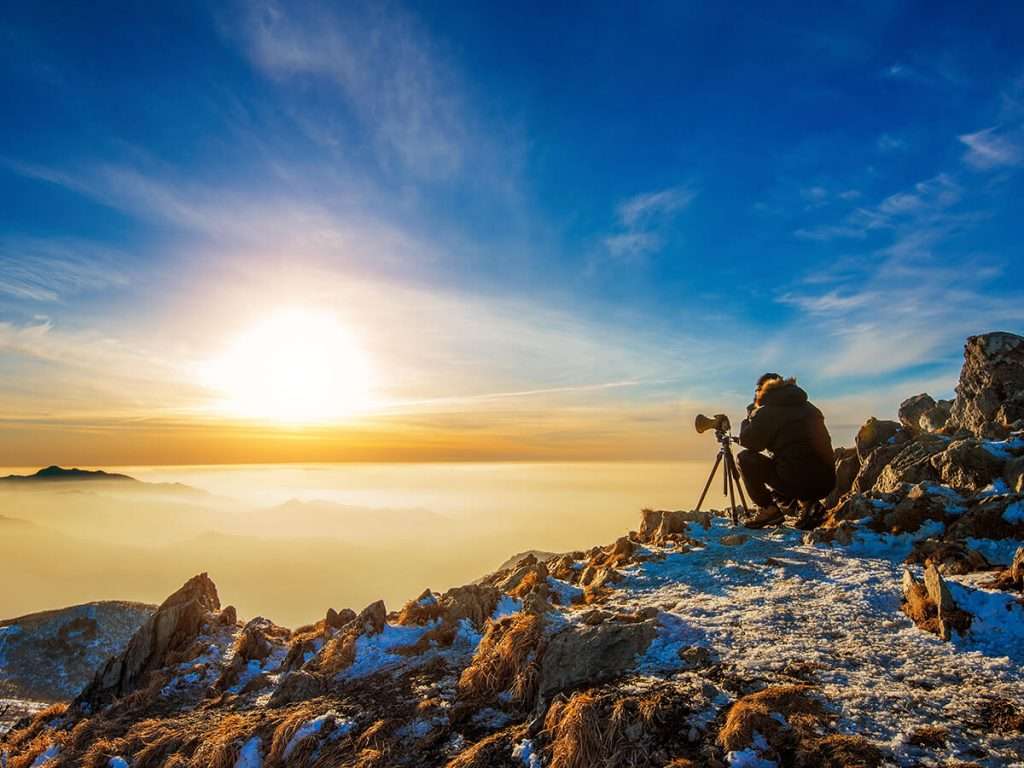
Successful Mount Kilimanjaro photography requires preparation, patience, and an understanding of changing mountain conditions. Always keep your camera accessible because stunning moments can appear unexpectedly, from golden sunrise landscapes to wildlife sightings during the approach trek. Shoot during early morning and evening hours for softer natural lighting and dramatic mountain colors. Use wide-angle lenses to capture Kilimanjaro’s vast scenery and telephoto lenses for wildlife and distant glacier details.
Top Tips and Tricks to Saving Battery Life on Kilimanjaro
Cold temperatures on Mount Kilimanjaro can rapidly drain camera batteries, making battery conservation extremely important during your trek. Carry multiple fully charged spare batteries and store them inside insulated pockets close to your body heat to keep them warm. Turn off Wi-Fi, Bluetooth, GPS, and unnecessary background features to reduce power consumption throughout the climb. Lower screen brightness and minimize video recording time when possible to preserve battery life.
Is it safe to bring a DSLR on Kilimanjaro?
Yes, it is generally safe to bring a DSLR camera on Mount Kilimanjaro if you properly protect it from dust, moisture, and cold temperatures. Professional photographers regularly carry DSLR systems during Kilimanjaro expeditions because of their superior image quality and excellent battery performance. Weather-sealed DSLR cameras are especially suitable for the mountain’s changing environmental conditions. However, the additional weight can become tiring during long trekking days and summit night ascents.
How many batteries should I bring for my camera?
For a Mount Kilimanjaro climb, most photographers should carry at least three to five fully charged camera batteries depending on the trek length, camera type, and photography habits. Mirrorless cameras and smartphones typically consume more power than DSLR cameras, especially in cold high-altitude environments where batteries drain faster. If you plan extensive video recording, time-lapse photography, or constant shooting during summit night, additional batteries are strongly recommended.
Can I use my smartphone for the entire trek?
Yes, many trekkers successfully use smartphones for their entire Mount Kilimanjaro photography experience, especially modern devices with advanced camera systems like flagship iPhones and Android phones. Smartphones are lightweight, convenient, and capable of capturing impressive landscapes, videos, summit selfies, and travel memories. They also provide navigation tools, weather updates, fitness tracking, and communication during the climb.
What is the best lens for Kilimanjaro photography?
The best lens for Mount Kilimanjaro photography depends on your shooting style, but versatile zoom lenses are generally the most practical choice for trekking adventures. A wide-angle lens such as 16–35mm is excellent for capturing sweeping landscapes, glaciers, camps, and dramatic summit scenery. Standard zoom lenses like 24–70mm provide flexibility for portraits, trekking moments, and general travel photography.
How do I protect my camera from the elements?
Protecting your camera from Mount Kilimanjaro’s harsh environmental conditions is essential for maintaining equipment performance and image quality during the trek. Use waterproof rain covers or dry bags to shield cameras from rain, snow, and moisture, especially during wet weather sections of the mountain. Dust is also common on Kilimanjaro trails, so keep your camera inside padded protective bags when not shooting photographs.
Are there any restrictions on photography on Kilimanjaro?
Photography on Mount Kilimanjaro is generally allowed, and climbers are encouraged to capture the mountain’s spectacular landscapes, glaciers, camps, and summit experiences. However, respectful photography practices are important throughout the trek. Always ask permission before photographing local guides, porters, or members of nearby communities. Drone usage may require special permits from Tanzanian authorities and park management, so travelers should confirm regulations before bringing drones to Kilimanjaro National Park.
Kilimanjaro Photography Tips: Capturing the Climb of a Lifetime (Beyond Just the Summit!)
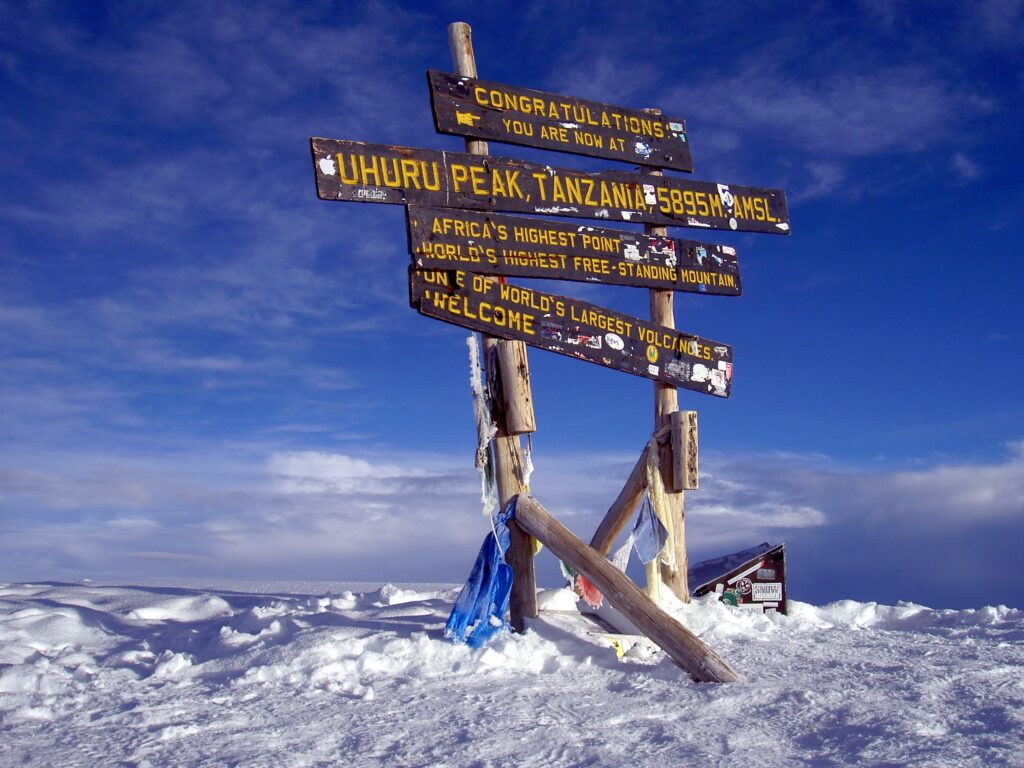
Climbing Mount Kilimanjaro is more than reaching Africa’s highest peak; it is a once-in-a-lifetime photography adventure filled with dramatic landscapes, alpine deserts, glaciers, rainforest trails, and unforgettable human moments. The best Kilimanjaro photography captures not only the summit at Uhuru Peak, but also the emotional journey, changing ecosystems, mountain camps, and breathtaking sunrises along the trekking routes.
Climb Kilimanjaro With Confidence
Tell us your dates and fitness, and our experienced mountain team will plan a safe, well-acclimatized private climb.