Things You Need to Know Before Visiting Tanzania
Things You Need to Know Before Visiting Tanzania
Planning a Tanzania safari or beach holiday? Before visiting Tanzania, it’s essential to understand key travel tips that ensure a smooth Tanzania Safari Tours, safe, and unforgettable African Safari experience. From world-famous wildlife safaris in Serengeti National Park to relaxing on the white sands of Zanzibar, Tanzania offers diverse adventures for families, seniors, honeymooners, and solo travelers. This travel guide covers everything you need to know before visiting Tanzania, including visa requirements, health precautions, currency, safety, culture, and packing tips. Whether you're planning a luxury safari, budget trip, or Kilimanjaro climb, these expert insights help you prepare with confidence. Discover essential Tanzania travel advice, safari tips, and insider knowledge to make your journey seamless, affordable, and truly extraordinary. Karibu Tanzania—your African adventure begins here.
Visa Requirements
Before traveling to Tanzania, understanding visa requirements is essential for a smooth entry. Most travelers need a tourist visa, which can be obtained online through the Tanzania eVisa system or on arrival at major airports like Kilimanjaro International Airport. Ensure your passport is valid for at least six months and has blank pages for entry stamps. Visa fees vary depending on nationality, so check official immigration guidelines before departure. For searching “Tanzania visa requirements,” “how to get a Tanzania visa,” or “Tanzania travel entry rules,” planning avoids delays. Business travelers and long-term visitors may require special permits. Always carry printed confirmations and supporting documents. Knowing visa rules ensures stress-free travel, allowing you to focus on your Tanzania safari, wildlife tours, or beach holidays.
Vaccinations & Health
Health preparation is crucial before visiting Tanzania. Travelers are often required to show proof of yellow fever vaccination, especially if arriving from endemic countries. Recommended vaccines include hepatitis A, typhoid, and routine immunizations. Malaria is present in many regions, so consult your doctor about antimalarial medication before traveling to places like Ngorongoro Crater or coastal areas. Pack a basic medical kit with insect repellent, sunscreen, and prescription medications. Travel insurance is highly recommended for safaris and mountain trekking. Tanzania travel health tips,” vaccinations for Tanzania,” and “malaria prevention Tanzania” are essential for safe planning. Staying healthy ensures you fully enjoy wildlife safaris, Kilimanjaro climbs, and cultural tours without interruptions during your unforgettable African journey.
Approach, feed or disturb wildlife, or leave the vehicle unless your guide says it is safe.
Follow your guide, carry travel insurance and check current health and travel advice.
Local Currency & Cash
The official currency of Tanzania is the Tanzanian Shilling (TZS), widely used for everyday transactions. While US dollars are accepted in hotels, safari lodges, and tourist areas such as Arusha, smaller shops and markets prefer local currency. It’s advisable to carry cash, especially when traveling to remote safari destinations. ATMs are available in major towns, but access can be limited in national parks. Credit cards are accepted at upscale lodges but often include extra fees.Always carry small denominations for tips and local purchases. Proper money management ensures a smooth and hassle-free Tanzania travel experience.
Language
Language plays a vital role in enhancing your travel experience in Tanzania. The official languages are Swahili and English, with Swahili widely spoken across the country. Learning a few basic phrases like “Jambo” (hello) and “Asante” (thank you) can greatly improve interactions with locals. In tourist hubs like Zanzibar and safari regions, English is commonly used, especially in hotels and tour operations. Language spoken in Tanzania,” Swahili phrases for tourists,” and “communicating in Tanzania” are helpful for planning. Embracing the local language adds cultural depth to your journey, whether you're exploring wildlife parks, visiting villages, or shopping in markets. Communication in Tanzania is generally easy, friendly, and welcoming to international visitors.
Safety & Security
Tanzania is considered a safe travel destination, especially for tourists visiting safari destinations like Serengeti National Park. However, basic precautions are essential. Avoid walking alone at night, keep valuables secure, and use reputable tour operators. Petty theft can occur in busy cities, so remain alert in crowded areas. When on safari, always follow your guide’s instructions to ensure safety around wildlife in Tanzania safe,” “Tanzania travel safety tips”Emergency services and tourist police are available in major regions. With proper planning and awareness, Tanzania offers a secure environment for unforgettable safaris, beach vacations, and cultural adventures across East Africa.
Cultural Sensitivity
Understanding cultural etiquette in Tanzania enriches your travel experience. Tanzania is a diverse country with strong traditions, especially in places like Zanzibar, where Islamic customs are observed. Dress modestly, particularly in rural areas and coastal towns. Always ask permission before taking photos of people. Greetings are important, and showing respect goes a long way. Tanzania culture tips,” dos and don’ts in Tanzania,” and “respect local traditions in Tanzania” help travelers prepare. Avoid public displays of affection and be mindful of local customs during religious periods. Cultural awareness not only shows respect but also creates meaningful connections with local communities, making your Tanzania safari or holiday more authentic and memorable.
Best Time to Visit Tanzania
The best time to visit Tanzania depends on your travel goals. For wildlife safaris in Serengeti National Park and Ngorongoro Crater, the dry season from June to October offers excellent game viewing. The green season from November to May provides lush landscapes and fewer crowds. Each season offers unique experiences, from migration sightings to birdwatching. Planning your trip based on weather and wildlife patterns ensures the best possible safari and travel experience.
The Great Migration
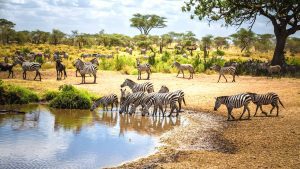
One of Africa’s most spectacular wildlife events, the Great Migration takes place in Serengeti National Park. Millions of wildebeest, zebras, and gazelles move across the plains in search of fresh grazing. This iconic safari experience attracts travelers worldwide. River crossings, especially in the northern Serengeti, are among the most dramatic moments. “Great Migration Tanzania,” “Serengeti migration safari,” and “best time to see migration” dominate search engines. Timing is crucial, as the migration moves throughout the year. Witnessing this natural wonder is a bucket-list experience, making Tanzania one of the top safari destinations globally for wildlife enthusiasts and photographers.
A general guide: the herds follow the rains.
Tipping Culture
Tipping is a common practice in Tanzania, especially in the tourism and hospitality industry. Safari guides, drivers, and lodge staff often rely on tips as part of their income. In places like Serengeti National Park, tipping your guide is a way to show appreciation for excellent service. Recommended tips vary but are usually given in US dollars or Tanzanian Shillings. Always tip discreetly and respectfully. Understanding tipping culture enhances your travel experience and supports the local community during your Tanzania safari or holiday.
Respect the Left Hand
In Tanzania, cultural norms place importance on using the right hand for greetings, giving, and receiving items. The left hand is traditionally considered unclean in many communities. Whether you are shopping in markets or interacting with locals in Arusha, using your right hand shows respect. “Tanzania cultural etiquette,” “do’s and don’ts Tanzania,” and “African customs travel tips” are important for travelers. Small gestures like this demonstrate cultural awareness and respect. Observing local customs helps build positive interactions and ensures a respectful and enriching travel experience across Tanzania.
Photography Restrictions
Photography is a highlight of visiting Tanzania, especially during safaris in Ngorongoro Crater and the Serengeti. However, there are restrictions travelers must follow. Avoid photographing government buildings, military sites, and airports. Always ask permission before taking pictures of people, like “photography rules Tanzania,” “can you take photos in Tanzania,” and “safari photography tips” are useful for visitors. Respect privacy and local laws to avoid misunderstandings. Capturing Tanzania’s landscapes, wildlife, and culture is unforgettable, but responsible photography ensures a safe and respectful experience for everyone.
Electricity & Power
Electricity in Tanzania typically uses Type G plugs, similar to those in the UK, with a voltage of 230V. Power outages can occur, especially in remote safari lodges near Tarangire National Park. It’s advisable to carry a universal travel adapter and a power bank. Many lodges provide solar power or generators. Being prepared ensures your devices remain charged for photography, communication, and navigation during your Tanzania safari or travel adventure.
Wildlife Etiquette
Respecting wildlife is essential when visiting Serengeti National Park or Ngorongoro Crater. Always follow your guide’s instructions, keep a safe distance, and never feed animals. Avoid loud noises that may disturb wildlife. “safari Rules Tanzania,” “Wildlife Etiquette Africa,” and “How to Behave on safari” are important for travelers. Responsible tourism protects animals and preserves natural habitats. Observing wildlife respectfully ensures a safe, ethical, and unforgettable safari experience in Tanzania.
Transportation and Getting Around
Getting around Tanzania involves a mix of domestic flights, safari vehicles, and public transport. Popular routes connect cities like Arusha to national parks such as Serengeti National Park. Domestic flights save time, while guided safari vehicles offer the best wildlife viewing. Road conditions vary, so planning with a reliable tour operator is essential. Efficient transport ensures a smooth and enjoyable travel experience.
Water Safety
Water safety is important when traveling in Tanzania. Avoid drinking tap water and always use bottled or purified water, especially in areas like Zanzibar. Use bottled water for brushing teeth if unsure. Water is safe in Tanzania,” drinking water Tanzania,” and “health tips Tanzania travel” are essential. Staying hydrated safely prevents illness and ensures a comfortable travel experience during your safari or beach holiday.
What to Pack and Not
Packing smart is key to visiting Tanzania. Bring lightweight clothing, comfortable shoes, sunscreen, insect repellent, and a hat for safaris in Serengeti National Park. Avoid bright colors that may disturb wildlife. Pack travel essentials like adapters, medications, and documents. Proper packing ensures comfort and readiness for all adventures.
Things You Need to Know Before Visiting Serengeti National Park
Planning a safari in Serengeti National Park requires understanding its vast size, seasonal wildlife movements, and logistics. This iconic Tanzania safari destination is famous for the Great Migration, where millions of wildebeest and zebras move across endless plains. The best time to visit depends on what you want to see—river crossings (July–October) or calving season (January–March). Game drives are the main activity, and early mornings offer the best wildlife sightings. Choose between luxury lodges, mid-range camps, or budget safaris. Access is via flights from Arusha or long scenic drives. Always book with reputable safari tour operators. Pack neutral clothing, sunscreen, and binoculars. Serengeti safaris promise unmatched wildlife experiences and unforgettable African adventure travel.
Things You Need to Know Before Visiting Ngorongoro Crater
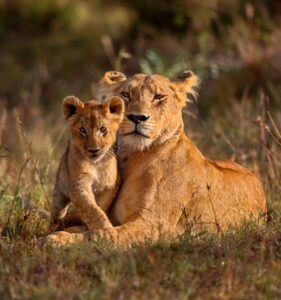
Visiting Ngorongoro Crater offers one of Africa’s most concentrated wildlife experiences. This UNESCO World Heritage Site is a volcanic caldera teeming with lions, elephants, rhinos, and flamingos. A key thing to know is that descent into the crater is limited to a few hours per day, so timing is crucial. The best safari experience happens early morning when animals are most active. The crater floor is accessible year-round, making it ideal for Tanzania safari itineraries. Accommodation ranges from luxury lodges on the rim to budget stays in Karatu. Bring warm clothing, as the rim can be chilly. Conservation fees apply. Ngorongoro safaris are perfect for photographers, families, and first-time visitors seeking a compact yet rich African wildlife experience.
Things You Need to Know Before Visiting Tarangire National Park
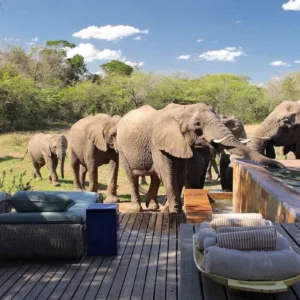
Tarangire National Park is a hidden gem known for its large elephant herds and iconic baobab trees. Located near Arusha, it is ideal for short Tanzania safaris or as part of the northern circuit. The dry season (June–October) is the best time to visit when wildlife gathers around the Tarangire River. Expect to see elephants, lions, giraffes, and diverse birdlife. Compared to Serengeti, Tarangire is less crowded, offering a more intimate safari experience. Game drives and walking safaris are popular. Accommodation options include luxury lodges and tented camps. Pack light clothing and insect repellent. This park is perfect for travelers seeking authentic African safari adventures with fewer crowds and incredible wildlife viewing opportunities.
Things You Need to Know Before Visiting Lake Manyara National Park
Lake Manyara National Park is famous for its tree-climbing lions, lush forests, and scenic lake views. Though smaller than other parks, it offers diverse ecosystems, including groundwater forests, savannah, and alkaline lake habitats. The best time to visit is during the dry season for wildlife viewing or the wet season for birdwatching, especially flamingos. Game drives are the main activity, but canoeing (seasonal) adds a unique experience. The park is easily accessible from Arusha, making it perfect for short safaris. Expect to see elephants, hippos, monkeys, and hundreds of bird species. Accommodation ranges from luxury lodges to budget camps. Lake Manyara is ideal for nature lovers and photographers looking for a compact yet diverse Tanzania safari destination.
Things You Need to Know Before Visiting Arusha National Park
Arusha National Park is a scenic and underrated destination perfect for day trips and walking safaris. Located near Arusha town, it features Mount Meru, Momella Lakes, and lush forests. Unlike other parks, walking safaris and canoeing are allowed, offering a unique close-up wildlife experience. You can spot giraffes, buffaloes, zebras, and colobus monkeys, though big cats are rare. The park is ideal for beginners or travelers with limited time. Best visited year-round, it offers stunning landscapes and fewer crowds. Access is easy via a short drive from Arusha or Kilimanjaro Airport. Pack comfortable walking shoes and a camera. Arusha National Park is perfect for relaxed Tanzania safari adventures and nature exploration.
Things You Need to Know Before Visiting Mount Kilimanjaro
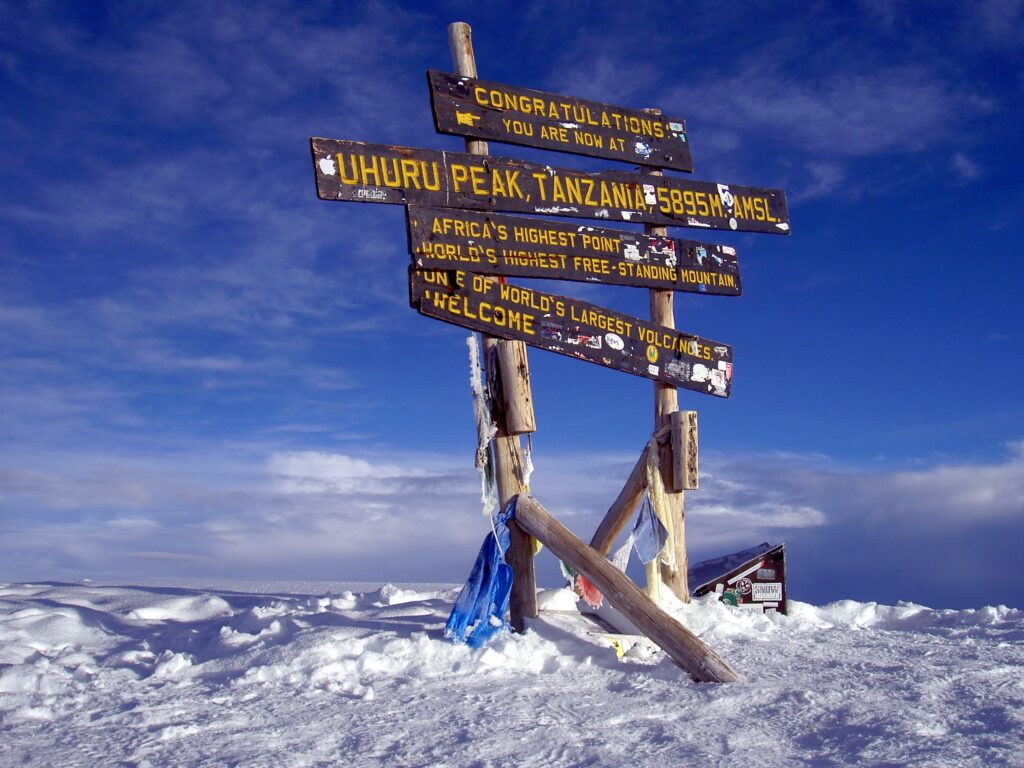
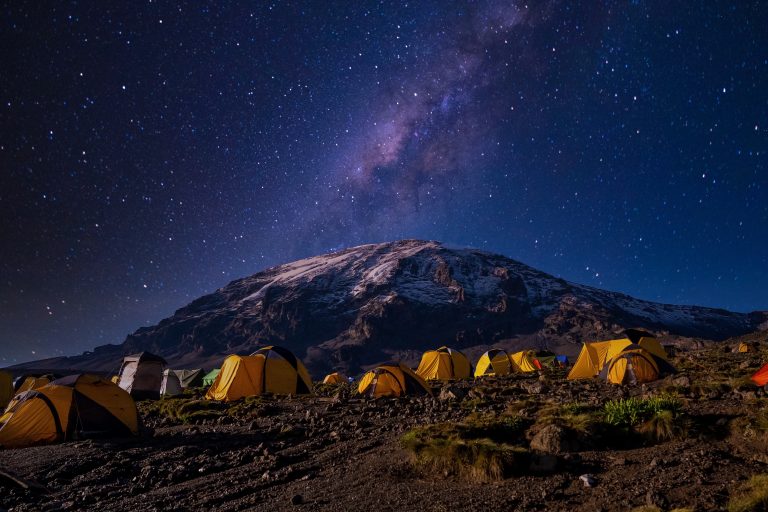
Climbing Mount Kilimanjaro, Africa’s highest peak, is a bucket-list adventure requiring preparation and planning. No technical climbing skills are needed, but physical fitness and acclimatization are essential. Choose from popular routes like Machame, Marangu, or Lemosho, each offering different experiences. The best time to climb is during the dry seasons (January–March and June–October). Hiring a licensed tour operator is mandatory. Altitude sickness is a major concern, so slow ascent is key. Pack proper gear, including warm clothing, hiking boots, and sleeping bags. The journey takes 5–9 days, ending at Uhuru Peak. Kilimanjaro trekking offers breathtaking views, diverse ecosystems, and a rewarding challenge for adventure travelers seeking unforgettable African mountain expeditions.
Things You Need to Know Before Visiting Arusha
Arusha is the gateway to Tanzania’s northern safari circuit and a vibrant hub for travelers. Located near major parks, it serves as the starting point for safaris to Serengeti, Ngorongoro, and Tarangire. The city offers a range of accommodations, restaurants, and tour operators. Kilimanjaro International Airport is the main entry point. The best time to visit is year-round, though the weather varies. Arusha is also rich in culture, with local markets, coffee tours, and Maasai experiences. Safety is generally good, but standard precautions are advised. Currency exchange and SIM cards are easily available. Arusha is perfect for preparing your Tanzania safari, relaxing before or after adventures, and exploring local culture and cuisine.
Things You Need to Know Before Visiting Zanzibar
Zanzibar is a tropical paradise known for white-sand beaches, turquoise waters, and rich Swahili culture. Located off Tanzania’s coast, it is perfect for combining safari and beach holidays. Stone Town, a UNESCO site, offers history, spice tours, and cultural experiences. The best time to visit is June–October or December–February. Activities include snorkeling, diving, dhow cruises, and beach relaxation. Accommodation ranges from luxury resorts to boutique hotels. Flights connect Zanzibar to Arusha and Dar es Salaam. Dress modestly in town areas due to local culture. Zanzibar is ideal for honeymooners, families, and solo travelers seeking relaxation, adventure, and authentic island experiences after a Tanzania safari.
Things You Need to Know Before Visiting Lake Eyasi
Lake Eyasi offers a unique cultural safari experience, different from traditional wildlife parks. Located near Ngorongoro, it is home to the Hadzabe and Datoga tribes, known for their traditional lifestyles. Visitors can join hunting trips, cultural tours, and learn about ancient survival skills. The best time to visit is during the dry season when access is easier. Accommodation includes lodges and camps near the lake. Wildlife is limited, but birdlife is abundant. Respect local customs and traditions during visits. Lake Eyasi is perfect for travelers seeking authentic cultural tourism, off-the-beaten-path experiences, and deeper connections with Tanzania’s indigenous communities.
Things You Need to Know Before Visiting Lake Natron
Lake Natron is one of Tanzania’s most unique and remote destinations, known for its striking red waters and flamingo breeding grounds. Located near the Kenyan border, it is ideal for adventurous travelers. The best time to visit is June–October when access roads are dry. Activities include guided walks, flamingo viewing, and hiking to waterfalls or the nearby Ol Doinyo Lengai volcano. Accommodation is basic but scenic, often eco-lodges or camps. Temperatures can be extremely hot, so pack accordingly. A 4x4 vehicle is recommended. Lake Natron offers dramatic landscapes, photography opportunities, and a truly off-the-beaten-path Tanzania safari experience for those seeking raw natural beauty and adventure.
Things You Need to Know Before Visiting East Africa for a Safari
Planning a safari in East Africa is an unforgettable adventure, but preparation is key to maximizing your experience. Countries like Tanzania and Kenya offer world-renowned wildlife safaris, including visits to Serengeti National Park and Maasai Mara National Reserve. The best time for a safari is during the dry season (June to October) when wildlife viewing is at its peak. Ensure you have valid travel documents, visas, and recommended vaccinations. Pack lightweight clothing, neutral colors, sunscreen, and binoculars for optimal game viewing. Booking with trusted safari tour operators guarantees safety, expert guides, and well-organized itineraries. Whether you seek luxury safari lodges or budget-friendly tours, East Africa promises breathtaking landscapes, the Big Five, and unforgettable African safari experiences.
Final Thought
Visiting Tanzania is a life-changing experience filled with wildlife, culture, and breathtaking landscapes. From the plains of Serengeti National Park to the beaches of Zanzibar, preparation is the key to a successful journey. By understanding these essential travel tips, you ensure a safe, enjoyable, and unforgettable adventure.
Things You Need to Know Before Visiting Tanzania: FAQs
What are the visa requirements for Things you need to know before visiting Tanzania?
Before traveling to Tanzania, understanding visa requirements is essential for a smooth entry. Most travelers need a tourist visa, which can be obtained online through the Tanzania eVisa system or on arrival at major airports like Kilimanjaro International Airport. Ensure your passport is valid for at least six months and has blank pages for entry stamps.
What can you expect from language for Things you need to know before visiting Tanzania?
Language plays a vital role in enhancing your travel experience in Tanzania. The official languages are Swahili and English, with Swahili widely spoken across the country. Learning a few basic phrases like “Jambo” (hello) and “Asante” (thank you) can greatly improve interactions with locals. In tourist hubs like Zanzibar and safari regions, English is commonly used, especially in hotels and tour operations.
What are the best time to visit Tanzania for Things you need to know before visiting Tanzania?
The best time to visit Tanzania depends on your travel goals. For wildlife safaris in Serengeti National Park and Ngorongoro Crater, the dry season from June to October offers excellent game viewing. The green season from November to May provides lush landscapes and fewer crowds.
What should you know about respect the left hand for Things you need to know before visiting Tanzania?
In Tanzania, cultural norms place importance on using the right hand for greetings, giving, and receiving items. The left hand is traditionally considered unclean in many communities. Whether you are shopping in markets or interacting with locals in Arusha, using your right hand shows respect.
What can you expect from wildlife etiquette for Things you need to know before visiting Tanzania?
Respecting wildlife is essential when visiting Serengeti National Park or Ngorongoro Crater. Always follow your guide’s instructions, keep a safe distance, and never feed animals. Avoid loud noises that may disturb wildlife. “safari Rules Tanzania,” “Wildlife Etiquette Africa,” and “How to Behave on safari” are important for travelers.
What to Pack and Not?
Packing smart is key to visiting Tanzania. Bring lightweight clothing, comfortable shoes, sunscreen, insect repellent, and a hat for safaris in Serengeti National Park. Avoid bright colors that may disturb wildlife. Pack travel essentials like adapters, medications, and documents. Proper packing ensures comfort and readiness for all adventures.
What are the things you need to know before visiting Tarangire national park?
Tarangire National Park is a hidden gem known for its large elephant herds and iconic baobab trees. Located near Arusha, it is ideal for short Tanzania safaris or as part of the northern circuit. The dry season (June–October) is the best time to visit when wildlife gathers around the Tarangire River.
What are the things you need to know before visiting Mount Kilimanjaro?
Climbing Mount Kilimanjaro, Africa’s highest peak, is a bucket-list adventure requiring preparation and planning. No technical climbing skills are needed, but physical fitness and acclimatization are essential. Choose from popular routes like Machame, Marangu, or Lemosho, each offering different experiences. The best time to climb is during the dry seasons (January–March and June–October).
Plan Your Private Tanzania Safari
Tell us your travel dates, interests and budget, and our local team will design a private tailor-made safari around you.