Things You Need to Know About a Tanzania Safari: Expert Planning Guide
Before a Tanzania safari, know that the best time is June to October for dry-season game viewing and January to March for the calving season, and that a private safari costs about US$250 to US$2,500 or more per person per day. Most first-time visitors spend seven to ten days on the northern circuit, visiting the Serengeti, Ngorongoro Crater, Tarangire and Lake Manyara. Plan your visa, travel insurance and malaria tablets in advance.
A Tanzania safari is one of the world's great travel experiences, with the Serengeti, the Ngorongoro Crater, the Great Migration and some of Africa's richest wildlife all in one country. Planning it well, however, means understanding seasons, costs, parks, accommodation, travel logistics and entry rules before you book. This expert local guide explains the most important things you need to know about a Tanzania safari, from the best time to go and how much it costs to how many days you need, where to stay, what you will see, health, vaccination and visa rules, safety, tipping and safari etiquette.
Tanzania Safari at a Glance
Before the details, it helps to have a clear overview of the key facts every traveller should know about a safari in Tanzania. These basics shape almost every planning decision, from the month you travel and the length of your trip to your budget and the parks you visit. The table below summarises the essential Tanzania safari facts at a glance, including the best time, typical cost, ideal length, gateway airport, visa, currency and language. Use it as a quick reference, then explore the ten key things to know and the detailed planning sections further down this page.
| Topic | What to know |
|---|---|
| Best time | June to October for dry-season game viewing; January to March for calving |
| Typical cost | About US$250–2,500+ per person per day, depending on style |
| Ideal length | 7–10 days for the northern circuit |
| Main gateway | Kilimanjaro International Airport (JRO), near Arusha |
| Visa | Required for most visitors; apply online before travel |
| Currency | Tanzanian shilling; US dollars widely used in tourism |
| Languages | Swahili and English |
| Time zone | East Africa Time (UTC+3) |
10 Things You Need to Know Before a Tanzania Safari
Every truly successful Tanzania safari starts with a few key insights that experienced travellers and local guides wish every first-time visitor knew in advance. Understanding them helps you choose the right month, parks, accommodation and budget, and avoid the most common and costly planning mistakes. The ten tabs below explain the most important things you need to know about a Tanzania safari, from seasons and the Great Migration to costs, travel logistics, health rules and etiquette. Each tab links to a detailed guide where you can learn more, and our Arusha team is happy to answer any questions.
There Is No Bad Time to Visit
June to October
Late January to March
Tanzania is a year-round safari destination. The dry season from June to October brings easy game viewing and Mara River crossings, while January to March is the calving season in the southern Serengeti. The green season offers lush scenery, migrant birds, fewer vehicles and better rates, so the best time depends on what you want to see.
When to go on safari →The Great Migration Moves All Year
December to March
July to October
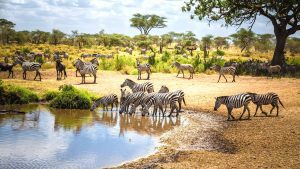
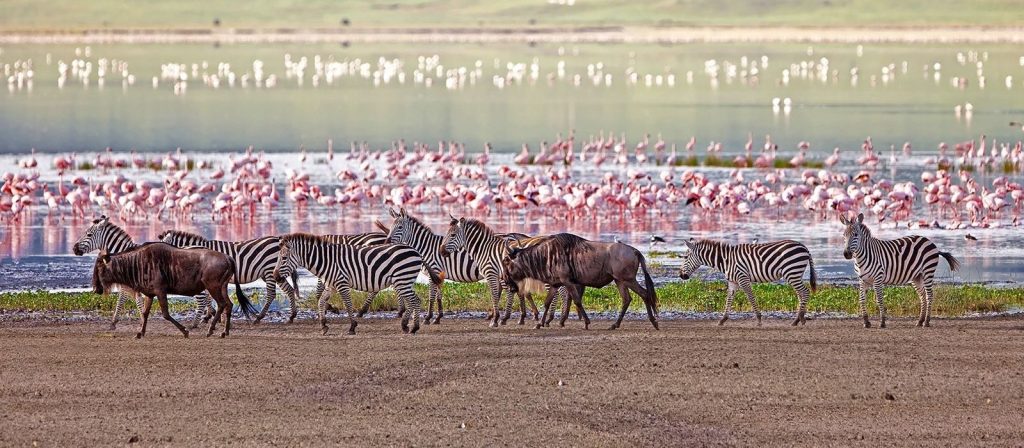
The Great Migration is not a single event but a year-round journey of more than a million wildebeest and zebras through the Serengeti. The herds calve in the south early in the year, move north and west through the middle months and cross the Mara River from about July. Choosing the right area for your month is essential.
The Great Migration →Northern and Southern Circuits
Serengeti, Ngorongoro, Tarangire
Ruaha, Nyerere
Most first-time visitors choose the northern circuit, which links Tarangire, Lake Manyara, the Ngorongoro Crater and the Serengeti by road from Arusha. The southern circuit, with Ruaha and Nyerere, is wilder and quieter and is usually reached by light aircraft. Combining both is possible on longer trips, giving you famous highlights and remote wilderness together.
What a Safari Really Costs
About US$250–400 per day
About US$990–2,500+ per day
A private Tanzania safari typically costs about US$250 to US$400 per person per day on a budget, US$550 to US$990 mid-range and US$990 to US$2,500 or more for luxury. Park fees are a significant part of the price, and accommodation, season and flights make the biggest difference. Most packages include vehicle, guide, park fees, meals and lodging.
Tanzania safari cost →How Many Days You Need
3–4 days
7–10 days
A short three or four-day safari can cover Tarangire, the Ngorongoro Crater and Lake Manyara, but the Serengeti really needs at least two or three nights. Seven to ten days is ideal for the full northern circuit at a relaxed pace. Add three to five nights on Zanzibar if you want to finish your trip with time on the beach.
Private, Tailor-Made Safaris
Your own 4x4 with pop-up roof
Professional private guide
On a private, tailor-made safari you have your own vehicle and guide, so you choose when to start, how long to stay at each sighting and which parks and lodges suit you best. It is ideal for families, couples, photographers and anyone who wants flexibility. Every itinerary can be adjusted to your interests, budget, pace and travel dates.
Lodges and Tented Camps
Permanent rooms and pools
Canvas walls, en-suite comfort
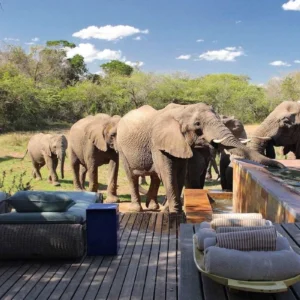
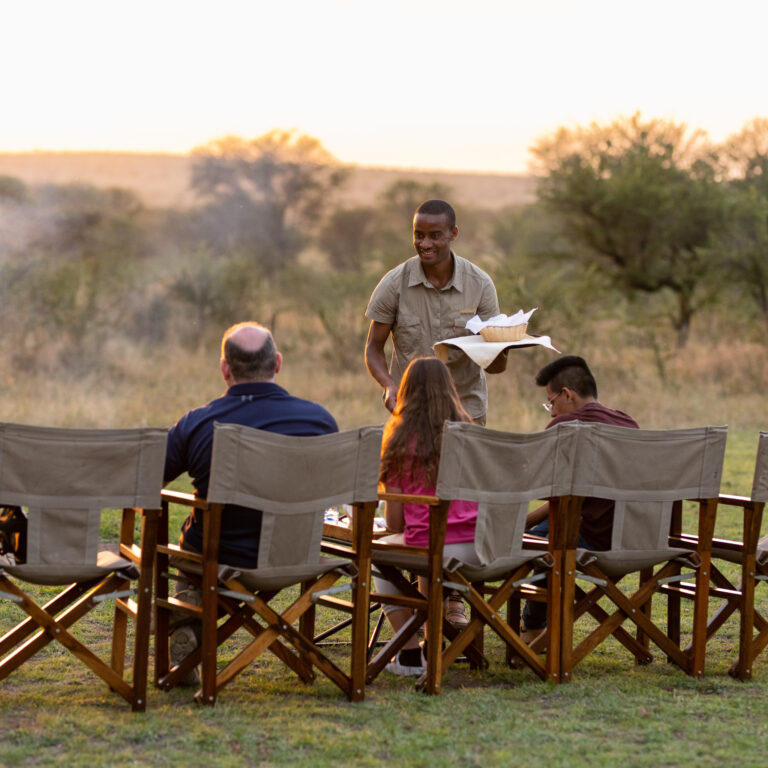
Tanzania offers a wide choice of safari accommodation, from simple campsites to comfortable lodges, classic tented camps and luxury suites with private decks. Tented camps place you close to nature, often with en-suite bathrooms and hot showers. Mobile camps move with the Great Migration, so location matters as much as comfort when choosing where to stay.
Road Safaris and Fly-In Safaris
Private 4x4 from Arusha
Light aircraft between parks
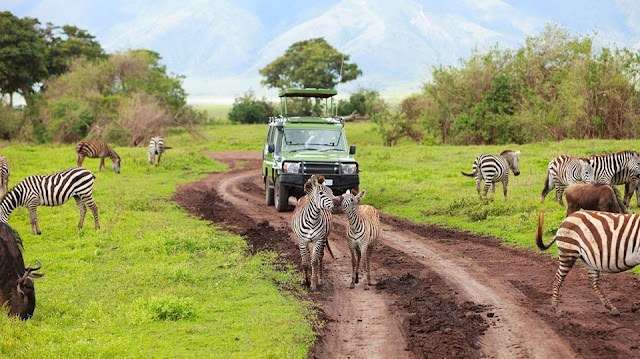
Most safaris start in Arusha, near Kilimanjaro International Airport, and travel between parks in a private 4x4 vehicle with a pop-up roof. Roads can be bumpy and dusty, but drives are part of the adventure. Light-aircraft flights save time on longer distances, such as the northern Serengeti or the southern parks, but have strict luggage limits.
Health, Visa and Entry
Most visitors apply online
Present below about 1,800 m
Most visitors need a visa, which can be applied for online before travel, and a passport valid for at least six months. A yellow fever certificate is needed only if you arrive from or transit through a risk country, such as Kenya. Malaria tablets are usually recommended, and travel insurance with evacuation cover is strongly advised for every safari.
Tanzania vaccination requirements →Tipping and Safari Etiquette
Customary but optional
Ask before photographing people
Tipping is customary in Tanzania and is an important part of income for guides, cooks and lodge staff, although it is always at your discretion. Always ask before photographing people, dress modestly in villages and Stone Town, stay in the vehicle unless your guide says otherwise, keep noise low at sightings and never feed or approach wild animals.
Best Tanzania Safari Destinations
Tanzania protects some of the most famous wildlife areas on Earth, and choosing the right combination of parks is central to planning a rewarding private safari. Each park has its own landscapes, wildlife highlights and best season, so a good route balances famous highlights with quieter, less-visited areas. The table below lists the best Tanzania safari destinations, what makes each one special and the ideal number of nights to spend in each one. We combine two to five of these parks into one private route, keeping driving times comfortable and matching every park carefully to your travel month.
| Park | Why visit | Suggested stay |
|---|---|---|
| Serengeti National Park | Great Migration, big cats and endless plains | 2–4 nights |
| Ngorongoro Crater | Black rhino and dense wildlife in a volcanic caldera | 1–2 nights |
| Tarangire National Park | Huge elephant herds and baobab trees | 1–2 nights |
| Lake Manyara National Park | Forest, lake shore and excellent birdlife | Day visit or 1 night |
| Ruaha National Park | Remote wilderness, lions and wild dogs | 3–4 nights |
| Nyerere National Park | Boat safaris, walks and wild dogs | 3–4 nights |
| Zanzibar | White-sand beaches and historic Stone Town | 3–5 nights |
How Many Days Do You Need for a Tanzania Safari?
One of the most common questions travellers ask is how many days they need for a Tanzania safari, and the answer depends on your interests and budget. Short trips can be rewarding, but distances between parks are long, so adding days gives you more time with wildlife and less time on the road. The table below shows what you can realistically see on a Tanzania safari of different lengths, from a short three-day trip to a two-week adventure. We always recommend at least two nights in the Serengeti, because the park is vast and wildlife sightings improve with time.
| Safari length | What you can see |
|---|---|
| 3–4 days | Tarangire, Lake Manyara and the Ngorongoro Crater |
| 5–6 days | Tarangire, the Serengeti and the Ngorongoro Crater |
| 7–10 days | The full northern circuit at a relaxed pace, following the Great Migration |
| 10–14 days | Northern circuit plus Zanzibar, or a northern and southern combination |
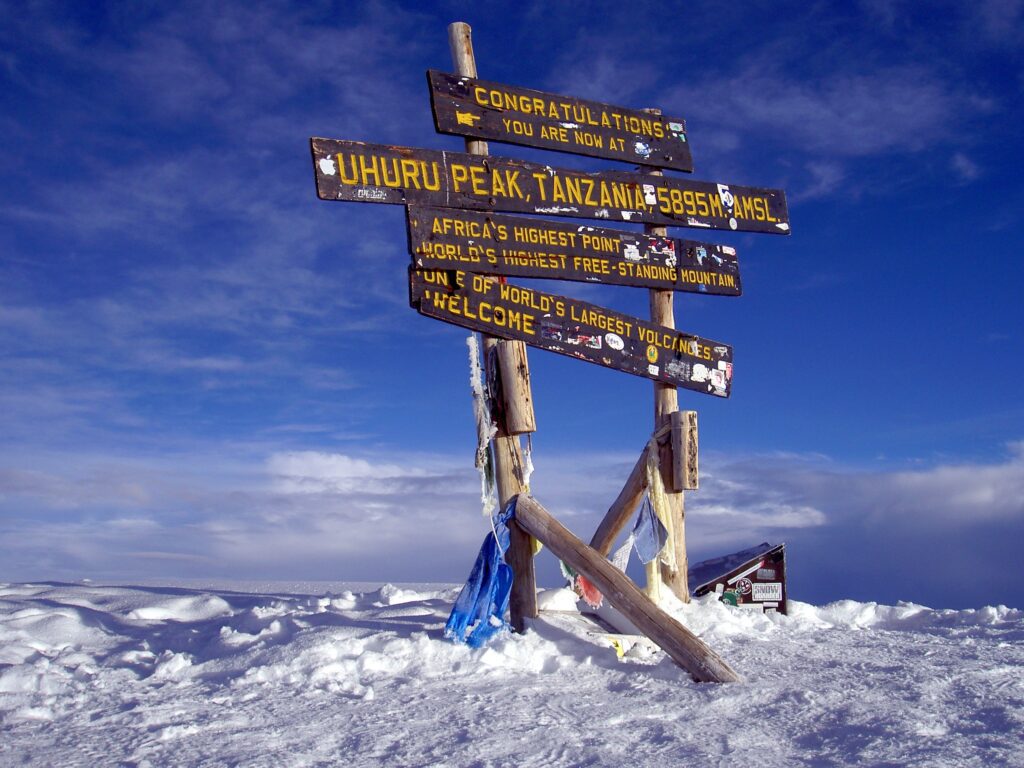
| 14+ days | Safari, Kilimanjaro climb and beach in one trip |
What Wildlife Will You See?
Tanzania is home to all of the Big Five and an extraordinary variety of other animals, from cheetahs and wild dogs to giraffes, hippos and hundreds of bird species. What you see depends on the parks you visit, the season and a little bit of luck, but sightings are excellent right throughout the year. The table below shows the most sought-after animals on a Tanzania safari and the best places to look for them with your experienced private guide. Wildlife is wild and never guaranteed, but experienced guides greatly improve your chances of memorable, close and unhurried sightings.
| Animal | Best places to see it |
|---|---|
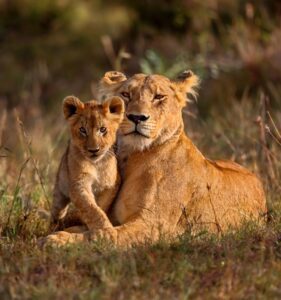
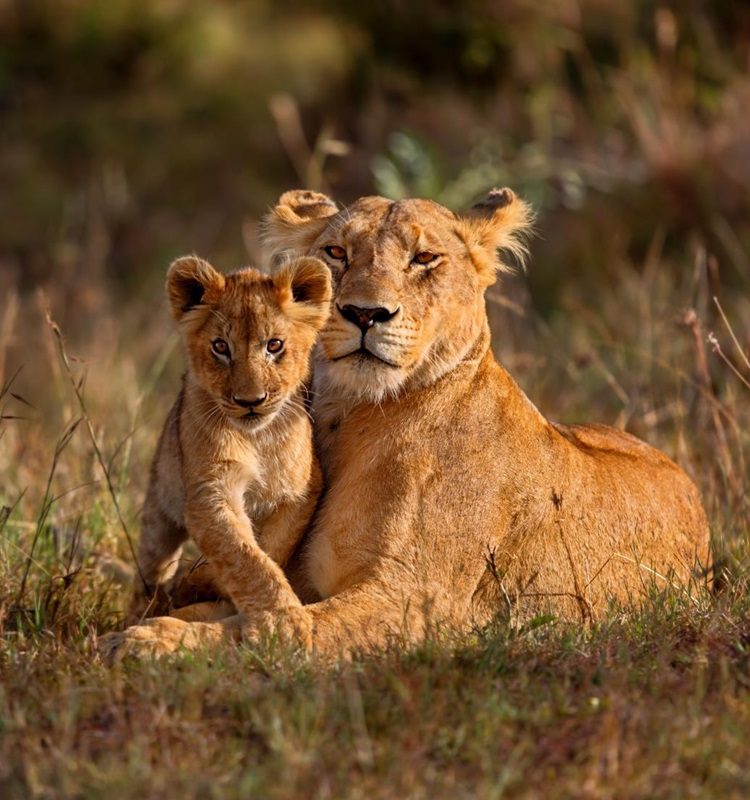
| Lion | Serengeti, Ngorongoro Crater, Tarangire, Ruaha |
| Leopard | Central Serengeti, Tarangire, Ruaha |
| Elephant | Tarangire, Ngorongoro, Ruaha, Lake Manyara |
| Black rhino | Ngorongoro Crater |
| Buffalo | Ngorongoro Crater, Serengeti, Tarangire |
| Cheetah | Serengeti plains, especially Ndutu |
| Wild dog | Ruaha and Nyerere |
| Wildebeest and zebra | Serengeti, following the Great Migration |
Safety and Responsible Travel
Tanzania is a welcoming and generally safe destination for travellers, and safaris with an experienced operator are very well organised from start to finish. Like anywhere in the world, a few sensible everyday precautions and respect for local culture and wildlife help keep your trip safe, smooth and enjoyable. The two lists below share practical safety tips for your Tanzania safari and simple, practical ways to travel responsibly, protect wildlife and support local communities. Your private guide briefs you on safety in every park, and our Arusha team supports you around the clock, every single day, throughout your trip.
Safety tips
- Stay in the vehicle unless your guide says otherwise
- Never approach or feed wild animals
- Keep valuables in your lodge safe
- Drink bottled or filtered water
- Use repellent from dusk to dawn
- Carry copies of your documents
Responsible travel
- Ask before photographing people
- Dress modestly in villages and towns
- Support local guides and businesses
- Avoid single-use plastics
- Keep noise low at sightings
- Respect park rules and speed limits
How to Plan and Book Your Tanzania Safari
Planning a Tanzania safari is simple when you work with a local team that knows the parks, lodges, seasons and logistics from first-hand experience. Booking early is especially wise for the peak months and the Great Migration, when the best camps and light-aircraft seats fill months in advance. The steps below show how to plan and book your private Tanzania safari with Foot Slopes Tours and Safaris, from your very first enquiry to the day you land in Arusha. Every itinerary is private and tailor-made, and your first enquiry and detailed quote are always free and without obligation.
- Choose your monthDecide when to travel and what you most want to see.
- Share your wishesTell us your dates, budget, travel style and interests.
- Receive a tailored itineraryWe suggest parks, lodges and activities for your trip.
- Refine and confirmAdjust the details, then secure your booking.
- Prepare and travelGet your visa, insurance and packing advice, then enjoy your safari.
Tanzania Safari: Frequently Asked Questions
What is the best month for a Tanzania safari?
June to October is the best time for dry-season game viewing and Mara River crossings, while late January to March is best for the calving season in the southern Serengeti. Every month offers good wildlife viewing.
How much does a Tanzania safari cost?
A private Tanzania safari typically costs about US$250 to US$400 per person per day on a budget, US$550 to US$990 mid-range and US$990 to US$2,500 or more for luxury, including park fees, vehicle, guide, meals and lodging.
How many days do you need for a Tanzania safari?
Seven to ten days is ideal for the northern circuit, including the Serengeti, Ngorongoro Crater and Tarangire. Three to four days can cover Tarangire, Lake Manyara and the Ngorongoro Crater.
Is Tanzania safe for a safari?
Yes. Tanzania is a welcoming and generally safe destination, and safaris with an experienced local operator are well organised. Follow your guide's instructions, never approach wildlife and take normal travel precautions.
Do I need a visa for a Tanzania safari?
Most visitors need a visa, which can be applied for online before travel. Your passport should be valid for at least six months, and a yellow fever certificate is needed only if you arrive from a risk country.
What animals can you see on a Tanzania safari?
You can see all of the Big Five, lion, leopard, elephant, buffalo and black rhino, plus cheetahs, wild dogs, giraffes, hippos, wildebeest, zebras and more than a thousand bird species.
Which is better, the northern or southern circuit?
The northern circuit, with the Serengeti and Ngorongoro Crater, is best for first-time visitors and the Great Migration. The southern circuit, with Ruaha and Nyerere, is wilder and quieter and suits repeat visitors.
Can I combine a Tanzania safari with Zanzibar?
Yes. Many travellers finish their safari with three to five nights on Zanzibar, reached by a short flight from Arusha or the Serengeti, for a perfect mix of wildlife and beach.
Related Guides
Plan Your Private Tanzania Safari
Tell us your dates, budget and the wildlife you most want to see, and our Arusha team will design a private, tailor-made Tanzania safari with your own vehicle and guide.
Start Planning