
10 Things You Must Pack for Your Safari
10 Things You Must Pack for Your Safari
Embarking on a safari in Tanzania or elsewhere in Africa is a dream adventure. From the rolling plains of the Serengeti to the majestic Ngorongoro Crater, proper preparation ensures safety, comfort, and maximum enjoyment if you have essential things you must pack for Your Safari. Packing for a Tanzania safari isn’t just about clothes; it’s about being ready for unpredictable weather, long game drives, wildlife encounters, and remote locations. This guide highlights essential items to bring for a hassle-free African safari experience, whether you’re on a luxury lodge safari, a glamping safari, or a budget camping trip. Every item on this list has been selected to enhance your comfort, safety, and convenience, making your safari adventure truly unforgettable.
Passport, Itinerary, and Travel Documents
An African Safari Packing List starts with proper documentation. Your passport, visa (if required), safari itinerary, hotel reservations, and tour confirmations are indispensable. Keep both digital and printed copies in separate locations for safety. Airlines and border controls often require proof of vaccination, particularly for yellow fever. Having a well-organized travel folder ensures quick access to essential documents during park checkpoints, airport security, and Tanzania Safari lodge check-ins. Additionally, your Tanzania safari itinerary acts as a guide to your daily game drives and wildlife excursions. Using a travel organizer or waterproof pouch helps protect documents from dust, rain, and unexpected spills. This preparation prevents delays, stress, and missed activities, allowing you to focus entirely on enjoying the African wildlife safari, stunning landscapes, and cultural experiences.
- ArushaGateway
- TarangireElephants
- NgorongoroCrater
- SerengetiBig Five
- ZanzibarBeach
Travel Insurance Documents & E-Tickets
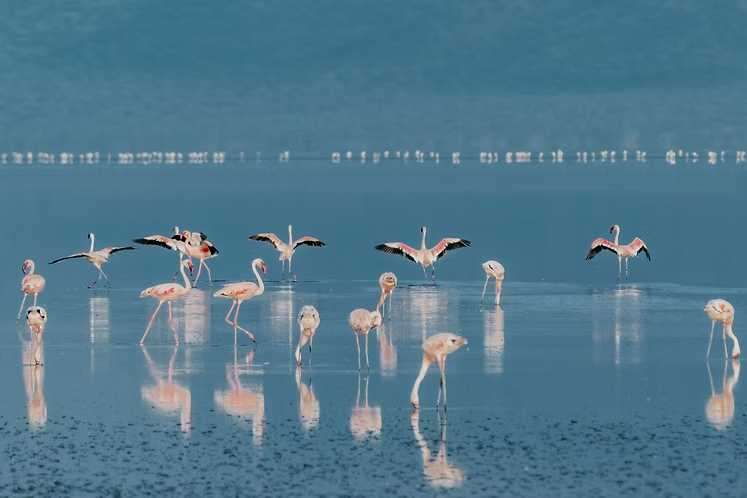
Packing List for African Safari (OAT Ultimate Africa Tour) travel insurance is crucial for every Tanzania safari, protecting against medical emergencies, lost luggage, trip cancellations, and evacuation in remote areas. Always carry printed and digital copies of your insurance policy, along with emergency contacts. E-tickets for flights, domestic transfers, and park permits should also be accessible, as Safari lodges often require proof of bookings. Organizing these in a dedicated folder or smartphone app ensures you never misplace vital documents. Comprehensive coverage offers peace of mind, allowing you to fully immerse yourself in Tanzania wildlife safaris, from spotting lions in the Serengeti to observing flamingos at Lake Manyara. Being prepared ensures your Tanzania safari adventure remains safe, smooth, and stress-free.
Prescription Glasses, Sunglasses, Hat, Sunblock, and Lip Balm
Please pack a complete list for your first African Safari to protect yourself from the African sun during your Tanzania safari. Prescription glasses or contact lenses ensure clear vision for wildlife spotting. A wide-brimmed hat shields your face and neck from harsh sunlight, while UV-protection sunglasses reduce glare during game drives. High SPF sunblock prevents sunburn, and lip balm keeps lips moisturized in dry conditions. These essentials not only prevent sun damage but also enhance comfort during early morning safari excursions or afternoon wildlife drives. Packing them ensures you enjoy every moment outdoors without discomfort, making your safari experience safer and more enjoyable while capturing stunning photos of African wildlife and landscapes.
Clothing & Toiletries
Things you must pack for your safari clothing should be lightweight, breathable, and in neutral colors like khaki, beige, and olive to blend with the environment. Long-sleeved shirts, trousers, and quick-dry fabrics protect against the sun and insects during game drives. A swimsuit is useful if your Safari lodge has a pool or for water-based activities. Essential toiletries include biodegradable soap, shampoo, toothpaste, deodorant, and personal hygiene items. Minimalist packing is key—avoid bright colors that can scare wildlife. Layering is crucial, as mornings and evenings can be chilly, while afternoons are hot. Keeping toiletries in a compact waterproof bag simplifies organization. Smart packing of clothing and personal items ensures comfort, practicality, and style, enabling you to fully enjoy your African safari adventure.
Mosquito Repellent
Mosquito repellent is a safari essential, especially in areas near water or during dusk when malaria-carrying mosquitoes are active. Choose a DEET-based or natural repellent, and consider clothing with insect protection. Carrying wipes, sprays, and creams ensures protection during game drives, walking safaris, and lodge stays. Combining repellent with long-sleeved clothing and insect-proof rooms or tents minimizes bites. Malaria prophylaxis may also be recommended depending on your safari destination. 10 What to pack for safari for a female. Women's safari packing list. 10 What to pack for safari in October. 10 What to pack for safari in September. Printable safari packing list. Luxury safari packing list. Safari packing list PDF. African safari packing list. Proactive mosquito protection allows you to focus on observing elephants, lions, giraffes, and other wildlife without distraction or health concerns. Being prepared ensures your safari experience remains thrilling, safe, and memorable.
Comfortable Walking Shoes or Boots
Essential Items to Pack for a Safari Adventure, such as sturdy, comfortable footwear, are essential for game drives, walking safaris, and lodge exploration. Closed-toe shoes or hiking boots provide support on uneven terrain, protect from insects, and prevent injuries. Lightweight walking shoes are ideal for lodge paths, while ankle-support boots are better for bush treks. Breathable socks help prevent blisters and keep feet dry. Avoid bright colors to blend with the safari surroundings. Proper footwear enhances comfort during long days of wildlife spotting and photography. Packing well-chosen shoes ensures you remain agile, safe, and comfortable throughout your safari adventure, allowing you to focus on African wildlife, landscapes, and cultural experiences.
Lightweight Rain Jacket or Poncho
Safari Packing Essentials you shouldn't forget because the weather in safari regions can be unpredictable, you should pack lightweight rain jackets or ponchos, which are essential during sudden downpours, especially in wet-season months. Waterproof, breathable materials protect you from rain while staying comfortable during high temperatures. Ponchos are convenient for game drives, easy to carry, and protect camera gear and your daypack. A packable rain jacket takes minimal luggage space but provides maximum protection from rain, mud, and wind. Being prepared for weather changes ensures uninterrupted wildlife viewing, photography, and safari excursions. Staying dry improves comfort, safety, and enjoyment, allowing your Tanzania safari to remain seamless even under African rainfall.
Power Bank and Adapters
Complete Safari Packing List for Your African Adventure, such as electronic devices things you must pack for your Safari, which are vital for navigation, photography, and communication during a safari adventure. The ultimate Africa Packing List (Plus free printable checklist) you should carry a high-capacity power bank to recharge phones, cameras, and GPS devices in remote areas. Plug adapters are essential for connecting to lodge or campsite outlets, particularly in Tanzania and other African countries. Charging multiple devices ensures uninterrupted access to safari apps, wildlife guides, and maps. Solar-powered chargers are also practical for eco-conscious travelers. Having reliable power solutions ensures you capture every wildlife moment, stay connected, and enjoy digital convenience without interruption throughout your African safari.
Safari Guidebook
A things you must pack for your safari is a safari guidebook that provides valuable information on animals, birds, plants, and park rules. Whether traveling to Serengeti, Tarangire, or Ngorongoro Crater, a guide enhances your experience by helping identify wildlife, understand behavior, and learn about local ecosystems. Pocket-sized or digital versions are convenient for game drives. Some guides include maps, survival tips, cultural insights, and photography advice. Knowledgeable travelers can anticipate wildlife activity, improving sighting chances. A guidebook ensures responsible wildlife viewing, making your safari experience educational, immersive, and memorable for families, honeymooners, solo travelers, and wildlife enthusiasts alike.
Daypack
A thing you must pack for Your Safari is a lightweight daypack, which is essential for carrying safari necessities like water, snacks, a camera, a guidebook, and sunscreen. Choose a bag with multiple compartments for organization and padded straps for comfort during long game drives or bush walks. Waterproof or water-resistant material protects items from rain or dust. Daypacks allow quick access to essentials without disrupting your safari adventure. They are perfect for carrying extra layers, binoculars, and insect repellent. Compact yet functional, a well-chosen daypack ensures your Tanzania safari remains comfortable, efficient, and stress-free, letting you focus on photographing lions, elephants, and other African wildlife while keeping personal items secure.
Reusable Water Bottle
Hydration is vital during long game drives under the African sun things you must pack for your Tanzania Safari. A durable, reusable water bottle keeps you refreshed while reducing plastic waste, supporting sustainable travel. Opt for insulated bottles to keep water cool. Many Tanzanian African Safari lodges offer refill stations, making hydration convenient. Staying hydrated improves energy, alertness, and enjoyment while observing wildlife or trekking in national parks. Bringing your own bottle is practical, sustainable, and convenient, allowing you to focus on safari excursions, photographic opportunities, and the beauty of African landscapes without worrying about dehydration.
First Aid Kit
A thing you must pack for Your Safari is a personal first aid kit, which is essential for minor injuries, insect bites, or sudden illnesses during Tanzania safaris. Include bandages, antiseptic wipes, pain relievers, anti-diarrhea medication, allergy medication, and blister treatments. Adding personal prescriptions ensures continuity of care. Compact, waterproof kits are ideal for safaris, fitting into a daypack or luggage. First aid preparedness is crucial in remote areas where medical facilities may be limited. Being ready allows you to address minor emergencies promptly, ensuring safety and peace of mind. A well-equipped first aid kit enhances confidence during game drives, walking safaris, and lodge stays.
Camera Gear
Capturing your safari memories requires reliable camera gear. DSLR or mirrorless cameras with zoom lenses are ideal for photographing distant wildlife. Don’t forget extra batteries, memory cards, and a protective camera bag. Binoculars enhance game viewing, particularly for birdwatching and spotting elusive predators. Some travelers bring drones, though check park regulations. Choosing lightweight, durable gear ensures mobility during game drives and bush walks. Properly packed camera equipment allows you to document unforgettable moments, from lions hunting in the Serengeti to flamingos at Lake Manyara, creating lasting memories for families, honeymooners, and solo travelers alike.
Cash
While many Safari lodges and tours accept cards, carrying cash in small denominations is essential for tips, park fees, local markets, and remote areas with limited banking facilities. Tanzanian shillings (TZS) are standard, but US dollars are widely accepted in tourist areas. Using cash ensures smooth transactions without delays. Organize bills in a secure travel pouch to avoid loss or theft. Having cash on hand provides convenience, enhances your safari experience, and supports local communities through tips and purchases. Prepared travelers can focus entirely on game drives, cultural encounters, and wildlife photography without worrying about payment issues.
Final Thought
Packing wisely is the key to a stress-free and unforgettable Tanzania safari. From essential documents to clothing, electronics, and wildlife observation tools, each item plays a crucial role in comfort, safety, and enjoyment. Thoughtful preparation ensures you can focus entirely on Africa’s breathtaking landscapes, iconic wildlife, and cultural experiences. Whether on a luxury lodge safari, glamping adventure, or budget camping tour, this comprehensive checklist guarantees a smooth, memorable, and immersive African safari experience. Proper packing transforms your trip into an adventure of a lifetime, letting you explore, photograph, and connect with nature while staying comfortable, safe, and fully prepared for every moment.
10 Things You Must Pack for Your Safari: FAQs
What are the most important things to pack for a Tanzania safari?
The most important items for a Tanzania safari packing list include lightweight neutral-colored clothing, comfortable walking shoes, a warm jacket for early morning game drives, sunscreen SPF 50+, insect repellent, sunglasses, and a wide-brim hat. You should also carry a reusable water bottle, binoculars for wildlife viewing, and a good camera with extra batteries and memory cards. Tanzania safari travel documents, travel insurance, and personal medication are essential.
Can I use a suitcase for a Tanzania safari?
Hard suitcases are not recommended for a Tanzania safari trip because most domestic flights and safari transfers use small aircraft and off-road vehicles. Instead, a soft-sided duffel bag is highly preferred for easier packing and storage. Most Tanzania safari operators in Tanzania enforce strict luggage weight limits, usually around 15–20 kg per person. A flexible bag fits better in safari vehicles and lodge storage spaces.
Do I need binoculars and a camera for safari?
Yes, binoculars and a camera are highly recommended for a Tanzania wildlife safari experience. Binoculars help you spot distant animals like lions, elephants, giraffes, and leopards in the vast plains of Serengeti National Park. A good DSLR or mirrorless camera enhances your ability to capture the Great Migration and breathtaking landscapes. Bring extra batteries and memory cards since charging options may be limited in remote safari camps.
What clothes should I pack for a safari in Tanzania?
Pack breathable, lightweight, and neutral-colored clothing such as khaki, beige, and olive green for your Tanzania safari wardrobe. Long-sleeve shirts and trousers protect against sun and insects during game drives. Early mornings and evenings can be cold, so include a fleece or warm jacket. Comfortable walking shoes or hiking boots are essential for lodge walks and nature excursions. Avoid bright colors and dark black clothing, which can attract insects.
Do I need medications or travel essentials for safari?
Yes, carrying basic medications and travel essentials is important for a safe Tanzania safari holiday. Include pain relievers, anti-malaria medication (if recommended by your doctor), antihistamines, motion sickness tablets, and personal prescription drugs. A small first-aid kit is also useful for minor cuts or insect bites. Don’t forget hand sanitizer, wet wipes, lip balm, and travel tissues. Health preparation is key for remote safari areas where pharmacies are limited.
Should I pack a backpack for game drives on safari?
Yes, a small day backpack is highly recommended for your Tanzania safari packing list. It helps you carry essentials during long game drives in Serengeti, Ngorongoro Crater, and Tarangire National Park. Pack items like binoculars, camera, sunscreen, insect repellent, a reusable water bottle, snacks, and a light jacket. A backpack keeps your hands free and makes it easier to move between safari vehicles, lodges, and viewpoints.
What electronics should I bring on a safari?
For a Tanzania safari holiday, bring essential electronics such as a smartphone, DSLR or mirrorless camera, extra batteries, power bank, universal travel adapter, and charging cables. Many safari lodges offer limited electricity, so backup power is important. A headlamp or small flashlight is also useful at night in camps. Avoid unnecessary devices to keep luggage light. Good electronics help you capture the Great Migration, Big Five wildlife, and stunning African landscapes.
Do I need travel documents and insurance for safari?
Yes, travel documents are essential for any Tanzania safari package. You must carry a valid passport, visa for Tanzania (if required), travel insurance, flight tickets, and safari booking confirmations. Travel insurance is highly recommended to cover medical emergencies, trip cancellations, or lost luggage. Keep both digital and printed copies for safety. These documents are required at airports, park entrances, and lodges.
Can I bring snacks and drinks on safari?
Yes, bringing light snacks and drinks is a good idea for a Tanzania safari trip, especially during long game drives. Energy bars, nuts, dried fruits, and biscuits are ideal. Most safari operators also provide bottled water, but carrying your own reusable bottle helps reduce plastic waste. Avoid heavy or perishable foods due to heat and limited refrigeration in remote areas.
What should I NOT pack for a Tanzania safari?
Avoid overpacking or bringing unnecessary items on your Tanzania safari holiday. Do not pack heavy hard suitcases, formal clothing, high heels, flashy jewelry, or bright-colored outfits that attract insects. Avoid excessive electronics, as safari camps have limited charging facilities. Plastic bags are banned in Tanzania, so leave them out completely. Also avoid bringing bulky items that make travel difficult during bush flights.
Plan Your Private Tanzania Safari
Tell us your travel dates, interests and budget, and our local team will design a private tailor-made safari around you.