Things to Consider When Planning a Tanzania Safari
Things to Consider When Planning a Tanzania Safari
Planning a Tanzania safari starts with choosing the right safari style, destination, budget, season, transport, accommodation, and trip length. This practical Tanzania safari planning guide covers private and tailor-made safaris, wildlife holidays, family trips, honeymoon adventures, photography safaris, camping, luxury lodges, and fly-in experiences. Explore the Northern, Southern and Western safari circuits, compare safari costs, select reputable tour operators, check visa and health requirements, arrange travel insurance, understand luggage limits and pack appropriately. Whether you want a budget camping safari, mid-range wildlife trip, luxury safari or ultra-luxury African adventure, careful planning helps create a comfortable, safe and memorable Tanzania holiday.
Safari Types
Choose your Tanzania safari according to interests, comfort, budget, and travel style. Classic game drives, walking, camping, luxury lodges, photography, fly-in and night safaris offer different wildlife experiences. All can suit families, honeymooners, seniors, and solo travelers with tailored itineraries and support comfortably.
→Classic Game Drive Safaris: Classic game drive safaris provide flexible wildlife viewing in a private 4x4 vehicle with an experienced guide. Explore national parks, follow animal tracks, enjoy photography, and discover Tanzania’s Big Five, Great Migration, landscapes, and birdlife while traveling comfortably between camps and lodges.
→Walking Safaris: Walking safaris bring you closer to Tanzania’s wilderness through guided bush experiences. Learn about animal tracks, plants, insects, birds, and smaller wildlife while developing a deeper understanding of ecosystems. The top walking safari destinations in Tanzania include Tarangire, Arusha, Kilimanjaro National Park, and Serengeti National Park. Walking options suit adventurous travelers, photographers, couples, and active safari enthusiasts seeking intimate experiences.
→Camping Safaris: Camping safaris offer an immersive way to experience Tanzania’s wilderness. Sleep in tents, enjoy evenings, and wake to natural sounds near wildlife areas. Budget camping trips can be customized for families, couples, friends, and solo travelers seeking authentic African adventure without higher lodge prices.
→Luxury Lodge Safaris — Luxury lodge safaris combine exceptional wildlife viewing with stylish accommodation, private 4x4 vehicles, fine dining, personalized service, and comfortable amenities is what to consider when planning a luxury safari in Tanzania. Stay in carefully selected lodges near Tanzania’s leading parks while enjoying tailor-made itineraries suitable for honeymooners, families, seniors, photographers, and discerning travelers throughout.
→Photography Safaris — Photography safaris focus on wildlife behavior, light, landscapes, and photographic opportunities. Private vehicles provide flexibility for positioning and longer observations, while expert guides help identify subjects and anticipate activity. Tanzania provides excellent opportunities for wildlife, bird, landscape, and Great Migration photography annually.
→Fly-In Safaris — Fly-in safaris connect remote Tanzania destinations efficiently by scheduled or charter aircraft, reducing long road journeys and maximizing time in national parks. They suit luxury travelers, honeymooners, families and photographers seeking seamless private itineraries linking Serengeti, Nyerere, Ruaha, Zanzibar and other destinations year-round.
→Night Safaris — Night safaris reveal Tanzania’s wilderness after dark, when nocturnal animals become active. You can do a night game drive to Tarangire and Lake Manyara National Park with Foot Slopes Tours and Safaris with authorized guides and permitted vehicles; travelers may encounter predators, smaller mammals, and fascinating nighttime behavior. This experience adds variety to private safari itineraries and appeals to adventurous couples, photographers and enthusiasts.
Safari Destinations
Tanzania offers three major safari planning regions: the Northern Circuit, Southern Circuit and Western Circuit. Each provides varied landscapes, wildlife experiences, travel times, accommodation and visitor levels. Choosing the right circuit depends on interests, available days, budget, preferred activities, and safari style overall. Research Park accessibility, wildlife highlights, seasonal conditions, road quality, and flight connections before deciding where to travel enthralling things to consider when planning an African Safari.
→Northern Circuit — Tanzania’s Northern Circuit combines Tarangire, Lake Manyara, Ngorongoro Crater and Kilimanjaro National Park, Serengeti National Park, an iconic Northern Tanzania safari, offering exceptional wildlife viewing, dramatic landscapes, Big Five encounters and Great Migration experiences. It suits private, tailor-made, family, honeymoon, luxury, mid-range and budget safaris, with flexible itineraries for unforgettable Northern Tanzania adventures.
→Southern Circuit — The Southern Circuit features Nyerere, Ruaha, Mikumi and Udzungwa, offering remote wilderness, river safaris, walking, hiking and diverse wildlife. It suits travelers seeking fewer crowds, adventures and experiences beyond the classic northern route, with options for fly-in, luxury, mid-range or camping options.
→Western Circuit — The Western Circuit includes Katavi National Park, Mahale Mountains and Lake Tanganyika, offering remote wilderness, chimpanzee trekking, boat excursions and spectacular scenery. It is ideal for adventurous travelers seeking secluded Tanzania safaris, authentic wildlife encounters and combinations of forest, lake and savannah experiences.
- ArushaGateway
- TarangireElephants
- NgorongoroCrater
- SerengetiBig Five
- ZanzibarBeach
Safari Budget
Tanzania safari costs vary according to accommodation, season, park fees, transport, activities, group size and itinerary length. Compare budget camping, mid-range, luxury and ultra-luxury safari packages, checking meals, park fees, private vehicles, flights, guides, accommodation and transfers before booking. Request clear quotations carefully and confirm taxes, tips, visas, and activities with the Ultimate Tanzania Safari guide.
→Budget Camping — Budget camping safaris cost approximately $250–$390 per person per day, depending on season, itinerary, private group size, and inclusions. They emphasize public or basic campsites, park fees, private 4x4 transport, guided game drives, and simple services, providing an affordable way to explore Tanzania’s wildlife safely.
→Mid-range safari — Mid-range Tanzania safaris costing about $550–$990 per person per day generally combine comfortable lodges or tented camps with private 4x4 transport, guided game drives, meals, and park fees. Prices vary by season, destination, accommodation standard, group size, flights, and activities.
→Luxury safari — Luxury Tanzania safaris costing $990–$2,500 per person per day can include premium lodges, luxury tented camps, private 4x4 vehicles, expert guides, quality dining, park fees, and flights. Exact prices depend on destination, season, accommodation, itinerary, exclusivity, additional safari experiences, and airport transfers.
→Ultra-Luxury safari — Ultra-luxury Tanzania safaris priced from $2,500+ per person per day focus on highly personalized travel, exclusive camps, private vehicles, premium service, fine dining, private flights, and distinctive experiences. Costs vary substantially according to camp exclusivity, season, charter arrangements, activities, destinations, and personalized services year-round.
- Accommodation
- Meals
- Park fees
- Vehicle & guide
- Transfers
- International flights
- Visas
- Travel insurance
- Tips
- Premium drinks
Safari Transportation
Tanzania safari transportation ranges from private 4x4 vehicles and domestic flights to specialized cycling, canoeing, horseback, and hot-air-balloon experiences. Choose transport according to destination, terrain, comfort, adventure level, schedule, and budget. Combining road travel with flights can maximize wildlife-viewing time while reducing transfers, a mesmerizing thing to consider when planning a Tanzania safari.
→4x4 Vehicle Safari — A private 4x4 safari vehicle offers flexibility, comfort, and excellent wildlife-viewing access across Tanzania’s national parks. Pop-up roofs and large windows support photography and viewing, while an experienced driver-guide can adjust routes, timing, and stops around wildlife activity, road conditions and interests smoothly.
→Flying Charter — Flying between Tanzania safari destinations saves time and provides convenient access to remote parks such as Nyerere, Ruaha and Serengeti. Scheduled or charter flights connect airstrips efficiently, making fly-in safaris ideal for short holidays, luxury travel, honeymoons, families and travelers prioritizing wilderness time.
→Cycling Safari — Cycling safaris offer an active way to explore selected Tanzanian landscapes, villages, and wildlife areas where cycling is permitted. Routes can range from gentle cultural rides to demanding adventures. Consider fitness, weather, road conditions, guide support, and safety before choosing the option.
→Canoeing Safari — Canoeing safaris provide a water-level perspective of Tanzania’s rivers and lakes where authorized. Paddle through scenic waterways while observing birds, hippos, and landscapes with trained guides. Choose established locations and follow safety instructions, especially around wildlife, currents, weather, and water conditions.
→Horseback Safari — Horseback safaris combine wildlife viewing with active exploration across suitable areas of Tanzania. Riding can provide a quieter approach to landscapes and wildlife while offering a distinctive adventure. Choose reputable operators with experienced guides, suitable safety equipment, and routes appropriate to your riding experience and fitness.
→Hot-Air Balloon Safari — Air balloon safaris offer a spectacular aerial perspective over selected Tanzania landscapes, especially the Serengeti. Early-morning flights reveal sunrise, plains, wildlife patterns, and beauty from above, followed by a traditional bush breakfast. Availability, weather, launch locations, age requirements, and conditions should always be confirmed.
Safari Length
How Long You Want Your Safari to Be? A 5–10-day Tanzania safari suits travelers seeking a focused circuit itinerary, while 14+ days allow broader travel and a slower pace. Longer trips can combine several parks, cultural experiences, Kilimanjaro climbing, or Zanzibar beach holidays without making individual travel days feel rushed. Safari length depends on your destinations, interests, budget, and preferred pace. Shorter itineraries can focus on one circuit or a few parks, while longer journeys allow exploration, slower travel, diverse activities, and optional Zanzibar extensions. Plan realistic driving and flight times between parks. Allow enough time between destinations for wildlife viewing.
Safari Accommodation
Tanzania safari accommodation ranges from campsites and mobile camping to comfortable lodges, tented camps, and ultra-luxury properties. Your choice affects comfort, location, privacy, dining, amenities, and price. Consider proximity to wildlife areas, accessibility, family needs, honeymoon preferences, and the overall safari experience you want.
→Lodge safari accommodation — Safari lodges provide permanent accommodation with rooms, dining areas, and amenities such as pools or lounges at selected properties. They suit travelers seeking comfort after game drives and can range from affordable to luxury. Compare location, room standards, meals, activities, reviews, and services before booking.
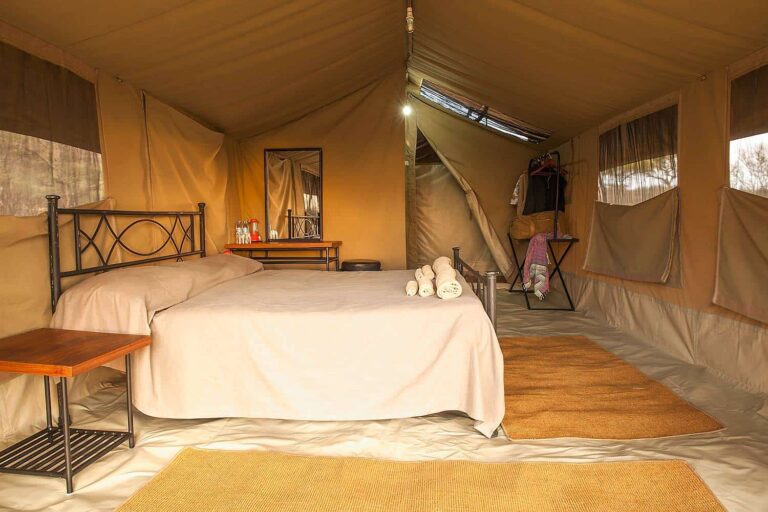
→Tented Camp safari accommodation — Tented camps combine the atmosphere of camping with beds, private facilities, and hospitality. Options range from permanent camps to luxurious canvas suites. They can place travelers close to wildlife habitats while offering comfort. Check location, seasonality, amenities, and family needs when choosing accommodation.
→Campsite safari accommodation — Campsites provide a practical, budget-friendly base for Tanzania safari adventures. Public campsites generally offer simpler facilities, while special or private camps can provide greater privacy and services. Confirm sanitation, meals, equipment, security, park regulations, and whether camping gear or a cook is included.
→Ultra-Luxury safari accommodation — Ultra-luxury accommodation offers spacious suites, exceptional service, premium dining, private amenities, and personalized safari experiences. These properties often emphasize privacy, exclusive locations, and seamless logistics. Compare inclusions, seasonal rates, transfer arrangements, activities, and cancellation policies to ensure accommodation matches your expectations and budget year-round.
Budget camping & lodges
Affordable, adventurous and close to nature.
Mid-range lodges & tented camps
Comfort, good food and convenient locations.
Luxury tented camps & lodges
Spacious suites, personal service and prime wildlife areas.
Exclusive-use camps & villas
Complete privacy, private guides and bespoke experiences.
Choose and Book with a Reputable Operator
Choose a reputable Tanzania safari operator with transparent pricing, clear inclusions, experienced guides, reliable vehicles, and verifiable reviews. Check registration, destination expertise, safety practices, accommodation standards, cancellation terms, and customer support before paying a deposit. Compare complete itineraries rather than headline prices because park fees, meals, transfers, flights, activities, and accommodation affect total cost. A good operator should answer questions clearly and tailor the trip to your interests, budget, and travel dates before making your final booking decision confidently and safely.
Check Your Passport and Visa Requirements
Check your passport validity, blank pages, and visa requirements before traveling to Tanzania. Entry rules depend on nationality, travel purpose, and itinerary, and requirements can change. Use official Tanzanian immigration information or your embassy for current guidance. If applying for an eVisa, complete the process early and carry approval documents. Keep digital and printed copies of your passport, visa, insurance, and important bookings. Verify requirements again before departure. Keep copies accessible during your journey at all times when traveling too.
Check What Vaccinations You Need
Arrange a pre-travel health consultation well before your Tanzania safari. A healthcare professional can review your itinerary, medical history, and vaccination status and advise on routine vaccines, hepatitis A, typhoid, polio, rabies, or other relevant protection. Malaria prevention may also be recommended depending on where you travel. Yellow fever requirements can depend on travel history and transit countries, so check current official guidance. Carry required certificates and essential medicines before your safari begins. Seek professional medical advice for personalized recommendations.
Decide on the Best Time to Visit
Choose your Tanzania safari dates according to wildlife goals, weather, budget, and preferred destinations. The dry season generally offers easier wildlife viewing, while green-season months can bring lush scenery, fewer visitors, and attractive rates. The Great Migration follows seasonal movements, so location matters as much as month. Northern, Southern and Western circuits can have different conditions and road accessibility. Consider school holidays, accommodation demand, and flight availability when planning. Book early for peak travel periods whenever possible in advance ahead.
→Dry Season (June to October) — June to October is Tanzania’s dry season and a popular time for safari. Clear skies, limited rainfall, easier wildlife viewing, and comfortable conditions make Serengeti, Ngorongoro, Tarangire, and other parks excellent choices for game drives, photography, family holidays, and Great Migration adventures year-round.
→Calving Season (January to February) — January to February is Tanzania’s calving season, especially in the Southern Serengeti and Ndutu areas. Wildebeest give birth, attracting predators and creating remarkable wildlife encounters. Warm weather, green landscapes, and abundant newborn animals make this period ideal for photographers, families, and safari enthusiasts.
→Green / Rainy Season (March to May) — March to May brings Tanzania’s green or rainy season, with lush landscapes, fewer visitors, and lower safari prices. Rainfall can be heavier, especially in April and May, but wildlife remains rewarding. This season suits travelers seeking scenery, value, photography, and quieter safari experiences.
Organize Travel Insurance
Travel insurance is an important part of planning a Tanzania safari. Choose comprehensive cover for medical treatment, emergency evacuation, trip cancellation or interruption, baggage problems, and delays. Check whether adventure activities, hiking, flying safaris, and pre-existing conditions are covered. Confirm policy limits, exclusions, documentation requirements, and emergency assistance procedures before departure. Keep your policy number and insurer contacts accessible offline and online. Remote safaris require adequate evacuation protection, and keep receipts if applicable, as an essential Tanzania Safari Planning essential tips & hidden costs.
Check Airline Luggage Restrictions
Check airline and safari-flight luggage restrictions before packing for Tanzania. International airlines and domestic safari carriers can have different baggage allowances, dimensions, and weight limits, particularly on small aircraft serving remote airstrips. Soft-sided bags are often more practical for light aircraft, but confirm exact requirements with your airline and safari operator. Weigh luggage before departure and keep valuables, medication, documents, and camera equipment accessible. Follow the strictest applicable limit for every flight segment carefully. Confirm allowances for every domestic sector carefully.
Pack Appropriately
For your comfortable Tanzania safari, pack lightweight, breathable clothing in neutral colors, comfortable walking shoes, a warm layer, hat, sunglasses, sunscreen, insect repellent, and a light rain jacket. Bring personal medication, toiletries, a reusable water bottle, binoculars, camera equipment, and essential travel documents. Layering is useful because safari mornings can be cool while afternoons become warm. A small daypack helps organize essentials during game drives. Follow airline baggage limits and use soft-sided luggage when required. Dress comfortably and prepare for changing weather throughout your safari daily.
Invest in a Good Camera
A good camera can transform your Tanzania safari into a lasting visual record. Choose equipment according to your experience, budget, and interests, whether smartphone photography, mirrorless, DSLR, or professional wildlife gear. A versatile telephoto lens helps capture distant animals, while a wider lens suits landscapes, camps, and cultural scenes. Carry spare batteries, memory cards, cleaning equipment, and protective storage. Learn basic exposure and autofocus techniques before departure. Respect wildlife and park regulations. Extra batteries are especially useful on long drives.
Learn a Few Words of Swahili
Learning a few Swahili words can make your Tanzania safari more engaging and respectful. Simple greetings such as “Jambo,” “Habari,” “Asante,” “Karibu,” “Tafadhali,” and “Kwaheri” are useful when meeting guides, lodge staff, and local communities. Swahili is widely spoken in Tanzania and is an important part of everyday communication and culture. Practice pronunciation before your trip and use greetings naturally. Your guide can teach additional phrases during the safari. Showing interest in the local language creates friendly conversations with local people respectfully.
Add on a Beach Escape
Consider adding a Zanzibar beach escape after your Tanzania safari for a combination of wildlife and Indian Ocean scenery. After exploring national parks, unwind on white-sand beaches, swim, snorkel, dive, or explore Stone Town and local culture. Zanzibar works well for honeymoon, family, luxury, and private safari itineraries, with flights from safari destinations. Choose boutique hotels, family-friendly resorts, or luxury beach properties according to your budget. Allow time for relaxation. A safari and beach holiday creates a varied vacation experience.
Final Thought
Planning a Tanzania safari is about matching your destination, travel style, budget, season, and expectations. Compare safari circuits, accommodation, transport, activities, and reputable operators before booking, then prepare documents, health arrangements, insurance, luggage, and packing carefully and thoroughly. Whether you choose a budget camping adventure, private mid-range journey, luxury wildlife holiday, photographic safari, honeymoon, family trip or fly-in expedition, thoughtful preparation can make your Tanzania safari smooth and rewarding. Leave room for flexibility, respect wildlife, and enjoy Tanzania’s landscapes and cultures unforgettable
Things to Consider When Planning a Tanzania Safari: FAQs
What can you expect from safari Types for things to consider when planning a Tanzania safari?
Choose your Tanzania safari according to interests, comfort, budget, and travel style. Classic game drives, walking, camping, luxury lodges, photography, fly-in and night safaris offer different wildlife experiences. All can suit families, honeymooners, seniors, and solo travelers with tailored itineraries and support comfortably. →Classic Game Drive Safaris: Classic game drive safaris provide flexible wildlife viewing in a private 4x4 vehicle with an experienced guide.
How much should you budget for safari budget for things to consider when planning a Tanzania safari?
Tanzania safari costs vary according to accommodation, season, park fees, transport, activities, group size and itinerary length. Compare budget camping, mid-range, luxury and ultra-luxury safari packages, checking meals, park fees, private vehicles, flights, guides, accommodation and transfers before booking.
What should you know about safari length for things to consider when planning a Tanzania safari?
How Long You Want Your Safari to Be? A 5–10-day Tanzania safari suits travelers seeking a focused circuit itinerary, while 14+ days allow broader travel and a slower pace. Longer trips can combine several parks, cultural experiences, Kilimanjaro climbing, or Zanzibar beach holidays without making individual travel days feel rushed.
What can you expect from choose and Book with a reputable operator for things to consider when planning a Tanzania safari?
Choose a reputable Tanzania safari operator with transparent pricing, clear inclusions, experienced guides, reliable vehicles, and verifiable reviews. Check registration, destination expertise, safety practices, accommodation standards, cancellation terms, and customer support before paying a deposit. Compare complete itineraries rather than headline prices because park fees, meals, transfers, flights, activities, and accommodation affect total cost.
What should you know about check what Vaccinations you Need for things to consider when planning a Tanzania safari?
Arrange a pre-travel health consultation well before your Tanzania safari. A healthcare professional can review your itinerary, medical history, and vaccination status and advise on routine vaccines, hepatitis A, typhoid, polio, rabies, or other relevant protection. Malaria prevention may also be recommended depending on where you travel.
What can you expect from organize travel insurance for things to consider when planning a Tanzania safari?
Travel insurance is an important part of planning a Tanzania safari. Choose comprehensive cover for medical treatment, emergency evacuation, trip cancellation or interruption, baggage problems, and delays. Check whether adventure activities, hiking, flying safaris, and pre-existing conditions are covered. Confirm policy limits, exclusions, documentation requirements, and emergency assistance procedures before departure.
What should you know about pack appropriately for things to consider when planning a Tanzania safari?
For your comfortable Tanzania safari, pack lightweight, breathable clothing in neutral colors, comfortable walking shoes, a warm layer, hat, sunglasses, sunscreen, insect repellent, and a light rain jacket. Bring personal medication, toiletries, a reusable water bottle, binoculars, camera equipment, and essential travel documents. Layering is useful because safari mornings can be cool while afternoons become warm.
What can you expect from learn a few words of Swahili for things to consider when planning a Tanzania safari?
Learning a few Swahili words can make your Tanzania safari more engaging and respectful. Simple greetings such as “Jambo,” “Habari,” “Asante,” “Karibu,” “Tafadhali,” and “Kwaheri” are useful when meeting guides, lodge staff, and local communities. Swahili is widely spoken in Tanzania and is an important part of everyday communication and culture.
Plan Your Private Tanzania Safari
Tell us your travel dates, interests and budget, and our local team will design a private tailor-made safari around you.