The African Big five, Small five, Shy five, Ugly five, Impossible five
The African Big five, Small five, Shy five, Ugly five, Impossible five
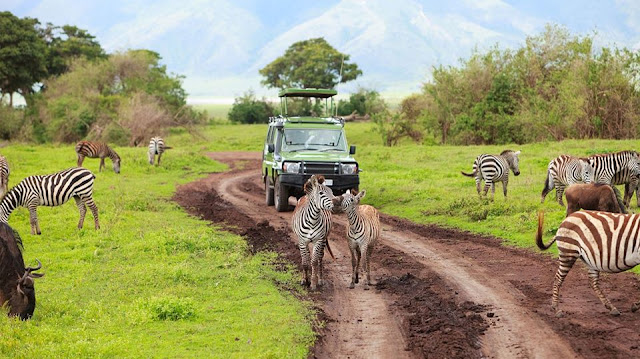
The African safari experience is one of the most powerful wildlife encounters on Earth, attracting travelers searching for terms like African Big Five safari tours, Tanzania safari packages, Serengeti wildlife safari, Ngorongoro Crater safari, and best African safari destinations. The continent is home to some of the most iconic and diverse animal groupings, often categorized to help travelers understand its rich biodiversity. The most famous is the African Big Five—lion, leopard, elephant, buffalo, and rhino—originally named by hunters but now celebrated by conservation-focused safaris. Beyond them, wildlife lovers also explore the Small Five, Shy Five, Ugly Five, and the rare Impossible Five. Together, these groups showcase Africa’s incredible ecological diversity, from powerful predators and gentle giants to secretive, lesser-known species found across savannahs, forests, and wetlands. A safari in East Africa, especially Tanzania, offers the ultimate opportunity to witness all these fascinating creatures in their natural habitat.
African Big Five – The Kings of the Safari World
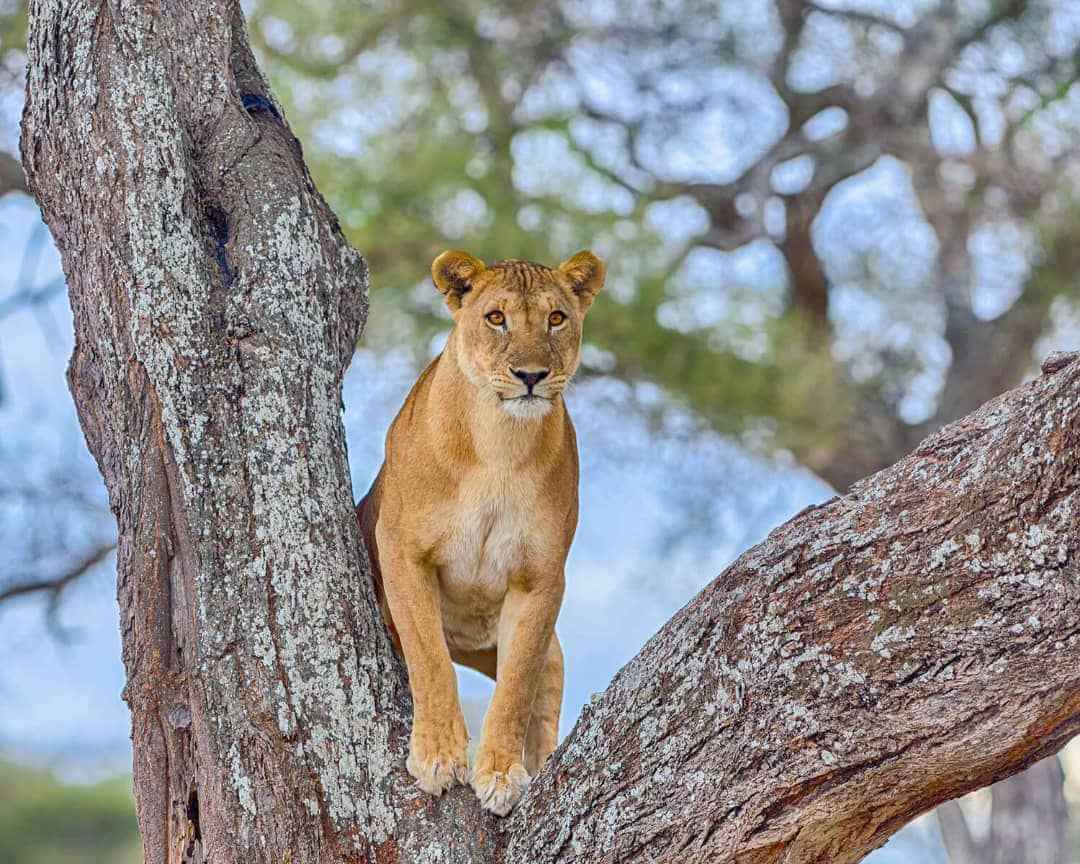
The African Big Five represent the most sought-after wildlife sightings on any African safari tour, especially in destinations like Serengeti National Park and Ngorongoro Crater. This group includes the lion, leopard, elephant, buffalo, and rhino—each symbolizing strength, survival, and dominance in the wild. The lion is the iconic king of the savannah, often seen resting in prides under acacia trees. The leopard is elusive, solitary, and incredibly powerful, often spotted draped over tree branches. The elephant, the largest land animal, roams in herds led by matriarchs, showcasing intelligence and emotional depth. The Cape buffalo is unpredictable and strong, often forming large defensive herds. Finally, the rhinoceros—both black and white species—is critically endangered and heavily protected. Seeing all five in one safari is considered a bucket-list achievement for wildlife lovers visiting Africa.
Lion – The Icon of African Wilderness
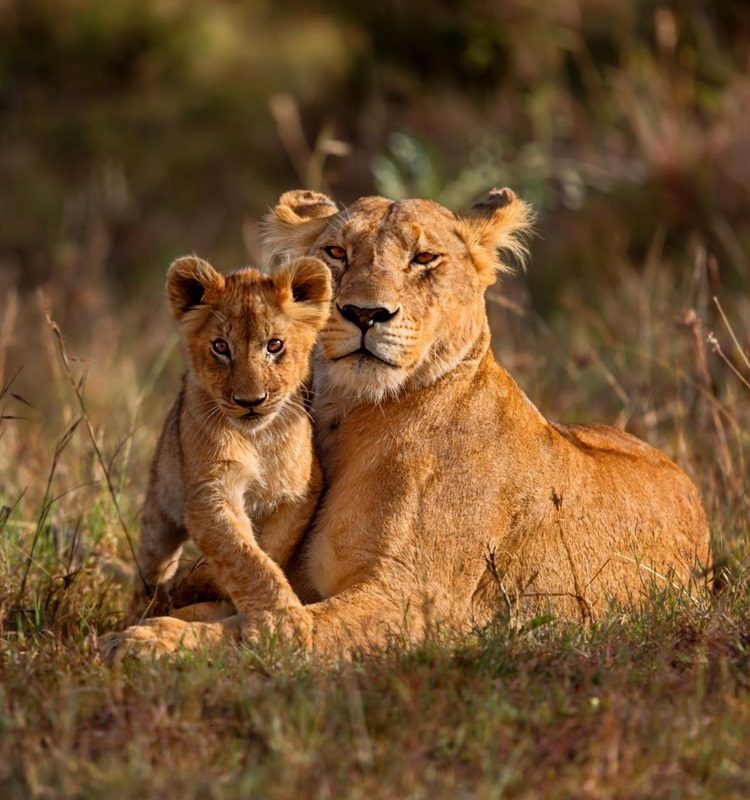
The lion is the most iconic symbol of African wildlife and one of the most popular animals in Serengeti safari tours and Big Five safari packages. Known as the king of the jungle, lions actually thrive in open savannahs where they hunt in coordinated prides. Their powerful roar can travel up to 8 kilometers, making them one of the most dominant predators in Africa. Lions are social cats, living in groups led by females who do most of the hunting, while males protect the territory. In Tanzania, especially in Serengeti National Park, lion sightings are extremely common, particularly during the Great Migration when prey is abundant. Tourists often witness dramatic hunting scenes, cub interactions, and pride dynamics. Lions symbolize courage, leadership, and raw wilderness energy, making them a highlight of any African wildlife safari experience.
Leopard – The Master of Stealth and Shadows
Unlike lions, leopards are solitary and highly secretive, preferring dense bush and riverine forests. Their spotted coat provides perfect camouflage, making them difficult to spot even for experienced safari guides. Leopards are powerful climbers and often drag their prey into trees to protect it from scavengers. In places like Serengeti and Ngorongoro, early morning and night game drives offer the best chance of sightings. Despite their shy nature, leopards are incredibly adaptable and can survive in varied habitats, from savannahs to mountains. Their mysterious behavior and rare appearances make them one of the most rewarding animals to encounter on an African safari adventure.
Elephant – The Gentle Giant of Africa
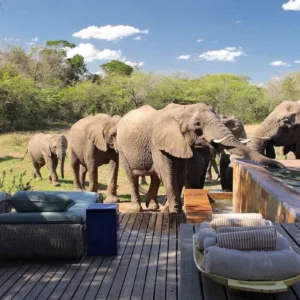
The elephant is the largest land mammal on Earth and a must-see highlight of any African safari tour in Tanzania. Known for their intelligence, strong family bonds, and emotional behavior, elephants are often seen moving in herds led by experienced matriarchs. They communicate through deep vibrations, sounds, and body language, making them highly social creatures. In national parks like Tarangire, famous for its massive elephant herds, visitors can observe them bathing in rivers, feeding on baobab trees, and caring for calves. Despite their size, elephants are gentle and play a crucial role in shaping ecosystems by creating water access points and clearing vegetation. Sadly, they face threats from poaching and habitat loss, making conservation efforts critical. Seeing elephants in the wild is a powerful and emotional experience for any African safari traveler.
Buffalo – The Unpredictable Powerhouse of the Savannah
Cape buffalo is one of the most dangerous yet fascinating members of the African Big Five. Often underestimated, buffalo are known for their unpredictable nature and strong herd defense strategies. They move in large groups called herds, sometimes numbering in the hundreds, creating a powerful collective force against predators like lions. In Tanzania’s Serengeti and Ngorongoro ecosystems, buffalo are commonly seen grazing in open grasslands or resting near water sources. Despite their calm appearance, they can become extremely aggressive when threatened, making them respected by both predators and safari guides. Their curved horns and heavy build give them a formidable presence in the wild. Buffalo play an important ecological role by grazing vegetation and maintaining grassland balance. Observing a buffalo herd on an African safari is both impressive and humbling.
Rhinoceros – The Ancient Guardian of the Wild
Rhinoceros is one of the most endangered members of the African Big Five and a key attraction in conservation-focused African safari tours. There are two main species: the black rhino and the white rhino. Despite their names, both are gray in color. Rhinos are known for their thick skin, prehistoric appearance, and powerful horns, which unfortunately make them targets for poaching. In protected areas like Ngorongoro Crater, rhinos are carefully monitored, offering rare but unforgettable sightings for safari travelers. They are generally solitary animals, feeding on grasses or shrubs depending on the species. Rhinos move with surprising speed despite their size and can be very protective of their territory. Seeing a rhino in the wild is a powerful reminder of the importance of wildlife conservation across Africa.
Shy Five – The Secretive Survivors of the Wild
The Shy Five represent some of the most elusive animals in Africa, rarely seen on standard safari drives. This group often includes the aardvark, aardwolf, porcupine, bat-eared fox, and meerkat. These creatures are mostly nocturnal or highly secretive, making them difficult to observe during the day. Aardvarks dig for termites, while aardwolves feed on insects rather than large prey. Porcupines use their quills for defense, and bat-eared foxes rely on sharp hearing to hunt insects. Meerkats are social and live in cooperative groups in desert regions. Spotting any of the Shy Five during a safari is considered a special and lucky experience, often requiring night game drives or early morning excursions in remote wilderness areas.
Ugly Five – Nature’s Most Unusual Beauties
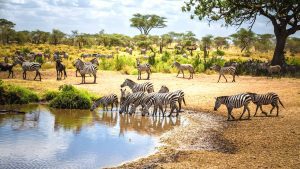
The Ugly Five are not truly ugly, but rather uniquely shaped animals often overlooked in African safari tours. This group includes the wildebeest, hyena, vulture, warthog, and marabou stork. Despite their appearance, they play essential roles in Africa’s ecosystems. Wildebeest are famous for their massive Great Migration across the Serengeti. Hyenas are intelligent scavengers and skilled hunters. Vultures act as nature’s clean-up crew, preventing disease spread. Warthogs are tough survivors often seen kneeling while feeding. Marabou storks are large scavenging birds commonly found near water bodies. These animals are frequently misunderstood but are vital to ecological balance. Safari guides often highlight them to show that beauty in nature goes beyond appearance, emphasizing function, survival, and adaptation in the wild landscapes of Africa.
Impossible Five – The Rarest Wildlife Encounters in Africa
The Impossible Five refer to some of the rarest and hardest animals to see in Africa, often discussed in luxury safari experiences and specialist wildlife tours. This group commonly includes the okapi, pangolin, aardvark, fossa, and saola. These animals are extremely elusive, endangered, or inhabit remote and inaccessible regions. The pangolin, for example, is heavily trafficked and rarely seen in the wild. The okapi resembles a zebra-giraffe hybrid and lives in dense rainforests. The saola, sometimes called the “Asian unicorn,” is rarely observed even by scientists. The fossa is native to Madagascar, while aardvarks remain nocturnal and hidden underground. Encountering any of these species is considered exceptionally rare, often described as a “once-in-a-lifetime safari moment” for dedicated wildlife researchers and passionate eco-travelers.
Safari Photography and Wildlife Viewing Experience
African safari photography is one of the fastest-growing travel interests, especially in destinations like Tanzania. Travelers search for the best safari photography spots in Serengeti, wildlife safari packages, and African Big Five photo safaris. Capturing lions at sunrise, elephants crossing rivers, or leopards resting in trees requires patience, timing, and expert guiding. Professional safari vehicles and open landscapes make it easier to photograph animals in natural light. Many travelers also focus on documenting the Small Five, Shy Five, and Ugly Five for unique storytelling. Every safari moment becomes a visual memory, combining adventure, nature, and emotion. The diversity of African wildlife makes it one of the most rewarding photography destinations in the world.
Conservation and Protection of African Wildlife
Wildlife conservation is essential for protecting Africa’s biodiversity, especially iconic species like the Big Five. National parks, reserves, and conservation areas across Tanzania and East Africa play a critical role in anti-poaching efforts and habitat preservation. Organizations and governments work together to protect endangered species such as rhinos and pangolins. Sustainable tourism also supports local communities while funding conservation projects. Eco-friendly safaris encourage responsible travel that minimizes environmental impact. Protecting wildlife ensures future generations can experience the same breathtaking encounters in places like Serengeti National Park and Ngorongoro Crater. Conservation is not just about animals—it is about maintaining the balance of entire ecosystems.
Final Thought – The Magic of African Wildlife Diversity
The African Big Five, Small Five, Shy Five, Ugly Five, and Impossible Five together represent the extraordinary richness of African wildlife. From powerful predators like lions and leopards to tiny insects and rare forest creatures, every species plays a role in the ecosystem. A safari in Africa is more than a travel experience—it is a journey into nature’s most authentic world. Whether exploring Tanzania safari tours, witnessing the Great Migration, or tracking rare species in remote habitats, travelers discover a deeper appreciation for life and conservation. Africa remains the ultimate destination for wildlife lovers, photographers, and adventure seekers. The diversity of animals ensures that every safari is unique, unforgettable, and deeply inspiring.
The African Big five, Small five, Shy five, Ugly five, Impossible five: FAQs
What are the African Big Five animals?
The African Big Five refer to the five most iconic and sought-after wildlife species on safari tours in Africa. They include the lion, leopard, elephant, buffalo, and rhinoceros. These animals were originally named by hunters for being the most difficult and dangerous to track on foot, but today they are celebrated in conservation-focused tourism.
Why are they called the Big Five?
The term “Big Five” does not refer to size alone, but to difficulty and danger in hunting them on foot during early safari history. The lion, elephant, leopard, buffalo, and rhinoceros were considered the most challenging animals to track and hunt safely. Today, the term is widely used in African safari tourism, especially for wildlife viewing experiences in parks like Serengeti.
Where can you see the Big Five in Tanzania?
Tanzania is one of the best countries in Africa to see the Big Five in their natural habitat. The most famous locations include Serengeti National Park and Ngorongoro Crater, both known for high wildlife density and excellent game viewing. Serengeti National Park is especially famous for lions and elephants, while Ngorongoro Crater offers one of the best chances to see all five in a single game drive.
What is the African Small Five?
The Small Five are a group of tiny animals that represent the Big Five in miniature form. They include the elephant shrew, antlion, rhinoceros beetle, buffalo weaver, and leopard tortoise. These animals are often featured in eco-safaris and educational wildlife tours across Africa. Unlike the Big Five, they are not large or dangerous, but they are equally important to the ecosystem.
What does the Shy Five mean?
The Shy Five refers to some of the most secretive and difficult-to-spot animals in Africa. These include species such as the aardvark, aardwolf, porcupine, bat-eared fox, and meerkat. They are often nocturnal or extremely cautious, making them rare sightings on standard safari drives. Unlike the Big Five, they require patience, night drives, or specialized tracking to observe. Safari guides often introduce the Shy Five as part of deeper wildlife education experiences.
Why are they called the Ugly Five?
The Ugly Five include the wildebeest, hyena, vulture, warthog, and marabou stork. They are called “ugly” not because they are truly unattractive, but because of their unusual appearance compared to more iconic animals. However, these species are extremely important to Africa’s ecosystems. For example, vultures clean up carcasses, hyenas maintain balance as scavengers and hunters, and wildebeest support the Great Migration in the Serengeti ecosystem.
What are the Impossible Five in Africa?
The Impossible Five refer to some of the rarest and hardest animals to see in the wild. They often include the pangolin, okapi, aardvark, fossa, and saola. These animals are either highly endangered, nocturnal, or live in very remote habitats. For example, the pangolin is heavily protected due to illegal trafficking, while the okapi lives deep in rainforests. Seeing any of the Impossible Five is extremely rare, even for experienced wildlife researchers.
Can you see all these animal groups in one safari?
Yes, but it depends on time, location, and luck. In Tanzania safari destinations like Serengeti and Ngorongoro, travelers can realistically see the Big Five along with some members of the Ugly Five and Small Five. However, the Shy Five and Impossible Five are much harder to spot due to their behavior and rarity. A longer safari itinerary of 7–14 days increases the chances of seeing a wide variety of wildlife.
What is the best time to see African wildlife?
The best time for an African safari is during the dry season, typically from June to October. During this period, animals gather around water sources, making them easier to spot. In Tanzania, this is also when the Great Migration occurs in the Serengeti, offering dramatic wildlife action including predators and large herds. However, the green season (November to May) is also excellent for birdwatching and fewer crowds.
Are these animal classifications scientific?
No, the Big Five, Small Five, Shy Five, Ugly Five, and Impossible Five are not scientific classifications. They are tourism and safari marketing terms created to help travelers understand and enjoy African wildlife in a fun and memorable way. While they are widely used in safari guides and conservation tourism, they are not biological groupings. However, they are extremely useful for education, storytelling, and promoting wildlife conservation across Africa.
See Africa’s Wildlife Up Close
Tell us which animals you dream of seeing, and we will design a private tailor-made safari to the right parks at the right time.