A Guide to Off the Beaten Path Safari Destinations in Africa
A Guide to Off the Beaten Path Safari Destinations in Africa
Africa’s safari story is often told through iconic names and postcard moments—but beyond the crowds and classic circuits lies a deeper, more intimate wilderness. These are places where silence stretches for miles, wildlife behaves as if no one is watching, and the connection to land and culture feels profoundly real. From remote national parks to forgotten coastlines and mist-covered mountains, this guide explores Africa’s off-the-beaten-path safari destinations—where adventure still feels personal, and discovery is part of the journey. Off-the-beaten-path safaris in Tanzania offer raw, secluded wilderness experiences away from northern circuit crowds, featuring destinations like Ruaha, Katavi, and Mahale Mountains. Best visited during the dry season (June–October), these remote parks provide exceptional predator sightings, large elephant herds, and chimpanzee trekking in untouched landscapes.
Tarangire National Park – The Elephant Paradise
Often overshadowed by its famous neighbors, Tarangire National Park quietly delivers one of Tanzania’s most authentic safari experiences. During the dry season, the Tarangire River becomes a lifeline, drawing enormous herds of elephants—sometimes hundreds at a time—along with buffalo, giraffe, and a dazzling array of birdlife. What sets Tarangire apart is its landscape. Towering baobab trees dominate the horizon, ancient and sculptural, giving the park a timeless feel. Game drives here feel unhurried, with fewer vehicles and more moments of solitude. Beyond the elephants, visitors encounter lions lounging in golden grass, elusive leopards in riverine forests, and rare species such as fringe-eared oryx and gerenuk. Tarangire is proof that quieter parks often leave the loudest impressions.
Ruaha National Park – Tanzania’s Best-Kept Safari Secret
Ruaha is vast, raw, and wonderfully wild. As one of Tanzania’s largest national parks (second only to Nyerere), it remains surprisingly under-visited, making it one of Africa’s true safari secrets. Here, the Great Ruaha River cuts through dramatic landscapes of rolling hills, baobabs, and rocky escarpments. Wildlife densities are astonishing. Ruaha boasts one of the largest populations of elephants in East Africa and is renowned for its predators, particularly lions, cheetahs, and the rare African wild dog. Safaris here feel wonderfully exclusive—long game drives with no other vehicles in sight, uninterrupted animal behavior, and a sense of being completely immersed in nature. Ruaha is ideal for travelers who value authenticity over polish and wilderness over convenience.
Mahale Mountains – Chimpanzee Tracking and Lakeside Beauty
On the remote shores of Lake Tanganyika, Mahale Mountains National Park offers one of Africa’s most extraordinary wildlife encounters: tracking wild chimpanzees through dense rainforest. Accessible only by boat or light aircraft, Mahale feels worlds away from conventional safari routes. The experience begins with a forest hike, following the calls and movements of chimpanzee families as they forage, groom, and interact. The moment you lock eyes with a chimpanzee in its natural habitat is unforgettable. After trekking, the reward continues—crystal-clear waters, white sandy beaches, and forested mountain backdrops. Mahale seamlessly blends primate adventure with barefoot luxury and serene isolation.
Katavi National Park – The Untamed Frontier
Katavi National Park is not just remote—it is raw Africa at its most untamed. Few travelers ever reach this western Tanzanian wilderness, yet those who do are rewarded with scenes that feel almost prehistoric. During the dry season, Katavi’s floodplains shrink dramatically, concentrating wildlife around dwindling water sources. Thousands of buffalo crowd muddy pools, hippos jostle aggressively in shrinking rivers, and lions patrol with absolute authority. There are no traffic jams here, no scheduled sightings—only nature unfolding without interruption. Katavi is for seasoned safari enthusiasts seeking the thrill of true exploration and the rare privilege of having an entire ecosystem almost to themselves.
Pangani – Coastal Charm and Cultural Richness
Safari doesn’t always mean savannahs and big cats. Along Tanzania’s lesser-known coastline, Pangani offers a different kind of off-the-beaten-path experience—one that blends history, culture, and ocean adventure. Once a key trading port along the Swahili Coast, Pangani is rich in cultural heritage, from colonial ruins to traditional fishing villages. The surrounding environment invites exploration: mangrove forests, quiet beaches, coral reefs, and river cruises along the Pangani River. It’s an ideal extension after a safari, offering a slower rhythm and authentic coastal life far removed from busy beach resorts.
- White-sand beaches
- Stone Town
- Spice tours
- Dhow cruises
- Snorkelling & diving
Udzungwa Mountains – A Hiker’s Paradise
Rising dramatically from the plains of southern Tanzania, the Udzungwa Mountains are a hidden gem for nature lovers and hikers. Unlike traditional safari parks, Udzungwa has no roads for game drives—this is a place explored on foot. The mountains are part of the Eastern Arc range, one of the world’s most important biodiversity hotspots. Trails wind through lush rainforest, leading to waterfalls, panoramic viewpoints, and encounters with endemic wildlife such as the Udzungwa red colobus monkey. Hiking here feels intimate and immersive, offering a deep connection to nature through sound, scent, and movement. Udzungwa is ideal for travelers who want to earn their adventure step by step.
Gombe Stream National Park
Perched along the shores of Lake Tanganyika, Gombe Stream National Park is small in size but immense in significance. Made famous by Dr. Jane Goodall’s groundbreaking chimpanzee research, Gombe remains one of the best places in Africa to observe these intelligent primates in the wild. Chimpanzee trekking here is both educational and emotional. Watching their complex social behavior unfold in a forest setting offers insight into our closest relatives. Beyond chimps, the park’s steep valleys and clear lakeshore create a dramatic, peaceful atmosphere. Gombe is a destination for thoughtful travelers—those who appreciate conservation stories as much as wildlife encounters.
A general guide: the herds follow the rains.
Lake Manyara National Park – A Small Park with Big Surprises
Lake Manyara National Park often flies under the radar, yet it delivers remarkable diversity in a compact setting. Nestled at the base of the Great Rift Valley escarpment, the park transitions from groundwater forests to open plains and a shimmering alkaline lake. Famous for its tree-climbing lions and vast flocks of flamingos, Manyara is also a birdwatcher’s paradise, hosting hundreds of species year-round. The park’s intimate scale allows gentle exploration, making it ideal for families, photographers, and travelers seeking a relaxed introduction to safari life. Manyara proves that size doesn’t determine impact.
- ArushaGateway
- TarangireElephants
- NgorongoroCrater
- SerengetiBig Five
- ZanzibarBeach
Serengeti National Park – Beyond the Famous Routes
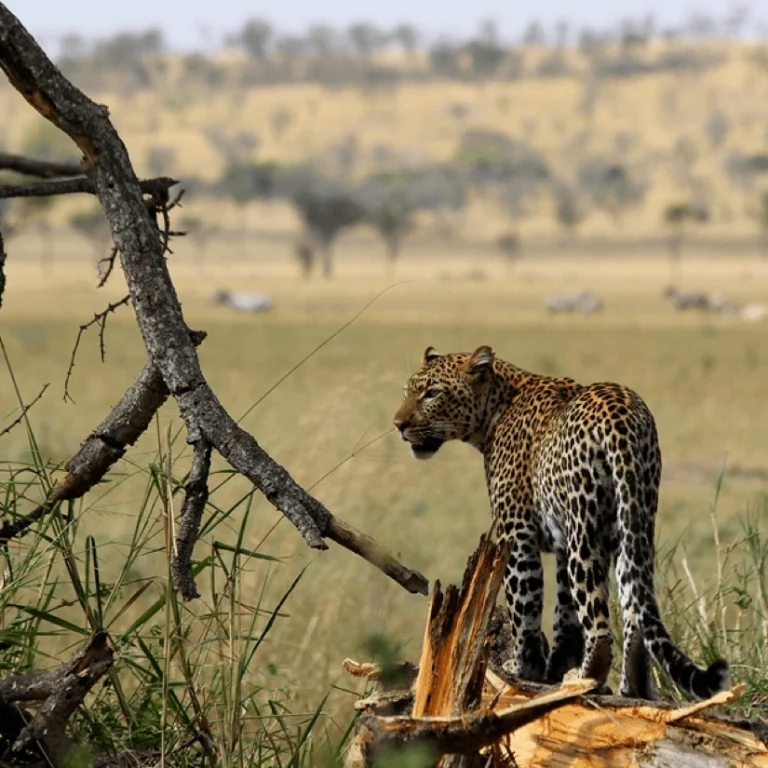
The Serengeti is hardly unknown—but step away from its busiest corridors, and a different world emerges. In the remote western, northern, and southern regions, the Serengeti reveals its quieter soul. Here, endless plains stretch undisturbed, wildlife roams freely, and game drives feel deeply personal. These quieter areas offer exceptional predator sightings, seasonal migrations, and spectacular landscapes without the crowds. The Serengeti’s off-the-beaten-path side reminds us why it became legendary in the first place—not for popularity, but for pure, untamed beauty.
Note: The best time to visit Serengeti National Park is during the dry season from late June to October, which offers the best wildlife viewing, including the Great Migration's dramatic river crossings and easier predator spotting. For witnessing the wildebeest calving season, January to February is ideal. The park is a year-round destination, but the dry months are the most popular.
Lake Natron – A Land of Fire and Flamingos
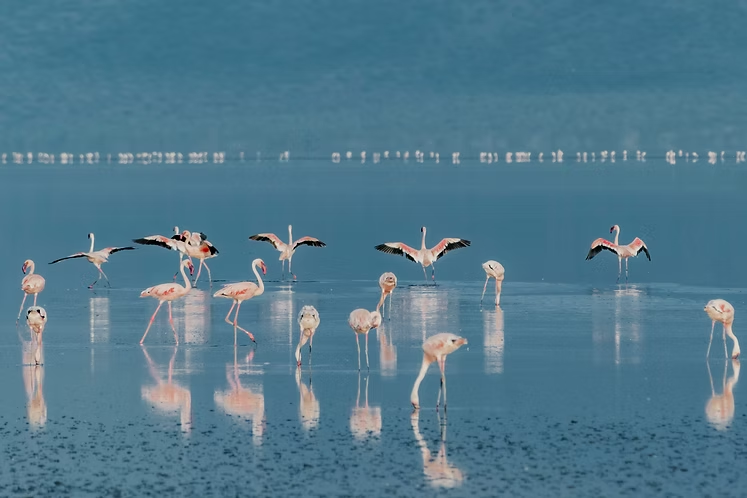
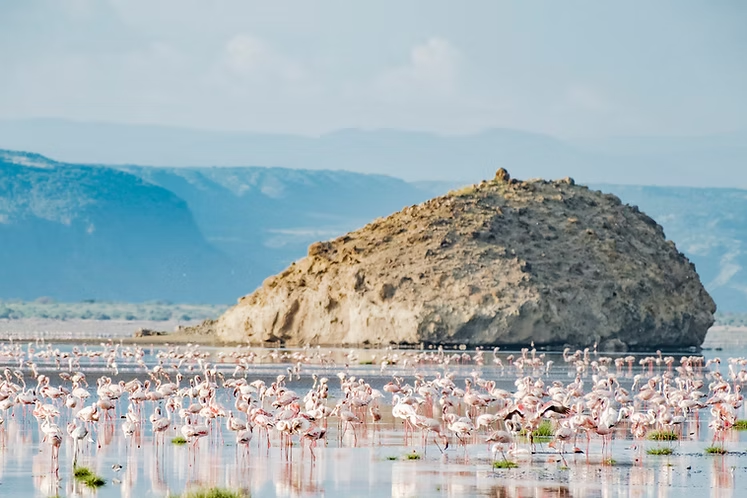
At the edge of Tanzania’s northern frontier lies Lake Natron, a place so otherworldly it feels almost unreal. Fed by mineral-rich hot springs and framed by the brooding presence of Ol Doinyo Lengai, the world’s only active natrocarbonatite volcano, the lake glows in shades of red and pink. Lake Natron is the most important breeding ground for East Africa’s lesser flamingos, offering mesmerizing scenes of thousands of birds against stark volcanic landscapes. Beyond flamingos, visitors can hike to waterfalls, explore Maasai villages, and witness dramatic sunrises in near-total solitude. This is not a destination of comfort—it is one of contrast, raw beauty, and unforgettable atmosphere.
Lake Eyasi
Lake Eyasi is one of Tanzania’s most authentic off-the-beaten-path safari destinations, offering a rare blend of culture and wilderness. Tucked at the base of the Great Rift Valley, the lake is home to the Hadzabe and Datoga peoples, where visitors can experience traditional hunting, storytelling, and age-old ways of life. The surrounding landscapes are raw and unspoiled, attracting birdlife, small game, and stunning seasonal reflections. Far from crowded parks, Lake Eyasi delivers a deeply human experience—rich in culture, history, and genuine connection—perfect for travelers seeking meaningful encounters beyond classic wildlife safaris.
Mafia Island
Mafia Island is one of Africa’s most rewarding off-the-beaten-path destinations, offering a rare blend of marine safari and laid-back island life. Located off Tanzania’s southern coast, the island is part of the protected Mafia Island Marine Park, famous for vibrant coral reefs, seasonal whale shark encounters (October–March), and exceptional diving and snorkeling. Unlike busier beach resorts, Mafia remains quiet and authentic, with traditional fishing villages, mangrove forests, and unspoiled beaches. It is ideal for travelers seeking privacy, nature, and meaningful ocean experiences, making it a perfect complement to a classic African safari adventure.
Best Time to Visit
The best time to visit Africa’s off-the-beaten-path safari destinations largely depends on the experience you seek. The dry season, from June to October, is ideal for wildlife viewing, as animals gather around rivers and waterholes in remote parks like Ruaha, Katavi, and Tarangire. For lush landscapes, fewer crowds, and excellent birdlife, the green season from November to May offers rewarding travel, especially around Lake Manyara, Udzungwa Mountains, and Pangani. Chimpanzee trekking in Mahale and Gombe is best during the drier months. Traveling during the shoulder seasons balances wildlife, scenery, and value.
What activities to do in Tanzania besides safari?
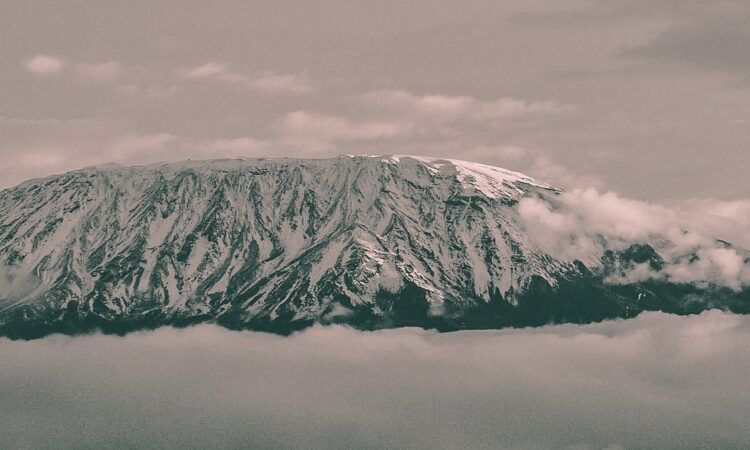
Tanzania offers a rich mix of experiences beyond classic wildlife safaris. You can climb Mount Kilimanjaro or hike scenic peaks like Mount Meru and the Udzungwa Mountains. Along the coast and Zanzibar islands, enjoy white-sand beaches, snorkeling, diving, and dhow cruises. Cultural encounters include visiting Maasai villages, exploring Stone Town, and learning local traditions. Adventure seekers can try hot air ballooning, cycling tours, and kayaking. Nature lovers will enjoy chimpanzee trekking, waterfall hikes, and birdwatching. From culture and adventure to relaxation and history, Tanzania delivers unforgettable experiences far beyond the savannah.
A Guide to Planning Your First Tanzania Safari
Planning your first Tanzania safari is an exciting adventure filled with breathtaking wildlife, stunning landscapes, and rich cultural experiences. Start by choosing the right time to visit, typically during the dry season for easier wildlife spotting. Select your safari destinations—Serengeti, Ngorongoro Crater, Tarangire, or Lake Manyara—based on your interests, whether it’s the Great Migration, Big Five, or birdwatching. Decide on accommodation, from luxury lodges to budget camps, and arrange transportation, including airport transfers and park drives. A professional guide enhances safety and wildlife insights. Don’t forget essentials like travel insurance, visas, and vaccinations. With careful planning, your first Tanzanian safari promises unforgettable memories and a seamless adventure into Africa’s wilderness.
Final Thoughts
Off-the-beaten-path safari destinations offer something increasingly rare: space, silence, and sincerity. These places invite you to slow down, to listen, and to experience Africa not as a checklist of sights, but as a living, breathing landscape rich in stories. Whether you’re tracking chimpanzees through the rainforest, hiking misty mountains, watching elephants gather at ancient rivers, or standing alone beneath volcanic skies, these destinations remind us that the most meaningful journeys are often found far from the crowds—deep within the wild heart of Africa.
A Guide to Off the Beaten Path Safari Destinations in Africa: FAQs
What is the Great Migration?
The Great Migration is the year-round movement of more than a million wildebeest, with zebras and gazelles, around the Serengeti ecosystem in search of fresh grazing. Calving takes place in the southern Serengeti from January to March, the herds move west around June and July, and dramatic Mara River crossings occur in the north from about August to October.
Do I need a visa to visit Tanzania?
Most visitors need a visa to enter Tanzania, which many nationalities can apply for online before travel or obtain on arrival. Requirements depend on your nationality and can change, so always check official immigration information well before departure. Make sure your passport is valid for at least six months and has blank pages.
What vaccinations do I need for Tanzania?
Vaccination requirements depend on your health, itinerary and travel history. A yellow fever certificate may be required if you arrive from a country with yellow fever risk. Speak to a travel health professional several weeks before departure about recommended vaccinations and malaria prevention, and carry any personal medication in your hand luggage.
What is the best time to go on safari in Tanzania?
The dry season from June to October is the most popular time, with excellent wildlife viewing as animals gather near water. January and February are ideal for the Serengeti calving season, while the green season from March to May brings lush scenery, fewer visitors and lower prices. Tanzania offers rewarding safaris all year, so plan around the experiences you value most.
How many days should a Tanzania safari be?
Most first-time visitors spend five to seven days on safari, enough to explore Tarangire, the Ngorongoro Crater and the Serengeti without rushing. Eight to ten days allows more time in the Serengeti or a visit to Lake Manyara, while adding three to five days in Zanzibar creates a relaxing bush-and-beach holiday.
Is a private safari better than a shared safari?
A private safari gives you your own vehicle and guide, flexible game-drive times and the freedom to stay as long as you like at sightings. It is ideal for families, couples and photographers. Shared safaris can cost less, but schedules are fixed and you travel with other guests. For comfort and flexibility, a private tailor-made safari is usually the best choice.
Can I see the Big Five in Tanzania?
Yes, Tanzania is one of the best countries to see the Big Five: lion, leopard, elephant, buffalo and rhino. The Ngorongoro Crater offers a strong chance of seeing all five in a single day, including the rare black rhino, while the Serengeti is famous for big cats and Tarangire for large elephant herds. Sightings are never guaranteed.
Is Tanzania safe for a safari?
Tanzania is generally regarded as one of Africa’s safest safari destinations when you travel with a reputable operator. Follow your guide’s instructions, stay in the vehicle during game drives and never approach wildlife. Keep valuables secure in towns, check current travel advice before departure and carry comprehensive travel insurance for peace of mind.
Plan Your Private Tanzania Safari
Tell us your travel dates, interests and budget, and our local team will design a private tailor-made safari around you.